
For most, the word ‘exotic’ conjures up images of tropical islands adorned with sandy beaches and coconut trees. The dictionary defines it as “alien: being or from or characteristic of another place or part of the world” or “strikingly strange or unusual.” Besides qualifying foreign cuisines or pristine beaches, the word ‘exotic’ is increasingly used in the world of financial investments.
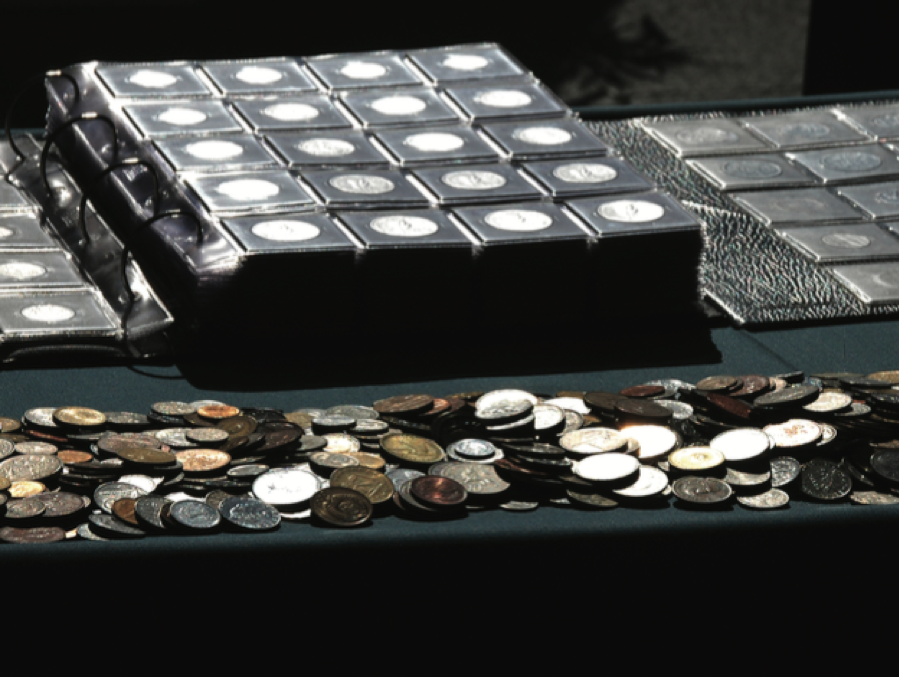
In their search for the perfect asset classes that might beat market interests by a comfortable margin and diversify risks, financiers around the world have started looking into ‘exotic’ assets whether wine, art, coins, photography or antiquities, around which they develop structured products.
“Exotic asset classes, such as art and fine wine, need to be approached with caution due to the specialist nature of these assets and the risk they present to naïve investors from fraud and sharp practitioners,” underlined Duncan Hughes, of Arch Fund. “However, one of the chief attractions offered by such asset classes resides in the low correlation they tend to have with mainstream asset classes, thereby contributing significantly to effective portfolio diversification,” he added.
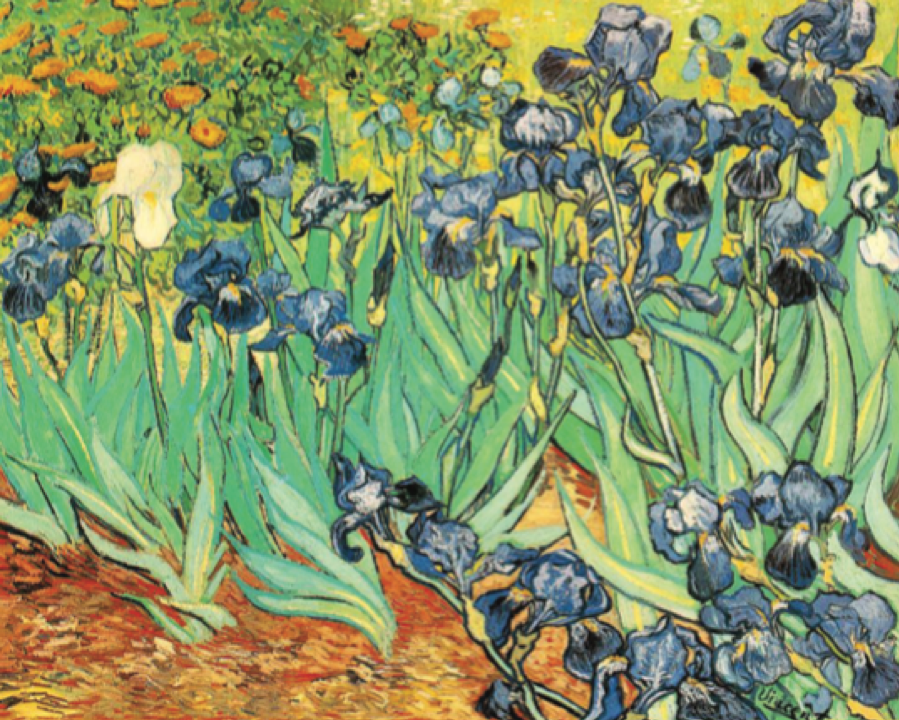
For Maneli Keykavoussi, Head of Middle Eastern markets at The Fine Art Fund, art has recently emerged as a new asset class. Moving out from the rarified world of luxury, it has entered the investment field. “Art shows generally a low correlation with equity and money markets as well as a negative correlation with bonds,” she explained. The art fund boasts an RIR of 59.68% cash on cash return and 36% on assets sold.
Strength from eccentricity
Arch Fund specializes in a number of portfolios that are primarily invested in different alternative markets such as private equity, private finance, and sustainable opportunities like alternative energy. “Our funds have generated strong positive returns, they’ve performed very well relatively to recent market performances,” Hughes added.
The Fine Art Fund is a private equity fund tailored to sophisticated investors. “It is a closed ended fund, in its fourth year since inception,” says Keykavoussi. Hughes asserted that “While both retail and institutional classes exist for most of exotic funds many may remain relatively illiquid. We offer, however, daily liquidity into all of our funds for retail size investors. Our minimum investments amounts vary greatly as we prefer to adopt here at Arch Fund a flexible approach. Our funds are structured in a way that allows
investments to be traded like regular shares on an exchange.” Investors can hence buy one single share if they wish to, which makes the fund accessible to most. While Hughes advises that not more than 15% of a person’s total assets be invested exotics funds, Maneli advocates to bring down this figure to 5%.
So how are exotic funds invested? Approaches adopted by financial companies seem to differ substantially from one fund to the other. The London-based The Fine Art Fund features four equity funds invested in old masters as well as in contemporary artists. Arch’s wine fund is invested in the finest French Bordeaux wines in order to ensure liquidity in the underlying asset class. The company, which has $1.55 billion of asset under management, has allocated $10 million to investing in wine.
Exotic funds appear to be more and more attractive in a world where rarity is strongly sought. “Since the subprime crisis, investors have been looking more seriously at alternative investments including exotics ones. More individuals are increasingly willing to be exposed to such asset classes. In addition, investors in Asia have a greater propensity to invest in ‘real’ assets (as opposed to financial instruments), which implies that in such a region, exotic asses are actually considered more mainstream,” Hughes pointed out.
The growth of the art scene around the world is another factor fueling the expansion of exotic assets. “As an example, the value of Indian art has literally been propelled in a few years only, with turnover growing from $20 million to $400 million. The large demand for art is mainly driven by scarcity of resources and institutional collectors,” Keykavoussi said.
A touch risqué
Beauty and luxury have their price. According to Hughes, exotic assets fall in the higher risk category due to the relatively new segment they offer. He underlined that while many exotic funds have fared well, a number of funds have struggled and ultimately disappeared from the financial market, their downfall resulting in the loss of their clients’ investments. However, he added that “A well-run portfolio of exotic assets provides, however, a valuable diversification vehicle for any investment portfolio.” Due to the specialized savoir faire required in managing such funds, exotics come with higher fees.
The emergence of indices such as the The Liv-ex 100 Index, the fine wine industry’s leading benchmark, heralds a new era, where fine spirits, antics and art will be also featured in investment vehicles. With the region witnessing unprecedented riches, the market for exotic assets will surely experience an upward trend.
