• Donate
  • Our Purpose
  • Contact Us
Executive Magazine
  • ISSUES
    • Current Issue
    • Past issues
  • BUSINESS
  • ECONOMICS & POLICY
  • OPINION
  • SPECIAL REPORTS
  • EXECUTIVE TALKS
  • MOVEMENTS
    • Change the image
    • Cannes lions
    • Transparency & accountability
    • ECONOMIC ROADMAP
    • Say No to Corruption
    • The Lebanon media development initiative
    • LPSN Policy Asks
    • Advocating the preservation of deposits
  • JOIN US
    • Join our movement
    • Attend our events
    • Receive updates
    • Connect with us
  • DONATE
Banking & Finance

The National Investor’s take on Mashreq Bank

by Executive Staff September 20, 2008
written by Executive Staff

Mashreq Bank is one of the oldest and largest private banks in the UAE. The bank has seven revenue generating business lines, the main contributors being retail and corporate, which collectively accounted for 62% of the total revenue in 2007. Originally established as Bank of Oman in 1967 in Dubai, it is 87% owned by the Al Gurair family with the remaining 13% free floating.

Currently, the bank’s seven subsidiaries deal in Islamic and conventional financing, brokerage, insurance and investment services. The bank provides retail, commercial, treasury and capital markets, besides other support divisions such as credit risk management, risk review and corporate affairs. The diverse range of products and services offered include credit cards, consumer lending, trade finance, project finance, electronic funds transfer at points-of-sales, automated teller machines, call center, treasury, correspondent banking, online banking and GSM banking.

Business segments

Mashreq’s corporate banking division has been delivering exceptional growth in terms of revenues on the back of growing demand for credit. In addition, it introduced new product lines such as wealth management, business finance, cash management and structured finance to further bolster revenues from this segment. New initiative and renewed focus towards corporate banking segment resulted in an increase of 40.9% in revenues in 2007. The corporate banking segment accounted for 30% of the total revenues in 2007.

Mashreq has one of the most liquid balance sheets with a strong deposit franchise. The bank’s capital adequacy ratio was 17.8% at the end of 2007 as against the industry average of 14.4%. The bank is adequately capitalized and well positioned to support strong growth in risk-adjusted assets.

Asset quality

Mashreq has done a commendable job in ensuring that asset growth is not at the cost of asset quality. It has one of the highest coverage ratios in the sector, which stood at 284.7% at end of 2007, and has adequately protected itself to mitigate the risk of deteriorating asset quality, in case of an economic downturn. Despite a growth of 25.7% in the loan book, the NPL/gross loans declined to 1.0% in 2007.

Non-interest income

Non-core income continues to register strong growth on the back of increasing business volumes, buoyant capital markets and underwriting profits on insurance. The significant improvement in fees and commission income was driven by healthy growth in business services, which is in line with the management’s strategy to increase its fee related income. Going forward, we believe that the clearing agent, asset management, broking, corporate advisory, IPO financing and insurance segments are likely to be the key focus areas giving a further fillip to fee income growth.

Q2 2008 results analysis

Sequentially, Mashreq Bank’s balance sheet size remained flat at $25.6 billion in Q2 2008, although it was up by 33.2% year-on-year. The changing composition of asset mix in favor of loans resulted in net loan to assets ratio increase from 47.4% in Q1 2008 to 54.5% in Q2 2008. Aggregate loan book (including Islamic advances) increased by 15.0% quarter-on-quarter and 54.8% year-on-year to reach $14 billion in Q2 2008. The Islamic loan segment registered strong growth, up by 65.0% quarter-on-quarter and 277.6% year-on-year to $1.5 billion. 

Income from core banking activities increased by 66.7% year-on-year to $131.6 million in Q2 2008 due to change in asset mix. The non-interest income grew by 26.2% year-on-year to $230.7 million in Q2 2008 on the back of $44 million gain on revaluation of investment properties. Adjusted for the revaluation gain, the non-fund income grew by only 2.2%. Fees and commission income increased by 4.4% year-on-year to $84.4 million, which is much lower compared to its peers. 

Valuation

The National Investor (TNI) forecasts that Mashreq’s net profit is likely to grow at a compound annual growth rate (CAGR) of 21.5% during 2007-2011. In order to arrive at a fair value, we applied two valuation approaches: a long-term EVA model and a Warranted Equity Valuation. Taking the average of the one-year forward valuations implied by these two approaches, we set our target price for Mashreq at $68.9 per share, a downside of 9.6%.

At the current market price of $76.2, the stock is trading at 16.9x 2008E and 13.6x 2009E earnings. On a PB multiple, the stock is trading at 3.5x 2008E and 2.8x 2009E book value. On our target price, the implied PB multiple is 3.1x 2008E and 2.6x 2009E book value. The implied PE multiple at our target price is 15.3x 2008E and 12.3x 2009E earnings.

Mihir Marfatia is a bank analyst at The National Investor (TNI)

The National Investor (TNI) is a privately owned regional investment and merchant banking group. The firm comprises six strategic business units covering investment banking, private equity, asset management, real estate, principal investments and investment research. In addition, the firm has an associate company, Gulf National Securities Centre (GNSC), which provides brokerage services as a registered member of the Abu Dhabi Securities Market (ADSM), the Dubai Financial Market (DFM), and Dubai International Financial Exchange (DIFX).

September 20, 2008 0 comments
0 FacebookTwitterPinterestEmail
Consumer Society

TSC’s Beirut foray

by Executive Staff September 20, 2008
written by Executive Staff

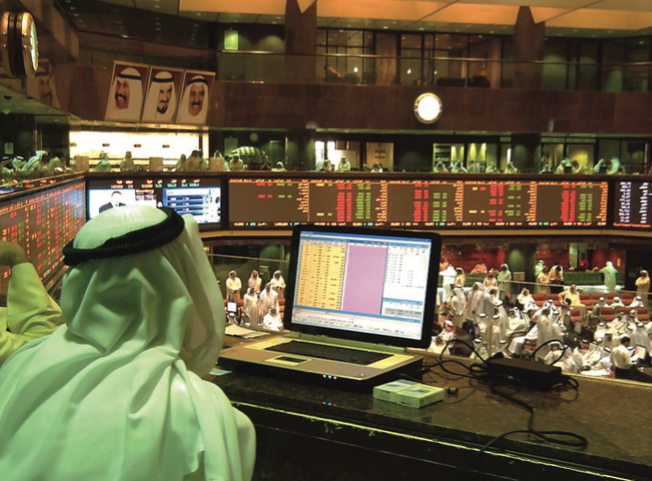
In April of this year TSC, a Kuwaiti public retailer that is part of the Sultan Center, had signed an Asset Purchase Agreement (APA) with ADMIC, the owner of the BHV/Geant/Monoprix stores in Lebanon, and this August the handover took place.

Sultan Center was founded in 1976 as a family business, owned by the Sultan family, and two years later moved into the retail sector. In 1996 the company went public and listed on the Kuwait stock exchange, part of a plan to expand beyond Kuwait. In 1999 it moved into Oman and in 2003 bought the Safeway stores in Jordan.

Lebanon had been part of TSC’s expansion plans right from the start. Indeed, in 1997 the company had begun talks with Solidere about a store in the Beirut Souks project, which is part of the Downtown Beirut reconstruction. But the political instability kept delaying the opening of the Beirut Souks and thus TSC looked for other opportunities in Lebanon, and ADMIC was one of them. “We actually started talking to them one month before the July 2006 War, and nevertheless kept going until we signed the APA,” said Abdul Salam Bdeir, Managing Director Retail at TSC.

For ADMIC, the deal was one with both an investment and commercial aspect. “On the investment side, it was a good exit strategy, and out of the offers, TSC presented the best one. On the commercial side, we decided to sell Admic’s food division, but retain the department store division, in line with our plans to continue the business in Lebanon and expand it in the region,” said Michel Abchee, Chief Executive Officer and General Manager of ADMIC, adding that, “we will soon open a Galeries Lafayette in Dubai.”

As with TSC the Sultan Center has its own brand and did not want to get involved in paying royalties for the Geant and Monoprix brands, it only bought the stores without the names.

Now it will have to convince the Lebanese public that the brand TSC is providing at least the same, if not better, service as the Lebanese were used to receive from Geant and Monoprix. Bdeir is very confident that TSC will soon gain the consumer’s trust. “The existing variety will not only remain but we will add to it. With the exception of the Monoprix-branded products, for which we do not have the license, we will carry all the leading brands from Europe and the US. Already before the handover of the stores we ordered tens of containers from abroad, so that we can immediately fill the shelves.” A full PR campaign is also in the works, which will educate the Lebanese customers about TSC.

The company differentiates its stores into four categories. As Bdeir explained it, “TSC Wholesale is like a warehouse-type store, where you have palettes on the concrete floor and a limited assortment at extremely low prices. Today, this chain accounts for 50% of our retail business in Jordan, Kuwait and Oman. TSC Discount is a discount store, which carries the known brands but at discount prices. TSC Express are the stores one finds at gas stations. TSC Plus, our main format in Lebanon, is a premium store with four pillars: service, variety, quality and value, i.e. a very good quality/price ratio. We even have a program called ‘just ask’ where the customers can ask for anything they want, and we will deliver it to them, even if we do not normally carry it. One person even ordered a boat — and we got it.”

In Lebanon, the four ex-Monoprix stores in Ashrafieh, Verdun, Jnah and Baabda will be TSC Plus whereas for the Geant store in City Mall, TSC has come up with a new concept: TSC Mega. As Bdeir clarified, “It will be the same concept as the previous Geant store, but with different branding and color coding. And in the TSC Mega we will have much more competitive prices.”

Eventually, TSC plans to move beyond the Beirut area. “We are thinking of opening TSC Wholesale stores most probably outside Beirut, perhaps in the Dahye, in the South, the North, or the Bekaa,” said Bdeir.

In acquiring ADMIC’s stores in Lebanon, TSC also took all the employees and their contracts, including the end of service indemnities. TSC is at pains to point out that it provides job security and, as a regional company, of course also management training in its regional branches.

TSC’s plans for Lebanon go beyond supermarkets. “As every country operation has a CEO and management, HR management, IT management and so on, the corporate headquarter does not have to be in Kuwait and we are seriously thinking to move it and the 150 people of the corporate team to Beirut,” Bdeir said, adding that, “Lebanon has the perfect location as it is close to our operation in Jordan, and close to Syria and Egypt, into which we want to expand, and close to Europe from where we import, and from the HR and management point of view Lebanon has the best job market in the region so if you want to recruit really good caliber at a good price around the region, Lebanon is it.”

September 20, 2008 0 comments
0 FacebookTwitterPinterestEmail
Corporate Social ResponsibilitySpecial Report

The corporate contribution

by Executive Staff September 20, 2008
written by Executive Staff

Abdali

As the developer’s of Amman’s new downtown, Abdali Psc. “made it a priority to address the needs of Amman and take into consideration the social and environmental aspects of its development,” according to CEO Jamal Itani. A critical part of the city’s development is the cultivation of Jordanian youth, whom Abdali sees as “the pillars of the future of Jordan.”

With traditional Corporate Social Responsibility (CSR) initiatives in mind, Abdali has recently launched its full-blown program, known as ‘Ruyatak’, in order to nurture the aspirations of Jordanian youth. Ruyatak aims to empower the underprivileged Jordanian youth. The main focus of Ruyatak is to educate adolescents by providing life skills, encouraging them to play a dynamic role in Jordanian society. “We do believe in the future of our country and hence we believe in the potential of our youth who represent the next generations that will work and live in this country,” Itani explained.

Aside from its significant contributions to the Jordanian youth, Abdali is developing a project that will create more than 15,000 jobs, an initiative which will considerably decrease the migration of talent from Jordan to other surrounding countries.

Abdali maintains a strong belief in CSR and its moral returns. The company is constantly aware of its impact on customers, suppliers, employees, shareholders, communities and other stakeholders, as well as the environment. Itani elaborated, “We believe that there is a strong business case for CSR, in that we benefit in multiple ways by operating with a perspective broader and longer than our own immediate, short-term profits.”

Undeniably, the Abdali project is reaping priceless benefits for Jordan, and with its dedication to such social programs, the company stands to impact Jordan and its youth by opening the door to a better future, while establishing a praiseworthy CSR model for the rest of the region.

ADC

“ADC’s CSR initiatives stand out from others through the meticulous assessment we go through,” explained Imad Fakhoury, CEO of the Aqaba Development Corporation. Each program is fully vetted to avoid redundancy and to increase the benefits for the local community, he said, adding that, “The policy regarding the CSR budget is to take a percentage of the company’s profits and allocate it towards supporting the local community.” ADC established its CSR department in June 2006 with the stated vision of expanding the number of people in the local community who benefit from its programs and to fund development initiatives that will improve the social and economic infrastructure for the community.

Some of the CSR projects sponsored by ADC include 16 scholarships for 10 bachelor’s students, two master’s students and one doctoral student. These scholarships are offered in cooperation with the Jordanian Hashemite Fund for Human Development. ADC also adopted two schools. The company established a Career Knowledge Center at the Abu Ayoub Alansari School in the old town of Aqaba and subsidized tuition fees for students, in addition to presenting gifts for valedictorians in secondary education at the Al Humayma School for girls. Furthermore, ADC created a language lab in the Princess Basma Center for Development to improve English language skills. It conducted a program to promote handicrafts in the old town, in cooperation with the Red Crescent Society, to enhance the role of the woman in society and they supported the student fund program in Aqaba College.

In relation to the Children’s SOS village in Aqaba, ADC provided children with school essentials such as bags, as well as home ovens and large water tanks for domestic use. Finally, the company equipped the health center in the old town of Aqaba with the latest medical equipment to enhance the center’s performance and to provide residents with the highest quality health care possible.

Alfa

Alfa, the Lebanese telecom company, launched its CSR program ‘4life’ early in 2006, and has managed to maintain its continuity despite the political turmoil that Lebanon has witnessed over the last two years. 4life is a novel program that makes use of simple SMS technology to benefit children in communication need.

The initiative allows subscribers to donate money to charities that care for deaf and mute children, autistic children, mentally and physically disabled children, and orphaned children. Alfa ensures further social responsibility by working exclusively with charities that are ‘religion neutral’, a very important factor in a country where religious conflicts are a frequent reality.

“Our CSR program especially targets children in communication need. Children are the future, and the ones in communication need are the most vulnerable,” the company explained. Alfa consistently works with several diverse associations that care for physically and mentally disabled children and orphans. “4life brings to light the role that communication therapy plays in improving the life opportunities of children with communication needs.”

Aside from 4life’s primary aim, which is supporting children in need, the program is an example of social responsibility in an environment that desperately needs more private sector involvement in such humanitarian initiatives. Alfa encourages and enables its subscribers to contribute to worthy causes, and generates public awareness by promoting tolerance.

Speaking to its continued commitment to CSR, Alfa revealed, “Our expanded CSR strategy, due to be implemented this year, will help us communicate and further embed corporate responsibility in our daily business, and will help us to further improve our successful 4life program.” Alfa plans not only to expand the reach of 4life, but also to share its learning through hosting workshops, to internally promote tolerance and a sense of accountability towards the community at large, and to further develop its vision of corporate responsibility and commitment by developing more dedicated programs for children with communication needs.

“Alfa is one of the first organizations to develop such an extensive CSR program in Lebanon,” the company boasted. “Although Alfa works with a relatively small CSR budget, it is achieving great results.”

Bank Audi

According to Bank Audi, there is a clear difference between philanthropy and CSR. The former supports a charitable cause, while the later addresses a social cause. The bank also notes that CSR has become a critical business tool of late. As such, the institution’s CSR budget is currently still within the framework of the communications budget. “Its responsibilities fall under the umbrella of sponsorships, events and donations,” according to an interview with Nadine Abi-Saab, head of communications at the bank. Furthermore, Abi-Saab suggested that since its “CSR initiatives are still at the stage of addressing society’s needs,” they have not “felt the need to perform full-fledged market research specifically for building a CSR activity.”

In terms of its approach to implementing CSR, again the bank has not yet reached the stage where it carefully studies the country, “determining its needs and building strategic plans of long-term CSR activities.” Instead, it keeps an eye on each country of operation so that it may react to developments worthy of CSR investment. For example, the July War of 2006 presented many opportunities for CSR-minded entities. Bank Audi provided assistance through its branches in Syria and Jordan by aiding Lebanese passing through those two countries with emergency banking services, medical and legal assistance and help with organizing hotel and transportation reservations. Within Lebanon itself, the bank launched a Water Supply Operation whereby its staff and volunteers provided drinking water for refugee locations throughout the country. After the war was over, Bank Audi Jordan determined that orphanages in the kingdom could use a helping hand. The bank located an especially needy home and “entirely renovated and refurbished it.”

On another note, Bank Audi has supported tuition needs for less fortunate students at La Sagesse Schools since 2003. It has been an ongoing supporter of the Children’s Cancer Center since 2002 and has organized the Prix Phenix de la Litterature annually since 1996. Other examples of CSR for the bank include the recently revamped Audi Mosaics Museum, yearly sponsorship of key music festivals and a partnership with the Lebanese Film Festival.

Bank Audi also provides CSR benefits for its employees’ needs. The annual Pro-Family Award honors the top five performing employee’s children by giving them university scholarships. Another program, titled Enrich, “was developed with the aim of enriching employees’ knowledge about various topics by putting forward world renowned speakers.”

Finally, our research shows that Bank Audi’s CSR programs address social needs in a couple of ways. The bank reacts to immediate concerns within the societies in which it operates, such as wars and disasters. Additionally, Bank Audi supports cultural development through programs for both the general public and its employees.

Byblos Bank

“We have a key role to play in growing and advancing the societies we serve and that is an intrinsic part of ensuring our own growth,” said Nada Tawil, head of group communications at Byblos Bank. This means that CSR is more than simple philanthropy, she added, as it aims to provide human beings with the basics with which to prosper and thrive.

Byblos Bank takes this ethos to three continents: Europe, Asia and Africa. Tawil was quick to point out that Byblos Bank’s CSR funding is targeted for need so that fewer initiatives are conducted in Europe and the developed GCC and more emphasis is placed on Armenia, Iraq (Kurdistan), Sudan and Syria. However, “Lebanon still occupies the lion’s share of our CSR initiatives as a larger chunk of our business is still concentrated in that country,” Tawil said.

Byblos Bank’s CSR strategy focuses on the areas of community, education, health and environment. Perhaps the most significant CSR investment recently undertaken by the bank was the $4 million rehabilitation of the Fidar Bridge, which was destroyed in the July War of 2006. In another bid to help out on the construction front, the bank contributed $1 million in compensation to the victims of the Geitawi bombing in Beirut.

Other community minded CSR programs aim to preserve Lebanon’s identity and culture. For example, the bank produced a short advertisement, entitled Ana Loubani, to urge Lebanese to embrace their identity. It also sponsored several other films, which celebrate the topics of Lebanese-Armenians, Lebanese villages and archeological sites.

In terms of education, for the past 24 years Bank Byblos has sponsored an event known as Child’s Week. The aim of the program is to support children by helping them realize their artistic talents. The bank also supports the UNICEF Adopt-a-School initiative and the Children’s Cancer Center of Lebanon. From a cultural perspective, Byblos Bank has sponsored the Byblos International Music Festival for eight consecutive years, among other projects. Finally, the bank contributes to environmental programs that discourage littering in the sea and the planting of trees — having planted more than 750 trees in Rechmaya, which was heavily damaged by forest fire in 2007.

Brei

“CSR is part of our business philosophy as we always try to align our values and behavior with the expectations and needs of not just our customers and investors, but also our employees, suppliers, and society as a whole,” explained Karim Bassil, chairman of Bassil Real Estate Investment (BREI), adding, “one of our main objectives is to really make a difference to Lebanon; this is why we look at how we can improve the environment and surrounding areas without developments.”

BREI’s main goal is to develop appealing properties inside Lebanon, which will enhance and revive the area by creating certain dynamics that can generate benefits for the entire community. Bassil discussed his development of Beirut’s popular Gemayze area, and explained how rather than destroying the existing properties, or building in a style discordant with the rest of the neighborhood, he chose instead to respect the existing aesthetic. “I knew I could build, improving the conditions of the area by integrating myself with the environment, not by destroying older houses, not by building towers, but instead keeping trees that have been there for 200-300 years.”

BREI’s awareness of its social responsibility and, hence, its edge over other developers in the country, is its commitment to maintaining the sense of authenticity of areas where it breaks ground, rather than modernizing, using foreign building materials or architectural styles that do not agree with the existing construction.

BREI respects the nature and culture and history of each place it develops, giving attention to detail, instilling beauty as well as practicality, and promising, above all, to keep the interests of the community at the core of each project. “As a developer of culturally successful projects,” Bassil describes, “I develop projects that are integrated into the surroundings both culturally and environmentally.”

As primary long-term goal, BREI believes that it is its responsibility to contribute to the improvement of society and the well-being of future generations. “Other developers may squeeze overheads, but they do that at the cost of so many other things that BREI will not compromise.” Bassil concluded by saying that BREI, a company “for those that want more than an investment, more than just bricks and mortar,” is hopeful that its unique social-consciousness will “inspire others to follow in its footsteps.”

Banque Libano-Française

“We participate in CSR because we believe that organizations should be looking for more than profit. They should assume their responsibility vis-à-vis the society in which they operate,” said Tania Nacouz, head of communications at Banque Libano-Francaise. What differentiates companies from each other is their caring for various stakeholders, including the society in which it operates, she added. The bank undertakes CSR on three different levels including customers, employees and community. While the bank works hard to develop their employees, it is on the community level that their generosity shines.

Banque Libano-Française has supported many important festivals, such as Al Bustan Festival, the Byblos Festival and the Festival of Tyre. More significantly, the bank has been a sponsor of the Baalbeck Festival since 1969 and was a founding member of the Lebanese Association for the Development of Private Funding for Culture. Other community related CSR projects have seen Banque Libano-Française join hands with the Tobacco Free Initiative, an NGO that promotes smoke-free youth, and Help Lebanon, an NGO that rehabilitates historic buildings. The bank works with the MIT Arab Business Plan Competition to promote young Arab entrepreneurs and has been the main partner of Liban Jazz since its inception in 2004. It has also been the main partner of the Moawad Museum since 2005, in addition to various other sponsorships and donations.

Banque Libano-Franç­aise’s Communications Department is responsible for handling the bank’s CSR budget, which is in the range of hundreds of thousands of dollars each year. As for the bank’s vision of CSR in the future, it would like to see “an increase in multi-stakeholder partnerships in the region, so that various actors from civil society, the public and private sector team up to achieve a common social goal,” according to Nacouz. The bank would also like to see the government establish tax exemptions on CSR activities, to provide the private sector with more of an impetus to engage in social responsibility.

Imperial Palace Hotel

Although the Imperial Palace Hotel, one of Amman’s most famous and prestigious four-star hotels, has been undergoing a complete renovation, its management and staff have still managed to dedicate time and resources to CSR. According to General Manager Farah Abu Mattar, “The key to strong CSR statements is not only to lead other corporations by example, but to make clear and substantial benefits in a society in need.”

Over the past few years, Imperial Palace has begun tapping into a wider CSR concept by welcoming special needs individuals into the Imperial Palace family. As Abu Mattar explained, “We believe that special needs individuals are just as capable of performing their tasks as those of us without special needs.” The hotel aims to generate and enrich the personal and professional experiences of all of its employees, regardless of their abilities or disabilities.

The hotel’s management gives great attention to special needs individuals, holding various activities and events, working to ease their habilitation and employment at Imperial Palace, and offering different social initiatives aimed at allowing them to reaffirm their roles as capable and active employees.

As another part of their CSR initiatives for those with special needs, Imperial Palace cooperates with the Amman Center for Special Education in an activity called “Beyond Boundaries.” As outlined by Abu Mattar, the program offers special needs individuals an opportunity “to engage in every day life activities, express themselves and their hopes, and contribute to society in their own way.” Imperial Palace pursues this program with hopes that it will challenge widespread norms about disabled people, and break the boundaries which prevent people with special needs from being engaged in all walks of life.

“We believe in the positive role people with special needs can play in society; they have the ability to contribute if given the opportunity to do so, and we, at Imperial Palace Hotel, are giving them this opportunity to demonstrate their capabilities,” Abu Mattar said. As for future CSR initiatives, the hotel has already allocated a portion of its revenues, and is developing a structure for more long-term social projects aimed at inspiring “a culture where special needs individuals are able to practice more fulfilling professions.”

Cisco Systems

Cisco Systems, a chief IP-based networking technologies company, measures its success by how it directly impacts the communities in which it operates, according to George Akiki, director of corporate affairs for the Middle East and Africa. Cisco distinguishes itself by its many worldwide CSR initiatives, ranging from education and networking academies to socio-economic development programs. “Our engagements are long-term in nature, as we believe that in order to achieve real impact, we need to be serious about our commitments and reach sustainability before we disengage,” Akiki elaborated.

Cisco’s CSR practices are tightly integrated into its business culture, and fall into four key areas: employee treatment, environmental impact, investments in global communities and corporate governance practices. However, one of the company’s most notable CSR operations is its involvement with Partnership for Lebanon, which provided critically needed resources to assist the reconstruction efforts after the 2006 War. “We are proud to be involved in a leading-edge socio-economic program that is setting new grounds in the field of CSR,” Akiki said, adding that Cisco strives “to use our experience to make the world a better place to live in.”

Addressing the difference between philanthropy and CSR, Akiki explained that, “Philanthropy is usually used as a term when mere donations are involved. CSR encompasses responsible business practices and social investments to create long-term value and sustainability for the company’s business and global communities.”

He went on to discuss how “the existence of ‘enlightened’ leadership in governments dictates the successful outcome of CSR in that country,” perhaps alluding to the potential challenges to CSR that business face in Lebanon. Akiki pointed out that, “as a private sector company that is focused on execution, we don’t see things moving at our preferred pace.” However, Akiki remains optimistic, adding, “we hope that the private sector will contribute some of its applicable best practices in the arena to improve things.”

Intel

As general manager of Intel Middle East, Khaled Elamrawi explained that for Intel, CSR is “part of our values, part of our contribution, part of giving back to the community, to the people we work with.” He added that, “We believe it is important to focus our CSR efforts into the areas which are beneficial to our business in the long run.” As global leaders in PC technology development and production, Intel has focused its CSR efforts on the realm of education, thereby advancing knowledge and awareness, not only in computers, but also in a wide-range of necessary life skills.

“We believe education is key for us to develop our market in the long term,” Elamrawi said, outlining Intel’s impressive worldwide computer education programs. Intel Teach and Intel Learn concentrate on developing computer skills for both teachers and students in the classroom, promoting an educational process that is more interactive, more productive and efficient, and more fun.

Intel Science and Engineering Fair is the world’s largest international science fair, and provides extra-curricular stimulation for young students, while encouraging problem solving, research skills, creativity, and environmental awareness. “The more educated the competition is, the faster the market grows. Our business in the long term depends on the quality of the education in our specific country or specific market,” Elamrawi said.

Intel’s formula for successful CSR gets right to the point: effective initiatives that have long-term benefits for both the company and the community. Education is an advantageous route for Intel to follow, as Elamrawi explained, because it is at the root of “the PC growth and the economic growth of a country.” This also helps Intel: the higher the GDP, the higher the PC penetration, the more businesses will use PCs.

Though education remains a primary focus for the company, Intel has other CSR initiatives involving Wi-max technology, which it believes has the potential to significantly close the gap between the emerging world and the developed world in terms of broadband penetration. These programs serve as further examples of how Intel’s CSR consistently manages to fuse its own benefits with the benefit of the community at large, while at the same time investing in the long-term development of both the company and the public sector.

Coca-Cola

At Coca-Cola, “the philosophy of the company is: we have to give back to our community,” explained Amer Ahmad, marketing and communications manager of the internationally renowned corporation. He continued by adding that, “we are a 120 year old company. We are very focused on CSR worldwide. We have spent more than $76 million on CSR across the globe least year alone.”

Ahmad outlined the various socially responsible programs that Coca-Cola sponsors in the region. In Palestine, the primary focus is on education initiatives. The company donates all sorts of school supplies for underprivileged families, and computers to disadvantaged schools. Coca-Cola even sponsors top Palestinian students to receive their MBAs.

In Jordan, the company has similar programs. For example, Ahmed said, Coca-Cola “set up computer labs in about 28 schools last year, and about 20 schools the year before last.” Also in Jordan, Ahmad recounted, Coca-Cola sponsored 200 families, fulfilling “all of their needs in terms of food, rice, sugar, etc.”

In Lebanon, Coca-Cola cooperated with the UNDP and the Ministry of Agriculture to plant 3,000 trees. Another initiative in Lebanon involves diverting water to farmers and other communities who will benefit from it. A separate initiative in Lebanon concerning water is the ‘Water for Life’ initiative, a collaborative effort with the UNDP and various NGOs.

Ahmad illustrated Coca-Cola’s CSR agenda in Syria: “We have been operating in Syria for the last two years and we are focusing on the water project at the moment. We are also working with the local governments and the First Lady to develop certain youth initiatives.”

As Coca-Cola has certainly been deriving  huge profit from the region, it is no surprise that the company is so intent on sharing some of those profits with the people who have enabled its success.

“Mainly, we want the community to benefit from our presence in the country. We want to create job opportunities, or give back to the community in a very meaningful way,” Ahmad said, continuing that, “CSR is not about getting a couple of newspaper clippings. At Coca-Cola, we want everybody to benefit from our CSR, and we want to bring it to another level by expanding our programs every year, developing sustainable programs, and including everyone in the company.”

HSBC

“Civil society must work closely with the corporate world as they need each other to best serve the needs of the local community,” proposed Leila Sidani, HSBC Lebanon communications manager. The corporate world holds up half of the bargain and that usually means money. In the case of HSBC, the local CSR budget is determined as a percentage of profits. In 2007 that spending was expanded in coordination with the bank’s parent, which resulted in a budget of $262,000. Once the budget has been set, the bank conducts market research to determine where the money would be best invested and then the allocations begin.

One established CSR campaign run by HSBC is the Community Middle East Foundation, which was established in 1996 to fund educational, environmental and community projects across the region. A sub-set of the $2 million foundation is the global five-year program Future First. The program was established in 2007 and has the express goal of helping street children and orphans. HSBC will collaborate with local charitable organizations to make a positive difference in the lives of these less fortunate children.

Another five-year CSR program is the HSBC Climate Partnership. This $100 million partnership pairs the bank with four environmental charities including The Climate Group, Earthwatch Institute, Smithsonian Tropical Research Institute (STRI) and the WWF. The partnership’s goal is to “combat the threat of climate change by inspiring action by individuals, businesses and governments worldwide,” said Sidani. HSBC has also followed up their words with action by becoming the first bank in the world to go carbon neutral.

On a local note, HSBC provides scholarships to AUB and LAU students. Participants in the program do an internship at the bank and then have priority for employment after graduation. Another education relevant CSR initiative was the joint financing, along with the British Education Trust, of an MBA program for a Lebanese student who spent a year doing a master’s program in the United Kingdom. One final education related CSR projected involved the NGO Off-Screen, which takes two students and a teacher from the region on a 14-day educational journey across the UK.

Finally, HSBC is also involved in environmental friendly CSR such as support for the wetlands of Ammiq, Lebanon, which are home to many rare birds and reptiles. The bank also hosted a “house warming” campaign where the bank offered a solar heating system with an approved home loan. The benefit of the program is two-fold: not only is it environmentally friendly, but it also helps reduce energy bills. In conclusion, HSBC has a broad-spectrum approach to its CSR programs. The bank is active in everything from needy youth around the world, to education and the environment.

DHL

“DHL has always been the type of company that is concerned about the community and has always given a hand whenever it was needed,” said John Chedid, country manager of DHL Lebanon. The global shipping giant does not have a local CSR budget, so program funds come out of the advertising, travel or entertainment budget. “We have to be careful because we don’t have a lot of money to involve in CSR, so we have to be sure it is the right cause,” Chedid explained.

In terms of projects, the company planted 100 cedar trees (one tree for each employee) in conjunction with the Cedars Forever Project in 2002. The same year it began providing free international shipping to the Children’s Cancer Center and the following year they started providing free shipping for Auxilia and Anta Akhi.

In 2004, DHL contributed $10,000 to the Children’s Cancer Center and two years later solicited $214,000 in contributions to use in supporting those affected by the July 2006 War. Of those funds, $75,000 was used to provide food, medicine, clothing and supplies to 2,200 refugees at a monastery in Beit Mery, while $120,000 went towards schoolbooks for 3,800 students in South Lebanon after the war. Food was also provided to refugees in Sanaya Park during the fighting.

“The community work we have carried out has created pride in the company’s employees. They know that DHL has helped out when called upon. In fact, many of the causes we adopt come to us through our employees,” said Chedid. He added that it is not bad that we live in a world where companies believe they need a CSR policy. As long as the programs are planned well, the society should benefit. “We are simply a group of individuals under two flags, one red and green and the other yellow and red, doing what they think is right,” he concluded.

Saraya Holdings

“CSR builds value for a business and all its stakeholders,” said Ali Kolaghassi, CEO of Saraya Holdings. “We believe that a business cannot operate within a community — be it global or local — without taking into account its specific needs and the impact of business on these communities and the world at large.” Saraya applies this approach to CSR by focusing on three main areas: education, the environment and community outreach. Corporate activities include employees distributing food in low-income neighborhoods and participating in local blood donation programs. The company works hard to ensure that good corporate governance systems are in place.

Other Saraya CSR programs include a school adoption program in Aqaba, Jordan. This program aims to enrich learning environments and enhance opportunities for students. Financial support, business and technical know-how are provided as well. The company also sponsors Jordanian students in the field of hotel management. These scholarship programs take students that graduate from high schools, educate them on Saraya’s account and then bring them back as Saraya employees, said Kolaghassi. “We also adopted a school, renovated it and then we hired a professional agency to give courses for teachers and parents,” he added.

The environment also plays into Saraya’s CSR policy. When the company started a development in Aqaba, many palm trees had to be removed. As part of its green approach, the company meticulously counted every tree and replanted those 2,000 palm trees on the site. “These things are seen very positively. Ultimately, we feel that if we spend five percent from our project, it will pay back very positively,” said Kolaghassi. “We want to be a corporate citizen. We want to donate money. We want the local residents of any community we work in to feel that this giant that comes in is not just going to take away their beach, but will offer something in return,” he concluded.

Lebanese Canadian Bank

The Lebanese Canadian Bank (LCB) boasts an extraordinarily long list of CSR initiatives. Having been forced to work around the unpredictable political climate of Lebanon, the bank has discovered that the best way to make the most of circumstances it cannot control is to plan its initiatives year by year, remaining flexible and ready to adapt to any unforeseen change.

“Every year we have something different; we open new opportunities, we make new plans because in Lebanon, you cannot predict what is going to happen. Year after year we base our CSR on the issues and concern of the Lebanese people and environment. We consistently take into consideration everything that’s around us, and out of that, make new strategies, new programs,” explained Elie Azar, Corporate Communications Manager at LCB.

The bank has been involved with various CSR programs covering a broad spectrum of regional issues and concerns, including road safety, prevention of drug use, and providing Christmas gifts to underprivileged families. LCB has invested in several health initiatives, financing a dental clinic and an AIDS treatment facility, providing medications for patients with AIDS who need assistance, and supporting the rehabilitation of mentally disabled young adults.

Additionally, LCB has worked in collaboration with the US, Canadian, and Emirati embassies, along with the UN for the demining of cluster bombs in southern Lebanon. The bank also works closely with the Ministry of the Interior to plant trees all across Lebanon and has worked with UNDP to establish libraries equipped with computers in the Chouf. Also with UNDP — as well as IMF, IFC, and the World Bank — LCB coordinated the Middle East and North Africa Development Forum (MDF5), a big event dedicated to empowering civil society and expanding the scope of economic and social policy issues in the MENA region.

Perhaps the most important CSR initiatives for the Lebanese Canadian Bank are those involving youth. “We want to be a youth-savvy bank. We believe that the youth are the future of Lebanon, and also our future clients. Out of our annual CSR budget, which is more than 30-40 % of our global communications budget, we want to dedicate 40-50 % to youth initiatives,” Azar pointed out. “We are part of an industry; we want to invest in initiatives that promote the future of our business.”

Procter & Gamble

For Procter & Gamble (P&G), CSR is not regarded as simply a bothersome company obligation, or a nice supplement to all the other things the company already does; it is not pursued for mere PR purposes, or simply because CSR appears to be a recent trend amongst other companies in the region. At P&G, CSR is understood as a way of life. “It is perfectly integrated into the day-to-day business, and that is exactly our edge,” explained Ramez Farag, P&G’s Corporate Communication and Reputation Manager. “For us, CSR is not something we go out of our way to do, we see it as a tool for business growth. We see the full scope, the full picture of CSR.”

P&G is company that has existed for 170 years, operating in 140 countries worldwide. “One of the reasons we’ve been around for so long,” Farag said, “is because we are not simply after profits. This company truly believes in doing the right thing, and has always seen its mission not as simply selling products, but as selling products that improve the lives of consumers.”

A key aspect of the P&G mission is the concept of “improving the lives of the world’s consumers, now and for years to come.” This statement speaks volumes about P&G’s approach to business, and thus, its attitude toward corporate social responsibility: they’re in it for the long run. The company focuses not on the philanthropic course of giving back to the community, but instead on sustainable initiatives, genuine engagement, and a commitment beyond financial assistance.

Procter & Gamble’s CSR strategy centers on improving lives through five different aspects: products, production, responsibility, employees, and partnerships. The company, most noted for its many distinguished products, has developed brands such as PUR to deliver clean and safe drinking water to people in developing areas, and compact laundry detergents which save consumers’ money and deliver enormous environmental benefits.

P&G engages in various initiatives involving children’s education, healthcare, and extracurricular activities. With the world-unique Mokattam Recycling School project in Egypt, P&G developed an informal educational program for underprivileged children that focused on recycling, while respecting their cultural traditions of garbage collecting.

Internally, P&G focuses a great deal of attention on the human resources of the company, as its employees remain at the core of P&G’s success. Externally, the company upholds the highest ethical standards when dealing with corporate partners, civil society organizations, NGOs and its broader community.

The Procter & Gamble approach to CSR sets the benchmark for quality, creativity, innovation, and scope. Farag summed it up when he said, “We insist on delivering meaningful change by our CSR. It makes our job even harder, but we insist on doing that and we succeed in doing that.”

Mcdonald’s

“There are many things to be done when it comes to CSR,” said Rashwan Miknas, CEO of McDonald’s Lebanon. This should begin to explain why McDonald’s contributes to CSR in Lebanon on several levels. On one level, the company has been a major sponsor for the Children’s Cancer Center since 1998 and Miknas believes this support will yield future returns. “This has long-term returns, not for McDonald’s International, but for the country of Lebanon,” he said.

On another level, the restaurant chain also dedicates money to the cause of youth and sports. The intended goal is to combat child labor and this is done by sponsoring a football team of boys between the ages of 9 and 15, who go on to participate in the Norway Cup. This is the fourth largest sporting event in the world and is dedicated solely to children under the age of 16. Held every year in Norway, over 1,500 teams participate, representing around 140 countries. Getting disadvantaged children involved in sports helps them avoid drugs and violence on the street, Miknas explained.

McDonald’s Lebanon champions other social causes as well. One of the biggest is getting more women into the labor force. The chain already has two female branch managers in the country and they are constantly looking to add more. The advancement of women in the workforce is an important aspect of any society, according to Miknas. “I worked in Dubai before coming to Lebanon and over there the government asked company leaders to train women in a special program. This promotes a sense of responsibility for both the company and the women. It does a lot to prepare women for professional life,” he said. Miknas concluded that it would be good to have similar programs in Lebanon, saying that he would like to “lobby for proper laws to protect the rights of women and children.”

Schneider Electric

The French conglomerate has CSR projects throughout the 106 countries of its operations, but the Eastern Mediterranean division, headquartered in Beirut, specifically works with IECD, an NGO that is active in all of SE’s Eastern Med countries: Cyprus, Iraq, Jordan, Lebanon and Syria. “Locally, each subsidiary selects what is possible to do to help their society,” said Richard Francis, Schneider Electric business development manager at the Eastern Med office.

In order to give a sense of ownership over the CSR to its employees, Schneider has instituted a system whereby the company will match every employee’s contribution.

In the Eastern Med office, the desire is to each year choose one country for one project. For example, in 2003 the company set up a computer laboratory equipped with computers and printers at the Actel Technical Institute in Koura, Lebanon. The following year, it purchased a Braille printer and offered staff training at the Association for the Blind in Homs, Syria. In 2006, it gathered underprivileged teenagers to engage in sports, in addition to career and vocational guidance at the Arcenciel Rainbow Club in Jordan. Finally, last year Schneider Electric started the Seeds of Hope program in Lebanon, which paid tuition for needy students at the Foyer de la Providence Technical Institute in Saida. The same program also paid for the equipping of six technical laboratories, in addition to training staff at those schools specializing in the study of electricity, electronics and electro-mechanics.

Francis added that the educational sector in Lebanon is very important to Schneider Electric: “We will do what we can for the educational sector in Lebanon as it is very important for the country.”

September 20, 2008 0 comments
0 FacebookTwitterPinterestEmail
Corporate Social ResponsibilitySpecial Report

Corporate candor on CSR

by Executive Staff September 20, 2008
written by Executive Staff

In order for Corporate Social Responsibility (CSR) to be effective, the corporate world believes that CSR should wholly support the business objectives of the companies involved. Without doing so, CSR — from the private sector’s perspective — will not function properly. One of the chief goals the corporate world always aims for when looking into CSR is if they can financially gain from their participation. Obviously, when thinking of being socially responsible companies are perpetually looking to please their shareholders, employees, suppliers, regulars, etc. This occurs through promoting the brand and its products and thus exposing the company to the public. Being socially responsible is the quintessential tool for companies to use in order to benefit from the ‘win-win’ equation that CSR offers.

Corporate frustrations

Companies in the region are  looking for an extreme makeover in the structure of CSR. Mostly, they are searching for long-term sustainability. The corporate world is frustrated with civil society, as they feel that NGOs, civil society organizations (CSOs), and non-profits in general do not work within a set structure when collaborating with them on CSR initiatives. There is undoubtedly a need to enhance the communication channel between the CSOs and private sector. Everyone is coveting for a mutual understanding between the two parties, but the companies cautiously emphasize that they do not want mere matchmaking events where the corporate world and civil society socialize and sip espressos. Companies and civil society must take collective action while making amendments to their methods and action plans, in order to find a sustainable and long-lasting middle ground.

In terms of how well the private sector feels that the civil society uses their funds is a topic of much controversy. Some business leaders interviewed for this report opined that a lot of NGOs in Lebanon are “just a hoax”, as they simply “gather money and use it for their own purposes,” reflecting the general corporate frustration that civil society does not take the funds meant for CSR seriously. Nadine Abi Saab, head of communications at Bank Audi, echoed this view by summarizing that today’s relationship status between the corporate world and civil society is one where “civil society looks at private institutions as mere fund providers, while corporations are still hanging on to maximizing their commercial exposure through any project.”

Abi Saab believes that “serious budget allocations based on long-term commitments are our real challenges today. To shift to this level, private commercial institutions in Lebanon and the region should feel convinced that the time has come to start orienting their market towards a new kind of communication, converting part of their traditional communications budget to CSR.”

The corporate world throughout the Levant undeniably holds dissenting views about how the public sector uses their funds and how they perceive private entities in general. As explained by Abi Saab, serious alterations must be made for civil society and the private sector to enhance the process and communication levels between them. Both sides must work towards the common goal and realize that everyone can benefit from this ‘win-win’ formula.  

Role of governments

Some companies in the Levant feel that governments do not play any role in CSR, while others see them as either supporters or inhibitors of CSR’s progress in the region. According to Imad Fakhoury, CEO of the Aqaba Development Corporation (ADC), the Jordanian government makes “every effort to involve the local communities in Aqaba in the decision-making process, by implementing development projects that enhance living conditions of residents of Aqaba.” Rashwan Miknas, CEO of McDonald’s Lebanon, thinks that the government should “determine who is legitimate and who is not,” amongs the CSOs in order for companies to really know who they are potentially working with and giving money to. Similarly, Nada Tawil, head of group communication at Byblos Bank, finds that “governments have a governing role to play in facilitating, sponsoring, and making sure the legislation is there.”

At the other end of the spectrum, some corporate individuals feel that governments “should not have anything to do with CSR,” as noted by Ramez Farag, the corporate communication and reputation manager at Procter & Gamble. Seeing that this social responsibility is corporate, Farag believes that “corporations should take this responsibility and initiate the work in this area.” But, he added, if governments interfere at all, it should be through promoting the concept of CSR across the region. Promotion and awareness are key, and surely the governments of the Middle East can and should back this kind of effort. 

Money, money, money

Companies with proper CSR departments are undoubtedly better structured to take on the task. Those who wholeheartedly and structurally participate in CSR tend to have a specific budget allocation towards such initiatives. Having a distinct internal section for CSR also gives room for figuring out how and who to give funds to — a lot of companies (especially banks and big MNCs) conduct their own market research in order to invest in what they think are the best initiatives for themselves.

Usually, the funds invested in CSR are a small percentage of the company’s annual sales. A common trend — and mistake — of companies in the Levant is when they do not possess a specific department strictly designed for CSR. A significant number of companies in the Middle East do not know how to allocate their funds, specifically because most of are not endowed with bona fide CSR committees. Hence, what a lot of them do is throw small bits of money at civil society and call it a day. But, on the flipside, a lot of companies that do not have a distinct CSR budget still manage to participate in their own way. DHL, for example, does not have a CSR budget but uses funds from its advertising or travel budgets. Following a recurrent trend in the Levant, DHL — like many of its competitors — simply invests in areas they define as important and care to do. DHL and others may want to learn from those holding defined CSR departments.

ADC, for example, takes a percentage of its profits and then allocates it “towards supporting the local community, and based on the budget, the CSR department selects the most significant projects and programs to be implemented throughout the year,” explained CEO Imad Fakhoury. Tania Rizk Nacouz, head of the communications division at Banque Libano-Francaise, noted that her bank has a special budget that “is strictly allocated to CSR.” Annually, BLF assigns “hundreds of thousands of dollars” to CSR, and to make sure funds are distributed wisely the bank has put the communications division in charge of all CSR related issues.

Corporate aspirations

The corporate world is indubitably seeking regional awareness of CSR. Most maintain that without awareness and comprehension of what being socially responsible means, nothing can get done. Though they criticize the civil society for not being totally ‘in the know’, it should be noted that the companies as well lack a common understanding of CSR. From either spectrum, there is a pressing need for both sides to have a universal concept of CSR.

Additionally, many would like to see CSR take on a “more structured shape,” as Tawil observed. Nacouz specifically wants “an increase in multi-stakeholder partnerships in the region, namely that various actors from civil society, the public and private sectors, as well as the media, team up to achieve a common, social goal.” Richard Francis, the business development manager Eastern Mediterranean at Schneider Electric, would like for CSR to grow in the future, and for companies to become “more and more aware of their role as social responsibility.” Abi Saab highlighted the fundamental issue faced by the region today: “CSR will mature only when both parties will regard each other as partners in win-win projects where NGOs will be realizing their raison d’être. Corporations will be winning peoples’ hearts — and consequently bigger market share — and society would definitely be the biggest winner, with such motivated parties working on solving problems.” The corporate world is humble about what their intentions are, yet rather candid when stating they must reap financial benefits from any project in which they get involved. According to the private sector, it is high time that CSOs get their act together by working with corporations not only to assist in educating communities across the Middle East, but also to lay the basic foundations of CSR for both parties.

In brief, the corporate world is seeking positive change in CSR. How long this will take to come about, no one can say, but it definitely needs time to sufficiently evolve. Also, the private sector, for the most part, only dives into CSR if it can reap positive, fruitful financial benefits. Heavily criticizing civil society, the corporate world is well aware of the widening abyss between itself and CSOs. In order for CSR to genuinely develop, the Levant is in dire need for a change from both sides. Companies feel that civil society should see them more as partners than just as cash cows. But, until collective efforts are made and both parties put disdains aside, no progress will be made and CSR in the Levant will stay unmoved — with much potential, but lacking structure and significant motivation.

September 20, 2008 0 comments
0 FacebookTwitterPinterestEmail
Corporate Social ResponsibilitySpecial Report

The BADER Program

by Executive Staff September 20, 2008
written by Executive Staff

Generally, when one refers to Corporate Social Responsibility (CSR), what is meant is the money donated by a corporation to redeem some negative impact it had on society or to help promote the company via good works in the public eye. In the case of the BADER Young Entrepreneurs Program, however, the term means something different. Donation is part of the game, but in this case it is time and expertise that are changing hands. Thus, the unique element in this program is the bridging aspect between both the corporate world and civil society. The program works hard to provide three ingredients for talented young Lebanese looking to start up a business in their home country. “We look to support young entrepreneurs along three complementary levels: finance, education and networking,” said Antoine Abu Samra, managing director of the BADER Program.

In terms of finance, the program has hosted the MIT Arab Business Plan Competition, which provides funding for the top three business plans prepared by young Arabs across the MENA region. The competition is a joint initiative between BADER and the MIT Enterprise Forum. Open to any Arab national with a business idea, the competition received 1,652 applications from 16 countries in the most recent contest.  Of those applications, 30 teams advanced to the second round of judging. The final round of oral presentations saw nine teams whittled down to three winners. First prize of $50,000 went to the Lebanon-based EduLab. The proposed company specializes in developing educational CDs that give students real time laboratory experiments through visual simulations.

The second prize of $5,000 also went to a Lebanese team. Batroun Biofuel Company pitched the idea of converting used cooking oil and other vegetable oils into biodiesel fuel. Finally, the third-placed Algerian team, Hatifou, took home $2,500 in prize money for their idea to ameliorate international call traffic in the country by providing VOIP services. The next competition will begin accepting business plans in October 2008.

Growing business skills

From the education angle, the BADER Program has conducted a mentorship course whereby business savvy youth get a chance to work one-on-one with established leaders in the community. “BADER members have started to promote entrepreneurs in academic institutions through their participation in courses and events related to entrepreneurs,” the program states. These goals are achieved in a variety of ways, including in person lectures by group members at local schools, like the American University of Beirut (AUB). The group also supports education financially in the form of the BADER scholarship of $36,000, which was awarded to a specially chosen AUB student. Finally, the program conducts an applied training center for young innovators. These elements of the BADER Young Entrepreneurs Program serve two purposes. Not only do they help to educate up-and-coming business students, but they also start to open doors in terms of networking, which is another stated goal of the program.

The BADER Program was established in late 2005 under the joint initiative of then Finance Minister Jihad Azour and 40 Lebanese business leaders. The names of those involved in the project read like a greatest hits of Lebanese businessmen including: Robert Fadel, Eli Khoury, Elie Saab and Michel Fattal, to name but a few. Despite a rough year in 2006, during which the program provided aid for victims of the July War, the BADER Program has had a strong start and looks set to continue with a more diverse array of opportunities to be presented in the near future.

September 20, 2008 0 comments
0 FacebookTwitterPinterestEmail
Corporate Social ResponsibilitySpecial Report

From civil society’s side

by Executive Staff September 20, 2008
written by Executive Staff

Civil society seems to view CSR within four areas of responsibility: economic, legal, ethical, and philanthropic. The first two are obligatory areas for corporations to be compliant with, while ethical responsibility is expected of them. The last responsibility — philanthropic — is desired of corporations by civil society. In her paper Corporate Social Responsibility Across the Middle East and North Africa, Melsa Ararat, director of the corporate governance forum of Turkey, noted that, “society’s predominant expectation from business in the MENA region is to create employment.” She continued by asserting that, “Manifestations of economic responsibility such as fair play, disclosure and transparency and prudent governance are generally ignored by society.”

In the Levant, however, the maestros of civil society agree — hands down — that, as noted by Dr. Dima Jamali, associate professor of management at AUB, “the philanthropic variant of CSR is still the most commonly encountered, but needs to be complemented by equal attention to economic, legal, and ethical strands.” There is much to be done for CSR in the Middle East, and the public sector has a lot to say about it.

Inhibiting forces

Civil society sings a unanimous tune when talking about the difficulties of CSR in the Levant. Comprised of Lebanon, Syria, Palestine, and Jordan, the Levant is not exactly known for its political stability. Experts across the civil society believe that without a stable political life, CSR cannot properly flourish — or truly exist, for that matter — in any country. Another commonly noted factor is economic weakness; the Levant is a portion of the MENA region — especially compared to the wealthy GCC – that faces severe economic issues and is habitually characterized as a poverty stricken region. Also, the size of the Lebanese economy is very small, so — notes Gebara — “marginal profits in Lebanon are small and have competition inside the Lebanese economy.” Finding it hard to compete inside with such a “highly uncooperative economy” makes external economic competition almost impossible. Everyone is well aware that the Lebanese economy is billions of dollars in debt, and thus CSR will continuously face challenges from within.

Gebara not so surprisingly reveals that the “difficulty with CSR in Lebanon per se, is the impossibility of distinguishing CSR money from political money.” This is clearly a major problem, as with such political interference the development of CSR in the Levant will be permanently hindered. This issue is similar within Syria, as the majority of companies operating there are state-run.

Without political stability, proper legislation, accountability, sufficient business protocols, conventional education systems and corporate morality, the economic situation of this region will continuously face developmental hurdles and thus inhibit the maturation of CSR.

Less tangible obstacles faced by CSR in the Levant must be also mentioned. Maali Qasem, founder of Schema, an organization providing advisory practices on corporate governance and CSR, explained that, “the core issue that we are faced with repeatedly is the mindset. For example, if one does not believe that by being good to your employees would encourage the employees to perform better, then maybe talking about CSR is actually futile; or if a company that sells a product doesn’t believe that being engaged with its target audience is beneficial for business than it would be very difficult to theoretically explain the value of CSR.” Gebara seconded this idea, as seeing that since monopolies are legal in Lebanon, “companies don’t see that they have to do a lot to make their image clean.” Such issues are similar in Syria and Palestine as well. What’s worse, expounded Qasem, is that “without that degree of awareness, it [is] difficult for CSR to advance and become a more widespread exercise.”

Qasem went on to highlight two other principle issues faced in the Levant. Believing they are intertwined, finances and incentives — or lack thereof — are significantly creating a negative impact on CSR growth. Because the Levant countries “don’t always have a large budget to invest in undertaking CSR initiatives — although CSR should not require such a substantial budget but is often perceived to — and without a financial or otherwise incentive, companies see little or no value to undertake CSR initiatives.”

Role of governments

The civil society shares similar views as to what role, if any, the state plays in CSR throughout the Levant. Gebara believes that CSR represents the failures of local governments to provide the best services to the public, emphasizing that CSR “is another indicator that the state [has] failed.” A fearless opinion such as this can make sense, but it is imperative to note that CSR originally came about once companies were being held accountable for their invasive actions on their surrounding communities, and not necessarily — or strictly — born out of the state’s defeat.

Heading LTA, Gebara finds that the Lebanese government’s role in CSR has quite an unscrupulous character, as “every politician has his own business and/or NGO, so each NGO is getting paid by business organizations which are all linked to the same people.”

Safa also finds that the Lebanese government is a special case on its own. He believes that as institutions, governments are “not an example of encouraging CSR — beyond relief and humanitarian efforts. There are especially no efforts to really encourage CSR or develop a certain framework for channeling CSR money.” Jamali agrees that governments in the Levant do not encourage CSR. Like her public sector colleagues, Qasem personally has “not yet come across a government (with the exception of Oman) that is very supportive towards CSR or sustainable development.” Also, Qasem noted, “it would be great to see more governments support and/or encourage corporations to be more responsible and make that path to responsibility more feasible and accessible.” Adding that governments ought to encourage and promote CSR through soft regulation and incentives, Jamali noted that, “governments can deploy a variety of awards, funding schemes, and fiscal incentives — for example tax incentives — to promote CSR while also taking an unequivocal positive public stance recognizing and appreciating CSR.”

Safa candidly expressed that there are truly “no incentives [made by the government] for CSR.” Elias Aoun, general manager and project coordinator at Lebanon’s Center for Development and Planning (CDP), echoed the same concerns from the taxation perspective, finding that “tax incentives are the norm in Western countries, while it is not the case in our region.” If governments in the Levant were to permit CSR initiatives to be tax-deductible, local companies’ attitudes towards their involvement with larger and longer-lasting CSR initiatives would surely be altered in a positive manner.

Giving an example of the 15-year Lebanese Civil War, Safa boldly stated that “[Lebanon] had government after government who fought civil society, who restricted the action of civil society, who cornered civil society, who refused to register NGOs, who tried to un-register some already established NGOs. So this not only didn’t encourage CSR, but it also tried to stifle the receivers of CSR.” On the bright side, Safa has more faith in the current Lebanese government, because he sees them as “different, [as] it’s open to NGOs and the non-profit sector in general,” and as overall it has done significantly more than its predecessors in terms of CSR achievements.

Allocation of funds

As is commonly known, most NGOs, civil society organizations (CSOs), and non-profit organizations (NPOs) receive their funds directly from the private sector. The Levant though, with all its twists and turns, is an exceptional case, with a significant portion of funds also being received from international organizations. Most of the public sector approaches the private sector by presenting them with their initiatives or areas for which they require funding. Thus they either end up partnering with the private corporations they approach, or merely utilize their funds and get on with their own initiatives. However, all of the experts interviewed by Executive seem to believe that money could definitely be better allocated towards longer-term CSR initiatives, and especially towards ones that truly reflect the nature of what being socially responsible stands for. 

Role of international organizations

Opinions from the public sector regarding the role international organizations should play tend to vary. Aoun, for example, audaciously noted that international organizations do “nothing substantial” in terms of CSR. Safa, however, explained that global entities could play several roles, one of them being “to create models of CSR,” so companies and CSOs of the Levant could learn from their success stories and somehow try to create their own modules out of them.

Jamali finds that international organizations are an important ingredient in CSR, as they “are engaged in a parallel effort to promote CSR through the promulgation of so called international accountability standards.” The professor cites the examples of Global Impact and the Global Reporting Initiative (GRI) as drivers of CSR. According to her, if national organizations collaborated with international actors, the impact of CSR would definitely be “scale[d] up” and would thus create a “systemic approach.”

Overall, even if their impact on CSR progression is not direct, global entities do make a difference. Acting as a quasi third party, international bodies — if sufficiently organized — will aid the implementation of CSR in the Middle East.

Future desires

CSOs are adamant that  companies in the region need to be more responsible, without being told to do so. Qasem, specifically, would like to see companies “be more strategic in their CSR investment, as well as governments being much more supportive towards the concept and the implementation of CSR rather than the philosophy behind it.” Citizens, as well, she says, should get more engaged in configuring the way businesses operate. Aligned with Qasem, Aoun feels that “corporations can pool their funds for bigger initiatives” in order to enhance the development of CSR. Also, he would like for the concept of CSR to be better promoted and for “more regulations from authorities to promote CSR” in the region to take place. Gebara hopes for better organizational skills within NGOs themselves, while Safa also sees the need for “more professionalism on the receivers’ side”. Ideally, says Safa, if “key donors and key receivers” could develop a “code of conduct,” CSR would be able to mature much better. Like her fellow associates, Jamali wants CSR to thrive in this region. She feels that since the Levant “has a long tradition of indigenous philanthropic cultural values and enlightened entrepreneurship,” we should “leverage [this] successfully in pursuit of more systemic and effective CSR.” 

In brief, throughout civil society there are similar frustrations, concerns, aspirations, and criticisms of how CSR is taking shape in the Levant. What shape it will actually take is up to them, as well as their partners in the corporate world.

September 20, 2008 0 comments
0 FacebookTwitterPinterestEmail
Corporate Social ResponsibilitySpecial Report

Corporate Jordan’s duty to a way of life

by Executive Staff September 20, 2008
written by Executive Staff

Previously a niche topic in Jordan, Corporate Social Responsibility (CSR) is now set to take off as an important force bringing together the country’s increasingly sophisticated private sector with the government and civil society organizations (CSOs). From being the subject of select academic discussions and isolated corporate moves during the past half-decade or so, over the past two years CSR has started to enter the mainstream of public life in Jordan. The aim, of course, is for businesses to do things that are good for society, but also to help them deal better with their public environment and so enhance long-term performance and bottom line. From the point of view of CSOs, sustainable development is the ultimate goal, while for the Jordanian government any contribution to the stability of the system would be a welcome step.

CSR gains momentum

CSR really started to take off in Jordan after the Greater Amman Municipality (GAM) held a Corporate Social Responsibility Forum in March 2007, under the theme ‘Duty or a Way of Life’. The event’s objective was to encourage new dialogs towards progressive thinking for healthier communities and economies. The forum included a select group of Jordanian and other business leaders and entrepreneurs, CSOs, government representatives, academics and members of the media in an open environment allowing important questions to be asked about critical social issues and the new types of partnerships required for change. Relating such issues as the media, health, sports, and the environment to CSR, the Forum closed with a pitch session, inviting relevant initiatives and projects to be presented to a panel of stakeholders. The 15 minute pitches included presentations and a moderated Q&A with the objective of gauging interest from corporations and supporting entities towards engaging in sustainable, effective change opportunities.              

A second significant Jordanian event in this domain was the First National Conference on Corporate Social Responsibility, held in Amman in March of this year. Attended by over 100 participants, the conference was more of an attempt to analyze CSR in Jordan, bringing private sector businesses into contact with a wide audience of stakeholders that included CSOs, municipal councils, business associations, trade unions, media, political parties, and academics. An analytical insight was given into the difference between philanthropy and sustainable social responsibility through presenting the outcome of a field investigation conducted for the first time in Jordan. The survey targeted 220 Jordanian public shareholding companies and explored the perceptions of their executives toward CSR practices and obstacles. The survey, conducted by Amman’s Urdun al-Jadid Research Center revealed that 71% of Jordanian companies understood CSR as complying with existing laws, while 57% comprehended it as providing employee benefits, thus showing a fair amount of ignorance of the concept.

A second piece of field research by the same team, also done for the first time on this large scale, investigated the expectations of different societal and beneficiary groups from the private sector. Targeting CSOs, municipal councils, business associations and government bodies, 37% of those surveyed said that companies are not performing CSR activities, while 95% perceived that such activity as was taking place was not enough, and 90% said that these non-profit actions were charity events taking place in Ramadan.

Although, as these surveys showed, CSR still has a long way to go in Jordan, different business sectors — such as industry, banking, telecommunications, health institutions, the media, and trade — are increasingly coming up with new ideas in this domain. Actual CSR activity in Jordan now includes philanthropic actions during crises, sponsoring community activities, establishing sustainable projects in poor areas and building partnerships with CSOs. Some companies have even developed their own CSR interpretation and practices, to be implemented through a specialized department run by trained staff. The telecommunications sector in particular in Jordan has become especially active in this regard.

Overseeing CSR

The March 2008 conference also looked into the role of supervision commissions and other public bodies in enhancing and institutionalizing CSR practices. In particular, the Central Bank of Jordan, the Jordanian Securities Commission, the country’s Social Security Corporation, and the Jordan Institute for Standards and Metrology were seen as able to play a big role in monitoring the performance of the corporate sector to promote standards of corporate citizenship and social responsibility.

What these two events indicate most of all is that the future of CSR-oriented businesses in the kingdom could be promising. In a country like Jordan that is still lacking in business innovation, companies with a strong feeling of CSR could set an example for other entrepreneurs to follow. On the ethical side, with debates currently going on in Amman on corruption and poor governance, such businesses could also take a welcome lead in showing that profits can be consistent with a strong morality. Handled properly and moved beyond lip service to an approach phase could help Jordan move towards both growth and equity, two goals that have so far not proven to be compatible in many developing countries.

September 20, 2008 0 comments
0 FacebookTwitterPinterestEmail
Corporate Social ResponsibilitySpecial Report

Customer care for the community

by Executive Staff September 20, 2008
written by Executive Staff

“Corporate Social Responsibility (CSR) is not an add-on activity, it should act as a framework which supports the organization’s business objective,” noted Ghassan Nuqul, vice chairman of Nuqul Group. Exhorting corporations in the Middle East to adopt a serious CSR culture into the structure of their establishment is quite a challenging task, and one that is long overdue. Many are well aware that CSR is not a new concept. Evolving from the notion of basic philanthropy, CSR really emerged in the West in the 1980s/90s when big multi-nationals were forced into taking ‘responsibility’ — or were being held accountable, rather — for their exploitive actions that were affecting their surrounding communities. The 1980s, noted Dr. Khalil Gebara, co-executive director of the Lebanese Transparency Association (LTA) and author of Corporate Social Responsibility in Lebanon, witnessed “a significant shift of state intervention concerning corporate activity across the globe.” Being called out on their actions by society led corporations to wake up and begin forming CSR doctrines. Companies, whether they liked it or not, were becoming responsible, though now from the inside out.  

As simple as it seems, this trend has taken quite a while to catch on in the MENA region. In the West, CSR has for a long time been a concrete and deep-rooted concept. The UK government, for example, specifically created a post for a CSR minister, as they believe that CSR is “the business contribution to sustainable development goals.” While such an inherent perspective is far from a reality in the Levant — or in the MENA region as a whole — lately the notion of CSR has been gaining significant momentum. Multi-national corporations (MNCs) are seeking to bring in their CSR doctrines from abroad, while local companies and small and medium sized enterprises (SME) are hoping to expand, and many think CSR is the exact tool for them to do that.

While big MNCs coming into the region imported the idea of CSR with their brands, local companies in the Levant, at first, turned a blind eye. This happened for various reasons, one of them being the fact that many local companies possess an attitude that they are ‘too small’ to make a difference, and that they cannot — in Lebanon, for example — deduct their CSR funds from their taxes. National companies also tend to feel their participation is too little to make a significant impact, especially when mammoth MNCs throw millions of dollars at civil society. However, it seems the trend is finally gaining momentum in the region, though local corporations face the obstacle of how to learn from successful CSR initiatives (from abroad) without mimicking them. Instead of trying to be something they are not, local companies need to find their own unique CSR formula that will fit into their own societal and structural settings.

Defining CSR

It is imperative to note that while there is a widely accepted definition of CSR, its interpretation remains subjective, especially in our region. Overall, CSR is defined as a holistic concept whereby organizations consider the interests of their society, employees, stakeholders, suppliers, regulators, and governments by taking accountability for their corporate activities. Moreover, CSR is the obligation of corporations to be held accountable to all of their stakeholders throughout all of their activities, with the core aim of achieving sustainable development — be it economic, social, and/or environmental. CSR in the Levant is on its way to embodying this definition, but a lot of time and change are needed before it can significantly reflect the true nature of CSR.

Criticism of CSR

Critics of CSR believe that such a definition goes far beyond the statutory requirements of corporations. Others argue it is the least the private sector can do, and overall, it reaps numerous benefits for them. A common mistake by corporations is their often automatic assumption that CSR is an external component of their operations. Such a misunderstanding has proved to actually prevent CSR sustainability, which, most importantly, conflicts with the interests of companies’ stakeholders. But to the contrary, the private sector should wholly incorporate CSR into their business ethics and overall structural set-up. Success stories of CSR usually come from big companies that have special CSR departments, committees, or individuals in charge of CSR research and initiatives. The way it is being done in the region today is mostly by word of mouth, said Oussama Safa, general director of the Lebanese Center for Policy Studies (LCPS). There needs to be a method in place for CSR to function properly: it should start from within corporations — through their own substantial departments, not related to, and indeed separate from, their PR agencies — to then working outside and partner with the public sector.

As Dr. Khalil Gebara, co-executive director of the Lebanese Transparency Association (LTA), noted, “the necessary questions are not being asked, and thus significant factors are being overlooked.” Moreover, said Gebara, “it is necessary to realize that current CSR approaches benefit some recipients in some cases only some of the time. Therefore, to expect a universal method to work all of the time and profit those involved uniformly is erroneous thinking.” Thus, Gebara believes there is a dire need to conduct intricate market research on CSR’s impact in the developing world, as well as analyzing the boundaries of CSR and considering alternatives to it.

Another chief criticism of CSR — from the public perspective — is that companies are just in it for branding purposes. The private sector, on the other hand, criticizes civil society as only being involved in CSR for the money. The mistrust between the private sector and civil society organizations (CSOs) is understandable, but should not be allowed to lead to neglect — it is time to put insecurities aside. In order for CSR to work properly in the Levant, the CSOs and the private sector need to meet halfway and understand they can mutually benefit. Yes, corporations seek to promote their brand, but the public also participates to receive the funds in order to implement initiatives. Neither one can actually survive without the other, so criticisms on this end should be abolished in order for a collective effort to be made to encourage the sustainable development of CSR in our region.

Philanthropy vs CSR

There is much controversy regarding the difference between CSR and philanthropy. Through extensive research, Executive found that CSR is somewhat of a natural evolution of philanthropy. In the Middle East, however, CSR is popularly viewed as an extended version and cultural adaptation of philanthropy — as quite a pious region, the Middle East is enembued by the notion of ‘goodwill’ and the Islamic concept of zakat. Similarly, Gebara personally views CSR “as the typical evolution of philanthropy,” specifically, “since the private sector began playing a bigger role in the economy, national strategy, and somehow replacing the government as the main employer in such issues.”

Gebara added that defining CSR is, “in the broadest term, the secular model of philanthropy. It is always available in the region.” Conversely, Dr. Dima Jamali, associate professor of management at AUB, finds that “philanthropy is one aspect of CSR … CSR in developing countries often draws on long standing cultural traditions of philanthropy, and community embedded-ness, translating into manifestations of CSR mostly centered around philanthropy and community involvement.” Safa agreed with Jamali, finding that philanthropy is “really one aspect of CSR — it’s one way of channeling money. People really didn’t understand that before; that’s the problem.” In the Middle East, Jamali stated, “the philanthropic variant of CSR is still the most commonly encountered, but needs to be complemented by equal attention to the economic, legal, and ethical strands.” Similarly, Elias Aoun, GM/program coordinator of the Center for Development and Planning (CDP) in Lebanon, believes that CSR is “more development-oriented, while philanthropy caters for current needs.”

Clearly, popular opinion reflects that whether philanthropy is a singular part of CSR, or if CSR evolved from philanthropy, or if they are separate concepts, in the end the two are interrelated — neither can be discussed without the other.

Help me, help you

“Today, a fragile relationship exists as companies attempt to create profitable environments without causing a public outcry or opposition,” noted Gebara. Companies all seem to invest in CSR for the same reason — to benefit from the ‘win-win’ equation. Helping society helps them promote their brands, and thus society helps the brands by responding to their wider exposure. The cyclical format of CSR — giving back to get back — is the chief reason why most corporations participate in the first place. Society, on the other hand, cannot but participate in this give-and-you-shall-receive relationship — it is rare to witness a CSO rejecting funds or support from the private sector. Moreover, it is the subconscious response by the public to corporations that help brands flourish — the more the private sector gets involved in the public domain, the more aware, so to speak, civil society becomes of the companies, and thus, inherently, they buy more of their products.

September 20, 2008 0 comments
0 FacebookTwitterPinterestEmail
Corporate Social ResponsibilitySpecial Report

An investment fund’s rules of engagement

by Nagy Rizk September 20, 2008
written by Nagy Rizk

The Building Block equity fund was initiated by BADER, the Lebanese association set to promote business development and entrepreneurship in Lebanon. Back in 2006, a group of successful business people got together and decided to try giving effectively to society while doing business. After a series of presentations and a road show, two European financial institutions, eight Lebanese banks and six Lebanese individuals joined in and committed capital to form the first Lebanese fund to invest in Lebanese and Lebanese-related small and medium enterprises (SMEs).

In any economy in the world, and especially in emerging market economies including Lebanon, small and medium enterprises form the backbone, and are main driver of the economic activity. Offering equity capital outside the traditional banking system would serve for boosting the possibility for promising companies to have additional chances to develop successfully.

When a corporation decides to exercise its social responsibility, it does so willingly and not under any legal requirement. It does it to serve higher purposes related to thriving in a more balanced environment to the benefit of society at large.

It is a social responsibility to successfully introduce equity capital on the Lebanese market to generate a push for the national economy. Shortcomings at any phase would send negative and discouraging signals on the market, reducing it to stick to traditional approaches with their sorry limitations in terms of value creation and development.

Effective corporate social responsibility is a continuous challenge. Success and failure are relatively subjective and very difficult to measure. Accountability on certain parameters is mainly to the organization itself. While financial performance can be measured, the cost of wasted opportunities and shortcomings often cannot.

The overall vision, the strategy, the approach, the implementation and the measurement tools are all very critical for the continuation of any action or program. They need to be tackled with an objective mindset and consistency

Over one year after the closing of the Building Block equity fund and on the eve of making the first batch of investments, we are looking at what took this initiative so far and what is necessary to help it complete its journey:

All the commitments and contributions came conditional to meeting certain criteria and conditions. This brought a clear purpose and discipline in the application and execution. Preparation to receive is the first phase towards education and sustainable improvement.

The entire initiative was open and sincere. It was unambiguous upfront that it would not serve any narrow personal ambition, political agenda or short-term objectives. This generated very solid ground for goodwill and mobilization. The fund started with strong credibility.

Big initiatives grouping many constituencies have to be part of an integrated program beyond the big announcement and related publicity. It is like parenthood: it cannot be transactional. It requires continuous follow-up and caring, and most importantly regular assessment and questioning of the intermediate results and outcomes. It is important to make sure all the resources and efforts allocated are well used and not wasted away from the originally set objectives and expected results.

Entrepreneurs and SME owners are a special breed with specific needs and challenges when they approach outside investors. The investors should start with a very big capacity for listening to understand their real needs. A partnership is patiently constructed. This is a time consuming and tedious requirement but it is fundamental to get a clear understanding to design mutually beneficial sustainable approaches and solutions. It is important to identify and feel the potential of the business, the people involved and the market at large.

Proper communication of the rules of the game very early on reduces misunderstandings, false expectations, and most dramatically defensiveness on the receiving end. Here, patient education efforts to articulate the responsibilities, the rights and rewards, and accountability tools customized for the situation and consistent with best practices, and generally accepted rules have to be prepared and ready for presentation.

Examining investments is similar to examining players for a sports team. It is about exploring their potential, about how to grow them to their full potential, how to drive it to the limit to blossom into reliable, sustainable and valuable assets. Coaching the individuals and the team to make sure they end up having what it takes to grow and develop. And then for them to grow and breed the same constructive and coaching spirit in their own environment. Individual actions are useful as long as they last. They are limited without viral spreading.

Objectivity is the most critical social responsibility and we always have to use it with care to explain, say, why a project is not attractive and why the current management needs restructuring and reinforcement to help redirect and refocus the resource allocation, or simply turn it down. Refusing an investment for good reasons is better than making the investment for bad reasons. Starting a money pit is the worst thing that can happen to all the players involved. Clear explanation and constructive feedback with the exploration of potential alternatives is helpful and can be rewarding. Promising entrepreneurs may be in the wrong project and vice versa. The little known story about Akio Morita who faced three bankruptcies before he successfully started and developed the Sony Corporation is inspiring.

Nagy Rizk is the managing director of BADER’s Building Blocks (BB) Fund.

September 20, 2008 0 comments
0 FacebookTwitterPinterestEmail
Corporate Social ResponsibilitySpecial Report

The need for effective CSR in the Middle East

by Nohad Mouawad September 20, 2008
written by Nohad Mouawad

In a region where consumers are still mostly concerned with obtaining the latest products and services at prices they can afford, some argue that the public is not yet ready or looking for companies that adopt Corporate Social Responsibility (CSR). As opponents of CSR in the region make their cases, however, companies across the Middle East are “emptying the bank” by spending heavily on sponsorships and other philanthropic activities in an attempt to appear socially responsible.

The rise in regional CSR activities can be attributed to the unprecedented need to polish corporate images tarnished during years of monopoly in various sectors and industries. While in the West most companies have had over a century to overcome their past reputations as “meatpackers” and “greedy industrialists,” Middle Eastern corporations are only just emerging from an era of monopoly and entering a new age of privatization and competition, when image matters and consumers can always choose another brand or product if they do not agree with the company’s practices. Moreover, as family businesses grow and flourish, they are becoming more institutionalized and adopt international best practices in order to compete with other regional and global players.

These various factors have led to the proliferation of corporate sponsorships of various events and causes, including environmental and public awareness campaigns and health issues, as well as widespread charitable donations. CSR activities are announced daily in press releases and on news websites, allowing them to circulate throughout the Arab world. Yet, despite the investment made in these initiatives, companies are failing to reap the true benefits of their CSR efforts in terms of image building and reputation management.

There are many reasons that CSR has failed to make a stronger impact on brand image in the region. The first is that socially responsible programs should be undertaken as part of an overarching theme that an organization can truly “own” — relating all of their CSR communication and initiatives to it — rather than being random events taking place as a “one time thing” soon to be forgotten by stakeholders, as they cannot be associated with a particular brand.

In order to truly “own” a CSR theme or cause, the chosen theme must be specific to the industry, region and company, taking into consideration the characteristics and constraints of each, and hence effectively communicating and establishing the link between the company and the cause it has adopted.

Verizon and Vodafone, for example, have championed the causes of waste management and health within the context of the telecom industry, recycling mobile phone equipment and taking measures to reduce the radiation emitted from their base stations. This form of CSR also helps these companies reach out to their stakeholders in Europe and the US as concern grows in those regions over the environment and the safety of mobile phone use. Starbucks and Nestlé, on the other hand, highlight their social responsibility in terms of fairly compensating suppliers and sourcing supplies that are both nutritious and produced in an environmentally friendly and sustainable way.

Similarly, in the Middle East, companies should choose CSR themes that not only fit their line of business, but also take into consideration the cultural character of the region and its inherent religious and societal values. Owning and communicating CSR activities that are in line with the region’s culture will resound with the local population and positively impact the overall brand, bringing it closer to its stakeholders. The CSR initiatives chosen, such as some environmental initiatives, often appear to the public as though they are merely ideas plucked from the West and tailored to gain international approval, rather than programs undertaken to meet the priorities and needs of the local population. This can create indifference to the brand as it remains disconnected from its customers rather than an integral part of their community.

Moreover, even though companies have engaged in CSR activities that attempt to address societal issues such as gaps in education, health care and other social services, this has been done sporadically with many organizations championing similar causes, preventing any company in particular from being associated to one theme or another.

The second reason that CSR activities have not made a true impact on the perception of brands in the region is that these efforts need to be translated internally, through sending consistent messages to employees and making the shift from a superficial approach to part of the organization’s corporate culture. By integrating messages about the company’s social responsibility into its vision, mission and values, employees’ sense of belonging will be strengthened, allowing them to become ambassadors of these ideals.

In order for a company to both “own” a CSR theme and communicate it successfully to external and internal audiences, CSR must be one building block in a holistic communication strategy, in line with the company or brand’s positioning and “DNA.”

Once a coherent and comprehensive CSR strategy is adopted and communicated on, it will lead to a stronger reputation and brand image, which in turn means better sales and customer loyalty, as well as greater investor confidence and even higher profits. On the internal level, employee engagement in the strategy can allow companies to better retain their people, by creating a cohesive corporate culture as well as a deeper sense of belonging and pride in the organization. This not only results in lower turnover of key talent but even increases productivity. In fact, the outcome of the successful communication of CSR is as far reaching as decreasing regulatory oversight, by improving a company’s favorable image with regulators as transparent and trustworthy.

In truth, the Middle East needs socially responsible corporations, perhaps even more than other regions, as organizations that effectively communicate their responsibility towards their stakeholders and communities can overcome the skepticism of the public towards large companies. By pulling down this barrier of misperception and negativity between them and their audiences, organizations’ promotional and other messages will get across more clearly, due to an increased degree of trust between the company and the consumer.

The “trust bank” that is created can be drawn upon whenever the organization inevitably faces a crisis and is replenished every time it communicates its commitment to its stakeholders and its loyalty to its corporate values, including CSR.

As such, regional corporations must take on CSR from a new perspective, making it a core part of their companies’ brand building and putting the current shy and indirect approach to CSR communication behind them. By changing the regional mindset, companies can fill and sustain the trust banks they have with their stakeholders, creating long-lasting brand value.

Nohad Mouawad Strategic Communication Consultancy (S2C)

September 20, 2008 0 comments
0 FacebookTwitterPinterestEmail
  • 1
  • …
  • 508
  • 509
  • 510
  • 511
  • 512
  • …
  • 685

Latest Cover

About us

Since its first edition emerged on the newsstands in 1999, Executive Magazine has been dedicated to providing its readers with the most up-to-date local and regional business news. Executive is a monthly business magazine that offers readers in-depth analyses on the Lebanese world of commerce, covering all the major sectors – from banking, finance, and insurance to technology, tourism, hospitality, media, and retail.

  • Donate
  • Our Purpose
  • Contact Us

Sign up for our newsletter

[contact-form-7 id=”27812″ title=”FooterSubscription”]

  • Facebook
  • Twitter
  • Instagram
  • Linkedin
  • Youtube
Executive Magazine
  • ISSUES
    • Current Issue
    • Past issues
  • BUSINESS
  • ECONOMICS & POLICY
  • OPINION
  • SPECIAL REPORTS
  • EXECUTIVE TALKS
  • MOVEMENTS
    • Change the image
    • Cannes lions
    • Transparency & accountability
    • ECONOMIC ROADMAP
    • Say No to Corruption
    • The Lebanon media development initiative
    • LPSN Policy Asks
    • Advocating the preservation of deposits
  • JOIN US
    • Join our movement
    • Attend our events
    • Receive updates
    • Connect with us
  • DONATE