
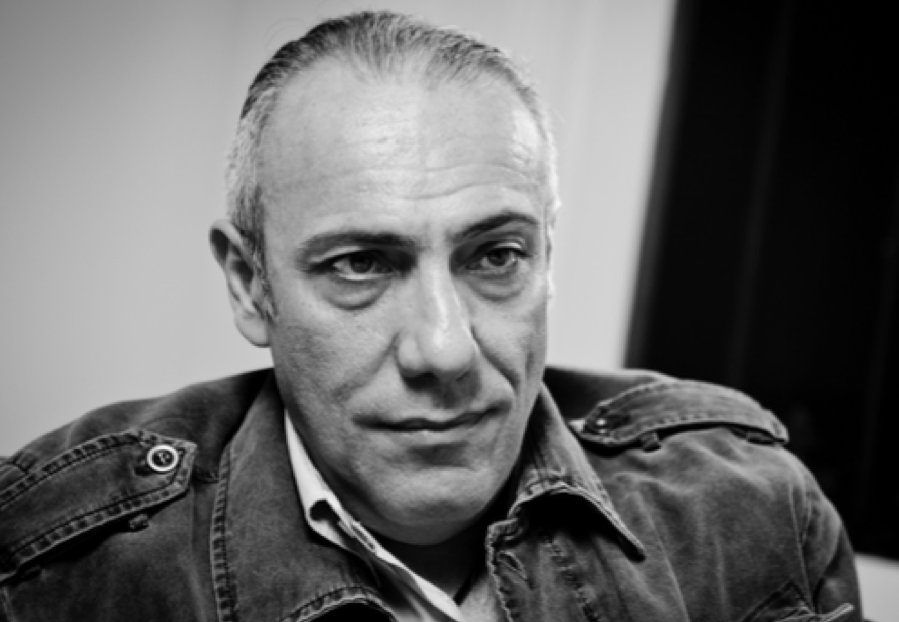
Eli Khoury, chairman and CEO of M&C Saatchi MENA, is about to complete his first year of running an independent regional agency after ending a relationship with one of the big four holding companies. Executive sat down with him to discuss his experiences as an independent partnering with an international but unaffiliated network.
- Are you celebrating your independence?
Big time. There are two reasons why it is bad to be part of the big ones. The first is technical and commercial. If you have a global client, New York, Europe and the rest will keep most of the money because they are in dire straits too. In the Middle East advertising market you get only the crumbs but they are not demanding monkeys to operate. They want real people to operate. There is no match.
- And the second reason why it is in your opinion not good to be with one of the top groups?
The second reason is that they really don’t care if you develop your creative talent or not. In the old days, those who started the networks were ad men who loved it and they used to drive around trying to teach a thing or two to their people. With the mega-groups today, they don’t care. In my opinion, the big mega-groups are dead.
- Creatively dead or economically dead?
I think one will drive the other. I think those who will be the industry makers in the future will be independent agencies who are somehow a network, because you have key market offices. Besides, over the Internet, you can be [everywhere].
- What made you seek to move from affiliation with a big group to preferring the status of a smaller, independent agency?
When I was a kid and joined agencies, the big dream was a big international name. That was achieved not because of a business deal but because there was compatibility in thinking. At one stage, one would feel that the brand is his and have love for it. But as you grow older and as the world changes, you start realizing it could just as well have been Khoury and Co. or ‘xyz’. In our days, everybody is a client and the world is everybody’s. Who would prevent me from running an ad in New York as Khoury & Co? If I have a client in the Middle East who is willing to pay for a spot on the Super Bowl, I’ll run it. Unfortunately, that is something one learns later in life.
- But you have an international minority stakeholder. Couldn’t they aim for majority?
You said it: minority. There are only two worries: culture and people. When another company wants to buy your company, if you are a decent practitioner you are worried about the culture because it has your name on it and [you worry] about those who spent years making your success. If these are well taken care of, plus a good price, why not? But this won’t happen today with a mega-group.
- Wouldn’t a mega-group provide more resources, stability and global clients?
You cannot count on an international partner. Global clients, by the way, are becoming ridiculous clients. I can assure you that since the 1970s no one has made the money they think they should have made out of global clients. Recently, it has become much worse.
I prefer a large Middle Eastern client who has hopes and expansion plans over your average big multinational [company].
- And that has something to do with the fact that global companies are looking at Middle Eastern markets as…
As secondary, to begin with. Brazil, India, China and Russia are way ahead of us, and that is understandable. In terms of advertising, we are followed only by Africa. And I would expect that Africa will surpass us at some point.
