
“The global picture is gloomy and the regional picture is not clear. Oil prices are still maintained but if the crisis persists there will not be enough global demand for oil. Syria is another question mark, and because of its historical and political ties to Lebanon there will be an impact on the local scene, whatever the outcome will be. These unclear issues lead me to believe that prospects for 2012 won’t be much better than 2011.”
“Lebanon cannot afford a crisis. You have seen what happened to Greece. Greece being a European country, having a strong currency, not having political or security problems, saw interest rates at 40 percent and was on the brink of defaulting, despite all the backing it had from very strong countries and the IMF (International Monetary Fund). Lebanon doesn’t have these advantages so we have to work on building up a real economy, and we have to keep our tradition of commercial banking. We want to have investment bankers and capital markets, but let it be outside of the commercial banking.”
“We expect next year to witness a better growth than this year. Regionally, the situation is affecting us negatively, as the instability is leading to lower growth. However, over the medium to long term, as the situation improves, stability is regained and economies enjoy more openness, the impact on us will be positive. It may also open doors for us to expand in other countries.”
“Lebanese banks are proving to be resilient so far to what is happening in Lebanon, in the region and over the world. Going into 2012, we have a lot of concerns: how things will develop in Syria is very important and critical for the banks and how the Lebanese government will tackle the budget deficit and the issue of the Special Tribunal for Lebanon. Lebanese banks are already very conservative and will continue to be so next year.”
“I think the banking sector will remain stable during 2012, and I don’t believe we will see very interesting local growth opportunities. The challenge for the banking sector will be how to continue the high pace of growth. ”
“In the current situation it is very difficult to make a forecast and see exactly what will happen tomorrow in Lebanon and the region; 2012 will definitely be a tough year. The situation in Syria is a concern, elections are coming up in the United States and in France, and the European crisis will continue and will have a strong impact. With all this, one will have to be cautious.”
“I think great companies as well as great banks are built during tough times, so for me these times present both an opportunity and a challenge for Lebanese banks. If they know how to weather the crisis, especially the banks exposed to countries such as Syria and Egypt, and even Jordan to a certain extent, they will emerge stronger. All these troubles will end, and when they do the banks will probably be able to grab the opportunity.”
“There is still an increase in deposits in the banking industry, which is a sign of confidence in Lebanon. If you look at the rates paid on the Eurobonds and the rate achieved on the latest Eurobond issued in May 2011, you can see the rate has dropped and not increased. That’s really a sign of confidence in Lebanon.”
“Going into 2012, I am quite optimistic about the banking sector in Lebanon, and I think economically Lebanon will fare much better next year. I am not worried about the outcome from Syria as I think we have already seen the worst and I only see things improving. The main opportunity looking forward will be the development of the capital market in Lebanon. The new law passed in August will definitely help.”

“I wish for economic prosperity and political stability so that Lebanon can continue to prosper and grow to the best of its ability. We have a strong banking sector and a strong regulatory environment; there are always opportunities for growth. Unfortunately, growth this year has been affected by lots of events but, I hope that we will go back to the growth momentum we enjoyed in previous years.”
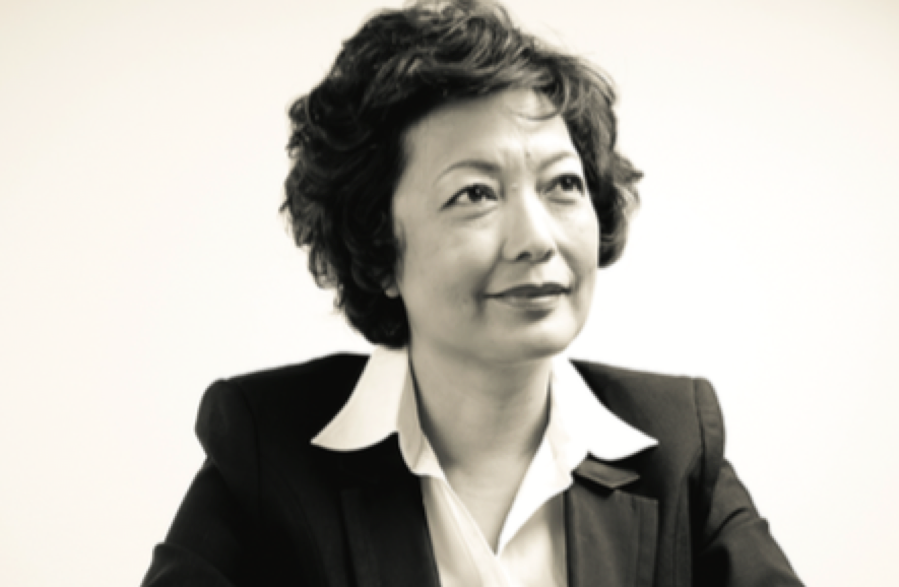
Credit Agricole: Mario Jamhouri, General Manager
“[For private banking portfolios] in terms of investments, cash in 2011 was king and bonds and commodities were also part of clients’ allocation. In the middle of a crisis people look for real assets, as witnessed by the real estate boom we saw in the past years in Lebanon. We are seeing our clients invest in real estate in Europe as well, as part of their asset allocation.”
