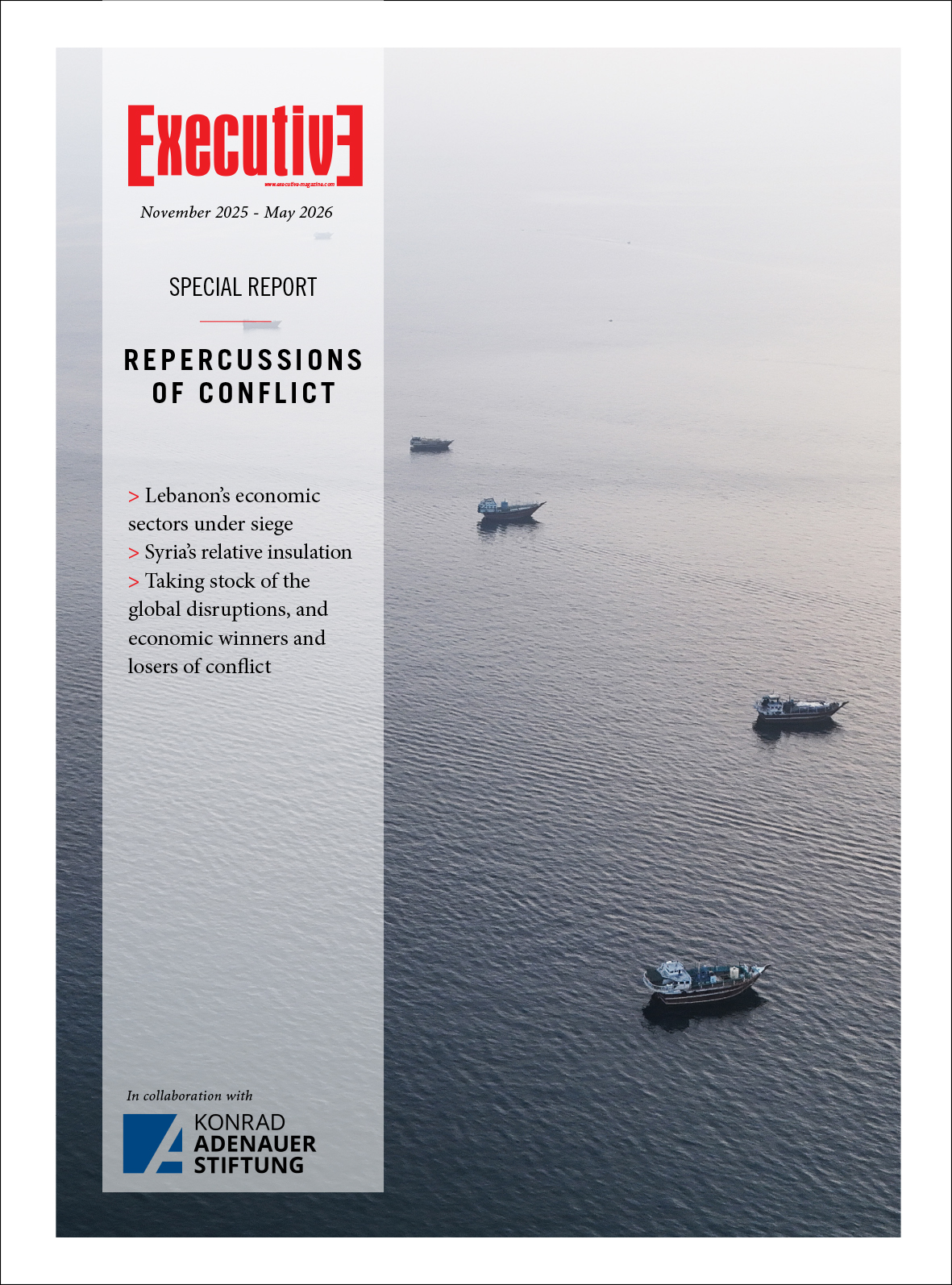
Repercussions of conflict
Special Report December 2025 - January 2026This follow-up special report, covering November 2025 to May 2026, turns to the economic fallout of the US-Israeli war on Iran, which began on February 28, 2026. Thomas Schellen's analysis traces how the Strait of Hormuz confrontation drove up oil prices, inflation, and industrial input costs, and spread volatility across financial markets. The IMF cut its 2026 global growth forecast to 3.1 percent and its regional outlook to 1.4 percent, and the report warns of a possible global recession that would hit poorer countries hardest. The country studies show how unevenly the shock has landed. Syria has been "improbably spared" and is attracting Gulf investment pledges of about $28 billion, though its GDP is only 45 percent of its 2010 level and its data and banking sector remain weak. Lebanon's fragile recovery, by contrast, was interrupted by renewed war with Israel, leaving consumer prices, farmland, water, and energy infrastructure badly damaged. Experts urge Lebanon to document its losses and pursue reparations.
-
➣
Does war pay?
Attempting to dissect the “simple” question of war economics -
➣
Analyzing the economies of six war-effected polities
Jordan’s strategic vulnerability -
➣
Taking an on-the ground look at Gaza’s healthcare sector
Gaza’s healthcare workers in a collapsed sector -
➣
Assessing the opportunity costs of failed
A Q&A with Paul Salem -
➣
Visual breakdown of the costs of war across six polities
The rationale behind the figures
Special Report Videos
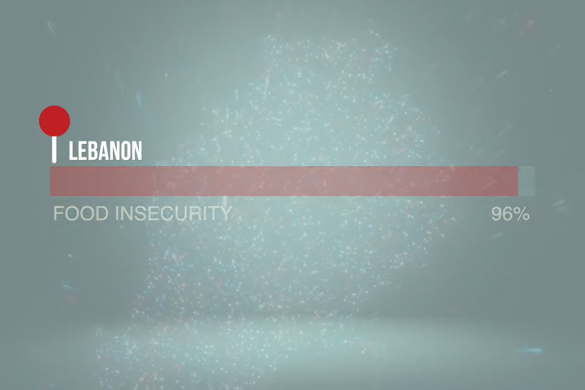 Lebanon Food Insecurity
 Special Food Security Report
 Lebanese Media
 Thomas Schellen
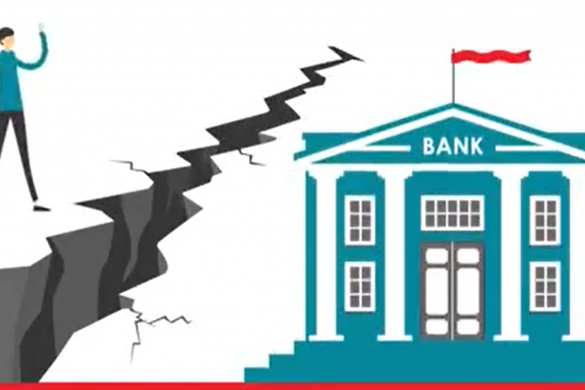 Special Report 5