
During the 2024 war, as I toured shelters for people displaced from their homes, I asked them about their needs. Many families had fled so quickly that they had left their regular medications behind. We expected requests for medicines for diabetes, hypertension and other chronic illnesses. Yet magnesium supplements were repeatedly among their main requests. People sought them to calm their anxiety and sleep better. In those difficult circumstances, many were thinking more about their mental health than their physical health.
On September 10, Lebanon marked the designation of a National Day for Suicide Prevention and Mental Health Awareness at the Grand Serail. Organized by the Ministry of Public Health’s National Mental Health Programme, with Embrace and ABAAD, under the Prime Minister’s patronage, the event brought an issue so often surrounded by silence into the seat of government. The message was clear: mental health is a public responsibility. Yet it remains to be seen whether that responsibility will be reflected in services people can reach and afford, and funding that allows their care to continue.
In the days following the Beirut port explosion, I tweeted about the contrast between the physical wounds we managed in emergency rooms and the psychological wounds that would run deeper and take much longer to heal. Since then, people in Lebanon have endured further losses. War, with its casualties and displacement, has compounded the effects of economic collapse, the pandemic and the blast. For many families, insecurity and uncertainty have become daily conditions, shaping their livelihoods, relationships and hopes for the future.
The extent of the problem is troubling. A nationwide survey of 1,000 Lebanese adults conducted in 2022 found that almost half of the participants screened positive for probable depression. More recently, the National Lifeline, which offers emotional support, assesses suicide risk and connects callers with appropriate services, reported a 60 percent increase in calls during the first five months of 2026 compared with the same period in 2025. This growing demand means more calls to answer and more people to support.
The toll on healthcare workers deserves particular attention. During the pandemic, they cared for patients while risking infection and fearing for their families. During the war, hospitals, ambulances and healthcare personnel came under attack. They treated the injured while facing danger, bereavement and exhaustion themselves. Financial hardship and insecurity also drove many professionals abroad, increasing the burden on those remaining. Dedicated helplines and psychological support offered assistance, but their needs extend to safety, adequate rest, fair remuneration and confidential care. When healers themselves need help, how can we expect them to keep caring for others without supporting them too?
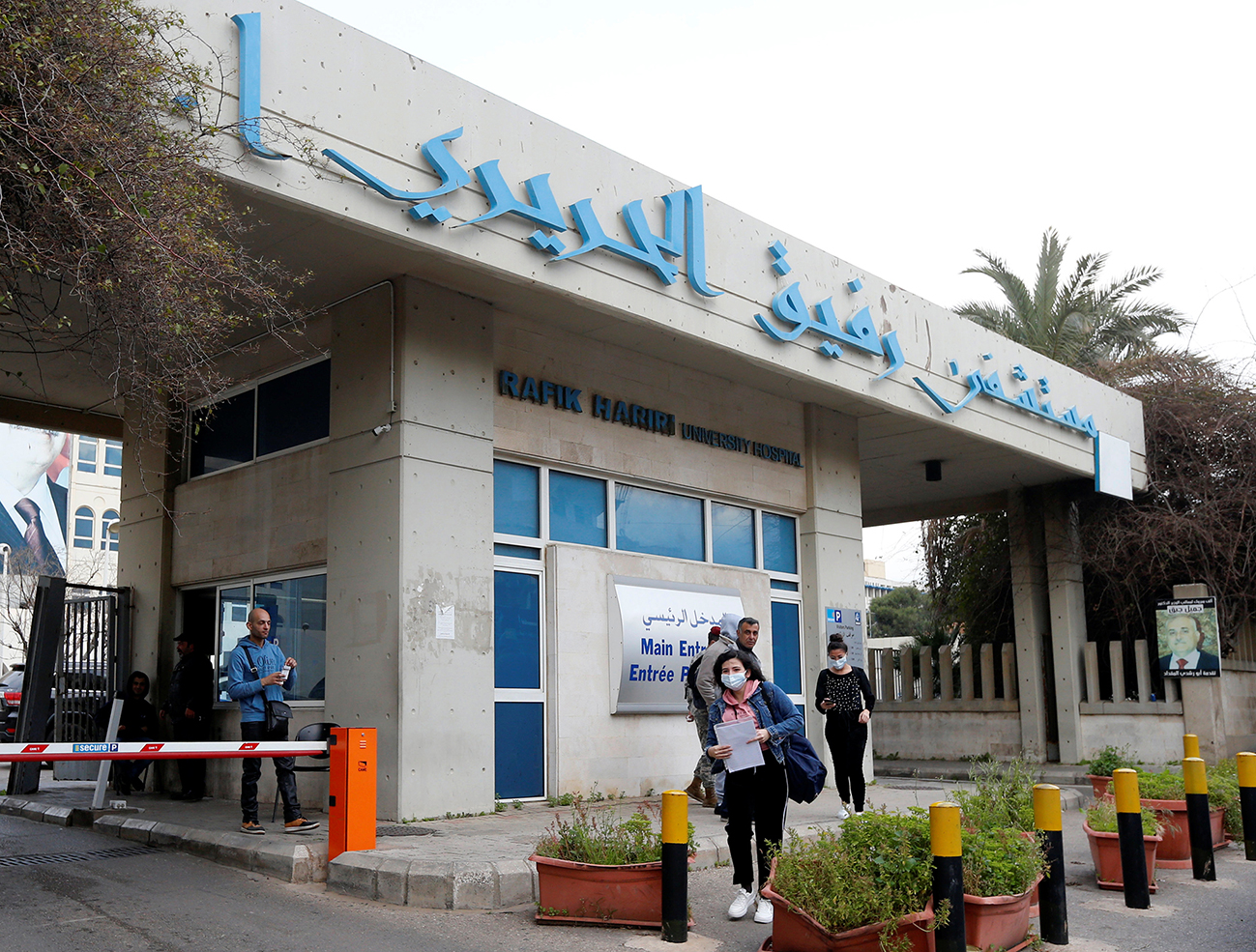
Lebanon has, however, built foundations on which we can act. At Rafik Hariri University Hospital, our partnership with the National Mental Health Programme and local and international organizations helped integrate mental health services within a public hospital. Linking primary care, community services and hospital treatment offered a model for other public hospitals. Nationally, the programme has worked persistently with partners to integrate mental health into primary healthcare, train providers and expand access, in line with the National Health Strategy, Vision 2030, and the National Mental Health Strategy 2024–2030. Step-by-Step, a free, guided digital intervention for depression developed with WHO, earned the Ministry a 2023 UN Interagency Task Force award, recognized at the strategy’s launch in 2024.
Yet the financing needed to sustain this progress remains uncertain. Much of this work has depended on external support. As humanitarian and development funding contracts internationally, reliance on successive grants leaves programmes exposed. People need confidence that care will continue after emergency appeals end or international attention moves elsewhere. Predictable domestic financing is therefore essential alongside continued international solidarity. Lebanon should progressively fund the programme’s core functions and include essential mental health services in publicly financed care packages. Partners should support this transition through coordinated, multi-year commitments, helping ensure that services remain available as national responsibility grows.
We often celebrate the resilience of the Lebanese people. I have witnessed it in patients, families and healthcare workers under extraordinary pressure. But endurance has a cost, and it should never become an excuse to postpone support. The people asking for magnesium in those shelters were expressing a need we could not afford to overlook. The commitment made at the Serail must reach them and the many others carrying the psychological burden of these years. Rebuilding Lebanon must include helping its people recover.
