• Donate
  • Our Purpose
  • Contact Us
Executive Magazine
  • ISSUES
    • Current Issue
    • Past issues
  • BUSINESS
  • ECONOMICS & POLICY
  • OPINION
  • SPECIAL REPORTS
  • EXECUTIVE TALKS
  • MOVEMENTS
    • Change the image
    • Cannes lions
    • Transparency & accountability
    • ECONOMIC ROADMAP
    • Say No to Corruption
    • The Lebanon media development initiative
    • LPSN Policy Asks
    • Advocating the preservation of deposits
  • JOIN US
    • Join our movement
    • Attend our events
    • Receive updates
    • Connect with us
  • DONATE
Banking & Finance

For your information

by Executive Editors August 17, 2011
written by Executive Editors

Lebanon’s newest bank receives  BDL approval

Banque du Liban (BDL), Lebanon’s central bank, granted its final approval for the establishment of the country’s newest specialized private bank, Cedrus Invest Bank, after the new enterprise fully covered its $44 million paid-up capital. During Cedrus’s general assembly held in June, Ghassan Ayyash, BDL’s former vice governor, was elected as chairman of the Board Of Directors (BOD), while Fadi Assali and Raed Khoury were appointed general managers of the bank. Other BOD members include Georges Atik, Ghazi Youssef, Ibrahim al-Jammaz and Elias Abou Farhat. Following BDL’s approval, Cedrus Invest Bank’s management issued a statement in which it explained that launching the bank at a time of domestic and regional political and economic distress was a vote of confidence from the bank’s investors and shareholders. The latter include around 30 Lebanese residents and expatriates, as well as investors from the Gulf Cooperation Council  countries. Lebanon’s newest bank aims at creating an office for high net-worth individuals and families alongside its other business lines, which include wealth management, capital markets, asset management and private equity. Cedrus Invest Bank will soon raise its paid-up capital to $50 million due to high demand for its shares, the statement added. The bank aims at expanding beyond the Lebanese market in the foreseeable future and will tap into the Levant region, with a focus on Syria and Iraq, as well as into the Gulf.

Lebanon performs well on The Banker’s list

Nine Lebanese banks ranked amongst the top thousand commercial banks in the world, seven of which improved their rankings since 2010, according to a recent survey by magazine The Banker. Taking into account only the core of a bank’s strength — the shareholders’ equity that is readily available to cover actual or potential losses — the survey ranked the banks based on their 2010 end of year tier one capital as per criteria set by the Bank for International Settlements. Bank of Beirut made the biggest leap among Lebanese institutions, rising by 120 places to reach 663rd while recording a 45.3 percent yearly increase in its tier one capital. Byblos Bank followed, ranking at 448th, jumping 58 places from its standing a year earlier and posting an 8.83 percent rise in its tier one capital-to-assets ratio. Recently acquired Lebanese Canadian Bank ranked 912th, a notable jump of 57 spots from the previous year. Meanwhile, both Bank Audi and BankMed saw their positions fall, dropping by 29 and 21 notches to the 355th and 659th spots, respectively. The aggregate tier one capital of the nine Lebanese banks totaled $8.67 billion by the end of 2010, a 15 percent yearly increase, compared to a 10 percent increase in the top thousand banks’ tier one capital, while their profits-to-tier one capital ratio reached 19.9 percent in 2010, also more than the 13 percent ratio for the top thousand banks.

Premiums land high in MENA rankings

Lebanon ranks first in the Middle East and North Africa (MENA) region and 52nd globally in terms of insurance penetration, or total insurance premiums as a share of gross domestic product (GDP), according to global reinsurer Swiss Re’s latest “World Insurance in 2010” report. Compared to 3.1 percent in 2009, Lebanon’s insurance penetration stood at 2.8 percent of GDP in 2010, above the MENA average of 1.3 percent for the same year, but still below the world average of 6.9 percent. Cover premiums in Lebanon totaled $1.1 billion last year, accounting for 0.02 percent, 0.17 percent and 3.2 percent of global, emerging markets and Middle East and Central Asia premiums, respectively. In terms of nominal premiums, Lebanon dropped two spots on the year before to 66th among 147 global markets, and slipped one place, to sixth, in the Arab world. Also included in Swiss Re’s report were estimations of the average amount spent per capita on insurance premiums, or insurance density, which placed the United Arab Emirates first in the MENA region, at $1,248, followed by Qatar at $619, Bahrain at $527, Oman at $261 and Lebanon at $253.

Cypriot banks’ deposit and debt ratings downgraded

A day after it had downgraded Cyprus’ long-term debt rating from A2 to Baa1, just two notches above junk, international ratings agency Moody slashed the deposit and debt ratings of the two main Cypriot banks, Marfin Popular Bank (MPB) and Bank of Cyprus (BoC), from Baa3/Prime-3 and Baa2/Prime-2, to Ba2/Not Prime and Ba1/Not Prime, respectively. Moody’s said the island’s high level of exposure to Greek Government Bonds (GGB) was the primary reason behind its ratings announcement, as it considered all rated Cypriot banks likely to take part in the Greek debt exchange.  MPB and BoC exposure to GGB is $4.9 billion and $3.5 billion, respectively, according to the European Banking Authority, constituting 95 percent and 55 percent of their tier one capitals, respectively.

Lebanon still a draw for FDI

Among 18 Arab countries, Lebanon was the fourth major foreign direct investment (FDI) recipient in nominal terms and posted the fifth highest FDI growth rate for the year 2010, according to figures released by the Arab Investment and Export and Guarantee Corporation (AIEGC) last month. Lebanon attracted $4.96 billion of FDI in 2010, a 3.2 percent rise from $4.8 billion a year earlier, making it one of five Arab countries to have witnessed an increase in FDI last year, in contrast with a 23.4 percent yearly decrease in aggregate FDI to Arab economies in 2010. Lebanon ranked highest in the Arab world in terms of FDI inflows as a percentage of gross domestic product (GDP), which stood at 12 percent, followed by Jordan at 6.2 percent, Sudan at 5.4 percent and Qatar at 5.1 percent in 2010. Lebanon’s FDI inflows accounted for 7.7 percent and 8.7 percent of total inflows to Arab countries and to West Asia, respectively, and for 0.44 percent of global FDI in 2010, which increased by 0.7 percent for the same year.

Foreign currency flight from Syria exaggerated

Many an eyebrow was raised at the end of June when The Economist cited that an estimated $20 billion had left Syria since protests began to sweep the country in March. “There is obviously capital flight, but it is impossible that $20 billion left the country,” said Jihad Yazigi, editor of the economic newsletter Syria Report. With the World Bank pegging Syria’s overall economy as worth $52 billion at the end of 2010, and total deposits in private and state banks close to $30 billion, such capital outflows would have disemboweled the country’s finances. “The $20 billion figure is ridiculous, as the deposits of private banks are $11 billion and the deposit base of the whole banking system is $29.8 billion,” Freddie Baz, chief financial officer at Bank Audi, told Executive. “Estimates range between a 15 percent to an 18 percent drop in the deposit base of private banks, so there has been a decline of around $2 billion.” Lebanon’s Bank Audi, which operates Bank Audi Syria, is the second largest private bank in Syria with some 18 branches. However, in an effort to contain foreign currency deposit flight and alleviate pressure on the Syrian pound, the Central Bank of Syria (CBS) issued in early July a set of rules to implement new measures it had announced in May to control foreign currency purchase and withdrawal transactions. The measures include authorizing Syrians to open savings accounts in US dollars and Euros up and equivalent to $120,000, granted the amount is blocked for a minimum of six months, while also allowing foreign currency purchases of up to $60,000 for accounts with a minimum six-month maturity, with the maturity extended by one month for every additional $10,000 purchased. CBS governor, Adib Malayeh, said they had closed about 30 foreign exchange bureaus suspected of conducting illegal operations, with reports of the Syrian pound having been traded at between 10 and 15 percent lower than its official exchange rate. Malayeh said the Syrian pound was still rock solid despite the political unrest, with bank deposits up 4 percent for the second quarter of 2011 relative to the first.

Lebanese banks receive a Moody downgrade

Lebanon’s top four alpha banks, Bank Audi, BLOM Bank, Bank of Beirut and Byblos Bank saw their standalone Bank Financial Strength Ratings (BFSR) and Global-Local Currency (GLC) deposit ratings downgraded by Moody’s Investors Service. On July 19, Moody’s cut all four banks’ BFSRs and GLC deposit ratings to D- and Ba3, respectively, from a previous stable rating. It also reduced Byblos Bank’s B1 subordinated debt to negative. The international ratings agency mentioned the slowdown in the Lebanese economy and political tension, along with instability in neighboring Syria, as factors for increased domestic credit risk and weakened asset quality and profitability for rated banks. Both Bank Audi and BLOM Bank’s extensive operations in Syria suggest a great deal of material exposures to the country, which Moody’s estimated ranged from 70 to 125 percent of the banks’ tier one capital at the end of 2010. Moody’s ratings announcements also raised concerns over the four banks’ exposure to sovereign risk due to their low-rated Lebanese government securities portfolios, which equal several times their tier one capital levels and reflects the banks’ continuous funding of Lebanese public debt. By contrast, Moody’s said the banks’ long-term foreign currency deposit ratings remained unchanged, as those deposits are capped by Lebanon’s B1 ceiling. Lebanese bankers downplayed public concerns in response to the ratings announcement, asserting that Lebanon’s financial institutions have enough liquidity to overcome what is a temporary situation.
August 17, 2011 0 comments
0 FacebookTwitterPinterestEmail
Feature

Portraits of freedom

by Executive Editors August 17, 2011
written by Executive Editors

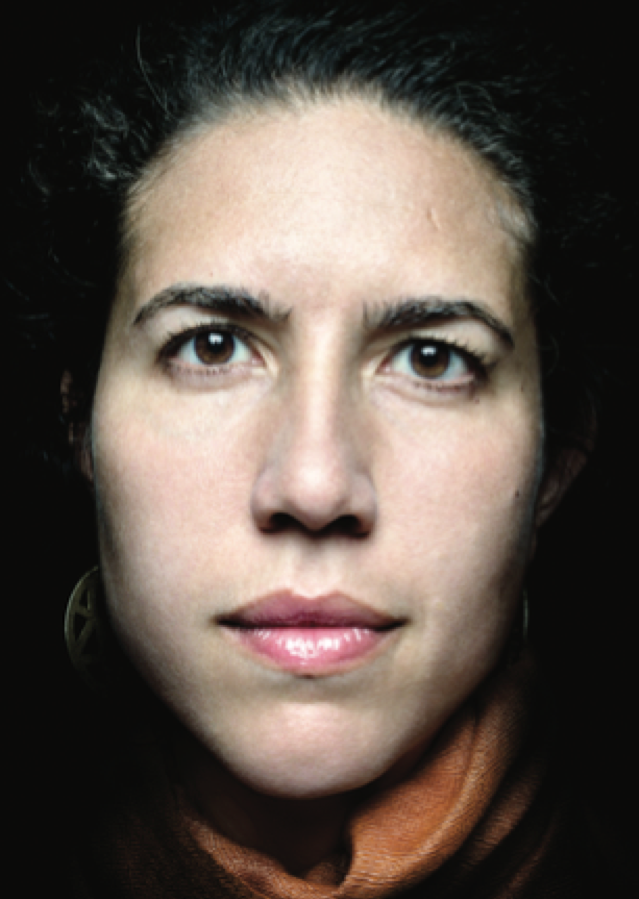
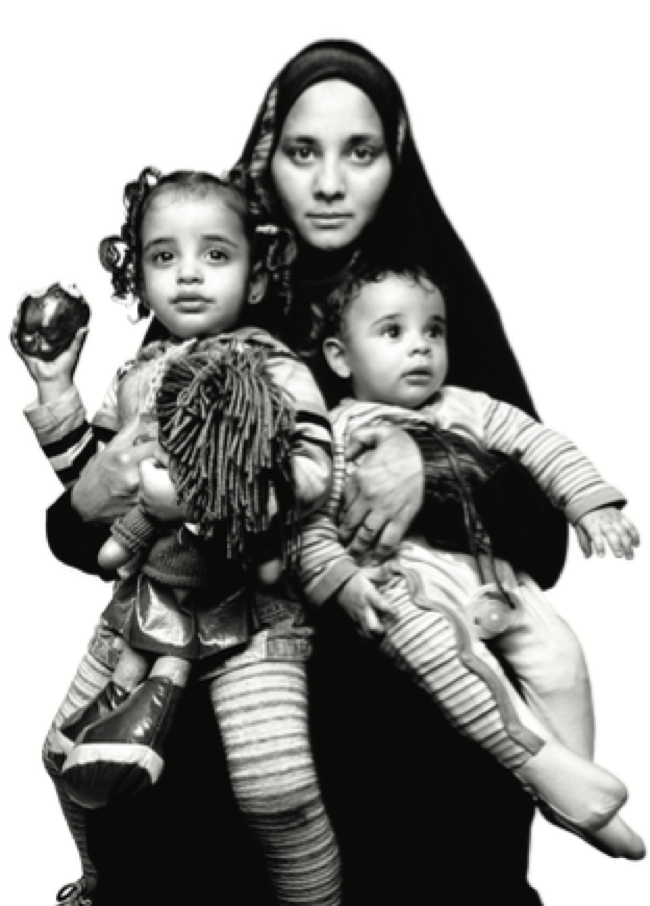
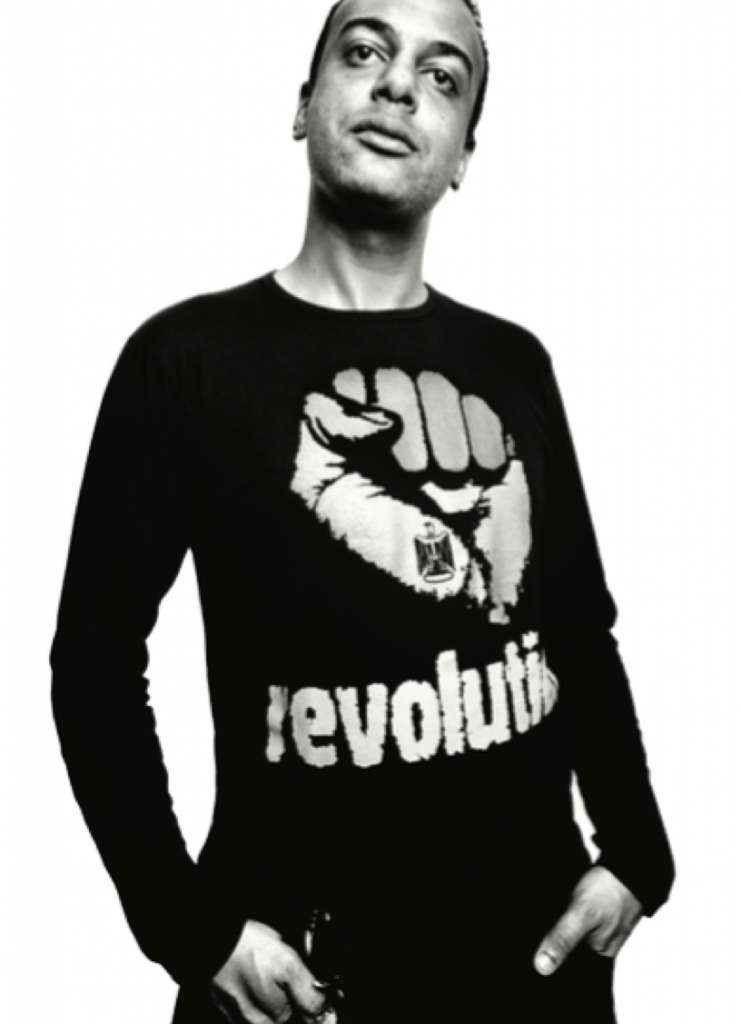
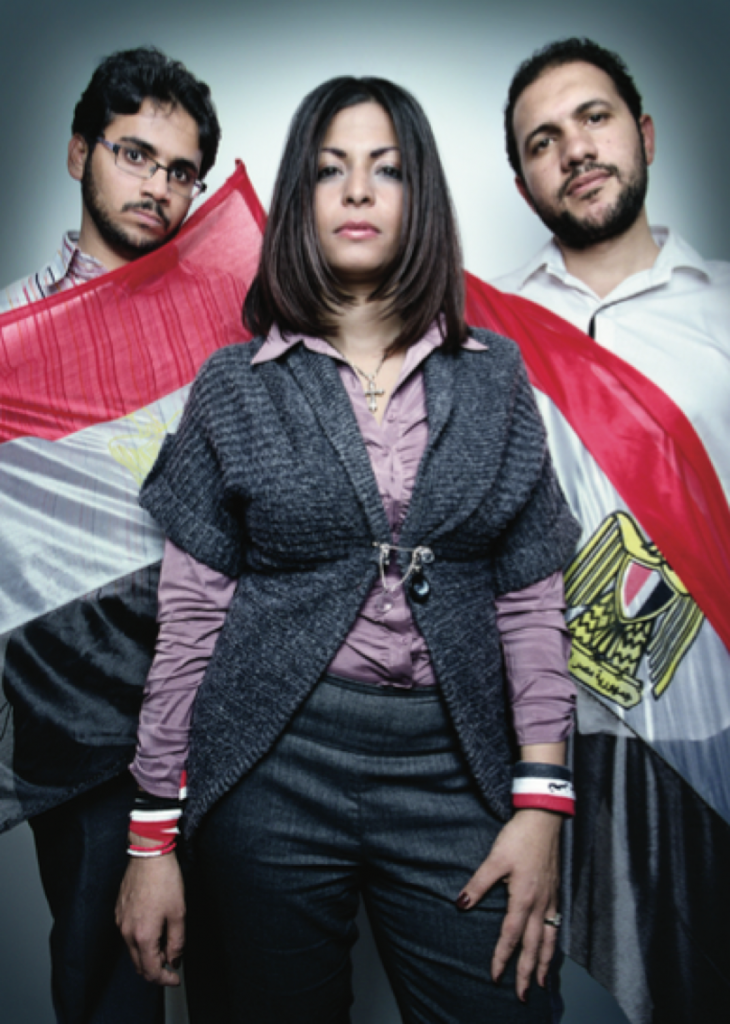
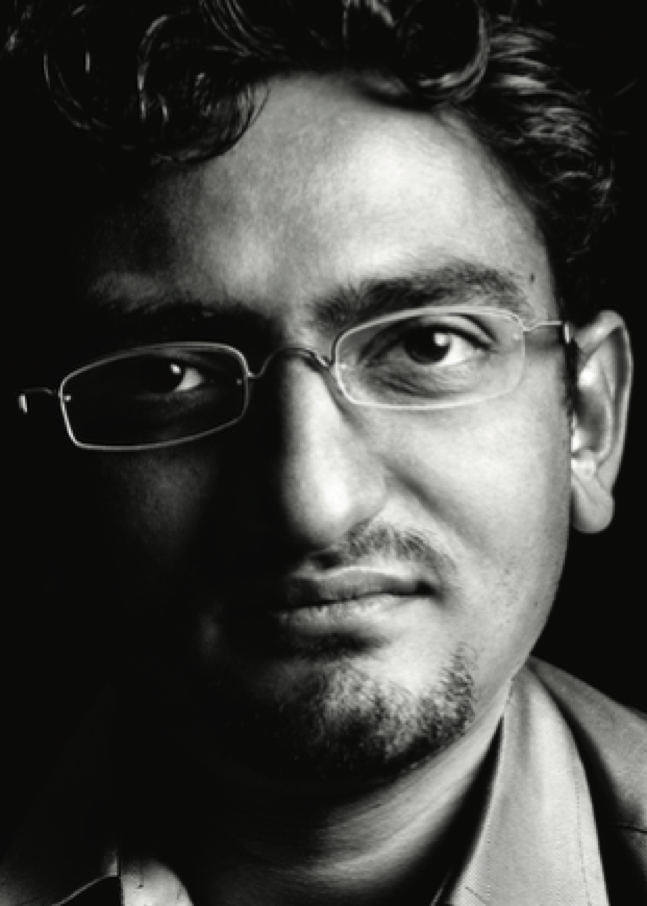
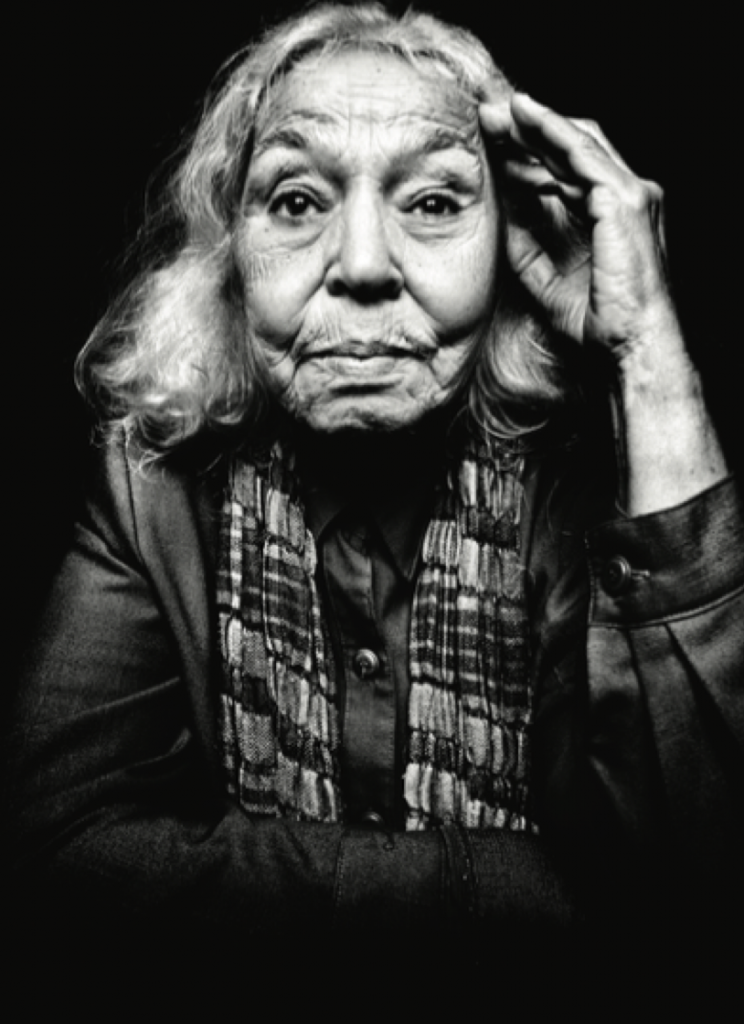
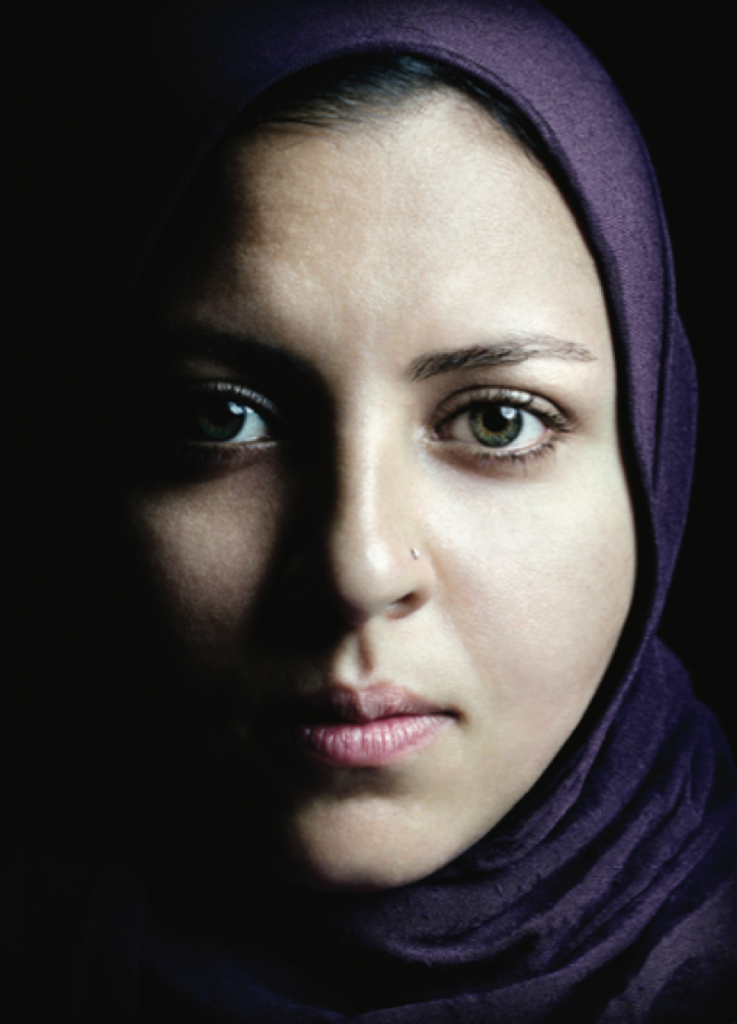
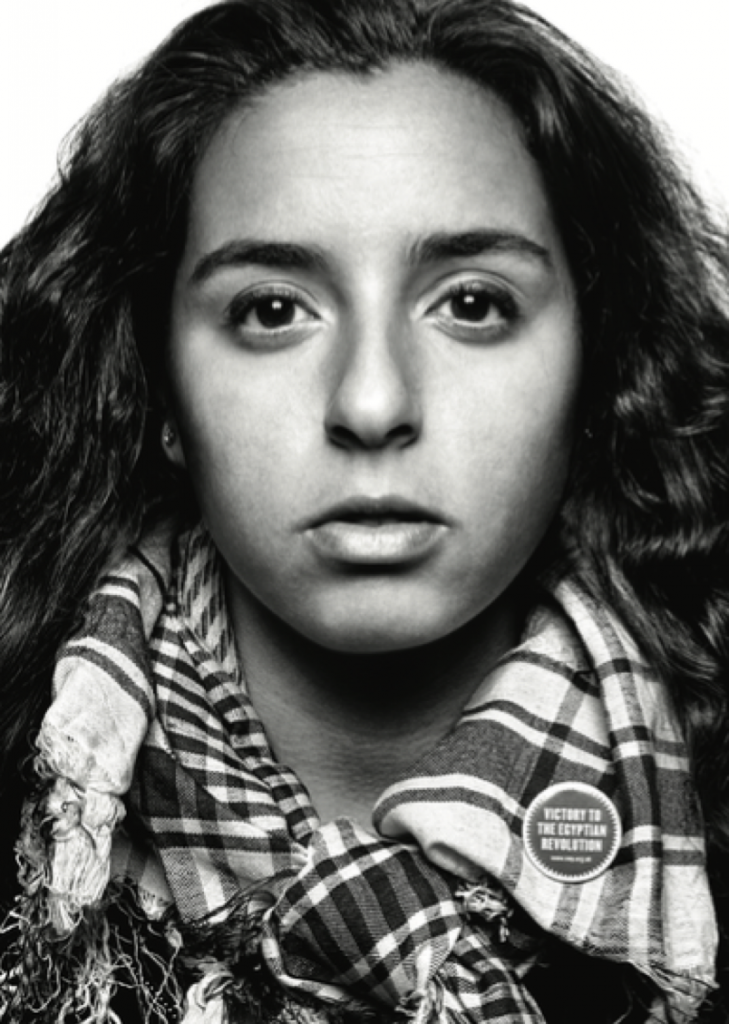
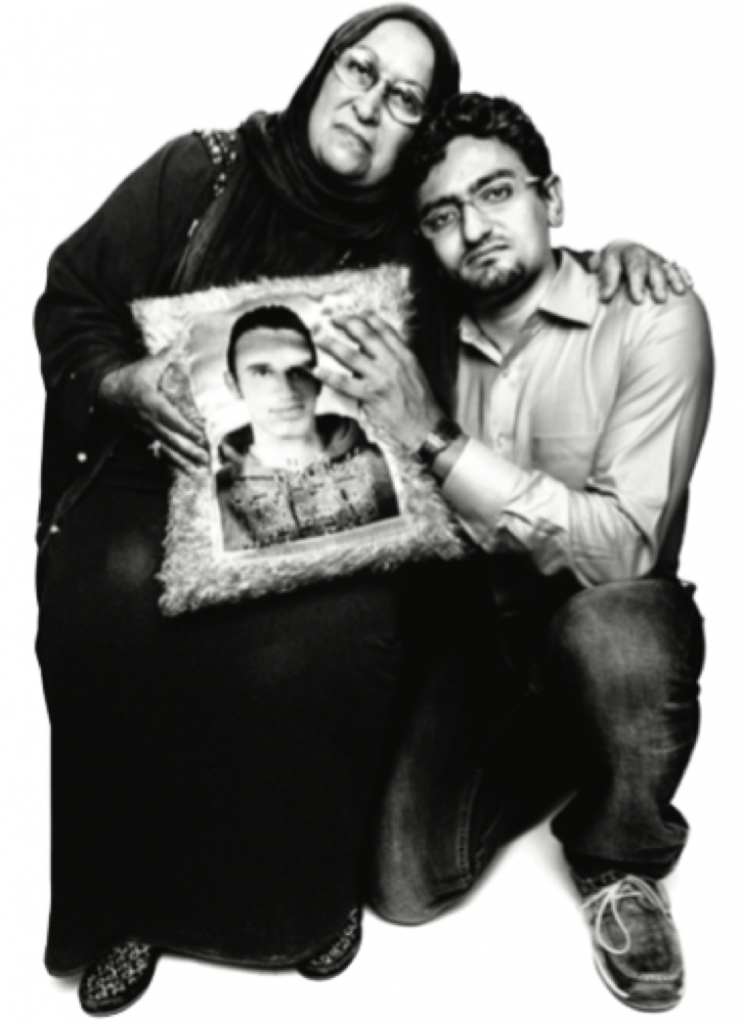
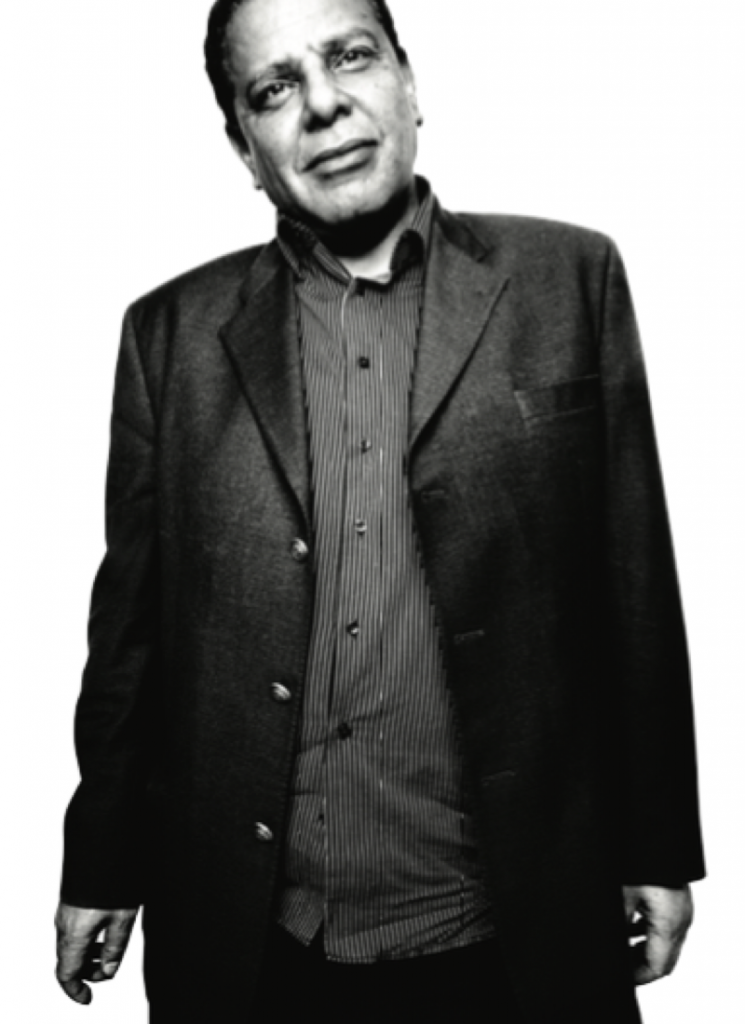
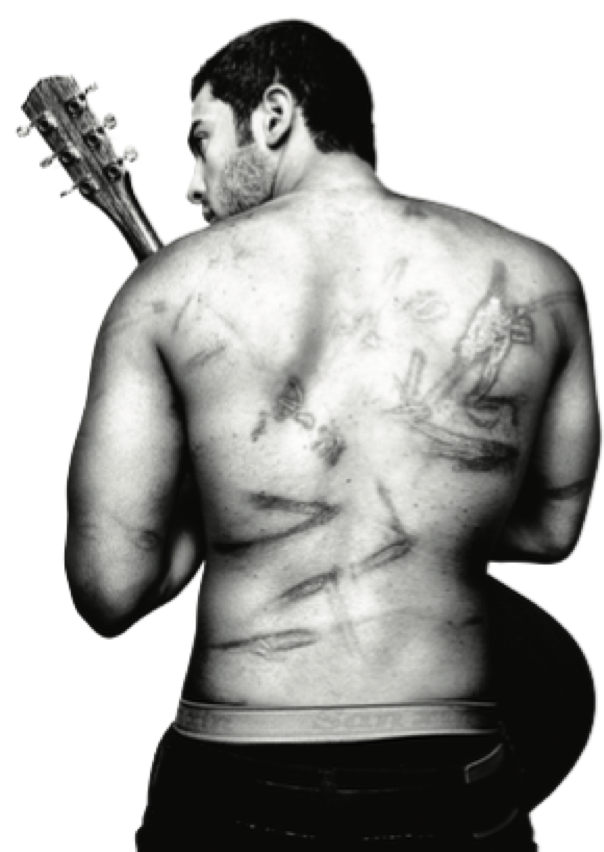
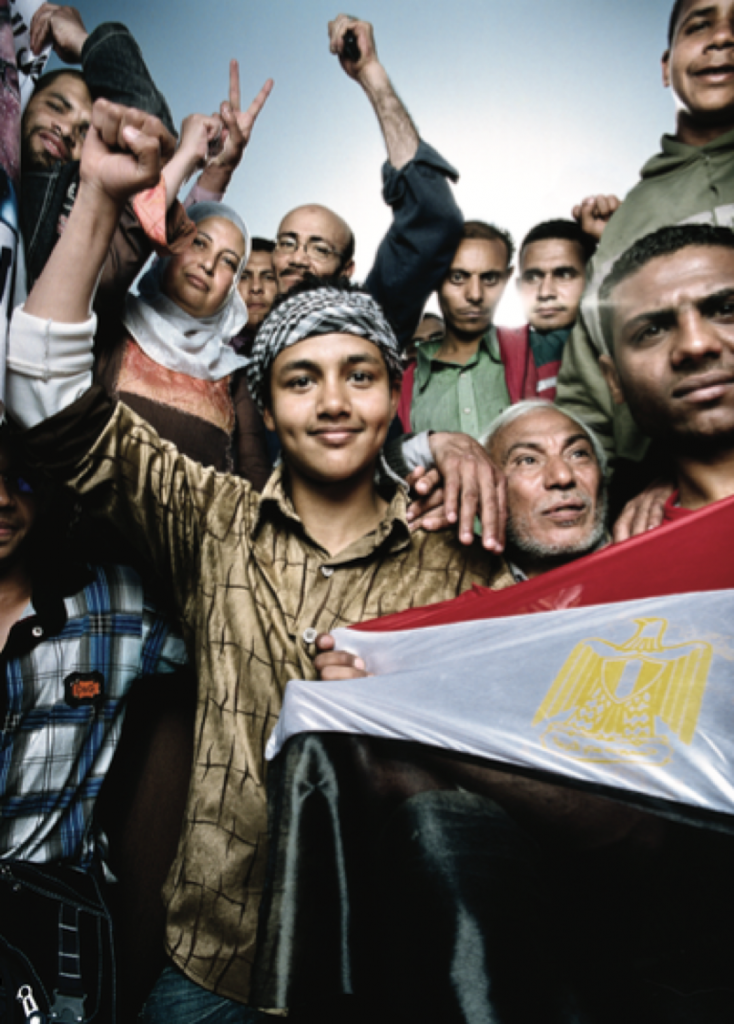
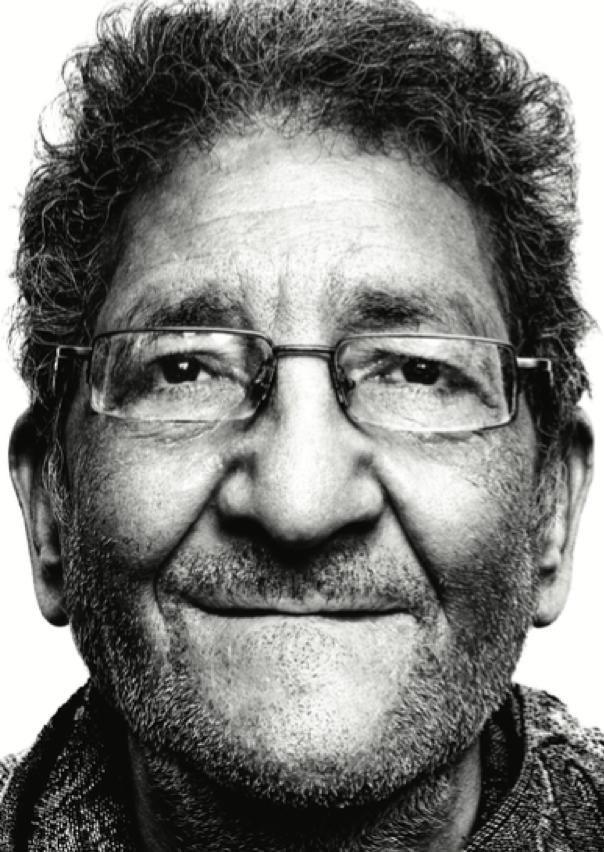
Images from Cairo’s Tahrir Square have become iconic symbols of the struggle against oppression and have helped inspire the fight for human rights across the Middle East and beyond; But many goals of the Egyptian Revolution are yet to be fulfilled. Repressive laws remain in place, the military continues to detain its critics and prosecute them in military courts and the torturers of the old regime have gone unpunished, prompting thousands to return to the streets to demand greater reforms. For a look at some of the Egyptians who helped begin the process of change in their country, Executive presents in the following pages portraits of men and women from all walks of life who joined the movement to end Hosni Mubarak’s 30 years of repressive rule. All photos taken by Platon in April 2011, commissioned by Human Rights Watch.

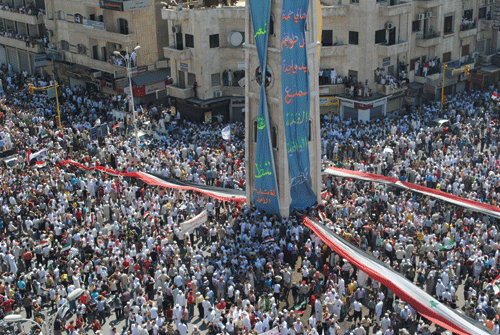
1) April 1, 2011: Egyptians return to Tahrir Square in Cairo for a rally to “save the revolution” and protect their right to demonstrate.

2) Ahmed Seif al-Islam, 60, is a veteran Egyptian lawyer, activist and former political prisoner and founder of the Hisham Mubarak Law Centre, which since 2008 has been the leading Egyptian NGO providing legal assistance to protesters.

3) Heba Morayef, the Cairo-based researcher for Human Rights Watch, covering Egypt. In the middle of the demonstrations and violence during the Tahrir protests, Morayef visited hospitals and morgues to document the civilian death toll from government attacks and sniper fire. 

4) Sama Lotfy, 2, Neama el-Sayed, 26, Yassin Lotfy, six months, the children and widow of a protester killed by Egyptian security forces during the Tahrir Square demonstrations.

5) Hossam Bahgat, 31, is the director of the Egyptian Initiative for Personal Rights, which he founded in 2002. He has long played a prominent role in exposing human rights violations in Egypt, including the government’s failure to prosecute sectarian violence against Coptic Christians.

6) Muslim-Christian unity youth organizers, from left to right: Moaz Abdel Kareem, 28, from the youth wing of the Muslim Brotherhood and a participant in the Tahrir Square protests. Sally Moore, 33, psychiatrist, feminist and Coptic Christian youth leader. Mohammed Abbas, 26, a member of the Muslim Brotherhood’s youth movement and a leader in Tahrir Square who worked with secular counterparts and the April 6 movement in planning protests. Mohammad Abbas and Sally Moore drafted a “birth certificate of a free Egypt” shortly after Mubarak’s resignation.

7) Wael Ghonim, 30, the Google regional marketing executive who administered the “We are all Khaled Said” Facebook page after the young Alexandria man’s brutal killing by police. Ghonim’s passionate appearance on Egyptian television after being detained for 12 days by the security police helped energize the protest movement.

8) Nawal el-Saadawi, 80, an Egyptian writer, veteran women’s rights advocate, psychiatrist and author of more than 40 fiction and non-fiction books, many of which address the persecution of Arab women. Saadawi’s decades-long struggle for women’s rights and against female genital mutilation helped pave the way for the adoption of a historic 2008 law that banned the practice in Egypt.

9) Sondos Shabayek, 25, a writer for independent Egyptian newspapers and magazines and a “citizen journalist” who participated in and tweeted the story of the Tahrir Square protests.

10) Sarrah Abdel Rahman, 23, a social medi activist who reported from Tahrir Square with her popular “sarrahsworld” YouTube commentaries.

11) Laila Said, the mother of 28-year-old Khaled Said, with influential Egyptian activist Wael Ghonim. Speaking out about the torture and murder of her son by Egyptian police in June 2010, Laila became known as the “Mother of Egypt” and as an emblem of the consequences of endemic police torture and impunity.

12) Alaa al-Aswany, an Egyptian writer born in 1957 and author of acclaimed novel The Yacoubian Building. He was a founding member of the political opposition movement Kefaya (“Enough”).

13) Ramy Essam, 23, a charismatic singer, guitarist and songwriter who  became famous during the Tahrir Square protests as “The Singer of the Square”, was detained and tortured by the Egyptian military after  President Hosni Mubarak fell.

August 17, 2011 0 comments
0 FacebookTwitterPinterestEmail
Editorial

One pillar is not stability

by Yasser Akkaoui August 17, 2011
written by Yasser Akkaoui

If Riad Salameh were no longer driving the bus that is Lebanon’s economy, many of us would feel differently about being on it. Faith in the lira, confidence in the sanctity of our savings and a belief, if fragile, that Lebanon can withstand internal and external economic shocks are thanks to him. But as we breathe a sigh of relief at his re-appointment to a fourth term as governor of the Banque du Liban (BDL), Lebanon’s central bank, we must also look at the precedent being set: It is true that through times of siege from without and sabotage from within he has kept us from tumbling off the road to prosperity… But nothing gold can stay.

It is no coincidence that the banks have kept Lebanon’s economy (relatively) on course during Salameh’s tenure. In fact it is no less than obvious; a well-tended garden makes for better flowers. If other ministries took their cue from the BDL, they too might discover the wondrous results diligence, conservatism and foresight can produce.

 Manufacturing, industry, agriculture — long neglected by the state as unviable oddities in Lebanon’s gross domestic product — are precisely the sectors in need of investment to help broaden the foundation upon which our prosperity is based.

As it takes many pillars to support a temple, the government must give the Lebanese a reason to believe that this varied and vibrant country can have a varied and vibrant economy.  

August 17, 2011 0 comments
0 FacebookTwitterPinterestEmail
Economics & Policy

Q&A with Vrej Sabounjian, New Minster

by Executive Staff August 14, 2011
written by Executive Staff

Vrej Sabounjian, Lebanon’s new Minster of Industry discusses his strategies for the sector

August 14, 2011 0 comments
0 FacebookTwitterPinterestEmail
Economics & Policy

Lebanese industry – Rising from the flames

by Executive Staff August 11, 2011
written by Executive Staff

Executive Magazine assesses the state of Lebanon’s industrial sector five years after it was devastated by Israeli bombardments in the 2006 war

August 11, 2011 0 comments
0 FacebookTwitterPinterestEmail
Economics & Policy

Threadbare redress

by James Reddick August 3, 2011
written by James Reddick

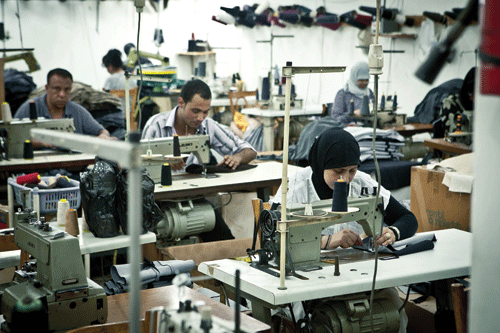
When Ali Ismael, co-owner of Tricot Starlet Co., saw the wreckage of his clothing factory in Beirut’s southern suburbs, bombed just five days before the 33-day war ended, the shock literally sent him to the hospital with high blood pressure. “Everything I worked for my entire life just went to waste,” he said. “I did not inherit anything from my parents — neither my partner nor I. It was our entire life’s work and it was hard looking at it burn in front of my eyes.”

Little remained of the factory, located in a hard-hit area on Al Kassis Street next to what Ismael described as the “Hezbollah kitchen”. Initially, he considered this the final blow for the company; already, the textile industry was suffering in Lebanon, with cheaper competition from Asia and, contends Ismael, “mafias that can get in a whole container at the port for$15,000 without paying any customs.”

But his partner, Hussein Chehab, was unequivocal about the company reopening. “He was very brave and he directly decided to reopen again,” said Ali. “I wasn’t as brave but I supported him and his decisions.”

One of Tricot Starlet’s saving graces was a relatively immediate influx of money to help mitigate the $2 million of direct damage. First, he sold his two remaining warehouses for $415,000, which he used to buy a new facility in Hadath. Then his siblings and an American client with whom he used to work provided an undisclosed amount, while a Turkish supplier offered the company a generous $75,000 worth of credit. And lastly, Hezbollah provided $100,000 as compensation — not enough for a full restart — but sufficient to pay employees during the two months in which Tricot Starlet was out of commission before a new factory was opened in Hadath.

Left guessing

Notably absent in Ismael’s recounting of funding is the role of the Lebanese government. The United Nations Industrial Development Organization did provide $25,000 for four sewing machines, but Ismael has been unable to secure a central bank loan. Unlike many other factory owners Executive spoke with who were unwilling to mortgage their assets in order to receive a loan, Ismael is willing but has been left in limbo.

“The central bank sent some experts and auditors to appraise the damage,” he said. “I paid $12,000 to complete such procedures, but until now did not receive anything.”

Working through Bank of Beirut and Arab Countries (BBAC),Ismael said, the application was submitted to Banque du Liban, Lebanon’s central bank, and approved, but “has stopped there.”

Four years since the loan mechanism was created, and nearly three since the application deadline, Ismael no longer expects any assistance and is not sure of the problem. The central bank circular stipulates that a recipient must need the loan in order to continue operations, which for Ismael may not be the case. Still, nearly $2 million in damage is a hefty sum for a firm the size of his, with just 40 employees before the war, to have to pay.

Nonetheless, the business continues with apparent efficiency. Men and women crouch over sewing machines, guiding the fabric as the needle chugs along the seams. Ismael designs the clothes, for women and for men, but is aware that in Lebanon the viability of plants like his is waning. “The cost of the thread is increasing and the sales prices are declining,” he said. “There is no possibility to grow in this industry; it is fading.”


August 3, 2011 0 comments
0 FacebookTwitterPinterestEmail
Economics & Policy

The state of industry, 2011

by Zak Brophy August 3, 2011
written by Zak Brophy

The industrial sector in Lebanon is often regarded as the runt of the economic litter. Real estate, tourism and banking receive the lion’s share of attention and praise, not to mention political support. Perusing the figures over the past five years showing the manufacturing sector’s inexorable decline in share of value added to gross domestic product(GDP) — in comparison to other sectors of the economy — it is easy to see why attention is focused elsewhere.

Nassib Ghobril, head of economic research and analysis at Byblos Bank, holds firm that Lebanon’s industrialists are actually faring rather well, however. “The sector is doing well, and we shouldn’t always be putting it down saying it is on its way to disappearing and that industry is not in good health,” he said.             

Indeed, when judged on its own merits, and not in comparison to other sectors of the economy, industry has proven resilient in recent years. Imports of industrial equipment — a good indicator of industrial activity —have increased by a compound annual growth rate of 9.2 percent over the past decade. What is more, the value the sector has added to the economy has increased at an accelerating rate, from 1.5 percent in 2001 to 11.3 percent in2009. 

A rocky road

But this growth has not been without its blips. If anything, the vicissitudes of the local and regional political arena over the past decade have highlighted industry’s acute responsiveness to security concerns. The long-term nature of investment in the industrial sector means it is one of the first areas where investors get cold feet when the all-too-common specters of discord rear their ugly heads.

“They [industrialists] don’t want to borrow in a market where there is a lot of uncertainty and where cash flow is a major concern, especially when you have political concerns,” explained Jad Chaaban, acting president of the Lebanese Economics Association.

At the close of 2010, industrialists had good reason to hold their heads high after a strong performance throughout the year. Industrial exports were up 27 percent on 2009 and imports of industrial machinery and electrical equipment hit a record high of $227 million, up 14 percent from2009. In fact, industrial exports have been increasing consistently and strongly for most of the past decade — excluding 2008-2009 during the international financial crisis and a slow down following the 2006 war — with the prepared foodstuffs, machinery and mechanical appliances, pearls, precious and semi-precious stones (excluding gold ingots) and base metal sub-sectors performing consistently well.

But 2011 has ushered in upheavals in Lebanon and across the wider region, with events in Syria remaining the most pressing concern for Lebanon, and how the chips will fall is still far from certain. 

Head of the Council for Industrial Exports’ Development Khaled Farshoukh fears the consequences for Lebanese industry. “There has been growth of around 20 percent to 25 percent every year [in industrial exports in the last three years],” he said. “When we compare that to the first quarter of2011 we can see there is no growth… When we look to the figures, if we don’t move up we will lose.”

His concerns are warranted — especially as imports of industrial machinery and electrical equipment also stagnated in the first quarter — but it is still too early to assess the impact of the recent regional turmoil on Lebanese industry. Heading into the second quarter, industrial exports were up 16.76 percent in April 2011 on the same month in 2010.

The new Minister of Industry Vrej Sabounjian told Executive, “I encourage Lebanese businesses to see this as an opportunity to search for new markets if theirs in the Middle East have been affected. It presents new challenges and new opportunities.” Beyond the creation of a stable and secure environment for investment, few Lebanese industrialists have high expectations of support from the government. General Manager of Dalal Steel Industries Toufic Dalal said, “people nag about the government. I don’t nag because if you compare between Lebanon and other countries — in Europe, for example, — you would pay 40 percent to 50 percent tax, but here I only pay 15 percent [corporation] tax. It offsets the costs we have to endure.”

Basic requests

But low expectation for services does not mean no expectations.

Ghobril from Byblos Bank reasoned that a “15 percent corporation tax is low, as is the capital gains tax, but that doesn’t excuse the government from providing basic services like electricity, roads and water. The very basics at least. Not to mention security. If the government can’t deliver these basic services it should not exist.” 

Addressing the perennial saga of Lebanon’s debilitated energy system is one of the ‘basics’ where industrialists concede they need government support. “This is a very big problem… There is no clear government policy for the energy sector,” Farshoukh said. “Until now everyone is still working on diesel and there are no alternatives. So if there isn’t a push from the government to have a special price for diesel for industry we will continue to have the same problems.”

A 2010 report by the Ministry of Industry states that in 2007 industrial spend on energy from Electricité du Liban amounted to 1.3 percent of intermediate consumption — the cost of the inputs of production — which is proportionally not particularly high. However, because electricity supply is not constant, industrial establishments spent $192.3 million on fuel products for their own energy production, which constituted 4.1 percent of intermediate consumption. Additional costs to industrialists stem from disturbed production and increased depreciation of equipment, according to Chaaban. “The major cost for industrialists is the interruptions. The indirect cost is the replacement of the machines that are hit by these interruptions,” he said. A 2008 World Bank report states that the average industrial firm loses7 percent of its sales value due to interruptions in electricity supply.

The government could also foster a more propitious environment for industrial development with the creation of a well-designed and managed network of industrial zones. These would be designated areas of cheap land for industrial firms with the suitable infrastructure on site to provide a microcosm with lower operational costs [see Q&A with Neemat Frem on page94].

Industrial zones do already exist but they have failed to provide industrialists with the infrastructure or land price incentives to relocate.

In the late 1990s, the Investment Development Authority of Lebanon  composed a strategy to encourage the migration of industrial firms into the zones but it was beset with difficulties. According to the Ministry of Environment’s “State of the Environment Report 2000”, almost 88 per cent of all industrial establishments in Lebanon in January 1999 were located outside  of the 72 industrial zones in the country.

The issue is a sticking point for the new minister, however, as indicated by its inclusion in the new cabinet’s ministerial statement. The government “will also create a committee to administer industrial centers and look for industrial zones”, it says, and Minister Sabounjian confirmed to Executive that the issue of industrial zones was a top priority for the new cabinet. However, details on when the committee would be established, and its makeup, were not forthcoming.

Chaaban expressed trepidation at the expressed interest. “Every government program says, ‘We want to have industrial zones throughout he country’, but nothing happens. The problem is that those in charge are still driven by financial interests linked to the real estate and banking sectors.” Minister Sabounjian countered, saying “There is a great environment here [in the cabinet] and an atmosphere to do together what needs to be done for this country, especially in the Ministry of Industry. I feel the ministers are pro-industry; for the first time in a long time this government is pro-industry.”

But the jurisdiction and budget of the Ministry of Industry remains relatively limited; in 2010 its budget allocation was approximately$5.8 million, just 1 percent of the total for the general works and transport ministry and less than 10 percent of the agriculture ministry.

If Minister Sabounjian is going to execute his policies to stimulate the industrial sector he will need to enlist the support of several of his sister ministries. This should be easier with a somewhat unified cabinet, which needs to show it can deliver on its policy promises. However, first some concrete policies and plans need to be developed, which are at present woefully lacking in substance.

United we stand

There are clearly several infrastructural hurdles that need to be surmounted to improve the competitiveness and profitability of Lebanese industry. However, when firms do decide to invest, access to finance and capital is, generally speaking, readily available. According to Neemat Frem, president of the Association of Lebanese Industrialists (ALI), “this is not a problem at all”. 

In 2007, $165 million in interest-subsidized loans were provided to the industrial sector, which constituted 67.2 percent of all such subsidized loans given that year. In fact, every year from 2004 to 2007 the industrial sector received more than 50 percent of offered interest-subsidized loans, which come through a number of channels, including the Banque du Liban, Kafalat, the European Investment Bank and leasing companies.

But while access to loans, often at discounted rates, is nota problem for Lebanese industrialists, Chaaban argues the reluctance of Lebanese family-run businesses to consolidate and open up their capital is a hindrance to growth in the sector. “There has to be some kind of consolidation. Until now it’s very family-oriented small units and it’s inefficient,” he said. “If you go to Dora and Bourj Hammoud everybody is producing the same products.” His assessment is supported by a 2007 Ministry of Industry study, which reported 78.2 percent of industrial establishments employed between five and 19workers.  

Byblos Bank’s Ghobril pointed to the failure of private equity schemes to take root in Lebanon as an example of the reticence among Lebanese industrialists to open up stakes in their companies to outside investors. “The capital is there and the expertise to manage private equity funds exists in Lebanon, but family businesses are reluctant to open up their capital to institutional investors,” he said. “They prefer to go with their own internally generated funds or with loans, even though it is more expensive to borrow.”

Director General of the Beirut Chamber of Commerce Rabih Sabra argued that the predominance of small firms was due to the entrepreneurial spirit of the Lebanese, which in itself is a strength and a driver of growth. However, in a changing climate of increased competition, he added that consolidation in some sectors may be inevitable. “It will come when they feel there is competition, and companies from abroad are getting parts of the market. It’s a slow process but I hope that Lebanese companies realize that they can’t compete if they don’t merge and create partnerships,” he said.

While most people acknowledge certain sectors of industry would certainly benefit from more consolidation, opinions diverge on whether this needs to come from market incentives alone or if the government has an encouraging hand to play. 

ALI’s Neemet Frem argued that while large is not always preferable to small, some sectors, such as agro-industry, would benefit from more consolidation. What is more, he will be campaigning for new laws and policies to incentivize mergers, including assistance with relocation costs, tax holidays and social security benefits.

Minister Sabounjian conversely reasoned that market forces alone should provide the incentives for firms to merge while the government keeps its nose out. It is a safe bet to say that devising policies to encourage greater consolidation will not be on the minister’s to-do list any time soon.

Keeping the edge

So, while Lebanese industrialists may be trundling along in the shadows of the economy’s power-house sectors, they should still be given credit for their tenacious toil. But fresh challenges and opportunities lie ahead for them. In recent years Lebanon has entered into a number of bi- and multi-lateral trade agreements, and trade liberalization is likely to continue in the coming period; Lebanon is still intent on joining the World Trade Organization. 

As barriers to trade come down and protectionist measures are removed, Lebanese industry will clearly have to overcome a number of internal and external obstacles to remain competitive and thrive on the international stage.

The government is going to have to get its act together and provide industry with the stability and infrastructure that will encourage investment and lower operating costs. And, for their part, industrialists are going to have to show flexibility to adapt to the changing climate in which they will be operating, and when necessary abandon the ‘I’m the keeper of my castle’ mentality.


August 3, 2011 0 comments
0 FacebookTwitterPinterestEmail
Economics & Policy

Q&A – Neemat Frem

by James Reddick August 3, 2011
written by James Reddick

Neemat Frem is the president of the Association of Lebanese Industrialists, chief executive officer at INDEVCO Group and founder of technology service provider Phoenix Machinery. He recently sat down with Executive to look back at Lebanese industry since the 2006 war and to discuss the sector’s future needs.

E: It has been five years since the 2006 war. How has the sector fared since suffering so much damage?

If you look at the numbers over the last five years, the industrial sector was able to grow at a rate of 20 percent per year despite the2006 war. This is something exceptional. This growth was due mainly to the entrepreneurial craft of the Lebanese and relative stability since 2006, and probably a sense of optimism.

The number one exporters have traditionally been the printing sector and then it moved towards food products, and then lately, in the last two years, we have been witnessing a pick up in the electro-mechanical sector, with steady growth in what has always been number two, the jewelry sector. So the number one today is the electro-mechanical sector, in terms of exports.

E: Has the government assisted in reconstruction efforts?

No, actually this is the problem. We have more than 50 cases of plants completely bombed out and up to now we still don’t have the right support. On the contrary, we are having a lot of problems. Even tax holidays we don’t have. Really we have not seen any support for industrialists.

E: And was there support promised?

Yes, it has been promised. We have had special laws being worked on in this direction but nothing has materialized. At this minute, we have not yet had any support.

E: With the new minister, do you think this might change?

We hope so. I am demanding this with a louder voice more and more. But still, maybe it is dependent on the environment we were living in the last few years where we had a freeze basically of any decision because of this paralysis in government.

E: On that note, what should be the priorities of the new minister?

I have been working very closely with this minister because he is an industrialist and a close friend. The priorities for us will always be creating the proper industrial cities in Lebanon where we will have enough land and enough infrastructure in areas where we can develop and grow — where we will have cheap lands, availability of water, of roads and of labor. So we have been demanding these zones this last year and now will be even more. And today there is enough awareness of this issue. In the ministerial statement, it has been noted about the importance of making industrial cities.

E: What does that entail?

Industrial cities are locations in the five muhafazas (regions); these lands will be first of all cheap and will have proper development. As you make housing developments or tourist developments, we would like industrial developments for those lands where you would have local power generation, where you can create a microcosm for industrialists in Lebanon instead of waiting for the development of the rest of the country, because you know that we are suffering mainly from the fact that the industrial sector has been growing but infrastructure is not following. The whole country did not follow; the administration did not follow; even our laws did not follow. They need to be rejuvenated.

E: And how far along are these efforts?

There are two tracks on this. Track one: public administration. There is a law for forming the body to administer the industrial areas. This is what is meant in the ministerial statement. I hope this will be formed very quickly and headed by an industrial or an experienced engineer. When established, this body will have the duty to come up with geographical zones where you need to have the right infrastructure. So it’ll be a development exercise. Lebanon is known to have a slow pace for public administration so we need to also create another track that has a private initiative with the right investment to create these zones, and possibly have a private-public initiative where maybe you would have freehold lands to be developed by the private sector. But again, all of this is tied somehow to stability and the degree of optimism in Lebanon.

E: Lebanon’s industry is very concentrated in Mount Lebanon. Have the outside areas been neglected?

No, I would say that instability has been traditional in the south and other parts of Lebanon and is one of the biggest reasons for this. Also, the infrastructure availability has been ahead in Mount Lebanon compared with other areas. Now, what you are seeing in the last 15 years is that Mount Lebanon is having infrastructure problems whereas you have power plants in the south and the north, along with land availability in the south, north and Bekaa. So I foresee that if we are able to have enough stability in these areas they will be very promising for the industrial renaissance of Lebanon. At the same time, we should not forget about Mount Lebanon.

E: Growth in exports has stagnated so far this year. Are you concerned about the decline?

I am concerned, for sure. The whole economy in Lebanon is a reason for concern. I’m very much worried that we won’t achieve the growth that we want to achieve.  Lebanon needs to grow at a rate of 6 or 7 percent a year; it’s not a luxury. We’re not a country that can grow at 1 or 2 percent and consider that acceptable. The focus of the whole cabinet should be on re-stimulating growth, especially that the area had all these problems. This could have been an opportunity for us. We should have been able to provide the needed stability.

E: Related to that, how has the regional upheaval affected Lebanese industry?

To tell you the truth, it has affected it as shown in the exports but not to a high extent. I consider the problems coming from a major consumer confidence issue in Lebanon. Today there is a slow-down in consumption. The countries that are still being effected — Libya and Yemen — we don’t sell much to. The Syrian market is affecting us, as we sell 5 percent to Syria.

E: The industrial sector doesn’t benefit from tax incentives as do others in Lebanon. Is this a problem?

Our tax laws need to be revised to incentivize the industrial sector. We need to have special tax holidays. This is how you attract foreign direct investment. Now we have a decree issued by [former Finance] Minister Rayya Hassan when she was a caretaker where we would have a 30 percent tax exemption for five years, which is quite an interesting initiative. We would like to see it implemented. All profits generated from exports should be tax exempt. If we do this, we will stimulate exports and hence increase the goods leaving the country. Right now we have a flat rate of 15 percent on profit. And another 10 percent as a distribution tax. I would think that is high compared to what we are receiving as services. The value proposition is wrong. I tend to agree with those schools that say that we should increase consumption taxes and decrease profit taxes. I think it’s easier to control and better for creating growth.

E: How do you feel about efforts to join the World Trade Organization (WTO)?

I think we’ve done much more than we should have done. I think we implemented it in the wrong way and it affected our productive sector. I don’t see any advantage in joining the WTO. We need to make sure that our productive sector isn’t hurt. In 2001, we did destroy our productive sector in the name of reducing all kinds of customs duties and opening at large our markets without providing the right manufacturing costs and providing the right environments to be productive.

E:  So you don’t see liberalization as such a bad thing as long as the infrastructure is there?

This is the issue. Lebanon is so liberalized, more than any country I know of in the world, including the United States. This is not acceptable when you have such high manufacturing costs. We need to improve our manufacturing competitiveness in line with improving our manufacturing costs.

E: Small industries dominate the market. Do you see a decline in economies of scale as a problem in Lebanon?

What we see in Lebanon is a shifting from heavy to lighter industries. But this does not mean we should only have small industries. I believe large industries have a role to play. I think there are sectors that need to have more large industries. This is why we as an association have been working on making special laws to incentivize mergers of small companies. I believe personally that in the food sector it warrants to have one or two big entities which would allow the opening of new markets in the world, developing new products, strong marketing, to claim back the hummus, the falafel, you see? I would like to see the Nestle of Lebanon. Imagine Switzerland without Nestlé —without their food industry. We need this in Lebanon and we can have it and it is imminent. I tell you, this is a sector that needs to be developed.


August 3, 2011 0 comments
0 FacebookTwitterPinterestEmail
Comment

When every day is Friday in Syria

by Nicholas Blanford August 3, 2011
written by Nicholas Blanford

After four months of a steadily intensifying popular uprising, the regime of Bashar al-Assad, the Syrian president, is bracing for what may prove to be a climactic few weeks ahead.

August 1 marks the beginning of the holy month of Ramadan when pious Muslims fast during the daylight hours and — crucially in the Syrian context — visit mosques on a daily basis for prayer.

Since the uprising began in mid-March, demonstrations have focused on Fridays, Islam’s holy day of the week, when young men can freely gather in large numbers for prayers without hindrance from the security forces. Once prayers are over, the protestors are well placed to leave the mosques andlaunch straight into street demonstrations. In August, every day could be a Friday, turning this year’s Ramadan into a grinding and bloody test of stamina and determination on the part of both the protestors and the Syrian security forces. It is open to question how the already over-stretched security forces will be able to confront daily protests from opposition activists, many of whom will have the additional inspiration of the holy month to sustain them. On the other hand, if the security forces escalate their ruthless repression of the protest movement, with a corresponding escalation in casualties, the opposition activists will need all the resolve and nerve they can muster to keep returning to the streets day after day. Indeed, regardless of what one thinks of the Assad regime, the tenacity and courage of the protestors over the past four months has been extraordinary.

The Syrian security forces — using a blend of the elite Fourth Division headed by Maher al-Assad, Bashar’s younger brother, intelligence agents and shabiha militiamen drawn from the Alawite sect — have rushed from one flashpoint to another, using brute force in a bid to stifle the rebellion. But the protest movement has refused to yield and is slowly gaining traction with demonstrations growing ever larger and more widespread.

The army numbers some 220,000 regular troops, but the vast majority of them are ill-trained Sunni conscripts, most of whom presumably have little intrinsic loyalty to the regime. Indeed it is the Alawite-heavy Fourth Division, which numbers some 20,000 troops, that has spearheaded the crackdown. Minor fissures have appeared in the army, mainly due to individual soldiers refusing to open fire on protestors, and allegedly some have been shot for disobeying orders, have escaped into Turkey or Lebanon or have joined the ranks of the protestors. The number of defectors appears minimal at this stage and does not as yet presage a major split within the army. But the collapse of the army remains a possibility in the longer term, particularly if the protest movement continues to gather momentum and the security forces are seen as incapable of suppressing the dissent.

An indicator to look for is defections or signs of dissent among Alawite army officers in the weeks and months ahead. Rami Makhlouf, Syria’s uber-oligarch and cousin of the president, told The New York Times in May that the regime would “fight to the end”. Such stark comments raise the specter of a sectarian conflict between the majority Sunnis, sensing that their time for ruling the country is at hand, and the Alawites, who fear the backlash should they lose power. The Assad regime has played upon those fears of sectarian conflict. Certainly, the smaller communities in Syria — including the Christians and Druze — generally have dithered between throwing their weight behind the opposition in the hope of a peaceful transition to democracy, or standing with the regime and its protection of Syria’s diverse minorities.

Worryingly, there have been isolated incidents of sectarian violence, mainly in mixed Alawite and Sunni neighborhoods, although it is too soon to say whether this is a harbinger of a broader communal struggle to come.

Still, it is doubtful that the Alawites really would stick together for a “Masada-style” finale in their lofty redoubts in the coastal mountains. Indeed, many analysts conclude that it is a mistake to lump all Alawites together as a single pro-Assad block (similarly Syria’s Sunnis are not a homogenous group). Alawite unity has frayed in the 11 years that Bashar al-Assad has ruled Syria, with power becoming more centralized within the extended Assad clan. Hafez al-Assad, the former president, was careful to disseminate the privileges of power, not only among fellow Alawites but among the Sunnis too, thus blurring Alawite control of the levers of power and honoring in perception if not in deed the secular ideology of the ruling Baath Party.

Other than a split within the army, the other key dynamic under watch is the fate of the Syrian economy and how it could shape the out comeof the confrontation between the regime and the opposition. The economy has been badly hit by four months of unrest. Syria achieved growth of about 3.5 percent in fiscal year 2010, but the economy is contracting by about 3 percent this year. Tourism, a key sector that accounts for about 18 percent of the economy, has been heavily hit, with visitors staying away this summer and hotels reporting record vacancies.

Even before the uprising took hold, the Syrian economy was facing several long-term threats. They include declining oil production, high unemployment and a devastating five-year drought that has decimated arable production and driven many country dwellers into the cities. Increasing public debt has forced the state to curb its long-standing policy of subsidizing everyday goods, from electricity to bread and cooking gas — a legacy of the Baath Party’s original socialist principles. The removal of subsidies has led to increased inflation (15 percent in 2008) and price rises, aggravating the economic plight of many ordinary citizens and serving as a motive for the protests. Cheap clothes imports from China and Asia have also put many Syrian textile factories out of business.

At the beginning of the year, the Syrian government announced a five-year plan to attract $11 billion in foreign investment. But foreign investment has slowed. Qatar Electricity and Water has cancelled a $900 million project to build power plants, and other foreign companies are also considering canceling projects.

Syria’s business community so far has watched the unrest from the sidelines, unwilling to make any commitments that could backfire against profit margins. But the longer the uprising continues, the more the economy will stagnate, which could force the hand of the merchant class. But for now the heterogeneous and divided opposition has offered little in the way of reassurance to the merchant community about how it intends to usher in a stable, free market democracy.

How this ends is anyone’s guess. But it is evident that the Syria over which Assad presided at the beginning of the year has gone. There can be no return to the status quo that existed before March. Some analysts maintain that the Assad regime cannot prevail in this struggle because it faces a no-win situation. If Assad ushers in a meaningful program of reforms, it will undermine the regime’s grip on power, thus leading to its eventual demise. If it does nothing and continues to rely on force it is similarly doomed.

Most of Syria’s Arab neighbors have watched Assad’s tribulations with unease mixed with quiet schadenfreude, with the latter growing stronger the further the country lies from Syria’s borders (and reach). The West has generally limited its stance to the unrest in Syria with repeated calls for Assad to reform or face losing his legitimacy, a response that most Syrian opposition activists consider tepid and redundant given the nearly 1,500 people killed so far.

Ultimately, the fate of Syria may be decided in the coming weeks as the protestors and security forces gird themselves for the Ramadan protests and a contest to see which has the stronger staying power.

Nicholas Blanford is the Beirut-based correspondent for The Christian Science
Monitor
and The Times of London

August 3, 2011 0 comments
0 FacebookTwitterPinterestEmail
Society

Q&A – Nassib Boueri

by Emma Cosgrove August 3, 2011
written by Emma Cosgrove

As Chief Executive Officer of Y&R/Wunderman for the Middle East and North Africa, Nassib Boueri has had a lot to deal with in the first half of 2011. Shrinking budgets, unstable conditions and constant evolution have left some of the advertising industry’s cash cows dry. Executive caught up with him to talk about lessons learned and challenges faced during and after the ‘Arab Spring’.

What have you learned about the advertising industry since January?

The whole region has changed a lot since then. But I am a very strong believer that life goes on. Yes, there is a huge impact on business in these countries. There is a huge impact on consumers as well in terms of spend. But then again, we have learned from lessons in the past that people move past a certain moment and they move on. Yes, it has had a great affect on the economies and the spend in the advertising business. But if I look at places like Dubai or Abu Dhabi today, our industry is slightly picking up.

Saudi has always been and will always remain one of the most sustainable economies in the region. So as much as there is a downturn, or fear, there is always also an upturn somewhere else. [Qatar hosting the World Cup in 2022] is also a sign of things to come. Maybe it will not affect our industry today, but it certainly will in the next five or six years.

The economy is still bad in certain countries and it hasn’t picked up, but then again I haven’t seen anybody, neither our competitors, nor ourselves, close down in these countries that are in turmoil. You cannot pack up and leave the next day.

Regimes will change, be it Syria, be it Egypt, but the country is still there. The economy is still there. Economies do not disappear. They go through difficulties, but they don’t disappear. Countries don’t disappear – leaders do – but countries don’t. And our industry will get affected here or there but it will not get wiped out. So as a group we have not gone backward in terms of revenues or billing. And we are witnessing growth in certain markets and we are holding on in other countries. We have not closed our office in Egypt. We have not let anyone go in Egypt. Our global clients are spending; the budget cuts are minimal. The local client base has been affected that’s for sure. But nevertheless, business goes on.

What kind of questions has your board in New York asked you and what have you told them?

There has been a lot of change at the global level for Y&R. There has been a new CEO and he has formed a global executive committee, which I am on. The challenges have two axes. One is the economic crisis, which is affecting the whole world. And then there is ours, which is the political unrest in the region. But we all still believe that this region is a region of opportunities and a region of growth and they see that as well. Companies don’t look at things short-term.

Today, if we have to be very simplistic about things, Iran has untapped potential for business. Because of the embargo, nobody can go there yet. Iraq has untapped potential. We are there but remotely and we are increasing our presence there as we speak.

Egypt has huge potential regardless of how you break it down between the rich, the poor, you still have 80 million people. If you move from there you have Algeria. Algeria has surpluses of billions of dollars in the banks and this is one of the key issues in Algeria because the government is holding onto the money. And the people are in need of a structure — education, healthcare, services. I have been to Algeria twice this year and the potential there is huge.

When you look at our region, there is potential for the years to come. And like anywhere else in the world you go through difficulties, but I don’t fear for the region and I don’t fear for the future of our industry.

Our issues going forward are not mainly the economies of the region. Our major problems are how to develop our business; how to get the clients to understand that they need to spend. How do we tell them that what they are spending today is way less than the global average? How do we help them to build their brands? How can we keep the young generation interested and excited about our business, which is becoming less and less attractive and exciting?

Why do you feel that young people are less and less interested in working in the advertising industry?

Today it is difficult to keep people interested in this business the way they were 20 years ago. This was a very flashy industry 20years ago. Today it is banking and finance. When somebody graduates today, they are looking for opportunities, for money, for salaries, so they look where the trend is going. In the last five years, all those who were in brokerage and investments made tons of revenues and returns. Today we are still a sexy industry. Then again, it is not easy getting people into Saudi. It is not easy getting people into the Gulf anymore because it is becoming even more expensive.

Today retention of talent and getting new talent is a challenge. Growing the brands and ensuring that the clients understand that the investment they put behind the brand is not an expenditure, it is an investment. When done properly, it is an investment.

What is your opinion of using images from events such as the Egyptian revolution in advertising campaigns?

To me, anything that is taken from its own context, to be used in another context, is unethical. So if I am going to use a picture of a revolution anywhere in the world for a cause that is different than the revolution, then I don’t believe in that on a personal level.

What about recreating images or scenes similar to these events?

I believe in recognizing causes and efforts. Recreating will always depend on what is the usage of this material. If the usage is to diminish from the cause itself then I am against it. If it builds on the cause then I am totally for it.

Let’s assume I take what happened in north Lebanon in 2007or the demonstrations that happened in March 2008 and there were some plastic chairs and you promote ‘I am selling the plastic chairs [from the demonstrations] so my plastic chairs are stronger. Look! I’ve sat 100 million people on them.’ This takes away from the cause. If it is something that builds on the cause then it is fine to be nationalistic; I am more than happy. I am for creating these campaigns. I am for national pride. I am for patriotism. I am for using the local insight to build that, but not to abuse it by diminishing it into something else.


August 3, 2011 0 comments
0 FacebookTwitterPinterestEmail
  • 1
  • …
  • 367
  • 368
  • 369
  • 370
  • 371
  • …
  • 696

Latest Cover

About us

Since its first edition emerged on the newsstands in 1999, Executive Magazine has been dedicated to providing its readers with the most up-to-date local and regional business news. Executive is a monthly business magazine that offers readers in-depth analyses on the Lebanese world of commerce, covering all the major sectors – from banking, finance, and insurance to technology, tourism, hospitality, media, and retail.

  • Donate
  • Our Purpose
  • Contact Us

Sign up for our newsletter

    • Facebook
    • Twitter
    • Instagram
    • Linkedin
    • Youtube
    Executive Magazine
    • ISSUES
      • Current Issue
      • Past issues
    • BUSINESS
    • ECONOMICS & POLICY
    • OPINION
    • SPECIAL REPORTS
    • EXECUTIVE TALKS
    • MOVEMENTS
      • Change the image
      • Cannes lions
      • Transparency & accountability
      • ECONOMIC ROADMAP
      • Say No to Corruption
      • The Lebanon media development initiative
      • LPSN Policy Asks
      • Advocating the preservation of deposits
    • JOIN US
      • Join our movement
      • Attend our events
      • Receive updates
      • Connect with us
    • DONATE