• Donate
  • Our Purpose
  • Contact Us
Executive Magazine
  • ISSUES
    • Current Issue
    • Past issues
  • BUSINESS
  • ECONOMICS & POLICY
  • OPINION
  • SPECIAL REPORTS
  • EXECUTIVE TALKS
  • MOVEMENTS
    • Change the image
    • Cannes lions
    • Transparency & accountability
    • ECONOMIC ROADMAP
    • Say No to Corruption
    • The Lebanon media development initiative
    • LPSN Policy Asks
    • Advocating the preservation of deposits
  • JOIN US
    • Join our movement
    • Attend our events
    • Receive updates
    • Connect with us
  • DONATE
By Invitation

Change management graduates to the boardroom

by Rabih Abouchakra & Bahjat el-Darwiche October 3, 2008
written by Rabih Abouchakra & Bahjat el-Darwiche

A new survey by Booz & Company of more than 350 senior executives who have led major transformation initiatives at large organizations around the globe — those with over 5,000 employees — has confirmed that change management has come of age. Executives now understand the need for clear, credible, and carefully integrated people initiatives in business transformation programs and prioritize these people initiatives more highly than they have in the past. Change management now ranks as a boardroom agenda item.

No matter the change, change management matters
The aim of change management is ensuring people are both willing and able to adopt necessary new behaviors and skills, while letting go of those no longer relevant. While they may have previously overlooked or dismissed the people side of business change as quirky or soft, senior executives now truly understand the importance of change management. They recognize that no transformation gains traction without the buy-in and commitment of employees at all levels, particularly line managers. The survey found that four of five transformation programs now have dedicated “people workstreams” designed to engender changes to employees’ skills, behaviors, and attitudes.
Although organizations have come a long way in addressing the people side of change, it apparently is not far enough, with those leading change believing there is still room for improvement. Many senior executives stated that, in hindsight, they could have executed change better by pulling all of the key people levers earlier and more fully. The survey revealed that internal resistance remains the key challenge — especially among front- line staff, who are often the most negatively impacted by change: almost one in two are resistant to change, as opposed to only one in four senior leaders.

The evolution of change management
At its inception, a change management program was little more than a communications plan — a package of letters sent to employees, customers, suppliers and other stakeholders, as appropriate, announcing the merger or restructuring or new product line. It was an add-on, attended to after the business change had been designed and executed. Over time, it became apparent that these after-the-fact communications with constituents were insufficient. Organizations needed to be in touch with their key stakeholders earlier and more often — and not just through one-way communications but through interactive events and other vehicles designed to give a voice to those affected by the change. As command-and- control cultures gave way to more inclusive and participative modes of working, employees came to expect the opportunity to weigh in on decisions and initiatives that have an impact on their work environment. Accordingly, change management evolved from a communications plan into its own separate stream of stakeholder management activity, monitored by HR professionals or enthusiastic amateurs who focused primarily on getting senior and middle management on board.

Today’s change management: programmatic approach
The change management of today focuses on pulling together a programmatic and practical approach to change, with an emphasis on leadership development, staff engagement, changing critical HR systems and processes — and most importantly, building up the agency’s internal change capabilities. These levers are equally important to the success of business change, and must be integrated into the diagnostic, design and implementation stages of the program. Our approach to change management involves eight primary steps:

– Defining the change
– Creating a shared need
– Developing a shared vision
– Leading the change
– Engaging and mobilizing stakeholders
– Creating accountability
– Aligning systems and structures
– Sustaining the change
Organizations must remember that change management is not a linear process. Because it is based on human behavior, it is iterative and will constantly change based on feedback from related stakeholders.

The future of change management
Recent trends are starting to shape the future of change management: leading companies and institutions will focus on building a permanent, in-house change capability, eventually embedding it within the fabric of the organization. Change management will not be a separate workstream or function that is activated when a new transformation initiative is launched. It will be part and parcel of the organization’s culture, the way it goes to work — which, in and of itself, will change.
In order to ensure change capability is embedded into the organizational culture, three dimensions of change will be particularly critical; leading the change, engaging the organization and establishing appropriate HR systems and structures:
1. Leading the change. While people are assumed to be rational creatures, generally speaking, significant change brings out the emotional side in most of us. Part of navigating change successfully is having leaders at all levels responding sensitively to these emotional reactions. Senior executives play an important role here and need to better understand their critical role in leading the change. However, our experience indicates that the responsibility of dealing with emotional reactions falls most heavily on the shoulders of line and middle management, and they are, for the most part, ill-prepared to deal with employees’ less-than-rational responses to change. This means resistance grows unchecked and cynicism spreads. In institutionalizing an enduring change capability, organizations need to inculcate new skills, tools, behaviors, and ways of working into their employees, in particular line management and middle management. These individuals are the role models who will, in turn, inspire the rest of the organization to embrace and execute the transformation. Forward-thinking organizations are starting to put in place development programs for management to build their change capability
2. Engaging the organization. The secret to successful change management is the ability to engage the organization in a manner that involves staff and commits them to be ready, willing, and able to adopt a new way of working. This capability is not just fundamental to successful change but also to successful leadership and manage¬ment. To achieve this objective, management needs to really get up close and personal with their teams. They need to find the time to truly engage with and coach their staff, as well as acting as role models for new behaviors and ways of working, and ensure they use techniques that get their people on board and committed to action. It is no longer enough to expect people to adopt new behaviors; executives need to understand how to engage people in defining those behaviors and motivate them to adopt them and tackle inappropriate ways of working. This is all the more powerful where staff already respect and value management’s capabilities and where executives have the change management toolkit to engage, influence, and motivate their teams.
3. Establishing appropriate HR systems and structures. To reinforce the institutionalization of a change management capability, an organization needs to have the right systems and structures in place, especially around HR. Our experience suggests that this is one of the key change levers that organizations realize they have not properly exploited. Organizations can support staff skills around change management at the individual level in terms of training and development by aligning their HR levers — role descriptions, key work objectives, and rewards structure — with the need for a strong change capability. For example, recruitment processes should ensure that future hires show an aptitude for adapting to and absorbing change. Reward and recognition systems must motivate people to engage in developing the desired change management skills and behaviors. Employment contracts, performance appraisals, and sales incentives all need to be tailored to the priority of bringing in, retaining, and developing managers capable of delivering change.

Change management as a prerequisite for success
Change management — the people side of business transformation — is no longer a quirky concept poorly understood by senior executives and inevitably blamed for implementation failures. It is now recognized as integral and valuable — indeed, a prerequisite — to success. While change management has come a long way in practice, those experienced in leading these programs acknowledge there is still room for further progress.
Today, most organizations have adopted a programmatic approach; they execute change in a disciplined but sequential manner, treating people initiatives as a vital but separate workstream. In the near future, we believe organizations will focus on building a permanent in-house change management capability that can be mobilized quickly and easily.

Rabih Abouchakra is a partner and Bahjat El Darwiche is a principal at Booz & Company. This article is based on the study Change Management Graduates to the Boardroom by Richard Rawlinson, Christopher Hannigan, Ashley Harshak, and David Suarez.

October 3, 2008 0 comments
0 FacebookTwitterPinterestEmail
By Invitation

Nanotechnology and the future of invention

by Fadi Eid October 3, 2008
written by Fadi Eid

Nanotechnology promises enormous opportunities for scientific development, and it looks set to make a breakthrough in the near future. Over the next ten years, many new materials, applications, and services that are currently under development should become ready for the market, and they will revolutionize our everyday lives. Nanotechnology offers a number of promising approaches for solving crucial problems facing modern society, such as protecting the environment. Credit Suisse has been focusing on nanotechnology for many years, enabling investors to participate in the future growth of this technology through innovative investment products.

Nanotechnology has attracted increasing public attention in recent years. In part because the first concrete applications are now available, it is no longer shrouded in mystery. Nanotechnology makes it possible to join individual atoms and molecules together in order to create products with customized properties. Innovations in nanotechnology are turning the world of classical physics on its head. Previously unimaginable products are suddenly becoming possible, such as materials that are made of familiar substances, but are more durable and lighter.

Early applications include cold-resistant, waterproof clothing, graffiti-resistant wall coatings, dirt-repellent automobile bodies, wafer-thin OLED television screens, and transparent solar collectors. There will be other applications and services in the near future, and they too will experience rapid commercial development. Nanotechnology offers a number of promising approaches for solving some of modern society’s greatest problems.

Great strides have been made in energy efficiency in recent decades. Yet, the capacity of batteries and solar cells remains one of the main obstacles to numerous applications. Nanotechnology plays an important role in alternative energy, as the example of solar cells demonstrates. Until now, government incentives have been a key factor in the demand for solar cells, because production costs continue to be significantly higher than for electricity from conventional sources of energy. Nanotechnology optimizes solar cell technology by making it more efficient and reducing the costs of raw materials. According to industry representatives, these new approaches could ultimately lower the price of solar energy to less than 5 cents per kWh, which would further spread the use of this energy source.

In an era of mobility, there is constant pressure to improve the performance of conventional batteries, especially for portable devices. Nanotechnology could revolutionize battery capacity, making it possible to produce lightweight batteries with previously unattainable levels of energy. Such batteries would last longer, weigh less, and take less time to charge. This technological progress, made possible by nanotechnology, is expected to have a positive impact on the market for hybrid and electrical vehicles (HEV), reducing the strain on the environment.

As the key technology of the 21st century, nanotechnology promises enormous development opportunities. According to estimates by Lux Research and Credit Suisse, the nanotechnology sector is growing by 25 to 30% annually, with total market volume set to break the $220 billion mark by 2010. Credit Suisse recognized the potential of this key technology early on and made a commitment to it. The bank has been working with nanotechnology intensively since 2002, developing ideas to harness the opportunities of nanotechnology for investors. Its objective is to bring together and promote the needs and ideas of investors and scientists, so that both groups can benefit. That’s why Credit Suisse has been systematically developing its network within the global nanotech community over the years.

Fady Eid is the general manager of Credit Suisse Lebanon.

October 3, 2008 0 comments
0 FacebookTwitterPinterestEmail
By Invitation

Political communication‘s absence in Middle East elections

by Rany Kassab & Ramsay G. Najjar October 3, 2008
written by Rany Kassab & Ramsay G. Najjar

With the 2009 Lebanese parliamentary elections on everyone’s mind and the US presidential campaign in its final stretch, one cannot stop but wonder how far we still are in the Middle East compared to the West, in terms of giving political communication the importance it deserves.

Many in our region consider political communication simply a means to “promote” a political party, a candidate seeking an additional term in office, or even wanna-be politicians, with their election “campaigning” simply being limited to plastering a few pictures of a candidate on the side of the roads or hanging parties’ flags on street poles.
With examining the track record of elections across the region — at least in the countries that actually do hold elections — comes the realization that the political candidates vying for public office have never really had to do anything more. The people never seriously demanded that their elected officials be held responsible for their performance once they are in office. No need for any of what is considered as staples of election campaigns in Western democracies: no need for a comprehensive political agenda — and certainly no need to communicate, publish, or distribute it — no need for televised public debates, and no need for a real town hall meeting where voters can truly question the candidates on their positions and planned programs.
Contrary to the giant leaps in leveraging creative campaign communication in the rest of the world, time seems to have frozen when it comes to elections communication in the Arab world. Simply relying on the same old tactics that appeal to the people’s ethnic, religious, or confessional insecurities or that aim at creating ‘name awareness’ by flooding the streets with posters and banners, has always been sufficient to secure candidates’ election.
On the other end of the spectrum, the accrued political maturity in Western democracies has meant that the people demand accountability. Elected officials are voted into office based on a clearly defined and communicated platform or agenda that would govern their mandate and serve as the basis for judging their performance. Communicating this political program thus holds candidates accountable vis-à-vis their electorate. This has led to political communication becoming the foundation of the political system and the basis for the “social contract” between a candidate and the public.
Candidates in mature democracies today cannot but acknowledge the importance of interactive communication as a means to open channels and establish intimacy with their constituents. Holding public rallies, going on cross- country road trips to introduce themselves and their ideas to voters, setting up informative and engaging websites, writing their thoughts on blogs, and capitalizing on urban culture phenomena such as YouTube and Facebook are no longer luxuries. Candidates are in effect required to engage in open communication that allows voters to be informed and hold them liable and accountable.
It is this accountability that we seem to be missing the most in our part of the world. If accountability gave rise to impactful political communication in the West, and as accountability is a fleeting value that we just cannot seem to reach, perhaps we should leverage political communication to bring about accountability in our region. By clearly informing the public of their stand on issues at stake, and communicating their political agenda through a wide range of communication initiatives, politicians would be raising awareness and paving the way for a renewed rapport to govern their relationship with voters, whereby citizens can hold them accountable once they are elected.
Just as politicians in the West can no longer afford flip- flopping with the media scrutinizing their every move and speech (just ask Hillary Clinton and her position on the war in Iraq) with YouTube, TV archives, websites, and their own published statements and political programs “coming back to bite them,” engaging in true political communication would mean that our politicians cannot renege on their words without being sanctioned for it.
Unsurprisingly, transparent and engaging political communication turns out to be as rewarding to voters as it is to the candidates, who as a result of such open communication create strong affinities with voters, giving rise to passionate supporters who campaign on behalf of the candidates, with sometimes more successful results. Obama’s fervent supporters and the proliferation of viral videos and catchy songs are one example and testament to that.
With the key realization that political communication serves the interest of the candidate, while rendering him liable to the public, perhaps we can give more importance to proper communication in our upcoming elections and across the region. Perhaps true and effective political communication can serve as the vehicle to render accountability a practice and an inherent part of the system of values in our regional societies.


Rany Kassab & Ramsay G. Najjar, S2C

October 3, 2008 0 comments
0 FacebookTwitterPinterestEmail
By Invitation

Potholes and checkpoints along Lebanon‘s knowledge economy path

by May Wazzan October 3, 2008
written by May Wazzan

Those who had previously destined the ‘knowledge economy’ (KE) to buzzword status have probably changed their minds by now. The concept has had immense implications for the behavior of governments, businesses and individuals. It is difficult to make out a single unified and clear definition of the KE. In the simplest terms, a KE is an economy where the generation and utilization of knowledge is the main source of growth.

According to the World Bank, the four central pillars that determine a country’s readiness for a KE are education, innovation, information and communication technology (ICT) and the economic and institutional environment. Based on those, the Bank designed a measurement tool (the KAM) which at present shows Sweden heading the race with a ‘KE readiness’ score of 9.58. Lebanon, scoring 5.00, ranks 69th amongst 140 countries, nine positions lower than it did a decade ago. Regionally, it ranks 8th. A couple of years ago, Fadi Aboud, President of the Lebanese Industrialists Association, wrote an article titled “Lebanon’s Place under the Sun” where he told about his nightmares of Lebanon fatally falling behind. He now says, “The nightmares will naturally persist since the pace of reform and change is still slow. Lebanon is slipping behind other countries in the region and around the world in developing a knowledge-based economy.”

Stifled innovation
Amongst the pillars, Lebanon scores the lowest regarding innovation. In the past four decades only 33 US patents were distributed in Lebanon. As little as 0.5% of GDP was spent on research and development (R&D) in 2003, according to a recent World Bank report. The latest available statistic on the number of internationally published research papers dates back to 1990-1995. It was 500 papers, down from 743 during the 1970-1975 period.
On the brighter side, the country does have a national Science Technology and Innovation Policy (STIP). Peter Tindemans, a UNESCO consultant who worked with the National Center for Scientific Research (CNRS) on devising the policy stated that, “there was great enthusiasm among stakeholders. STIP was prepared by three very active working groups of persons from universities, CNRS institutes and industry.” Dr. Hassan Charif, CNRS advisor, explained that the budget increase promised to CNRS has failed to materialize. Moreover, he said, “what we received in research projects this year amounts to only half of what we usually get.” The new government has endorsed the STIP. Given the necessary commitment, STIP can become a cornerstone of Lebanon’s KE because it aims to mobilize and foster collaboration between the government, the scientific community and the private sector.
Private initiatives that promote technology and innovation, albeit very shy, are not completely missing in Lebanon. Berytech is a business incubator which houses technology related startups and SMEs. “It bridges the gap between research and commercialization,” said Tania Mazraani, business development and communications director at Berytech. She also explained some of the challenges, such as the country’s unstable and risk-adverse environment, costly and underdeveloped ICT infrastructure, high barriers to entry, and limited funding opportunities for entrepreneurs. Since its instigation, Berytech has distributed over $150,000 worth of grants for technology start-ups and has recently launched a new fund that “will be investing from $100,000 to $1,200,000 in any single investment, a range not generally served by formal venture capital funds,” she said. As a side note, it has to be mentioned how disappointing the suspension of the Beirut Emerging Technology Zone (BETZ) in Damour was. This national initiative could have been a noteworthy accomplishment for Lebanon.
Lebanon scores higher on the ICT pillar than it does on the other three. Nevertheless, Gabriel Deek, president of the Professional Computer Association in Lebanon, explained that the country missed out on the late 90s internet hype and has not yet caught up. IT companies are faced with massive “disablers” such as expensive telecommunication, deficiency in R&D activity and interest therein and the limited size of the local market. “The government lacks awareness… there is no centralized decision-making process for the sector,” he said. As a member of the national ministerial ICT committee created in 2000, he said the committee met only once.

E-government
The use of ICT in government falls under the e-government strategy, an imperative element of the National E-Strategy launched by the Office of the Minister of State for Administrative Reform (OMSAR) in 2003. Tania Zaroubi and Najib Korban, Senior ICT Project Managers at OMSAR, explained that despite the existence of an e-government strategy, its action plan misses proper high authority commitment especially with regards to funding. Nevertheless, OMSAR has been active in initiating a number of e-government projects. “The human resource capacity in the public sector creates a serious obstacle,” said Zaroubi. Kabalan explained that the unwillingness and resistance of some long due mindsets and agendas is impeding the government’s e-readiness.
The legal framework is also holding back the development of the ICT sector. This brings us to the country’s low score on the economic and institutional environment pillar. A KE is characterized by a regime which rewards investment in knowledge, encourages competition and portrays overall competent legal standards, along with well functioning labor and financial markets. According to the Heritage Foundation, Lebanon’s business and investment freedom, property rights and the regulatory regime that “deters foreign capital” all need to be improved. For example, although a law protecting intellectual property rights was voted by Parliament in 1999, enforcement is still condemned to be weak. Fadi Abboud explained that “the private sector has been the most innovative player and the major driving force behind development… but we need to create the right environment to help boost its efficiency. The only way to mobilize a private sector is to leave it alone and to stop creating obstacles.” Lebanon ranks 9th regionally and 73rd worldwide with respect to the Index of Economic Freedom.
Surprisingly, Lebanon ranks 6th amongst MENA countries with respect to the Education pillar, whereas it is known to have the highest literacy rates in the region. 48% of university-aged students were enrolled in tertiary education in 2003, the highest rate in the Arab World. Moreover, almost 26% of university students were enrolled in scientific, technical and engineering disciplines known to support KE readiness. AUB has collaborated with two international universities as well as Siemens to design an electrical and computer engineering PhD program and an IT masters program. This scheme, which is funded by the European Commission, is a vivid example of the networks and objectives of KE Higher Education institutions.

How to grow the knowledge economy
Education for the KE involves more than providing access and increasing enrollment — these conditions are necessary, yet not sufficient. For instance, globalization has implied a role for universities in importing and exporting knowledge. Several higher education centers in Lebanon have strong international affiliations. The need to seek quality assurance by importing international standards is recognized. Although Lebanon has been a higher education destination for Arab students, international universities are gradually seizing more opportunities to open campuses in the Arab World. Therefore efforts to continue attracting non-Lebanese students to the country are crucial. Unfortunately, sending qualified Lebanese to settle abroad is not knowledge exportation. A World Bank report shows that in 2000, 38% of highly educated Lebanese nationals lived in OECD countries. That number is probably even higher today.
Finally, an economy’s ability at leadership and vision-making, and its ability to diffuse knowledge through a healthy set of social networks and civil society are also necessary for the move towards a KE. A country’s social capital is hard, if not impossible, to measure. Yet, simply put, the nature of a county’s social capital can either smoothen the road to a KE or create frustrating checkpoints beyond which the road is blocked. In this context, corruption and lack of accountability are examples of facets that can create major setbacks. Analyzing how the nature of Lebanon’s social capital affects the pursuit of a KE is food for thought and an interesting issue for further examination.
It seems that most potholes on Lebanon’s road to a KE have already been acknowledged and quite a few of the required strategies have been devised. However, major checkpoints are delaying their implementation and the state of Lebanon’s KE is deteriorating. Given the country’s unrest, this issue faces the threat of being pushed further and further down the agenda. Meanwhile, the country continues to send off its most valuable asset — its human capital. The KE is a promising pursuit for Lebanon and for the mindsets that have adhered to their eagerness to learn and progress. It may as well be the country’s present chance to get back on a durable development path.

MAY WAZZAN is a Lebanon-based consultant who works on economic development projects

October 3, 2008 0 comments
0 FacebookTwitterPinterestEmail
Capitalist Culture

USA – Presidential posturing

by Michael Young October 3, 2008
written by Michael Young

With the American presidential election coming up next month, it is worth asking what aspects of capitalist culture will a new administration adopt, particularly as regards the Middle East. Will the defense of open markets and open minds be high on the agenda of the new president, and how does John McCain differ from Barack Obama in that regard?

An interesting answer to these questions comes from Fouad Ajami, writing in the Wall Street Journal of September 10. Ajami, a professor of Middle East studies at the Johns Hopkins University School of Advanced International Studies in Washington, was one of the intellectual godfathers of the Iraq invasion, someone close to the neoconservatives in Washington and a firm believer in America as beacon to the world.
In his article, Ajami argues that signs of the public’s misgivings with Obama are the result of its uncertainty about the candidate’s capacities in foreign policy. But Ajami also sees a deeper problem: Obama and those supporting him have abandoned what traditionally have been the two rival views of American power: one view that focuses on America as America, and on defending a more exclusive form of American nationalism; and another view that focuses on America as a country that can shape the world. The first represents a more “isolationist” approach to America in the world, against the second, a more “imperial” one.
For Ajami, Obama and his supporters have broken out of this old duality. “In their view, we can make our way in the world without the encumbrance of ‘hard’ power. We would offer other nations apologies for the way we carried ourselves in the aftermath of 9/11, and the foreign world would be glad for a reprieve from the time of American certitude.” Ajami goes on to explain that “Obama proceeds from the notion of American guilt: We called up the furies, he believes. Our war on terror and our war in Iraq triggered more animus. He proposes to repair for that, and offers himself (again, the biography) as a bridge to the world.”
This is, in its own way, a devastating reading of what lies ahead in the United States. For all the details over specific foreign policy options today being discussed in the election campaigns, there is a more fundamental vacuum in both parties when it comes to defining America’s destiny abroad. Obama seems to accept an America in decline, seems to embrace an America that accepts global moral relativism so that the country will refuse to impose its values on others. McCain, from an older generation, has proven less timid in reaffirming established American values, but in the coming years can his approach endure in a changing global environment? Both men have not yet found, nor greatly concerned themselves with, developing a new foreign policy ethos for the U.S.
That will have important repercussions in the Middle East, where the US continues to be heavily involved. McCain, more than Obama, has referred in his rhetoric to spreading democracy in the region. However, at this point that seems more an empty statement of intention than the outline of a policy the candidate is dying to implement. Indeed, few candidates seemed more committed to democratization than George W. Bush; the ideal was even at the center of the president’s second inaugural address. Despite this, the Bush administration has pretty much returned to the habits of administrations past, back to business as usual with Arab despotisms, most recently that of Libyan leader Muammar al-Gaddafi.
In light of that, it might be a bit much to expect that McCain will push even harder than Bush on democracy when the situation in the Middle East, now characterized by the rise of Iran, imposes ever closer cooperation with Iran’s adversaries, all of whom happen to be autocrats.
And what of Obama? The Democratic candidate has repeatedly said he would open a “dialogue” with Iran — and in all likelihood he might do the same with Syria. The real issue is not dialogue in itself; it is whether Obama is clear about what the conditions of the dialogues need to be, and what he must gain for talking to the other side. If that is not clear, and nothing in Obama’s comments in recent months on the aims of a dialogue suggest it is, then the US could face a problem in the region as it pursues dialogue for dialogue’s sake, its justification being solely the fact that George W. Bush refused to engage in dialogue.
The dearth of foreign policy lucidity on both sides of the electoral divide is worrisome. McCain seems more certain of the America he wants, which is better than Obama; but the country that George W. Bush leaves behind is not one that can afford to remain locked in the same foreign- policy mindset, regardless of Bush’s unsung successes. As for Obama, his inexperience suggests that the America he leads may be one cast adrift in the world, without a compass. We in the Middle East had better beware.


Michael Young

October 3, 2008 0 comments
0 FacebookTwitterPinterestEmail
Financial Indicators

Global economic data

by Executive Staff September 27, 2008
written by Executive Staff

Employment in manufacturing and services in affiliates under foreign control

As a percentage of total employment, 2005 or latest available year

Source: OECD

The shares of foreign affiliates in manufacturing employment show considerable variation across OECD countries ranging from under 15% in Denmark, Italy, Portugal, Switzerland, Turkey and the United States to 35% or more in the Czech Republic, Luxembourg, the Slovak Republic and Ireland. Employment in service sector foreign affiliates is lower in all countries although as noted above, comparability is affected in several countries by the exclusion of employment in banking and insurance services. In the period from 1999 to 2005, employment in foreign-controlled manufacturing affiliates grew or remained stable in all countries for which data are available except Spain and Ireland, where the rate slightly fell and in Belgium, Luxembourg and the United States where the shares have remained fairly stable. Particularly sharp increases were recorded by the Czech Republic, Norway, Poland, Sweden and the United Kingdom. Over the same period, employment in foreign-controlled service affiliates grew or remained stable in all countries for which data are available, except Belgium. The biggest increases were recorded in the Czech Republic, Ireland, Poland and Sweden.

Share of ICT in value added

Share of ICT manufacturing and ICT services value added, 2003

Source: OECD

The ICT sector grew strongly in OECD countries over the 1990s. For the 1995-2003 period the share of ICT services has grown most in Ireland, Finland, Hungary and Sweden. In 2003, Finland’s ICT manufacturing sector’s share of manufacturing value added represented 22% of total manufacturing value added. In 2003, the ICT manufacturing sector represented between 1.2% and 22.2% of total manufacturing value added in OECD countries. The average share for the 25 OECD countries for which data are available was about 6.5%. The Telecommunication services sector is largest, as a percentage of business services value added, in Hungary, Portugal, Australia and Finland. It is smallest in Greece, Korea and the Netherlands.

Obese population aged 15 and above

As a percentage of population aged 15 and above, 2005 or latest available year

Source: OECD

Half or more of the adult population is now defined as either being overweight or obese in no less than 15 OECD countries: Mexico, the United States, the United Kingdom, Australia, Greece, New Zealand, Luxembourg, Hungary, the Czech Republic, Canada, Germany, Portugal, Finland, Spain and Iceland. By comparison, overweight and obesity rates are much lower in the OECD’s two Asian countries (Japan and Korea) and in some European countries (France and Switzerland), although overweight and obesity rates are also increasing in these countries. Focusing only on obesity, the prevalence of obesity among adults varies from a low of 3% in Japan and Korea to over 30% in the United States and Mexico. Based on consistent measures of obesity over time, the rate of obesity has more than doubled over the past 20 years in the United States, while it has almost tripled in Australia and more than tripled in the United Kingdom. The obesity rate in many Western European countries has also increased substantially over the past decade. In all countries, more men are overweight than women, but in almost half of OECD countries, more women are obese than men. Taking overweight and obesity together, the rate for women exceeds that for men in only two countries — Mexico and Turkey.

OECD renewable energy supply

Million tons of oil equivalent (Mtoe)

Source: OECD

In OECD countries, total renewables supply grew by 2.3% per annum between 1971 and 2006 as compared to 1.4% per annum for total primary energy supply. Annual growth for hydro (1.1%) was lower than for other renewables such as geothermal (5.8%), combustible renewables and waste (2.7%). Due to a very low base in 1971, solar and wind experienced the most rapid growth in OECD member countries, especially where government policies have stimulated expansion of these energy sources. For total OECD, the contribution of renewables to energy supply increased from 4.7% in 1971 to 6.5% in 2006. The contribution of renewables varied greatly by country. On the high end, renewables represented 78% in Iceland and 39% in Norway. On the low end, renewables contributed only 1% to 2% of supply for Korea, Luxembourg and the United Kingdom. In general, the contribution of renewables to the energy supply in non-OECD countries is higher than in OECD countries. In 2005, renewables contributed 40% to the supply of Brazil, 31% in India, 15% in China, 11% in South Africa and 3% in the Russian Federation.

September 27, 2008 0 comments
0 FacebookTwitterPinterestEmail
Financial Indicators

Regional equity markets

by Executive Staff September 27, 2008
written by Executive Staff

Beirut SE  (1 month)

Current Year High: 3,470.63  Current Year Low: 1,761.53

The Beirut Stock Exchange’s numbers, as tallied by BLOM Bank’s BSI, pointed lower in August. The BSI closed at 1,855 points on August 22, falling back under the 2,000 points line but still up 23.5% from the start of the year. Real estate company and market cap leader Solidere led the market down, dropping 13.43% from the end of July to Aug 22. Analysts pointed to profit taking as reason for the steady index losses throughout the review period. In a bit of a change, headlines on the BSE in August were not entirely dominated by politics. One factor that influenced the market was the recurrence of tales on uneasy merger discussions between Audi Saradar Group and its shareholder, Egyptian investment bank EFG Hermes. According to media reports in London, the Audi Saradar Group issued a statement on August 22 saying that it appointed Georges Achi as chairman after Raymond Audi stepped down because he accepted a post in the government. 

Amman SE  (1 month)

Current Year High: 5,043.72  Current Year Low: 3,003.07

While the short-term picture for the Amman Stock Exchange index was no better than that for the GCC bourses, the ASE could stay above water when compared with performance of international exchanges since the start of 2008. Closing at 4,186.44 points on August 24, the ASE index lost 9.57% from the end of July but is still almost 14% up from the beginning of the year. Jordan Phosphate Mines and Arab Potash Co, industrial stocks that had been high flying in earlier months on hunger by Arab investors, came crashing with share price losses of 29.6% and 36.9%. Despite these reversions of their fortunes, the two companies ended the review period at share prices that were higher than three and five months ago, respectively. As the ASE authorities noted, share ownership by non-Jordanian investors at the end of July 2008 represented just under 51% of the cumulative market value of all companies on the ASE.

Abu Dhabi SM  (1 month)

Current Year High: 5,148.49  Current Year Low: 3,398.33

Nothing permitted the Abu Dhabi Securities Exchange an escape from the August down-drag. At 9.25% loss from July 31 to Aug 24, the ADX general index was less than half a percentage point better off than its sister exchange in Dubai and closed at 4,496.39 points for the last session of the review period. For the third time in 2008, the ADX was in the red at the end of a month when compared with its reading at the start of the year. For every gaining scrip, the ADX saw 4.4 stocks on the losing side. Among sub-indices, insurance lost the least, about 1%, and real estate by far the most, a whopping 16.96%. Of 10 companies that could achieve gains during the review period, five were insurers and two were foreign telecommunications companies. The real estate heavyweights Aldar and Sorouh were twinning at the bottom of the performance record at more than 18% down each, outdone only by a 23.16% drop of Fujairah Building Industries. In plans for increasing its appeal, the ADX intends to introduce derivatives trading toward the end of next year. 

Dubai FM  (1 month)

Current Year High: 6,291.87  Current Year Low: 4,162.97

As observers attributed the slump in Arab markets on anything from lower oil prices allegedly causing some institutional investors to book share profits in the Gulf for compensation to corruption uncovered in Dubai real estate companies and to having too many shady analysts, investors in the Dubai Financial Market could pick their favorite explanation why they were suffering — but suffer they did with index close at 4,883.15 points August 24, representing a 9.74% loss when compared with the last close in July. Debutant Dar al Takaful was joined only by another insurance company and an investment firm in the positive list while red splashed over almost all other stocks. The real estate sector was shaken by international investment bank Morgan Stanley hinting at the possibility of a weakening Dubai property market by 2010. Then real estate got whacked by new investigations into corruption at developers, some of which were not even publicly traded but tied in with Dubai Holding. Three majors, developer Union Properties, mortgage firm Tamweel, and construction group Arabtec Holding all ended the period more than 23% lower. Market heavyweight Emaar Properties shed 11.43% and closed August 24 at a 52-week low.

Kuwait SE  (1 month)

Current Year High: 15,654.80            Current Year Low: 12,039.00

In the first part of August, the Kuwait Stock Exchange was tested by a 553-point slide. Although the middle of the month brought some stabilization to the KSE, the index lost 2.38% by its August 25 close at 14,620.70 points when compared with the last session in July. The industrial index fared best during the period and was able to add 2.64% whereas the non-Kuwaiti stocks sought the bottom with a drop of 7.49%. The runner-up in underperformance was the real estate sector whose sub-index moved 5% lower after being among the KSE’s better bets in the weeks before. By adding more than 54%, Burgan Group, a holding with interests in services, food, and lasting consumer goods, was the best gainer on the KSE. Among companies at the tail end of summertime  performance, engineering firm Heisco and, of the non-Kuwaiti stocks, investment bank Shuaa Capital were notable victims of selling pressure with share price losses of at least 20% each.

Saudi Arabia SE  (1 month)

Current Year High: 11,895.47            Current Year Low: 7,697.24

Whilst retaining the red lantern in GCC stock market action in 2008, the Saudi Stock Exchange bucked the Gulf markets’ summer slippage trend. With a close at 8,899.27 points on August 24, the TASI added 1.81% from the end of July. The insurance sector, just about the most volatile performer on the SSE in the past 18 months, provided the two strongest gainers with 24% (Tawuniya) and 15.75% (SABB Takaful) in the review period. The banking sector sub-index paced the overall gains of the SSE by adding almost 5%, ahead of the insurance sector’s 3.6%. The bourse’s regulators had important news for the world in August. First, the SSE started applying a new level of disclosure by publishing for each listed company the names and shareholdings of investors whose stakes are larger than 5% — which was seen by some analysts as factor that led to instinctive selling after the new rule was announced in July. In a second step, the Capital Markets Authority allowed foreigners to invest in shares through swaps. This indirect opening to non-resident investors was perceived positively by international analysts who saw it as step toward full market access.

Muscat SM  (1 month)

Current Year High: 12,109.10            Current Year Low: 6,641.63

The index graph for the Muscat Securities Market showed the same V-cut in mid-August that afflicted other regional markets. With a 4.57% loss from end of July, the MSM index also was far from doing well in the review period which it closed at 10,245.89 points on August 24. Freshly floated, Sohar Power Company was the market leader with a 28.83% gain since its August 18 listing date. A long distance back in second place with a 9.96% share price leap was The National Detergent Co. — a scrip that, volume-wise, had been rather high on thin suds for the past six months. The banking index, down by 1.66%, scored the least losses in the review period while the services and industrial sub-indices on the MSM ended 7.73% and 10.35% lower. It serves to remember, however, that the latter two indices did well in 2008 to date, with gains of 25% and 28% compared with the start of the year.

Bahrain SE  (1 month)

Current Year High: 2,902.68  Current Year Low: 2,520.19

Scarcely a bright day on the Bahrain Stock Exchange, except for two positive sessions on August 13 and 14. The BSE index closed the August 25 session at 2,703.52 points, 3.3% in the red from the end of July. The market thus ended our review period over 200 points down from its year high in mid-June. Banking and services were at the low side of the market with drops of 3.77% and 3.74% but investment stocks did not do much better and only the insurance and hotels & tourism values ended the period nearly unchanged. Gulf Finance House, which had reported $220 million in first-half earnings in late July, was the worst performer and dropped 15.05% between July 31 and August 24, followed by Nass Corporation which shed 8.3%. On the top, Al Baraka Banking Group gained 18%, leading the mere six climbers of August.

Doha SM  (1 month)

Current Year High: 12,627.32            Current Year Low: 7,484.19

The bears were sniffing out the peninsular heat of Qatar last month as the Doha Securities Market’s general index erased a good portion of earlier increases and closed at a level it was last at in mid-April: 10,858.60 points on August 24 represented a 6.13% weakening from the end of July. A total of 19 stocks recorded drops of at least 5% over the period, many big names among them, from The Commercial Bank of Qatar (5.58% down) and Industries Qatar (6.57% lower) to United Development Co (minus 12.57%) and Barwa Real Estate (the period’s biggest loser, at minus 17.77%). No sector was spared from the slaughter, although the insurance index was about 3.3 percentage points better than the general index. The top gainer of the period was Qatar Cinema and Film Distribution Co, which added 17.65%. At about rank 43 out of 43 DSM-listed companies by market cap, the company in the entertainment business experienced a solo August rally after announcing 87% higher H1 2008 profit.

Tunis SE  (1 month)

Current Year High: 3,252.00  Current Year Low: 2,445.51

The Tunis Stock Exchange spoiled investors with the best performance of regional exchanges in the review period and the Tunindex added a touch above 6% at its close of 3,220.50 points when compared with the July 31 close. Gainers outnumbered losers by almost six to one and the best performance arose from newcomer Poulina Group Holding. The conglomerate with a strong leg in food industries started trading on August 18 and its share price appreciated 40.5% by August 22. Insurance firm Astree was the period’s underperformer; it saw almost 21% of its share price erased.

Casablanca SE  (1 month)

Current Year High: 14,925.99            Current Year Low: 11,394.32

The Casablanca Stock Exchange slumbered with a daily average turnover in the review period that was about a third lower than the average daily turnover since the start of 2008. Index developments were downward but modestly so and the bourse’s general index closed at 13,904.43 points on August 22, which constituted a drop of 1.63% from the July 31 close. While losers outnumbered gainers 2 to 1, share price losses were mostly unspectacular when compared with those in other regional markets; only three companies saw their shares drop by more than 10%. Market heavyweight Maroc Telecom reported an 18% increase in first-half profit to $590 million.  

Egypt CASE (1 month)

Current Year High: 11,935.67            Current Year Low: 7748.97

After a third straight month of index losses, the Cairo and Alexandria Exchanges have turned into a souk full of presumably great deals, with a price to earnings ratio of 10.4 times that is currently the lowest in the MENA region. One must expect, however, that this attractive status in pricing will offer little consolation to investors who were struck by the Egyptian bourse’s 11.91% negative journey from July 31 to August 24, not to mention the significant share price losses in June and July which added up to a 26.3% drop between the end of May and the market close on August 24. Chores of companies saw their market cap dwindle by half of more during those 12 weeks. On a sordid allegation to the side, the murder of a former Lebanese singer in Dubai was said to have driven down the share price of one major company on CASE, due to rumors that the dastardly crime was instigated by the company’s chairman.

September 27, 2008 0 comments
0 FacebookTwitterPinterestEmail
Banking & Finance

Money Matters by BLOMINVEST Bank

by Executive Staff September 26, 2008
written by Executive Staff

Regional stock market indices

Regional currency rates

Qatar gas company raises $1.5 billion for tanker purchase

Qatar Gas Transport Company (Nakilat) has raised $1.5 billion from banks to finance the construction of 25 new liquefied natural gas (LNG) tankers. Sumitomo Mitsui Banking Corporation arranged the deal with 12 banks providing the debt. Nakilat is also expecting to raise a further $1 billion from the bank market in the next 18 months. The debt was split between a 17-year $925 million senior bank facility, a 17-year $125 million subordinated debt facility, and a 12-year $450 million bank facility provided by export credit agency Korea Export Insurance Corporation (KEIC). Nakilat’s second quarter profit in of 2008 was $14 million, an increase of 63% compared to the same period in 2007.

Zain launches $4.5 billion rights issue

Kuwaiti mobile giant Zain launched a $4.5 billion rights issue on August 17. Existing shareholders have until September 18 to take up the rights issue. The extra capital will be used to finance future expansion plans and meet financial commitments. Zain has expressed interest in one of the two mobile phone operators in Lebanon that are expected to be privatized in spring 2009. The company is also planning on buying stakes in state-owned operators in Algeria and Iran by the end of 2008. Governments in both countries have given their approval to sell their respective stakes in Algeria Telecom and Telecommunication Company of Iran.  

Tunisia prepares for ‘Open Skies’ with Europe

Tunis is negotiating with the European Commission (EC) for an ‘Open Skies’ deal and expects to reach an agreement by the end of 2009. The accord stipulates that Tunisia harmonize its air traffic management system with the EU, introduce new safety and security standards and comply with standards set by the International Civil Aviation Organization (ICAO). Meanwhile, the EC is launching a one-year study to harmonize air traffic management with members of the Euro-Mediterranean Aviation Group, which includes Algeria, Egypt, Israel, Jordan, Lebanon, Morocco, the Palestinian Authority, Syria, Tunisia and Turkey. The EC is preparing individual plans for each country to bring their aviation practices up to EU standards. Europe is seeking to establish bilateral agreements with each country, with a view to eventually extending the European Single Sky to the eastern and southern Mediterranean. Discussions with Tunisia and the Euro-Mediterranean Aviation Group follow the successful 2006 Open Skies deal with Morocco. Tunisia’s efforts to become a hub between Europe and North Africa also saw Tunis Air order new Airbus planes worth $2 billion, including three A350-800s, three A330-200s and 10 A320s.

September 26, 2008 0 comments
0 FacebookTwitterPinterestEmail
Banking & Finance

The National Investor’s take on Mashreq Bank

by Executive Staff September 20, 2008
written by Executive Staff

Mashreq Bank is one of the oldest and largest private banks in the UAE. The bank has seven revenue generating business lines, the main contributors being retail and corporate, which collectively accounted for 62% of the total revenue in 2007. Originally established as Bank of Oman in 1967 in Dubai, it is 87% owned by the Al Gurair family with the remaining 13% free floating.

Currently, the bank’s seven subsidiaries deal in Islamic and conventional financing, brokerage, insurance and investment services. The bank provides retail, commercial, treasury and capital markets, besides other support divisions such as credit risk management, risk review and corporate affairs. The diverse range of products and services offered include credit cards, consumer lending, trade finance, project finance, electronic funds transfer at points-of-sales, automated teller machines, call center, treasury, correspondent banking, online banking and GSM banking.

Business segments

Mashreq’s corporate banking division has been delivering exceptional growth in terms of revenues on the back of growing demand for credit. In addition, it introduced new product lines such as wealth management, business finance, cash management and structured finance to further bolster revenues from this segment. New initiative and renewed focus towards corporate banking segment resulted in an increase of 40.9% in revenues in 2007. The corporate banking segment accounted for 30% of the total revenues in 2007.

Mashreq has one of the most liquid balance sheets with a strong deposit franchise. The bank’s capital adequacy ratio was 17.8% at the end of 2007 as against the industry average of 14.4%. The bank is adequately capitalized and well positioned to support strong growth in risk-adjusted assets.

Asset quality

Mashreq has done a commendable job in ensuring that asset growth is not at the cost of asset quality. It has one of the highest coverage ratios in the sector, which stood at 284.7% at end of 2007, and has adequately protected itself to mitigate the risk of deteriorating asset quality, in case of an economic downturn. Despite a growth of 25.7% in the loan book, the NPL/gross loans declined to 1.0% in 2007.

Non-interest income

Non-core income continues to register strong growth on the back of increasing business volumes, buoyant capital markets and underwriting profits on insurance. The significant improvement in fees and commission income was driven by healthy growth in business services, which is in line with the management’s strategy to increase its fee related income. Going forward, we believe that the clearing agent, asset management, broking, corporate advisory, IPO financing and insurance segments are likely to be the key focus areas giving a further fillip to fee income growth.

Q2 2008 results analysis

Sequentially, Mashreq Bank’s balance sheet size remained flat at $25.6 billion in Q2 2008, although it was up by 33.2% year-on-year. The changing composition of asset mix in favor of loans resulted in net loan to assets ratio increase from 47.4% in Q1 2008 to 54.5% in Q2 2008. Aggregate loan book (including Islamic advances) increased by 15.0% quarter-on-quarter and 54.8% year-on-year to reach $14 billion in Q2 2008. The Islamic loan segment registered strong growth, up by 65.0% quarter-on-quarter and 277.6% year-on-year to $1.5 billion. 

Income from core banking activities increased by 66.7% year-on-year to $131.6 million in Q2 2008 due to change in asset mix. The non-interest income grew by 26.2% year-on-year to $230.7 million in Q2 2008 on the back of $44 million gain on revaluation of investment properties. Adjusted for the revaluation gain, the non-fund income grew by only 2.2%. Fees and commission income increased by 4.4% year-on-year to $84.4 million, which is much lower compared to its peers. 

Valuation

The National Investor (TNI) forecasts that Mashreq’s net profit is likely to grow at a compound annual growth rate (CAGR) of 21.5% during 2007-2011. In order to arrive at a fair value, we applied two valuation approaches: a long-term EVA model and a Warranted Equity Valuation. Taking the average of the one-year forward valuations implied by these two approaches, we set our target price for Mashreq at $68.9 per share, a downside of 9.6%.

At the current market price of $76.2, the stock is trading at 16.9x 2008E and 13.6x 2009E earnings. On a PB multiple, the stock is trading at 3.5x 2008E and 2.8x 2009E book value. On our target price, the implied PB multiple is 3.1x 2008E and 2.6x 2009E book value. The implied PE multiple at our target price is 15.3x 2008E and 12.3x 2009E earnings.

Mihir Marfatia is a bank analyst at The National Investor (TNI)

The National Investor (TNI) is a privately owned regional investment and merchant banking group. The firm comprises six strategic business units covering investment banking, private equity, asset management, real estate, principal investments and investment research. In addition, the firm has an associate company, Gulf National Securities Centre (GNSC), which provides brokerage services as a registered member of the Abu Dhabi Securities Market (ADSM), the Dubai Financial Market (DFM), and Dubai International Financial Exchange (DIFX).

September 20, 2008 0 comments
0 FacebookTwitterPinterestEmail
Consumer Society

TSC’s Beirut foray

by Executive Staff September 20, 2008
written by Executive Staff

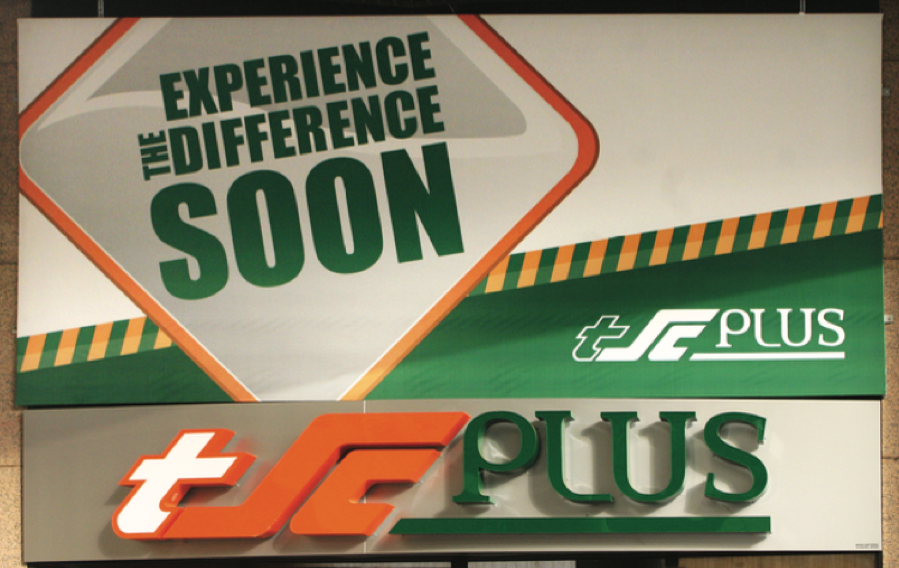
In April of this year TSC, a Kuwaiti public retailer that is part of the Sultan Center, had signed an Asset Purchase Agreement (APA) with ADMIC, the owner of the BHV/Geant/Monoprix stores in Lebanon, and this August the handover took place.

Sultan Center was founded in 1976 as a family business, owned by the Sultan family, and two years later moved into the retail sector. In 1996 the company went public and listed on the Kuwait stock exchange, part of a plan to expand beyond Kuwait. In 1999 it moved into Oman and in 2003 bought the Safeway stores in Jordan.

Lebanon had been part of TSC’s expansion plans right from the start. Indeed, in 1997 the company had begun talks with Solidere about a store in the Beirut Souks project, which is part of the Downtown Beirut reconstruction. But the political instability kept delaying the opening of the Beirut Souks and thus TSC looked for other opportunities in Lebanon, and ADMIC was one of them. “We actually started talking to them one month before the July 2006 War, and nevertheless kept going until we signed the APA,” said Abdul Salam Bdeir, Managing Director Retail at TSC.

For ADMIC, the deal was one with both an investment and commercial aspect. “On the investment side, it was a good exit strategy, and out of the offers, TSC presented the best one. On the commercial side, we decided to sell Admic’s food division, but retain the department store division, in line with our plans to continue the business in Lebanon and expand it in the region,” said Michel Abchee, Chief Executive Officer and General Manager of ADMIC, adding that, “we will soon open a Galeries Lafayette in Dubai.”

As with TSC the Sultan Center has its own brand and did not want to get involved in paying royalties for the Geant and Monoprix brands, it only bought the stores without the names.

Now it will have to convince the Lebanese public that the brand TSC is providing at least the same, if not better, service as the Lebanese were used to receive from Geant and Monoprix. Bdeir is very confident that TSC will soon gain the consumer’s trust. “The existing variety will not only remain but we will add to it. With the exception of the Monoprix-branded products, for which we do not have the license, we will carry all the leading brands from Europe and the US. Already before the handover of the stores we ordered tens of containers from abroad, so that we can immediately fill the shelves.” A full PR campaign is also in the works, which will educate the Lebanese customers about TSC.

The company differentiates its stores into four categories. As Bdeir explained it, “TSC Wholesale is like a warehouse-type store, where you have palettes on the concrete floor and a limited assortment at extremely low prices. Today, this chain accounts for 50% of our retail business in Jordan, Kuwait and Oman. TSC Discount is a discount store, which carries the known brands but at discount prices. TSC Express are the stores one finds at gas stations. TSC Plus, our main format in Lebanon, is a premium store with four pillars: service, variety, quality and value, i.e. a very good quality/price ratio. We even have a program called ‘just ask’ where the customers can ask for anything they want, and we will deliver it to them, even if we do not normally carry it. One person even ordered a boat — and we got it.”

In Lebanon, the four ex-Monoprix stores in Ashrafieh, Verdun, Jnah and Baabda will be TSC Plus whereas for the Geant store in City Mall, TSC has come up with a new concept: TSC Mega. As Bdeir clarified, “It will be the same concept as the previous Geant store, but with different branding and color coding. And in the TSC Mega we will have much more competitive prices.”

Eventually, TSC plans to move beyond the Beirut area. “We are thinking of opening TSC Wholesale stores most probably outside Beirut, perhaps in the Dahye, in the South, the North, or the Bekaa,” said Bdeir.

In acquiring ADMIC’s stores in Lebanon, TSC also took all the employees and their contracts, including the end of service indemnities. TSC is at pains to point out that it provides job security and, as a regional company, of course also management training in its regional branches.

TSC’s plans for Lebanon go beyond supermarkets. “As every country operation has a CEO and management, HR management, IT management and so on, the corporate headquarter does not have to be in Kuwait and we are seriously thinking to move it and the 150 people of the corporate team to Beirut,” Bdeir said, adding that, “Lebanon has the perfect location as it is close to our operation in Jordan, and close to Syria and Egypt, into which we want to expand, and close to Europe from where we import, and from the HR and management point of view Lebanon has the best job market in the region so if you want to recruit really good caliber at a good price around the region, Lebanon is it.”

September 20, 2008 0 comments
0 FacebookTwitterPinterestEmail
  • 1
  • …
  • 508
  • 509
  • 510
  • 511
  • 512
  • …
  • 696

Latest Cover

About us

Since its first edition emerged on the newsstands in 1999, Executive Magazine has been dedicated to providing its readers with the most up-to-date local and regional business news. Executive is a monthly business magazine that offers readers in-depth analyses on the Lebanese world of commerce, covering all the major sectors – from banking, finance, and insurance to technology, tourism, hospitality, media, and retail.

  • Donate
  • Our Purpose
  • Contact Us

Sign up for our newsletter

    • Facebook
    • Twitter
    • Instagram
    • Linkedin
    • Youtube
    Executive Magazine
    • ISSUES
      • Current Issue
      • Past issues
    • BUSINESS
    • ECONOMICS & POLICY
    • OPINION
    • SPECIAL REPORTS
    • EXECUTIVE TALKS
    • MOVEMENTS
      • Change the image
      • Cannes lions
      • Transparency & accountability
      • ECONOMIC ROADMAP
      • Say No to Corruption
      • The Lebanon media development initiative
      • LPSN Policy Asks
      • Advocating the preservation of deposits
    • JOIN US
      • Join our movement
      • Attend our events
      • Receive updates
      • Connect with us
    • DONATE