• Donate
  • Our Purpose
  • Contact Us
Executive Magazine
  • ISSUES
    • Current Issue
    • Past issues
  • BUSINESS
  • ECONOMICS & POLICY
  • OPINION
  • SPECIAL REPORTS
  • EXECUTIVE TALKS
  • MOVEMENTS
    • Change the image
    • Cannes lions
    • Transparency & accountability
    • ECONOMIC ROADMAP
    • Say No to Corruption
    • The Lebanon media development initiative
    • LPSN Policy Asks
    • Advocating the preservation of deposits
  • JOIN US
    • Join our movement
    • Attend our events
    • Receive updates
    • Connect with us
  • DONATE
Banking & Finance

Markets review

by Executive Editors December 25, 2011
written by Executive Editors

Beirut SE  

Review period: Jan 1, 2011 to Nov 24, 2011

>  Closed at 728.99 points                  Period change: -25.01%

One has to wonder what is worse for the economically-minded living in the country once hailed as the Switzerland of the Middle East  — the muddled perspective on economic and fiscal policies by the national government, the slide of equity values on the Beirut Stock Exchange or the external risks of exposure to trade disruption and internal warfare in one neighboring country and to unabated dangers of intrusion and armed interferences from a second. Although there is a link between external risks to the reduction of total turnover on the BSE to $405 million in 47 weeks of 2011, from $1.4 billion in the same period in 2010, this is not the primary factor affecting the country economically.

Amman SE  

Review period: Jan 1, 2011 to Nov 24, 2011

>  Closed at 1,997.55 points   Period change: -16.63%

Sitting on fences is generally a disingenuous activity and Jordanian equities certainly did not benefit from the country trying to keep one leg on either side during the Arab spring. Whereas the market capitalization of the Amman Stock Exchange (ASE) has been ahead of GDP in better years, the $26.7 billion market cap reading on Nov 24 suggests that it will close the year below $30 billion for the first time since 2006. Arab Bank, while weakened considerably with a 23.5 drop, remained the ASE’s most valuable company. Industrial assets Arab Potash Co. and Jordanian Phosphate Mining Co. closed the period 9.9 and 24.2 percent lower respectively but the stock of Northern Cement Co., which debuted on the ASE in spring 2011, managed to defend its value and was best nominal performer, with a share price gain of over 200 percent when compared with its initial public offering.

Abu Dhabi SE  

Review period: Jan 1, 2011 to Nov 24, 2011

>  Closed at 2,418.13 points   Period change: -11.78%

Representing a drop of 28 percent from the same period in 2010, the Abu Dhabi Exchange’s (ADX) total 2011 traded value up to market close on Nov 24 reached $6.2 billion, according to data company Zawya. Compared with the hyperactive 2008 and the pre-crisis year 2007, traded values in 2011 were down about 90 and 84 percent respectively. The last time the ADX had hovered lower than this was in February 2009, when the index fell below 2,200 points. The finance sector indices fared better than the benchmark, while the consumer, construction and industry indices underperformed the market thoroughly. Market leader Etisalat dropped under pressure in the second half of the review period but the NBAD, the largest bank registered, stayed in positive territory despite sliding from September. A brief upward ADX index interlude in June on the back of hopes of UAE inclusion in the MSCI’s Emerging Markets proved an aberration.

Dubai FM  

Review period: Jan 1, 2011 to Nov 24, 2011

>  Closed at 1,348.59 points   Period change: -19.16%

Those who believed that the UAE was an island of stability in a sea of uncertainty need only have paid a little more attention to the downswing of the Dubai Financial Market (DFM) to realize that UAE exchanges are nowhere near immune from global and regional concerns. Although not suffering the worst index fall in either the Gulf Cooperation Council or North Africa, the DFM on Nov 24 had moved only a millimeter away from a seven-year bottom. The exchange’s market cap was lower than at the end of November 2009, when the Dubai debt crisis was rattling international financial markets. Among the few gainers on the DFM were market cap leader Emirates NBD, albeit they were unable to hold onto most of their intra-year gains. Developer Emaar Properties was less fortunate, registering a 30 percent drop in its share price.   

Kuwait SE  

Review period: Jan 1, 2011 to Nov 24, 2011

>  Closed at 7,782.00 points   Period change: -16.63%

Whatever Kuwaiti citizens did with the $4 billion in free cash the government gave them to celebrate 50 years of independence last January, there is no sign that any of it worked its way into the domestic stock market. The Kuwait Stock Exchange (KSE) market cap stood at $101.3 billion on Nov 24, down more than $20 billion from the end of 2010. When compared with the same period in 2010, total traded value from Jan 1 to Nov 24 dropped more than 50 percent. The National Bank of Kuwait, the KSE market cap leader, dropped 12.9 percent but the second largest, telecommunications firm Zain, weakened by 40 percent. Developers MENA Holding, troubled airline Wataniya Airways and investment bank Gulf Finance House were among the KSE’s worst losers but the budget flyer Jazeera Airways showed a steep ascent. The banking and food sector indices were among the market’s better performers.      

Saudi Arabia SE   

Review period: Jan 1, 2011 to Nov 24, 2011

>  Closed at 6,086.10 points   Period change: -8.54%

Unlike many other markets in the Middle East and North Africa, the Saudi Stock Exchange (SSE) sported a broad range of stocks that achieved substantial gains in the 47 weeks covered by this review. However, the most valuable companies on the SSE, chemicals giant Sabic, Banking group Al Rajhi and telecom operator STC, all experienced double-digit drops in share prices. On the positive side, a number of smallish insurers were among the fewer than 10 stocks that closed the period between 50 and 125 percent higher, with agro firm Jazan Development Co the only non-insurer among the five top advancers. While there was a deep v-shaped cut in the first-quarter performance of the TASI benchmark index, caused by the political jitters that affected the kingdom during the Arab Spring’s initial period, the index curve in following months appeared more reflective of global market volatility than of domestic dissent.  

Muscat SM  

Review period: Jan 1, 2011 to Nov 24, 2011

>  Closed at 5,428.52 points               Period change: -20.24%

The Muscat Securities Market (MSM) seems to be a case study in both contagions and fear, as the decline in its index appears to exceed any domestic threats, either economic or political. The total traded value on the MSM during the review period was down for the third year in a row. The only lines in Oman looking worse in 2011 than the MSM general index were those of the banking and industrial sector indices, which both underperformed this underperforming securities market. The services index was no anomaly, but it dropped a comparatively benign 12 percent from the start of 2011. Market heavies Bank Muscat, Omantel and Bank Dhofar were all trading down in the review period. However, unlike in Bahrain, there were also some strong gainers, led by leasing firm United Finance and by agricultural firm Salalah Mills. 

Bahrain SE  

Review period: Jan 1, 2011 to Nov 24, 2011

>  Closed at 1,161.34 points   Period change: -18.67%

One extremely hard political bump in February killed of any idea of a normal year on the Bahrain Bourse and sent the small market’s index sliding to a dismal close on Nov 24. Although it is not the year-to-date’s lowest point, having bottomed out another 17 points further down on Oct 20, the scale of the crisis is captured by the fact that the index has not stooped this low at any moment since September 2003. Notwithstanding the impact of global crises, the domestic political connotations of the Bahraini equity market’s depression cannot be denied; the best hope for the Bourse in 2012 may be that the insular Kingdom’s professed will to reform will prove to be genuine.

Doha SM 

Review period: Jan 1, 2011 to Nov 24, 2011

>  Closed at 8,564.59 points               Period change: -2.02%

With roughly 90 percent of the year’s trading sessions in the bag, Qatari investors will be thankful that by November 24, 2011 the market capitalization of the Qatar Exchange (QE) was actually $4.4 billion higher than a year ago, at $123.5 billion, while the exchange’s total traded value of $19.3 billion in the period also exceeded the corresponding 2010 figure. In total, the QE, despite its marginal drop for the review period, was the best of a bad bunch in terms of markets across the Middle East and North Africa. If there was a slight dampener it was in real estate, where Mazaya Qatar (-21.2 percent) and Barwa (-19.2) rolled downhill the most of QE-listed stocks. Except for the Commercial Bank of Qatar, lenders stayed on top and the banking sector index outperformed the QE index. 

Tunis SE 

Review period: Jan 1, 2011 to Nov 24, 2011

>  Closed at 4,722.67 points               Period change: -7.06%

The greatest relief currently available for any regional investor whose sentiments are torn between the profit motive of engaging in financial markets and enthusiasm for democratic change comes from the trading hall in Tunis. The Tunindex, pulled down 1,000 points or 20 percent in the hot revolutionary weeks from January through early March, has regained almost 700 points since March 7, displaying surprisingly little volatility during its steady rise in the past six months. While the remoteness and small dimension of the Tunis Stock Exchange (TSE) — market cap $9.6 billion on Nov 24 — do not lend themselves to extrapolating the local experience in the same way that Tunisia’s politics has influenced other countries, the rebound of the TSE demonstrates that good business, principled profits and freedom with dignity are indeed interconnected.

Casablanca SE  

Review period: Jan 1, 2011 to Nov 24, 2011

>  Closed at 10,909.13 points             Period change: -13.8%

While many stock market analysts had seen Morocco, before the start of the Middle East’s migration into the new and unknowable future, as the region’s best bet for investing in securities, the Casablanca Stock Exchange (CSE) has failed to meet expectations. Inverse to the trajectory in Tunisia, the MASI held relatively steady in the first five months, with a minimal net drop during that period, but has bowed to downward pressures in the six months since then. Speedier political reform in the country would have meant better performance for the CSE, though it is to be noted that Morocco’s bourse is presently the largest securities exchange in North Africa, with $60.65 billion in market capitalization versus the Egyptian Exchange’s $48.4 billion.  

Egypt SE  

Review period: Jan 1, 2011 to Nov 24, 2011

>  Closed at 3,332.87 points               Period change: -46.86%

In the country’s social and political storms of 2011, market buying emerged as the only upward impulse on the EGX, with two periods of gains in May/June and October paling in insignificance when compared to the overall erosion of financial value. The drops are indicative of the poisonous mix of factors that have marred the state since Mubarak fell, including political uncertainty, social unrest, international fears of extremism, unclear relations with global funders and lethal patterns of oppression. In 2011, $32.7 billion in market cap has been wiped out on the EGX and, with minimal exceptions, stocks were in the red. In international investor parlance, the time for buying is good when blood is pumping, but that adage gets exposed for its financial fallacy when the real red stuff is being shed.  
December 25, 2011 0 comments
0 FacebookTwitterPinterestEmail
Banking & Finance

Banking Talk

by Executive Editors December 25, 2011
written by Executive Editors

“The global picture is gloomy and the regional picture is not clear. Oil prices are still maintained but if the crisis persists there will not be enough global demand for oil. Syria is another question mark, and because of its historical and political ties to Lebanon there will be an impact on the local scene, whatever the outcome will be. These unclear issues lead me to believe that prospects for 2012 won’t be much better than 2011.”

Bank Audi: Freddie Baz, CFO

“Lebanon cannot afford a crisis. You have seen what happened to Greece. Greece being a European country, having a strong currency, not having political or security problems, saw interest rates at 40 percent and was on the brink of defaulting, despite all the backing it had from very strong countries and the IMF (International Monetary Fund). Lebanon doesn’t have these advantages so we have to work on building up a real economy, and we have to keep our tradition of commercial banking. We want to have investment bankers and capital markets, but let it be outside of the commercial banking.”

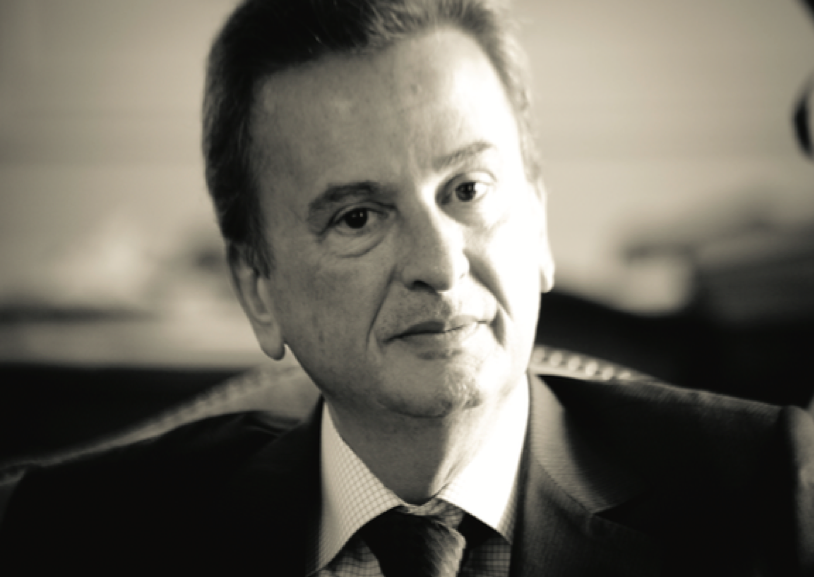
Banque du Liban: Riad Salameh, Governor

“We expect next year to witness a better growth than this year. Regionally, the situation is affecting us negatively, as the instability is leading to lower growth. However, over the medium to long term, as the situation improves, stability is regained and economies enjoy more openness, the impact on us will be positive. It may also open doors for us to expand in other countries.”

BLOM Bank: Saad Azhari, Chairman

“Lebanese banks are proving to be resilient so far to what is happening in Lebanon, in the region and over the world. Going into 2012, we have a lot of concerns: how things will develop in Syria is very important and critical for the banks and how the Lebanese government will tackle the budget deficit and the issue of the Special Tribunal for Lebanon. Lebanese banks are already very conservative and will continue to be so next year.”

Byblos Bank: Alain Wanna, Deputy General Manager – Head of Group Financial Markets Division

“I think the banking sector will remain stable during 2012, and I don’t believe we will see very interesting local growth opportunities. The challenge for the banking sector will be how to continue the high pace of growth. ”

BankMed: Khaled Zeidan, General Manager of Securities & Structured Products at MedSecurities

“In the current situation it is very difficult to make a forecast and see exactly what will happen tomorrow in Lebanon and the region; 2012 will definitely be a tough year. The situation in Syria is a concern, elections are coming up in the United States and in France, and the European crisis will continue and will have a strong impact. With all this, one will have to be cautious.”

BLF: Walid Raphael, Chairman

“I think great companies as well as great banks are built during tough times, so for me these times present both an opportunity and a challenge for Lebanese banks. If they know how to weather the crisis, especially the banks exposed to countries such as Syria and Egypt, and even Jordan to a certain extent, they will emerge stronger. All these troubles will end, and when they do the banks will  probably be able to grab the opportunity.”

FFA: Jean Riachi, Chairman

“There is still an increase in deposits in the banking industry, which is a sign of confidence in Lebanon. If you look at the rates paid on the Eurobonds and the rate achieved on the latest Eurobond issued in May 2011, you can see the rate has dropped and not increased. That’s really a sign of confidence in Lebanon.”

HSBC: Francois Pascal de Maricourt, CEO Lebanon

“Going into 2012, I am quite optimistic about the banking sector in Lebanon, and I think economically Lebanon will fare much better next year. I am not worried about the outcome from Syria as I think we have already seen the worst and I only see things improving. The main opportunity looking forward will be the development of the capital market in Lebanon. The new law passed in August will definitely help.”

AFS: Sami Akhras, CEO

“I wish for economic prosperity and political stability so that Lebanon can continue to prosper and grow to the best of its ability. We have a strong banking sector and a strong regulatory environment; there are always opportunities for growth. Unfortunately, growth this year has been affected by lots of events but, I hope that we will go back to the growth momentum we enjoyed in previous years.”

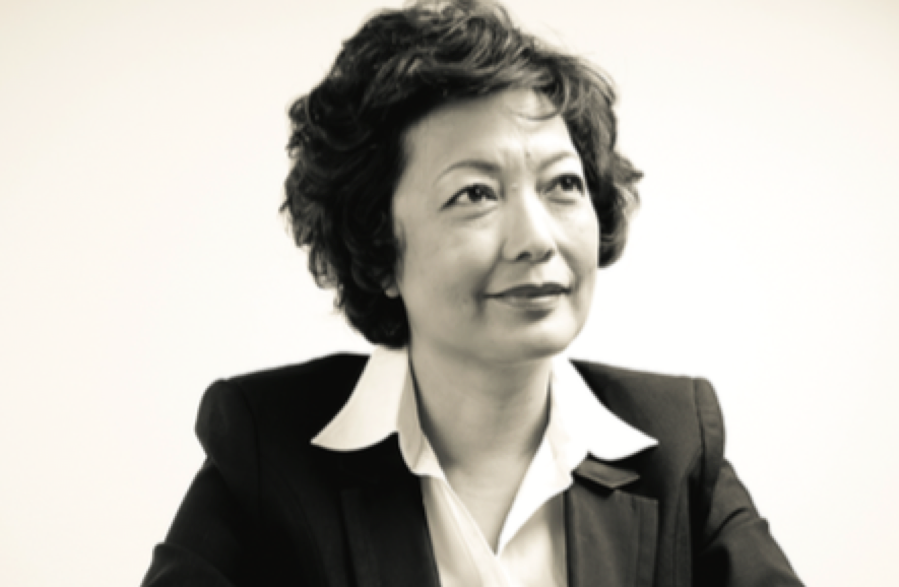
Standard Chartered: Pik Yee Foong, CEO Lebanon

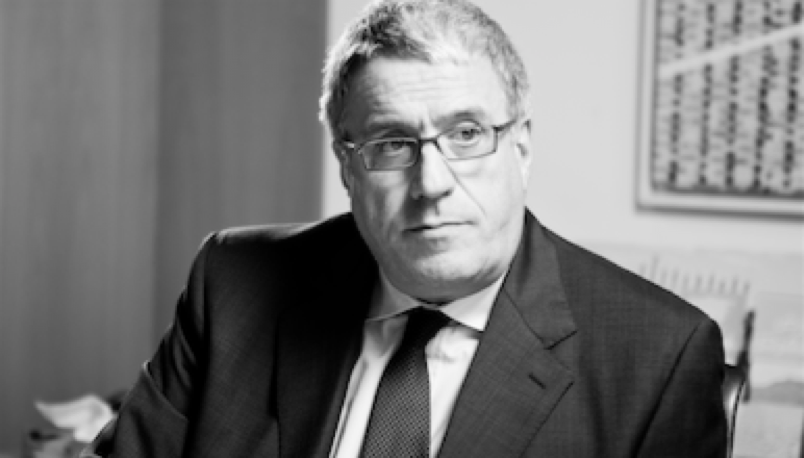
Credit Agricole: Mario Jamhouri, General Manager

“[For private banking portfolios] in terms of investments, cash in 2011 was king and bonds and commodities were also part of clients’ allocation. In the middle of a crisis people look for real assets, as witnessed by the real estate boom we saw in the past years in Lebanon. We are seeing our clients invest in real estate in Europe as well, as part of their asset allocation.”

December 25, 2011 0 comments
0 FacebookTwitterPinterestEmail
Editorial

Pride, if nothing else

by Yasser Akkaoui December 25, 2011
written by Yasser Akkaoui

The year began with hope — it was contagious after seeing Tunisians rise up and send the tyrant Zine el-Abidine Ben Ali fleeing the presidential palace for exile in Saudi Arabia. Next came Egypt, where the awe-inspiring resolve of millions of Egyptians not to yield Tahrir Square to the regime’s security forces and thugs led to the removal of President Hosni Mubarak.

However, nations of people rising up for the freedom to claim their own destiny was a veneer that became sullied shortly after the beginning of the Libyan revolution. As the NATO bombing campaign ramped up and global powers began jockeying for position in anticipation of the post-Qadhafi era, the work of foreign hands pulling strings in Arab affairs again became apparent.

Given the strategic importance of Bahrain to Western powers, the Saudi decision to invade and crush the uprising there could not have been made in a vacuum; Ali Abdullah Saleh’s dubious cooperation with the West against Al Qaeda led to the continued support for his regime,  long after its brutality against protesters was exposed, while Syria, at the crossroads of a myriad of Middle Eastern conflicts, is a veritable playground for foreign interference from every direction.

But look around the world in 2011 and it is no longer clear that the global powers know what they are doing anymore. Currencies and economies are crumbling everywhere while mass public protests have taken hold throughout much of the West. There would seem to be a fundamental reordering of the global geopolitical and economic structures taking place, and with so many moving parts, where the world will settle in five years is beyond any plausible guess.

What is certain is only uncertainty. And, almost ironically, there are few people more schooled at adapting to, and thriving in, instability than the Lebanese — when the sky is falling, who else would think to begin exporting umbrellas?

Whatever the future of the uprisings across the Middle East and North Africa, however, and no matter how foreign influence contorts the counter revolutions, the one thing the Arabs have taken back in 2011, what will not be easily stolen again, is their pride.

December 25, 2011 0 comments
0 FacebookTwitterPinterestEmail
Comment

Bludgeoning Syria’s economy

by Jihad Yazigi December 3, 2011
written by Jihad Yazigi

The past 12 months have been devastating for Syria’s economy. Gross Domestic Product (GDP) has contracted by several percentage points (possibly by as much as 20 percent), the foreign currency reserves accumulated during the country’s short oil boom have been seriously depleted, the fiscal deficit has at least doubled, the national currency has lost some 15 percent of its value and the confidence the country was starting to gain from international investors has been shaken.

The prospects do not look any better for next year, with western sanctions on the country’s oil and banking sectors gradually starting to impact broader sectors of the economy and the Arab League likely to adopt similar measures.

One of the most frustrating aspects of the last year has been the confusion created by the government over its policies. After decades during which the economy was centrally planned the country adopted in 2005 a “social market” development model, in which the state was expected to limit its intervention to “social services” and to give the private sector more freedom to operate.

The debate over the role and size of the state in the economy seemed to have been finally settled, and until early this year the government had applied this relatively clear road map in spite of its shortcomings and justified criticisms.

Within days of the beginning of protests in the southern city of Daraa in mid-March, however, priorities changed entirely. Subsidies paid on energy products that were deemed “unsustainable” until a few weeks earlier were increased by some 25 percent, civil servants’ salaries rose 30 percent and free trade agreements that had been in place since 2005 were now to be renegotiated.

The moves unsettled analysts and investors and appeared to have been made out of panic rather than on the basis of any rational analysis.

Then, as the year was coming to a close, more confusion came. Minister of Economy Mohammad Nidal al-Shaar, realizing the extent of the damage, said that the decision to raise subsidies and salaries announced in March was “unsustainable” and that the government could not subsidize the economy forever.

The lesson to be drawn from all this is straightforward: You do not solve political problems with economic measures. To protesters chanting “we want freedom,” the government responded by saying “we will pay you better salaries”. The protesters continued to take to the streets because their demands were not met and, as the government was spending above its means, an economic challenge was added to the political problems that remained unanswered.

How dark are the prospects for the Syrian economy?

In the short-term one should not expect miracles. Investment and spending will continue to decline next year, and as foreign currency earnings decrease renewed pressure on the value of the Syrian pound should be expected, with all that entails for inflation and loss of purchasing power.

In the longer term, however, the dramatic political changes that are likely to result from the current unrest carry significant opportunities.

Liberalization alone has not been enough to revitalize the economy and it has in fact highlighted its weaknesses. The country has one of the most diversified economies in the Middle East with four different sectors each generating more than 10 percent of GDP (agriculture, oil and gas, tourism and trade) and three others making up more than 5 percent (manufacturing, finance and real estate). It also benefits from a relatively large market, a well-educated workforce and an extraordinary geographic location.

However, in spite of all these comparative advantages, and years of reforms, Syria attracts less foreign direct investment than its much smaller and resource-poor neighbors, Lebanon and Jordan. And it regularly ranks among the worst performing economies in most global surveys; 14 out of 17 countries in the Middle East in the Doing Business Index of the World Bank and 15 out of 16 countries on the Competitiveness Index of the World Economic Forum.

The underlying reason for this lacklustre performance is a business environment plagued by an overwhelming and corrupted bureaucracy, a judicial system mastered by the well-connected few and a broad sense of unaccountability and lack of responsibility across the state and its institutions.

These are challenges that cannot be solved through economic measures; rather they require deep changes in governance that are unlikely to ever take place under the current political system.


December 3, 2011 0 comments
0 FacebookTwitterPinterestEmail
Real Estate

Executive Insight – European investors look to Lebanese real estate

by Ziad Maalouf December 3, 2011
written by Ziad Maalouf

In August this year, Capstone Investment Group was trying to conclude the acquisition of a prime piece of land on Abdel Wahab El Inglizi Street in Ashrafieh. As part of our private equity activities, we invite a select group of high-net-worth individuals to join us in each investment, and allow them up to two weeks to send us their indications of interest. In that specific deal, and since everyone perceived the real estate market in Lebanon to be bearish, we gave investors one month to get back to us. However, within only a week, the deals were two and a half times oversubscribed; demand came from Lebanon and the Middle East as well as Europe, not only from Lebanese or Lebanese expatriates but European individuals and institutions.

Of course, we were only able to accommodate a limited number of investors, but the unusual interest from Europe was baffling. After all, the political situation in Lebanon leaves much to be desired; economic growth has slowed down, the real estate sector is going through a perceived period of stagnation and the region in general is in the process of upheaval. So why would Europeans want to invest in Lebanese real estate at this time?

Simply because Europe’s economic woes are no better and the venues for viable investments are drying up. Inflationary pressures are rising, stock markets are sluggish and cash at the bank has been losing value. Furthermore, the exponential spike in public debt in many countries, without a feasible plan in sight to reduce it, has put the whole fundamentals of the Eurozone in question. As a result, some are saying that the developed world is heading towards Japan-style stagnation.

In contrast, the real estate sector in Lebanon has traditionally been one of the country’s most successful after banking and tourism. Given the scarcity of land and the steady demand from both residents and expatriates, Lebanon’s real estate has always been considered an attractive low-risk investment, which over the years, and despite the chronic political instabilities, has generated decent returns.

Furthermore, reduced interest rates, low taxes, high liquidity and the availability of long-term financing from Lebanese banks, considered fiscally conservative by international standards, are contributing to the fundamentals and resilience of the market. In addition, foreign investments remain robust and are expected to reach over $5 billion in 2011, with more than 60 percent allocated to real estate. According to the International Monetary Fund, the attractiveness of Lebanon as an investment destination has been, to a large extent, boosted by the faith in its real estate sector. 

While regional peers from Dubai to Morocco suffer, demand for properties in Lebanon continues unabated and prices in general remain stable, despite certain predictions to the contrary. It is true that the market experienced a period of unusual growth between 2005 and 2009, but all indicators today point to normal growth rates, supported by the unwavering demand from Lebanese expatriates who buy real estate in their homeland as a long-term investment and not for speculative purposes. In fact, it is estimated that more than 80 percent of the market is driven by end-users and not by speculators.

There is no doubt that a significant amount of capital is sitting idle in Europe looking for viable investment opportunities. If Lebanon is to attract international institutional investors, real estate development has to be transformed into a more sophisticated and professionally run business that abides by international norms of design, luxury and quality.

Most importantly, local developers will need to sharpen up their management skills and be able to set up the right financial and legal structures that optimize fiscal benefits and maximize returns, which in normal circumstances should not be less than 20 percent per annum. In my view, such returns can be achieved today by carefully investing in the right opportunities in smaller residential units, Grade A offices (which are in short supply in Beirut today) and retail, in addition to resorts, hotels and furnished apartments, as tourism continues to be an important pillar of the economy.

December 3, 2011 0 comments
0 FacebookTwitterPinterestEmail
Comment

Deciphering Turkey’s foreign policy

by Peter Grimsditch December 3, 2011
written by Peter Grimsditch

In theory, not to mention in several hundred acres of newsprint, 2011 was the year Turkey’s foreign policy fell apart. The tabloid version of the ‘zero problems with the neighbors’ policy postulates that Turkey happily ignores the political shortcomings of a broad expanse of thugs, from Syria to Libya, Iran to Israel. By being diplomatically and commercially close to the unsavory leaders in each of these places, Turkey would gain influence, make money and help maintain an uneasy and fragile stability.

So when, by invading Gaza in 2009, Israel effectively sabotaged the Turkey-sponsored proximity peace talks with Syria, the foreign policy crafted by Ankara’s philosopher-politician Ahmet Davutoglu suffered its first punch in the midriff. This year, by cozying up to the regularly lamented Muammar Qadhafi while much of the rest of the world was plotting a bombing campaign in the name of protecting civilians, Turkey appeared recklessly out of line. However, it has emerged that Ankara was almost certainly looking both ways, by partly financing and supplying military training to the “rebels” from a fairly early stage.

Switching to the immediate next door neighbors and the continuing Syrian conflict, the easy narrative taken by most in the media is that Turkish Premier Recep Tayyip Erdogan hung in there with a bunch of murderers for far too long. His valiant efforts to act as regional bigwig urging reform were never likely to succeed and Ankara’s prestige was dealt a humiliating blow. Turkey’s ability to put forward a consistent policy was again in tatters when Erdogan inevitably flipped and announced that enough was enough and the whole unsavory Bashar al-Assad gang had to go.

Then there is the continued retreat from a cuddly diplomatic and military love affair with Israel, the increasing unlikelihood of implementing the theatrically staged signing of protocols with Armenia and the bold threat to dispatch warships to the Eastern Mediterranean to singe an Israeli beard if necessary — just how much unraveling can one foreign policy take?
Viewing the wood and not the trees throws up another perspective. The dynamic duo, the Batman and Robin of Turkish foreign policy — Erdogan and Davutoglu — are not stupid, short-sighted nor fickle. The chain of events inspired by the self-immolation of a Tunisian fruit-seller has had a profound effect on Turkey’s standing in the region and augurs well for an even more profound diplomatic and commercial marriage with the neighbors.

The Arab Spring has transformed Erdogan into the idol of many on the Arab street. The prime minister’s popularity at home is such that it would take a political earthquake to oust him and his party at the next elections. For his people the Qadhafis and Assads are irrelevancies, reminders only of the stoic attempts by Erdogan to spread peace, democracy and prosperity throughout the region. Just as a puppy is not just for Christmas, so foreign policy is not for a year or so, nor are banalities like zero problems with the neighbors the stuff of election manifestos. There is one succinct summary of foreign policy from 30 years ago that illustrates its peculiar characteristics. Told of Britain’s intentions toward the Falkland Islands around the time of the Argentinean invasion, then United States Secretary of State Alexander Haig characterized his British opposite number, Lord Carrington, as a “duplicitous bastard.”

It would be churlish to apply Haig’s crudities to other countries but the observation that all may not be as it appears is equally true. This rule applies also to Turkey, Israel and the US. The popular picture has Turkey and Israel in near open war but this doesn’t bear scrutiny. Despite Barack Obama’s disdain for the Israeli prime minister, though not as crude as Nicolas Sarkozy’s characterization of Benjamin Netanyahu as a liar, the US president is too shrewd to continue to openly embrace Turkey if they were as deeply hostile to Israel as the headlines would have it.

Ankara’s announced ambition as a regional broker and its pursuit of zero problems with the neighbors remains. The obstacles — having the neighbors infested with the wrong sort of leaders — are slowly being removed. Even the recalcitrant Israeli leadership may have to adapt to the changing world.

Peter Grimsditch is Executive's Turkey correspondent

December 3, 2011 0 comments
0 FacebookTwitterPinterestEmail
Comment

Palestine’s resurgent authority

by Ahmed Moor December 3, 2011
written by Ahmed Moor

The year 2011 began with a great deal of uncertainty — perhaps even promise — for the Palestinians. Much of that had to do with the revolutionary fervor that had taken hold in the region. The ousting of Tunisia’s Zine el-Abidine Ben Ali and Egypt’s Hosni Mubarak were regarded by many young Palestinians as an opening — an opportunity to force open their own binds.

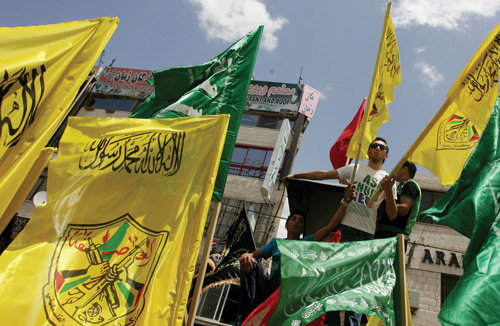
The March 15 Palestinian youth movement successfully captured and focused the energy of the Arab uprisings on the need for rapprochement between the Hamas and Fatah parties. After a period of stiff resistance by both political leaderships, efforts were made to the end to the rift that has bedeviled the Palestinians since 2007.

Not all progress on reconciliation in the first part of the year can be linked to the agitations of young Palestinians. Much of the impetus for the renewed political process was tied to the fact that Mahmoud Abbas was politically weaker after losing his main Arab sponsor, President Mubarak, while Hamas took account of Syrian President Bashar al-Assad’s increasingly isolated position — as Damascus had worked to counterbalance Cairo — and sought to buttress their legitimacy by engaging with the Palestinian Authority (PA), though for several months the deal that had been inked went nowhere.

That began to change as autumn approached. In 2009, September 2011 had been set as the deadline for the realization of Palestinian statehood by Salaam Fayyad, prime minister of the PA. In September 2010, United States President Barack Obama affirmed such aspirations by declaring that a Palestinian state would come to be in the next year.

As September 2011 approached and it became clear the claims would be pursued, Benjamin Netanyahu’s government began to issue hysterical statements about the potential consequences. Obama had long since walked back from his pledge, and his administration stated that any Palestinian moves at the UN would be vetoed.

Officially, the Americans and Israelis claimed that the only way to resolve the occupation was through bilateral negotiations. But in fact the Israelis were more concerned about the implications that recognition of the Palestinian bid would have for them in the International Criminal Court, International Court of Justice, and other international bodies that would become more accessible to the Palestinians. And the Americans, for their part, continue to cave in to the desires of the Israel lobby.

As part of their statehood development track, the Palestinian Authority also approached UNESCO, the education, science and culture promotion wing of the United Nations, for membership. Their approval prompted the Americans and Israelis to withhold their funding contributions from the organization.

The push for statehood had two very important consequences for both Hamas and Israel as the moves taken by the Palestinian Authority comparatively weakened both of the PA’s adversaries. For Hamas, a surge in Abbas’ popularity meant a corresponding dip in theirs. And for Israel, the Palestinian attempt to highlight Israeli intransigence succeeded magnificently on a global stage.

It was in this context that the Hamas-Israel prisoner swap was conducted. After more than five years of fruitless negotiations, the two sides agreed to exchange 1,027 Palestinians for one Israeli prisoner. While roughly 7,000 to 10,000 Palestinian prisoners remain incarcerated in Israel, the release of even a fraction of them greatly enhanced Hamas’ prestige. For Israel’s embattled prime minister, the move meant a temporary boost in his poll ratings as well.

But despite the political uproar, in the end the statehood bid that was submitted to the UN did not gain enough support for a vote, ostensibly, said Security Council members, because the Palestinians remained politically divided. In that way, the bid inadvertently created an added incentive for Hamas and Fatah to genuinely mend their rift. Khaled Meshaal — Hamas’ political leader — and Mahmoud Abbas met in November to discuss when elections could be held. Crucially, Salaam Fayyad agreed not to join the next government, a major point of contention for reconciliation.

As things stand it is difficult to foresee the future in Palestine and, given the symbolic nature of the UN bid, to assess 2011’s gains. But it appears that the drive to join international institutions is a sustainable one and, more importantly, elections for a national unity government are on track for May of next year. But, as ever, nothing is certain in Palestine. 


Ahmed Moor is a contributor to Al Jazeera English and is a Master in Public policy candidate at Harvard University's Kennedy School of Government

December 3, 2011 0 comments
0 FacebookTwitterPinterestEmail
Finance

Executive Insight – The foray into frontier markets and emerging economies

by Nadim Kabbara December 3, 2011
written by Nadim Kabbara

For market participants and observers alike, 2011 brought about the sense that varying asset classes, which traditionally are not so closely linked to one another, had suddenly moved together in lockstep. This possibly shook some people’s belief in the benefits of diversification, attributed in modern times to Harry Markowitz under the Modern Portfolio Theory.

Riskier asset classes — from equities to high-yield fixed income and from real estate to currencies to commodities — have reacted in a similar fashion to the ebbs and flows of global headlines. Concerns of slowing economic growth from the two largest economies, the United States and China, uncertainty regarding the viability of the European Union and fears of a sovereign debt crisis in its southern members brought heightened nervousness and volatility to global markets.

Some market participants suggest that during times of market distress assets tend to move closer to, or to correlate with, one another. Looking at the severe stock market correction in 2009, correlation reached almost 0.9, according to MSCI index data (the maximum being 1 when securities move in perfect lockstep).

However, when markets are more volatile and risky — typically the time when investors cut back on perceived riskier assets and focus on safer holdings and domestic markets — the case for diversification across assets and markets should remain. One area where longer-term investors can capture higher risk-adjusted returns, while also benefiting from lower correlations to global markets, remains in emerging and frontier markets. The latter are economies with investable stock markets that have not reached the level of development found in emerging markets.

Within the context of weaker global economic growth, the International Monetary Fund has recently outlined the uneven two-stage recovery whereby emerging markets are leading economic growth, with 6 percent in real gross domestic product growth expected in 2012, compared to developed markets at 1.5 percent growth. Emerging markets boast growing populations, rising middle classes and current account surpluses, in contrast to developed markets that face aging populations and real sector issues in employment and housing, as well as required fiscal consolidation.

The MSCI Frontier Markets Index comprises the following countries from the Middle East and North Africa region: Bahrain, Jordan, Kuwait, Lebanon, Oman, Qatar, United Arab Emirates (UAE) and Tunisia. Qatar and the UAE are awaiting a decision by MSCI in December 2011 to be upgraded to emerging markets status, which would bode favorably for incumbents in these markets. Despite the higher risks in frontier economies, which consist of greater political uncertainty coupled with less developed economic, legal, financial and corporate governance frameworks, they have benefited from economic progress. While GDP per capita in frontier markets is low, at $4,200 on a purchasing parity basis in 2009, they achieved an average annual GDP growth of 4.4 percent between 2000 and 2009, slightly below emerging markets at 4.5 percent and double the rate of developed markets at 2.2 percent. In fact, 17 of the 20 fastest growing economies were from frontier markets over the same period, according to The Research Foundation of CFA Institute.

The relatively superior stock market performance of emerging markets is outlined using the latest MSCI index data. The MSCI Emerging Markets Index returned 6.8 percent on an annual basis over the past five years, as compared to 0.2 percent for the MSCI All Country World Index, and -5.2 percent for the MSCI Frontier Markets Index. While the MSCI Frontier Markets Index has relatively underperformed, the countries that comprise it represent more than 20 percent of the global population, 6 percent of global nominal GDP and 3 percent of global market capitalization, which suggests opportunities for investors as their economies and their stock markets reach the size and maturity of their more developed counterparts.

Longer-term investors should not overlook emerging and frontier markets as an area through which they can diversify their equity allocations and benefit from growing economies and markets less correlated to global developments. Despite the added volatility, equities have proven their place as an asset class that provides risk-adjusted growth to investor assets over longer periods of time.

December 3, 2011 0 comments
0 FacebookTwitterPinterestEmail
Comment

Juggling discontent in Jordan

by Peter Speetjens December 3, 2011
written by Peter Speetjens

Jordan likes to promote itself as an island of stability in a region in turmoil, and in 2011 the country largely lived up to that reputation. While elsewhere the winds of change shook or toppled one regime after another, Jordan’s King Abdullah II managed to weather the storm and today sits as firmly as ever on his Hashemite throne. That is not to say his rule was not challenged. Encouraged by events in Tunisia and Egypt, thousands of Jordanians hit the streets in the first weeks of 2011 to demand reform. In contrast to his Arab counterparts, however, Abdullah did not opt for a violent response. Instead, he proved himself a skillful juggler of (empty) promises, while playing give and take with the country’s domestic forces, always careful not to upset his foreign allies.

Demonstrations are officially banned in Jordan, yet Abdullah allowed people to gather and vent their frustrations, albeit under the watchful eye of an overwhelming police force. Standing among the protesters one day in February, it was impressive to see the finesse with which the regime managed to mold and manipulate the crowds. Friday had become the “day of rage” in Jordan and, after prayer, some 5,000 people would gather with flags and banners in front of the Al Husseini Mosque in downtown Amman. They would then march in a straight line of about a kilometer to the edge of the Municipality Square. The street between mosque and square, however, as well as the square itself, were hermetically sealed off by a sea of blue uniforms and the rally was preceded by a small, yet loud group of pro-Abdullah demonstrators.

Abdullah furthermore pleased the crowds by axing then Prime Minister Samir Rifai, who was widely disliked for pushing through a free market agenda. In addition, Abdullah reinstated subsidies, raised government salaries and established a parliamentary committee to formulate a set of democratic reforms. As opposition leaders were invited to partake in closed door sessions, the Friday demonstrations gradually lost momentum. By May, few objections were raised when Jordan — though hundreds of miles from the Persian Gulf — filed a request to become a member of the Gulf Cooperation Council (perhaps not the region’s leading pro-democracy club). The move was warmly welcomed by Saudi Arabia, which rewarded its backyard neighbor with a $400 million grant.

A similar calm reigned this summer when the parliamentary committee’s proposed amendments were made public. They rather modestly called for an independent constitutional court, an independent electoral commission and the enhancement of civil liberties, including a ban on all forms of torture. Within the reforms the king maintains most of his considerable powers. He retains the right to appoint and dismiss the country’s prime minister and upper house of parliament, though he can no longer do so twice in a row for the same reason. Big deal. In October, he exercised his prerogative once again, sending home his second prime minister in a year. Out went newly appointed former general Marouf Suleiman al-Bakhit and in came lawyer Awn Shawkat al-Khasawneh. Once again Abdullah knew how to please the crowds.

Bakhit had done his job. Just weeks earlier, the lower chamber of parliament had passed “his” ironically named anti-corruption law, which actually targets accusations of corruption “without solid facts” with fines of up to $84,000. Bakhit had already showed his undemocratic colors when in May he had instigated a criminal defamation case against journalist Alaa al-Fazza, who had dared to publish an article about a Facebook group supporting the reinstatement of former Crown Prince Hamza over King Abdullah’s son Hussein. Fazza was jailed for “working to change the constitution by unlawful means.”

Today, Jordan’s “day of rage” still exists. Every Friday, the police routinely seal off the whole of downtown Amman, even though little actual rage remains. Up to a thousand people, nearly all members of the Muslim Brotherhood, still gather, shout and march. Most passersby, however, are more interested in shopping, while the few police who are there seem more relaxed. The pro-king choir still precedes the masses, yet even they shout less ferociously. Political reform in Jordan? Ah well, maybe next year.

December 3, 2011 0 comments
0 FacebookTwitterPinterestEmail
Comment

Stagnating in stability

by Nadim Houry December 3, 2011
written by Nadim Houry

I never thought I would say it, but Lebanon was one of the most stable countries in the Middle East this past year. Many commentators and politicians expressed regret that Lebanon failed to capitalize on this to attract capital escaping the tumult of Cairo, Damascus and Tripoli. My regret is that Lebanon failed to use this opportunity to finally push forward reforms essential to make it a fairer and more transparent place.

2011 was a year of paralysis. The country had no government for the first six months, and while political life resumed in July following the formation of a new government, there was no progress on many draft laws — some that have been languishing in Parliament’s drawers for years — meant to prevent torture, improve the treatment of migrant domestic workers and protect women from domestic violence. The prisons are as crowded as ever. By the Ministry of Interior’s own account, the country’s main prison in Roumieh — a facility built for 1,500 inmates — held 3,700 in April of this year. Most troubling, 2,757 were awaiting trial. Faced with multiple inmate riots, Parliament finally approved the building of additional prisons in September but failed to tackle the real reasons behind the overcrowding: rampant overuse of pretrial detention and lengthy trials.

Lebanon’s military and security forces may be less intrusive than their Arab counterparts but there are worrying signs of increased harassment of activists and artists who criticize the army and certain high-ranking officials. In July, military intelligence summoned Saadeddine Shatila, of the international human rights group Alkarama, for his work documenting torture at the Ministry of Defense, and detained him for seven hours. Lebanese judicial authorities detained musician Zeid Hamdan — who toiled for years to promote Lebanon’s underground music scene — in July for several hours based on an accusation that he had defamed the Lebanese president in a song calling on him to “go home.”

The semi-naked images of women adorn our overcrowded highways, but when it comes to politics, women seem to have no place. Politicians spent months haggling with the Council of Ministers to ensure that all religious groups were adequately represented, but failed to include a single woman in the 30-person group. Dar Al Fatwa, the country’s highest Sunni Muslim authority, and the Higher Shia Islamic Council, are opposing a law that would protect women from domestic violence for fear that prosecuting husbands who beat their wives would affect the family unity.

Frankly, what harms the family in Lebanon are personal status laws that differentiate between citizens based on the religion into which they were born. These laws discriminate against women in matters like divorce, child custody and inheritance, forcing many of them to stay in abusive marriages. It is no wonder that an increasing number of Lebanese travel to Cyprus to get married.

Instead of finally shedding light on those who disappeared in Lebanon’s turbulent past, the authorities watched impassibly as more politically motivated kidnappings took place in 2011. The February kidnapping of three Syrian brothers from the Jasem family — one of whom had been detained for distributing flyers in Lebanon denouncing the Syrian regime — and the disappearance in May of Shibli Aisamy, an 86-year-old Syrian dissident, are painful reminders of the ongoing risk of politically motivated kidnappings. But even more troubling is what the Jasem case reveals about the state of Lebanon’s judiciary: a leaked police report contained evidence linking the kidnapping to a member of the Lebanese security forces in charge of the Syrian embassy’s security. Yet the judiciary has not investigated the accusations, proving yet again that it is incapable of resolving politically motivated crimes.

So “where do we go now?”, to quote Nadine Labaki’s recent blockbuster movie about the dilemmas facing a divided Lebanese village. Change in Lebanon will not be easy. There is no dictator to topple, no common enemy to rally the country’s youths. It is doubtful that the current political elite can truly reform the system which keeps them in power. But short of systemic reform, they could at least open up the drawers in Parliament and in the ministries and start adopting and implementing many of the laws and decrees that have been left there to rot.


NADIM HOURY is director of the Beruit office of Human Rights Watch

December 3, 2011 0 comments
0 FacebookTwitterPinterestEmail
  • 1
  • …
  • 352
  • 353
  • 354
  • 355
  • 356
  • …
  • 686

Latest Cover

About us

Since its first edition emerged on the newsstands in 1999, Executive Magazine has been dedicated to providing its readers with the most up-to-date local and regional business news. Executive is a monthly business magazine that offers readers in-depth analyses on the Lebanese world of commerce, covering all the major sectors – from banking, finance, and insurance to technology, tourism, hospitality, media, and retail.

  • Donate
  • Our Purpose
  • Contact Us

Sign up for our newsletter

    • Facebook
    • Twitter
    • Instagram
    • Linkedin
    • Youtube
    Executive Magazine
    • ISSUES
      • Current Issue
      • Past issues
    • BUSINESS
    • ECONOMICS & POLICY
    • OPINION
    • SPECIAL REPORTS
    • EXECUTIVE TALKS
    • MOVEMENTS
      • Change the image
      • Cannes lions
      • Transparency & accountability
      • ECONOMIC ROADMAP
      • Say No to Corruption
      • The Lebanon media development initiative
      • LPSN Policy Asks
      • Advocating the preservation of deposits
    • JOIN US
      • Join our movement
      • Attend our events
      • Receive updates
      • Connect with us
    • DONATE