• Donate
  • Our Purpose
  • Contact Us
Executive Magazine
  • ISSUES
    • Current Issue
    • Past issues
  • BUSINESS
  • ECONOMICS & POLICY
  • OPINION
  • SPECIAL REPORTS
  • EXECUTIVE TALKS
  • MOVEMENTS
    • Change the image
    • Cannes lions
    • Transparency & accountability
    • ECONOMIC ROADMAP
    • Say No to Corruption
    • The Lebanon media development initiative
    • LPSN Policy Asks
    • Advocating the preservation of deposits
  • JOIN US
    • Join our movement
    • Attend our events
    • Receive updates
    • Connect with us
  • DONATE
GCC

For your information

by Executive Staff August 28, 2009
written by Executive Staff

Regional power grid

Representatives from the six Gulf Cooperation Council states inked an agreement in July which facilitates the sharing of electricity by linking each country’s power grid to form a unified power network. Two important parts of the project have already been completed by the GCC states: the interconnectivity of Kuwait and Qatar’s electricity networks and the synchronization of the “GCC North Grid” which links the power grids of Qatar, Saudi Arabia, Bahrain and Kuwait. The next phase of the project will entail the connection of the Oman and United Arab Emirates power grids to form the “GCC South Grid.” The final phase, expected to be completed in 2011, will link north and south grids. Upon completion the grid is expected to provide Kuwait and Saudi Arabia with an extra 1,200 megawatts (MW) of power, the UAE with 900 MW, Qatar 750 MW, Bahrain 600 MW and Oman 450 MW.

GCC countries estimate that when the agreement is implemented, it will save $1.4 billion per year by eliminating the need to construct new power plants in order to meet the region’s growing demand. Analysts have estimated that up to $50 billion could be spent to increase generation capacity by 60,000 megawatts in the GCC by 2015.

Emaar Properties merger

Emaar Properties, the second largest GCC company by market capitalization, announced on June 26 its plans to merge with three real estate units of Dubai Holding: Sama Dubai, Dubai Properties and Tatweer. An Emaar press release stated the merger will be finalized by September.

“The proposed consolidation will create a robust and strategic asset base while joining the strengths of the management teams and employees of these companies,” Emaar Chairman Mohamed Alabbar said in a letter posted on the Dubai bourse website.

The merger will result in an entity worth $52.85 billion and will have $4 billion in debt obligations — 7 percent of total assets.

Emaar share prices suffered in the wake of the news. Share prices fell 8 percent in the first three days following the announcement, and bottomed out at $0.60 on July 14 — down from $0.80 on June 29. Since hitting bottom, Emaar share prices have started to pick up, reaching $0.70 on July 22.

EFG Hermes said on July 8 that its researchers did not view the merger as positive. The note said the consolidation might lead to the dilution of Emaar’s minority shareholders and increase the exposure of the combined entity to the troubled real estate market.

Oil demand temperate

The International Energy Agency (IEA) announced that it expects global demand for oil to grow by a mere 0.6 percent, or 540,000 barrels per day (bpd) from 2008 to 2014, bringing total global consumption to 89 million bpd. The medium-term estimate is substantially less than last year’s prediction of a one million bpd yearly increase. The agency attributed the drop in demand to the ongoing effects of the global economic downturn. On the bright side, the agency said the decrease has allowed the market to limit price fluctuations resulting from interruptions such as attacks on Iraq and Nigeria’s oil infrastructure. The Organization of Petroleum Exporting Countries’ (OPEC) supply cushion is expected to reach 7.67 million bpd, up from last year’s forecast of a paltry 1.67 million bpd.

The IEA also cautioned against unrealistically optimistic talk of economic “green shoots” spurring oil price recovery. The agency said the recent rise in prices may have nothing to do with the health of the world economy, but “could also simply reflect the rebuilding of depleted inventories across several industries, making it arguably premature to predict an imminent and strong economic rebound, not least because the elimination of spare capacity, the deleveraging of the private sector in several highly indebted countries and the rebalancing of global demand are still at an early stage.”

Despite the news, regional oil and gas production looks set to increase. Last month, Saudi Aramco and Total entered into a joint-venture and signed 13 agreements with contractors to build a $9.6 billion refinery. Also, officials at Egypt’s state-owned gas companies announced the start of a bidding round to explore the countries gas prospects. In a similar move GASCO, the majority of which is owned by the Emirati government, awarded $9 billion in gas contracts to companies from Italy, UAE, South Korea and the United States.

Iraq also launched its first post-invasion bidding round with disappointing results highlighting the still fragile political and security environment. Only one contract was awarded to a joint venture of BP and the China National Petroleum Corporation, to develop the Rumaila field, Iraqi’s largest. The bidding round came on the same day as the deadline for American combat troops to pull out of Iraqi cities.

August 28, 2009 0 comments
0 FacebookTwitterPinterestEmail
Levant

The money wash

by Executive Staff August 28, 2009
written by Executive Staff

In the wake of the financial crisis, governments have been considering ways to bolster foreign investment and shore up the financial system. Turkey hit on the idea of an ‘asset amnesty’ to attract deposits from wealthy expatriates and return money to the banking sector. 

Starting last November, the scheme was extended in June, and looks like it will be extended again in September when the current deadline ends. The scheme may be novel, but it has proved controversial.

“The Turkish government has instituted a policy for Turks to bring back their money no questions asked — a few million dollars to come home, they say no problem, we’ll take 2 to 3 percent tax,” said an investment banker in Istanbul who wanted to remain anonymous. “It has not been completely welcomed around the world, as dirty money is going to be cleaned in Turkey, but for Ankara it’s a stop-gap method to boost foreign direct investment.”

Economists are skeptical about how successful the amnesty has been in attracting capital, arguing it can only be a temporary measure and that the amnesty’s attraction has been eroded by the first amnesty period being sold as a ‘one off chance,’ only for it then to be extended. Ankara’s extension of the amnesty has also sent a clear message to the International Monetary Fund that Turkey is not keen on implementing a $25 billion loan agreement with the fund to stabilize its $700 billion economy, which is expected to contract 5.9 percent this year, according to the Organization of Economic Cooperation and Development (OECD).

Additionally, the asset amnesty has been met with displeasure by the European Union, which wants Turkey to tighten financial regulations in line with EU accession requirements, as well as curb money laundering and the flow of narcotics into Europe. The OECD’s Financial Action Task Force (FATF), a Brussels-based body set up to combat money laundering and terrorist financing globally, has also voiced its concerns, coming at a time when FATF has been exceedingly critical of Ankara’s efforts to rein in anti-money laundering and counter terrorist financing.

Boosting foreign direct investment?

On paper, the asset amnesty has boosted assets, with the declared amount of the first amnesty amounting to 14.8 billion Turkish Lira ($9.6 billion), but the reported inflow has been limited to $3.9 billion, according to research firm YF Securities. According to an economist who was not authorized to speak with the media at an Istanbul brokerage house, the amnesty has not been as successful as the government hoped.

“The amount declared may be much less,” he said. “The government said there was to be only one asset amnesty in November, but [that] turned out not to be the case, and people remember these things, so it is not good for fiscal quality. If you are going to do it, do it only once.” 

“It is not a sustainable financing source, for any economy, not just Turkey,” he added.

The economist said the government wants to see if the asset amnesty extension will bring more deposits.  He said the “government wants to keep this card in its hands, as the new decree gave them the possibility to extend it for three months beyond September.”

Economists have pointed out that the people most likely to utilize the amnesty would have done so in the first few months, making the extension unnecessary, and that the amount raised from the second asset amnesty round will be significantly less than the first. And while the money that has flowed in has bolstered banks’ assets, allowing for more credit, inflows are not expected to enter the stock market or other asset classes.

“Most of the people that wanted to benefit have already reported their holdings abroad, and the government intends to [make] additional legal arrangements to make it more attractive,” the economist said. “I am not too optimistic on that due to macroeconomic fundamentals. The good thing is that the current account deficit is in decline due to falling oil prices, but Turkey needs external sources to finance the capital account deficit, as the rollover of the private and public sector for foreign borrowing is up to just below 100 percent.”

Turkey’s public debt is projected to reach $50 billion this year, and the continuation of the amnesty has thrown doubt on Ankara’s ongoing talks with the IMF for a loan between $25 billion to $40 billion. If inked in September, the IMF would require structural reforms and stricter controls on government spending.

“The [amnesty] extension being introduced in such a manner is another signal that the IMF is not part of the government’s game plan, as the fund would have a say on amnesties, at least in the way they are implemented,” the economist said.

Dirty laundry

It’s unknown how much of the declared $9.6 billion repatriated during the asset amnesty is dirty money. But the amnesty has not put Ankara in the OECD’s Financial Action Task Force good books, with Turkey, positioned as it is as a crossroads between the East and West, serving as a transit hub for narcotics trafficking and organized crime.

In 2007, Turkey was heavily criticized by the FATF for failing to enact 33 out of the task force’s 40 recommendations on anti-money laundering and combating terrorist financing. Criticism included the lack of a precise definition in the law on money laundering, and the low number of suspicious transaction reports.

A 130-page report submitted by Turkey’s financial intelligence unit, ‘Mali Suclari Arastirma Kurulue’, or MASAK, to the task force’s general assembly in February, stated that since 2007, Turkey had adopted a bill on the prevention of money laundering that required financial institutions to issue suspicious transactions reports and have compliance units. According to MASAK, there has been a huge rise in suspicious transaction reports year-on-year, from 180 in 2003 to 4,318 in 2008.

But while the report highlighted Turkey’s more active role in curbing money laundering, MASAK noted there has been a dramatic rise in proceeds from the illicit drug trade within Turkey, which it estimated at $5 billion a year. Reports related to fraud and fraudulent bankruptcies had also increased significantly, attributed to the financial crisis in late 2008.

Tight financial regulations on market trades have also boosted money laundering, with Turks seeking to evade a 10 percent capital gains tax paid out to play the markets, resulting in the use of intermediaries to get around taxation.

“We’d have ‘mustachioed [disguised] Turks’  to get money out to say Geneva, or get a prime brokerage account with a big London firm to do the trading,” said the former investment banker. “As this is technically illegal in Turkey, it is always being looked out for and is very tightly regulated.”

Providing further regulatory challenges to the Turkish authorities is the country’s low banking penetration rate, estimated at just 40 percent of the population.

“Turkish people have huge under-the-mattress savings; penetration of the banking system is not like Western economies,” said the economist. “People tend to keep foreign currency or gold.”

Penetration rates are, however, likely to increase this year following the introduction of a new finance ministry regulation requiring rent to be paid via bank accounts. The asset amnesty could also help.

The European Union connection

While the EU is critical of the asset amnesty and Turkey’s anti-money laundering and combating terrorist financing regime, counter terrorism experts say that the EU is not doing enough to assist Ankara in combating the narcotics trade and groups like the Kurdistan Workers Party (PKK).

“Despite the PKK being a banned organization by the EU, many member states are ambivalent about cracking down on its sophisticated networks and infrastructure within the Kurdish diaspora communities around Europe,” said John Solomon, global head of terrorism research at World-Check, a British company that maintains a database on high risk individuals and entities. “This lack of political will has afforded the PKK a safe haven to raise funds, plan attacks and disseminate propaganda.”

A Turkish study has claimed that the PKK has controlled an estimated 80 percent of the European narcotics trade on and off for decades, with the group earning an estimated $140 million a year. According to Interpol, at one time nearly 200 PKK front organizations in Europe were suspected of involvement in the narcotics trade.

“Due to the surge in poppy production in Afghanistan post-2001, and Turkey’s strategic position relative to lucrative western markets for refined heroin in Europe, it is quite possible that the PKK’s involvement in the trade has intensified,” Solomon said.

Some of that drug money could have been cleaned since the November asset amnesty, and the extension would give ample opportunity to clean further funds. In order to boost deposits, Turkey has shown a willingness to take in the good as well as the bad.

August 28, 2009 0 comments
0 FacebookTwitterPinterestEmail
Levant

Selling what is not theirs

by Executive Staff August 28, 2009
written by Executive Staff

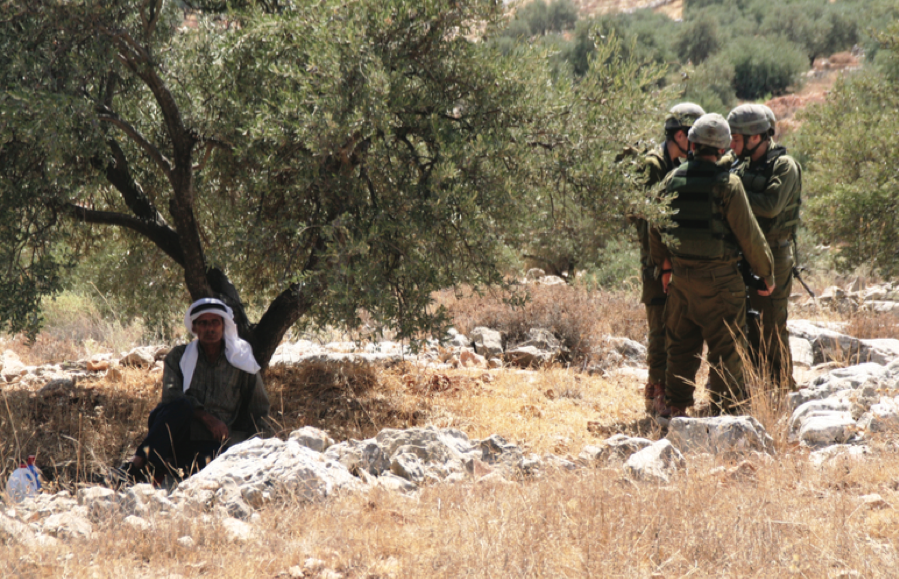
Abdullatif Kalafani, an 81- year-old Palestinian exile living in Lebanon, is the owner of house number 15 on al Burj Street, now renamed Liberation street, in Haifa. Kalafani is one of many Palestinians who still owns property in Israel, but maybe not for long. House number 15 has been put up for sale in one of the public auctions that developing municipalities are running in different urban areas like Haifa, Acre and Jerusalem.

Since 2007, the Israel Land Administration (ILA) has been issuing tenders for auctioning properties that belong to some 800,000 refugees who were forced out of Israel in 1948 and 1967. So far, 282 tenders were issued in 2007, 106 in 2008, and 80 in the first six months of 2009.

Adalah, a legal center for Arab Minority Rights in Israel, is trying to stop the issuance of these tenders, saying that selling these properties is illegal under both Israeli and international humanitarian law.

In May this year, Adalah sent a letter to the Israeli attorney general, the ILA attorney general, the general director of the Israeli government-owned housing company Amida and to the Custodian of Absentee Property, demanding cancelation of the tenders.

“So far we have not received a reply from the attorney general, except that it is being dealt with and as soon as they finish, they will get back to us,” says Suhad Beshara, a lawyer from Adalah. “Most probably they will reply. In any case, we probably will be filing a petition to the Supreme Court.”

Breaking their own law

Many Israeli laws issued in the 1950s restrict the sale of refugees’ property, unless the owner chooses to sell. According to Adalah, the Absentees’ Property Law issued in 1950 stipulates that property belonging to absentees — Palestinians who fled during the war of 1948 — were handed to the Custodian of Absentee Property for guardianship until a solution regarding Palestinian refugees was reached. Since these properties were acquired, many were leased, but not sold, until the auctions began to take place in 2007.

Moustafa Assir, a lawyer at Alem Associates in Lebanon, goes back even further to 1947, and says that law 194 issued by the United Nations during that year stipulates that refugees have the right to go back to their land, unless they are considered the “enemy.”

“Lebanese people are considered Israel’s enemy, but Palestinians aren’t,” he said.

Moreover, Beshara says the tenders also violate the Israel land law of 1960, which says that all land  owned by the state of Israel and therefore include the Palestinian real estate controlled by the development authority, cannot be sold.

In a reply to Adala’s accusations, the ILA told Al Jazeera TV that after the 1960 law was issued, there was a follow up bill which was passed in the same year. It included seven exemptions. One of them allows the sale of absentee property located in an urban area that is under 20,000 hectares (200 million square meters).

Adalah also thinks Israel is breaking international humanitarian law, which requires the respect of private properties and prohibits its expropriation following the termination of warfare.

A possible reason

Adalah’s Beshara told Al Jazeera the auctions might be done for political reasons. Israel may be auctioning the properties to create a situation “that would eternally frustrate any potential attempt in the future to fairly and justly resolve the issue of Palestinian refugees.”

Once sold, Palestinian refugees will not be able to claim their property back, since it would already belong to another owner. 

Kalafani, who lived his first 20 years in Haifa, is worried about losing his home. He told Al Jazeera that even though there is little chance he could go back due to his old age, he believes that there is a chance his descendants will. 

August 28, 2009 0 comments
0 FacebookTwitterPinterestEmail
Levant

Come, marry and be civil

by Executive Staff August 28, 2009
written by Executive Staff

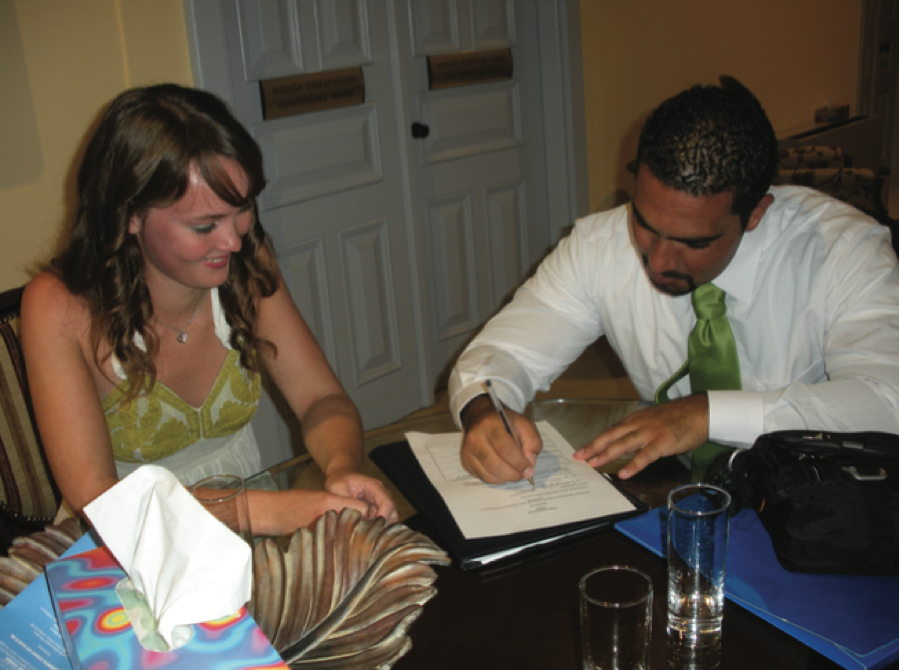
Firas Yazbeck and Naomi Arends arrived to the municipality building in Larnaca, Cyprus on a Monday morning. In just a few minutes, the Lebanese-Dutch couple had filled out their marriage documents as they waited in the queue to take their vows. In the waiting room, a promotional video of Larnaca — and all the activities visitors can do in one day — played on a TV.

Like many Middle Eastern couples, including those from Lebanon, Yazbeck and his new bride chose to marry in Cyprus, and spend their 10-day honeymoon on the island as well. Marriage in Cyprus is simple, it’s easy, and it’s one way to get around Middle Eastern marriage laws that don’t allow people from different religions to marry.

“It’s so close to Lebanon,” notes Yazbeck, a 27-year-old Maronite Christian. “It’s a good place for a civil marriage and a vacation.”

Still, he hopes his home country will allow civil marriage, which he thinks would be good opportunity for reconciliation between Lebanon’s different religious communities.

That sticky sectarianism

As modern and western-leaning as Lebanon is, the country does not allow civil marriage. For years, activists have advocated for the introduction of civil marriage in the Middle East, particularly Lebanon.

Last February saw a number of small victories for advocates of civil marriage in the region. In Lebanon, Interior Minister Ziad Baroud signed an order allowing citizens to remove their religious affiliation from government papers. Around the same time, activists held an inter-faith group marriage on Valentine’s Day. On Facebook, members of various Lebanese pro-civil marriage groups total more than 20,000 — compared with 13 on the social networking site that is against it.

But major obstacles still remain before the Lebanese are willing to legalize civil marriage. The act is no easy feat in a nation where the legal foundation is based on sectarianism. In 1997, the late President Elias Hrawi suggested implementing civil marriage in Lebanon, but was met with opposition from both Muslim and Christian leaders. For now, Lebanese who do wish to have civil ceremonies can do so outside the country and then register their marriage in Lebanon, which the state then recognizes as a legal marriage.

It takes around a half hour to make the short flight to Cyprus from Beirut, marginally longer from Damascus, and marriage is big business. Ever since the British mandate in 1923, the small island has been performing civil marriage ceremonies for locals and foreigners alike. Until the 1980s, citizens of the United Kingdom comprised the majority of marriage tourists to Cyprus. But over the past 30 years, most of the couples getting married in Cyprus have come from the Middle East.

Eager to capitalize on the pre-existing demand for civil marriage services, over the past several years travel agencies, embassies and municipalities in Lebanon and Cyprus have been coordinating to offer couples tourism and marriage packages, including everything from plane tickets and hotel rooms, to marriage paperwork and ceremony arrangements.

Hrach Kalsahakian, sales and marketing manager at the Cyprus Tourism Organization, says the Cypriot wedding business sector is only growing.

According to the Cypriot embassy in Beirut, there were 400 Lebanese couples who wed in Cyprus in 2007, compared with 278 in 2000.

“This sector is expected to grow because more and more people are discovering this side of the island and, on the other hand, more professional and sophisticated companies are providing wedding services,” he says. “The growth however is gradual and not excessive.”

Could other countries in the region, seeing Cyprus’ success in the marriage and tourism business, try to emulate the island country’s example? Not likely, believes Kalsahakian. He says, “Civil marriage is generally allowed wherever the role of state and religion is separate. This is difficult to achieve in most Middle Eastern countries and it is not expected to become a reality in the near future.”

Marry away but celebrate at home

Marwa Rizk Jaber, CEO of Beirut-based travel agency U Travel Middle East, whose Cyprus package tours include five to 10 couples traveling to marry every year, doesn’t see any economic loss to Lebanon due to many of its citizens having to go to Cyprus to get married.

“If someone is planning to do a big wedding in Lebanon, he will do a civil marriage in Cyprus and then do a big wedding in Lebanon,” she said. “It would be good to allow it in Lebanon, for the simple reason  that Lebanon has always been an open country although it’s based on religious confessions.”

Rola Badran, a Shiite Muslim, and Rami Khattar, a Druze, got married in December 2008 in a civil ceremony in Paphos, Cyprus, because their different faiths meant they couldn’t have such a ceremony in their home country of Lebanon.

“Civil marriage should be legislated in Lebanon as soon as possible,” says Badran. “It’s a unique country where Muslims, Christians, Druze and a variety of religions live all together and share their social, economical and political affairs. Civil marriage will give freedom to the young citizens and even older ones to unite under one umbrella.”

Some people believe that lobbying by Lebanese citizens and civil society groups will put pressure on the country’s politicians to change some of the sectarian laws, including the legalization of civil marriage.

“The idea is to have enough citizens who will remove their religions from their ID cards. This creates enough citizens not registered with any courts,” says Paul Salem, director of the Carnegie Middle East Center in Beirut. That way, he says, “the government doesn’t have a legal way to link people to religious communities. If you have 20,000 people, then there’s enough pressure on parliament. That’s one of the approaches to force the issue of civil marriage.”

Wedding packages to Cyprus:

There are a variety of wedding travel packages to Cyprus. Some include just the basics, while others handle every detail down to the champagne and the confetti.

  • U Travel, an agency based in Beirut, offers basic packages starting at $300 per person, depending on airfare and hotel category.
  • Nadia Travel in Beirut has a two-day package for $1,900 that includes transportation, hotel stay, marriage and document fees and administration.
  • The Beirut-based Aeolos offers packages for $1,800, which include transportation to Cyprus, hotel, all travel, marriage and visa fees.
  • Skarvelis Weddings in Cyprus offers some of the most comprehensive wedding packages. All include wedding documentation administration and a wedding coordinator, a decorated Mercedes, flowers, a wedding cake and champagne. The packages start at $1,200. Their most high-end package, for $5,400, includes 44 photos, Rolls Royce for the bride, white Mercedes for the groom, floral arrangements, hair and make-up for the bride and spa treatment. The packages all include a planning and coordination fee of $567 but not the town hall fees – these are an additional $400.

Alternatively, if couples do not want a package they can just pay the $600 planning and coordination fee and the $400 town hall fee and then choose additional extra items such as a cake, flowers, etc.

August 28, 2009 0 comments
0 FacebookTwitterPinterestEmail
Lebanon

For your information

by Executive Staff August 28, 2009
written by Executive Staff

Undervalued real estate

According to a Bank Audi real estate report published in July, property prices in Lebanon posted a moderate decline of 10 to 15 percent since the global recession hit the region. In the first five months of this year, sales transactions posted a mild drop of 6.7 percent year-on-year. In the same period, construction permits rose 4.3 percent.

The report says the resilience of the Lebanese real estate market compared to the region goes back to the strong demand drivers and ‘stringent’ regulations related to lending in the banking sector — both eliminated the possibility of a real estate bubble.

The report says despite the high prices of residential properties, especially in Beirut, the market remains undervalued on the regional and global levels. Beirut’s residential market is still cheaper than its MENA counterparts. The price of a 120 square meter high-end apartment is, on average, $2,229 per square meter, while the regional average is $2,682, according to the report.

The office market is also undervalued, says the report, noting Beirut’s central district ranks 33rd out of 57 office hubs in the world in terms of occupancy. In 2008, office prices in Beirut averaged $585 per square meter; the MENA average was $874, and the world average $793.

Economic growth up

In June, the International Monetary Fund published its periodic report on Lebanon’s economic outlook, upgrading its previous 2009 forecast for gross domestic product growth from 3 percent to 4 percent, with the potential to increase as long as domestic, political and security conditions remain positive.

The report said the global financial crisis’ impact on Lebanon has been “muted,” for various reasons. Inflows of commercial bank deposits, “which are the main financing source for the large government deficit, have remained strong,” the report said.  US dollar deposits have decreased, aided by stable security conditions and the significant interest rate disparity between deposits in Lebanese lira and the US dollar. The IMF also said there has been no pressure on the lira-dollar peg, and that the Lebanese Central Bank has quickly accumulated international reserves.

Lebanon’s banks have “had virtually no direct impact from the global financial crisis, given [their] limited exposure to failed foreign financial institutions or wholesale funding markets.” Lebanese banks continue to be highly liquid and capitalized. Unlike their regional brethren, the country’s domestic banks have not needed emergency liquidity injections or any form of public bailouts.

“Cyclical indicators point to a soft landing of the Lebanese economy in spite of the global financial crisis and recession. Economic activity has continued to expand robustly through the first quarter of 2009,” the report said. The IMF says that although merchandise exports have declined due to lower external demand, they only account for a small amount of the economy, and therefore have not significantly impacted the overall GDP. On the upside, construction activity is performing well, as are the tourism and financial services sectors.

BSE dives

After the Lebanese elections, the performance of Lebanon’s seven listed stocks slightly improved. But in the beginning of July, the Beirut Stock Exchange (BSE) dropped 6.1 percent, the market’s largest drop since its $5 billion crash in November 2008. The week of July 6 to 10 witnessed a weekly decrease of the entire BSE by 6.1 percent, which brought the market back to levels prior to the re-election of Parliamentary Speaker Nabih Berri. Real estate giant Solidere, largest stock by market capitalization, led the drop.

Due to a massive sell-off by an unknown shareholder on July 9 and 10, Solidere’s market value was slashed by 15 percent overnight. Some economists attributed the drop to the lack of progress on the formation of a government.  Moreover, a downturn in global stock markets and the dividend distribution of Solidere could also have played a role in the company’s share-price drop.

On July 9, buyers and sellers took advantage of the $3 gap between Solidere’s global depositary receipt (GDR) and its domestically-listed shares. The decline of around 8 percent in the company’s GDR value in London was most likely due to hedge fund selling, analysts said.

Nassib Ghobril, head of the economic research and analysis department at Byblos Bank, says politics are the main driver behind BSE volatility. “Solidere has always been a representative of political sentiment in the country,” he said. “After [Saad] Hariri became the [prime minister-designate], it jumped. The movement in the stock market does not represent the underlying performance of the listed companies on the BSE, unfortunately.”

August 28, 2009 0 comments
0 FacebookTwitterPinterestEmail
Banking & Finance

For your information

by Executive Staff August 28, 2009
written by Executive Staff

GCC private equity and M&As

The United Arab Emirates have taken the top spot in terms of private equity (PE) deals in the Middle East during the first half of 2009, according to Bureau van Dijk Electronic Publishing (BvDEP), a research firm. The UAE led the pack with a total of seven PE deals. Jordan and Kuwait registered only two deals each in the same period. The report found that in the first half of 2009 the region’s deal flow decreased 79 percent in terms of value, to $314 million, and decreased 41 percent in volume, to 13 deals, compared to the second half of 2008.

The report also highlighted the continued fall in the number of mergers and acquisitions (M&As) in line with the global trend. M&A activity declined 70 percent to $6.24 billion from a total of $21.03 billion in the second half of 2008. The volume of M&As also fell in the first six months of 2009, but performed better than the last 6 months of 2008, with a total of 122. The UAE again topped the tables in terms of M&As with a total of 36 deals.

The accuracy of the findings are marred, however, by the sector’s lack of transparency in the region. The total value of the deals closed by some of the region’s biggest players, such as Abraaj Capital, were not made public.

Saad/Algosaibi scandal

The saga of Saudi conglomerates Ahmad Hamad Algosaibi & Brothers co. (AHAB) and Saad Group has created one of the worst multi-billion dollar regional default crises since the global financial turmoil struck last year.

Saad Group, a $30 billion empire built by powerful Saudi businessman Maan al-Sanea, began showing signs of distress in June, after the Saudi Central Bank (SAMA) froze the personal accounts of Sanea and his family members. This unusual action by the central bank caused quite a stir throughout the Saudi banking sector, leaving many question marks in its tracks. Saad Group issued a statement saying, “Recent events, specifically affecting the Bahraini banking sector, have led to a short-term liquidity squeeze affecting Saad Group companies in the Middle East.”

“We are continuously striving to mitigate the effects of the limited squeeze and are also planning for an orderly restructuring of the debt of affected companies in cooperation with our counterparties and international advisers,” the company added.

As of June 27, Bloomberg reported AHAB owed $9.2 billion to more than 100 banks across the region, and less than two weeks later, AHAB filed a lawsuit against Sanea for $10 billion. AHAB is suing Sanea for fraud, insisting he embezzled money through his position at one of AHAB’s subsidiaries, Money Exchange, to ransack the company using inflated short-term foreign transactions. AHAB is apparently owned by al-Sanea’s wife’s family, making this a very complicated family matter.

Standard & Poor’s rating agency said that 30 banks rated by the credit ratings agency have significant — but manageable — exposure to the two troubled corporations. EFG-Hermes investment bank reported Abu Dhabi Commercial bank alone could easily have more than $500 million exposure to the companies. Fitch Ratings also said Mashreqbank’s exposure was severe, but manageable.

Regional pessimism

MasterCard Worldwide’s consumer confidence survey showed a drop in consumer confidence in six countries in the Middle East and North Africa. The 100 point index uses 50 points as a baseline to determine whether a sample is optimistic or pessimistic.

Kuwait registered the largest drop, from an optimistic 96.6 points to a pessimistic 49 points from the previous period. Egypt was the most pessimistic with a score of 32.3 points, while the most optimistic was Qatar at 71.4 points. The survey noted an increase in people saving for “precautionary purposes,” and also showed that people in the Gulf countries will be “saving more,” as opposed to Egypt and Lebanon, who will be “saving less.”

“This is the first time the Middle East as a whole has come in below 50,” said Shaun Rashid, the head of MasterCard Worldwide’s business in Egypt and Levant, who presented the results. “The last time we conducted this survey it was in November of last year and the [crisis] was not as widely understood by the consumers. This time around… when we got their responses they were responses that were in light of the global economic crisis.”

The results were compiled from a survey conducted between March and April in which 400 people in Saudi Arabia, Lebanon, Kuwait, United Arab Emirates, Qatar and 600 people in Egypt were asked questions about their consumption habits. All participants were either debit or credit card holders from the ages of 18 to 64.

August 28, 2009 0 comments
0 FacebookTwitterPinterestEmail
Comment

Iraq’s unfulfilled harvest

by Riad Al-Khouri August 28, 2009
written by Riad Al-Khouri

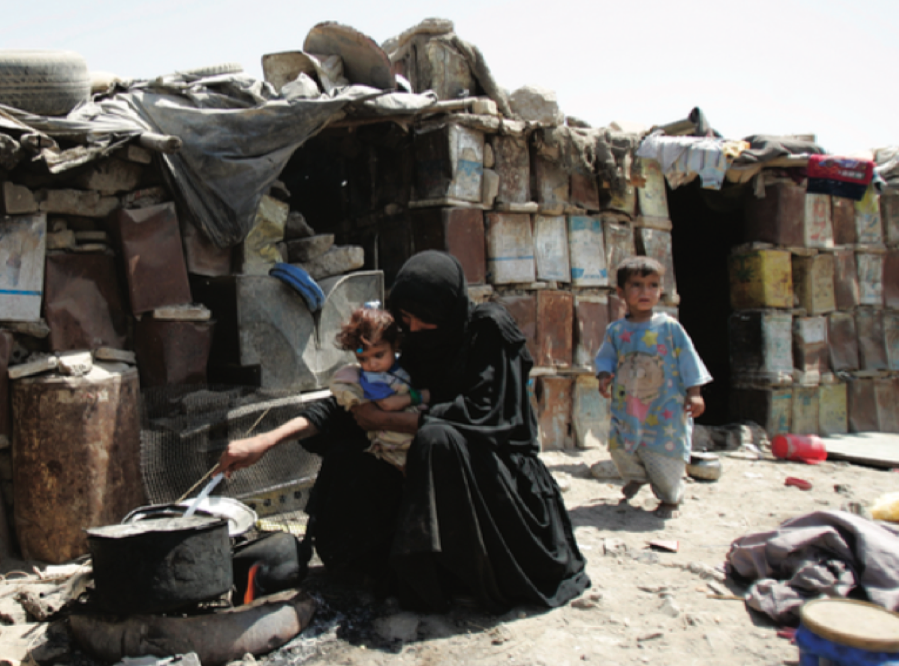
One of the (many) economic paradoxes in Iraq today is the existence of considerable poverty in a country that was once, and could still become, among the most prosperous in the region. Practically the only Arab state rich in both oil and water, Iraq’s de-development in the last few decades means that today many of its inhabitants are poor and malnourished. Though pockets of stability exist where life is less harsh (including, for example, Kurdistan) the overall situation in Iraq remains precarious and general economic conditions are tough.

The country witnessed a dramatic decline of living standards since the war with Iran (1980-8), which cost Iraq $450 billion (much of it in weapons) and the lives of 800,000 of its citizens. After the first Gulf war in 1991, annual per capita gross domestic product was at a mere $250, on par with the poorest countries in the region. That “recovered” to $600 in 2002, but fell to $400 in 2003 after the United States invaded. Since then, Iraq’s economy has been growing, but the country still has far to go to achieve prosperity, with unemployment at more than 25 percent. By contrast, income per inhabitant in the 1970s was several thousand dollars, and the percentage of those out of work was in the low single digits.

This precarious economic situation has brought about practical problems, including in the area of nutrition, with roughly 4 million Iraqis, or 15 percent of the population, being food-insecure today. The average daily calorie intake per person has dropped to about 2,000, compared to an acceptable level of around 2,400.

This is especially ironic in a country like Iraq, which before and during the oil era saw significant agricultural activity, with agriculture currently employing more than a quarter of the labor force, though contributing only 6 percent to the economy. Iraq’s major crops are wheat and barley, but for these as in others, productivity has been steadily declining over the last couple of decades. Cereal yield today is estimated at around 900 kilograms per hectare compared, for example, to neighboring Iran’s 2,300.

The reasons for this malaise are many. First, Iraq’s lack of fundamental prerequisites for market interaction, like secure property rights and freedom of movement, are poor. Second, even when these basic factors are assured, as in the Kurdish region, inadequate transport and storage means crops cannot be brought to market in a timely or otherwise efficient manner. For example, an agricultural official I talked to recently in Sulaymaniyah, near Kurdistan’s mountains, complained that the abundant grape crop of the surrounding hilly regions went to waste due to inadequate roads and cooling facilities. Third, the physical capital stock of Iraqi agriculture consists mainly of outdated Soviet-era machines that break down often and for which spare parts are rare. Finally, drought and frequent sandstorms over the past few years have worsened things.

Iraq cannot easily rescue its agricultural sector under present conditions. Yet, conflict apart, agriculture in many countries around the region is suffering. Though Iraq and other states in the region may not have been what the Group of Eight countries had in mind at their recent summit in Italy, they have approved $20 billion in aid over three years to help poor farmers in developing states grow and sell more food. The initiative aims to cut the number of malnourished people globally by helping local farmers produce more. The investment program would help farmers get seeds and fertilizer, and engage in effective marketing. Not unlike their counterparts in Iraq, these farmers have the potential to become prosperous, while solving the problems of hunger of those around them.

The recent statements by the G-8 on nutrition signal an encouraging shift of policy toward helping the poor and hungry to produce their own food. Aid for agriculture is falling globally, relative to support for other sectors: the proportion of development aid destined for agriculture in poor countries has fallen to about 4 percent today from 17 percent in the 1970s. Given the severity of the problem, $20 billion is a drop in the ocean, but at least the G-8’s latest pledge sounds more concrete a commitment than past aid declarations that went unmet.

Hopefully this money will materialize: much of it was pledged at the Rome Food Summit in June of last year, but in reality only a fraction has been disbursed. Regardless, agriculture is assuming more importance in the global agenda; hopefully this will also be the case over the next few years of Iraq’s development.

Riad Al Khouri is Senior Associate Consultant at the William Davidson Institute of the University of Michigan in Ann Arbor, and Dean of the Business School at the Lebanese French University in Erbil

August 28, 2009 0 comments
0 FacebookTwitterPinterestEmail
Editorial

Remember the past to make a better future

by Yasser Akkaoui August 28, 2009
written by Yasser Akkaoui

Former Lebanese Prime Minister and veteran Tripoli MP, Amin al-Hafez, who died last month at the age of 83, will be remembered for the integrity and sense of duty he showed during a period of Lebanese history that would have destroyed lesser men. He came from a generation that believed in putting the interests of the state above all else.

It is worth taking time to reflect on the values espoused by Hafez and the distinguished generation from which he emerged. He was in many ways a moral compass and an example of national selflessness.

Today, as our politicians are trying to form a new cabinet, they would do well to remember his example as they abandon their electoral promises and rush to secure the most lucrative portfolios to further consolidate power, rather than work for the good of the nation.

Hafez is survived by his son Ramzi, a journalist and the publisher of Lebanon Opportunities, a magazine that seeks to put forward Lebanese expertise and know-how.

Some of that resourcefulness would bode well for the Lebanese working in the GCC, as it seems complacency is begining to take hold there.

The Gulf is an area where the Lebanese have traditionally succeeded through a combination of hard work, relevant skill-sets and good relations with their fellow Arabs. For example, the media in the GCC has long been dominated by the Lebanese. Today however, the Lebanese lead in this industry is in danger of being overtaken by hungrier international media groups.

Faced with these sorts of challenges, the Lebanese public and private sectors across all industries must jettison their ‘short-termism’ and culture of self-interest and make genuine plans for the medium and long terms. The world appears to be gearing up to move out of a recession just as Lebanon appears to be once again hunkering down for some regional drama.

A nation with its finger on the regional pulse is out of step with global trends.

August 28, 2009 0 comments
0 FacebookTwitterPinterestEmail
Special SectionYoung Arab Leaders

Sheikh Sultan al-Qassemi (Q&A)

by Executive Staff August 28, 2009
written by Executive Staff

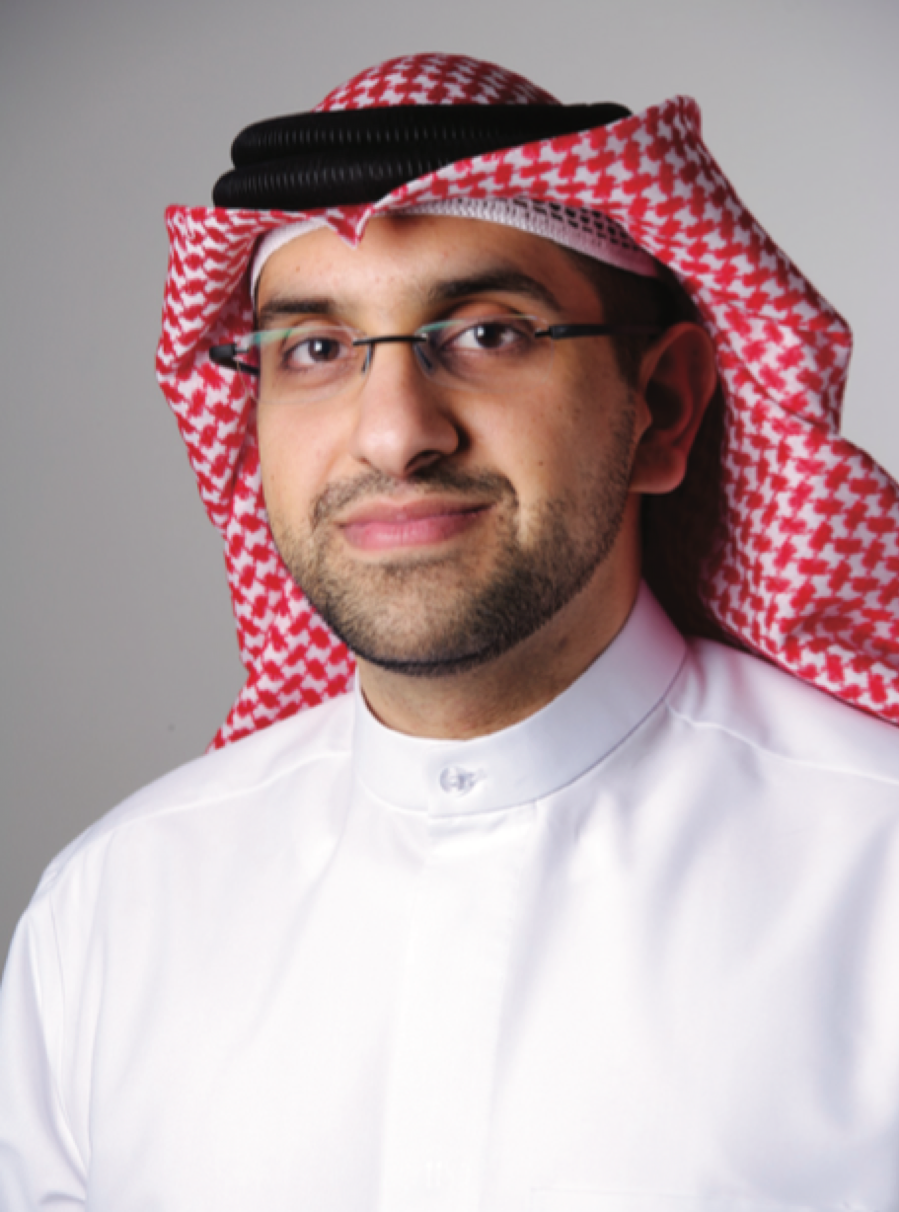
Sheikh Sultan al-Qassemi, chairman of the Young Arab Leaders – United Arab Emirates office, is a successful businessman, professor and financial columnist. He spoke with Executive about how his country, with a relatively small population, came to have one of the largest YAL memberships.

E What are your ambitions for YAL in the UAE?

I see YAL as a vehicle or platform that has tremendous potential. Sometimes, youth as individuals may have great ideas and potential, but lack the confidence or ability to launch something on their own. As a platform, YAL is able to act as a support system for these youth.

We are living in troubled and challenging times, so I feel that in a broader sense, YAL is able to promote better understanding by virtue of its separate country offices located around the region, and the frequent meetings of its members from the different country offices.

E What are some of the challenges that ambitious youth in the Emirates face?

First, there is the challenge of support and guidance. Some of the youth are very ambitious and talented. However, without proper guidance and support, many are not able to fulfill their ambitions, due to not being given the right set of skills, not being shown the right education path, or not getting the chance to meet the right people to get their ideas off the ground.

Another key area where I believe that a lot can still be done is in education. Some youth in the region do not have access to quality education, which can be due to various socio-economic factors. Family income levels, the high cost of education, and even simply not knowing where to look for a good education, all make for a challenging environment for those without the means.

There are many talented Arab youth, and we need to ensure that they get all the opportunities available to maximize their potential.

E Can you describe one or two specific initiatives that YAL-UAE is undertaking?

In our efforts to promote entrepreneurship among Arab youth, YAL-UAE, together with the Arab Business Angels Network, have held a number of entrepreneur-investor match-making events, such as the Arab Business Challenge. This allows entrepreneurial ventures to share their ideas and to connect with investors, who may be on the lookout for businesses to invest in.

Another one of our initiatives is the Arab American Business Fellowship. Through this, young Arabs are sent to the United States, and their young American counterparts come to us, where each spends a period of time learning, not only about business but at the same time learning about the cultures of the respective regions. This aids in breaking down many of the misconceptions both regions may have about each other.

E Are there any specific successes that you can point to?

The YAL-UAE Country Office has one of the largest memberships. This is a great achievement to me because it indicates that there is belief in what YAL stands for. YAL-UAE has been able to capitalize on this by inviting youth from universities and large corporations to personally meet and learn from the established business leaders that form the core of our members.

August 28, 2009 0 comments
0 FacebookTwitterPinterestEmail
Financial Indicators

Regional equity markets

by Executive Staff August 4, 2009
written by Executive Staff

Beirut SE  (one month)

Current Year High: 1,550.53  Current Year Low: 705.56

The Beirut Stock Exchange (BSE) was highly correlated to global and regional trends in the month of July, in addition to uncertainty related to the formation of a new cabinet. The MSCI Lebanon had dropped 6% in line with the global equity sell-off and falling oil prices in the first two weeks of July. However, political stability and news showing the economy will post strong growth numbers in 2009 drove the market back to 1056.99 points, down only 0.34% as of July 22. Positive economic news contributed to the recovery, including strong tourist and capital inflow numbers despite several minor incidents in South Lebanon. Banque Bemo’s shares were the worst performers, down 4.26%, followed by the country’s giant real estate company Solidere, whose A shares managed to recover from an 11% drop to a milder 2.33% decline. BLOM Bank’s shares topped the performance list, up 2.78%, followed by Byblos Bank with a 2.17% return. Despite the relatively tame performance of equities on the BSE in July, the market continues to lead the MENA region performance on a year-to-date basis with an appreciation of almost 31%.

Amman SE  (one month)

Current Year High: 4,702.43  Current Year Low: 2,482.46

The Amman Stock Exchange (ASE) posted the worst performance among the 12 countries under review, falling 5.51% to 2584.47 points through July 23. The index even hit a five-year low of 2,482.46 points on July 13. All market sectors dropped significantly, led by insurance and banking stocks which fell 9.59% and 6.60% respectively, while the industrial sector led the market with a drop of 3.74%. Jordan Clothing Company led stock performance with a 36.61% increase, followed by Jordan Central at 36.59%, whereas Arab Life and Accident Insurance Company fell 37.02% and Al Tajamouat for Catering and Housing Company lost 36.12%. The total value of real estate transactions dropped 38% year-over-year in the first six months of 2009 and the government’s budget deficit widened from $705 million to $759 million over the same period. On the other hand, the country’s tourism revenues grew  3% through the end of May, and the number of construction permits posted a 32.1% year-over-year gain in the first five months. The country’s trade deficit also narrowed by 32.2% through the end of June as a result of lower crude oil imports.

Abu Dhabi SM  (one month)

Current Year High: 5,005.17  Current Year Low: 2,136.64

The Abu Dhabi Stock Exchange (ADX) index rose 3.03% to 2,711.17 points as of July 23. Like other GCC markets, the ADX index hit a bottom in mid-July, driven by drops in oil prices, uncertainty around second quarter earnings, and the undetermined level of exposure of UAE banks to Saad Group and Al Ghosaibi. On the positive side, the market index has been steadily trending upwards since hitting the bottom in early November, and July was no exception especially that consumer and banking stocks continued to lead the market, rising 6.56% and 6.42%, respectively. On the other hand, the worst performing sectors were insurance (-6.23%), real estate (-5.58%), and construction (-5.21%). The market’s leading stock was the food industry’s Agthia (22.79%), followed by several banking stocks including National Bank of Abu Dhabi (14.80%) and First Gulf Bank (14.23%). Aabar Investments acquired a 4% equity stake in Tesla Motors from Daimler, and Abu Dhabi National Energy Company announced plans to spend $1.5 billion on acquisitions in the next 9 months.

Dubai FM  (one month)

Current Year High: 5,422.31  Current Year Low: 1,433.14

Almost nine months after the peak of the global equity sell-off, the Dubai Financial Market (DFM) has hardly recovered. The market index dropped another 1.83% in the month through July 23, to 1,751.76 points, still at December 2008 levels. Emaar Properties announcement in late June to merge with several of its competitors mostly drew a negative response. Moody’s downgraded the company’s credit rating and placed it on review for possible further downgrade, driving down the company’s shares 7.91% and the whole Real Estate sector 5.85% to become the worst performing sector of the month. The best performing sectors were Transportation (9.06%) and Utilities (5.81%) coupled with strong performance by Aramex (23.97%) and Kuwait Finance and Investment Company (14.91%). On the other hand, Arab Insurance Group (-15.56%), Shuaa Capital (-12.79%), and Emirates NBD (-11.68%) were among the worst five performers in July. During the month, the UAE Central Bank called for a meeting with commercial banks to assess potential problems to exposure to Saad Group and Al Ghosaibi.

Kuwait SE  (one month)

Current Year High: 14,997.20            Current Year Low: 6,391.50

Like most GCC stock markets, the Kuwait Stock Exchange (KSE) had a tough first half of July on the back of declining oil prices, but the recovery in oil prices and global equity markets was not enough to save the KSE from a 5.02% decline to 7,675 points as of July 22. Earnings in Kuwait were dismal as Mazaya Holding, Al Ahli Bank, and the National Bank of Kuwait reported second quarter declines in profits of 63%, 77.1%, and 32%, respectively. All sectors in Kuwait posted negative returns in July, but the real estate sector was the worst performer, dropping 7.93% through July 22, followed by the industrial and investment sectors which lost over 6.81% and 6.25%, respectively. Only the index of stocks on the parallel market rose 10.44% through July 20, but insurance, the best performing sector, lost 1.89% followed by services which dropped 2.28%. Al Maiden Clinic for Oral Health Services was the leading performer, up 100% over the review period, followed by Osoul Investment Company (35.09%) and Osoul (42.11%). The worst performance was delivered by Gulfinvest International (-43.94%).

Saudi Arabia SE  (one month)

Current Year High: 9,022.31  Current Year Low: 4,130.01

The Saudi Stock Exchange (TASI) index ended the review period up 1.32% at 5,670.42 points as of July 22, on solid earnings from the banking sector and recovery in oil prices from early July lows. The month had started with a continuation of the drop in equity prices from the June peak of 6094.91 as exposure to credit-troubled Saad Group and Al Gosaibi, and uncertainty surrounding second quarter earnings results cast a dark shadow on investor sentiment. However, by the third trading week, Saudi banks had reported solid growth in second quarter profits which reached almost $1.73 billion. The banking sector benefited strongly from quarterly results, rising 2.35% through July 22, but was still outperformed by the hotel and tourism sector which advanced 6.37%, followed by the industrial and telecom & IT sectors which rose 4.08% and 2.76%, respectively. On the other hand, the insurance sector had the worst performance, dropping 4.93% through July 21. Petrochemicals had a roller coaster month after China announced that it began an anti-dumping investigation into methanol imported from Saudi Arabia.

Muscat SM  (one month)

Current Year High: 11.178.58            Current Year Low: 4,223.63

The rebound of stocks in the second half of July drove the Muscat Securities Market (MSM) index up 3.49% to 5,808.07 points through July 23. All three market sector were in the green, with the banking sector leading the way, up 1.54%, followed by services and industrial at 1.38% and 0.51%, respectively. Market sentiment was generally positive as the government said it plans to boost its oil output by 20,000 barrels per day by the end of 2009. The best performing stocks were Gulf International Chemicals (12.58%), Oman United Insurance Company (12.5%), and Oman Cables Industry (12.07%). On the other hand, Al Hassan Engineering Company, Oman Chlorine, and Gulf Investment Services Company posted the worst performance, dropping 14.38%, 13.88%, and 12.33%, respectively. In corporate news, Standard and Poor’s downgraded United Insurance Company’s long-term credit rating, and HSBC’s MENA Infrastructure Fund acquired 32.8% of United Power Company for $26.5 million. Furthermore, Bank Muscat reported a 4.5% rise in its first half net profits to $157 million.

Bahrain SE  (one month)

Current Year High: 2,811.25  Current Year Low: 1,483.52

The Bahrain Stock Exchange (BSE) index posted the worst monthly performance among GCC markets and the second worst in our review of the MENA region, dropping 5.50% to 1,494.63 points as of July 23. The Bahraini market never actually recovered from the fall 2008 global equity sell-off, hitting a five year bottom of 1,483.52 points on July 21. The investment and banking sectors caused the biggest drag on the market, falling 7.49% and 5.96%, respectively, during our review period, while investors shifted to the defensive healthcare sector, the only sector in the green, which rose 1.77% over the same period. Only six out of 28 stocks rose in July, led by Banader Hotels Company (7.58%) and Esterad Investment Company (3.87%). Leading the decliners were Albaraka Banking Group (-23.91%), Bahrain Islamic Bank (-17.05%), and Ithmaar Bank (-15.69%). Bahrain Islamic Bank had announced a second quarter loss driven mainly by provisions. Bahrain Telecommunications Company said it was proceeding in its purchase of a 49% ownership stake in India’s telecom operator S Tel.

Doha SM  (one month)

Current Year High: 11,758.06            Current Year Low: 4,230.19

After a sharp decline in the second week of July, the Qatar Exchange Index stabilized and rebounded to end our review period through July 23, down only 0.82% to 6,438.30 points. The rebound came on the heels of strong earnings from the country’s largest banks, propped up by the government’s purchase of real estate investments and local equities to free up bank capital for lending. Earnings propelled the banking sector to the top with a 1.51% return during the review period, ahead of the industrial sector which returned 0.91% also on strong earnings announcements. The services sector which shed 7.81% despite a mid-month rebound. The best performing stock of the month was United Development Company (22.04%), followed by Qatar Electricity and Water Company (8.68%). Several large banks were also among the best performing stocks, including Doha Bank (4.6%) and Qatar Islamic Bank (4.97%). Real estate and investment companies were the month’s laggards, led by Ezdan Real Estate Company (-21.48%) and Dlala Brokerage and Investment Holding (-17.58%).

Tunis SE  (one month)

Current Year High: 3,677.46  Current Year Low: 2,836.64

After a long rally that started in December 2008 that drove Tunisian equities up 30% to a peak on July 1, the Tunisia Stock Exchange Index (Tunindex) let out some steam, falling 1.43% to 3,623.96 points on July 23. Leading the turnaround were Automobile Reseau Tunisien et Services (-15.01%), Société Tunisienne des Industries de Pneumatique (-14.16%), and Société Tunisienne d’Assurances et de Réassurances (-13.67%). The best performing stocks were Société Tunisienne d’Entreprises de Télécommunication (21.53%), followed by Société Nouvelle Maison de la Ville de Tunis (16.61%), and Société Magasin Général (12.94%). The market lacked significant catalysts during the month, but some positive announcements were made. The Tunisian parliament passed a law that would allow early retirement for public employees in order to help employ up to 7,000 young university graduates.

Casablanca SE  (one month)

Current Year High: 14,463.40            Current Year Low: 9,405.86

Like most MENA markets, the Casablanca Stock Exchange (CSE) index started the month of July by dropping significantly in the midst of another global wave of equity selling and pessimistic views of the world economy. However, unlike most MENA exchanges, the CSE index never rebounded. The drop continued through July 22, to reach -5.51% with the index standing at 10,949.81 points. The country continues to suffer from the fallout in tourism activity, the decline in exports, as well as the drop in revenues from remittances as a result of the decline in economic activity in Europe. As a result, the hotels and leisure sector remains the worst performing stock in 2009, down 10.59%, followed by construction and building materials (-10.04%). The best performing sectors so far in 2009 are transport (52.38%) and mining (51.9%). The leading stock was Société des Brasseries du Maroc (16.5%), followed by Involys (10.83%). On the other hand, the worst performing stocks were Microdata (-14.22%) and Aluminum de Maroc (12.69%).

Egypt CASE (one month)

Current Year High: 9.533.54  Current Year Low: 3,389.31

The Cairo and Alexandria Stock Exchange (CASE) posted the best performance in the MENA region under review through July 22, rising 4.3% to 5,947.89 points. The market was lush with positive economic news during the month, including an announcement by the Minister of Investment that the country’s GDP growth in 2009/10 will reach 4.5%, down only slightly from 4.7% the previous year. Real estate stocks led the late month rally, with top performers including Egyptian Real Estate Group (168.37%) and Zahraa ElMaadi Company for Investment and Urbanization (74.92%). The real estate sector was boosted by the government’s decision to extend the export ban on cement until October 2010 to stabilize local cement prices. The worst performing stocks were Al Watany Bank of Egypt (-23.46%) and El Shams Housing and Development Company (-16.31%). In corporate news, private equity firm Actis signed an agreement worth $244 million to acquire a 9.33% stake in the Commercial International Bank.

August 4, 2009 0 comments
0 FacebookTwitterPinterestEmail
  • 1
  • …
  • 454
  • 455
  • 456
  • 457
  • 458
  • …
  • 688

Latest Cover

About us

Since its first edition emerged on the newsstands in 1999, Executive Magazine has been dedicated to providing its readers with the most up-to-date local and regional business news. Executive is a monthly business magazine that offers readers in-depth analyses on the Lebanese world of commerce, covering all the major sectors – from banking, finance, and insurance to technology, tourism, hospitality, media, and retail.

  • Donate
  • Our Purpose
  • Contact Us

Sign up for our newsletter

    • Facebook
    • Twitter
    • Instagram
    • Linkedin
    • Youtube
    Executive Magazine
    • ISSUES
      • Current Issue
      • Past issues
    • BUSINESS
    • ECONOMICS & POLICY
    • OPINION
    • SPECIAL REPORTS
    • EXECUTIVE TALKS
    • MOVEMENTS
      • Change the image
      • Cannes lions
      • Transparency & accountability
      • ECONOMIC ROADMAP
      • Say No to Corruption
      • The Lebanon media development initiative
      • LPSN Policy Asks
      • Advocating the preservation of deposits
    • JOIN US
      • Join our movement
      • Attend our events
      • Receive updates
      • Connect with us
    • DONATE