• Donate
  • Our Purpose
  • Contact Us
Executive Magazine
  • ISSUES
    • Current Issue
    • Past issues
  • BUSINESS
  • ECONOMICS & POLICY
  • OPINION
  • SPECIAL REPORTS
  • EXECUTIVE TALKS
  • MOVEMENTS
    • Change the image
    • Cannes lions
    • Transparency & accountability
    • ECONOMIC ROADMAP
    • Say No to Corruption
    • The Lebanon media development initiative
    • LPSN Policy Asks
    • Advocating the preservation of deposits
  • JOIN US
    • Join our movement
    • Attend our events
    • Receive updates
    • Connect with us
  • DONATE
Comment

Going digital

by Daniel Diemers, Abdulkader Lamaa & Jihad K. Khalil December 16, 2014
written by Daniel Diemers, Abdulkader Lamaa & Jihad K. Khalil

Digital technology is reshaping wealth management around the globe, according to a Strategy& survey that appeared in our Global Wealth Management Outlook 2014–2015. Interestingly, however, wealth managers in the Middle East, while generally confirming the importance of digital technologies, did so with less conviction and sense of urgency than their Asian, European, and North American counterparts. This is despite the fact that a digital approach is critical to fulfilling wealth managers’ stated priorities for 2014–2015: to better understand customer needs, generate customer centric holistic advice and deliver a superior customer experience.

According to our survey, 50 percent of private bankers in North America put digital technology at the top of the agenda, as did 35 percent of Asian private bankers. In the US, the large national brokerages offer a full spectrum of services, while wirehouses use digital technologies to profile and segment customers for targeted product and service offerings. Discount brokers see digital technology as a way to provide client centric yet low cost services. Wealth managers use digital tools, for instance, to track client interactions for compliance and risk purposes. Overall, managers in the US tend to be more on the lookout for novel digital offerings they can mimic, acquire, or obtain through a partner or platform provider. 

By comparison, no respondent in the Middle East put digitization — in the sense of using digital technology in a strategic manner to create value — as a top priority. Half of the respondents consider it an area of medium importance, while the other half consider it an area of low importance. This is due, in part, to the fact that most local banks have only recently begun to focus on dedicated wealth management and private banking offerings. In addition, other strategic priorities — such as allocating capital to pursue aggressive growth strategies within and outside home markets — may have influenced this deprioritization of digitization.

However, Middle East demographics may soon challenge these priorities since new technologies appeal strongly to the new generation of High Net Worth Individual (HNWI) clients in their 30s and 40s. We believe that Middle East wealth managers, like their global counterparts, must commit to a ‘digital agenda,’ to enhance their customers’ experience, market their products and services in a more targeted “product pull” approach, lower costs in the mid and back office, and improve risk and compliance efforts.

The digital advantage

Digital wealth management models have clear advantages over traditional models in three critical areas.The first is customer experience. As more HNWIs use technology and multiple channels to manage their financial and non financial lives, the wealth management industry will, like many others, converge toward 24/7 multi-channel, digital offerings. Unsurprisingly, younger, tech savvy HNWIs embrace the new technologies with gusto. However, they are not the only ones. The industry must keep clients of all profiles happy — including those who see their expectations for digital wealth management influenced by their daily experience on social and retail portals via devices such as smartphones and tablets. Increasingly, customers want an information rich, transparent experience at their fingertips, and the ability to move seamlessly across channels.

The second advantage is efficiency. Digital technology automates traditionally slow and inefficient processes, enhancing the efficiency across the enterprise. These digital benefits include rationalizing systems architecture, running data cleansing exercises to develop robust and insightful data warehouses, and overlaying integrated front-end client interfaces to create enhanced customer experiences. Digital technology also makes it easier to bundle products and services in tiered service offerings to target different customer segments and subsegments. All this helps wealth managers control the cost of servicing clients while tailoring the entire client experience.

The third advantage is in risk and compliance. The financial industry faces an unprecedented amount of regulation, covering a wide range of issues: capital, liquidity, proprietary trading, derivatives, corporate governance, and the transparency of offshore assets and income. These costly, complex rules and the burden they put on resources have become a major — if not the most important — factor affecting the strategy of wealth managers. Digital technology facilitates compliance with risk management standards and emerging global standards (such as Dodd-Frank in the US and the EU’s Markets in Financial Instruments Directive II) regarding enhanced client reporting, transparency on pricing and fee models, customer centricity and protection, centralized trading and execution, etc.

Innovate to compete

All that said, one of the very best reasons to embrace digital tools and innovate is to remain competitive. Besides the established players in the US and Europe focusing on digital technologies, three types of new digital innovators are targeting the wealth management market. These are: investment advisors that provide real time customized advice, including goal setting, allocation, monitoring and rebalancing; portfolio review and allocation providers that offer financial management portals to track portfolio and advisor performance, providing a finite number of investment plans with varying allocations; and investment communities that offer a platform to share and discuss investment ideas, and crowd source investment advice.

Thus far, these digital innovators have only managed to challenge incumbents by offering innovative digital services for free or at a much lower price point, but they have yet to take a significant market share. Nevertheless, these innovative disruptors along with more traditional global players will increasingly force Middle East wealth managers to make significant technology investments to keep up with the standards.

Formulating a digital agenda

Wealth managers who want to leverage these digital advantages and remain competitive need to develop a new business strategy with a clear digital agenda. Such an agenda will need to revolve around five pillars.

First, to build an internal comprehensive view of clients’ assets (both within the current share of the clients’ assets and increasingly beyond) and the corresponding behavioral profiles to provide high quality, timely and relevant personalized advice.

Second, to provide high speed, ‘always-on’ (and increasingly real time) access to portfolios, research and advice. This is done through mobile and tablet technologies and includes advisor–client chat, video conferencing and interactive applications. These tools will allow for better financial planning, portfolio simulations, push alert centers, peer communities for comparisons or crowdsourcing recommendations (e.g., Seeking Alpha). 

Third, to enhance the quality and personalization of advice and service related interactions using Big Data analytics. Wealth managers can identify the most relevant opportunities for each client based on historical behavioral data, latest cross channel interactions, or major life changes along the client lifecycle. 

Fourth, to streamline and automate mid and back office operations to eliminate time consuming, manual activities and shorten processing times. Private bankers must also create a ‘bulletproof’ risk and compliance environment, in which checks and balances are automated, validated and recorded with the least amount of human intervention possible for a highly reliable compliance environment that reduces the ‘hassle factor’ for clients. 

Fifth, to establish a social media presence to evaluate customer sentiment, enhance communication with existing clients through external social platforms such as LinkedIn groups or Twitter, and strengthen the financial advisors community such as through internal blogs or enterprise social networks.

For Middle East wealth managers, the bottom line is that keeping increasingly technology savvy clients, let alone winning more of them, will require building a robust digital agenda and pursuing it relentlessly with the same focus and visibility given to business strategy.

December 16, 2014 0 comments
0 FacebookTwitterPinterestEmail
Comment

Sowing seeds

by Zafiris Tzannatos December 16, 2014
written by Zafiris Tzannatos

Much is written and more is discussed about the impact of Syrian refugees on the Lebanese labor market. Plenty of analyses and proposals are in the air. This is as commendable as it is understandable: Lebanon faces both a humanitarian crisis and a labor market crisis.

In the labor market, an already bad situation is expected to become worse in the coming year. Simple economic theory suggests that when the supply of workers increases, labor is offered in the market at discounted wages. And not only that: working conditions may deteriorate while occupational health and safety risks increase, unless employers are scrupulous and labor laws are enforced.

In addition to this shock, longstanding structural issues in Lebanese labor remain. These include the local underutilization of Lebanese in marginal or seasonal types of work, or more directly in terms of part time or seasonal employment and high unemployment, and the migration of the most capable Lebanese abroad while social protection defies the conventional use of the term as it is mostly provided privately.

The gravity of the labor market situation becomes clear when referencing the reversal in unemployment rates among youth and adults. While the unemployment rate in Lebanon has remained practically constant at around 10 percent for the past 20 years according to the International Labor Organization, there were 30 percent more unemployed youth than unemployed adults in 1990, but by 2010 there were 50 percent more unemployed adults than unemployed youth. This suggests the problem is not just the employability of young job seekers. And the situation would have been worse had adults not emigrated in such large numbers.

All in all, Lebanon is entering the new year with uncertain prospects. The geopolitical situation and the issue of Syrian refugees remain tense. Partly because of this, the macroeconomy (and tourism) has stalled. And politically, in addition to having no president, practically all (98 percent) of the parliamentarians who were present in the relevant vote this past November 2014 agreed for the second time to extend their tenure until 2017. This can be contrasted with the British Parliament’s House of Commons, whose members can eventually pass any law against the objections of the House of Lords except one: the extension of the life of a parliament.

Leaving aside these historical and political remarks, what can be said about what needs to be done in 2015?

Lagging legislation

To answer this, one should first look at another question: how effectively can a country address the issue of refugees if it does not really have a strategy and policy framework for its own citizens? Or, put differently, the refugee question is not only a national issue, but also a regional and international one, and therefore goes beyond the exclusive mandate and capacity of Lebanon.

But the labor market is a domestic issue and can and should be addressed earlier rather than later. The results will not be immediate as labor reforms may take generations to show their full effect. But as the proverb goes, if it takes 100 years to grow a tree, it is all the more urgent to plant it today.

For 2015, there are some low hanging fruit in the sense that the relevant legwork has already been done and the ‘sell by’ date passed decades ago. This includes the enactment of the labor law that has been on the books since the 1990s. This is also the case with private sector pensions under the National Social Security Fund, noting that Lebanon remains perhaps the only upper middle income country in the world without private pensions for its workers. While a law on disability has recently been enacted, its implementation is lagging. Finally, one should not forget the needed improvements in occupational health and safety, including enhancing the role of labor inspections, and the implementation of guidelines for the employment of the sizeable number of domestic workers.

Lebanon is one of few Arab countries with a mandated national minimum wage, but its role is compromised by the absence of an institutionalized framework for the social partners to set its level and then periodically revise it through an objective price index. Similarly, there has been an Economic and Social Council for years, but its involvement and impact has been minimal. These are issues within reach if there is political will.

To conclude with a modification of the aforementioned proverb: if the best time to plant a tree in Lebanon was in 1990, the second best time is 2015.

December 16, 2014 0 comments
0 FacebookTwitterPinterestEmail
Business

Getting hands on

by Livia Murray December 16, 2014
written by Livia Murray

Just as Lebanon’s startup ecosystem is growing, so is the diversity of its funding sources. Abdallah and Ghaith Yafi are the brother duo behind Y Venture Partners (YVP), a new, early stage investment and advisory firm. Prior to starting this venture, they founded Lebanese ecommerce site ScoopCity as well as Canadian ecommerce site TheVolts. Executive sat down to discuss their latest — and likely most ambitious — project.


Under Y Venture Partners, you launched a microfund at the beginning of the year. What triggered this?

AY: It came as a very natural extension of what we do. Ghaith and I have been in entrepreneurship, in startups for the past five years. That is, we already started a couple of ventures and scaled them … both quite nicely. One of them in Canada and one of them in Lebanon, both of them ecommerce businesses. The one in Canada we partially exited. So that’s why today we’re able to focus a bit more on the investment side of our work … Given our experience and given everything we’ve done in the entrepreneurship space over the past five years, we started getting involved in different initiatives around entrepreneurship in that space in Lebanon. And entrepreneurs were naturally coming to us for support and advice. For the longest time, we were giving coaching [and] mentorship for free. And with some of these companies that we liked, we invested a little money as angels.

It started off as something we did on the side [and then] naturally evolved into something we’re doing much more formally and much more fully today. So YVP came together at the beginning of [2014] and it’s a micro-VC, or a small seed fund, that typically invests in early stage startups. We do small tickets. We’ve done anything from $15,000 to $100,000.


For what equity ranges?

AY: We’ve done 15 to 25 percent.

GY: We invest cash, but we also invest our time. So it’s an in kind contribution. Basically, we get shares in return for both investment in cash and investment in kind contribution.


What is the total amount of the fund?

GY: Our stakes in the startups we built ourselves are in the process of being rolled into the fund. So if we consider everything we did building and investing in the past five years, the cash amount is probably around $2 million. Whatever we own today in other startups is rolling into YVP Holding. If we own a certain percentage of ScoopCity, [it] will be transferred into Y Ventures. So basically we’re transferring our direct investments into Y Ventures. And these would become portfolio companies.

We didn’t completely exit in Canada; we partially exited the business in Canada because we merged our business with the competition. We still have equity in the new business, but we’re not involved anymore in the management. So we exited management; we partially exited ownership.


How much more money will you be investing?

AY: We’re looking to invest around half a million dollars into three or four new companies before the end of 2014.


Are you going to keep adding money to this fund, keep raising?

AY: Since it’s a nontypical structure, we can just raise money and [add] capital per opportunity, as opportunities come … but the idea today is to go out and raise the proper fund with a proper [partnership] structure to provide not only for our ventures, investing with follow-on rounds, but to also increase the size of the portfolio going forwards. That’s our intention.


OK, so you’re planning on raising a second fund?

AY: Yes. We’re planning on raising another fund, and it’s probably [going to be] between $5 and $10 million. The average ticket size would be a bit larger. So today we’re talking like $50,000–$100,000 and in the future we would be doing $500,000 on average per venture, maybe more. Sometimes up to a million per venture.


For both the fund that you currently have and the upcoming one, you’ll be looking at specific businesses and specific industries?

AY: Absolutely. Our experience is ecommerce, so we have our share of experience having built and scaled a couple of ecommerce companies. This is where our expertise lies, but … [in terms of investment criteria] we want to invest in businesses we understand. Because as I said earlier, we not only provide money — we want to be very hands on. We want to support our entrepreneurs closely, so we invest in businesses we understand. And that’s tech businesses. We do ecommerce, mobile, digital; we’re looking at a gaming company right now. Everything that has to do with technology is our bread and butter. So yes, it’s very tech focused.


How do you compare your advisory services to what is offered by a typical VC? VCs obviously have some role in companies, but how active would you say you are compared to a typical VC?

GY: We definitely have a more hands-on approach than a normal VC. Even when we raise our bigger fund, we will continue to have that approach because we feel that, as I said, we invest in businesses that we feel we can help, we invest in businesses that we have experience in. We like to be close to the entrepreneurs because we’ve been through the entrepreneurship cycle, we understand what it takes to build businesses, to manage people, to run operations and all of that. We see ourselves as people providing them with smart capital and also access to [personal] networks. In terms of involvement, we won’t be part of management, that’s for sure, but what we do usually — and in some cases we’ve done in the past and we will continue to do — is create executive committees in the companies we invest in … where we will meet with the entrepreneurs once a month, at least, to help steer the business.


So kind of like a board of advisers?

GY: Yeah, it’s … closer. It’s not a board of directors. Typically a board of directors would meet four times a year, and would do the high level stuff. The executive committee would meet once a month or even sometimes more, and would do the executive level stuff, basically strategy, budget, business plan [and so on]. Because if you invest at that early stage, you want to help the entrepreneurs shape their business model, find the right scalable business model …

AY: Validate the business model.

GY: Yes, validate the business model. We want to optimize the chances of entrepreneurs and companies to actually find that repeatable, scalable business model, which would prepare them for the next stage of investment and become sort of investible. So that’s the typical involvement. We won’t be able to do more than that because we want to invest in at least 10–15 companies.


How many of these 10–15 companies have you invested in already, and does that include your previous companies?

GY: Our previous companies [number] a couple, and we have three other investments that we made in 2014 … By the end of November 2014, we will have invested in two or three more.


Why launch this fund now? Are you seeing more opportunities in Lebanon, or is this just where you guys find yourselves?

AY: There are two things. First of all, given everything that’s going on — the new supply of money via [Banque du Liban circular] 331, all these new funds that are coming out — whether it’s LEAP, MEVP, Berytech — all of them, decently sized, $35 million and above fund sizes — we feel there’s a gap that we can fill. And this gap is at a slightly earlier stage than all of these funds. It’s very good for the economy; it’s very good for the ecosystem; you want to make sure all of these funds have deal flow. This is where our expertise lies — this is where we’ve been successful in the past. We’ve been successful at taking companies from seed level to a series A type of level. We’ve done it ourselves with our ventures, and we want to be able to do it with the ventures we invested in. When the opportunity came up, and looking at where these funds [were] positioning themselves, we thought there was a great opportunity. We can benefit by placing ourselves here, but the whole ecosystem can benefit if we can … fill that gap and provide the bigger VC players with deal flow.

December 16, 2014 0 comments
0 FacebookTwitterPinterestEmail
Comment

Extracting transparency

by Diana Kaissy December 15, 2014
written by Diana Kaissy

In October 2014, Lebanon hosted its first ever Petroleum Day. Much of the event’s focus was on civil society’s role in monitoring the country’s natural resources. One of the primary tools to aid this endeavor will come through the adoption of the Extractive Industry Transparency Initiative (EITI) — a global transparency initiative led by governments, companies and civil society. The Lebanese government has indicated its willingness to commit to the EITI. Anticipating this commitment, Lebanon’s civil society needs to develop an intimate awareness of how to adapt this tool to the local context and ensure all stakeholders work towards a transparent extractive sector.

The EITI Standard requires implementing countries to share and publish information at the local level covering such issues as: the allocation of rights, production data, as well revenue transfers to local jurisdictions, the industry’s social impact and revenue management. However, the EITI is not a magic bullet to kill corruption. Instead, it offers a platform for stakeholders to discuss policies, access information and generate debate to help inform regulatory decision makers. Civil society plays a major role in the EITI, through which it can empower citizens to act as watchdogs over natural resources that are rightfully theirs.

This is the case in countries like Niger, Indonesia and Mongolia, where civil society has been able to unlock the potential of the EITI and push governments to share information on tax payments, contracts and detailed production data. Such data, for example, was used by civil society in Niger to enshrine revenue and contract transparency in a new constitution in 2010 — going way beyond EITI requirements. Niger is not alone. In a growing number of countries, data made available through the EITI is being used to effect development through better revenue management. In Iraq, the Iraqi Transparency Alliance for Extractive Industries is currently working closely with communities to ensure that resource revenues are put to good use, in line with the EITI Standards.

But can Lebanon benefit from such an initiative when all its potential natural resources are still underground?

The answer is yes. Specifically, the EITI Standards addresses the allocation of rights and disclosure of the license registry and license allocation process; and recommends that contracts — as well as the beneficial owners of each company — be disclosed. In Lebanon, where these issues are constantly being questioned, the EITI will provide civil society — and, equally importantly, government departments and investors — with detailed information that will help disperse unnecessary suspicion and enhance the atmosphere of collaboration among all entities involved in the future of Lebanon’s extractive sector. Specific information regarding the licensing process, criteria adopted to award licenses, the names of companies awarded these licenses, as well as a description of what a license allows these companies to do are compiled into an EITI report, reconciled by an independent international auditing firm and disseminated for public use.

A primary weakness preventing any real and substantial progress in the Lebanese socioeconomic and political sphere is the country’s clientelistic approach to income generating sectors such as tourism and industry — where illegal subcontracting, conflicts of interest, and shady practices in the tendering of contracts have become the norm, not the exception. The result has, thus far, compounded mistrust among the different Lebanese stakeholders — namely government, civil society and the private sector.

Considering this challenging environment and a budding extractive sector, Lebanon is running the risk of heading toward the so called resource curse. Revenues from oil and gas might end up in the pockets of the privileged political elite, potentially depriving the majority of the population of any chance to benefit through shared prosperity and inclusive growth.

The EITI offers a means to address some of the aforementioned challenges facing stakeholders through openness and access to information — a needed step toward building trust and transparency.

In light of the above, we can say that the Lebanese Petroleum Administration (LPA) needs to invest more of its time and energy in reaching out to the public to share information regarding the steps and processes that Lebanon is undertaking to regulate the sector. Questions regarding the delayed publication of the Strategic Environmental Assessment, the process of awarding licenses and the issue regarding the two Lebanese oil companies that passed through the prequalification round of licensing, are among the primary issues that the LPA needs to address and respond to urgently.

Adopting the EITI at this stage, along with addressing the above and involving all stakeholders in the policy planning process, will also serve to enhance the atmosphere of trust that is greatly needed for the proper functioning of such a vital sector. While grabbing at this unique opportunity to adopt a tool that can add more transparency to the sector, civil society in Lebanon should invigorate its role as a watchdog and start demanding that it is given its proper place as an active participant in the governance of this crucial sector.

December 15, 2014 0 comments
0 FacebookTwitterPinterestEmail
Business

In comes the money

by Livia Murray December 15, 2014
written by Livia Murray

As of this year, startups in Lebanon will no longer have to complain over a lack of investors willing to give them cash in exchange for equity stakes. There are several new venture capital (VC) funds on the block, both from existing players and new ones. While this does not guarantee that entrepreneurs will not complain about other fundamental issues that arise from calling on outside investors to capitalize their companies — such as fair valuations and the value of the know how provided by the venture capitalists — these entrepreneurs are, at least in terms of availability of money, rather well served at the end of 2014.

With the diversity of funds and ticket sizes, Lebanese venture capital is approaching a more complex phase — one likely riled by more competition among firms, but also one where funds of different sizes are starting to make up an ecosystem in which each level of funding throughout the lifecycle of a company may be served. While there is still a lack of funds that can provide Series B funding — that is a funding round roughly above $10 million — and beyond, Lebanon is not a bad place to get investment if you are looking for anything from early stage to Series A.

Money, money, money

We can partly attribute these developments to Circular 331, a central bank (BDL) initiative to subsidize 75 percent of commercial banks’ money invested into Lebanese SAL companies in the knowledge economy. This has permitted certain existing players, such as Berytech and Middle East Venture Partners (MEVP) to raise funds much larger than their previous ones, something which might have been more difficult to convince investors to leap onboard for without the subsidy.

When Executive spoke with the MEVP and Berytech in the first quarter of 2014, new funds that were to benefit from Circular 331 were already on the table. But now that they have got BDL approval and received pledges from the banks, they can safely say that they have investor commitments of $60 million and $40 million respectively, according to Walid Hanna, managing partner at MEVP and Paul Chucrallah, adviser of Berytech Fund I and foreseen to be the managing director of Berytech Fund II.

MEVP’s $60 million will be deployed over four years, according to Hanna, invested into ticket sizes ranging from $1 million to $5 million for 10 to 40 percent equity over four years. They have already invested $12.5 million into four companies and are closing an investment in a fifth, according to Hanna. This will take the number up to $15 million, though the bulk of the money invested was through a bridge loan of sorts while they waited for the banks’ pledges to be approved by the central bank — whereby the banks funding the ventures lend the money at a low interest rate, what Hanna calls an “advance on capital call.” They currently have 12 banks as investors in the picture, all taking advantage of the Circular 331 scheme.

[pullquote]Besides the funds that benefit from subsidized investors, a few more funds that have raised their money elsewhere have popped up[/pullquote]

Some of the banks’ commitments for Berytech’s $40 million fund are still waiting for approval, but Chucrallah is quite confident they will get it. They plan to deploy funds over a period of four years with ticket sizes of $2–3 million, though Chucrallah notes that they have also decided to invest in smaller ticket, earlier stage ventures, expecting to invest in a total of around 25. Though they have not yet made investments into any companies, Chucrallah says that they are currently in advanced talks with a number of them.

While Circular 331 has allowed Berytech and MEVP to create larger funds, it has has also brought new players into the Lebanese venture capital industry such as Hala Fadel, Henri Asseily and Herve Cuviliez, who are raising a fund under LEAP Ventures.

LEAP Ventures was still waiting for central bank approval for the fund when Executive spoke with Fadel in early Q4, since they filed it later than the other two Circular 331 beneficiaries. Originally wanting to raise $100 million, Fadel expresses that that would be difficult in Lebanon considering the appetite of the banks. She said that they are rather hoping to raise $50 million at first, but are thinking to raise a follow-on fund of $50 million. They are planning to invest in ticket sizes of $3–7 million, deployed over four years, though Fadel claims they were initially hoping to invest in larger ventures with bigger tickets.

But the good news doesn’t stop at Circular 331. Besides the funds that benefit from subsidized investors, a few more funds that have raised their money elsewhere have popped up. Wamda is launching a new regional fund which could reach $75 million, CEO Habib Haddad announced last December. Wamda was not, however, ready to provide any new information on their highly anticipated fund.

Saned Partners has also launched a regional fund of $5 million that has already made two investments: Jordanian company Kharabeesh and Lebanon’s very own Instabeat. Though they do not have a quota per country, Antoine Boustany, Saned’s investment manager, estimates they will likely invest around 30 percent of the money in Lebanon. Its investor base is comprised of five Lebanese investors working mainly in contracting and development in the Gulf Cooperation Council (GCC), whose desire to invest in Lebanon and the region had a certain altruistic component, according to Boustany. They plan to deploy the fund’s $5 million into early stage companies across sectors whose ticket sizes range from $100,000 to $200,000 for an equity stake between 5 and 15 percent, according to Boustany.

Finally, Y Venture Partners, the initiative of the Yafi brothers behind Lebanese based e-commerce site ScoopCity, are looking for a total portfolio of 10 companies in which they will invest ticket sizes ranging from $15,000 to $100,000 for 15 to 20 percent equity stakes. According to Abdallah Yafi and Ghaith Yafi, they have already made three investments in Lebanese e-commerce startups and by the end of the month will have invested in five or six in total. Their current investments include ServeMe, a restaurant booking app with a heavy marketing and analytics component, as well as Onlivery, an online delivery app. After this fund, they are also seeking to raise a larger, $10 million fund, according to the brothers.

Another initiative to bring money to startups, though not a VC fund per se, is Lebanon’s new and highly anticipated accelerator program Speed@BDD, which has launched operations and is looking to take in its first batch of startups in early 2015, according to Speed’s CEO Tim Duggan. The accelerator is looking at a $5 million budget which will go towards funding startups for equity as well as running the day to day operations of the accelerator. Speed is only looking at 20–30 percent of its funding to come from the investment scheme made possible by Circular 331, according to Duggan.

[pullquote]“Homegrown Lebanese companies are not good enough”[/pullquote]

Renewed calls for deal flow

A lot of money is now on the prowl looking for deals. And of course, VCs will be VCs. Not unlike what they expressed last year, some venture capital firms whose funds are Lebanon focused complained of the amount of good quality startups in the country. “Homegrown Lebanese companies are not good enough,” says MEVP’s Hanna. Though they knew this going into the fund, MEVP is looking not only at local companies but at the diaspora as well. “The know-how that the Lebanese diaspora have, they have another type of understanding of the online space. And these are the people we would like to invest in. These are people exposed to global trends and global technology,” explains Hanna.

To be eligible for fund money benefitting from Circular 331, the company has to be registered as a Lebanese SAL, but does not necessarily have to be based in Lebanon. Hanna and his crew are working to convince many diaspora companies to incorporate a branch in Lebanon, where besides getting the money they can benefit from Lebanon’s comparatively cheap skilled workforce.

MEVP even has an ‘ambassador’ — Elie Habib, formerly of Riyada Enterprise Development, who also sits on the Impact Fund’s investment committee — representing them in Silicon Valley working to convince others in the diaspora to work with the fund, according to Hanna. So far two of their new investments, Fuel Powered and Klangoo, have been through Khoury’s recommendation, according to Hanna.

Market segmentation

But luckily for the venture capital industry, the lack of deals will not necessarily result in fighting over startups. Berytech’s Chucrallah explains that different startups will gravitate to different funds, noting that some of the funds already have their own style and focus. “There are sectors that we [Berytech fund] like particularly, and there is some chemistry. This is a personal relationship,” he says, adding that for Berytech the sectors are renewable energy, medical research, design and fashion.

LEAP’s Fadel added a cautionary note, however, that competition could arise if funds step out of their roles — to make sure that seed funds really target the seed stage, Series A funds really target Series A deals, etc. “If everyone starts playing on every bit of the segment, this is where you can have inflation in terms of valuation because you would be competing with one another and I mean, for us, we always set for a late stage because this is where the gap is and this is where our expertise is. We’re not going to start doing seed stage,” she says.

Update: Between the original print publication of this article and its online posting, there were personnel changes at Speed@BDD. Tim Duggan is no longer the CEO.

Correction: A previous version of this article mistakenly identified MEVP’s ‘ambassador’ to Silicon Valley as Elie Khoury of Woopra. In fact, it is Elie Habib, formerly of Riyada Enterprise Development. Apologies.

December 15, 2014 1 comment
0 FacebookTwitterPinterestEmail
Business

Positive steps

by Livia Murray December 15, 2014
written by Livia Murray

Entrepreneurs have had a good year in 2014. With the eTobb team being admitted to Mountain View’s 500 Startups, considered to be one of the top accelerators globally, and with one of the cofounders of Ki being admitted to the Startup Sauna accelerator in Helsinki, Lebanese startups are increasingly showcasing their talents abroad.

Closer to home, developments are also occurring, with a highly anticipated accelerator, Speed@BDD, finally launching at the end of the summer with plans to start the first batch of startups by early 2015 for a three month acceleration program. AltCity is also launching a bootcamp to help train entrepreneurs at the earliest stage of their ideas. These initiatives are adding to Lebanon’s existing infrastructure for entrepreneurship, whose usual suspects include the MIT Enterprise Forum of the Pan Arab Region, Bader Young Entrepreneurs Program, AMIDEAST Entrepreneurship Institute, Berytech and Middle East Venture Partners.

The first commercial bank investment in a startup also occurred in 2014, through the Banque du Liban’s Circular 331 scheme. In Q2, Al Mawarid Bank invested $200,000 in local e-ticketing startup Presella, fueling, among other things, their expansion into the United Arab Emirates.

Circular 331 has also facilitated the creation of larger venture capital funds in Lebanon, with MEVP and Berytech raising larger funds as well as new VC LEAP Ventures. But the increase in funding does not stop at Circular 331. Several new players have come into the ecosystem such as Saned Partners and Y Venture Partners to fill the gaps in funding.

It is safe to say that entrepreneurs certainly have a lot more resources at their disposal. Though Lebanon is far from a perfect environment for obvious reasons, from an institutional perspective, entrepreneurs are actually quite well served. That is to say that they can spend more time focusing on their business and less time worrying about the lack of resources. Going forward, Reem Bou Abdallah, head of Eureeca Lebanon, explains several steps entrepreneurs can take to increase their chances of success by building resource-light products, building businesses that can be scaled to the region, retaining the right team, as well as managing cash flows. While entrepreneurs in Lebanon still have a lot to learn, they are certainly on an upward curve.

December 15, 2014 0 comments
0 FacebookTwitterPinterestEmail
Business

The technologies of tomorrow

by Jeremy Arbid & Greg Demarque December 12, 2014
written by Jeremy Arbid & Greg Demarque

Innovative Lebanese manufacturers are harnessing the technologies of tomorrow in their factories today. Executive went to Technica for an inside peek at how the company employs robotic technology in the manufacturing and maintenance of automated turnkey solutions — machines that, for example, package candy bars and other consumable products.

Starting as a small operation in a single-car garage in the 1980s, Technica, a family owned business, is forecasting revenues approaching $15 million for 2014, and will finalize the expansion of its production floor capacity in late 2015.

Technica employs a holistic approach in meeting the design specifications of its clients’ needs, reassembling machines on site in clients’ factories. Technica enjoys certification from Procter & Gamble, helping the company meet international standards in project design and manufacturing.

An electrical and a mechanical engineer collaborate on a design to meet the specifications of the client
A technician bends parts to the exact specifications
A technician cuts shapes using a machine capable of slicing through 33cm thick stainless steel
A technician shaves off millimeters of excess metal using a sanding machine
The roller is fitted to form the bed for the conveyor belt
The precision made parts are assembled to form a conveyor belt, which is the first step of the automation process
In the belly of the beast: conveyors feed into this section of the automation path where packaging takes place
A fully assembled automated conveyor awaits testing by technicians
A technician disassembles the automated conveyor into sections for ease of shipping and to be reassembled onsite for the client
December 12, 2014 0 comments
0 FacebookTwitterPinterestEmail
BusinessComment

Promising outlook

by Reem Bou Abdallah December 12, 2014
written by Reem Bou Abdallah

Lebanon’s entrepreneurial landscape has been maturing in recent years, as witnessed by the emergence of highly motivated youth, the growth of the venture capital industry, and the creation of accelerators and programs to support the development of new companies. Despite these commendable achievements, the country’s startups continue to face numerous challenges.

While Lebanon provides a solid testing ground for startups to appraise the business viability of their products and services, this comes with its own set of challenges: a small-sized market lacking proper infrastructure and one that has long been suffering from a rather infamous ‘brain drain.’

While the path to greatness is never guaranteed, entrepreneurs looking to build success stories should abide by four general tenets. First, founders must build a product or create a service that people need. They should be asking themselves the following question: what problem does this product or service solve? An important characteristic to adopt for the success of a business idea is for it to be focused and simple. The lean startup methodology is a valuable method to build on, especially in a country where access to funding remains limited when compared to markets like that of the US. Rather than building a product that encompasses every possible feature, entrepreneurs should start with the minimum needed for launching and add offerings only after their business gains traction.

Building for export

The second essential pillar for success is building a business model that is exportable, in order to circumvent the small size of the Lebanese market and its limited growth opportunities. Expanding the business in the MENA region or worldwide can sometimes require an in depth understanding of country specific market dynamics. In other words, the go-to-market strategy for Lebanon is very different than that for the United Arab Emirates or Saudi Arabia. In addition to determining the optimal marketing strategy, entrepreneurs will likely need to customize their products to answer country specific needs. For instance, an ecommerce company will need to adapt the product offering to specific markets and understand the preferred payment method in each country, in addition to other criteria such as regulations, shipping methods and customs across markets.

Third, hiring and retaining the right team is a major challenge for startups in general, and especially ones operating in Lebanon. Startup founders who are in desperate need of quality employees often face difficulties retaining people without the appropriate HR structure in place. As employment at a newly launched company usually entails accepting a salary cut, working longer hours and dealing with intense daily pressure, startups should set up a suitable stock option structure to entice employees to stay on board. However, in Lebanon, such stock option plans are ‘quasi-nonexistent’ and unless team members are offered a share in the potential future upside of the company, retaining valuable talent will prove difficult.

The final critical pillar for startup success is a solid understanding of the company’s financial needs and a strict management of capital. Insufficient operating capital is one of the main reasons startups in Lebanon fail, and is often due to inefficient management of capital. Entrepreneurs must become more financially savvy and understand the ‘ins and outs’ of managing a budget. Most entrepreneurs in Lebanon only start with the fundraising process once they are about to run out of cash, and tend to underestimate the amount of time it takes to raise funds — be it from venture capitalists, banks or other sources. It is crucial that entrepreneurs start raising funds at least six months before they expect to run out of money.

Despite the numerous challenges faced by the country’s startups, the outlook for 2015 is promising. With the central bank of Lebanon’s implementation of Circular 331, up to $400 million is at the disposal of the startup ecosystem. It has stimulated the launch of countless entrepreneurial initiatives in support of those founding companies. Albeit with compelling support, the success of startups in Lebanon boils down to good execution. 

December 12, 2014 0 comments
0 FacebookTwitterPinterestEmail
Business

Industrialization in a global economy

by Thomas Schellen December 11, 2014
written by Thomas Schellen

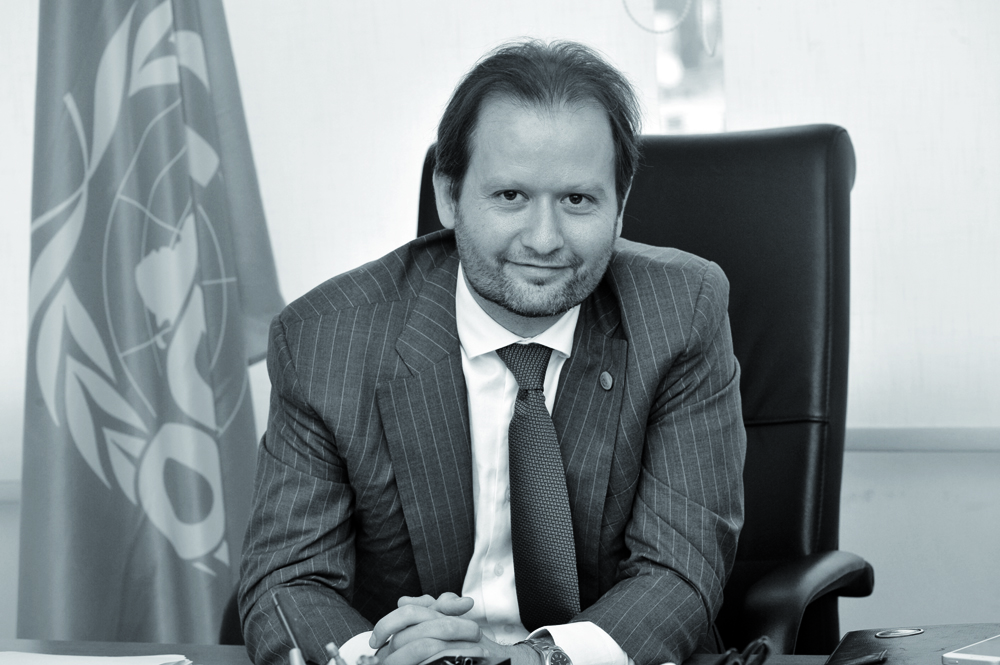
Important partners of Lebanon, such as the European Union and the United Nations, have long advocated sustainable expansion of industrial capacity as a core requirement for Lebanon’s economic development. Past and present collaborative projects such as ELCIM (Euro-Lebanese Center for Industrial Modernization) and the interaction with the United Nations Industrial Development Organization (UNIDO) are testimony to the value that multilateral stakeholders attach to proper industrial growth. A new phase of interaction with UNIDO started to shape up in 2014 and to find out more, Executive sat down with Cristiano Pasini, UNIDO representative and director for Lebanon, Jordan and Syria.


What is UNIDO’s role when it comes to working with Lebanon’s industrial sector?

In Lebanon we have four ongoing programs. One is the Community Empowerment and Livelihoods Enhancement Project (CELEP), which is in its third phase now after supporting small companies and agriculture cooperatives. We launched this [third phase in October 2014], focusing on creative and cultural clusters of industries, and tackled a very specific sector, which is very much in tune with the potential of Lebanon’s creativity and cultural heritage. Besides CELEP, we have one program for supporting the transfer of environmentally sound technologies — this program is regional but we have a component focused on Lebanon. And we are also working to offset the effect of the Syrian refugee crisis by supporting communities in vulnerable areas through industrialization — a project that supports productivity and job creation.


Can you give a ballpark figure for your overall budget for Lebanon?

It [depends] on the flow of projects, but we deliver support to industries of around $1.5 to $2 million per year. The volume of funds for international assistance varies depending on the moment. For example, after the war in 2006 we had a huge amount of funds — I think more than $10 or $12 million.


If you take, for example, the assistance provided after the 2006 conflict, did you have any metric saying how much return on that investment was generated?

One of the major activities we did was trying to put industries back on track that were affected by the war. We are a specialized agency, first of all, we are not a generalist agency. So we [emphasize supporting] companies that have the potential and the capacities to grow, so they can increase employment and we help them to become more competitive and become exporters. [Lebanon] created quite a significant number of jobs throughout that period [and] what is meaningful is that we noticed that for each dollar [UNIDO] invested in the companies, the companies self-invested three dollars — the multiplier effect.


[pullquote]There is a direct correlation between industrialization and the wellbeing of the people [/pullquote]

Do you have a forward-looking agenda where you can say what you will look to accomplish in 2015 and beyond?

I just arrived 10 months ago and this has been a very positive year because we started three new initiatives [and] we found much greater willingness among the international community for supporting productivities; that is not the normal case with certain partners.


Is that because of the Syrian refugee crisis?

[Yes,] that is because of the Syrian crisis. We realized that humanitarian assistance is, at a certain point, going to be reduced because the governments will not [be able to] afford to support [refugees in the long term]. So there is a need to create livelihoods and jobs, so people can start earning their own livings. Productivities and job creation warrant much more focus from the international community. There is a huge opportunity for export here in Lebanon; we have a strong agro-industrial sector, small companies but there is a lot of potential. We see also potential in the creative and cultural clusters industries, and I think the international community has also started realizing that it is important to support the productive fabric, the manufacturing fabrics of society.


What are the drawbacks — the barriers — against actually increasing industrial productivity and output in Lebanon?

There is a direct correlation between industrialization and the wellbeing of the people. We have strong statistical evidence that this is the case; the more a country is industrialized, the greater the wellbeing of its people. Sometimes this way of thinking is not very much in tune with certain constituencies in Lebanon, but industrialization is indeed very important. There are areas where obviously there is a lot of work to do. [With regards to] creating a more conducive business environment — in terms of regulations — we’re working closely with the Ministry of Industry to make sure there are programs to address the different aspects. One element that I feel is very important is the lack of data in the industrial sector.


Does UNIDO find the lack of availability of statistical data regarding industrial manufacturing to be a weakness?

This is something very close to my heart and I’m trying to discuss this with the Ministry of Industry to [encourage them to] have a very strong statistical department. I think we need more solid data to supply to the public and to the private [sector] to understand the pulse of the situation. If you don’t have the pulse it’s difficult to think about policy.


How important are exports when measured in comparison with the domestic capacity for demand for advanced manufactured products made in Lebanon?

We don’t target exports; UNIDO normally has several indicators in the statistical department. One is what is called ‘manufacturing validation’, which deals with the idea of manufacturing capacity and net imports of unfinished goods of manufacturing capacities in the country. For Lebanon, the latest numbers that we have are around 8–10 percent, which is still very low. The second element is the link — what we call a competitive industrial performance index — which is benchmarking a country against others. These two elements give you a quick snapshot of how the industrial sector is performing, together with the manufacturing valuation per capita. Where do we stand in Lebanon? For the manufacturing validation we stand at 8 percent; for me we need to work to increase this to a higher value. Certainly, 15 or 20 percent, like [in] some industrialized countries, would be a perfect situation. That’s the kind of probable target we will try to reach. One of the issues UNIDO is working on is to try to help industry to grow in specific areas. That’s why you hear a lot about industrial parks and industrial zones — this is something we’re very much willing to support.


[pullquote]We can become the conduit, we can become the underlying force, but it requires a lot of support from others[/pullquote]

But it hasn’t happened even though they’ve been —

Well they’re working on that, it takes time. Industrial zones are not an easy task. First, to approach the issue of industrialization in general, not one single ministry or one single international organization can [perform alone]. We can become the conduit, we can become the underlying force, but it requires a lot of support from others — other ministries, private sectors [and] different international institutions.


Development economist Ha-Joon Chang of Cambridge University has been extremely critical of the policies of the World Bank and industrialists saying the capacity for industrial manufacturing distinguishes the rich from the poor among nations.

Tell me one country in the developed world that became developed without passing through manufacturing.


Absolutely, but one of the things he was very critical of is that industrialized countries — such as Germany or Italy, as well as all the multinational agencies — are preaching free trade and abandoning protectionism whereas [developed economies] all grew through protectionism. So in this context, what is UNIDO’s position today on, for example, Lebanon’s ascension or non-ascension to the World Trade Organization?

I am starting from the same argument. How do you foster industrialization in countries — what are the tools? The first thing you have to do is look at what you have on the ground, so you need to have numbers — statistics — [to give] a good picture of the industrial sector and a good picture of the potentiality. Then you can frame a strategy. Industry needs support. Let me clarify, not support just to protect, but support [to promote] competitiveness. [UNIDO] wants to support development because [companies] need to link into global trade. And to link to the global trade they need to become competitive.


Between compliance with European standards — environmental sensitivities and product integrity — labor conditions in production, and the numerical output capacity to serve a market like Russia — what are the main obstacles for Lebanese manufacturers?

I think for business normally the bottleneck is in demand. In this case we’re in the positive side in supply, which is the easiest to address, except for industrialization and industrial products. For agriculture production, I’m not the best expert to speak but I think [Lebanon] would require much more land to be able to supply this kind of market.


For 2015, do you have an expectation of what percentage of GDP Lebanese industrial output will be able to contribute?

No, because we are not in control of industrial production. If I hope something for 2015, it’s that we can establish a strong metric and statistics system here, which would be useful not only for UNIDO but for the ministry and the private sector.

My discussions with the minister of industry are on a daily basis on UNIDO programs supporting stronger industrialization. This includes industrial zones, continuing to support small and medium companies, moving towards environmentally sustainable industries and building an upgrading program for industry — possibly supported by the ministry — to leverage financial funds from banking as a financial tool.


Have you been in discussion with the major banks or the banking association?

We first are trying to create consensus with the major stakeholders and donors. Then when something solidifies, we will hold discussions directly with the bankers. I’m sure they would be very interested.

December 11, 2014 0 comments
0 FacebookTwitterPinterestEmail
Comment

Industrial revolution 2.0

by Barbar Akle December 11, 2014
written by Barbar Akle

Technological leaps are almost always accompanied by a loss of jobs. Tailors, blacksmiths and letter carriers are all either obsolete or in steep decline thanks to advances over the past several hundred years. Yet most of the time, these losses are outnumbered by new positions created as a result of such destructive technologies. The companies now pioneering automation technology often demonstrate this apparent contradiction.

This present future

Currently, the field of automation and robotics is experiencing rapid developments due to the accelerated progress of artificial intelligence, computer vision, micromanufacturing and rapid prototyping. This means that complex and intelligent machines will start replacing some jobs, while also providing convenience and personal assistance. State of the art developments include driverless cars, which are currently being tested in the UK and some US states, suggesting that autonomous transportation will replace workers in the area of public transport.

Robots are already roaming around some hospitals to entertain patients and check on their needs. With further development, these automatons will eventually reduce the need for healthcare workers. Similar examples include microsurgical robots that are being augmented with artificial intelligence, smart automated building management systems, automated quality control, industrial automation, smart traffic control, 3D printed food, automated sushi belts and robotic waiters, to name but a few. This is not science fiction; it is happening today, and soon enough robots and other mechatronic systems will be handling many chores in the industrial, personal and service sectors. These and other technologies provide industries with several opportunities to improve their production at a lower cost.

Lebanon is ready for this endeavor. Several local mechatronics and automation companies are well established and have experienced noticeable growth. Most importantly, talented engineers and computer scientists are graduating from Lebanese universities — and they are the largest investment in mechatronic undertakings. This talent has been highlighted by several Lebanese engineers, who have been winning the “Stars of Science” award since 2008, with mechatronic inventions ranging from an autotuning product for stringed musical instruments to a waterproof heart rate measuring device. Lebanese American University (LAU) student Rania Bou Jaoudeh is currently in the final stage of the competition with an automated zucchini corer.

High tech, lower cost

Developing mechatronic systems is becoming cheaper and faster. Recently, substantial improvements have occurred in 3D printing and computer numerical control manufacturing technologies. 3D printers are becoming very cheap — some models go for as little as $500 — and versatile, with a wide variety of printing materials, precision and dimensions. Full sized cars, shoes and several types of food are just a few examples of products that are being shaped with 3D printers. The rapid prototyping–manufacturing technologies, along with elaborate computer aided design (CAD) software, are enabling fast and cheap product development. On the electronics side, the market is saturated with low cost microcontroller boards (a self-contained small computer on a chip with required peripherals to interface with the real world) with an open source development environment. Finally, off the shelf robust programmable robots are available and becoming cheaper — between $2,000 and $10,000.

In short, low cost rapid prototyping, elaborate CAD software, and simple and cheap microcontrollers are resulting in a fast and efficient method to design and prototype mechatronic systems without the need for large investments. The required initial investment to develop these systems is developing in a similar way to that of information and communication technologies. With low capital investment, the main cost is for human talent and creativity.

Lebanese entrepreneurs and industrialists should consider the vast fields of mechatronics, automation and robotics. There are numerous opportunities, ranging from new mechatronic product development for startups to the automation of several processes in established industries. Big acquisitions in this field are yet to come, but let’s hope a Lebanese startup or company will soon hit the news.

December 11, 2014 0 comments
0 FacebookTwitterPinterestEmail
  • 1
  • …
  • 171
  • 172
  • 173
  • 174
  • 175
  • …
  • 686

Latest Cover

About us

Since its first edition emerged on the newsstands in 1999, Executive Magazine has been dedicated to providing its readers with the most up-to-date local and regional business news. Executive is a monthly business magazine that offers readers in-depth analyses on the Lebanese world of commerce, covering all the major sectors – from banking, finance, and insurance to technology, tourism, hospitality, media, and retail.

  • Donate
  • Our Purpose
  • Contact Us

Sign up for our newsletter

[contact-form-7 id=”27812″ title=”FooterSubscription”]

  • Facebook
  • Twitter
  • Instagram
  • Linkedin
  • Youtube
Executive Magazine
  • ISSUES
    • Current Issue
    • Past issues
  • BUSINESS
  • ECONOMICS & POLICY
  • OPINION
  • SPECIAL REPORTS
  • EXECUTIVE TALKS
  • MOVEMENTS
    • Change the image
    • Cannes lions
    • Transparency & accountability
    • ECONOMIC ROADMAP
    • Say No to Corruption
    • The Lebanon media development initiative
    • LPSN Policy Asks
    • Advocating the preservation of deposits
  • JOIN US
    • Join our movement
    • Attend our events
    • Receive updates
    • Connect with us
  • DONATE