• Donate
  • Our Purpose
  • Contact Us
Executive Magazine
  • ISSUES
    • Current Issue
    • Past issues
  • BUSINESS
  • ECONOMICS & POLICY
  • OPINION
  • SPECIAL REPORTS
  • EXECUTIVE TALKS
  • MOVEMENTS
    • Change the image
    • Cannes lions
    • Transparency & accountability
    • ECONOMIC ROADMAP
    • Say No to Corruption
    • The Lebanon media development initiative
    • LPSN Policy Asks
    • Advocating the preservation of deposits
  • JOIN US
    • Join our movement
    • Attend our events
    • Receive updates
    • Connect with us
  • DONATE
Private EquitySpecial Report

Introducing private equity to MENA

by Executive Staff March 14, 2008
written by Executive Staff

The face of Middle Eastern private equity is young and vibrant, but its age does not exempt it from the challenges of the next five years as it matures through its adolescence. The enormous potential for new projects is countered by the still present, but shrinking, lack of understanding of the private equity business. As the macroeconomic winds change, private equity firms must understand how closely related they are to the forays of financiers into the developing markets of years past.

During the development of another growth prospect — that of Sub-Saharan Africa in the 1970s and 1980s — firms financed ships to deliver concrete to the plethora of countries looking to the West for an example of how they should pursue their development. Concrete was the necessary commodity for the slew of infrastructure projects planned, for transportation channels and infrastructure, including the ports in which the boats would dock, as well as other structures for industry.

When the projects turned sour, however, the ships of concrete waited at the ports until their cargo solidified. Fund managers in developing markets must realize that they are today commanders of new ships and commodities, and they should learn from the experiences of previous developing markets.

Many in the region desire the efficiency that private equity can bring, but countries are choosing different rates at which they want to import private equity as a commodity and to allow the financiers to bring their know-how to a host of regional businesses. Saudi Arabia and Kuwait are looking to attract private equity at a slower pace than their more liberal neighbors in the rest of the Gulf Cooperation Council. However, the question is not what private equity firms can do for the region, but how can they do it?

Finding the right balance

How will a private equity player tailor Western-style value creation, restructuring principles and due diligence procedures to family-owned and operated businesses with a history spanning several generations, some of which precede the modern state in the region? What can we expect to see as the next generation changes their ideas towards competition, growth, and efficiency by welcoming private equity firms to develop and turnover their businesses in new markets?

Private equity strategists must learn the geography, the climate, and the competition as they seek not only to expand their reach, but the reach of their investments. Regional firms can offer their product to the rest of the world if they receive the proper blend of Western expertise and regional know-how.

One successful deal with a regional player — whether they are an investor or investee — establishes a relationship which can be harnessed and synergized to create more deal flow and generate returns. Private equity firms understand this and pride themselves on the relationships they have been able to establish over the past few years of the industry’s infancy in the region.

As the industry matures and goes through its adolescence, private equity firms and private businesses will realize the importance of their relationship, but the conditions in which firms operate will change and a consolidation in private equity players will ensue.

A new mathematics will combine Western metrics with regional logic to create a new brand of due diligence for acquisitions, managing corporate governance and preparing investments for a host of exit options — of which the IPO is increasingly gaining speed on regional capital markets. The new logic will find businesses implementing the most efficient of procedures, colored by a local accent and a nod to the Middle Eastern market.

Much of the region continues to depend on imported knowledge to increase efficiency and thus make development schemes more effective, but it will take the efforts of everyone involved — including family-firms, private equity players, and regulators — to make sure the ships of private equity reach their ports before the cement dries.
March 14, 2008 0 comments
0 FacebookTwitterPinterestEmail
North Africa

Through the roof

by Executive Staff March 14, 2008
written by Executive Staff

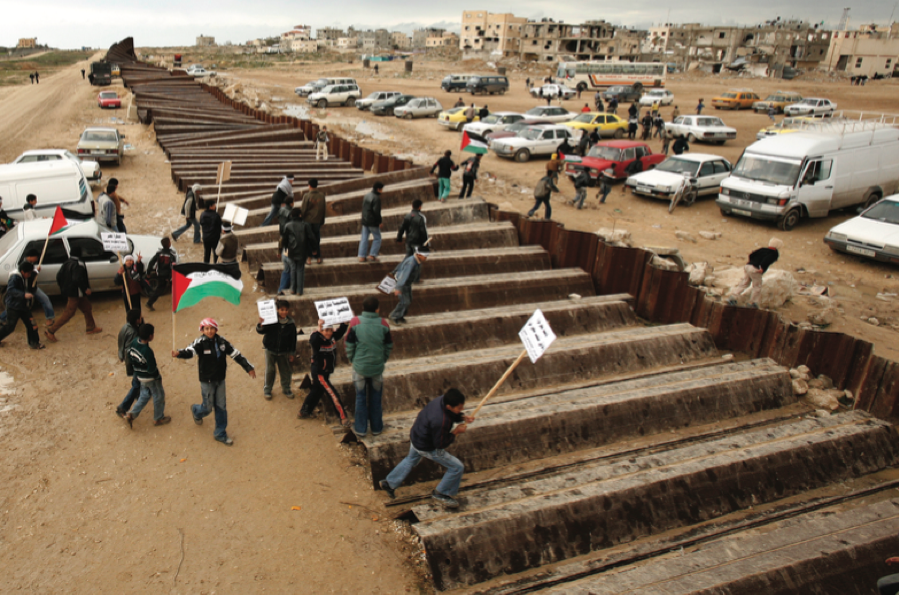
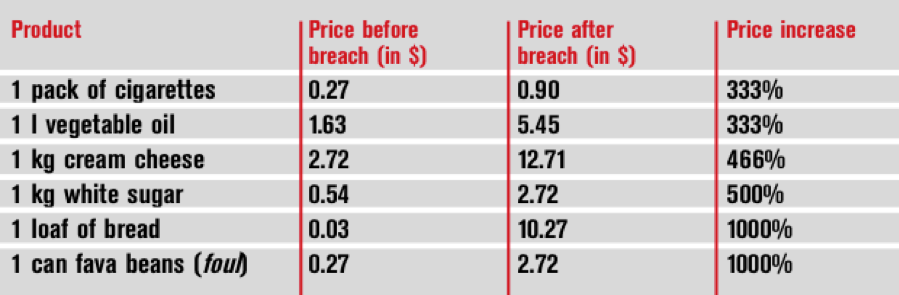
When Palestinians breach­ed the border wall separating Gaza from Egyptian Sinai, one of the unintended outcomes was a testimony to the capitalist laws of supply and demand, and, even more unintended, to the fact that in times of economic crisis there develops a conflict between the innate desire of merchants to make the highest-possible profit with a popular expectation of the state to maintain a “moral economy”.

Or, to put it in other words, the shops and markets of the North Sinai governorate, far removed from the main population centers on the Nile and counting only a little over 300,000 inhabitants, were not prepared for a sudden influx of tens (if not hundreds) of thousands of Gazans trying to buy as much as possible before the border would be closed again, and thus prices skyrocketed.

As residents and reporters on the ground observed, prices for basic commodities on average increased three-to-fivefold, and in some cases to over 10 times of what they had cost just the day before the border breach. 

Overall, during the two weeks of the border breach, Gazans spent $480 million in Egypt, buying everything from foodstuffs and construction material to motorcycles and satellite dishes. Soon, rumors started to spread that the inflation, and accompanying shortage of goods, had reached the Suez Canal governorates. This and the angry reaction of local Egyptians, many of whom saw their average monthly income of EGP300 being eaten away by this sharp price hike, was one of the reasons for the Egyptian government to close the breach as quickly as possible and force all Palestinians back to Gaza. However, the concomitant policy of not letting any supply trucks east of the Suez Canal until the border was resealed — the idea behind this decision that, once the stores in the Sinai are empty, the Palestinians would voluntarily return to Gaza — also meant that the Sinai residents had to wait with their purchases of everyday goods. How the Egyptian government wants to get out of this “damned if you do, damned if you don’t” situation, should another border breach occur, is anyone’s guess.

March 14, 2008 0 comments
0 FacebookTwitterPinterestEmail
North Africa

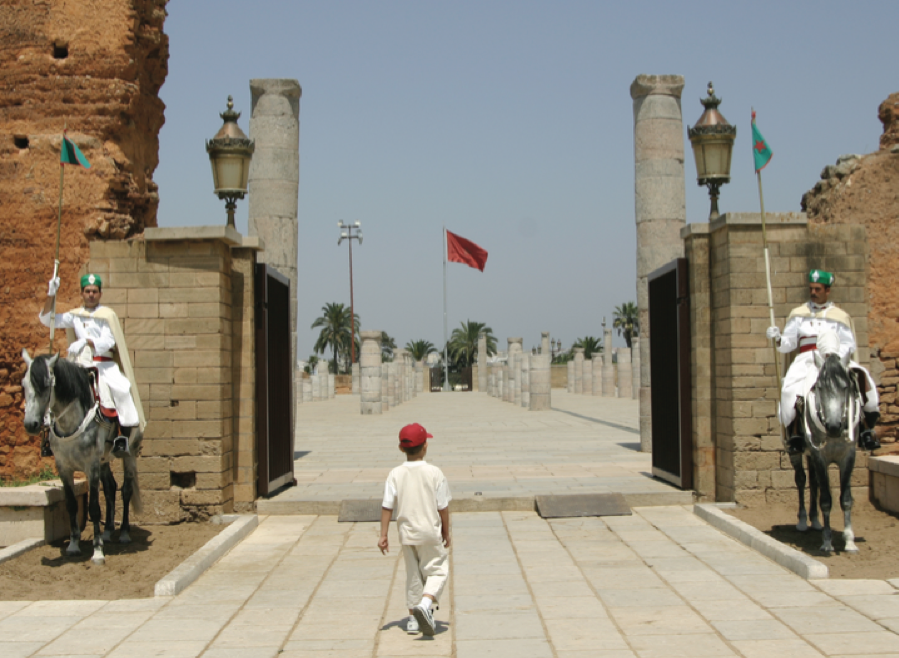
Morocco – Tourism

by Executive Staff March 14, 2008
written by Executive Staff

Moroccan national holding company Société Nationale d’Investissement (SNI) has purchased one-third of the investment group Societé Maroc-Emirats Arabes Unis de Développement (SOMED), it confirmed on February 1. SNI spent $161.9 million on shares owned by institutional investors and the Abu Dhabi Fund for Development (ADFD) in SOMED, which has interests in tourism, real estate, metals and food. In 2006, the firm reported a net income of $26 million on a consolidate turnover of $181 million. It is controlled by Morocco’s royal family and was founded in 1982 as a joint venture between Morocco and the United Arab Emirates with the aim of luring foreign capital and expertise to major projects in the kingdom. After SNI’s investment, ADFD’s share in SOMED has dropped from 50% to 33.9% and the Moroccan treasury retains its 33.25% stake. The deal represents a new era for SNI, which has traditionally had a portfolio of significant investments, but not non-majority investments. It has not played an operational management role in its holdings in the past, though it has been actively involved in strategic planning in various capacities. The deal shifts control into Moroccan hands and is seen as an opportunity for SNI to tap into the fast-growing areas of the economy in which SOMED operates.

Cracking the whip

A statement by the national holding company specified tourism as “a sector that is vital to the Moroccan economy,” giving SNI “an opportunity to put our financial resources to work.” SNI’s intentions toward SOMED’s other holdings remain opaque, but the real estate division has synergies with the tourism wing, while food and metals are two of Morocco’s stronger export-oriented industries. SNI’s purchase of a share in SOMED has been widely praised as good business. “Everyone is a winner in this deal,” said one investment analyst privy to the purchase. “The investors have realized a good return and SNI has made a good investment.” According to analysts at BMCE Capital, the firms are a good match. “SOMED is henceforth controlled by Moroccan interests that should provide a serious crack of the whip for the development of this holding, which is known for its discretion and prudence in investing,” they said in a statement. “Ultimately, this deal raises other questions concerning the opportunity to realize certain synergies between the two groups, notably in the sphere of telecoms, real estate, metallurgy and trade.” For the time being, however, the focus remains on tourism. SOMED has been heavily involved in developing the industry in line with King Mohamed VI’s Vision for 2010, which aims to increase visitor number from 7.4 million last year to 10 million by 2010. In accordance with this, the number of visitor beds is set to increase to 160,000 from fewer than 140,000.

Government support for tourism

SNI’s investment in SOMED is indicative of the potential of Morocco’s tourism sector, as well as the government’s confidence in it. In 2007, the sector brought around $6.5 billion into the economy, an increase of 12% on the previous year. SOMED currently owns a total of 3,000 visitor beds through properties in Casablanca, Tangiers and Agadir; it controls hotels operated by the Sheraton and Palmyra franchises in Marrakech. The firm also has a number of key developments underway in Morocco at present. One such is the Raffles resort presently under development in Marrakech. The hotel at the center of this development is likely to contain around 150 rooms, 36 luxury villas and a spa, although final details have yet to be released. With Moroccan property developer Addoha, it is building apartments at several sites across the country, on a total of 250 hectares of land. SOMED has also partnered with Caisse de Dépôt et de Gestion du Maroc (CDG) to become involved  in the 3700-bed Mazagan project, part of Morocco’s Plan Azur, a six-resort strong “intelligent seaside tourism project” which will include eco- and health-tourism developments. Morocco’s tourism sector is a natural area of interest for investors, given growing visitor numbers and the government’s support. SNI will be hoping to capitalize on local knowledge, economies of scale and synergies with SOMED to make a formidable domestic player in the industry.

March 14, 2008 0 comments
0 FacebookTwitterPinterestEmail
North Africa

European-Med cooperation

by Executive Staff March 14, 2008
written by Executive Staff

Moroccan minister of foreign affairs and cooperation Taiev Fassi-Fihri announced a new drive to strengthen and deepen relations with the European Union (EU) by securing “advanced status” with the bloc. Farri-Fihri told the EU Mediterranean Rim Cooperation conference that broadening market access and economic integration would benefit both Morocco and the countries of the EU. The conference was a “five plus five” meeting between EU members France, Italy, Portugal and Malta and Morocco, Tunisia, Algeria, Libya and Mauritania. Several European leaders, including European commissioner for External Relations and Neighborhood Policy Benita Ferrero-Waldner and Spanish foreign affairs minister Miguel Angel Moratinos have endorsed the concept, and negotiations are expected to commence in the spring. Ferrero-Waldner highlighted the important role that Morocco plays in the fight against terrorism and illegal immigration; trade ties between the EU and the North African country are also particularly strong. Some 60% of Morocco’s trade is with the EU, the world’s largest market. While 59% of this is currently accounted for by textiles, which Morocco exports in large quantities, growth sectors such as the automotive industry and agriculture are also exporting to the Union. In 2006, Morocco’s exports to the EU were worth $10.5 billion, with goods worth $15.1 billion going in the other direction. A large proportion of foreign direct investment in the North African country comes from the EU, and France in particular has been increasing its interests there over the past year, including in tourism. Millions of European tourists visit the country annually, and the government is aiming to increase numbers further.

New state of cooperation

“We must enter a new stage in cooperation between Rabat and Brussels,” said Benita Ferrero-Walder, noting that a working group on EU-Morocco relations established in July last year by the Morocco-EU Association Council, had already laid the foundations for strengthening ties. She praised Morocco’s history of commitment to security cooperation with the EU, including its involvement in ALTHEA, the bloc’s military operation in Bosnia-Herzegovina in 2004, as well as joint anti-terrorism projects. Moratinos asserted that the EU’s Mediterranean members would lead the push to award Morocco “advanced” status. The Spanish foreign minister went on to say that Spain would use its presidency of the EU in 2012 to cement the prospective agreement. While the call for “advanced” relations with the EU have made headlines, to a large extent it represents a reassertion of the integration process that is well underway. Morocco’s association agreement with the Union, signed in 1996, passed into force in 2000, giving Moroccan industrial products duty free access to the EU market. The Morocco-EU Association Council provides an ongoing process of discussions on trade, politics and regional security. In 2006, Morocco signed an open skies agreement with the Union, liberalizing transport links between them; dialogue on industrial and investment cooperation as well as the opening up of agriculture and fisheries trade, are already underway.

There is a real hunger among the Moroccan authorities to keep up the momentum. Youssef Amrani, director general of bilateral relations at the foreign affairs ministry, said that advanced status would give a boost to Morocco’s development and help the EU to tackle “increased risks in the region”, which it should view as a priority. King Mohammed VI has also thrown his support behind the increased cooperation, urging France to help Morocco achieve advanced status, which seems likely, given French President Nicholas Sarkozy’s strong Mediterranean policy. France takes over the EU’s rotating presidency in the second half of this year, giving Morocco — and indeed France’s other North African allies — the perfect window of opportunity to press their case.

While relations across the Mediterranean continue to strengthen, there is still a frustrating lack of progress across the Sahara; trade between Morocco and its Maghreb neighbors is still sluggish. The Arab Maghreb Union, which was founded in 1989, has more or less ground to a halt. At the conference, Moratinos encouraged the five countries to work on the creation of a common market, adding that the other countries could then benefit from Morocco’s advanced status. Spain and Morocco are now leading calls for another “five plus five” to discuss Maghreb economic integration.

March 14, 2008 0 comments
0 FacebookTwitterPinterestEmail
North Africa

Beyond the coast

by Executive Staff March 14, 2008
written by Executive Staff

Figures recently published by CETO (The Association of French Tour Operators) and FRAM travel agency appeared to paint a rosy picture of the Tunisian tourism sector in 2007. CETO’s figures showed an increase in French tourists of 3.8% for Tunisia, compared to a decline for Morocco by 2.8%. By comparison, FRAM’s figures had French tourism to Tunisia up 5%, and Morocco down between 2% and 3%.

However, all is not well in Tunisian tourism. Behind these apparently impressive figures lie some worrying trends. Arrivals from other European countries were down — Germany by 6% to 514,000; Italy by 4.3% to 440,000; and the UK by 11% to 312,000. Moreover, average spending per head in Tunisia is only $333, well under half of Egypt’s $850 and less than a third of Morocco’s $1,040. Growth in the sector is down to just 3% annually.

Tunisia’s problems are primarily structural. The poor level of returning tourists is often attributed to second-rate service and badly maintained facilities in many hotels. Even the country’s monetary authority, the Central Bank, said in its annual report that, despite efforts by the public authorities results remain below target and “operators in this sector need to focus more closely on improving the quality of services, which remains the key to non price competitiveness.”

The need to diversify

Other experts see different problems. Fitch Ratings believes Tunisia’s tourism sector now suffers from the massive drive to increase bed numbers which has resulted in a non-diversified over-capacity, based almost entirely on seaside hotels, and the hoteliers’ resulting dependence on international tour operators for selling their rooms. One industry insider told OBG that “despite diversifying, Tunisia has not been able to shake off its image as a mass tourism destination.” Constrained by its seasonality, Tunisia must further diversify tourist activities and infrastructure by maximizing its resources. “The means and abilities exist but Tunisia does not develop and promote its tourism sector efficiently enough at the international level,” the same observer said. Poor promotional schemes have also brought criticism from the Federation Tunisien des Hoteliers. Federation president Muhammad Belajouza says promotional budgets are not an expenditure, but an investment, which is profitable even in the very short term. For each 1,000 dinars ($770) invested in tourism, he said “we can get at least double back in convertible currency. This has been proved in the past”.

The national tourism authorities know the sector must do better, and are attempting to tackle the problem. The National Tourism Office and the Ministry of Tourism have set up three working groups with the hotel federation, focusing on quality, training programs and the sector’s financial situation. The national Mise à Niveau (upgrading) program has also turned its attention to tourism, with 45 hotels selected for the first phase of the project. Ultimately, 150 hotels will be renovated as part of this program. President Ben Ali has turned his attention to the sector also, calling for the development of a national strategy to take the industry up to 2016.

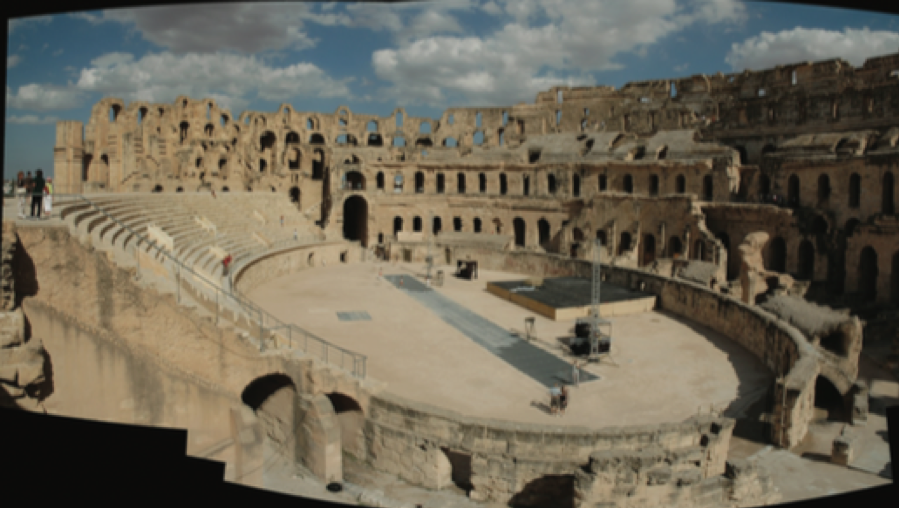
However, if Tunisia truly wishes to compete with Morocco, it must diversify beyond seaside tourism and make more of its enviable cultural heritage. Currently only about 10% of foreign visitors take the time to step outside their resorts, while the consumption of cultural heritage isn’t much better among the Tunisians themselves. The historical site of Carthage port is currently little more than a ditch, and tourists wishing to sample the delights of the Punic coast must contend with taxi touts and poorly regulated “guides”.

Steps have been made in this area: in 2001 the World Bank financed a $25 million Cultural Heritage Project, and more recently $30 million has been allocated for the development of Carthage-Sidi Bou Said National Park. Compared with the billions earmarked for real estate developments half an hour down the road in Tunis, these are distinctly small fry. A truly forward strategy by the government would see much more money invested into these sites, and more work done to promote them.

It is certainly possible, and there are signs that Tunisia may be heading in the right direction. On the picturesque island of Djerba — Homer’s Isle of the Lotus Eaters — one has a plethora of over-priced, second-rate and poorly-maintained mass-market seaside hotels to choose from. Or, for less than $30 a night including breakfast, you could stay in a renovated funduq such as the Erriadh in Houmt Souk, and experience some authentic Tunisian charm.

March 14, 2008 0 comments
0 FacebookTwitterPinterestEmail
North Africa

Downstream energy industries

by Executive Staff March 14, 2008
written by Executive Staff

Algeria is moving to strengthen its position in downstream energy industries, part of a program to further develop the value added component of its energy and natural resources and increase local employment opportunities, especially in outlying regions. Total investment in the energy sector over the next four years is expected to reach $45 billion.

Over the past 18 months, Algeria has launched a series of projects to develop new petrochemical plants or to upgrade existing facilities. One of the major planks in the campaign to expand downstream capacity is a massive ammonia and urea fertilizer production plant to be located at Arzew in the country’s west.

The new plant is a joint venture between Algeria’s state-owned hydrocarbons company, Sonatrach, and Orascom Construction Industries (OCI) of Egypt. The Egyptian firm will act as lead project developer, with a 51% stake in the development and total investment is expected to be $746 million. When completed in 2010, the plant will produce 1 million tons of ammonia/urea fertilizer a year, along with an additional 700,000 tons of ammonia. Local press reported on January 28, 2008, that as many as 7,000 jobs will be created during the construction phase of the project, more than twice the original estimate. The 33-hectare site of the facility is located close to the port of Arzew, which has been extensively developed since the 1960s as a hub for Algeria’s petrochemical industry. The site is home to several large gas liquefaction and LPG units, which will ensure the new ammonia plant will have access to the necessary hydrogen feedstock. Last year a joint venture, Sorfert, was incorporated to manage the operations of the facility. The company brings together two of the biggest players in the Algerian economy: Sonatrach, the state-owned gas and petroleum operator, is the country’s largest company, while Orascom is one of the leading foreign investors in Algeria, with holdings totaling around $10 billion.

Poised to become leader in production

Ammonia and urea are produced by taking nitrogen from the atmosphere and lining it with hydrogen from hydrocarbons, a method known as the Haber process. Natural gas is the most cost effective and environmentally-friendly feedstock for this process. Algeria, with strong gas reserves, has the wherewithal to become a market leader in fertilizer production — domestic gas costs are around 12% of those in Europe or in the States.

According to Osama Bishai, OCI’s director of projects, rising gas prices are resulting in the shifting of gas-based industries from the developed world to developing countries.

“Lots of plants in Europe are being shut down and their markets are being served by new plants in Algeria, Egypt and the Gulf,” Bishai said in an interview with local media last December. OCI’s involvement in the fertilizer industry is fairly recent. In October 2005 it gained a 50% stake in Middle East Petroleum Company (MEPCO), which is currently constructing a 2000 ton per day ammonia plant in Ain Sukhna, Egypt, through its 60% owned subsidiary Egyptian Basic Industries Corp (EBIC). This $540 million plant is due in early 2009.

Algeria already has a chemical fertilizer industry. An existing ammonia production facility, sited at Arzew, has an annual output of 365,000 tons and an associated urea plant able to turn out 146,000 tons per year. However, the original facilities were built in the early 1970s and, though upgraded in the late 1980s, do not have the same capacity or modern technology as the new plant.

Demand for chemical fertilizers is growing, and OCI and Sonatrach are confident their joint venture will be a profitable one. In addition to the advantage of low production expenses, it will benefit from Algeria’s proximity to European markets, meaning that Sorfert can keep shipping costs down. Bishai said that OCI was looking at an annual return on its investment of between 16% and 18%. “There are good margins now and we are very optimistic about the future,” he said. “Once we are in production, we expect to enjoy relatively good margins, and if shipping costs continue to be high we will have a major advantage.” With global fertilizer prices at near record highs, prompted by increased demand due to the drought conditions experienced in many parts of the world and soaring gas prices, Algeria’s policy of investing in downstream industries could result in a rich harvest.

March 14, 2008 0 comments
0 FacebookTwitterPinterestEmail
North Africa

For the love of cows

by Executive Staff March 14, 2008
written by Executive Staff

For three years now peace has reigned in Juba, administrative center of South Sudan, which as a result has expanded rapidly, as people from all of southern Sudan’s numerous and varied ethnic groups are drawn to the new capital. But whatever the tribe — pastoralist, agriculturalist or a mixture of the two — everyone wants at least one cow to be slaughtered for their wedding. “The problem is that a good bull can cost over $1,200 and even a cow something like $500,” a local government official said. Similar figures are cited all over town and other parts of the south are only moderately cheaper. Even for the newly moneyed southerners, those who have attained government contracts or who form part of the massively oversized, oil-funded civil service, a cow for the wedding feast is a major expense. The problem is, explained the official, that southerners would rather keep or trade their cows for marriage than sell them for cash. It is an attitude the southern government is trying to change into a more capitalist perspective as semi-autonomous South Sudan struggles to join regional and international markets after decades of civil conflict.

A plentiful supply

High meat-costs and unreliable sourcing also affect Juba’s larger camps and hotels, erected to provide accommodation for the capital’s thousands of new residents since the 2005 North-South peace deal. Many still fly in meat despite being hit with at least 56% import tax at the airport. Juba’s residents, used to paying $2.50 for a semi-warm beer and $1 for four tomatoes, may not find the sky-high cost of meat — a hand-sized lump costing $8 in the market — any more surprising. But post-conflict southern Sudan has no factories or commercial farms. Beer and tomatoes have to be trucked in on the bad roads that link it to neighboring Uganda. Cows, on the other hand, could hardly be more plentiful. John Ogoso Kanisio, director general of planning, investment and marketing at the Ministry of Animal Resources and Fisheries (MARF), estimates that there are probably 8-10 million cattle in the south, making their numbers equal to the human population that is still yet to be confirmed in an April 2008 census. This 1:1 ratio is probably the highest in the world.

Meat or marriage?

“You have to pay cows for marriage, you cannot get it for free or money,” said Awut Nyandeng, who lives in Juba but comes from the pastoralist areas to the north. She has been offered over 400 cows already, which she declined even though it is impressive. The man was too old and she wants to pursue her career before getting married. But for a woman of education, beauty or good family, negotiations between the future in-laws often result in bride prices of more than 200 head of cattle. The major challenge for MARF is to turn hearts and minds away from this stalwart and long-engraved position on cattle to one that can beef up an economy currently painfully dependent on crude oil. Peacetime has turned many minds to marriage, long waited-for during the more than 20 years of conflict. Others, with new jobs, think about a second or third wife. And many in-laws are demanding cows promised as bride-price during the long war years. This backlog, together with a sudden increase in ready cash, has sent the price of cattle sky high, explained Kanisio. “Marriage without cows is as stable and good,” ventured Festo Kumbo, MARF’s minister, at a press conference last year where he asked journalists to help him turn southerners’ to the meat market. He said that selling cattle to market was the only solution to what he sees as an upcoming problem of overgrazing. Swollen herds have already begun to damage some of the South’s extensive pastures in some areas. “We need to re-educate people about using cows for economic gain. Let us use our animals to bring us more money, rather than keeping them in high numbers.”

Uganda trade

The hike in southern prices has reversed a previous flow of cattle out of Sudan to Uganda. Since the January 2005 peace deal Sudanese have imported cows in unprecedented numbers. During the war, southern Sudan supplied northern Uganda with more than 2,000 head of cattle a month. Now cattle are coming in from Uganda. “We have more animals than Uganda but they are bringing them here. Our market is more lucrative because we have made them expensive,” Kumbo said, adding that Ugandans are free to bring in their cattle under a regional free trade agreement, COMESA. He also has other grumbles about the South’s dependency on Uganda. Southern Sudan’s great inland delta — the swampy Sudd — together with the vast Nile contains as many fish as Uganda’s intensely harvested Lake Victoria, he believes. But still, fish are being trucked up, despite the challenges of sometimes flooded roads served by rusting colonial bridges, to be sold in the South’s main towns. As the fish example shows, the lack of commercial animal trade in southern Sudan, massively alienated during the conflict years, is also partly a lack of experience and systems and not just attitudes. Others have said that the shift in cattle trade — with cows now being brought in from Uganda — may also have political roots. Continuing peace talks between the government of Uganda and the rebel Lord’s Resistance Army (LRA) together with a ceasefire agreement have resulted in vastly improved security in northern Uganda, the area that borders southern Sudan. Displaced people are moving back home and trade between Uganda’s north and the rest of the country has increased. Northern Uganda now has more options and is less reliant on meat from south Sudan and those with a surplus look across the border to sell.

Cow banks

South Sudan has a problem with cash liquidity, especially in regional areas just beginning to open up to development, explained Patrick Bettersworth from the southern-owned Nile Commercial Bank. Part of the problem, he thinks, is that for many southerners, the value of money in the bank is just not trusted. “People like to see their wealth. They don’t want a bit of paper saying that they are rich,” he said. Cows are still considered the best way to invest in some parts of the South. As Kanisio pointed out, “We lack banks, so the best way for people in the risky areas is to buy cows.” He sees the vast and river-fed plains of the South as ripe for raising cattle commercially, a practice that the South’s pastoralist tribes have been perfecting for thousands of years. Northern Sudan used to be dependent on the South for cattle and Kaniso sees the whole of drier northern Africa, like Egypt and Libya, as well as the Gulf as potential big buyers. “And our cows are 100% organic!” he brightly exclaimed. But serious investors will probably wait until the World Organization for Animal Health declares Sudan free of the cattle disease rinderpest. “Our hope is that the whole country is declared rinderpest free by end-2008.”

March 14, 2008 0 comments
0 FacebookTwitterPinterestEmail
GCC

The Arab future of Senegal

by Executive Staff March 14, 2008
written by Executive Staff

In the context of the Organization of the Islamic Conference summit in Dakar, in March 2008, billions of Arab petrodollars have poured into Senegal to help realize its ambition to become the “Gateway to Africa”. However, boosting the country’s infrastructure may not be sufficient, as long as major obstacles such as the country’s energy crisis, are not tackled simultaneously.

Situated on the western-most tip of Africa, Senegal is a predominantly Muslim country, although its Sufi-inspired conception of Islam can hardly be compared to what is practiced in most of mainstream Arabia. Still, the 11th summit of the Organization of the Islamic Conference (OIC) is set to take place on March 8-14 in the country’s capital Dakar.

Founded in 1969, the Organization of the Islamic Conference (OIC) represents 57 member states on four continents, which makes it the world’s second largest inter-governmental organization after the United Nations. Its role on the world stage is largely symbolic, yet for the hosting nation it is an ideal platform to put itself in the limelight and attract foreign investment. Senegal has done just that, and is likely to continue to do so as its president, Abdoulaye Wade, over the next three years will travel the world as temporary head of the OIC.

In sharp contrast to decades of semi-socialist rule, President Wade, nicknamed “the builder,” increasingly attempts to liberalize the economy. His dream is to make Senegal a trade and transport hub, as well as the natural gateway to Africa, primarily by boosting the country’s infrastructure. BOT-contracts and private-public partnerships (PPP) appear to be the tools of choice.

Aided by a number of Arab governments and financial institutions, Senegal’s National Agency for the Organization of the Islamic Conference (ANOCI) had a budget of some $750 million to be able to welcome the some 5,000 expected conference delegates in style. Thus, to improve circulation within the Greater Dakar area, ANOCI supervised the construction and rehabilitation of some 40 km of roads, while five luxury hotels and the King Fahd Conference Center have been either renovated, or built from scratch.

Tripling tourism figures

According to Karim Wade, ANOCI head and son of the president, the increase in hotel capacity “not only responds to the immediate needs of the Islamic Conference, but will help Senegal become one of the main tourist destinations in Africa.” In 2007, already some 500,000 tourists visited the country’s beaches, yet the government hopes to triple that figure by 2010.

However, despite all good intentions, in early 2008 it seemed hardly likely that roads and hotels will be completed before the start of the IOC summit. Consequently, with all but 2,500 hotel rooms available in Dakar, ANOCI decided to rent all available hotel rooms between the outlying town of Bakar and the tourist resort Saly, while two cruise ships were chartered to provide extra lodging off-shore.

In any case, Arab investors seem to have discovered the West African beltway, as investments related to the OIC summit are but the tip of the iceberg in terms of petrodollars traveling westward. On April 4, 2007, construction commenced of a new international airport at Diass, a city some 45 kilometer south of Dakar. Built by the Saudi BinLadin Group, the $500 million airport will have a capacity of 3 million travelers and a 3,500-meter long runway that is capable of handling the world’s largest airplanes, including the Airbus A380. Named after a political hero from the past, the Blaise Diagne International Airport (BDIA) is due to be completed by 2010.

According to Modou Khaya, BDIA managing director, there are several sound reasons for the massive investment. “The current international airport of Dakar is heavily congested, and suffers from a lack of comfort and parking space,” Khaya said. As a result of an annual increase of some 5% to 10% in passenger traffic, in 2007 Dakar airport welcomed some 1.8 million people, while it originally had been laid out for only 600,000.

Once located at the empty northern tip of the Dakar peninsula, the current Dakar International Airport today finds itself surrounded by the rapidly expanding suburbs of the Senegalese capital, causing not only problems in terms of access. According to Khaya, the existing airport could only be expanded by extending one of the runways into the sea, which proved far more costly than building a whole new airport.

“Relocating the airport south of the capital will help decongest the capital and offer better access to the tourist area of Mbour and the Diamnado special economic zone,” Khaya added. “It will also allow for the some 800 hectare of territory it currently occupies to be developed into the capital’s leading commercial district.”

The first technical studies for Dakar’s future business district have been completed, but so far it remains on the drawing board. The Diamnado Integrated Special Economic Zone (DISEZ) however, is to become reality, as the Senegalese government on December 15, 2007, signed a contract with Jafza International, a subsidiary of Dubai Holding. Situated some 20 km south of Dakar, DISEZ will occupy a total surface area of 10,000 hectares to offer an investor-friendly, low-tax zone to attract foreign investors.

With a focus on industry and logistics, DISEZ will host up to 1,000 companies and is hoped to create 130,000 direct and indirect jobs over the next two decades. It should be noted, however, that the project is to be built in four phases, the first of which will be completed by 2012. If, for whatever reason, the first or second phase does not produce the hoped for success, further construction will likely be halted.

DISEZ is not Dubai Holding’s only project in the region. Having already invested billions in Tunisia and Morocco, the Emirati giant seems to have discovered life beyond Gibraltar’s “Pillars of Hercules” and firmly set foot in West Africa. On October 8, 2007, another of its subsidiaries, global port operator DP World, signed a 25-year concession to develop and operate the container terminal at Dakar Port and construct, and develop a second terminal. DP World pledged to invest over $700 million between 2008 and 2011.

Constructing the “Port du Futur”

In a first phase of development, $163 million will be spent to modernize the infrastructure of the existing port. Construction is to start in 2008 and will be completed by 2010. The aim is to double the terminal’s capacity from some 375,000 containers in 2006 to around 550,000 by 2010. In a second phase, DP World intends to construct and manage a whole new container terminal known as the “Port du Futur”. With a price tag of some $476 million, this future port is expected to become operational in early 2011, and with a depth of 15.5 meters it will able to handle the latest generation of container carriers.

To many observers, it came quite as a surprise that newcomer DP World had managed to beat, among other rivals, CMA-CGM. The French operator had been present in Senegal for over 75 years and the country, a former French colony, still nurtures strong economic ties with France. The unexpected decision illustrates to what extent DP World, the world’s 4th largest port operator, has become a force to reckon with, as well as the fact that Senegal, in its drive to attract foreign investments, is arguably switching hats: from the French to the Muslim gateway of Africa.

However, in spite of the billions of dollars invested in a new airport, port, special economic zone, roads and hotels, it yet remains to be seen if investments will pay off. Of course, Senegal has its advantages. It is relatively safe and secure, and has enough to offer in terms of tourism. Regarding logistics, it is the most western point of Africa and in that sense could be seen as a natural gateway.

However, the world’s main trade routes are located in the northern hemisphere, between Asia, Europe and the US. Therefore, one wonders where the projected increase in trade for Dakar port is to come from. Brazil? Argentina? What’s more, with an average annual income of some $1,700, Senegal itself offers a limited market. And the same is true for the neighboring countries Mali and Burkina Faso.

Most importantly however, infrastructure consists of more than building ports, roads and hotels. For investors to flock to Senegal there will have to some sort of energy security. Yet the country has no major hydrocarbon reserves to speak of and consequently, in the wake of the international oil price hike it witnessed an energy crisis without precedent. In a way, Senegal is the archetypical example of the devastating consequences of the current oil prices for the developing world.

Between 2000 and 2006, the country’s fuel imports increased from some $400 million to $762 million, the equivalent of 40% of its export revenues. Secondly, the country’s only refinery and handful of power plants suffer from a desperate lack of investment. Due to the rise in oil prices, the national refinery was forced to close down for nine months in 2006, following an acute cash crisis. Help may be on the way, however, as Senegal has signed a memorandum of understanding with the Iranian Petroleum Company to invest in the country’s refining capacities

Meanwhile, while only 16% of the countryside has electricity, Dakar and other cities face regular power cuts, as the national electricity company, Senelec, too faces a major cash deficit “The main problem is that for decades no investments have been made,” said Ibrahim Thiam, chairman of the Electricity Sector Regulation Commission (ESRC). “As a result, Senelec faces a lack of capacity and an outdated infrastructure. In addition, the plants operate on expensive imported fuels.”

Senegal’s power plants operate on an energy efficiency rate of 30%, which means that 70% of every liter of fuel oil goes up in smoke. For years, the World Bank has called upon the Senegalese government to privatize the electricity sector, yet largely due to the outdated equipment, so far no (Islamic) investors have presented themselves.

And thus, at the start of the OIC in Dakar in March, Senegal finds itself between hope and fear. On the one hand, a glorious future lies ahead, symbolized by a state-of-the-art airport, port and free trade zone. On the other hand, the country sits on an energy bomb, which may one day blow away all dreams and ambitions. For let us not forget what a dissatisfied population can do. When President Wade, with an eye on the OIC, ordered that street sellers were no longer allowed in Dakar, the population answered with such a massive demonstration that he was forced to reverse his decision. Some things never change, they say.

March 14, 2008 0 comments
0 FacebookTwitterPinterestEmail
GCC

Prime Pictures

by Executive Staff March 14, 2008
written by Executive Staff

Talaat Captan is not exactly the typical Hollywood producer. He started his career as a domestic and international distributor of motion pictures, moving into the rarified airs of movie production. His films have ranged from science fiction (Prototype) to psychological thrillers (Living in Peril) and action (Ground Control). Captan has also mastered the technical side of movie production as owner of companies such as Air Hollywood, Apex Stocks and Prime Pictures

E How did you get into the movie industry?

I left Lebanon for the United States 30 years ago. After graduating from business school, I worked in a company that specialized in production as well as distribution of movies. I then made the leap to the field of international movie production and licensing. The movie industry is an extremely challenging one. I did not want to work in the studio system where politics reign and preferred to achieve my objectives on my own, by launching my own production house. I also served as a director on the board of the American Film Association (AFMA) for four years, but I lost my seat on the board after 9/11, when things started to become very difficult for Arabs working in the American film industry.

E You also own Air Hollywood, how does this particular activity complement your other operations?

While producing the movie Ground Control with Kiefer Sutherland — which looks into the world of air traffic controllers — I identified the industry need for proper airplane mock-up studios, which prompted my decision to open Air Hollywood. The company features four aviation-themed stages, seven planes and a fully dedicated prop rental and fabrication house. Air Hollywood attracts major Hollywood studios as well as production companies working on films, television programs or commercials. Sets can be booked for $14,000 per day, with average rental periods varying between two to three days. However, some productions have used our sets for more than three months. Certain scenes of Lost have been shot in our studios.

All my companies are related to the entertainment industry. As an example Apex Stock is a stock footage company that provides users with scenes of airplane landing or take off, horses running wild, or Paris in the 1950s that can be used in movies. We also own the TWA 65mm library, which is a great asset in the movie industry. Apex has partnerships with big industry names, such as Getty images and National Geographic, among others.

E With two companies in the US, what brought you to the Middle East?

I am a co-founder of Prime Pictures, a company that specializes in theatrical and home entertainment distribution for a variety of studios such as Paramount, Dreamworks, and Hallmark among others. We also own a number of theatrical screens in the Middle East, with Cinema City in Beirut as part of our landmark projects. In addition, we are opening another mega theater complex in Jordan as well as one in Dubai, in the new Merdef area. We strive to achieve excellence in the theater industry, this can only be attained by providing audiences with the right theater atmosphere as well as a unique viewing experience. The Middle East is a market that is growing steadily. I would like to contribute to the regional industry by producing movies filmed in this part of the world. I have also two movie projects lined up for now, however I am still not at liberty to disclose any information.

E Are producers predominantly brought into a movie or do they seek projects?

It is a bit of both. In the United States, things are much easier because you can depend on the Writers Guild: authors either come up with a story or are asked to write a “treatment” for producers. If the treatment is approved by producers, it will be turned into a script. In the Arab region, the process is much more difficult, as the environment is less structured. Many Arab scriptwriters also find inspiration in other movies, without trying to rely on their talent.

E What management qualities are most important for movie producers?

A producer is the person who holds the whole movie together and handles more particularly its financial aspect. I am familiar with both sides of the movie business, namely production and distribution. A producer has to constantly keep in mind the marketable features of a movie and if, and how, it will appeal to audiences around the world. He needs to consider the movie’s performance in the main markets, foremost the Unites Sates, Germany, and Japan, so forth and be a few steps ahead of everyone. Approaches also vary among different movie genres. As an example, horror pictures might be easy to produce but will eliminate a certain category of audience, due to their nature. Comedy is the hardest type of movie to produce, because it very difficult to make Americans, Japanese and French laugh at the same joke. In terms of production, the US always represents 50% of a movie’s budget, as it usually generates a large proportion of a film’s revenues. As a rule, it is very difficult to produce a movie for less than $10 million, because it will be only viewed in a handful of theaters in the United States.

E How do you perceive the Arab cinema industry?

The Arab movie industry still lags behind other countries. One look at international movie festivals will reveal the relatively low participation of Arab productions. In comparison, Iranian movies are faring much better than Arab productions and are regularly featured in festivals around the world. I personally loved the Lebanese movie Caramel, which was full of talent. The region is in need of such movies. I have also noticed during my frequent trips around the world that Arabic movies are never shown on international TV channels. Arabic producers need to start working on international movies that can be released in English, which will add to their marketability.

E What changes do Arab countries need to introduce to further develop their movie industry?

Censorship is an essential issue that needs to be addressed around the region. Scripts have to be submitted to governing bodies in order to obtain authorizations for filming. In other countries, movie scripts will only be submitted against a government’s financial contribution to the film. The industry is also plagued by low budgets, which amount very often to less than $1 million, which is ridiculously low. However, large budgets do not necessarily guarantee a film’s success, because it also depends on proper budget management. Governments need to encourage movie funding and try to attract trustworthy producers by either offering tax cuts, facilitating the work environment or offering more affordable accommodation.

E What countries in the Middle East do you believe have the most potential in terms of movie production?

Lebanon offers great opportunities but its movie industry is hindered by its unstable situation. Libya is one country in the region that has not been filmed for more than 30 years! It is time to feature its beautiful landscapes in movies around the world.

E What can be the role of Arab movie producers on the international level?

They can promote a positive image of the Middle East. In the United States people can’t differentiate between Arabs, whether they are Iraqi, Lebanese or Palestinians. Arabs are many cultures within one. Movies can help educate people and change their perceptions.

E Where do you see the movie industry in a few years?

Technology is growing at an incredible rate. In a few years, people will be able to view more than 500 movies by using a small box. I think advances in special effects will significantly affect the film industry and movie making will become less and less time consuming.

March 14, 2008 0 comments
0 FacebookTwitterPinterestEmail
GCC

Making movies

by Executive Staff March 14, 2008
written by Executive Staff

Away from the media blitz, the glam and the blinding spotlights inherent to Hollywood, Arab movie production has embarked on its own journey through the seventh art. Talent is everywhere, emerging in the far corners of the Arab world. Executive sheds new light on the region’s industry.

The movie and TV-series production industry in the Arab world is still not sufficiently developed as most features are still imported from the West, said Hani Tamba, director of After Shave (Beyrouth après rasage) and soon-to-be-released Melodrama Habibi. “Unfortunately, it seems that much of Arab energy and funds are poured into the production of video clips instead of films.”

Egypt remains the largest producer of movie and television series, with most other regional countries far behind. Up to 80% of Arab production originates on the Nile. But change is afoot. Recently, a number of Lebanese have gone into producing or co-producing feature films, even if others keep focusing on producing TV commercials and video clips because of their large price tags, with Lebanese productions ranking among the best, according to Tamba.

For the love of the industry

The movie industry exhibits a two-dimensional typology, according to Sabine Sidawi, Lebanese producer of Taxi Service, ZoZo and Yanousak. On one end of the spectrum there are the  large productions such as those shot in Hollywood, Bollywood and Egypt, and on the other end movies shot by independent producers. “Lebanon falls in the latter category which boasts very artistic movies, but lack adequate funding. Many directors, producers or technicians are not in the movie business in Lebanon for the money, but simply for their love of the industry,” she reckons.

The average cost of a movie is difficult to assess as prices vary from one project to the other. Tamba explained that most Lebanese films have relatively modest budgets with directors often producing their movies independently, while a lucky few are able to co-produce with foreign funds. “It is difficult to provide a precise figure, but some movies have been priced well under a $1 million.”

Mario G. Haddad, chairman of Les Fils de Georges Haddad & Co., owner of Empire Cinemas and president of Empire International, exclusive distributors of Colombia, 20th Century Fox and MGM in the Levant and the Gulf countries, estimates movie budgets in Egypt to fluctuate between $1-2 million, with some going up to $5-8 million. “Egypt is certainly a giant in terms of movie production and market size, when compared to other Arab countries,” he explained. Of course, the country’s sheer size is by itself a massive advantage, as movies appeal to a wide audience. In terms of viewing, Egypt and the Gulf countries, where movie theaters are one of the prime places of entertainment, are the biggest markets, with around 7 million entry tickets sold every year in the UAE alone.

For Sidawi, governments play a major role in promoting their national movie industry and liberalizing regulations, reducing red tape and lowering taxation on the film industry. As this will encourage a new breed of producer, as has been  the case in countries such as Tunisia and Morocco. “The king of Morocco is helping support the movie industry. He has recently established a new movie studio and post-production centers, as well as handing out around $300,000 to jumpstart any film project,” underlined the producer who believes such measures will lead to the creation of an independent Moroccan movie industry in a few years.

Similar measures have also been undertaken by the king of Jordan. According to Sawsan Darwazi, managing partner of Jordanian production house Pioneer, the country’s movie industry is still at a nascent stage. Significant improvements have been achieved with the creation of the Royal Film Commission, which sponsors the film industry. As she pointed out, “Recently, two universities started to offer communication art and media courses, which, in a few years, will undoubtedly help promote a new breed of producers, directors and technicians.”

Finding the financial backing

However, the Jordanian producer admits that the movie industry is yet to fully blossom, as most productions are either comprised of drama series or made-for-TV films. “The only recent big Jordanian production is Captain Abou Raed, which was financed by private individuals who pooled their funds.”

Different techniques also play into movie production. Sidawi underlines that movies are usually shot using 35 or 60mm films, or using video footage which is later transferred on film. The different stages in film production — script writing, development, preparation for the movie by selecting actors and music, shooting the film — can only take place after producers have secured financial backing for their movie. In Lebanon shooting may take up to 6 to 8 weeks, whereas this phase is extended to a few months in the US as big production houses can better handle added costs. Post-production — editing, mixing and integrating special effects to the film — requires and additional four to six months, followed by the actual movie distribution.  At this particular stage the lack of funding often compels producers to trade exclusive rights to their movie against TV ads. But as Sidawi points out, “Such agreements grant TV stations exclusive rights to movies, which are not necessarily shown. This practice ties the hands of producers who will have to wait for the exclusive contract to come to end in order to show their movie.”

In such a difficult work environment, combined Arab-foreign productions are not just popular, but rather inevitable, as Arab funding is scarce, explains Tamba. In Jordan, many movies are co-produced with either European or Gulf countries, especially TV films or series. Sidawi estimates that the lack of funds and the need to co-produce with a foreign country may steer movie production away from its original path and into a direction that is not naturally its own. “For instance, European producers will integrate their own perception of a country into a movie, one that is not necessarily favored by their Arab co-producer.  This affects the type of movie we end up producing,” she said. Hani Tamba looks at collaborations with a more positive eye, believing that European co-producers often add a fresh perspective to a project as well as a different know-how. “Co-production is a matter of finding the right alchemy between two countries,” he declared. In Egypt, as Haddad pointed out, the issue of co-production is less tricky as most producers operate independently and do not need to rely on foreign countries to finance their movies.

Empire International’s president emphasized that one main challenge faced by movie producers in the region is crossing the cultural boundaries between countries, saying “As an example, Lebanese movie producers are confronted with two main problems: language or dialect in which the movie will be filmed and its scope. The Lebanese movie Ghnoujet Baya generated around 200,000 admissions locally but very little outside of Lebanon, as it reflects our local specific culture.” On the other hand, movies such as Nadine Labaki’s Caramel have fared very well in Europe, where in France alone it generated around 500,000 to 700,000 admissions. But despite its international success it did not stir much interest in the UAE.

Haddad believes that over the next few years, movie production will face new challenges with the rapid evolution of technology allowing for movie downloads from the internet and facilitating pirating, which indirectly led to the Hollywood writers strike over compensation for content distributed online. The lack of proper viewing has also affected the sector although many changes have been introduced in recent years with the emergence of massive Cineplex in various Arab countries. In the end, the cinema owner knows that both go together. “Movie viewing and production are intertwined: the first acts as a powerful locomotive for the second and contributes in developing a real movie culture.”

March 14, 2008 0 comments
0 FacebookTwitterPinterestEmail
  • 1
  • …
  • 541
  • 542
  • 543
  • 544
  • 545
  • …
  • 688

Latest Cover

About us

Since its first edition emerged on the newsstands in 1999, Executive Magazine has been dedicated to providing its readers with the most up-to-date local and regional business news. Executive is a monthly business magazine that offers readers in-depth analyses on the Lebanese world of commerce, covering all the major sectors – from banking, finance, and insurance to technology, tourism, hospitality, media, and retail.

  • Donate
  • Our Purpose
  • Contact Us

Sign up for our newsletter

    • Facebook
    • Twitter
    • Instagram
    • Linkedin
    • Youtube
    Executive Magazine
    • ISSUES
      • Current Issue
      • Past issues
    • BUSINESS
    • ECONOMICS & POLICY
    • OPINION
    • SPECIAL REPORTS
    • EXECUTIVE TALKS
    • MOVEMENTS
      • Change the image
      • Cannes lions
      • Transparency & accountability
      • ECONOMIC ROADMAP
      • Say No to Corruption
      • The Lebanon media development initiative
      • LPSN Policy Asks
      • Advocating the preservation of deposits
    • JOIN US
      • Join our movement
      • Attend our events
      • Receive updates
      • Connect with us
    • DONATE