• Donate
  • Our Purpose
  • Contact Us
Executive Magazine
  • ISSUES
    • Current Issue
    • Past issues
  • BUSINESS
  • ECONOMICS & POLICY
  • OPINION
  • SPECIAL REPORTS
  • EXECUTIVE TALKS
  • MOVEMENTS
    • Change the image
    • Cannes lions
    • Transparency & accountability
    • ECONOMIC ROADMAP
    • Say No to Corruption
    • The Lebanon media development initiative
    • LPSN Policy Asks
    • Advocating the preservation of deposits
  • JOIN US
    • Join our movement
    • Attend our events
    • Receive updates
    • Connect with us
  • DONATE
GCC

GCC Snag in single currency plan

by Executive Contributor June 16, 2007
written by Executive Contributor

Last month, the governor of Kuwait’s central bank, Sheikh Salem Abdelaziz al-Sabah, announced that his national currency would no longer be pegged to the US dollar. It was a shock decision that has cast a dark shadow of doubt over the region’s already fading hopes to establish a monetary union by 2010.

Kuwait’s sudden move to put an end to the fixed exchange rate between its dinar and the greenback, a peg which had been in place since 2003, was a case of weighing national interests above regional ones. Inflation in the tiny Gulf state has been rising steadily in the past two years and recently hit 5%, a trend that many attribute largely to the weakness of the dollar and the resulting “imported inflation” effect.

By pegging its dinar to a basket of currencies, Kuwait hopes that price rises will cool off and its central bankers will be able to exert tighter control over interest rates and monetary policy. But in the process it seems to have taken its neighbors rather by surprise, suggesting that the supposedly harmonious road of regional cooperation towards a single currency is somewhat far from the reality.

Obstacle course

Back in December 2005, the six members of the Gulf Cooperation Council (GCC) agreed upon a number of conditions, to which each state would have to comply by 2010. The various criteria included limits on interest rates, inflation, public debt, budget deficit and foreign exchange reserves – the same sort of things that Eurozone countries must adhere to.

Although most of these conditions will probably be met by 2010, largely thanks to oil revenues and sky-high budget surpluses, a substantial litany of other obstacles stand in the way of creating a single currency by then.

Last December, only a year after the criteria were drawn up, Oman said that it would not be in a position to meet the various conditions by 2010 and effectively withdrew from the draft union. It is not entirely clear when or if the Sultanate will rejoin the process, although it seems intent on retaining independent control over its monetary policy.

The remaining five countries, despite sharing characteristics, such as gigantic budget surpluses and low public debt, are still vastly different in most other respects. Inflation rates vary wildly, for example, touching almost 12% in Qatar in 2006 but barely reaching 2% in Saudi Arabia. Some states, for instance Kuwait, are over 95% reliant on oil for government revenues, whereas others, like the UAE, are making solid progress in diversifying away from it.

All this means that the numerous bones of contention surrounding a single currency, such as the potential location of a regional Central Bank, the setting of interest rates and even the name of the new currency, will be prickly issues.

Although Dubai is the most dynamic economy in the region and Bahrain the longest-established financial hub, it is Riyadh that wields the most political and military clout and, therefore, stands out as the most likely setting for an HQ. Deciding who gets to be the money hub, though, will not be easy.

What might well happen in the meantime, even though they are going to great pains to deny it, is that other members of the GCC could follow Kuwait in turning their backs on the declining dollar and allowing their own currencies to appreciate in value.

If that came about, it should in theory help to ease inflation and reduce the cost of imported consumer goods, as well as make life easier for the hundreds of thousands of low- to middle-income expatriate workers in the Gulf, who remit their salaries back home and who, for a while now, have not been getting very many rupees, ringgits or euros for their dollar.

A matter of time

The problem is that unlike Kuwait, which only moved away from a basket of currencies in 2003, most other Gulf states have been tied to the dollar since the early 1980s. Not only would this be a huge sea-change, it would moreover raise questions about the ability of individual central banks to independently manage their own currencies and handle them in a time of crisis.

In the end, and despite all the setbacks and suspicions, a monetary union for the region is probably a matter of time. But as long as the GCC states remain more interested in competing than cooperating, the finish line for a single currency will be a great deal more distant than 2010.

June 16, 2007 0 comments
0 FacebookTwitterPinterestEmail
GCC

Kuwait Tapping into banking gold

by Executive Contributor June 16, 2007
written by Executive Contributor

Kuwait’s banking industry has risen to new challenges and increased prominence in the past two years as the Gulf’s northernmost emirate was simultaneously tested by its ballooning revenues and by the deflation of the regional stock market bubble. With a handful of commercial and even fewer Islamic banks, the banking sector’s importance is considerably weightier than the number of players might suggest.

A clear indicator for the sector’s growing role in the national economic fabric is the position of banking in the Kuwait Stock Exchange (KSE), where the nine listed Kuwaiti banks account for close to one third of total market capitalization although they make up barely 5% of listed companies.

Banks were at the forefront of the upward trend on KSE this year, which outdid other Gulf equity markets in terms of stable improvements and overall performance. Compared with the 12% gain of the KSE’s general index from the start of the year to mid May, the banking sub-index grew twice as strong, showing an improvement of 24%.

As Safaa Zbib, head of research at Kuwait-based financial firm Bayan Investment told Executive, commercial banks ended the first quarter of 2007 with strong earnings that helped them outperform the other seven sectors on the KSE.

The eight banks that published quarterly financial reports by the end of April, indeed showed their consistent qualities in the first quarter results that (excluding BKME for which no result was available) totaled KD218.3 million – equal to $757.8 million, 28.8% better than in the first quarter of 2006.

Sector leader National Bank of Kuwait (NBK) had the lowest percentage growth with 13.4% but topped the results list in absolute numbers with KD64 million, ahead by almost KD13 million on runner-up Kuwait Finance House, the country’s top Islamic bank.

The banking sector’s share in the KSE market capitalization climbed six percentage points to 31% at the close of the first quarter of 2007, Zbib said. In mid-May, the cumulative market cap of the eight stood at nearly $54 billion, with NBK and KFH accounting for more than $32 billion between them.

Also noteworthy, KFH had considerably narrowed the valuation distance to sector leader NBK to less than $400 million from more than $3.5 billion at the end of 2006. KFH caught up with NBK’s market value through a combined bonus shares and rights issue for 40% of its capital this spring. NBK on its part executed a 5% bonus issue but also extended again a share buyback program for 10% of its stock, which went into a third six-month round in May.

Successful strategies

NBK told Executive in a written statement that it credited the fast growing economy’s hunger for loans, investment, and core banking services on both the retail and corporate levels as lead factors in its success. The bank’s successful strategy enabled it “to deepen our market penetration both in terms of customer acquisition and providing our customers with a wider scope of service offerings.”

Zbib said the banking sector’s strong development in the past few years was partly due to the opening up of the Islamic banking sector in 2004. Until then, Kuwait Finance House held a government-enforced monopoly on Kuwait’s sharia-compliant banking market. After the central bank lifted prohibitions against the creation of new Islamic banks, Boubyan Bank entered the field, raising $260.7 million in its IPO and one specialized bank, Kuwait Real Estate Bank, switched to sharia-compliance. However, numbers prove that allowing the entry of new Islamic banks did not harm the profits at KFH, to the contrary.

Oil, being the life juice of the Kuwaiti economy, also figured in the growth spurt of the banking sector. The banks’ performance both for the quarter and the past few years come on the back of loans to finance large oil and gas projects, said Mihir Marfatia, a financial analyst with Kuwait’s Global Investment House.

The banks’ total assets grew 29% to $97.6 billion in 2006 from $75.7 billion in 2005, not including Kuwait Real Estate Bank, for which 2006 figures are not available.

Commercial banks have also indirectly impacted the market through providing a means for economic growth and diversification, said Jan Randolph, an analyst with US-based Global Insights, which studies Gulf Cooperation Council (GCC) markets. Randolph told Executive that banks in Kuwait act as vehicles for development in the economy, supporting the development of other sectors.

With their consistent earnings growth, Kuwaiti banking stocks became attractive investments, according to Zbib.  “The banking sector in general is a steady sector – and not risky,” she said.

Although banks are an important source for the upward share price momentum that the KSE experienced this year, they did not influence the market through big-time share buying. “You won’t see banks impact the Kuwaiti stock market directly,” said the head of research at Oman’s BankMuscat, who did not want to be named.

According to BankMuscat’s research, Kuwait’s banks have fueled the buying of shares on the KSE only through their lending activities, which were dominated by retail lending in 2004, 2005 and 2006.

Keeping close watch

A key factor in the sector’s stability has been the watchful eye of Kuwait’s Central Bank, which monitors commercial banks to ensure they follow international standards, practice transparent corporate disclosures and maintain high capital adequacy levels, said Karim Kamal, who heads the research department at NBK.

“It’s not that there are very strict rules on how to do business, but there’s very strict control and follow-up that doesn’t allow banks to do risky things,” he said. “Because of this, investors see the low-risk aspect of investing in the banking sector. So whenever they feel there are winds of change or a downturn in the stock exchange, they park their money in the relatively safe banking sector.”

In one example of its sector control, the Central Bank stepped in during 2004 by mandating banks to lower their lending ratios from 92% of deposits and follow what was called the 80:20 rule. It stipulated banks could only lend 80% of their deposits, but re-classified deposits to make the rule less restrictive.

While it was not exactly followed, the rule brought lending ratios closer to the 80% mark. The central bank has since increased the ceiling to 88% of deposits, Marfatia said.

The year 2004 was a busy one on the regulatory front as the central bank also opened Kuwait’s banking sector to foreign operators while maintaining restrictions that offered domestic banks protection of their retail business. “While the Central Bank has been granting licenses to international and regional banks in Kuwait, it has been limiting those licenses to one branch, making it impossible for those banks to compete on the retail level,” Kamal said.

The only exception to the rule is the Bank of Kuwait and the Middle East (BKME). It was privatized in 2003 by the Kuwait Investment Authority, which allowed Bahrain’s Ali Ahli United Bank to buy a controlling stake, 67.33%, in BKME (originally a foreign bank that the Kuwaiti state had bought from the British in 1971) and allowed it to keep operating its multiple branches.

But by and large, foreign banks wanting to work in the Kuwaiti market – the first operating license went to BNP Paribas in 2004 – have to focus on the corporate market and on private banking for high net-worth individuals.

After having expanded their local activities in the past few years, Kuwaiti banks are now facing the challenges of taking the leap abroad and become players outside of their borders.

“Our challenge is not on the local scene,” Randa Azar, NBK’s chief economist, told Executive. “It is more related to the regulatory barriers to our ability to execute our regional expansion strategy.”

Some analysts, like Randolph of Global Insights, cautioned that banks in Kuwait and other GCC countries ought to take care to cover themselves against over-concentration of lending to particular sectors, such as real estate, where a fall in asset qualities and investment losses could have devastating consequences for overexposed lenders.

The latest measure of the Kuwaiti authorities, the surprise announcement on May 19 that the dinar will shift from a dollar peg to be tied in the future to a currency basket, may not make regional expansion easier for Kuwaiti banks, as the move enforces doubts on the implementation of a GCC monetary union in 2010. For the moment, though, analysts agree it is too early to say what impact the re-pegging of the dinar will have on the business of Kuwait’s commercial banks.

June 16, 2007 0 comments
0 FacebookTwitterPinterestEmail
GCC

Bahrain Putting out all the stops

by Executive Contributor June 16, 2007
written by Executive Contributor

Bahrain is well on the way to becoming the Islamic banking hub of the Middle East, but the small Gulf island faces stiff competition from Dubai, Saudi Arabia and Qatar, who are all jostling for pole position as the region’s financial services hub.

Bahrain, lacking the energy resources and business clout of its neighbors, is pulling out all the stops to re-position itself as a banking hub after numerous international players left in recent years to the Dubai International Financial Centre and the Qatar Financial Center (QFC).

“We spoke to a lot of banks and people are shifting to Dubai, but Bahrain is making a lot of effort to retain those companies,” said Burhan Ali, a financial analyst at Kuwait’s Global Investment House.

At the forefront of this drive is the launch last month of the $1.5 billion Bahrain Financial Harbour (BFH), offering 60,000 square meters of office space, and the near completion of the World Trade Center towers in downtown Manama.

The competition is tough, however, with some 600 companies moving into the QFC in less than two years, and Dubai continually attracting new institutions on the back of its construction boom and soaring economic growth.

Saudi Arabia is also giving Manama a run for its money, doubling the number of banks and licensing more than 50 investment banks and brokerages in the last few years, according to The Financial Times.

Accentuating the positive

On Bahrain’s side, and what the BFH hopes to capitalize on, is the kingdom’s prime geographical positioning in-between  Kuwait to the one side and Qatar and the Emirates to the other, while a causeway links the island to Saudi Arabia.

Dubai’s rising inflation and rental costs are also a factor.

“The cost of an office in Bahrain is a lot less than in Dubai, and its easy to travel around,” remarked Ali.

These factors aside, what is of primary importance to international institutions moving into Bahrain is the country’s regulatory environment. The Central Bank is actively implementing regulations to attract firms and is looking to build a framework for capital markets. Manama is also home to the region’s Middle East-North Africa Financial Action Task Force (MENA-FATF), which has been instrumental in rolling out anti-money laundering and counter-terrorist financing regulations in the region since its launch in 2004.

In the Islamic banking field, Bahrain was the first country in the region to implement regulations specifically for the sector and the first to start sukkuks in 2001. The insurance sector is also taking off.

These factors made Bahrain an attractive destination for the European Islamic Investment Bank (EIIB), which opened a representative office last December and recently signed an MoU with Bahrain Islamic Bank to cooperate in the treasury capitals area as well as corporate finance and assets management.

“To us it is an important hub. There were a number of driving forces. Bahrain is the home of Islamic finance in the GCC, it has a very well regulated and mature environment to operate in not totally dissimilar to the regulatory environment in the UK. It is more mature at this moment in time in the regulatory environment than other places in the GCC,” said John Weguelin, Managing Director of the EIIB in London.

The Royal Bank of Scotland has also reportedly decided upon Bahrain as its new regional base over offices in two other Gulf countries.

There are 391 licensed financial firms in Bahrain, of which some 50 are Islamic.

“If you look at the number of Islamic institutions already registered in Bahrain, you will find more than in Qatar or Dubai,” said Weguelin.

The Islamic sector is certainly paying dividends, registering 43.2% growth from 2003 to 2006. The kingdom’s first Islamic bank, the Bahrain Islamic Bank (BIsB) saw profits surge last year by 77% to $34.7 million net from $19.6 million in 2005, with total assets growing 36% over 2005 to $1.1 billion.

Promising initiatives

Conventional banking still accounts for the lion’s share of the banking market, however, with the leading banks actively seeking new markets, such as Ahli United Bank into Kuwait, Iraq, Qatar and Egypt. But the internal consolidation that has taken place in Dubai over the past year has not yet happened in Bahrain.

“At some point there will have to be consolidation. Internally this is not happening but should see it at some point. Consolidation is going to be the trend now,” said Ali.

In anticipation of consolidation and the regional competition in traditional financing, the government is proactively encouraging the sector to become an Islamic financial hub.

“The increase in liquidity in the economy coupled with Bahrain’s leading role in the emerging Islamic banking sector has spurred the development in the country. Bahrain hosts 34 out of 78 Islamic funds and can thus really claim itself as the hub for this growing industry,” Bahrain’s Minister of Works and Housing, Fahmi bin Ali Al Jowder was quoted as saying at a recent conference.

Ali however thinks Bahrain is not an Islamic banking hub just yet, faced with competition from Malaysia and newcomers to the sector London, Singapore, Japan and India. “The initiatives are there and sometime soon will be seen as an Islamic financial hub,” he said.

On the regional level, Bahrain is arguably already there, with promising advantages over regional markets.

“I think the focus for Bahrain now is to position themselves as the Islamic financial center within the GCC,” said Weguelin.

June 16, 2007 0 comments
0 FacebookTwitterPinterestEmail
GCC

Qatar A nation rises

by Executive Contributor June 16, 2007
written by Executive Contributor

The sands of Qatar might as well be gold dust, or so one is tempted to think when contemplating the recent rise of Qatar to one of the world’s three wealthiest nations with GDP per capita clocking in at $62,914.

This may not be a guarantee of well-being or happiness for the Qataris, but in terms of disposable incomes and needs for financial services go, the Gulf state appears to have all the makings of a heaven for innovative banking providers. (Even if the estimates for purchase power parity [PPP] to GDP, which correlate the national income to cost-of-living factors more accurately than nominal GDP, put Qatar in a slightly less illustrious spot on the world wealth scale.) Qatari banks results for FY 2006 showed a net profit of QAR5.10 billion ($1.4 billion) (against QAR4.18 billion for FY 2005) and total assets of QAR 9.1 billion.

Analysts noted, however, that the sector last year was affected by the regional equities markets. “The most significant part of the operations of the listed local banks in 2006 was the decline in the growth of profitability. The year 2006 witnessed a 28.1% growth in net profit, while it was 109% in 2005, which was due to strong investment income on the back of the buoyant stock markets, not only in Qatar but in the whole GCC region. We believe that the core earnings of the banking sector are more likely to drive growth in net income,” Kuwait-based financial firm Global Investment House wrote in a recent review of the Qatari economy.

Contributing factors to success

The Qatari banking sector is dominated by three major banks: Qatar National Bank, Commercial Bank, and Doha Bank. The industry counts 16 banks, out of which eight are Qatari owned (including three Islamic banks), and eight foreign banks. Qatar GDP rose to QAR191.9 billion in 2006, against QAR154.4 billion in 2005. The contribution of the oil and gas sector to the GDP increased from QAR 92.07 billion in 2005 to QAR 118.7 billion in 2006.

The inflow of oil revenues in latest years has led to a sharp increase in money supply. The Central Bank has tried to tighten the money supply through restriction on bank credits and personal loans, which have seen real estates prices rise and increased demand on time deposits. All this has led to remarkable growth in banking operations, and boosted the banking sector.

During 2006, total credit facilities of the banking sector grew by 47.1% to reach QAR102.5 billion from QAR 69.7 billion at the year end 2005. From 2002 until 2006, total credit facilities grew at a Compound Annual Growth Rate (CAGR) of 29.7% to reach QAR 102.5 billion, whereas total domestic credit grew by 27.4% to reach QAR94.8 billion. The allocation of the public sector in the total credit facilities declined to 21% in 2006 from 26.7% in 2005, which demonstrates the diversification of lending to other sectors.

The personal segment, which had the highest share in the total credit facilities rise, witnessed a growth of 42.2% in 2006 to QAR35.2 billion, mostly through the increased focus on consumer loans as part of their drive to retail banking. The public sector witnessed a growth of 15.5% in credit rise in 2006, which is low when compared to growth recorded by other economic sectors. The credit to the public sector was at QAR21.5 billion in 2006.

“For the last few years, banks have witnessed significant growth in credit off-take to personal segment due to increased focus on consumer loans. This was a trend not only in Qatar but in the whole of the Gulf region” said Chandresh Bhatt, a senior financial analyst at Global Investment House.

New entrants to the banking field are leading to increased competition. Al Rayan Bank last year joined the provider ranks, with a QAR4.12 billion initial public offering, which was described as the Middle East’s largest IPO at the time of its execution in January 2006.

The increased entry of foreign banks is another reason why the sector is becoming more and more competitive. Another factor is the emergent appetite for Islamic banking. World demand for Islamic finance is expected to reach $4 trillion within the coming five years, from a current $400 billion.

Many Qatari conventional banks have entered the Islamic finance field. In 2005, the three top banks, Doha Bank, Qatar National Bank, and Commercial Bank joined the Islamic banking club, which involves now six major Qatari banks. “Effectively, all the six leading banks in Qatar are now providing Islamic banking products,” said Bhatt, adding that in his estimate the ‘old’ Islamic banks will continue to dominate the market whereas newly sharia-compliant conventional banks will face fierce competition among themselves to have a piece of the pie in the Islamic finance sector. 

Qatari banks play a major role in financing mega projects in Qatar, which has anchored a global awareness campaign to its program of sustainable growth by saying that $130 billion will be poured into infrastructure and other investments across various sectors over the coming six or seven years. Around 50% of that amount will be sourced through project finance.

Future prospects

Present projects in the oil and gas sectors in Qatar currently amount to more than $60 billion, according to estimates by Global Investment House.

Al Rayan Bank, although less than one year in operations, has its eyes set firmly on financing various big projects in Qatar and the region. On April 4, the bank announced the launch of Al Rayan Investment Bank, a QAR364 million Islamic financial institution, the first to operate in the Qatar Financial Center. “Although the Qatar banking sector is relatively small compared to the region, it has a significant role to play in financing mega projects in Qatar and the region,” Bhatt commented. For all intents and purposes, Qatar’s financial industry is doing very well when measured against the size of the market and the number of banks.

June 16, 2007 0 comments
0 FacebookTwitterPinterestEmail
GCC

Saudi Arabia The big Picture

by Executive Contributor June 16, 2007
written by Executive Contributor

In a region abounding with new wealth and enticing investment opportunities, no market has greater scale and vaster projects than Saudi Arabia. The kingdom’s banks are pulsating with financial energy and the youthful Saudi population has a voracious appetite for financial services that will help them in making the best of their future.

The market’s great potentials have not left international bank unimpressed and after Saudi Arabia in 2001 started relaxing stringent regulations for foreigners conducting business, 15 foreign banks have set up shop in the kingdom.

The combined net profit of the 10 listed Saudi banks and the National Commercial Bank (NCB) reached $9.42 billion for 2006 – a yearly growth of 30.3%. The kingdom perches over 1% of the world’s wealth. Naturally, investment and commercial bankers are bursting with excitement at the prospects of the country’s underdeveloped banking industry.

“Right now we’re at a crossroads; for the past two or three years, growth was based on fees from the stock market boom and now that is slowing down,” Mazen Tammar, senior economic analyst for NCB told Executive in a telephone interview. “Now we’re looking at investment banking activities – IPOs, financial advising and mortgage systems which will be implemented by 2007 or 2008. We are seeing a shift from fees from equity trading towards more mortgage and real estate development growth.”

Ambitious strategy

While the commercial banks are pursuing their strategies, macroeconomic markers have been set that will require even more breadth and depth of financial services. Compared with the prescribed future of a diversified Saudi economic powerhouse, the supply of banking is still low, especially since the kingdom has presented a great ambition to become one of the world’s most competitive economies in a very short time. The government’s “10×10 plan” calls for rising to a spot in the top ten globally competitive investment countries by 2010.

As a center piece of planning the economic and social development of the coming decades, the government has initiated the construction of four economic cities. Banking is an integral need for the financing of these epochal projects and in reaching the competitiveness goal.

Michel du Bois, general manager of the Riyadh branch for BNP Paribas, told Executive that “investments in investment banks are mainly to finance huge government projects. This is where investment banks have developed most of their products offered – the project financing, guarantees and export financing.”

To link new developments across this vast kingdom, railways are being built. The railways combined with the economically diverse cities are making investors giddy at the thought of cash invested and returns made.

“We’re talking about one trillion riyals worth of mega projects, roughly $280 billion of mega projects to be implemented from now until 2014. Of course banks will benefit,” Tammar said.

On the retail side, important demand for more banking services arises from the economic boom which is boosting the middle class, which means that the number of paychecks being deposited is on the rise and customers are demanding all the services that come with becoming a banked population.

“The contribution of middle class paycheck deposits into commercial banks are a steep upward source of growth and provides a potential for retail growth,” du Bois said. Total deposits in Saudi commercial banks reached $146.6 billion at the end of October 2006.

These increases in paycheck deposits allowed banks to amplify their consumer loans base, Tammar said. He noted that the Central Bank, SAMA, put a cap on consumer lending when more and more customers fell into the trap of borrowing money for share purchases on the Saudi Stock Exchange (SSE).

The loans-for-stock-speculations proved a bitter pill for many enthusiastic Saudi citizens last year as the SSE crashed and the retail buyers found themselves left with nothing but debt instead of having the nest eggs they wanted to create.  However, with calming of the securities markets this year and sound economic fundamentals in place, retail lending may soon swell again, analysts said. 

The kingdom has learned from the economic devastation the end of the first oil boom created in 1985, as high oil prices dropped and the economy lacked diversity to sustain itself. This past one-trick economy is now rapidly diversifying into media sectors, cement, textiles and various other industries. The investment needed for emerging economic cities to cater this growth is coming from the government and local and foreign private industries. In response, investment banks increasingly dot the country’s terrain.

Booming banking sector

Dealogic, a US-based financial data group, estimates that the Middle East generated $913 million in investment banking fees for 2006. Saudi is believed to account for half of these fees.

Jobs are now aplenty with this formidable growth, and an empowered middle class is continuously expanding. The Saudi Arabian General Investment Authority expects the four economic cities to generate another one million jobs within the next 10 to 20 years.

To keep the banking sector development in line with supervisory targets, SAMA has taken a range of measures that aim to control the influx of foreign banks while also further steering away from “suitcase banking”– bank operations from external countries that aren’t locally licensed.

In December, SAMA said it would put a temporary moratorium on issuance of new licenses for foreign banks while assessing current foreign involvement in the sector. But some analysts commented that SAMA realized that banks were flooding the kingdom, which was quick to saturate.

The involvement of foreign banks in the Saudi market was aided first when authorities allowed the entry of branches of banks based in other member countries of the Gulf Cooperation Council (GCC) in the late 1990s. Legislation at the beginning of the 21st century then allowed investment banks, brokerage and related services. In 2003, Deutsche Bank became the first non-GCC operator to win a banking license in the kingdom.

Now foreign commercial banks can operate in one of two ways, as a joint-venture bank or as a branch. Foreign ownership in these join-ventures cannot exceed a maximum of 60% of the banks equity, a boost from the 40% limit in past years.

Surprisingly few banks, with the exception of Deutsche Bank, operate as standalone banks. Most big foreign banks entered the market through joint-ventures – Morgan Stanley and Riyadh’s Capital Group have coupled up and Goldman Sachs will enter the market with NCB.

“Maybe it’s because they don’t understand the culture and regulatory system here,” Tammar mused on the question why joint ventures exceed standalone banks. “Most local banks know their way around regulations and can help manage credit issues. If you come on your own you may not understand the country and that can be costly.”

How foreign and local banks will duke it out for clients still remains unknown as many newcomers like the Goldman Sachs-NCB venture are just finding their feet. But it is already clear that foreign banks have an edge in project finance, large ventures, and investment banking, though most are in partnership with local banks. In the mass market, local commercial banks and the increasingly popular Islamic providers will be hard to unseat as the favorites of Saudi consumers.

Strong examples for the appeal of the local banking breed are al-Rajhi Bank as the fastest growing private sector bank and Bank Al Jazira, for many years the smallest domestic bank, which turned its compliance with sharia into its greatest asset and engine of impressive growth.

“On the retail side it will be different for foreign banks to compete except by joint ventures which will allow foreign banks to compete with locals,” du Bois said. “But foreign banks which operate in investment banking are competitive as they bring to the market new products, guarantees on financing and new ideas as well as their knowledge of asset management, mergers and acquisitions.”

June 16, 2007 0 comments
0 FacebookTwitterPinterestEmail
GCC

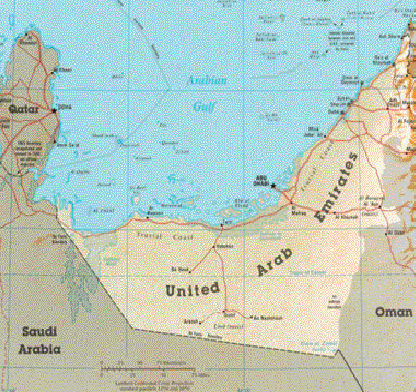
UAE Tale of two banks

by Executive Contributor June 16, 2007
written by Executive Contributor

Over the past 20 years of banking growth, the UAE has become a biosphere of financial institutions – local, foreign, specialized, conventional, and sharia-compliant – to a total sector count of 46 banks and a low banking concentration by international standards.

Given that mergers and acquisitions are a staple of international banking progress in developed and developing markets, it is within the ruling global industry trend for economies of scales and ever-larger institutions that banking voices have been looking at the potential and role of mergers in the GCC financial industry. But when Dubai-based Emirates Bank International Group and National Bank of Dubai entered the merger process with a formal announcement this spring, the move provided observers with a few surprising aspects to consider.

In combining their assets, the two banks will become the largest sector force in the UAE and a major regional player, although not the largest GCC bank by market valuation. Emirates Bank International Group (EBI) and National Bank of Dubai (NBD) had a combined market cap of $11.4 billion at the end of 2006, but no obvious operational advantage that would jump out at first glance. EBI had revenues of $936 million with 5,000 employees in 2006 while NBD raked in $507 million with 1,400 staff.

Coming together

EBI Group institutions include Emirates Bank and Emirates Islamic Bank. As of March 31, total assets of EBI stood at $28.35 billion versus $20.05 billion at NBD. On the liabilities side, customer deposits were more evenly split with $14.9 billion at EBI and $13.3 billion at NBD. 

While full-year profits of EBI in 2006 were $514 million, up by 9% year-on-year, NBD’s net profits were flat at $301 million. By the end of the first quarter in 2007, however, the picture was reversed as EBI reported a 4.8% lower profit of $156.5 million to March 31 when compared with a year earlier, whereas NBD boasted of a 17.5% year-on-year improvement for the first quarter to $82.25 million.

By EBI’s claims, 17 new branches were opened in the last 15 months. The group’s retail network of now 57 outlets includes Emirates Bank’s 26 branches in Dubai, six in Abu Dhabi and four in other emirates.  NBD on its part also continues opening new branches and inaugurated its 40th outlet in May. Its geographic network structure entails 32 Dubai branches and eight in other emirates, similarly to the EBI network.

According to analysts, EBI staff costs jumped 45% in the first quarter of 2007 from a year earlier, due to retail network expansion and human resources investments across operations, plus an inflationary element.

The rapprochement of the two banks undoubtedly offers income opportunities to specialist firms. In one of the first international specialist reactions, a publication for UK law practitioners commented that the process created “plum mandates” for multinational law firms, Linklaters and Allen & Overy, who were commissioned by the two banks with advising on legal aspects of the merger.

But what will the cost benefits for the two entities be? EFG-Hermes estimated that the two banks would initially gain annual synergies in the range of $25 million. The potential to realize cost synergies would be limited because the two banks are likely to maintain their brands and consolidation of their branch networks will not be easy because of image concerns and guarantees to employees.

Under product and market focus angles, the two banks are compatible but their main advantages will be enhancement of their “strategic position and revenue opportunities,” EFG-Hermes said. This is also the rationale which the banks named in announcing the merger, saying that their new financial strength will allow the joint entity to compete more effectively for big deals and enhance its ability to stand up to increasing market presence from large international banks.

The sector composition of UAE banking already shows a large number of foreign banks, 25, in relation to the 21 domestic banks. However, the foreign banks until now operate under restrictions and mandates that disadvantage them in the retail market. With the implementation of international trade agreements – WTO membership as well as the free trade agreement with the US and, hopefully, the EU-GCC one – the UAE banking market will have to open up to more foreign competition.

Beginning of a new trend?

The larger question is if EBI and NBD are setting the beginning of a merger wave among UAE banks. Khaled Sifri, a well-known investment banker in the UAE and director of financial firm Rasmala Investments, doesn’t think so. All banks in the UAE make good money and currently have no compelling reasons to enter the complex processes required for a merger, Sifri told Executive.

The motive for the EBI-NBD merger is overlapping ownership, namely the stake holding and decision making authority of the Dubai government over both institutions. For EBI, the state’s stake is direct and absolute with 77% ownership. In the case of NBD, the government shareholding of 14% is augmented by stock holdings of members of the ruling family.

For both banks, the decision over a merger was not competitive in the sense that bank management on the search for a strong partner identified a merger/ takeover target from a more or less sizeable group of banks whose valuation and business structure would make them attractive. Rather, the consolidation is that of an ownership move under what Sifri described as a “legitimate political imperative. Even if two entities are privately owned, the owner can force a merger if he expects that the synergies will give greater results in future.”

Although the EBI-NBD joining caused market watchers to allege that the new size benchmark and the momentum of the step will create new support for consolidation in the UAE banking industry, analysts agreed that the move may not hasten a wave of mergers. According to Sifri, banks based in one emirate of the UAE can expand easily into any other emirate and have no strong economic imperative to favor a merger over other forms of domestic expansion. “All operate all around. If you look hard enough for potential synergies, you may find fits but this is not a standard situation and there is not a sufficient imperative in my view,” he said.

The track record of bank mergers in the global financial landscape shows that the cost of a merger is often larger than the benefits turn out to be in the end – and mergers have created some great hybrids and many unspectacular ones. The first merger in the UAE is neither humongous by size – when compared to the $80 billion ABN-Amro case – nor does it appear to be among the most complicated in a field that is admittedly hard to manage.

But, as a yardstick for a sector trend, the EBI-NBD deal is not a classic merger, and other banks planning similar nuptials will not find the union so seamless.

The mergers that would really befit GCC banks by allowing them to operate in multiple GCC countries would be cross-border mergers, Sifri said. “Those would be most justifiable because the real opportunities and value creation lies in cross-border mergers.”

June 16, 2007 0 comments
0 FacebookTwitterPinterestEmail
GCC

UAE  Bullish Outlook

by Executive Contributor June 16, 2007
written by Executive Contributor

UAE’s banking sector is the second largest in the GCC with asset growth outstripping GDP since 2000, according to latest official figures. Banks in the UAE were expected to face earnings pressure in 2006 following a record year in 2005, but many of the country’s 46 commercial banks continued to perform well, reporting good earnings despite a weaker stock market in 2006.

The UAE has 21 national banks with combined asset, loan and deposit market share of 77.4%, 80.0% and 75.4% respectively. And these banks continue to gain market share over their foreign-owned counterparts – 25 at the last count – due to better access to the UAE government’s hefty deposit pool. Among the national banks, five are Islamic while the rest are conventional; 19 of the national banks are listed on either the Dubai Financial Market (DFM) or the Abu Dhabi Securities Market (ADSM).

The UAE stands out as having higher commercial banking penetration rates than the rest of the GCC countries. The top domestic banks continue to dominate the local market, but foreign banks take the lead in retail and investment segment. Many of the banks enjoyed a nice stream of revenues from a short-lived Bull market that ended in the first quarter of 2006. According to a report by the UAE-based investment firm, Noor Capital, the sector saw year-on-year asset growth of 42% in 2006, while decelerating from 48% year-on-year in 2005, is still very impressive.” Although margins and non-interest income suffered in 2006 post-bubble asset quality remained robust, as stocks-related credit was confined to margin lending. Provisioning is also adequate.

Banking on religion

Another notable feature is the rapid stride that Islamic banking has made in the UAE. The growth in demand for Islamic compliant products and services has lead to a noticeable and rapid growth in the market share for Dubai Islamic Bank (DIB) and Abu Dhabi Islamic Bank (ADIB), Emirates Islamic Bank and Sharjah Islamic Bank. Figures show a rise in the number of banks that have established or are in the process of establishing Islamic finance subsidiaries. Earlier this year, Dubai Bank converted to an Islamic entity and other conventional banks have established separate Islamic banking operations. And in line with demand, another Islamic bank is expected to be launched in the second quarter of 2007.

Growth drivers

With an increasing number of mega-projects being announced and launched, lending activity is expected to remain robust while deposit growth is expected to reach new heights. Analysts forecast real economic growth in the UAE of 8% and 7% in 2007 and 2008, respectively. Global rating agencies also predict that banks in the UAE will maintain their healthy performance in 2007 although their asset quality may be challenged in the longer term by recent strong loan growth. “The banking sector’s profitability in 2007 is expected to be maintained broadly at levels seen in 2006 while asset quality and capitalization are likely to be sustained at their current levels,” said Yousef Khan, an analyst at Fitch.

According to a recent report by National Bank of Kuwait, the unprecedented access to liquidity generated from the high-oil-price environment has pushed UAE banks to seek acquisition of international financial assets. “The foreign assets of banks operating in the UAE grew 84% in a span of two years as those banks increasingly look abroad for investing and lending opportunities. At the same time, the foreign liabilities of those banks, especially the national ones, are rising rapidly, logging an 80% CAGR in the three years ending in 2006,” the report said.

Experts agree that the drivers of strong earnings, growth and under-penetration of key banking products will continue to push the profit margins of UAE banks upward. “Going forward, we believe that domestic banks will continue to benefit from strong (not astronomical) asset growth (+25%) and decent margins (+2%) with a shift in focus toward core service-driven banking fees,” a report by Noor Capital said.

Future growth

According to EFG-Hermes, the Cairo-based investment firm, there are some concerns that bankers must keep an eye on, including the weakening of the dollar and the rise in inflation rates, higher interest rates and falling bond prices. Noor Capital suggests that banks, must, “take a breather via inward examination of systems, portfolios, cost base and human resources. They also need to assess their short-term tactical standing and long-term positioning.”

The UAE is often regarded as over-banked, over-branched and ripe for a wave of consolidation that will strengthen the banking system. But analysts at EFG-Hermes believe otherwise. “There are a number of reasons why the pressure for change in this direction is likely to be significantly less than the headline numbers might suggest. The most compelling are that the incentives currently do not exist: in particular, pricing is wide and costs are low. While the gap between revenue and cost growth may narrow over the next few years, the sector is a long way from facing external pressure for consolidation,” its report said.

The region is developing and is expanding at a tremendous rate and there is room for financial institutions to provide services and facilitate investment both in size and the depth of the market. Analysts maintain that the future remains bright. “We expect that the growth of most exceptional and volatile income streams will slow to a stable level while the core banking business will grow strongly,” EFG-Hermes said. The UAE is the most competitive economy in the Arab world according to the Arab World Competitiveness Report 2007, but there is much to do.

The government must continue to take bold steps to remove impediments to economic growth and leverage the competitive advantages. It must continue to work hard to put in place systems and structures to ensure that the momentum gained in the last few years is maintained. Analysts said that innovation in the UAE in particular and the GCC in general, is fueling growth of trade and finance and further regional and global expansion might bring the banking sector to closer integration with the global economy.

UAE Leading Commercial Banks by Assets (Dec 31, 2006)

June 16, 2007 0 comments
0 FacebookTwitterPinterestEmail
Levant

Turkey Holding the course

by Executive Contributor June 16, 2007
written by Executive Contributor

Turkey’s Central Bank has pledged to maintain tight monetary policy to meet inflation targets, warning that, despite predicted continuation of recent disinflation, the risk of inflation is far more serious. Despite monetary control, the banking sector remains dynamic. External demand and the growth of housing and consumer spending loans have partly offset a cooling of domestic demand, and several banks have recently cut rates, giving incentive to borrow further. The implementation of a new mortgage law is expected further to boost demand for credit, albeit in the medium- to long-term.

At the end of May, the monetary policy committee of Turkey’s Central Bank announced that short-term interest rates would not be cut, despite the trend of disinflation. The committee said that high levels of consumer spending and investment, high oil prices, an uncertain political environment and service price inflation all combined to make a cut in rates unwise. The bank operates on a policy of inflation-targeting.

“The committee assessed that meeting the medium-term inflation targets requires the maintenance of the tight policy stance,” the committee reported. The report, issued on May 14, noted that sound fiscal policies and structural reform were important tools for restraining inflation, and that monetary policy alone was not enough to rein in prices.

“The recently elevated prices of crude oil and commodities add to the inflationary pressures via imported input costs and thus curb the disinflation process,” the report added.

Managing inflation

Consumer price inflation of 1.21% in April brought annual inflation down to 10.72%, within the annual uncertainty band set by TCMB. A rise in clothing prices offset some of the decrease in consumer durable and service inflation, local press reported. The first-quarter year-on-year inflation rate was 10.86%, partly attributable to an increase in food and tobacco prices.

The central bank stated that disinflation would be a continuing trend, but counselled caution, due to the existence of inflationary risk. “Against this background, disinflation is expected to become more significant in the upcoming period. However, there are some remaining risks to the inflation outlook,” the report said, announcing that the central bank was prepared to act swiftly should economic shocks change the economic outlook.

Despite inflationary pressures, both current and potential, year-end inflation will be likely to fall between 4.5 and 7.1%, with a midpoint of 5.8%, according to the central bank’s second 2007 inflation report. The outlook was for inflation to continue to fall to 1.3% to 5.0% in 2008, with a midpoint of 3.2%. Bank Governor Durmufl Yilmaz said that this was due to bank policy since June last year, following the market correction in May. Yilmaz announced that “the tight stance for monetary policy and the ongoing perceptions of uncertainty continue to restrain the demand for credit.” He noted that demand for durable goods and machinery had weakened. Yilmaz said that there would be little scope for monetary relaxation if the medium-term goal of 4% was to be met.

However, the impact of tight monetary policy on inflation has been smaller than predicted. While there has been a cooling in domestic demand recently, exports have flourished, boosting industrial production and offsetting the internal slowdown to an extent. Recent increases in public spending also look set to lessen the effectiveness of the interest rate freeze, hence perhaps the Central Bank’s warning that fiscal caution and economic reform were also needed to bring inflation down to target levels. However, in the midst of a tough election campaign, it is unlikely that the government will back off from spending until the third quarter.

Another issue has been inflation expectations, which have stalled over the past three months after dropping for some time, affecting price and wage setting behavior. Yilmaz said that he expected inflation expectations to start dropping again as headline inflation falls.

The central bank noted that the trend of late has been for banks to ease interest rates due to an increase in lira bond issues and the proceeds of privatization. In May, HSBC dropped its monthly TRY consumer loan and TRY consumer loan at interest. Home financing interest rates have gradually been fallen to 1.49% per month. Vehicle loans have backed down at 12 month terms to 1.67%, at 36 month terms from 1.69% to 1.65% and at 48 to 60 month terms from 1.69% to 1.59. Even though home financing loan has been set on interest rate of 1.67%, the rate has backed down by 0.89%.

Garanti Bank also moved to decrease its lending rates. The monthly mortgage rate which, was initially set up at 1.53% has now been cut to 1.44%. According to Garanti Bank General Manager, Ali Fuat Erbil, the bank is not expecting further decrease in interest rates, stating that any forecasts should be put aside until the end of the general elections.

While automobile loan growth has slowed, housing and consumer spending loan growth continues.

New mortgage law

One factor set to increase the rate of housing loans is the new mortgage law, which was implemented in February. For several decades, due to inflation, high interest rates, poor securitization and cultural traditions, Turkey has had a relatively small mortgage market. This was already beginning to change due to interest falling below the psychologically important benchmark of 20% in 2005. By mid-2006, interest on housing loans accounted for 10.7% of banking assets, up from 1.3%.

The new provisions create a secondary market in securitized mortgages, which should increase the number of mortgages with maturities of 10 years or more. It reinstates a 2% early payback or break charge and gives the green light to floating-rate mortgages, as well as cutting lender liability to one year for defaults and giving lenders more powers to repossess property, for example in the case of three consecutive non-payments.

The law also makes possible the formation of non-bank financing organizations working with floating mortgage-backed securities and, at implementation, converted all housing loans into mortgages unless specific requests are made by the debtor.

Deeper problems

However, despite widespread praise for the reforms, it may take some time for the new law to boost mortgage take-up significantly. One issue is that many banks do not have the administrative infrastructure for large-scale mortgage transactions. They will need property assessment divisions that can evaluate mortgage applications. Insurance companies will also have to be equipped to investigate the properties and provide guarantees for the lenders.

Perhaps a bigger problem is the fact that, at conservative estimate, half the housing in Turkey is illegal and therefore not eligible for mortgages. Earthquake standards will also eliminate many of the legal buildings.

While it will doubtless take time for the new systems to be fully operational, the emergence of the legal provision for a proper mortgage market is a positive step.

Overall, careful monetary policy seems set to support confidence in a maturing banking sector and the economy as a whole in a time of underlying inflation risk. It does not seem to have deterred banks from cutting lending rates further, and the reforms of the mortgage sector not offer a real prospect for loan growth in a relatively under-banked market. However, with the election coming up in July, the policy of the Central Bank may come under review depending on the victor.

June 16, 2007 0 comments
0 FacebookTwitterPinterestEmail
LevantUncategorized

Jordan Coming of age

by Executive Contributor June 16, 2007
written by Executive Contributor

As Jordan’s financial services industry comes of age, the banking sector has been shaping itself into one of the major contributors to the country’s increasing economic power. The sector may also be experiencing what is equal to its Sturm und Drang period, brimming with ambitions, growth instincts, and sometimes conflicting impulses.

In recent reports, analysts credited increased purchasing power of consumers along with liberal attitudes towards personal debt with driving Jordan’s explosive banking sector growth. Deeper rooted drivers of development included increased investment from the GCC, improved regulations, and focus on the development of retail business.

A variable helping the sector sustain its growth is trade and banking services activities originating from neighboring Iraq, which has provided significant fee income for local and foreign banks. Observers also say that the sector appears to have benefited from the ongoing political instability in Lebanon where certain capital inflows make it to Jordan in search of a safer environment for investment.

Banking sector deposits, which last year reached $20.6 billion and equaled 1.4 times Jordan’s nominal GDP, have grown at a slightly faster rate than GDP – supporting the notion that the country’s financial culture has left its underbanked past firmly behind and that banks are reaching the customers. However, in spite of the highly competitive environment, the market remains concentrated, with the top three banks dominating the market.

Good asset

Jordan sports 13 local commercial banks plus eight foreign owned, two Islamic banks and five investment banks for a population of 5.9 million. There is no state ownership in the sector. But one of the significant features of Jordan’s banking sector is its high concentration. The leading bank is the Arab Bank, which holds approximately 60% of overall banking assets. Observers agree that size matters when it comes to the performance of banks and Arab Bank demonstrates the accuracy of this theory.

Research shows the strength of Arab Bank is such that the bank’s 40% increase in profits in 2006 reflected very positively on total sector results, which rose for all banks to $773 million (JD547.35 million; JD1 buys $1.41) in 2006 from JD 500.77 million in 2005, representing a 9.3% increase. According to research firm Amwal Invest, only Arab Bank and four other banks experienced growth in their bottom line in 2006. 

In any case, the sector’s 2006 growth is paltry when compared to the 80% increase in 2005. But nevertheless, experts say the sector’s prospects for 2007 are promising, specially the sector’s performance on the Amman Stock Exchange.

In 2006, the sector’s consolidated assets grew by 14.9% to reach JD 24.24 billion. Figures from the Central Bank of Jordan (CBJ) showed that 25.6% of the total assets at the end of 2006 comprise foreign assets, with balances held at foreign banks making up the bulk. The remainder represents local assets, with the lion’s share claimed by facilities given to the private sector, constituting 39.31% of total assets. The largest increase in assets in absolute terms was for the Arab Bank, which grew by JD1.624 billion.

The International Monetary Fund said it expects Jordan’s economy to keep growing at around 6% in 2007 on the back of 6.5% real GDP growth in 2006. Expecting a bumper year in 2007, a number of the local and foreign bankers are willing to expand their business in the kingdom.

The IMF encouraged the increasing role of the banking sector, but issued a warning on credit growth. “Particular care is required with new forms of lending, which carry greater risks, such as margin and non-collateralized loans that have been growing rapidly,” the international watchdog admonished, arguing that the profitability of banks and, implicitly, the health of loan portfolios have yet to withstand tests of a slowing economy. 

The stats

Figures by Amwal Invest show 2006 saw the consolidated credit facilities offered to the private sector grow by 26.1% to reach JD9.7 billion. “Facilities extended to public entities increased by 18% to JD423.2 million, while those to financial institutions declined by 63.4% from JD20.5 million in 2005 to JD7.5 million.”

Amwal did note two distinct changes in the sector between 2005 and 2006. “In 2006, net interest income made a more significant contribution to total operating income at almost 70%, pursuant to a refocusing on core operations, while gains from investments played a much smaller role, making up only 3%.” When compared to 2005, interest income contributed 55% to total operating revenue, and gains from investments around 13%. “The average increase of net income for all the banks was 27%, the most significant being Jordan Commercial Bank, rising by 62.9% from JD 9.66 million to JD 15.74 million,” Amwal’s report said.

Property financing increased to meet the expansion in the real estate sector in Amman and other tourist areas. Similarly, other kinds of financing, such as personal loans, holiday loans, marriage loans, car loans, and business loans also thrived. These developments trickled down to fee-income and thus, the bottom line.

Both the Arab Bank and the Housing Bank for Trade and Finance (HBTF) posted profit increases of over 20% in the first quarter of 2007. Arab Bank announced first quarter profits of $187 million after taxes and provisions, which was a year-on-year increase of 24.6%. HBTF reported even a better increase of 36% with profits standing at $51.7 million for the first quarter of 2007.  These robust results to a certain extent were also achieved by other banks with Jordan Kuwait Bank reporting profits of $15.7 million in the first quarter of 2007 or a 5% increase when compared to the same period in 2006.

Despite rapid growth and high levels of profitability, the banking sector still requires further development, including long-term strategies to diversify sources of income, innovations in product and service delivery, greater choices for customers and investing more on staff training.

Charging ahead

Experts agree that the upcoming three years hold considerable challenges for the banking sector, as well as for policy makers who determine aspects of the environment in which the sector operates. Banks will be looking for sources of growth and to maintain the high profit rates that they become accustomed to, while competition intensifies, and technological changes impact on the way that banking operations are carried out.

Banks must also introduce new strategies aimed at the most efficient utilization of capital in line with capital adequacy requirements. Large banks must accelerate efforts to penetrate new markets regionally and internationally. The CBJ must also encourage a consolidation phase in the next two years as the market is saturated. Consolidation should first start in acquisitions between local banks, especially smaller ones. This move would encourage the introduction of new products and services and enhance the quality of those already existing, allowing effective competition on a regional and international level.

Another challenge local banks must face is the entry of foreign banks. Foreign banks have many advantages over their local counterparts and could eat away at their profits if additional reforms and development of the sector fails to materialize.

Although experts warn of the potential shortfalls in the sector, the report by Amwal Invest acknowledges that most “Jordanian banks enjoy a higher capital adequacy requirement ratio than the 12% set by the CBJ, which is also higher than the 8% ratio set by Basel II Committee.” After the CBJ raised the minimum paid-up capital for Jordanian banks last year, “most banks went about increasing their capital through the distribution of stock dividends or through private placements. The step helped banks secure sufficient funds to seize investment opportunities locally, regionally and globally.”

In non-fiscal aspects, Jordan’s financial services industry has a number of governance and cultural issues to master. The sector’s evolution recently showed some large-scale employee migrations and shifts in personnel that seemed indicative of challenges in the management of highly skilled human banking resources, which are somewhat scarce in the country. In one recent banking conference in Amman, a sector critic asked the president of a smaller bank outright why his institution was lambasted by so many people for “loan sharking”. In other instances, industry insiders still frequently clam up when asked about the dominance of Arab Bank and its impact on the entire sector, virtually forcing further questions on transparency and the authenticity of all facets in the country’s banking picture.

Although the economy and leading sectors are showing consistent growth, the government in Amman is tasked to have strong strategies to mitigate potentially even higher oil prices, address unemployment and control inflation in order to remedy the country’s trade and current account deficits. As more foreign investment is flowing in and alternative financing means gain in popularity in the broadening financial industry, supervision of the Jordanian banking sector through the CBJ will be existential for the further sound development, believes the IMF. But, the government must also assist in establishing a central credit bureau to help banks make better risk assessment. And implementation of the Basel II accords by the end of 2007 is a move that cannot be avoided. Market forces will drive mature banks to excel – with a little helping hand from the regulator. 

June 16, 2007 0 comments
0 FacebookTwitterPinterestEmail
Lebanon

Foreign Banks Staying put

by Executive Contributor June 16, 2007
written by Executive Contributor

Last spring Hani Houssami, General Manager of the Saudi National Commercial Bank (NCB) in Beirut, was gearing up for a busy summer season ahead. Tens of thousands of Saudis were expected to descend on Lebanon and some $4 billion was earmarked for investment.

“It was a dilemma for me to manage – a nightmare the number of people coming,” recalled Houssami.

The July war changed all those expectations, with Houssami left with a headache of a different kind – a glut in Saudis tourists and investors as Lebanon struggles to get back on its feet amid political instability and a sluggish economic environment.

But NCB, 79% owned by the Saudi government, has no plans to leave.

“We’ve been here 52 years so we’re not going to pack and go – it’s a country we believe will re-emerge,” said Houssami.

NCB’s decision to stay the course is not an exception to the other international banks and institutions operating in Lebanon. The majority have been in Lebanon for decades, weathering the country’s ups and downs, ever optimistic that the country will pick up and rise, as the cliché goes, like a phoenix from the flames once again.

Indicative of this belief is regional investment bank Shuaa Capital’s recent decision to open a branch in Beirut’s downtown in September, and rumors of BNPI’s talks with the Bank of Sharjah about a possible takeover.

Nonetheless, international banks are finding the political environment a constraint on their activities. “Every time we look to expand the number of branches, something happens,” said Charles Hall, Chief Executive Officer at HSBC.

“It is very difficult to plan meaningfully ahead. We tend to operate on a yearly plan in reference to our five year plan.”

HSBC, which has been in Lebanon since 1946, have nonetheless had a good year so far, registering 10% growth.  “There was a very conservative framework for this year, but ahead of internal forecasts and historical results, so unless [the situation] deteriorates further, we should make 20% to 30% compared to 2006,” said Hall.

Standard Chartered, which entered the market in 2000, also expects double digit growth this year, said Naji Mouaness, head of consumer banking. “Defaults have been normal, not abnormal, so this is a good sign,” he added.

NCB has also achieved growth, “but not hit the ground yet” and has no plans for new products. “We cannot anticipate the future. Some friends in other banks spent a fortune a few years ago on products they couldn’t use,” said Houssami.

The situation has not dampened Standard Chartered’s plans, diversifying into private banking for high net worth individuals. But instead of shelling out for new branches, the bank has introduced a payment mechanism through Liban Post, a 24-hour deposit service, and soon, internet banking services.

“The war  [last summer] didn’t affect our strategy for new products; we are going ahead with aggressive plans to grow our portfolio,” said Mouaness.

Driving growth for both HSBC and Standard Chartered are credit cards, with both banks in the top five in terms of issuance of plastic. HSBC has some 41,570 credit cards out of the 277,000 credit cards currently issued, according to a January statement by the Central Bank, while HSBC Visa cards account for 22,000 of the 97,000 visa cards nationwide.

HSBC are also looking to expand their presence when the time is ripe.

“We had one or two approaches for mergers, but the environment is not quite right,” said Hall.

Although Lebanon is well catered for in terms of banks, foreign and national, there is the possibility of more Arab banks entering the market.

“The big Saudi or Jordanian banks, the big three players, will establish a presence here. Bank Audi is present in their markets, so why not in ours?” said Tarek Khalife, Chairman-General Manager of CreditBank.

Expansion is not likely for NCB, however. “We are not investing in expansion, as we are not sure if tomorrow we can cross the street,” said Houssami. “One day we might move activities out of the country if the current situation continues.”

Hall also suggested that banks should exercise caution.

“International banks that want to enter should consider private and corporate banking, or takeover or acquisition. The cost of setting up in a heavily banked area is too expensive,” he said.

Equally, the country’s instability could also shy off potential investors that are not already committed. Remarking on the slated growth figures for this year, Hall added: “the major caveat is if the situation doesn’t deteriorate.” As NCB and other banks found out last year, projections for Lebanon can all too quickly go belly up.

June 16, 2007 0 comments
0 FacebookTwitterPinterestEmail
  • 1
  • …
  • 577
  • 578
  • 579
  • 580
  • 581
  • …
  • 695

Latest Cover

About us

Since its first edition emerged on the newsstands in 1999, Executive Magazine has been dedicated to providing its readers with the most up-to-date local and regional business news. Executive is a monthly business magazine that offers readers in-depth analyses on the Lebanese world of commerce, covering all the major sectors – from banking, finance, and insurance to technology, tourism, hospitality, media, and retail.

  • Donate
  • Our Purpose
  • Contact Us

Sign up for our newsletter

    • Facebook
    • Twitter
    • Instagram
    • Linkedin
    • Youtube
    Executive Magazine
    • ISSUES
      • Current Issue
      • Past issues
    • BUSINESS
    • ECONOMICS & POLICY
    • OPINION
    • SPECIAL REPORTS
    • EXECUTIVE TALKS
    • MOVEMENTS
      • Change the image
      • Cannes lions
      • Transparency & accountability
      • ECONOMIC ROADMAP
      • Say No to Corruption
      • The Lebanon media development initiative
      • LPSN Policy Asks
      • Advocating the preservation of deposits
    • JOIN US
      • Join our movement
      • Attend our events
      • Receive updates
      • Connect with us
    • DONATE