• Donate
  • Our Purpose
  • Contact Us
Executive Magazine
  • ISSUES
    • Current Issue
    • Past issues
  • BUSINESS
  • ECONOMICS & POLICY
  • OPINION
  • SPECIAL REPORTS
  • EXECUTIVE TALKS
  • MOVEMENTS
    • Change the image
    • Cannes lions
    • Transparency & accountability
    • ECONOMIC ROADMAP
    • Say No to Corruption
    • The Lebanon media development initiative
    • LPSN Policy Asks
    • Advocating the preservation of deposits
  • JOIN US
    • Join our movement
    • Attend our events
    • Receive updates
    • Connect with us
  • DONATE
Capitalist Culture

Political uncertainly, economic suicide

by Michael Young December 1, 2006
written by Michael Young

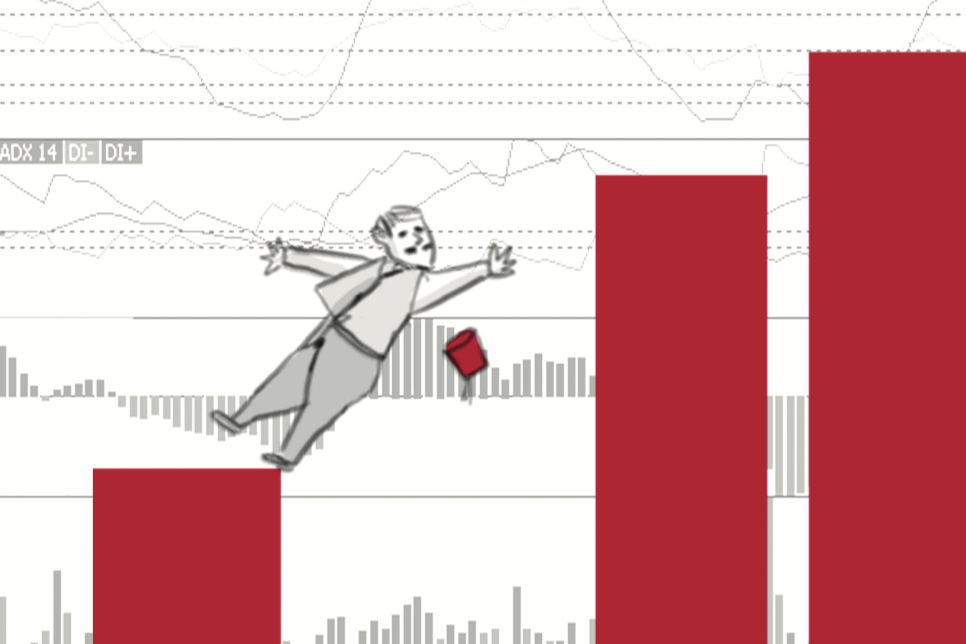
As Lebanon ended the year 2006 in a spell of indecision and instability, alarmingly little attention was given to what arguably may be, short of war, the most debilitating result of the country’s political deadlock: economic collapse. The giant bubble of confidence that has, miraculously, kept Lebanon afloat financially in the last decade will not last forever.

Reportedly, that stark message was transmitted by Central Bank Governor Riad Salameh to political leaders involved in the national dialogue last November. Salameh warned that the country’s finances could not withstand much more political bickering. As Hizbullah and the anti-Syrian parliamentary majority went at each other over expanding the government, the main economic representative institutions began sounding the alarm bells—and it’s easy to see why.

Heavy losses from the summer’s war

According to some United Nations estimates, Lebanon may have endured losses of over $10 billion during the summer war. Economists have calculated that GDP, previously around $20 billion, had contracted by 2% due to the conflict. With Lebanon facing a public debt of over $40 billion, the GDP-to-debt ratio stands at around 200%, one of the highest rates in the world. Economic confidence is declining because of the ambient uncertainty, and whatever force is buttressing the pound is certainly less hardy than ever before.

Given all this, why do neither Lebanon’s politicians nor much of the public quite realize what an economic collapse could mean?

That economics are invariably politics is a truism, but in Lebanon that interplay has been taken to dangerous extremes, with economic policy usually a hostage to political power plays. Take the long-awaited Paris III meeting, scheduled for early next year to help Lebanon face its economic tribulations. In recent weeks, as the parliamentary majority and a coalition of March 8 groups and the Aounist movement confronted one another, President Emile Lahoud was repeatedly heard condemning French President Jacques Chirac. Why Chirac, as if Lahoud didn’t have enough enemies as it is? Few doubted that his target was less Chirac than the Paris economic conference, which could only boost the credibility of the cabinet and parliamentary majority at a time when its adversaries, Lahoud among them, is trying to bring the cabinet down.

One can deplore Lahoud’s methods, but the Lebanese system has always invited such behavior, if not necessarily so egregiously. Capitalist culture in Lebanon is political culture, and nothing would so worryingly emphasize that point as a financial collapse, the result mainly of Lebanese banks being unable to roll over the public debt one more time.

Disaster looms

One needn’t try hard to predict the results: social unrest, the government forced to resign, inflation, financial controls to avoid, if possible, the meltdown of the banking system, which holds the bulk of the debt, etc. However, since money is also politics, the political repercussions of an economic breakdown would be ominous. Lebanon has been floating on an impossible wave of self-confidence since 1992, when Rafik Hariri became prime minister, despite many signs in recent years that the state has simply been unable to take control of its debt. But between the war last summer and increasing political polarization, confidence has been shaken.

The harsh reality is that no one would be spared. Any presumption that one side would come out of the maelstrom stronger than the other is foolish. When economies collapse, the initial reaction of most people is to turn against their politicians. The real danger is the second phase, when demagogues take over. But demagogues thrive on conflict, and if Lebanon were to dissolve into a new generalized conflict (against the premises of class solidarity), everyone would pay a high price.

That’s precisely why, whatever happens in the coming months, the political class must impose a consensus that Lebanon’s financial policies remain outside their mutual struggle; but also that general principles be agreed at the soonest in order to move toward a necessary and successful Paris economic conference to provide funding for the state. This means agreeing to advance privatization, streamline the bureaucracy, and cut spending where possible. Why not start by setting up a national economic dialogue with major economic actors, presided over by Salameh, to parallel the stalled political dialogue? The different political parties would be allowed to have their say, but ultimately the major economic representatives and the relevant government ministries would be the ones drafting a final document, to be presented to the broader cabinet and parliament for endorsement.

Too idealistic? Perhaps, but it’s one idea among many possible ones, at a time when new ideas are scarce. In our obsession with politics, we should understand that an economic breakdown would sweep everything else away—the political class first among them.

December 1, 2006 0 comments
0 FacebookTwitterPinterestEmail
Levant

Turkey’s CA woes Reform needed

by Thomas Schellen December 1, 2006
written by Thomas Schellen

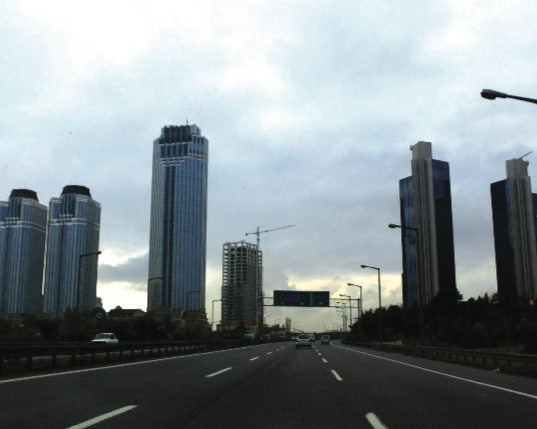
With the release of the International Monetary Fund’s (IMF)’s report on the fourth and fifth review for Turkey’s standby agreement, the state of the country’s finances has come under fresh scrutiny from market observers, with ongoing concern over the size of the current account (CA) deficit.

Strong economic growth coupled with high oil prices has helped account for growing debt over recent months, according to the report, but alarmism would be misplaced following closer inspection of the CA issue and overall resilience of the economy, say local analysts.

Current account deficit causing concern

The size of the current account deficit is nonetheless causing concern, with analysts expecting a whopping $31 billion in early 2007. Yet, Turkey’s success at enduring the global run on emerging market economies in May and June 2006 was notable, thanks to such macroeconomic buffers as the floating exchange rate, the independence of the central bank, a gradual shift away from hot money to an increased FDI-weighted portfolio, a disciplined banking regulatory agency and the closely-associated strength of the banking system and the independent budget process. True, the economy was among the hardest hit by tightening global liquidity conditions in the middle of the year, but the situation could have been much worse—a reflection of the economy’s increased ability to absorb external shocks. Accumulating external reserves has also been key in protecting the Turkish economy from external hiccups and storms.

Some observers say that Turkey’s market will be unlikely to experience a serious crisis under the present administration, due to the government’s disciplined monetary and fiscal policies. Raising savings, be it through reform of insurance law or mortgages, is one way that the government would be able to address the current account deficit. The all-important inflow of foreign direct investment (FDI) into the economy remains essential too.

Turkey’s restructured banking sector has been credited in helping stabilize the economy, with consolidations and mergers and acquisitions ensuring increased competition between constituent players, not to mention much-needed revenue for state coffers. Many are following preparations for the privatization of Halkbank, Turkey’s second-largest public bank, the terms of which were announced at the end of 2006. Meanwhile, Ankara has indicated that Ziraat Bank, Turkey’s market leader, will also be sold off. This follows on the back of a string of mergers and acquisitions in the banking sector, with Citibank recently acquiring a 20% stake in Turkey’s private giant Akbank. In 2005, Fortis and General Electric Consumer Finance (GECF) also moved into the country, with the former taking over Disbank and the latter taking a 50% stake in Garanti Bank. BNP Paribas’ acquisition of a 50% stake of TEB Financial Investments also seized headlines last year. Thanks partly to the introduction of the Banking Regulation and Supervision Authority (BRSA), Turkey’s banking sector has undergone a dramatic change since the 2000-2001 recession. Balance sheets are now much stronger than before, with high capital adequacy ratios and the seemingly-manageable open foreign exchange positions of banks, according to a July IMF report.

Although important, acquisitions and privatizations on their own are not enough to fill the CA gap in a sustained manner, with long-term income perpetuating investments key to balancing the budget, according to former World Bank Turkey representative Andrew Vorkink. Though not expecting a further economic crisis, Vorkink underlined the risk of failing to balance Turkey’s books. If an international disruption occurs, people will wonder how Turkey can finance the gap and will get nervous, Vorkink said during an interview with the local press. But if Turkey continues to attract funds, not only internationally but also through domestic savings, then the ability to finance the gap is OK because the alternative is to cut the deficit, which will cut growth.

Meanwhile, Ankara is more than aware of the political considerations that are likely to impact investor confidence. It was not only the widening current account deficit that made Turkey vulnerable in May and June, but also some delays in implementing structural reforms, in pensions and tax, for example, and some delay in the privatization of state banks – all flagged by the IMF report. The delay in appointing a new governor of the central bank following the departure of Sureyya Serdengecti, the president’s veto of the government’s pension reform law and the assassination of a high court judge in May did investor confidence little good either.

Now, political and economic analysts are closely following developments on Cyprus—with Brussels demanding that Ankara lift trade restrictions against Nicosia—a demand that Ankara currently rejects. Turkey’s commitment to EU membership and the ongoing accession process is, after all, considered as a form of insurance that Ankara will continue to push ahead with economic, political and social reform even if the pace may fluctuate.

December 1, 2006 0 comments
0 FacebookTwitterPinterestEmail
Comment

Dealing with Iran

by Gareth Smith December 1, 2006
written by Gareth Smith

Iran’s influence in the region and the Islamic world will likely continue to increase in 2007, as the United States fails to come up with credible strategies for managing Iraq or for reaching international consensus on Tehran’s nuclear program. If Washington is serious about talks, however, Iran may gradually return to the less confrontational style that characterized its 2003-2005 negotiations with the European Union.

Nonetheless, such talks cannot bring tangible fruit as long as the US and EU continue to demand concessions—in particular, the complete cessation of uranium enrichment—that Iran’s political class is unwilling to make. As Iranian UN envoy Mohammad-Javad Zarif recently told James Baker, the ex-diplomat trying to produce a new Middle East policy for President George W. Bush, any deal comes with a hefty price tag.

Lebanon will remain a point of contention between the US and Iran (and Syria), as Tehran has neither reason nor desire to weaken long-term alliances with Hizbullah and militant Palestinian groups. American and Israeli pressure on Lebanon—diplomatic or military—will keep the Levant a dangerous flashpoint in a volatile region.

Tehran will continue to foster relationships within the Muslim world and with Russia and China, using its vast energy resources as a prize and always seeking to extract some political benefits. A deal over the proposed $7 billion pipeline to take natural gas to India via Pakistan would be both a major step towards closer links with the sub-continent and a blow to American diplomacy. If the US and EU impose sanctions on Iran over the nuclear program, European oil majors will see their interest in Iranian oil and gas slipping away both to China and to domestic Iranian companies, including those affiliated to the Revolutionary Guards.

Tehran’s close relationship with the Shia parties and the Kurds in Iraq will ensure its influence with its troubled neighbor remains strong. America’s disastrous management of Iraqi affairs has served as an example to Iranians of the woes of “regime change,” and no amount of US or British-funded Farsi broadcasting to Iran is likely to overcome their skepticism about the West.

Domestically, President Mahmoud Ahmadinejad will lose some popularity as he fails to deliver on egalitarian election promises of “social justice.” With no meaningful market reforms of an economy shot through with restricted practices, protected interests and a bloated state sector, inflation and unemployment will creep upwards to 17.5% and 15% respectively, and growth will remain sluggish at around 4% despite high oil prices. Record oil revenues, however, will bolster the economy and the government.

Growing numbers of cars and the government’s failure to develop refineries mean petrol imports will increase from the current 30 million liters a day unless the government is prepared to take the unpopular steps of rationing or ending generous subsidies. At the equivalent of nine cents a litre, Iranian petrol is among the cheapest in the world.

But President Ahmadinejad’s government will continue to draw support from most Iranians’ backing for the nuclear program, as long as the stand-off with the US and EU produces no tangible costs. The popular reaction of Iranians to any military strikes by Israel or the US is uncertain, but might easily be an upsurge of nationalist defiance.

In the run-up to parliamentary elections in 2008 and presidential elections in 2009, domestic political competition will intensify, but Supreme Leader Ayatollah Ali Khamenei will continue to work for consensus on important issues (including the nuclear program) to prevent any single faction—including the fundamentalists—becoming too powerful.

Iran’s reformists have spent 2006 licking their wounds and regrouping after defeats in the 2003 municipal, 2004 parliamentary and 2006 presidential elections. The next 12 months will show whether they are prepared to roll up their sleeves for political battle, across the country and beyond their settled constituency of the educated and upper classes.

While some reformists have advocated steps to restore “international confidence” over the nuclear program, it is unlikely they would be beneficiaries of any swing away from Ahmadinejad. The coming year will be crucial for Mohammad Bagher Ghalibaf, who ran as a conservative modernizer in the 2005 presidential elections and then replaced the victorious Ahmadinejad as mayor of Tehran. Ghalibaf could end 2007 looking the most credible challenger in the 2009 presidential election.

Akbar Hashemi Rafsanjani, the influential former president, will remain a formidable player. Having survived the attempt by Ahmadinejad to remove him and his allies from important positions, Rafsanjani has stabilized his relations with Ayatollah Khamenei and will continue to work for greater pragmatism at home and abroad.

Meanwhile, Iranian exiles in the US and American “Iran experts” will continue to offer faulty assessments from a distance of 7,000 miles. Who knows? There may well be more “student leaders” like Manouchehr Mohammadi, or “journalists” like Amir Taheri, turning up in America to proffer easy solutions for “regime change.”

December 1, 2006 0 comments
0 FacebookTwitterPinterestEmail
Comment

Regime Change in D.C.

by Claude Salhani December 1, 2006
written by Claude Salhani

Be careful what you wish for. President George W. Bush and his close circle of neoconservatives wanted regime change … and they got it. Okay, it was not exactly what they wished for. Bush had hoped for regime change in parts of the greater Middle East. Instead, it came to Washington, DC. As expected, the Democratic Party won both Houses of Congress in last November’s mid-term elections, sweeping out the Republicans and gaining the majority in both chambers: the House and Senate.

This time, it’s not just the economy, stupid. It was the war in Iraq that clinched the victory for the Dems, and despite the best Washington spin machines, the outcome is nothing short of a censure of the Bush government and the Republican Party.

The Republicans’ defeat was the result of a growing number of Americans concerned by a failed policy in the Iraq war with no visible end in sight, a sagging economy and the government’s abuse of power in the fight against terrorism. The political shakeup in Congress can be taken as a demand by the American people for regime change … in Washington.

Interestingly, much of the disappointment in the administration’s performance came from once-ardent Bush supporters including … wait for it … the armed services.

Days before Election Day, a number of hard-line neoconservatives, including a one-time top Pentagon adviser and one of the main architects of the Iraq war, came out publicly against the way the US was conducting the war in Iraq, calling it a “disaster,” words echoed by British Prime Minister Tony Blair while touring Pakistan towards the end of November.

Timed to appear just before the elections, in an interview with Vanity Fair magazine, Richard Perle said if he had been able to see how the war would turn out, he probably would not have pushed for the removal of Saddam Hussein.

“I think if I had been delphic, and had seen where we are today, and people had said, ‘Should we go into Iraq?,’ I think now I probably would have said, ‘No, let’s consider other strategies for dealing with the thing that concerns us most, which is Saddam supplying weapons of mass destruction to terrorists.’”

He added: “The decisions did not get made that should have been. They didn’t get made in a timely fashion, and the differences were argued out endlessly.” Responding to the magazine’s accusations, a White House spokesman said simply, “The president has a plan to succeed in Iraq.” (Interestingly enough, campaigning right up to Election Day, the president kept repeating the same line, that he had a “plan” for Iraq.)

But Bush loyalists, including Perle and other former White House insiders cited in VF, now claim they were quoted out of context and that the magazine was playing its own brand of politics in hoping to influence the elections. That may well be so, but the Army Times, the Navy Times, the Air Force Times, and the Marine Times also took up arms, firing their own withering editorial broadsides calling for the resignation of Secretary of Defense Donald Rumsfeld.

The day after the vote, they got their wish and Rumsfeld was handed his walking papers.

In the past, US military personnel have traditionally avoided criticizing their civilian leaders, regardless of how poor a job they might be doing. As these hugely influential military newspapers pointed out, finding out the truth about what was going on in Iraq had been, until recently, a mite tricky.

Despite their titles, the four military Times are not affiliated with the military but are published by Gannet, the same group that publishes USA Today. They are, however, widely read by those in uniform and likely played a part in convincing Bush to sack his secretary of Defense.

The papers accuse the White House and the Pentagon of offering a string of false statements. “One rosy reassurance after another has been handed down by President Bush, Vice President Cheney and Defense Secretary Donald Rumsfeld: ‘Mission Accomplished,’ ‘the insurgency is in its last throes,’ and ‘back off, we know what we’re doing,’ were among the optimistic images the Bush administration tried to portray from a war that was going from bad to worse.”

December 1, 2006 0 comments
0 FacebookTwitterPinterestEmail
Comment

The rich just keep getting richer

by Fadi Chahine December 1, 2006
written by Fadi Chahine

The ultra rich—those who hold more than $30 million each—have increased their assets by 8.5% to $33.3 trillion in 2005 from $30.7 trillion in 2004, Merrill Lynch and Capgemini said in their 2006 World Wealth Report (WWR).

The Middle Eastern share of high net-wealth individuals (HNWI) in 2005 amounted to $1.2 trillion, representing the strongest growth rate by region with 19.7% when compared with $1.0 trillion in 2004. Africa and Latin America followed with growth rates of 14.5% and 11.8%. Compared with $800 million combined HNWI assets in 2003 in the region, the wealth of the Middle Eastern rich increased by half in just two years.

In terms of individuals, the HNWI count for the Middle East increased by 9.8%—more than the global increase rate of 6.5% in 2004-2005—but remained in the range of 300,000 to 400,000 individuals.

Rising oil prices a factor

The WWR attributed the Middle East’s strong HNWI growth generically to the world market’s rising oil prices as well as heightened investor confidence and large trade-driven surpluses in the region. Observing that combined HNWI assets increased significantly faster than HNWI numbers, the report said the region’s wealth “not surprisingly … continues to experience an inequitable distribution.”

Counting 1.1 ultra-HNWIs for each 100 HNWI, the Middle East was very close to the global average as far as proportion between rich and super-rich is concerned. Out of 8.7 million HNWIs worldwide, 85,400 hold assets of $30 million or more.

A table of HNWI population changes in select economies showed the year’s strongest growth for South Korea, with 21.3%, followed by India and Russia. Saudi Arabia achieved 13.5%, and the United Arab Emirates 11.8%.

Globally, the very rich have doubled their combined wealth to $33.3 trillion in 2005 from $16.6 trillion in 1996 when the World Wealth Report was first published. However, as HNWIs grew in numbers to 8.7 million last year from 4.5 million a decade earlier: assuming increasingly sophistication survey mechanisms over the years have filled gaps in the initial counts, growth in the numbers of individuals and their total assets are closely correlated and moreover intertwined with global economic growth over the period.

This is also visible in the fact that the evolution of combined wealth and that of individual wealth holders has followed a very similar pattern, of increasing 62% and 56% from 1996 to 2000, undergoing a contraction in 2001, and resuming steady expansion from 2002.

On the cost-of-being-filthy-rich side, the report noted a narrowing of the gap between the “Cost of Living Extremely Well Index” growth and average Joe’s consumer price index inflation. In 2005, the CLEWI grew 4%, only 0.4 percentage points more than the CPI with 3.6% growth. Two years earlier, the gap had still amounted to 5.5 percentage points, according to the WWR.

How did they do it?

In Europe, where HNWI growth rates have been subdued compared with other world regions, the rich additionally bear the cross of having to spend more on staying in style. According to Capgemini/Merrill Lynch, heavily moneyed individuals in Europe have to allocate around 1.6% of their average wealth for sustaining lifestyle aspects such as lodging in five-star auberges, maintaining that body and tan in spa visits and securing their children’s education in private schools.

As to the big question—how did they get that wealthy?—

the 2006 WWR observed an increase in earned wealth vis-à-vis inherited riches, diagnosing that over the past five years, “earned wealth has grown faster than wealth passed down from an earlier generation.” Inheritance last year was the main origin of wealth only for Middle Eastern individuals, where a WWR survey among relationship managers described it as source of 32% in HNWI wealth, 14 percentage points above the global figure.

On global level, the survey attributed HNWI fortunes firstly to ownership or sale of a business (37%), followed by what the report quite loosely described as “income” with 24%.

This income excluded items such as investment returns and stock options, which in their combination accounted for a share of wealth ranging between 25% in North America and a mere 10% in Latin America. Investment performance, the direct bailiwick of Merrill Lynch and Capgemini, contributed less than one might have expected to the total, namely 12% in Asia-Pacific and 10% in each Europe and North America, but only 5% in the Middle East and 3% in Latin America.

Looking to the future, the WWR estimates that HNWI assets will increase to $44.6 trillion in 2010, of which the Middle East will claim $1.8 trillion, reflecting an annual regional growth rate of 8% versus the estimated global annual growth rate of 6%.

December 1, 2006 0 comments
0 FacebookTwitterPinterestEmail
Levant

Tough choices

by Executive Editors November 30, 2006
written by Executive Editors

Turkey’s farms face reforms

With a 2007 deadline looming, the Turkish government is desperately trying to overhaul the agricultural sector in time to receive structural funds from the EU. By 2007, the EU candidate country is expected to have a system in place to disburse some 9-10 billion euros ($11.4-12.66 billion) to both farmers and state agencies involved in agriculture. Efforts to transform the sector, however, are likely to have far-reaching and potentially serious consequences for Turkey, as agriculture continues to account for around one-third of employment and is particularly important in often-impoverished rural areas with little else in the way of industry.
According to the most recently released figures from the Turkish Statistics Institute, 6.77 million workers, or 29.3% of the total Turkish workforce, were employed in the agricultural sector as of June 2006. Perhaps even more troubling, however, is the small size of Turkish farms, which limits productivity: 65% of farms are 0-5 hectares, while 94% are smaller than 20 hectares, making Turkish farms significantly smaller than those in EU member states. The smaller the plot of land, the harder it is to justify the expense of new equipment and technology, making modernization difficult.

Upsetting the applecart
Wages in the sector, however, are rising, albeit from a low base, with the average daily wages of a seasonal agricultural laborer increasing to YTL13.62 ($9.02) for women, up 14.26% year-on-year, and YTL18.06 ($11.96) for men, up 16.82%. Permanent workers in the sector have also seen a salary hike of late, with the average monthly wage now at YTL314.41 ($207.93) for women, up 9.89% year-on-year, and YTL403.49 ($266.74) for men, up 11.39%.
Government efforts to harmonize the local agricultural sector —a vital economic lifeline in many poorer areas of the country—in line with EU standards could upset the system, sparking a large increase in rural unemployment and forcing millions of farm laborers to head to cities in search of jobs. According to some independent estimates, the agricultural reforms could cut the industry by as much as 40%, leaving roughly 2.5 million people jobless.
The knock-on effect of reforming agriculture will likely be a wave of urban migration, straining employment, housing and social services in Turkey’s already-crowded urban centers. With a national unemployment rate of 8.8% as of June 2006, rising to 11.2% in urban areas, it is unclear where these largely unskilled and poorly-educated workers will find jobs.
As part of the reform effort, the government has taken aim at the overproduction of particular crops, especially hazelnuts, by introducing quotas. Turkey is the world’s largest producer of hazelnuts, accounting for some 70% of total production. With backing from the World Bank, the state has tried to reduce the area under hazelnut cultivation by 100,000 hectares through cash incentives, though the project has so far been less than a success: to date, only 885 hectares have been converted to other crops.

Far-reaching consequences
The government is also working to curtail the practice of farmers’ divvying up land among their children, which has resulted in ever-smaller plot sizes, limiting productivity and modernization. In order to raise the average size of Turkish farms, the government is now pushing farmers to consolidate fragmented family holdings, making it a requirement for EU funding. While this may spur consolidation, the government is also running a risk, as farmers who refuse to merge their holdings—likely the worst-off farmers most in need of funds—will be barred from receiving EU money.
Already, state subsidies on seeds, fertilizer and fuel are being cut, with total subsidies scheduled to fall from $6 billion to $2 billion a year. While these cuts will in theory be more than made up for by funds from Brussels, farmers will first have to qualify in order to receive EU money, a process which may create problems.

November 30, 2006 0 comments
0 FacebookTwitterPinterestEmail
Levant

Back to school in Jordan

by Executive Editors November 30, 2006
written by Executive Editors

Prepping the next leaders

This month, while much attention was focused on the landmark opening of a branch of the Sorbonne in Abu Dhabi, a potentially more daring educational initiative was taking form in the Middle East, as Jordan’s King’s Academy officially began accepting applications for the 2007-08 academic year.

Modeled on New England prep schools
King’s Academy, which is modeled after the elite preparatory schools of New England (in particular, Deerfield Academy, where King Abdullah graduated in 1980), has given itself the ambitious mandate of introducing the prep-school ethos to the Arab world, blending rigorous American-style education and community life with Arab culture and values. More ambitious still, through a strong financial aid program—15% of tuition fees will go towards scholarships, and approximately 30% of the student body is expected to receive partial or full need-based financial aid—King’s Academy plans to host a diverse student body, where class lines and other divisions are blurred in favor of tolerance, respect, and coexistence.
No small undertaking ideologically, King’s Academy also represents a significant financial investment. The school cost around $62 million dollars to build, with King Abdullah, the founding donor of King’s Academy, contributing $7 million and a 575-dunum site southwest of Amman.

The school cost around $62 million dollars to build


The idea behind the Academy came from the King himself, inspired by his experiences at Deerfield Academy in Massachusetts. Several years ago, King Abdullah stayed with then-headmaster of Deerfield Eric Widmer while in town to deliver the school’s commencement address. “I knew he was thinking about [developing a school] before he brought it up,” recalls Widmer, whom Abdullah subsequently asked to serve as founding headmaster of King’s Academy. Although Widmer had planned to retire in 2006, he found the offer irresistible—partially because, by destiny or coincidence, the Middle East had always been close to his heart. Widmer was born at AUH; although his family moved away while he was still an infant, he has always felt a strong attachment to the Arab world, and he and his wife have been regular visitors to Lebanon.
King’s Academy is gleaming on paper, boasts a beautiful campus and has already begun recruiting an enthusiastic, elite faculty. However, initial success may be an uphill battle: in addition to the standard array of challenges facing a new school, King’s Academy will have to sell the prep-school concept to a wary Arab audience. In a region where children often remain in their parents’ homes until marriage, the boarding aspect in particular is likely present difficulties. A King’s Academy education also comes with a fairly high price tag—$28,000 a year for full-time boarders, $25,000 for five-day boarders, and $16,500 for day students. Although these costs are comparable to those of the New England prep schools King’s Academy is modeled on, it is significantly higher than most local fees.

Culturally conscious rules
The absence of existing prep-school culture in Jordan creates further challenges. While touring King’s Academy’s state-of-the-art athletic facilities—which would rival those of any small American college—Executive asked Widmer whether the students would be able to participate in competitive athletics, which form a core component of the traditional prep-school experience.
“Oh, certainly!” replied Widmer. Hearing his own response, the headmaster chucked. “That is, as soon as we figure out who our competition is.”
Nonetheless, King’s Academy staff are confident that they can meet these challenges. The dormitories will enforce a far stricter separation of genders than the school’s American siblings: no boys will be allowed into the girl’s dorms, and vice versa, under any circumstances; single female faculty members will live in every girls’ dorm, providing around-the-clock supervision, and single men and faculty families will live in the boys’ dorms. While costs are high, they are all-inclusive, covering everything from uniforms, meals and books to health insurance and a school-issued laptop computer; furthermore, need-based financial aid will ease the burden for lower-income families.
As for the absence of rival schools, King’s Academy hopes to organize both athletic and academic leagues and competitions throughout Jordan, initiatives that promise to benefit not only the Academy’s own students, but their peers across the country.

Preparing for university
Finally, the Academy believes that its commitment to academic excellence, fostering intellectual curiosity and promoting coexistence in an Arab setting will appeal to parents and students alike. For the many families that already consider boarding schools in Europe or the US as options for their children, King’s Academy may offer a strong alternative far closer to home and in an environment more sensitive to their needs.

As with any secondary school, the ultimate test will come when its first class reaches the cutthroat college-admissions stage


As with any secondary school, the ultimate test will come when its first class reaches the cutthroat college-admissions stage. King’s Academy students will be groomed for the best universities in the Arab world, the US, and Europe; actually placing them in these elite institutions will be essential to gaining currency and trust among prospective parents and admissions officers alike. However, as King’s Academy will only admit first- and second-year students in 2007, it will not graduate its first class until 2010.


Fortunately, timing is on the Academy’s side. As the brainchild of King Abdullah, it is widely expected that he will send his children to the school; the eldest, Prince Hussein—the likely heir to the Jordanian throne—would matriculate in 2008. The King’s vote of confidence will obviously carry tremendous cachet—as likely will the prospect, especially to Jordanians, of placing their own children in such an intimate setting with a future monarch.
Overall, the prospects for King’s Academy seem encouraging. And in the Middle East in particular, a new generation of creative, tolerant, independent-thinking leaders could not be more welcome.

November 30, 2006 0 comments
0 FacebookTwitterPinterestEmail
Levant

Smoke Smuggling

by Executive Contributor November 27, 2006
written by Executive Contributor

The invasion of Iraq opened a Pandora’s box of troubles that have been felt far beyond the country’s borders. One less noted consequence of the invasion has been the emergence of Iraq as a regional hub for smuggled cigarettes, exacerbating a regional problem and further denting the coffers of finance ministries from Amman to Tehran.
“Illicit trade is an issue in the region. Everybody has some brand affected,” said Emile Moukarzel, Philip Morris International’s (PMI) area manager for Lebanon, Jordan and Syria.

Smuggling cigarettes nothing new
The smuggling of cigarettes is nothing new, with the global trade in contraband cigarettes equivalent to 6% of yearly sales, or 355 billion puff sticks according to Tobacco Control. But in a region where the smoking incidence is among the highest in the world—over 50% of the Lebanese and Syrian adult populations are smokers—and wages are low, there is a ready market for contraband cigarettes.
Nasser Qudah, British American Tobacco’s (BAT) Corporate Regulatory Affairs Director for the Levant and Yemen in Amman, said that over the past few years Iraq has become the region’s smuggling hub with over 300 brands of cigarettes available in the beleaguered country, including eight different packets of BAT’s Kent brand manufactured in various locations around the world.
The problem stemming from Iraq is not so much counterfeit cigarettes but smuggling, as taxes are low enough to make Iraq a favorable export market, said Paul Oakley, BAT’s Beirut-based head of demand chain for the Levant and Yemen.
With one truck container carrying 900 master cases—equivalent to 9 million sticks—selling for as much as $1 million, smuggling is a lucrative business.
BAT estimates that contraband cigarettes account for between 5% to 6% of Jordan’s $500 million cigarette market, with 10% of all smuggled cigarettes BAT brands and the highest illicit brands PMI followed by Altadis.
Contraband cigarettes enter Jordan via Syria or directly from Iraq, with some cigarettes returning to where they landed in the Middle East.
“Some products go to Aqaba, are smuggled into Jordan, then sold in Iraq, and then smuggled back into Jordan,” said Samer Fakhouri, vice chairman and general manager of Jordan’s International Tobacco and Cigarettes Company.
There are no estimates on how rife counterfeit and smuggled cigarettes are in neighboring Syria, but observers think the figure is high due to minimal government legislation and enforcement, particularly in regard to street vendors.
“We have a big problem with illegal imports and counterfeit brands from Iraq,” said Dr. Faisal Sammak, director of Syria’s tobacco monopoly, the General Organization of Tobacco.
Bucking assumptions that counterfeit cigarettes are mainly imported brands, the Syrian press reported cases last year of counterfeit Al Hamraa cigarettes, the country’s most popular brand but also one of the cheapest.
Syria and Jordan’s struggle to combat smuggling pales in comparison to Iran’s battle, with the government admitting last year that the cigarette black market accounts for a staggering 70% of all cigarettes consumed, amounting to over $1 billion in illegal trade and hundreds of millions of dollars in lost tax revenue. Iran is also pointing the finger at Iraq as the primary source of its smuggling problems. To limit cigarettes smuggled to Iraq, companies have cut down on the number of cigarettes sold to the Aqaba Special Economic Zone, a duty-free haven, and increased local production.

Flooding the market?
BAT said it has increased the price of its Viceroy brand in Iraq to the same as in Syria to discourage smuggling. Companies have also started brand protection groups (BPG) to increase public awareness about the dangers of counterfeit products, legal trade and loss of revenue to governments.
However, there are claims that tobacco companies are deliberately shipping in extra quantities of cigarettes to Aqaba and other regional ports to spur sales. By encouraging smuggling, observers say, tobacco companies are also able to pressure governments not to raise tobacco taxes, arguing that lower taxation curbs illicit sales.
Major tobacco companies have been investigated for involvement in cigarette smuggling in the past decade in Europe, North America, Colombia and Honduras.

November 27, 2006 0 comments
0 FacebookTwitterPinterestEmail
Levant

Soft drinks sales

by Executive Contributor November 27, 2006
written by Executive Contributor

Surge in Syria

Syria’s soft drinks market is experiencing record growth, expected to surge 17-18% this year compared to last year’s 12% growth, and Pepsi’s market share continues to grow after just over a year of operation in the country.
Syria took tentative steps last year to open up its drinks industry to foreign competition, with Pepsi and Coca-Cola taken off a blacklist and foreign mineral water imports allowed for the first time. Pepsi and Coca-Cola were blacklisted along with other US and Western firms more than 50 years ago by the Damascus-based Bureau for the Boycott of Israel, which is connected to the Arab League.
Pepsi, which is franchised to Syrian drinks and industry giant Joud, launched in August of last year with an aggressive marketing campaign to overcome any possible anti-American sentiment associated with the brand. “We didn’t give it a chance to be a foreign brand. We made it known it was bottled here, and used the same marketing strategy we did for 7-Up,” said Lilas Rabbat, a Joud marketing manager.
Pepsi’s entry into Syria’s $100 million market has taken the sector by storm, driving growth by up to 6% from last year’s 12% growth and 2004’s 6.5% growth, according to IMES.

Highly fragmented
The soft drinks market is highly fragmented between five major brands and around 100 smaller brands, usually of the returnable glass bottle variety, which account for around 10% of the market.
The market is divided between Cadbury-Schweppes/Salsabil at 30%, which has five bottlers and includes brand Canada Dry, Ugarit at 15%, Master-Cola at 8%, and RC Cola with 4% market share.
But due to strong sales of Pepsi and 7-Up, Joud is rapidly claiming the lion’s share of the market, expected to increase from 47% market share to 50% by year end, according to Rabbat.
Coca-Cola, on the other hand, is not faring as well in the Syrian market, despite being taken off the blacklist. With no bottling plant, Coca-Cola is imported from Jordan and Lebanon, and sales account for less than 2% of the market.
Affecting sales is the price of a can of Coke, which sells for 20SP ($0.40). “Price is very important here,” said Rabbat, where low-level government employees earn as little as $100 a month. Cans of Pepsi, like any other soft drinks, sell for 15SP ($0.30).
Management problems with the Coca-Cola franchise have also affected a potential launch. Coca-Cola was run by the son of the recently disgraced former Vice President Abdel-Halim Khaddam, who is now in exile in France following an outburst against President Bashar Assad at the end of 2005. His son has reportedly sold his shares in the franchise to a Saudi investor. Coca-Cola is expected to launch local production in the coming months, although the company would not confirm this.
“If Coca-Cola starts manufacturing, they are not to be underestimated. They have learnt from Pepsi’s experience how to market here. They will copy us,” said Rabbat.
But as people associate Coca-Cola with America more than Pepsi, Rabbat points out, Joud is at a marketing advantage.
2001 boycott campaigns throughout the Arab world in a show of solidarity with the second Palestinian uprising saw Coca-Cola lose market share and Pepsi control 75% of the Middle East market, which it has retained and expanded with its presence in Syria.

‘Give me a Pepsi’
Pepsi’s strong marketing in Syria has also had other impacts. “A year ago, people would have said, ‘Give me a cola,’ but now they say Pepsi. They say it tastes better than the others,” said shopkeeper Manaf Abdulghani.
Syria’s mineral water market is also diversifying. Until last year, bottled water was controlled by the state, with 51% of market leader Balkein owned by the government. With the government allowing foreign water imports for the first time, there has been a deluge of players entering the market from Lebanon, along with Nestle Pure Life from Jordan and Masafi from the Gulf.

November 27, 2006 0 comments
0 FacebookTwitterPinterestEmail
Special Report

Clipped wings

by Executive Contributor November 3, 2006
written by Executive Contributor

Airbus postpones Emirates’ A380s again

With Airbus facing well-documented difficulties in delivering its A380 passenger aircraft, Emirates Airline has reached a deal with Boeing to meet its aggressive expansion plans for its cargo business. The move comes at a time when Abu Dhabi’s Etihad Airlines has been actively adding new planes to its fleet and continues to expand service to an increasing network of international destinations.
On October 8, Emirates, the Dubai-based national carrier, signed a contract for 10 Boeing 747-8Fs, the manufacturer’s new freight series. Also included in the agreement was the option of buying ten more aircraft in the future, bringing the combined value of the deal to Dh20.54 billion ($5.6 billion).

Emirates and Boeing flying high
Emirates and Boeing signed a purchase agreement for the 747-8Fs back in July at the Farnborough Air Show, as part of the Dubai-based airline’s desire to expand its cargo tons as rapidly as its passenger numbers.
“Developing this side of our business is elemental to Emirates maintaining a leading position amongst the world’s airlines,” said Sheikh Ahmad bin Saeed al-Maktoum, the chairman of Emirates Group and president of Dubai Civil Aviation Authority.
Boeing brought its 747-8F to the market in late 2005, billing it as a lower-cost, quieter and environmentally-conscious option for air cargo. With a capacity of 140 tons, it has 16% more capacity than the Boeing 747-400F. The 747 F series is already the market leader with over 50% share in global air cargo.
With the 747-8Fs, Emirates SkyCargo, in charge of airfreight for the airline, will add to a swelling order log for Boeing.
The deal with Emirates comes only a week after Boeing archrival Airbus announced it will again delay the delivery of its A380 Superjumbo series.
On October 3, Airbus told Emirates they would have to wait an additional 10 months from the previous delivery date before starting to receive the first of its A380s. It is the third announced delay for the Superjumbo, which already has 159 orders for the 555-seat aircraft on the books.
Expecting more than 40 of those aircraft, Emirates is showing its frustration.
“Emirates has been advised by Airbus of a further 10 months delay to its A380 program, which means that our first aircraft will now arrive in August 2008. This is a very serious issue for Emirates and the company is now reviewing all its options,” said Tim Clark, the president of Emirates Airline, in a company press release.

‘This is going to cause a huge problem’
Emirates’ senior vice-president for corporate communications, Mike Simon, told local Emirati news, “On top of the previous delays, the new 10-month delay is going to cause a huge problem for us.”
The airline, which currently flies to 85 global destinations with 98 jets, hinges its expansion timetables on when its airplane orders will be delivered. With more than 100 wide-body jets ordered and awaiting delivery, Emirates has plans to significantly increase the frequency of its flights to its existing network, along with opening new cities.
As Maurice Flanagan, vice-chairman and group president of Emirates, said, “We don’t buy a single aircraft without knowing in advance where it is going to go to, and knowing that it will be profitable on those routes—including those 45 A380s.”
The A380s are especially vital for expansion into the Americas—markets that, so far, have received limited attention. Currently, Emirates only flies to New York, but has done feasibility studies to start service to Houston, Los Angeles and San Francisco. Meanwhile, the airline is in talks with Argentina and Brazil to begin their first flights to South America.
Also important will be the further penetration in Australia, by increasing the frequency of daily flights to Sydney, Melbourne, Brisbane and Perth to three.


Much of the profitability of these long-haul routes depends on the operation of the A380s, which will significantly drop the operating cost per seat.
The effects of the delay could also hit closer to home. Besides opening flights to distant cities, the A380s were important to plans at Dubai International Airport, which is undergoing a $4.1 billion expansion. Some of the new boarding gates were exclusively tailored to service the A380s.
But in the face of continuing delays, the Boeing 747-8, the passenger version of the 747-8F, seems to be the only viable alternative for airlines that are looking for the largest planes. It is smaller—450 seats to 555—and even if the orders were placed now, 747-8s would still take longer to build and deliver than the delayed A380s.
While expressing disappointment with Airbus, the airline has not made any indication that it plans to cancel its order.
Direct compensation is also an option. Reports recently surfaced in the foreign press saying that Emirates had demanded $281.3 million (Dh1.03 billion) from Airbus, although Emirates officials have since denied the claim.
Meanwhile, the expansion of Abu Dhabi’s aviation industry is having a direct impact on the numbers of visitors to the emirate and hotel occupancy rates.
Kevin Brett, general manager of the Hilton Abu Dhabi, said recently that the airline’s expansion has spurred tourism in the emirate. He said, “In 2004, the occupancy at the Hilton Abu Dhabi finished the year at 56%, whereas in 2005 we finished at above 85%. This huge jump in occupancy was largely underpinned by the emergence and growth of Etihad airlines, bringing large numbers of tourists to the emirate.”
The airline’s fleet will see the addition of an A330 next month, followed by the arrival of an A340-500 long-range aircraft. These purchases will bring the total size of the fleet to 24 aircraft with 10 more on the way in 2007. All this as Etihad is also continuing its geographic expansion, adding two new destinations over the next two months, bringing the total to 36.
Etihad’s growth coincides with plans for Abu Dhabi Airport’s infrastructure expansion.
The airport has already been supplemented by a second terminal, which has brought its handling capacity to 2 million passengers a year. This was opened at a cost of Dh21 billion ($6.8 billion) in August 2005. However, Etihad’s rapid expansion means that the volume of traffic and trade is already opening up a need for even further expansion.
The government has created a new operating company, Abu Dhabi Airports Company (ADAC), with the authority to oversee the development of the airport through a number of outsourcing initiatives. The company, set up under presidential decree in March, will be empowered to operate, manage and maintain airports in the emirate. This marks a departure from the old structure, under which the department of civil aviation was responsible for the regulation, operation and development of all aviation matters. Regulation at the local level will now be dealt with by the department of transport, as ADAC has now assumed formal control of the operation and development of the airport.
Growing Etihad
Khalifa al-Mazroui, the chairman and managing director of ADAC, recently told emirati media that one of the purposes of the company was to facilitate the growth of Etihad rather than cap its expansion. As a result, the interim solution of providing a new terminal for the dedicated use of Etihad was established. The interim terminal and the development of a new runway will increase the capacity of the airport to five million travelers by the end of 2007.

The boeing 747-8 is the only viable
alternative for airlines looking
for the largest plans


Meanwhile, some observers are concerned that expansion may outpace demand.
The development of Etihad and the new airport are a reflection of and a stimulus for Abu Dhabi’s economic growth and diversification ambitions. The airport will aim to serve this growth; however, it is also a reflection of the expansion of the industry at a regional level, which is leading to greater competition that may lead to over capacity. For example, with the establishment of a new airport at Jebel Ali, which will eventually have an annual handling capacity of 120 million passengers and 12 million tons of cargo, the UAE will have three major airports.
However, Gordon Dixon, the CEO of Oasis Leasing, a substantial player in the aircraft leasing industry, believes that this dramatic increase in the airport’s capacity would be sustainable.
He also pointed to even more opportunity in the sector.
Dixon alluded to low-cost air travel as an area of potential growth, saying, “The growth of low-cost carriers will be huge. The market is very under-served, the demand is there and the histories of low-cost carriers show that they create demand. The biggest factor, however, is the expatriate community, who would be able to return home to see their families on a more regular basis.”
These infrastructure developments will also be completed in time for the arrival of the A380 airbus, the biggest passenger aircraft in the world. In addition, ADAC will also be looking to develop a free zone at the airport within the next twelve months.

November 3, 2006 0 comments
0 FacebookTwitterPinterestEmail
  • 1
  • …
  • 606
  • 607
  • 608
  • 609
  • 610
  • …
  • 686

Latest Cover

About us

Since its first edition emerged on the newsstands in 1999, Executive Magazine has been dedicated to providing its readers with the most up-to-date local and regional business news. Executive is a monthly business magazine that offers readers in-depth analyses on the Lebanese world of commerce, covering all the major sectors – from banking, finance, and insurance to technology, tourism, hospitality, media, and retail.

  • Donate
  • Our Purpose
  • Contact Us

Sign up for our newsletter

[contact-form-7 id=”27812″ title=”FooterSubscription”]

  • Facebook
  • Twitter
  • Instagram
  • Linkedin
  • Youtube
Executive Magazine
  • ISSUES
    • Current Issue
    • Past issues
  • BUSINESS
  • ECONOMICS & POLICY
  • OPINION
  • SPECIAL REPORTS
  • EXECUTIVE TALKS
  • MOVEMENTS
    • Change the image
    • Cannes lions
    • Transparency & accountability
    • ECONOMIC ROADMAP
    • Say No to Corruption
    • The Lebanon media development initiative
    • LPSN Policy Asks
    • Advocating the preservation of deposits
  • JOIN US
    • Join our movement
    • Attend our events
    • Receive updates
    • Connect with us
  • DONATE