

If you hear the word aerosol, you might think of a can of deodorant, but it’s actually much more than that. Aerosol is the scientific, umbrella term for solid and liquid particles suspended in gas – such as a cloud. Smoke is actually a type of aerosol that is generated during combustion, the scientific name for ‘burning.’ And while smoke is an aerosol, not all aerosols are smoke.

Smoke-free products, while not risk-free—are a better choice for adults who already smoke. Science and technology have allowed the production of alternative products that don’t burn tobacco, therefore don’t produce smoke—they are in fact, smoke-free. When scientifically substantiated and subject to appropriate quality and safety requirements, smoke-free products do not create smoke and therefore should not be a source of second-hand smoke or ash. The absence of smoke can significantly reduce the average levels of harmful chemicals compared to cigarettes. Whilst not risk-free and delivering nicotine which is addictive, this makes them a better alternative for adults to continued smoking.
WHAT IS SMOKE?
Smoke is the result of combustion or burning. When a cigarette is lit is burns tobacco at temperatures up to 900°C. That creates smoke which contains approximately 6,000 chemicals, around 100 of which have been classified by public health authorities as harmful or potentially harmful. If the temperature is reduced to a level where tobacco or nicotine containing liquid is heated rather than burned, the smoke is removed.

WHAT IS AEROSOL?
Aerosol is not associated with combustion. Smoke-free products, whilst not risk-free, have the potential to significantly reduce the average levels of harmful chemicals compared to cigarette smoke. Consumers typically use the term “vapor” to refer to the aerosol generated from heated tobacco products or other nicotine-containing products.
Quitting tobacco and nicotine altogether is the best choice for health. Existing tobacco control measures designed to discourage initiation and encourage cessation should continue.
However, despite these efforts, millions of people continue to smoke. Science-backed, smoke-free products can play a role in moving adults who would otherwise continue to smoke away from cigarettes. With the right regulatory encouragement and support from civil society, together we can deliver a smoke-free future more quickly than relying on traditional measures alone.
THESE ARE THE FACTS. BROUGHT TO YOU BY PHILIP MORRIS LEBANON

Countries in the Middle East have started to realize that meeting their long-term economic development goals depends on their ability to join the ‘Fourth Industrial Revolution.’ The United Arab Emirates (UAE) for example, has set a National Artificial Intelligence Strategy for 2031 and appointed the world’s first minister of state for artificial intelligence in 2017. In Dubai, “One Million Arab Coders” was launched in 2017; an educational platform that offers free programs for individuals interested to develop digital skills. It is described as the largest initiative of its kind in the Arab world addressed at employing a growing youth population in the expanding digital economy.
As part of Vision2030, the government of Saudi Arabia has created the Digital Government Authority and the Saudi Data and AI Authority to spearhead the digital transformation program. According to the Saudi government, it has implemented eight digital policies which have aligned 130 government departments and recorded more than 510 million transactions with a user base exceeding 22 million people (Saudi’s population is 32 million, according to latest statistics). In 2022, UAE and Saudi Arabia ranked 24th and 41st respectively in the Government AI Readiness Index by Oxford Insights.
The Oxford Insights Government AI Readiness Index 2022 seeks to address the question of how ready governments around the globe are to implement Artificial Intelligence (AI) in the delivery of public services to its citizens. The index measures 39 indicators across ten dimensions, and three pillars: Government, Technology Sector, and Data & Infrastructure. The data is derived from a variety of resources, ranging from databases such as the number of registered AI startups on Crunchbase, to indices such as the United Nations eGovernment Development Index.
Despite the multi-layer crisis, Lebanon has been able to improve its position in the eGovernment AI Readiness Index from 112 in 2019, to 73 in 2022, and there is still ample opportunity for advancement. The private sector and higher educational institutions have been instrumental in this endeavor.
Arab women have been playing a key role in the advancement of the data science field. Some of these women include May Habib, a Lebanese entrepreneur who co-founded Writer, an artificial intelligence writing assistance for teams. Jordanian Reema Diab was named as an AI Global Ambassador from global AI network SwissCognitive and is a consultant for Tesla and the World Bank. Kinda AlTarbouch (Syrian), founder and CEO of Lableb, was named for MIT Technology Review’s Innovators Under 35 list. Manal Jalloul (Lebanese) is the cofounder of AI-Lab, which is the certified partner of NVIDIA in Europe, the Middle East and Africa. AI-Lab aims to provide specialized hands-on training and consulting services in the fields of Artificial Intelligence, Accelerated Computing, and Data Analytics to the industry in the Middle East region.
Lebanon’s role in promoting women in tech
The American University of Beirut (AUB) held their seventh annual event to promote women in data science (WiDS) earlier this year. It is a great platform for promoting women’s accomplishments in the field and pushing for more. This year during the April conference, the women leaders presented an array of trendy topics on the role of data science in disaster planning, public policy, smart cities, social good, and healthcare.
The Public Policy Track was particularly interesting because it showed the type of work that has contributed to Lebanon’s improved ranking over the last three years. Carole Alsharabati, PhD, a Professor at Saint Joseph University in Beirut and a Founding Partner at Siren Analytics, presented on how the public sector can be transformed with technology and artificial intelligence. She showed how AI can help strengthen civic culture by giving example from her work on IMPACT (Inter-Municipal & Ministerial Platform for Assessment Coordination and Tracking), the platform that many Lebanese became familiar with during the lockdown periods of the Covid-19 pandemic. IMPACT was used to manage the Covid-19 vaccination process, helping avoid an additional 6,330 deaths between January and September 2021, according to an analysis by Siren Analytics. In addition, it insured fair and inclusive aid distribution to households under extreme poverty through the Proxy Means Test (PMT) during the economic crisis; 550,000 households registered, 250,000 visited, and more than 80,000 enrolled through PMT, according to data collated by IMPACT.
Accountability measures have been built into IMPACT to enhance digital auditing procedures. By combining data analytics with international best-practice methodologies, users of the platform can identify irregularities, assess effectiveness across all public administration and at municipal level, and recommend remedial or improvement actions.
In addition, in the security sector, huge efforts were mobilized to reduce crimes through Intelligence-Led Policing. Crime occurrences were reduced by about 30 percent between 2017 and 2018 because of hotspot analysis and other analytical tools. There have also been many cases of effective crime resolution due to access to information and connecting data points together.
Another project focused on detecting disinformation, fake news and the promotion of constructive journalism withArabic Natural Language Processing. Dalil is a factchecker platform deployed across seven Middle East and North Africa countries, including Lebanon, that uses AI in detecting propaganda and false news posted in Arabic.
In one example, in comparing two newspapers in Lebanon during the month of April of 2023, the content of the first one showed a 33 percent bias and 17 percent propaganda, whereas for the second it showed a 20 percent bias and 11 percent propaganda allowing to index media and – in the future – journalists by level of objectivity.

Turnitout The Deceit Detector (work in progress)
Source: Siren Associates
A lesser-known project under IMPACT is the forest fire prediction model. The predictive model of fires comes from an AI-driven algorithm developed by the Centre National de Recherche Scientifique (CNRS). The CNRS fire prediction model has successfully anticipated, at least 48 hours prior to their occurrence, 30 percent of the fires that have taken place from September 2020 till June 20, according to a report by Sirens Analytics.
Angela Elzir Assy, a labor market specialist at the World Bank, at the WiDS event spoke about how leveraging big data can inform policy for more relevant skills development programs. The numbers were alarming. For example, the World Economic Forum launched its ‘Reskilling Revolution’ program in 2020, with the aim of empowering one billion people with better skills, education and economic opportunity by 2030. A new report from the National Skills Coalition, an American skills advocacy organization , used data from 43 million online job postings to assess digital skills demand. The findings reveal that 92 percent of jobs now require some type of digital skills.
Open access to open the future
The urgent need for large accessible databases is crucial to drive efficiency, quality, sustainability, and resilience. Once integrated into the processes, AI can help gain efficiency, bring fairness, control fraud, preempt deceit, and much more. AI and machine learning insights need to be exploited to accelerate problem solving.
In Lebanon, many leaders are still reluctant to advance technologies and best practices that allow data to be easily accessed, shared, and analyzed by a broad range of users because of the transparency and accountability it brings.
In some cases, state actors try to stop, sabotage or intimidate champions of change. The risks of compromising secrecy and privacy stand also in the way of data democratization. Civil society, think tanks, private sector and media need to lobby for change.
Major policy measures need to be implemented to accelerate AI adoption and promote digital transformation; these include and are not limited to:
- Establishing independent research centers supported by universities to develop market driven technologies and present smart business solutions;
- Creating a national council for AI and innovation and onboarding schools and universities;
- Anticipating the jobs of the future and revamping educational programs accordingly;
- Renaming the Ministry of Education and Higher Education as ‘Ministry of Education and Innovation’;
- Increasing data literacy among civil servants and the wider community;
- Establishing and replicating AI Hubs that present great job creation opportunities.
Women can be the drivers of change in the public and private sector to quickly embrace data-driven decision processes. They are often strong communicators, collaborators, and problem solvers, which can lead to better decision-making and more effective teamwork.
The women who presented in the AUB WIDS conference have grasped that the complexity and uncertainty of today’s global challenges require us to open up access to data, collaborate and move towards data-driven work in the private, public and social sectors.
Although Lebanon has taken a few steps in the right direction, there is a dire need to revisit Lebanon’s Digital Transformation National Strategy and make it on par with the ambitious strategies that other countries in the region have set for themselves. What is more important is that it gets implemented and does not stay on paper. Women have proved that they can make huge contributions and even lead the way in that direction. It is time for the Lebanese government to introduce more inclusive laws that encourage the role of women in the field of data science and artificial intelligence.
Sana El Hajj is a lecturer at the Suliman S. Olayan School of Business at the American University of Beirut
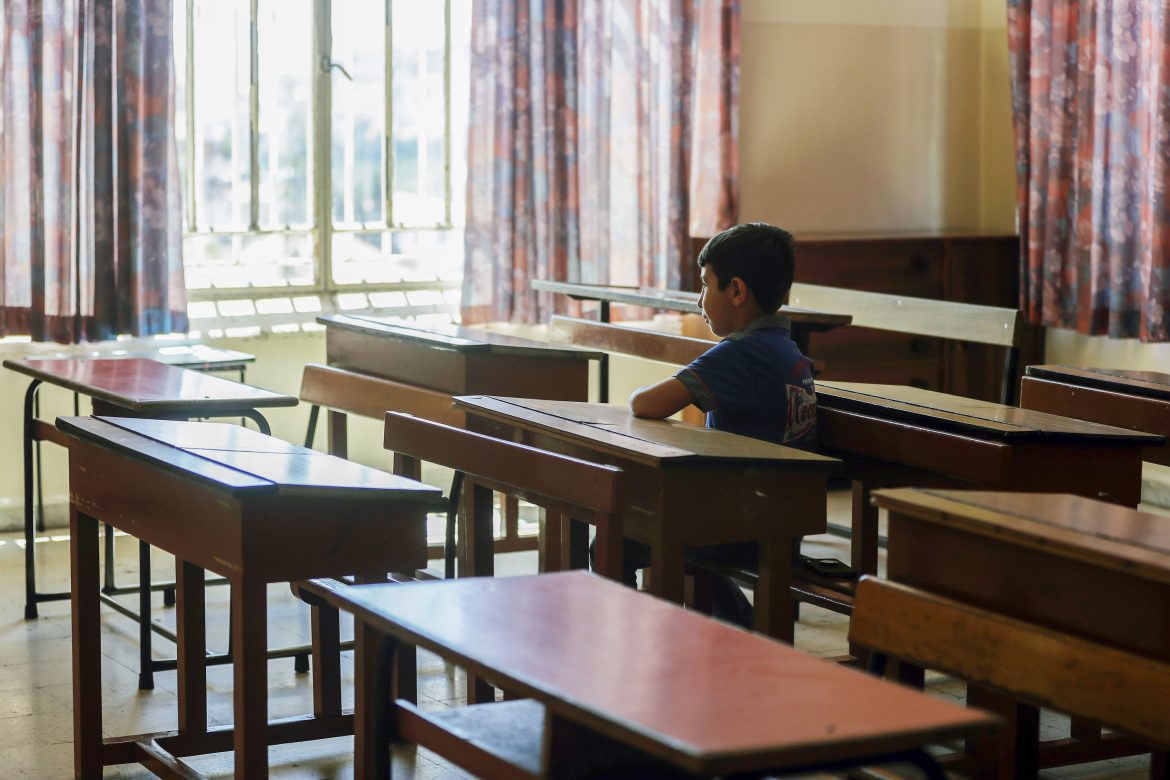
During the last four years, Lebanon’s education sector has undergone major changes due to the economic crisis, political instability and social challenges which resulted from the Covid-19 pandemic. As teachers became affected by the worsening economic conditions, schools started witnessing the migration of key members of their faculties, which in turn has led to the deterioration of the quality of the education system as a whole. The Lebanese government, along with public and private educational institutions so far have failed to form a sustainable plan to help teachers cope with the crisis, leaving the future of Lebanon’s education uncertain.
Public school teachers have been among the most impacted by the economic crisis and the relentless depreciation – interspersed with an ineffectual and insufficient official devaluation – of the Lebanese pound. A survey and study conducted in 2022 (prior to the official 90 percent devaluation of the Lebanese pound) by the Center for Lebanese Studies (CLS) on Lebanon’s education sector challenges indicated that an estimated 39,000 public school teachers and 50,000 teachers in the private sector have been placed under austerity. Recent indications of purchase power degradation of teachers’ salaries denominated in the Lebanese currency are compelling not only in the form of local price inflation data but also in the form of labor action through desperate teacher strikes and demonstrations in front of the Ministry of Education and Higher Education (MEHE). All indicators leave no doubt that the income situation of the vast majority of teachers has worsened by a further magnitude in the first quarter of 2023.
There are more private schools in Lebanon’s education sector than public; there are over 1,600 private schools and 1,256 public schools. The extreme depreciation of the Lebanese pound means teachers have watched their salaries lose more than 98 percent of their value since 2019. Once considered a stable – if underpaid – profession, teachers are now struggling to meet basic needs as transportation, electricity, and medicine prices have all undergone three-digit inflation rates, placing them out of reach for huge swathes of the population. For example, as per the CLS report, the average estimated commuting cost per month last year was $128, and the average salary amounted to $131. The disparity has left many teachers unable to go to work. Some teachers had to resort to coping strategies, whether having to borrow money to cover their living expenses or seeking secondary incomes from jobs such as working in restaurants, sales or setting up online shops.
Brain drain

Migrating to teach abroad has emerged as one of the few viable options for Lebanese teachers. The 2022 CLS study estimated that three-quarters of teachers are planning to leave Lebanon. However, a skills gap is hindering some from meeting the standards required to teach at international institutions, and as a result many have reportedly been going back to university to pursue master’s degrees in education before traveling. In tune with Lebanon’s widespread data scarcity, it is difficult to source an exact number of teachers who have emigrated since the crisis aside from anecdotal evidence. However, Karim Bassil, a primary school teacher who moved to teach in Kuwait last year, tells Executive that his school and other schools in Kuwait have recently recruited Lebanese teachers, who with their education degrees and extensive years of experience are in high demand by schools in Gulf Cooperation Council countries, as well as Iraq, Egypt and Africa.
“The dire economic conditions and outdated Lebanese school curriculum have made education professionals feel out of place and unable to be innovative and creative in their teaching [and] this in turn motivated them to leave the country,” Bassil says. He adds that most of the teachers who have left are receiving wages ranging from $1,500 to $3,000, as well as house allowance and insurance from the schools they joined. Even with the financial boon, however, challenges remain, like adapting to a new education system and cultural setting, especially in non-international schools in the Gulf where Lebanese teachers had to adjust their teaching approach.
Those left behind
For teachers remaining in Lebanon, coping with what World Bank researchers called one of the worst economic depressions globally since the mid-19th century, has been a difficult task. Besides the aforementioned coping mechanisms such as borrowing and taking on a second or third job, schools have been witnessing frequent teacher absenteeism caused by the surge in transportation costs which has made the simple act of going to school complicated. Abdallah Bou Enek, an education activist and teacher at a major private school in Beirut, tells Executive that teachers have had to also offer private tutoring lessons or have set up a side business; an added stress considering the long hours which are dedicated to working at school. Bou Enek says teachers have stayed for one of the following reasons: a patriotic sense of duty toward the future of the country’s education, free tuition benefits for their children, or the inability to move abroad given the gap in their skills. After many teachers left for more profitable secondary jobs or to teach abroad, private schools have become unable to find and recruit new teachers, which has resulted in lower-skilled teachers filling the gap. “The teacher shortage, along with the economic and social challenges have led to a disappearance of the standards of education that Lebanon was known for,” Bou Enek points out. Some private schools have been able to provide better wages for the teachers by the dollarization of their fees, however, such measures were mostly witnessed in high-end schools that are known to host students from wealthy families.
Public schools, at the behest of the state, are in a complex condition. With salaries fixed by the government which has neglected implementing any financial support measures or legal rulings, the state sector is struggling to function. “We haven’t been able to open the school in a constant manner as not all teachers are able to give the needed sessions,” the principal of a public primary school located in one of Beirut’s working-class suburbs, explains to Executive. The principal asked not to be identified by name. Due to the ongoing strikes and limited capabilities, both teachers and students have been out of the classroom. The principal says that the school is trying to provide children with an education based on the available resources and capabilities, though this is not sustainable. Eventually, some form of external support will be needed for their survival. According to the principal, there are some schemes from local NGOs that have been working on supporting public schools, although this has been limited and mostly involves schools in remote villages.
The teachers syndicates’ fight for rights

Both the public and private school teacher syndicates have been working on pressuring both MEHE and operators of private schools for better work conditions for teachers. While each of the syndicates has its own problems and methods of dealing with the situation, both reportedly suffer from internal political divisions, do not have a clear vision of the future and have been unable to secure the rights of the teachers. Teacher strikes have always been a phenomenon in Lebanon and occurred even before the start of the 2019 economic crisis. However, this time the strikes come against a backdrop of school disruption from the pandemic, meaning students have been out of school for concerningly long periods. In January, the public school teachers syndicate announced an open-ended strike which has been ongoing. The head of the committee for contractual professors in public education Nisrine Chahine, tells Executive that teaching, “especially in the private sector has been looked down upon, and there has been a major inequality in the government approach to public and private education.” After several confrontations with the MEHE, Chahine was revoked of her teaching rights within the public school system. In this context, Chahine says, “We are being faced with disciplinary measures for simply asking for our rights, however, we must continue fighting for our rights no matter what happens.”
In the field of private education, Nehme Mahfoud, the head of the private teacher’s syndicate, called for a strike in March, although it lasted for only a few days and was limited to a few schools. He tells Executive that the strikes are a measure taken by the syndicate to pressure some private schools to give better wages or at least provide the teachers with temporary relief to help them cope with the crisis. As the situation does not improve, the syndicate is expected to continue calling for strikes. “Syndicates from all professions must unite and call for a national strike in order to pressure the political system and reach a sustainable solution to the economic crisis in Lebanon,” Mahfoud says.
The government position

The MEHE has not yet formulated a strategy to tackle the challenges faced by teachers. Instead, it has only offered temporary solutions, such as financial compensations for public school teachers. One recent measure was a $300 support allowance that was supposed to be disbursed in two stages in March, along with a promised transportation allowance. However, as reported by the National News Agency, the distribution only partly materialized. The transportation subsidy was criticized while others alleged it was not distributed at all. Some teachers regard these compensations as a measure just aimed to avoid further teacher strikes.
Imad Achkar, the Director General of Education at MEHE, tells Executive that there is not a plan to solve the issue of teacher supply as the effects of the economic crisis, especially the depreciation of the Lebanese pound, have created obstacles which stand in the way of forming a sustainable plan. As the situation is worsening, Achkar and other figures from the sector are expecting a reform in the education system to take place by next year. The reform will most probably include the nationwide merge of public schools to ensure more efficiency and decrease costs, considering the number of half-empty public schools running at financial losses.
“Instead of having three half-empty schools in a certain area we can merge them into one with the best facilities and focus on it,” Achkar says. This move will indirectly remove the surplus of teachers in some public schools and will give priority to qualified and skilled teachers. Achkar acknowledges that Lebanon’s supply chain of teachers is in a critical position, especially since the number of people choosing to study teaching has dropped. For example, the Lebanese University, which usually has the largest share of education degrees students, currently has around 120 education students. He adds that well-skilled teachers have left the country, while the teachers who remain are shifting to other industries to make a living. The country will eventually face a total collapse of the educational sector if the economic and political situation does not improve, Achkar says.
Band-aid relief
Despite the critical position of public and private schools, answers to the problem are limited by a lack of funding. However, even when external financial support has materialized in the past, it has been reported that the MEHE and private schools have poorly managed funds donated by international organizations such as the United Nations and the World Bank. Experts have called on donor and funding organizations to form transparency and accountability mechanisms, such as producing public evaluation reports about funded projects, recruitment mechanisms, and spending and decision-making, to curb opportunities for misuse.
Amidst all the trouble, Antoine Medawar, the general director of Collège Saint Pierre in the rural town of Baskinta, was able to provide funding for the school during the past three years, and as such managed to maintain the school’s teacher supply. “There are three rules that a school director must follow to maintain the school’s teacher supply,” Medawar tells Executive. “The first one is treating the teachers with respect and dignity, [second is] making teachers feel as if they are partners with the school, and finally, giving them a salary that meets their basic needs.” The funds were provided in coordination with various NGOs, and to gain their trust Medawar followed a transparent approach. He gave these organizations access to balance sheets and invited them to visit the school to check the progress for themselves. In addition, the school is giving the donors a monthly report that includes the expenses, receipts and projects that it is doing. This approach has attracted many donors to come and support the school. But as the situation for education in Lebanon remains precarious, the options to confront such challenges might remain limited to private initiatives like Medawar’s, which lay the groundwork for continued positive action amid the crisis.
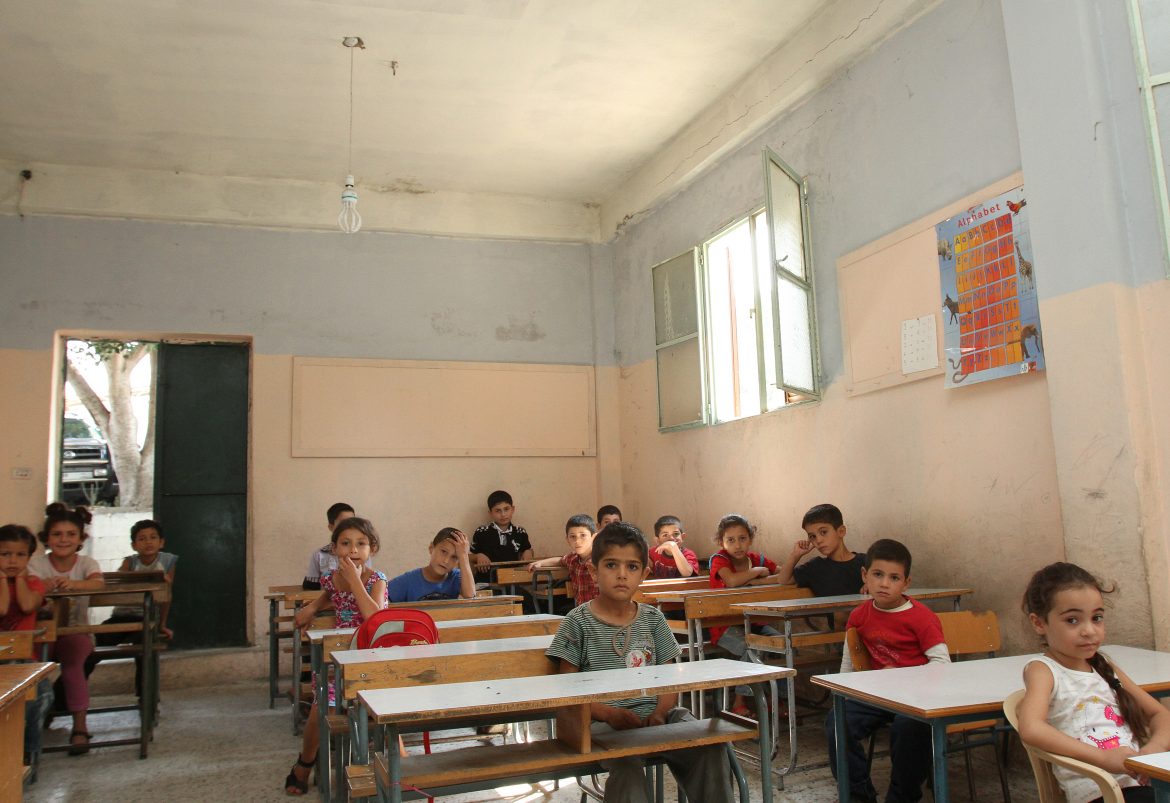
Public goods are numerous. In the face of extreme perils, public goods exist to guarantee the very survival of a society. External and internal guardian institutions against invading powers, catastrophes and crime exist today in form of defense, the justice and police system, and fire brigades, but also in form of agencies for environmental protection, preservation of biodiversity and climate. They are safeguards that facilitate the survival of societies in present and future. As such, they benefit all and must be designed to be non-exclusionary by their reach and coverage. But they are not created equal.
During a century of external peace, the public good of defense capabilities is less prominent. In a stable society with persistently low crime rates, police and prisons might become lower priorities, especially if other societal threat factors are intensifying. Established public goods of external and internal security may thus be overshadowed by new societal worries when for example simultaneous increases in population and economic activity are eroding environmental integrity, climate, biodiversity, global coexistence and social cohesion – until the moment when international tensions and internal social divergence burst again onto the scene.
twitter]Education and health are universal concerns of the human species [/twitter]and in this sense less sensitive than other public goods to societies’ shifting priorities. However, they are subject to shifts of individual and collective priorities and perceptions. The perception of personal health is in part human self-perception informed by personal choice, individual folly, and cultural bias. But overall, measurable indicators and impartial science plays an ever-increasing role in our approaches to health. Education is a matter of projecting societal experience forward in time, imperfectly sourcing future productive contributions of a wide variety and anticipating impending societal needs, such as jobs.
In being directed at a child and youth as formal education, the education system reflects in a significant part societal needs and priorities, to which it seeks to match the new member with tools of measurement and statistics. It significantly also is a matter of family perception where the dreams and biases of the parents are influenced by the biases of their parents, frequently going back all the way to various philosophical speculations of the so-called axial age that a more educated human being will have a better life for herself and at the same time contribute to a superior community with ever-growing quality of living.
In this sense, education has presented itself with the underlying communities’ historic consent as a moral imperative aimed at reaching a communally-relevant quality of life that delivers on such ethereal human wants as happiness, honor, respect, benevolence, political honesty, sustainable development, peace, and love. Such are dreams of education – or, in the worst case, vain and expensive hopes.
A weakening system’s disintegration
The current state of the Lebanese education system appears to have fallen from a popular utopian dream into a pit of depressiveness. Having disintegrated financially and sharply degraded in its capacities over the past four years, the education system’s internal divisions, which have been unabated since the country’s economic and societal reconstruction phase in the 1990s, seem to have descended further into a disorder where few learners achieve and the majority is left behind. In its genesis, this classical tragedy of education in Lebanon – where extraordinary efforts result in the opposite of the desired outcome – can be described in numbers that date back to the days when the country was still absorbed in its delusion of a stable currency and sustainable model for business and society.
In one puzzling set of data, the ratio of pupils to primary school teacher in Lebanon was for a long time one of the lowest in the region and among upper middle-income countries. Compared with global averages that improved haltingly from over 28 to about 23 pupils per teacher in the course of five decades between 1970 and the mid-2010s, the value for Lebanon fluctuated – as per available data – between 12 and 17 pupils per teacher. By such data, and also by qualitative evidence such as the local tradition of Teacher’s Day, this society has over many years impressed as a positive outlier against several international peer groups in its cherishment of teachers.
By another measuring stick, however, namely in terms of spending on education, the Lebanese state can be classified as spendthrift to the point of suspicion of non-sustainability in the short and the long term. A 2021 paper by World Bank staff claimed that “the government of Lebanon spends $1.2 billion on education (less than 2 percent of GDP).” Surprisingly, however, another World Bank paper by the title Lebanon Education Public Expenditure Review 2017 (LEPER) – which is referenced in the Foundations for Building Borward Better (FBFB) document of late 2032 – cites the same figure of about $1.2 billion in annual public spend on education but associates it with “approximately 2.45 percent of GDP and 6.4 percent of total public expenditure.”
It is said in the FBFB report that the public expenditure on education in Lebanon dropped to less than 2 percent of GDP in 2020 but a data series for the 11 years from 2005 to 2015 cited in the Public Expenditure 2017 Review shows that public education expenditure through the Ministry of Education and Higher Education (MEHE) moved somewhat erratically between 1.6 percent and 2.4 percent per year, to which one has to note that Lebanon experienced significant fluctuations in its GDP growth rate over the period. In a vaguely correlated trend line, MEHE budgets as percentage of total public expenditure vacillated over the same period between a high of 7.7 percent in 2005 and a low of 5.2 percent in 2008 for an average of about 6.3 percent over the period. It further has to be noted that Lebanese households were estimated to have spent $1.5 billion annually – another tranche of GDP that would have the total public and private country spend on education trending well above the lower bound of the 4 to 6 percent share of GDP range that has been recommended in context of the United Nations’ sustainable development goals (SDGs).
By time of this writing in 2023 however, assessment of Lebanese education expenditure has been massively impacted by the continuing economic crisis, and it must further be taken into consideration that data on population, GDP, and private and public expenditures in view of purchase power losses, rising economic informality, wild currency fluctuations and uncontrollable price inflation are presently even more tenuous than in the previous decade. The fiscal misery nonetheless suggests that Lebanon will over the first half of the 2020s – and possibly far longer than that – be allocating significantly less to education in percentage terms of GDP than the 4 to 6 percent range that was recommended as means toward achieving SDG4 by a World Education Forum in 2015.
Missing education targets

Named the Incheon Declaration after the Korean city where the forum was held, the event’s concluding statement advised that countries provide 12 years of free public education and urged them to adhere “to the international and regional benchmarks of allocating efficiently at least 4 to 6 percent of GDP and/or at least 15 to 20 percent of total public expenditure to education.” World Education Forums were organized as global-level initiatives in 2000 (Dakar, Senegal) related to the Millennium Development Goals, and in Incheon, Korea, in 2015 related to the SDGs. UN agencies and the World Bank were the organizing entity.
However, for discussing mores, modes and models of education for the future, it is hardly self-evident that primacy of public education and state finance is optimally tailored to all rapidly evolving education mandates such as remote learning in a digital future and lifelong learning on individual level. Moreover, in hindsight of a world that has experienced an unprecedented education crisis in the pandemic years of 2020 and 2021 (which was an education-related observation of “Our Common Agenda”, a September 2021 UN event and report whose top recommendations included the renewal of the social contract and the protection of global public goods), the Incheon Declaration’s context was programmatic. It was not necessarily immune to tinges of top-down, pro-state policy orientation – one article in the declaration took a decidedly pro-state position in insisting that education is a public good “with the state as main duty bearer in protecting and fulfilling the right to education.”
Moreover, on the scale of Lebanon, the World Bank’s LEPER of 2017 noted that “higher educational attainment corresponds to higher earnings in the labor market” and that education investments consequently deliver “high returns” to Lebanese households. It cannot be disputed that the majority of society was embracing a high share of private education finance in an outlier country such as Lebanon, given that the extraordinary tripartite education system of public, private, and not-for-profit private provision was delivering results in form of annual cohorts of graduates. This is also expressed in enrolment numbers at private education providers up to the level of tertiary education, embraced by society during the post-conflict reconstruction period and into the 2010s.
However, a diminishing performance against education benchmarks, long-standing deficiencies in qualifications and inefficiencies in allocation of teachers, and a frighteningly high degree of education inequity are indisputable factors in reviewing of the trajectory of the Lebanese education system in the years before the pandemic and financial and economic and policy crises.
“Learning outcomes in international assessments are low and have been declining for the past decade,” notes the World Bank FBFB paper of 2021, which in its executive summary prominently references the World Bank’s Human Capital Index in suggesting that children born today would, on average, at adulthood reach not more than 52 percent of their productivity potential. The paper further cites decade-long declines in results of assessments such as the Trends in International and Science Study (TIMSS) and below-average performance of Lebanese students in the Programme for International Student Assessment (PISA) where test results revealed worryingly vast distances between scores for best and worst performing schools.
A set of long-term outlook speculations by the World Bank’s Human Capital Project – which constructed and published its first Human Capital Index (HCI) at the end of the 2010s – drew on education outcome measurements such as PISA and TIMMS in allocating an unexpectedly low HCI ranking to Lebanon in its assessment of a newly born Lebanese child’s capacity to achieve optimum economic productivity by age 18.
Although any such multi-decade prediction of human productivity by necessity will be heavily programmatic, be unable to account for influences that go beyond a small number of increasingly tenuous data projections, and be co-dependent on unknowable factors that are impossible to quantify for impacts upon national and global economic dimensions, the low HCI ranking of Lebanon – dating to the time when the roots of the long crisis period were still hidden – is yet another urgent alarm signal for education and health institutions and policy makers in the country. The human economic resource is perceived as a rare national treasure, often named in analyses and public speeches as the country’s most significant asset.
With regards to education opportunities, the 2021 FBFB paper admonishes as the first statement of its medium-to-long term reform recommendations that “the Lebanese education sector is highly inequitable.” This is consistent with the 2017 LEPER observation that “inequity associated with socio-economic status exists in terms of access to quality private and public schools.”
This high inequity has negative implications for an efficient labor supply and for the ability and effectiveness of the Lebanese education system. In this context, also the pupil to teacher ratio, which on the face of it looks like an advantage of the Lebanese system, has a very dark side. According to the LEPER report, the salary cost in the Lebanese education system was above that of many developed economies and the utilization of teachers per student “low and inefficient by international standards”. Partial explanations for the discrepancy between teacher numbers and learning outcomes according to the report were firstly that a significant portion of the teaching cadre are working in administrative roles rather than in the classroom and secondly that some rural schools have a full complement of teachers for comparatively few students.
Additional indicators for the – prior to the economic crisis – inefficient Lebanese education system’s need for reform and development were cited across international reports in wide mismatches of graduates’ qualifications and labor market needs. School system brick and mortar infrastructures showed regional differences in quality, which in turn were reflected in student performances.
In terms of teacher pay, training, motivation and performance, by international comparison high salary entitlements of some teachers and weak qualification levels of others, stood in contrast to the lack of training, incentive, and performance evaluation systems. According to several reports also in need of addressing were the lack of regulatory frameworks, need of curriculum reform, absent governance and quality control.
To draw a concluding impression of all this, the high number of reform proposals and remedial recommendations that have been published since the 2000s, including many proposals for curriculum reform and delivery system reform, is juxtaposed with very little evidence of effective systemic changes.
The education system of Lebanon has performed better than many expected when confronted with unexpected challenges such as the influx of Syrian refugee children in 2012 and 2013 and with the lockdowns and Covid-19 challenges in 2020. Yet, the many calls for structural reform seem to have gone in one ear and out the other. The brokenness of the education system in the 2020 to 2023 period is in this sense the pinnacle in a cycle of education system shocks and crises. In this downward spiral, reform needs discovered in the 2000s were exacerbated by the very high impact that the Syrian refugee crisis had on schools in Lebanon and forced into a yet more severe state of shock by the pandemic and collapse of livelihoods.
Beacons of betterment

Going forward, structural education reform plans without political and financial viability can hardly be expected to deliver during the latter stages of the systemic crisis what they did not deliver in earlier stages. While the inequities and problems on the systemic level must be expected to increase in most aspects of the education system, attempts to confront the problems can perhaps draw energy from a look at solutions.
One beacon of hope for development has been erected by the thought and strategy leaders at top universities, which are addressing the challenges they face with the support of their networks that reach around the globe (see their comment pieces in the Dec/Jan issue of Executive). However, the top educational institutions, although deeply woven into the social and economic fabric of this country, need a functional education system to stand upon.
On that side of the education equation, with only the faintest traces of trust in the state as guardian and provider of this public good being visible in society, the risk of a further spike in inequity and privatization of education in Lebanon has to be considered. Viable solutions might not reach to the scale and scope of strategic reform but momentum of change to the better might be found through meaningful steps on the ground while not abandoning the state as stakeholder.
An extant party to the education development issue that can be viewed through this bifocal lens, is the United Nations International Children’s Emergency Fund, known by its acronym UNICEF. The organization has according to Ettie Higgins, UNICEF deputy representative, been present in Lebanon since the middle of the 20th century but has achieved a huge leap of impact in the context of the Syrian refugee crisis of the 2010s when it helped addressing the emergency needs of children.
Support mechanisms for children that the organization has initiated in context of Lebanon’s education crisis include a fund by name of transition resilience education fund (TREF), which according to Higgins allows for the direct payment to the public sector, to schools, and to teachers for the work that they have been doing, as soon as the delivery of services to students is verified. Support of the formal education system accounts for a huge chunk of the organization’s budget in Lebanon. “UNICEF really sees the job that the public sector does for education as irreplaceable,” Higgins tells Executive.
Other current programs coordinated by UNICEF comprise a project to create as many as 100 community centers in coordination with about a dozen NGOs that will deliver an integrated package of education, child protection, and youth services. There also is an innovative “school bridging program” to children who have been out of school for one year or more. The program, which is currently in its pilot phase, is designed for collaboration with private schools in providing learners with “multiple flexible pathways” to improve their societal and economic productivity.
“We focus our integrated interventions where we have a high number of children out of school and where we have high pockets of vulnerability, regardless of nationality,” Higgins describes the strategy behind programs that are currently being rolled out. Addressing needs of children, including the debacle of Lebanon’s education system, at the points of greatest vulnerability appears to be deeply ingrained into the institutional DNA of UNICEF whose acronym still reflects that the intergovernmental organization was originally tasked to act as emergency fund.
Another strand in the UNICEF DNA is collaboration with state institutions. “Working with the public education system remains our primary logic. We are not an NGO. When we come into a country, we are coming on the invitation of the government and our primary focus and mandate is on supporting the public system,” Higgins emphasizes.
“When we speak with donors and design programs, we want to make them as multi-year and flexible as possible. This allows us to plan ahead so that we don’t start the school year and run out of money and have children lose out on their education. We also do a lot of awareness raising because the important thing about education is that it is not just education but also a protective environment,” she explains and concludes: “The scale of challenges for education in the country are so acute that it requires for all stakeholders to come together and try to jointly mobilize resources to do better programs that give children better results in their education.”
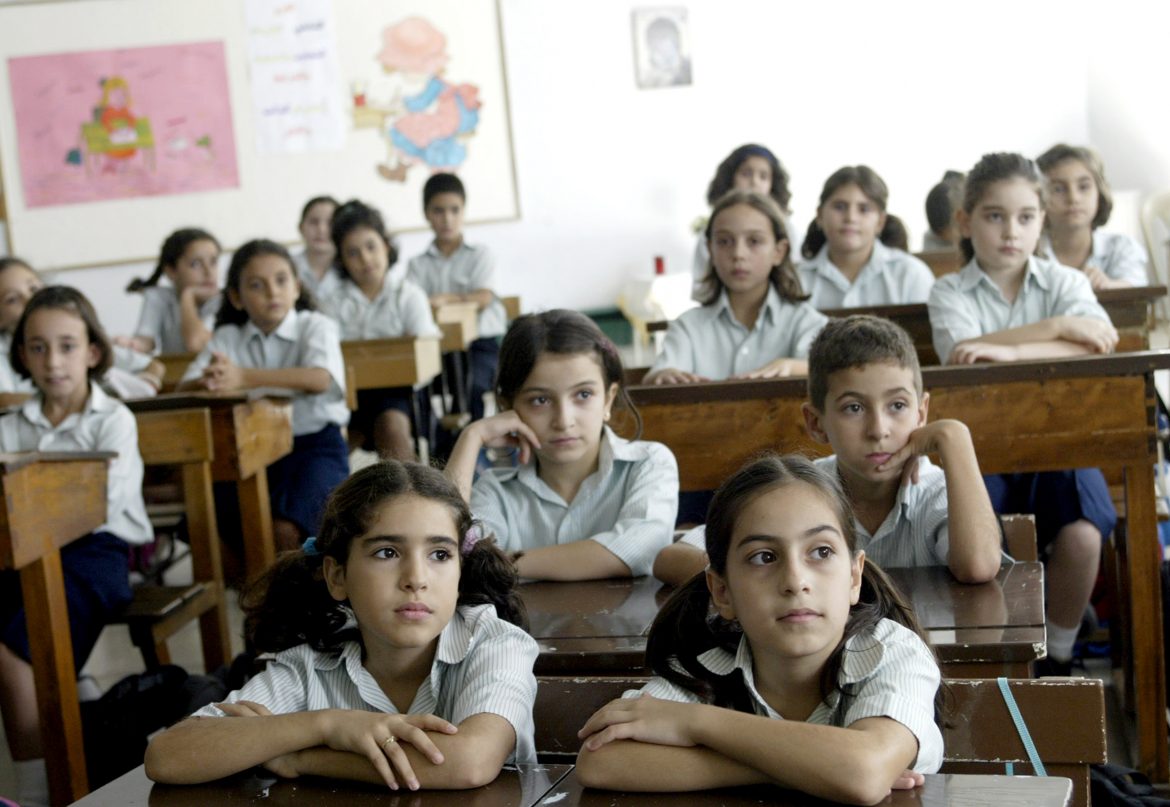
Education is the cornerstone of a nation’s progress, and it is often touted as a powerful tool for achieving equality and social mobility. However, in today’s Lebanon, the situation is quite different. The country is facing a widening inequality in educational opportunities, threatening the future of its youth and its development prospects.
“I want to learn and succeed in life, but how can I when the resources and opportunities are not available to me? Education should not be a luxury for the privileged few, but a right for all,” Rajaa Sharafeddine says, an eighteen-year-old student at Al Amir Shakib Arslan Secondary School in Verdun, Beirut. Around this time of the year, she would normally be thinking about her exams, graduation, and future choices, she tells Executive in late March, laconically adding that her education is now being disrupted for the fourth year in a row – first owing to the Covid-19 pandemic and lockdowns, and more recently because of economic school closures and teacher strikes.

Sharafeddine’s comment highlights the reality of many students in Lebanon, attempting to gain an education amid a deteriorating system. In January, an estimated one million children were out of school, according to international organization Save the Children. In 2021, following pandemic-related measures and the declining economy, more than 737,000 children of Lebanese, Syrian and Palestinian descent were out of school, the United Nations High Commissioner for Refugees (UNHCR) said.
One of the main barriers to education access has been the proliferation of widespread strikes among teachers at both public and private schools, resulting in temporary school closures up and down the country, as staff demand better wages and working conditions. As these strikes are ongoing, while wealthy families can afford to provide their children with alternative educational resources like private tutoring, for lower-class families the disruption will only serve to exacerbate the gap between the rich and the poor; perpetuating a cycle of poverty and limiting opportunities for social mobility.
Education in Lebanon has long been a point of pride for the country due to its history, diverse culture, and Westernized schooling system. However, in recent years, there has been a growing concern about the widening gap between the education opportunities available to students in private and public schools. This inequality has been exacerbated by several factors such as economic disparity, social exclusion, and political instability. According to the World Bank, in the 2020-2021 academic year, approximately 55,000 students moved from private to public schools.
Educator and sociologist Sanaa Hassan explains to Executive the dynamics of the public and private education systems in Lebanon. “Private schools in Lebanon are typically run by for-profit entities and charge tuition fees that can be prohibitively expensive for many families. On the other hand, public schools are generally run by the government and are meant to provide education to all children regardless of their socioeconomic background.”
Despite having the same curriculum set by the Ministry of Education, Hassan emphasizes that private schools have a distinct advantage due to their ability to invest in better resources and infrastructure. “Private schools have access to modern technology, more textbooks, and teaching materials. They also have better facilities such as libraries, laboratories, and sports facilities. Public schools, on the other hand, may lack some of these resources and facilities due to a lack of funding,” she adds.
Hassan also highlights the role of socioeconomic status in amplifying this inequality. She says that private schools are usually filled with children from wealthy families while government schools have diverse populations. “This can affect the learning experience of students, as those from wealthier families may have had access to more resources and support before entering school.” She further lists factors which impact the quality of education, such as class size. However, she also notes as a counterfactual that the dedication and expertise of the teacher is of higher significance than the number of children in a class.
Madeline Khoury, a former French teacher at Sagesse High School in Jdeideh, suggests that the issue with education in Lebanon does not simply come down to disparities between public and private schooling but rather an outmoded approach to education. “Both systems suffer from the limitations of an outdated curriculum and a lack of sufficient teacher training,” Khoury says. For her, an updated approach to teaching, with learning methods that prioritize the development of higher-order thinking skills, is overdue in the Lebanese school system.
“Teaching is a noble profession that requires continuous learning and development, but unfortunately, many teachers in Lebanon are not adequately prepared to meet the complex demands of modern classroom,” Khoury says. Without sufficient training, teachers may struggle to engage students, manage behavior, and create a safe and supportive learning environment. As a result, many students miss out on opportunities to reach their full potential, and teachers may become frustrated and burn out. [inlinetweet prefix=”” tweeter=”” suffix=””]Khoury recommends investment in teacher training programs in Lebanon to improve skillsets.[/inlinetweet]
Teacher strikes, vocational barriers, and exclusion of refugee learners

“I’ve been at home for the past three months, not learning anything, because of the ongoing teacher’s strike. It’s frustrating to see my education being put on hold because of a conflict that I have no control over,” Sharafeddine says.
“I feel like we are being left behind while other students in private schools are moving forward. It’s not fair that we are forced to stay at home without an education while they are able to go to school and learn everything they need to succeed. We all deserve the same opportunities and resources to reach our full potential.”
Throughout this year, public schools have suffered from intermittent closures as teachers demand higher wages and stipends. The demand varies from basic education to secondary education, university education, and technical education.
Vocational or technical education is an area where financial restraints translate into pertinent difficulties for technical schools. Dany Maroun is an accounting and finance teacher and guidance and employment officer at Edde Technical School in Jounieh, an educational institution that offers vocational and technical training programs. “[Technical schools] rely heavily on specialized equipment and facilities for their training programs. We would sometimes pay from our pocket to make our students have enough equipment and [so they] can enjoy learning, but now we can’t afford to do this anymore,” he tells Executive.
With the depreciation of the Lebanese pound, [inlinetweet prefix=”” tweeter=”” suffix=””]Maroun’s monthly salary has fallen to the equivalent of less than $200, down from $3,000[/inlinetweet] before the crisis. He has been struggling to keep up with fuel costs to power the generator and heaters during the winter months.
The teachers’ hardships are having a ripple effect on the quality of education. “How can we ask the teacher to give his time and effort and raise generations when he is unable to support himself?” Maroun says. “And all the time [the teacher] thinks about what he will do besides education so that he can live the whole month without going hungry. Today, I’m like the majority that thinks of leaving, and whenever I get a chance abroad, I will not think twice [about going]. Between humiliation and leaving, the choice is clear to everyone.”
Since the start of Syria’s civil war, over 1.5 million Syrians have relocated to Lebanon, but only around 950,000 people are registered with UNHCR. Refugee education in Lebanon is impeded by various factors at a smaller scale, mostly related to financial constraints, in addition to transportation expenses, economic instability, the absence of legal documents and differences in curriculum. According to a 2021 report from Human Rights Watch, an estimated 29 percent of Syrian children are out of school due to arbitrary rejection by Lebanese schools.
The teacher strikes have also impacted refugee education. As morning classes for Lebanese students ceased, so too did the afternoon classes attended by refugee children. Education Ministry officials recently commented that the closure of the afternoon classes was due to “equality” concerns, as it was unacceptable for Lebanese children to miss school while others did not.
More challenges and the will to change

“Imagine being a student and not being able to take an exam because we don’t have the supplies to administer it. And it’s not just exams. We don’t have proper electricity in some of the classrooms, so we’re teaching in the dark. How can we expect students to learn in these conditions?” asks Basel Saleh, a professor of philosophy at the Lebanese University.
[inlinetweet prefix=”” tweeter=”” suffix=””]Lebanese University (LU) is the only public university in Lebanon, and it plays a critical role in providing higher education opportunities for low-income families. [/inlinetweet]But such opportunities are at threat as the university faces challenges from political interference, financial difficulties, lack of resources, and declining academic standards. It has spurred a decrease in enrollment, protests, strikes, and a wider decrease in the quality of education.
Saleh tells Executive that the university is undergoing several problems resulting from the economic crisis. According to him, these problems extend from “unequipped buildings to the scarcity of papers and other necessary supplies, in addition to the demands of full-time contracted university professors, all of which is threatening the academic year and the fate of its students.” He notes, however, that the troubles of Lebanon’s public university have preexisted the economic crisis, lamenting that the government has been disregarding “the demands of academics for a long time, even prior to 2019.”
According to Saleh, 80 percent of the professors at LU are not registered as full-time employees, which means they are excluded from welfare benefits like health insurance, while their monthly paychecks are currently paid biyearly. He explains how this further lowers the commitments that society can expect from those entrusted with teaching at LU. “If you don’t have professors who are employed full-time, you cannot compel them to participate in administrative meetings. Additionally, if they don’t receive social and financial stability, they may have to take on multiple jobs which could lead to increased stress and potentially compromise the quality of education,” Saleh says, even as he notes his own choice of staying in Lebanon and embracing the challenges while his family has emigrated in pursuit of better opportunities.
Despite the many facets of the Lebanese education dilemma, decoding its needs and pointing to possible solutions is no deep enigma to committed educators who have decided that the vital public good of education is in urgent need of resuscitation. As an educational sociologist and president of the Lebanese Association for Educational Studies, Suzanne Abdul-Reda recommends several key actions to help close the gap in education opportunities and create a more equitable and just society in Lebanon, beginning with governmental investments in the sector. “This investment should focus on improving the quality of education and increasing access to educational resources, such as textbooks, technology, and libraries,” she says. “The government should also provide financial assistance to families who cannot afford the cost of education, including tuition fees, transportation, and school supplies. This will ensure that all children have access to a quality education regardless of their family’s financial situation.”
In her view, schools in Lebanon must adopt policies and programs that promote equity in education. “This includes providing extra support to students who are at risk of falling behind, such as those who come from low-income families, those who speak a language other than Arabic at home, or those who have special educational needs. Schools should also promote diversity and inclusivity by celebrating the cultural differences of their students and providing a safe and welcoming environment for all,” she says.
The desire to create a world where education is a right for all has motivated Abdul-Reda and a group of experts to act towards this goal. In April 2022 they founded an educational consultancy called SCOPE that provides services to empower and equip communities, schools, and NGOs working in both formal and informal educational settings. “We act through evolutionist paradigm of governance based on wholeness, trust, free information, worker autonomy, self-management, critical peer relationships, shared values, valorization of diversity and continuous learning,” Abdul-Reda says.
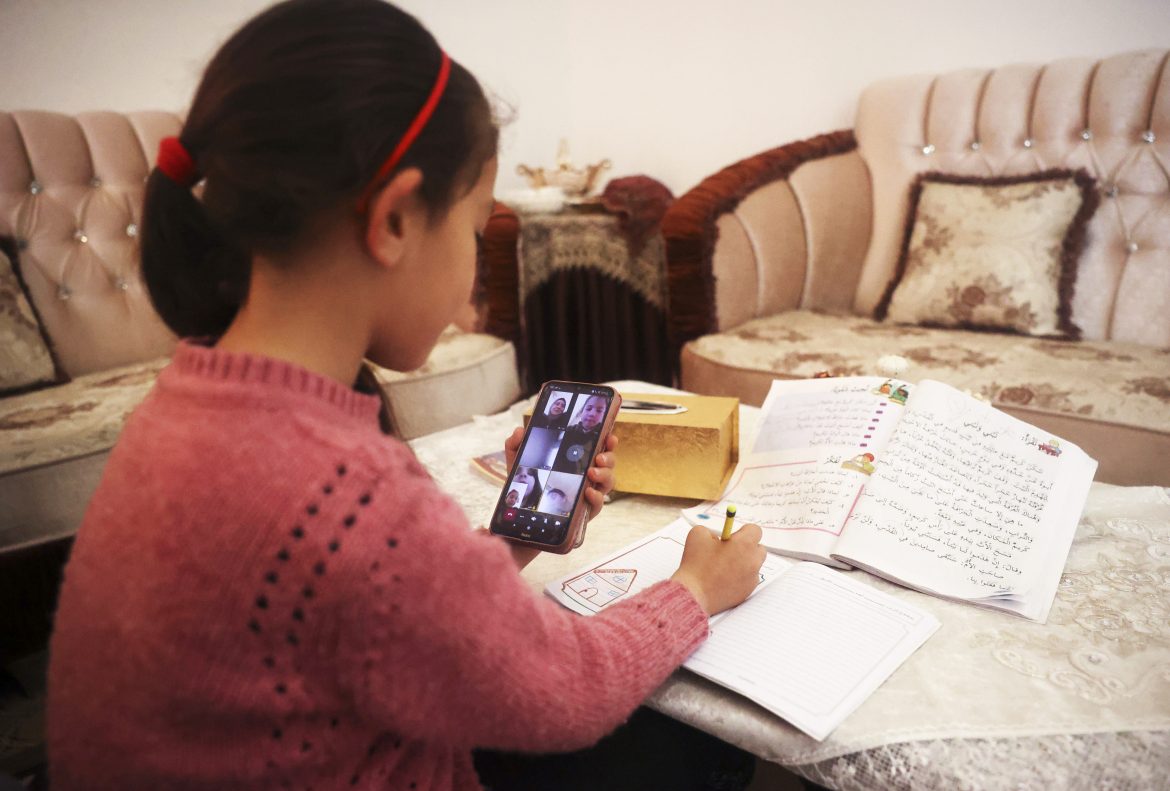
Every one of you reading this today can understand this simple sentence. However, almost two thirds (59 percent) of children in the Arab world are in ‘learning poverty’—which means they cannot read and understand an age-appropriate text in Arabic by the age of 10. This is a problem for schools and parents across the Arab world, including in high income countries in the Gulf. With two thirds of the Middle East and North Africa’s (MENA) 50 million children in learning poverty, this is an urgent problem that is holding back our region’s development and progress. To succeed in solving this problem, any solution must find ways to (1) modernize outdated teaching practices, (2) close the gap between Modern Standard and spoken Arabic and (3) leverage technology.
How do we translate that to respond to the existing needs of schools in the MENA region? Students need Arabic content that is relevant to their interests and life. They need to feel engaged in the language learning process and they need to feel that they can achieve and that success is within their reach. Meanwhile, teachers are scrambling to find the tools and resources to help them improve how teaching and learning happens. Kamkalima provides support to Arabic teachers in schools across MENA to empower existing curricula with engaging digital content, assessment and insights to drive continuous improvement in learning. We come to schools with the conviction that technology can be effective in assisting learning and improving student outcomes, especially when it is spearheaded by teachers.
The Pandemic Imposes Change
Schools are “late bloomers” in opening up to technology. In the 1920s and 30s, television and later radio were thought to largely replace textbooks in the future. In the mid-80s, the forefather of artificial intelligence, himself an educator, forecasted that the computer would emerge as a key instructional tool. Yet, schools remained hesitant in the integration of technology, until a global pandemic made it imperative.
The Covid-19 pandemic forced 1.4 billion school students out of classrooms and forced schools and teachers to find immediate remote learning solutions. School closures have been substantial– an average of 115 days in lower-middle-income countries according to UNESCO. And just as substantial has been the students’ learning loss. Children have lost up to two years of formal learning. Many are experiencing a regression in their educational advancement. World Bank experts have warned that the biggest side effect of the pandemic will be children’s lost learning, which is estimated at $17 trillion contruction in lifetime earnings for students currently in school.
Reports also show children’s resilience dwindling and a negative impact on mental health. We noticed this in students’ writings. Our AI models run sentiment analysis on students’ writings to help teachers to gauge how students feel about certain topics, processes, and learning experiences. The sentiment analysis automatically clusters student writing and detects sentiment polarity into positive (+1), negative (-1) and neutral (0). Negative sentiments in student writing surged during the Covid-19 lockdown possibly indicating the impact of the global pandemic on student wellbeing. This technology allowed us to respond quickly by introducing targeted content around Covid-19 awareness, prevention, and coping including content around mental health.
The Scramble for Solutions
[inlinetweet prefix=”” tweeter=”” suffix=””]Demand for digital solutions exploded with the pandemic as schools scrambled for education technology. [/inlinetweet]Three hurdles would stand in the way:
Identifying the right tools: not all edtech is created equal. Technology to improve teaching and learning – which is at the heart of education – is certainly more challenging to adopt than technology to manage timetables and payment gateways. It is more challenging because it requires a paradigm shift from a teacher-centric approach to a student-centric approach. The promise of education technology lies in extending the teachers’ abilities – not replacing them – while helping them to implement and facilitate student-centric learning. What we need to see is learning that is supported by technology, not mechanically mediated by it. Technology will never replace teachers, but teachers who use technology will probably replace those who don’t.
Teacher Readiness: Teacher capacity is the wind beneath the wings of successful integration of education technology, and schools need to prioritize professional development programmes. Capacity building cannot be seen as an extra, something that teachers have to make time for on their own or spend on individually. Digital literacy is a must. Every teacher today needs the knowledge, skills, and attitudes to support effective hybrid models of teaching and learning.
Change takes time: It is easy to forget that change takes time when we live in the era of fast food, drive-thrus, diet pills, and instant messages. Change at the school level is imperative for education to remain relevant. Students change, jobs change, and the skills required for success change. Technology can now help teachers gain deeper insights into student learning and teach more effectively. With the advancements in data science, teachers can now gain deeper insight into student learning, better understand learning gaps and match learning resources and activities to student’s needs.
Schools are beginning to change. Schools that would never have considered an online meeting three years ago are now comfortable with the idea. Teacher training sessions that could only be delivered in person to a few teachers in a single school are now delivered remotely as well as in person, synchronously and asynchronously, to support hundreds of teachers across the Arab World.
Championing Schools in Lebanon
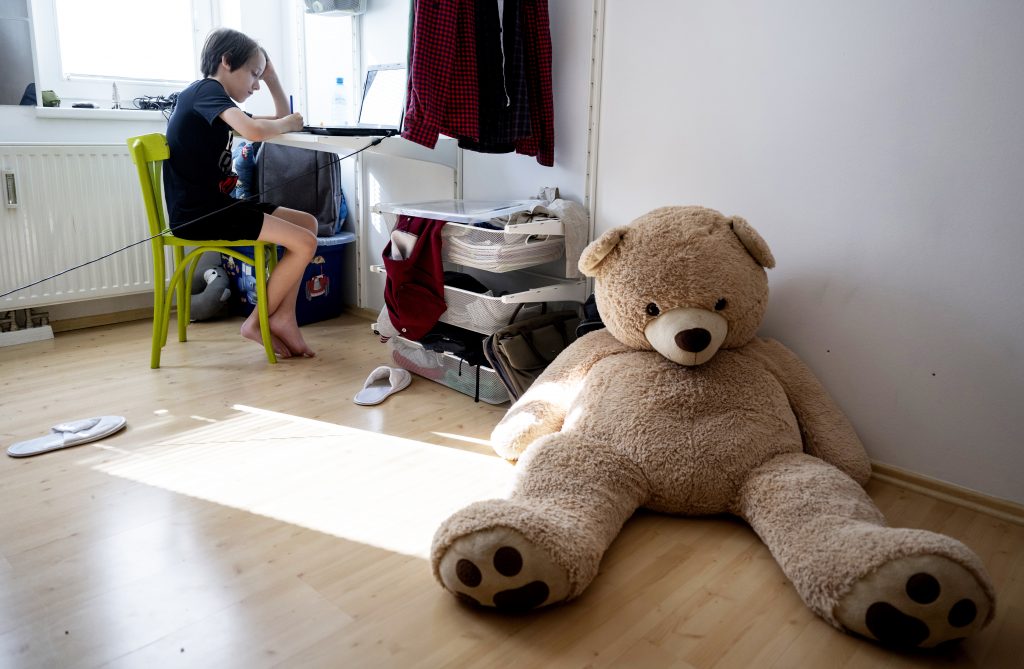
As we know, the education sector has not been exempt to the country’s breakdown amid the economic crisis. It has created huge challenges for schooling; from remote learning experiences, to shortages in resources, to teacher migration and children dropping out. The crisis has also led to a decline in the quality of education, with many teachers leaving the profession due to low salaries and poor working conditions. As a result, students in Lebanon are facing increasing difficulties in accessing quality education, which could have long-term impacts on their future prospects.
In 2020-21, students in Lebanon lost more than 5.5 months or 22 weeks of school, equivalent to ⅔ of an academic year, according to UNESCO, with some reports estimating over 1.2 million school-aged children in Lebanon did not receive proper education that year. Meanwhile, during that same year, Kamkalima witnessed 133,000 educational activities from teachers and students in Lebanon. Edtech solutions are not a replacement for school; however, they can provide learning continuity as well as contribute to maintaining a sense of normalcy for students and teachers struggling to cope with frequent disruptions and challenging circumstances.
However, in order to harness the power of technology equitably for all learners, we need “all hands on board” and we need to work together. [inlinetweet prefix=”” tweeter=”” suffix=””]We invite the educational community to continue to pilot and evaluate the use of digital technologies[/inlinetweet], such as Kamkalima, among others in challenging contexts like Lebanon, adding to the bank of knowledge about digital education. All stakeholders must prioritize investing in teacher’s digital skills and their readiness to use digital alternatives to promote remote learning. The Lebanese government’s role in providing sustainable infrastructure for electricity and connectivity must be a priority.
As Kamkalima, we continue to support learning recovery in Lebanon in more ways than one. Between 2019-22, we have supported over 24,000 teachers and students in public and private schools across the country with free access to quality tools and resources. In addition, our entreprise supports young Lebanese university students with multiple work-based learning opportunities, including training and internships. Over the past few years, we have hosted more than 30 young people in fields of technology, languages, design, psychology, business and communication arts, helping 65 percent of them to successfully transition into employment in Lebanon and abroad.
The 2021 joint-report by the World Bank, UNICEF and UNESCO ‘The State of the Global Education Crisis: A Path to Recovery’ showed that in low- and middle-income countries, like Lebanon, the share of children living in Learning Poverty – already high before the pandemic – could potentially reach 70 percent given the long school closures and the ineffectiveness of remote learning to ensure full learning continuity during school closures.
We always like to evaluate what we do in the hope that we learn and improve. In September 2022, at the end of a three month internship, Kamkalima asked our youngest colleagues to reflect on their learning experience. For Dana, an MA Student in Comparative Literature, “learning about concepts like ‘inquiry- mindedness’ and ‘social-emotional learning’ has been invaluable.” Aya Catherina Elias feels she was able to “take a glimpse into the future,” by working on real-life projects that build on theoretical concepts learnt in class: “I can see what it’s like to be a researcher and practitioner in my field (psychology).” Youmna and Nour are aspiring female data scientists who consider that the most important thing they learnt was to challenge themselves and believe in their capacity.
In the midst of challenging times in Lebanon, we continue to find hope in each other.
Nisrine El Makkouk is the co-founder and chief strategy officer of Kamkalima

The growing impoverishment among the population means the availability of affordable healthcare has become an essential aspect of meeting basic needs today. Primary healthcare centers have emerged as an option for Lebanese struggling to access now unaffordable public or private HOSPITAL CARE. Executive visited two major centers, the Karagheusian Primary Healthcare Center and the St. John the Baptist Community Health Center, to hear about their operations.
It is a crisp spring morning. Life is awakening on the streets of Bourj Hammoud. The sun strafes the rooftops of the countless low-rise apartment buildings that huddle cheek to jowl along alleys in the densely populated town, which is an integral part of the Beirut conurbation. While shops start opening along streets that are often barely wide enough for a small truck, life is already bustling at the Karagheusian Primary Healthcare Center (PHC), an unassuming complex of four buildings tucked away in a side street near the Beirut river.
The odd journalist and even a visiting delegation from an international funder organization coming here this morning (independently from each other) are immersed in a steady stream of visitors to the Karagheusian PHC. They are locals and resident refugees seeking relief from toothaches and eye problems, mothers looking to have their children vaccinated, persons in need of medications for their chronic ailments; they are the sick, weary and the suffering of many backgrounds and communities who have made Bourj Hammoud their home and live mostly in walking distance.
“We have a multi-disciplinary team of healthcare workers, both full-time staff and physicians who work with us half-time or part-time in such a way that 30 clinics in our 500 square-meter compound are ready to receive patients throughout the day, so that our center is able to welcome 700 patients per day. This is our philosophy: we are here to provide healthcare services for all. We believe that primary healthcare should be attainable, accessible, affordable, sustainable, and continuous for all, without discrimination,” says Serop Ohanian, the center’s director.
While I have splurged 200,000 Lebanese pounds or the equivalent of about $2, on a ten-minute taxi ride coming here this morning, and whereas nearby shops – advertising apparel such as $4 skirts, $5 belts, and $6 tops – visibly seek to cater to consumers with very modest purses, those with even tighter purse strings are served at the Karagheusian for a consultation fee ranging from an amount as symbolic as 30,000 Lebanese pounds to at most 200,000 Lebanese pounds for some advanced services. The fees for the standard PHC offerings represent a meaningful sacrifice to patients here and according to Ohanian are still a barrier to too many, even as in spring of 2023, 30,000 Lebanese pounds is just a few dimes for people who have access to livable amounts of veritable cash.
That the poor and needy are present in all types of societies is a historic truism. [inlinetweet prefix=”” tweeter=”” suffix=””]The flows of the ailing never cease in Lebanon and elsewhere, but the Lebanese residents’ needs for affordable healthcare have quadrupled[/inlinetweet] when comparing present beneficiary numbers to those of 2019. More than reflecting the Covid-19 pandemic and the economic crisis, however, the rapid growth in needs commenced with the arrival of refugees from Syria around 2012. The number of beneficiaries at this PHC has exploded tenfold in the space of a decade, increasing from around 20,000 in 2013 to some 200,000 visits in 2022.
It is not in the least coincidental that the affordable provision of services at a long-standing charitable organization in Bourj Hamoud is done under a partnership of stakeholders, which includes the Ministry of Public Health, foreign donors and international NGOs, as well as the Karagheusian organization in its position as a local NGO.
According to Ohanian, the government’s growing enthusiasm for primary healthcare objectives such as disease prevention and health promotion in recent years has led to more and more synergies and partnerships between the public sector and local NGOs which have been delivering charitable works in Lebanon since the 1960s and 70s. “There is a commitment by the government to create synergies and there is a commitment from iNGOs to keep primary healthcare functioning as the best way possible,” he says.
Encased in this narrative of new synergies of social and charitable stakeholders, there is, however, a connotation of the persistent human inability to address predictable human needs without first having had to witness the impact of reiterated human decision errors. Explaining that the roots of the Karagheusian organization, which operates PHCs in Lebanon and Armenia, link back to both the early 20th century refugee experience of the Armenian people and to one Armenian family’s tragedy of losing a teenage son in the ‘Spanish flu’ pandemic, Ohanian says that “as an organization we have tasted the meaning of pandemic, and the meaning of refugees, and today, after 100 years, the history is unfortunately repeating itself. We are still seeing refugee crises and still seeing pandemics.”
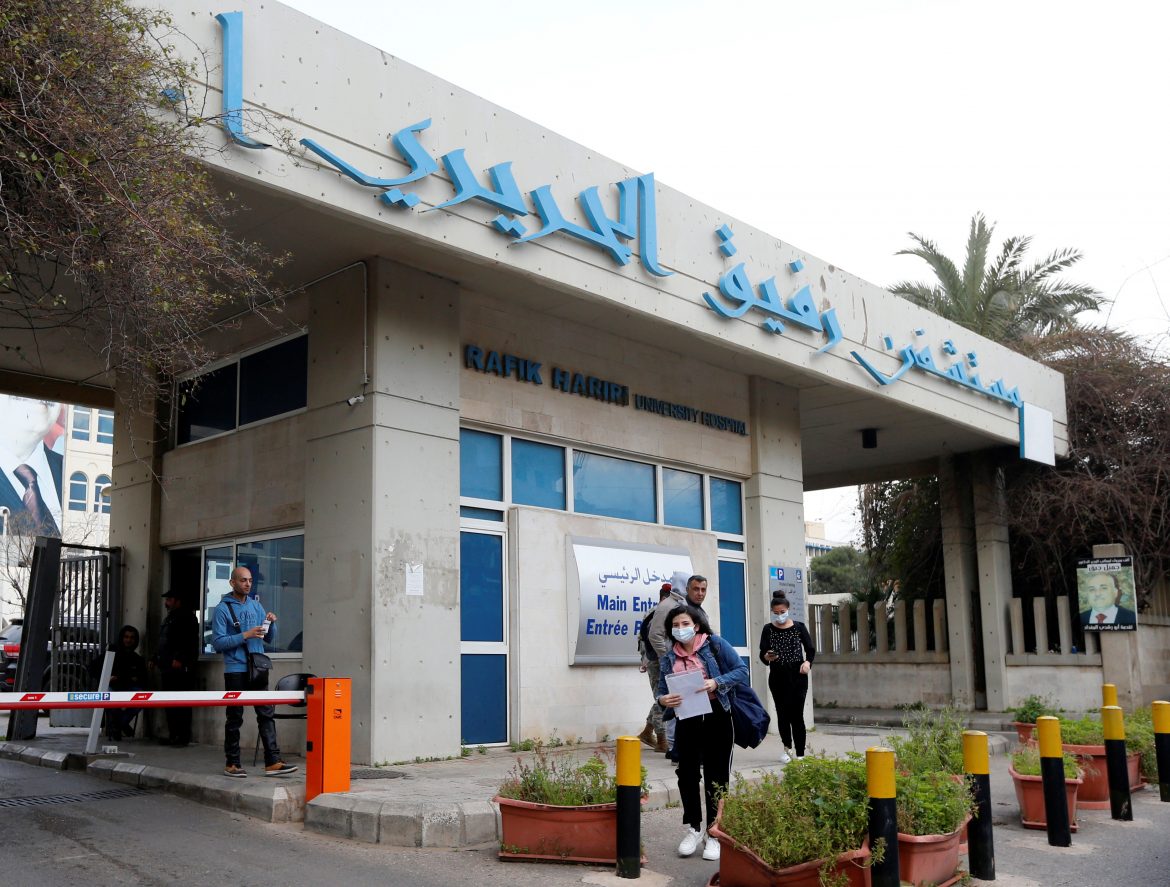
Lebanon has been historically renowned for its healthcare system; Lebanese physicians have staffed hospitals in the Middle East and North Africa (MENA) region, while travelers have flocked to Beirut for medical tourism. For years, high class facilities and training among the country’s university medical centers enabled international standards to prevail and created a trusting and respected environment. This applied to both Lebanon’s public and private hospitals and was also demonstrable through their performance during various infectious disease challenges.
Lebanon has experienced several infectious diseases including influenza, tuberculosis, hepatitis A, typhoid fever. The most recent global health pandemic, Covid-19, saw Rafic Hariri University Hospital (RHUH) at the forefront of the country’s fight against the infectious disease. With the public healthcare system overseen by the Ministry of Public Health (MoPH), the country’s coronavirus response initially centered on state healthcare. RHUH is the largest mental health facility, and has not been without its problems: material and logistical issues, poor maintenance, and unsatisfied staff. Yet despite these setbacks, during the pandemic it transformed into the leading public hospital in the fight against the disease. Though, it should be noted that Lebanon’s healthcare system is dominated by the private sector: the country has 157 private hospitals and only 29 public hospitals, according to the MoPH. The public healthcare system is funded by the government and provides free or low-cost healthcare services, while private healthcare is often expensive, making it inaccessible to many people, particularly those who are uninsured or have low incomes.
Lebanon’s fight against Covid-19 began with the MoPH’s operational plan which was implemented in March 2020, a few weeks after the first recording of a positive test detected in a woman who had travelled from Iran, where an outbreak was flourishing. As the government sought to contain just a handful of positive cases, restrictive measures were rapidly introduced. Universities, schools, nightclubs, bars, restaurants were ordered shut, and then in a dramatic move, the country’s land, sea, and air borders were closed and there was an implementation of a state of emergency. Citizens who had corona-like symptoms; headaches, sore throats, or fevers, were told to stay at home and avoid mingling with others. Severe cases were to be treated in hospitals. During that period, [inlinetweet prefix=”” tweeter=”” suffix=””]the government’s quick reflex in implementing containment measures was widely lauded.[/inlinetweet]
Government Responsibility

Led by now caretaker Health Minister Firass Abiad, RHUH played a vital role in caring for coronavirus patients and leading the crisis response. As a 430-bed public hospital, RHUH needed to step up to the challenge and ensure its services could meet those most in need. A collaboration with the World Health Organization (WHO) boosted its services, thanks to the provision of technical support and training to staff, as well as through medical supplies, including personal protective equipment, and creating public awareness campaigns. Despite this external support, the hospital, alongside other public hospitals, was suffering from the country’s dollar shortage – a ramification of the economic crisis – which was hindering the ability to import medical supplies.
Human Rights Watch (HRW) reported in March 2020 that the government had only paid 40 percent of the dues owed to RHUH from the previous year and was yet to make any payments for 2020. Public hospitals in the north of Lebanon also said they had not received all their reimbursements from the government. Private hospitals, though not at the full mercy of the state, were not exempt from dealing with it. The government owed private hospitals an estimated $1.3 billion worth of unpaid bills since 2011, HRW noted in the same report. The financial imbalance meant the hospitals were struggling to maintain quality services just as the pandemic took hold.
In fact, this precarity was just the start of a long decline in the quality of the health sector. One of the major impacts of the economic crisis has been the dearth of drugs. Despite the government’s subsidy policy, basic painkiller tablets to cancer medication have been at times impossible to source. There have been widespread reports of patients and their families scrambling to find alternative sources for drugs; reaching out over social media, scouring the black market, or asking friends and relatives abroad. These stories epitomized the broken state of the health sector: a population left with no alternative but to resort to private initiatives to meet needs.
With this in mind, Lebanon’s ability to address infectious diseases like Covid-19, as well as cholera, tuberculosis, typhoid or hepatitis A, is dependent on state finances or the involvement of external aid. This was tested last October, when cholera, an acute diarrheal bacterial illness, was detected in Lebanon for the first time since 1993. It was considered a major regression in public health and was believed to have crossed the border from Syria, where an outbreak was underway. Cases were quickly identified in Akkar, the Bekaa valley and the Baalbek-Hermel regions, mainly in Syrian refugee camps, where living conditions are squalid and access to clean water is not guaranteed for the many thousands of families living there.
Like the coronavirus, the cholera outbreak was another instance of the country’s reliance on external organizations, such as the WHO. Due to the WHO’s involvement, the cholera outbreak was able to be monitored and controlled, and vaccines were brought in by the WHO and distributed among refugee communities. But such measures have been simply band-aid responses, and health experts have warned that without a thorough reform of Lebanon’s water system and improved sanitary measures, there remains a risk of future disease outbreaks. The crisis also highlighted that [inlinetweet prefix=”” tweeter=”” suffix=””]without this external support, the government alone would struggle to contain the disease.[/inlinetweet]
Dr Aline Mouchaham, a specialist in regenerative medicine, says disease outbreaks could become more common: “The lack of adequate funding and resources has resulted in a shortage of medical supplies, equipment and testing kits,” she tells Executive. Mouchaham also says that disease outbreaks are likely to occur in areas where there is conflict, inadequate waste-water management, contaminated water, and accumulations of garbage. These conditions are often prevalent among Lebanon’s poorer communities, who live in overcrowded and unsanitary conditions, which can increase the chance of infections spreading rapidly, she says. The situation is worsened by the lack of access to health services for these communities. “It is not surprising that Lebanon experienced a cholera outbreak when large numbers of displaced individuals lack access to clean water, proper hygiene, and healthcare,” Mouchaham says.
The blind spot: the lack of scientific research

“It is disheartening and astonishing to witness individuals prioritizing their personal beliefs over scientific evidence and expertise, especially in times of crisis,” Dr Tamara El Zein, the secretary general of the National Council for Scientific Research, tells Executive. El Zein points out that the lack of awareness and access to reliable information about diseases can have significant implications for public health. In the context of infectious diseases, this can lead to delays in diagnosis and treatment, and ultimately contribute to the spread of disease.
“For example, during the Covid-19 pandemic, there were concerns about the accuracy of information being disseminated on TV and social media, which may have contributed to confusion and mistrust among the population,” El Zein says. The debate in Lebanon about the Covid-19 vaccine, which was warped by fake news and disinformation campaigns, highlighted a broader issue in public health about the importance of access to safe and reliable information. “Some people believe that vaccines can cause harm or are part of a larger conspiracy to control the population,” El Zein says, before adding: “However, these beliefs are not supported by scientific evidence, and it is important to look at the history of infectious diseases in Lebanon and the lessons learned from past experiences.” El Zein touches upon a concern for the MOPH to tackle public misinformation and the need to place greater resources on awareness and information campaigns.
Past disease outbreaks in Lebanon have surfaced from a variety of factors, including poor vaccination coverage, inadequate health infrastructure, and a lack of importance placed on vaccination and disease prevention. “Without a connection between scientific research and society, individuals are limited in their ability to educate themselves about the advancements in science, particularly with regards to vaccines and their benefits,” El Zein says.
Prioritizing scientific research that matches the challenges is essential, according to El Zein. More targeted and impactful research can lead to the development of expertise and knowledge in specific areas. “For example, Lebanon now is facing a high incidence of cancer cases; it would be more beneficial to invest in research that focuses on cancer treatment rather than research on artificial intelligence,” El Zein says, noting how research can have a direct benefit to the population’s wellbeing.
Strengthening the scientific culture in Lebanon can have a positive impact on the status of the public health system. For example, through the promotion of science education and “encouraging scientific inquiry and supporting research institutions.” This can be achieved through partnerships between academia, industry, and government, as well as promoting interdisciplinary collaboration, El Zein says. In addition, supporting development of research infrastructure and increasing funding for research can enable the scientific community to address the challenges posed by infectious diseases. “By prioritizing scientific research and promoting a culture of evidence-based decision-making, Lebanon can better protect its citizens from infectious diseases and build resilience against health threats,” El Zein says.
Community efforts
The Covid-19 pandemic brought to light the importance of community awareness, engagement and response in public health campaigns in responding to infectious diseases. Taking recent infections as examples, one of the main drivers of cholera and coronavirus’ rapid spread was the lack of communication and awareness among the population. “This is a reminder that [inlinetweet prefix=”” tweeter=”” suffix=””]we need to be ready to respond to outbreaks at all times, [/inlinetweet]and that means investing in things like clean water and adequate healthcare facilities,” Mouchaham says.
Regarding community engagement, Mouchaham notes: “It involves educating the public, clarifying any doubts or misunderstandings, and engaging community leaders and organizations in response.” Individuals must also do their part by practicing good hygiene, wearing masks, and social distancing. Infectious diseases can be spread easily and quickly, and each person has a role to play in preventing their spread. If individuals take responsibility for their own health and wellbeing, it can ultimately help to reduce the burden on the healthcare system. “Outbreaks can be stressful and challenging but is important to remain focused on the goal of protecting public health and working together to overcome the challenges,” Mouchaham says.