• Donate
  • Our Purpose
  • Contact Us
Executive Magazine
  • ISSUES
    • Current Issue
    • Past issues
  • BUSINESS
  • ECONOMICS & POLICY
  • OPINION
  • SPECIAL REPORTS
  • EXECUTIVE TALKS
  • MOVEMENTS
    • Change the image
    • Cannes lions
    • Transparency & accountability
    • ECONOMIC ROADMAP
    • Say No to Corruption
    • The Lebanon media development initiative
    • LPSN Policy Asks
    • Advocating the preservation of deposits
  • JOIN US
    • Join our movement
    • Attend our events
    • Receive updates
    • Connect with us
  • DONATE
CommentEnergySpecial Report

Power seizures

by Jessica Obeid November 12, 2021
written by Jessica Obeid

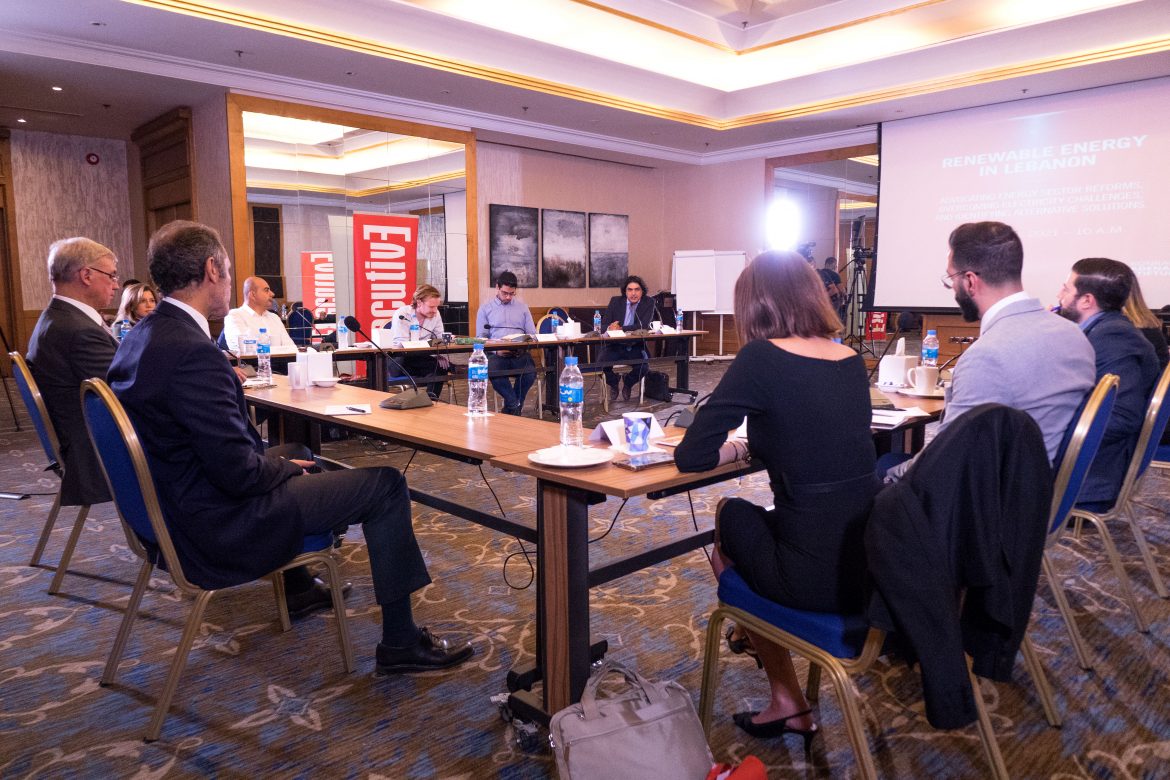
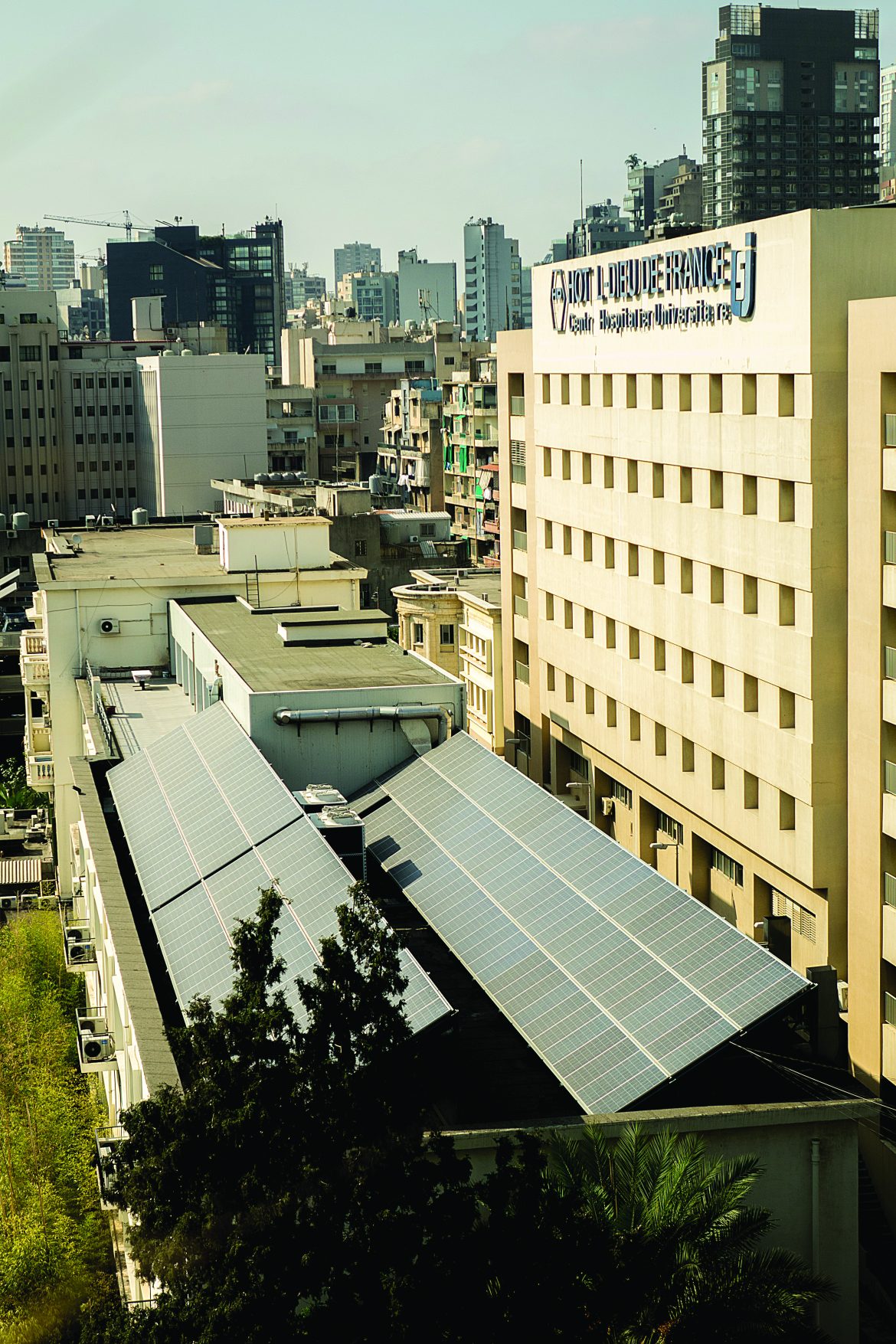
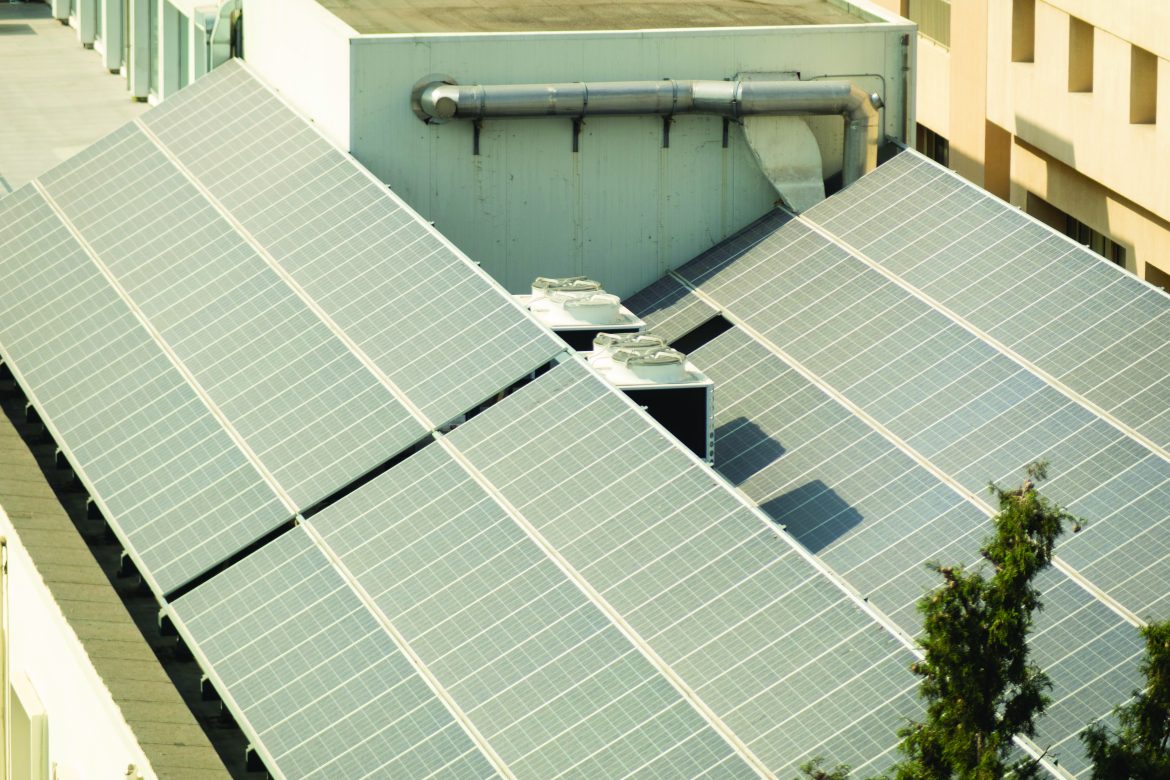
Lebanon is witnessing a rapid deployment of decentralized renewable energy. However, this movement is driven by fear of a total black-out and is happening in the absence of policy, regulatory and financial incentives. This leaves the booming market in total chaos and requires several measures to attenuate its effects, starting with better awareness.

The world is increasingly moving towards decentralized energy generation. This was bound to pick up in Lebanon for different drivers than the global movement. These drivers could be summarized by: 1) a total policy failure leading to more power outages, and 2) an eventual hike in electricity tariffs leading consumers to seek alternatives. The first is being witnessed across the country and the word on the street is that the second is on its way. In all cases, the decentralized energy movement has taken off.

Lebanon’s economic, financial, and political crises are taking a toll on the power sector.[inlinetweet prefix=”” tweeter=”” suffix=””] The foreign currency reserves necessary for fuel imports are shrinking amid complete inaction from the succeeding governments.[/inlinetweet] Protesters are demanding power stations transmit the limited power supply into their regions, thus negatively impacting the grid and power quality.  This results in drastic power outages from both the national utility side and the informal private diesel generators that have proliferated across the country since the early 1990s.

The political class has chronically used the electricity sector for vested interests, including corruption and power. Electricity provision has historically been unequitable, characterized by regional disparities in terms of length and quality of power supply. Some political parties are currently using their influence on the sector to win constituents ahead of the 2022 elections by providing higher electricity supply hours to their areas of dominance. Before the crisis, the farther a consumer had been located from the administrative part of the capital Beirut, the longer the outages and the weaker the voltage. This had led to a bigger reliance on diesel generators outside Beirut. As power outages increased earlier this year, the capital found itself with a power supply nearing only 2-3 hours a day at some periods, similar to the case in other regions.

Democratizing decentralization

Whereas in the past a neighborhood diesel generator would “fix” this national utility outage problem at a significant cost, shrinking foreign currency reserves mean that even the private generator owners have limited access to diesel to power those generators. In addition, generators are designed to provide back-up power supply and are not intended for continuous operation. Therefore, the growing hours of outages from the utility side result in growing outages from the generators’ side as well, along with higher replacement, operation, and maintenance costs of the generators. This cost would also be passed from the operator to the consumer. In most cities and villages, the consumer is now paying a tremendous bill without receiving a continuous, reliable power supply in return, and is therefore seeking refuge in alternatives, mostly rooftop solar photovoltaic systems.

As a result, [inlinetweet prefix=”” tweeter=”” suffix=””]Lebanon is witnessing a rapid deployment of decentralized renewable energy. However, this rapid movement is driven by fears of repeated total blackouts and insecurity, both on the energy and political fronts, and is happening in the absence of policy, regulatory, and financial incentives.[/inlinetweet]

The global drivers for decentralized renewable energy have included the existence of policy interventions and enacted legislation, and the availability of feed-in tariffs, price guarantees, and financing mechanisms. By contrast, Lebanese residents, who have lost access to their savings and bank accounts, are having to pay an elevated cost in hard currency due to the mostly imported renewable energy system components, amid a continuing devaluation of the local currency.

Consumer unawareness

But that’s not the biggest problem. Consumers paying a hefty cost for a system and being completely oblivious to the specifications and quality of their system, is a major concern, and is driven by the lack of awareness and regulation. The critical factor for most consumers in purchasing a system is of course the capital expenditure. But the capital expenditure depends on system size, technology type, components quality, standards, certifications, lifespan, and prospects for operation and replacement of components.

There are different technology types and specifications per system component, and their impact on the system lifespan and the interconnection with the grid, or lack thereof, is significant. Add to that, a booming market attracts plenty of new players. Dozens of companies are now operating in the field, many with poor or no track record. In these conditions, assuming the consumer would do the homework and learn complex technical details to make a sound purchase decision is unrealistic.

The result is a chaotic market with a wide range of technology types and grid implications, and product quality ranging from mediocre to high-end, in addition to the dissemination of under-sized systems and overpromised outputs. This creates a risk for the grid and the systems’ performance and a hazard for the safety of the consumers, especially when dealing with electrochemical materials such as batteries.

1 tbsp. education, 1 tbsp. regulation, 1 cup financing

Where do we go from here? Ideally, there should be an awareness campaign, a regulatory body, a comprehensive law, and a financing facility.

The awareness campaign should be straightforward and should include details on system sizing and operation and components technologies, types, and specifications, documentation, standards, and maintenance and operation requirements, what to look up for and what to consider in pricing (see UNDP checklist).

A comprehensive decentralized renewable energy law is more complex. Yet, a corresponding draft law has already been prepared and the relevant parliamentarian committee should be discussing it as soon as the Ministry of Energy and Water approves it (see Christina Abi Haidar’s story). There are two major risks in legislations in Lebanon however; the first is that laws often get diluted, enacted as a couple of articles which would be open to future interpretation, and the second is that many laws do not get implemented. Thus, ensuring there is a full-fledged comprehensive law that details different models and incentives for distributed energy generation is needed, and advocating for its implementation is a must.

More complex in terms of implementation is the regulatory body for decentralized power distribution. The power sector lacks a regulator and the country is beset with patronage and bureaucracy. [inlinetweet prefix=”” tweeter=”” suffix=””]Any attempt to govern and regulate decentralized renewable energy systems without a credible, independent, and strong regulator backed by strong institutions with clear mandates will end up swept under the rug of bureaucratic maneuvering and favoritism.[/inlinetweet]

Financing mechanisms at this stage are obviously dependent on a sound financial solution and package for the country. But 19-months since the default on eurobonds, the prospects of this are decreasing with each passing day of inaction. However, establishing a Green Investment Facility is within the Lebanese Government Financial Recovery Plan. The facility could be designed as a revolving fund or blended finance and capitalized through the Special Drawing Rights allocation from the International Monetary Fund, aid for energy projects through international donors, and private sector.

[inlinetweet prefix=”” tweeter=”” suffix=””]The biggest opportunity for Lebanon presented by decentralized renewable energy in its various forms from mini-grids and hybrid systems to rooftop solar is that these systems bypass the political bottlenecks that have inhibited reforms in the power sector for decades.[/inlinetweet] Yet, ensuring the rights of consumers are protected, while safeguarding the grid operation and offering just opportunities for the private sector are major requirements for building a healthy market and overall sector.

November 12, 2021 0 comments
0 FacebookTwitterPinterestEmail
CommentEnergySpecial Report

Black gold

by Wael Yammine & Rita Khawand November 12, 2021
written by Wael Yammine & Rita Khawand

Although it is a productive sector, agriculture in Lebanon relies heavily on imports of primary resources and materials. Most commercial agricultural production requires imported basic materials such as seeds, potting mixes, chemical fertilizers and pesticides, many of which are not produced locally or in sufficient quantities. The devaluation of the Lebanese pound poses a serious challenge to both the flow of these imports and the purchase of fuel to power the machinery necessary to manage large fields. The increased costs of agricultural production are raising the cost of produce and threatening food security.

According to a recent paper authored by Kanj Hamade, assistant professor of agricultural economics and rural development at the Lebanese University, and published by Carnegie Middle East Center, sales of agricultural inputs and services contracted by 40 percent on average in 2020. [inlinetweet prefix=”” tweeter=”” suffix=””]In response to the economic crisis, farmers have been increasingly adopting cost-reduction strategies involving mainly reducing the use of fertilizers and other inputs, relying on local seeds and nurseries, and overall decreasing agricultural activities and spaces.[/inlinetweet]

 In response, growers are being forced to adapt by resorting to local alternatives or switching from conventional systems to new and more sustainable ways of producing food. The most logical, and most exciting place to start this is the soil itself and what makes it fertile. One key agricultural component in this shift to self-reliance remains undersupplied and undervalued: a trusted local supply of good quality compost, the best type of organic fertilizer.

Deadly economics

Some technical talk is necessary to emphasize the importance of fertilizers here, but we’ll try to keep it simple. Fertilizers are either chemical-based (synthesized in labs) or organic-based, i.e. made from organic materials only, although not necessarily carrying an organic certification. Organic fertilizers usually consist of pure raw or cured manure, or naturally decomposed agricultural byproducts and food waste (compost), or mixes of both.

 Basically, conventional growers who rely on chemical fertilizers usually focus on single cash crops such as tobacco or tomatoes. Repeating the growth cycle of these uniform crops eventually drains the soil of nutrients, hence the need for imported fertilizers to maintain or increase yield. Such fertilizers contain Nitrogen, Phosphorous, and Potassium (NPK) in the form of salts that increase soil salinity.

 Common chemical fertilizers contain compounds that are technically safe to use but can create devastating reactions if not stored properly. One of these compounds is the infamous ammonium nitrate that caused the August 4 Beirut Port explosion. This compound had previously caused similar explosions in other countries, and had even been used in terrorist acts, leading many countries to ban it or ban the sale of fertilizers containing it in high concentrations.

 Also, ensuring that only the desired crops grow and benefit from fertilizers requires eliminating the competition from weeds, which requires more imported chemicals in the form of herbicides. These herbicides do more than eliminate unwanted growth, they also contribute to barren soils by depopulating microbial life in soils. The crops that grow on such impoverished plots face a higher risk of disease, and their uniformity and concentration attracts pests that thrive on them. As a result, they require more inputs in the form of more water or more fertilizers, as well as additional chemical inputs through the use of imported pesticides. And with the next crop, the cycle is repeated and intensified.

 This sadly literal self-sabotage brings to mind a fitting quote from Franklin D. Roosevelt often used among practitioners of chemical-free agriculture: “The nation that destroys its soil destroys itself.”


[inlinetweet prefix=”” tweeter=”” suffix=””]In 2020, imports of fertilizers dropped to $27 million, half their value from previous years.[/inlinetweet] While importers and producers of chemical products may still turn profits, growers’ pains endure and worsen; even prior to the economic crisis, they complained about smaller yields year-on-year and the spread of diseases, despite using the same quantities of inputs, or sometimes increasing them. When everything fails, these growers go back to the chorus of blaming climate change or the “original infertility” of the land.

Transitioning to organic solutions

[inlinetweet prefix=”” tweeter=”” suffix=””]A chemical-free agricultural production carries with it a number of advantages in terms of budget, quality, profitability, and more importantly, sustainability.[/inlinetweet]

 From a fertilizer standpoint only, there are important savings to be made from establishing local production facilities. A search for quotations among local suppliers of fertilizers reveals telling figures. The price of a 25 kg bag of imported chemical fertilizer is $17. This type of fertilizer requires lab equipment and a supply of raw materials not available locally. The price of a same-quantity bag of organic fertilizer comes out at $9 or $10 on the cheaper side (imported from Belgium and The Netherlands, respectively) and $14 on the higher side (imported from Turkey). By comparison, a similar bag of locally-made compost ranges between $3.5 for lower-grade products and $8.75 for high-end ones. The cost-benefit ratio is crystal clear.

Most importantly, chemical fertilizers contribute to the degradation of soils, something many conventional growers are still unaware of or unwilling to do anything about, and this raises the bill of additional inputs required.


[inlinetweet prefix=”” tweeter=”” suffix=””]Organic fertilizers, on the other hand, play a huge role in contributing to food security through the preservation of soil health and fertility, thereby ensuring stable yields and sustainable agricultural production. [/inlinetweet]By that measure, good quality compost is best type of organic fertilizer. Compost is the result of aerobic decomposition by microbes of different types of organic material (food scraps, tree leaves, manure, seeds, etc.). A good quality compost is supposed to feed the soil not the plants, meaning it inoculates the depleted or struggling soil with the needed micro-organisms which in turn will harvest the essential nutrients from underground and offer them to the plants. The plants in return give back sugar to the microorganisms, establishing a synergistic relationship that helps them become more resilient. In addition to bringing back life to degraded soils, compost helps build soil structure, retain moisture, and prevent erosion.  It can also serve as an alternative disease-free potting medium for nurseries, replacing the imported peat moss that depletes wetlands in many parts of Europe (and also costs a bundle for local importers).

 Of the different compost production systems, thermal composting is the most widespread worldwide. Without getting too technical, this process combines regular aeration and moisture control to heat careful proportions of materials to above 55° C over a period of 10-15 days, eliminating most pathogens and weed seeds. This curing process makes the resulting compost ideally suited for use as a potting mix for plant nurseries or as a soil amendment.

Other systems necessitate more time and deliver end-products with different properties intended for different applications. Static composting, for example, takes up to six months and requires different conditions under which insects and microorganisms slowly decompose matter into “humus” mainly intended for environmental applications. Cold composting relies on the action of certain insects only to produce a rich soil-amending compost (vermicompost) that is, however, unsuitable as a potting mix. This process is more sensitive and requires more efforts to guarantee ideal conditions, making it effort-intensive.

Wasting waste

[inlinetweet prefix=”” tweeter=”” suffix=””]Successive destructive policies since the 90’s have been biased in favor of importers of chemical fertilizers. [/inlinetweet]As a result, many large-scale growers and investors are convinced that feeding the population and reclaiming food security on a national level are impossible without chemical fertilizers. Sadly, many growers are not fully aware of, or do not care about the damage that chemical fertilizers cause.

 With the onset of the crisis, however, reliance on chemical fertilizers is diminishing. Small-scale farmers especially are turning towards animal manure as an organic fertilizer after it had been gradually phased out by the overabundance of chemical fertilizers and their marketing as “odor-free.”

 On the other hand, a large number of growers are unaware of the importance and benefits of using compost as an organic fertilizer. This is partly because compost has been primarily associated with solutions to the waste crisis. Over the past few years, specifically after the waste crisis hit critical levels in 2015, several local entrepreneurs and non-governmental NGOs have begun focusing on developing compost value chains (collection, sorting, production) in Lebanon as a means to divert household organic waste from landfills, bearing in mind that this constitutes over 50 percent of total municipal solid waste in Lebanon, according to the German development agency GIZ. For example, Green Site Composting, located near the Beirut slaughterhouse, uses static composting, whereas Cedar Environmental applies enzymes to organic waste to speed up its decomposition. Even the former waste management company Sukleen used to operate a composting facility at its Medawar headquarters, although it was reluctant to share details about its operation.

 These initiatives do not address the agriculture sector’s needs; they are primarily environmental and focus on waste reduction, even if before 2015 less than 10 percent of total organic waste was composted. Due to the absence of adequate regulations, the compost produced may contain different contaminants, from weed seeds to pathogens and heavy metals. Some of it may be packed active and dried, which makes it seemingly odorless, but once it is exposed to moisture, it releases bad odors. Or it may be stored too long or in too dry conditions, rendering it sterile. It is not surprising then that its desirability in the agriculture sector is low, and it often ends up dumped erratically or distributed for free to growers insufficiently aware of its poor quality. For this reason, many growers find it easier to buy manure instead, since it is cheaper, more readily available, and offers the same results: bad odors and a high risk of pathogens.

Rethinking agriculture

This “waste” of what should otherwise constitute a boon to agriculture can easily be prevented. First, [inlinetweet prefix=”” tweeter=”” suffix=””]there is an urgent need for local regulation of compost production processes, especially in terms of quality control. [/inlinetweet]Compost standards and guidelines exist in the US and EU countries and are either enforced by laws or through regulatory bodies. Lebanon’s National Agriculture Strategy (NAS) 2020-2025, drafted in June 2020 by the Ministry of Agriculture and the Food and Agriculture Organization (FAO), actually calls for establishing a regulatory framework for the sector notably to encourage the use of renewable energy in the sector to mitigate the effects of climate change, including the production of compost from animal farms and agricultural products. This step is to be complemented by more effective awareness and communication campaigns on responsible food consumption.

 When it comes to implementing this strategy, however, it is a different matter. This will require the willingness of international donors, which is conditional upon long-term and structural reforms. Some small-scale Lebanese farmers have already benefited from initiatives under the NAS, namely through the $10 million reallocated by the World Bank in May 2021 to support them with agricultural inputs and animal feed, and through an inputs voucher scheme implemented by the International Labor Organization and FAO in September and funded by the Netherlands.

 Major reforms in the agricultural sector entail formalizing farming and animal husbandry–related businesses, as well as agricultural labor, in order to protect the rights of actors involved. Amending land tenure and heritage laws would also enforce clear and fair land-use regulations, including sustainable land management practices. Also, facilitating the creation of cooperatives and improving their independence and capacity to grow would favor the growth of socially enterprises and solidary businesses in the sector.

Composting from grass roots

On a more pragmatic note, a key element of successful reforms and policies is the availability and transmission of the necessary skills and knowledge in agriculture, specifically in composting which is still not given enough attention. The SOILS Permaculture Association – Lebanon, has focused on composting since the beginning of the crisis in Lebanon. Educating and training growers on shifting away from chemicals to rely on more natural inputs proved to be incomplete when considering the difficulty of sourcing good quality compost locally. The community-based association then began integrating composting in all its agro-ecology training programs.

 In the summer of 2021, the association partnered with the French organization Terre et Humanisme to support two trainees in starting up small-scale pilot composting units in the regions of Jezzine and Tyr, with the aim of creating and marketing a trusted local product for the agriculture sector. The trainees showed interest in the project as a way of diversifying their agricultural operations and creating a new and sustainable source of income that does not rely on imports. They were provided with the necessary knowledge, basic equipment, and mentoring in all steps of the process. Organic materials were sourced from within the trainees’ home villages or neighboring areas, encouraging villagers to drop off or “donate” their agricultural waste to the compost producers rather than burning it. After the end-product is tested in demonstration plots, the compost will be sold at a competitive rate to growers.

 As the pilot phase of the project nears its end, it is clear that education and dedication are the key requirements to its success, together with a healthy dose of passion. The initial investment can be as low as $500 (covering equipment and material costs, as well as land fees) and can produce around 4-7 tons of compost every two months. Based on current market prices, 1 ton of this compost could sell for around $300. Production can be increased at little additional cost and create jobs to satisfy the growing labor needs. The sheer exhilaration of the trainees at learning about soil microbiology and unlocking its secrets through a better understanding of the relationship between healthy soils and healthy crops is a reward in itself. Already both trainees are sharing their newfound knowledge with their communities, lending much-valued support to awareness efforts by agro-ecology activists.

While waiting for much-needed reforms, such systems could start improving food security through soil health. They have proven to be effective at reinforcing solidarity and cooperation within communities when it comes to organizing the sourcing of organic raw materials. They could also play an important role in the production of certified organic produce that fetches higher prices in local and export markets. And, of course, it is good for the environment as it contributes to reducing waste and the risk of fires from burning such waste.

November 12, 2021 0 comments
0 FacebookTwitterPinterestEmail
AnalysisEnergySpecial Report

Global obligations, big goals, and missing parts

by Thomas Schellen November 12, 2021
written by Thomas Schellen

The Lebanese government at time of this writing has at its disposal several tools, albeit non-financial, that are ready for deployment in the migration to renewable energy (RE). Two are national law projects: the yet-to-be-applied electricity law No. 462 dated 2002 and a new draft for a distributed renewable energy law (DRE law, see story by Christina Abi Haidar). According to independently made remarks by Hassan Harajli, head of the United Nations Development Programme (UNDP) Cedro project, and Rani Achkar, executive director of the Lebanese Center for Energy Conservation (LCEC), Law No. 462 is in need of, however rapidly doable, updating and activation; the DRE law is in Harajli’s words “extremely important” for solar photovoltaics (PV) on the industry scale. 

The top two other relevant tools in the official Lebanese kit are the updated National Renewable Energy Action Plan (NREAP), which according to Achkar was last month in the final stage of being readied for circulation among stakeholders in RE strategizing, and the updated Nationally Determined Contributions (NDCs), the climate commitments which Lebanon has taken at the end of October to the United Nations’ COP 26 summit in Glasgow. 

At the heart of these plans and commitments is the target of boosting sustainable electricity generation and achieving 30 percent RE capacity by 2030, meaning capacity that would satisfy the, under pre-crisis calculations for 2030 expected, demand to almost one third. Details on the shares of different technologies for reaching this overall target are laid out in the related 2020 Renewable Energy Outlook for Lebanon that was prepared in a collaboration of the Ministry of Energy and Water (MoEW), the LCEC, and the International Renewable Energy Agency (IRENA), Achkar tells Executive. 

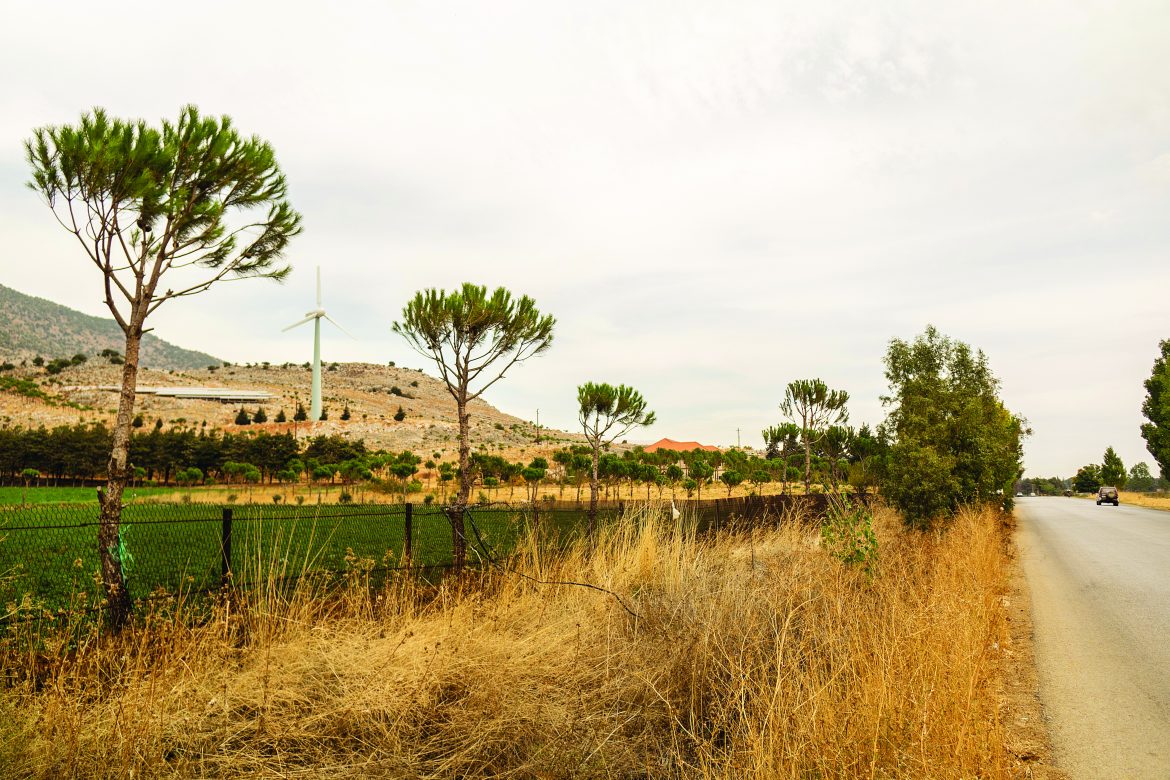
The major technology-specific target data stated in the IRENA publication reflect the sunny disposition of Lebanon in proposing about two thirds of renewable power to come from solar sources in form of 2,500 MW of centralized (utility-scale) and 500 MW of decentralized solar PV, a small share of concentrated solar power (CSP, a solar thermal technology not to be confused with centralized solar PV), 1,000 MW of wind, and 601 MW of hydro.

The new edition of the NDCs has already earlier this year been submitted to the United Nations Framework Convention on Climate Change (UNFCCC), and reportedly Lebanon was the first country in the region to fulfill this step. “This paper includes a conditional element of 30 percent renewable electricity by 2030, in addition to objectives for renewable thermal energy, heating and a target for energy efficiency,” Achkar elaborates. He explains that the term “conditional” in this context means that the targets are contingent on obtaining international support. “Without international support, targets are lower,” he adds.

Details, seriously 

According to Achkar, the near push in this quest for RE shall be realized in the form of more than 500 MW in installed decentralized solar PV, and the leap to more than 4,000 additional MW in RE will come, on the utility scale, between 2025 and 2030. With these lofty targets also having been officially stated at the recent HLDE event by brand new MoEW, Walid Fayyad, and perhaps a little emboldened by the flabbergasting growth in the number of domestic new solar PV installations this year (see Energy Special Report Overview), the eyes of the LCEC appear committed to looking in one direction, which is straight ahead. 

Achkar appears undeterred by failures of recent years to realize either a long-envisioned wind farm project in North Lebanon’s wind-kissed Akkar region, the lengthy technical and administrative preparation of which he describes as a practically inevitable learning process, or to launch a utility-scale set of solar PV projects across different districts that were designed to provide a total of 180 MW from 12 solar PV farms. 

According to George Geha, general manager of RE enterprise Ecosys, the company was among the winners of the tender because it offered the best bid for a project in the Bekaa thanks to intense bid preparations and a design that used a tracking system for the solar panels. Despite all the effort, the win was incomplete. “The tender outcome was announced with us as winning bidder but we did not sign any contract because we were in the last phase of negotiations when the [financial] crisis came. This type of project needs international financing but there is no more banking sector and no international financial institutions that are willing to lend money to this country and to Lebanese organizations,” he says. 

This alludes to the first of three serious hurdles that have to be overcome if the Lebanese RE aspiration is to be achieved in full or large parts. These three hurdles are access to finance, resistance to change, and the need for new behaviors. Note, none of these hurdles is exclusively political. 

Resistance to change has a massive political component. At the bottom line, however, resistance to change and the need for new behaviors apply to all who constitute Lebanon, homemakers, housekeepers, business leaders, garbage tycoons, publishers, journalists, activists, academics, farmers, cooks, clerks, clerics, military personnel, security guards, bakers, brewers and butchers, athletes, artists, dancers, sports promoters, official tour guides, taxi drivers, delivery heroes or villains, peddlers in the most informal economy sectors, investors, lawyers and politicians all included. 

Finance, finance, and finance

Access to finance and investments is the most obvious need and most evident barrier in the path of anything requiring capital expenditure in Lebanon today. 

Due to the high initial capital expenditure for solar PV systems, the first significant tools of incentivization anywhere have been subsidies of the generated electricity and attractive loans. This was especially true before the 2010s, at a time when costs of photovoltaic panels were above $0.5 per installed kilowatt hour. 

The cost has come down radically and is below 10 cents and might be scratching $0.05 in utility-scale installations, which also for households means amortization periods that are cut to a fraction of their previous duration. 

Nonetheless, self-finance of a small solar PV unit out of savings is rare for households and upfront payment for an industry-scale or utility-scale project either impossible or financially nonsensical for these installations where professional finance and long-term power-purchase agreements (PPA) are the norm. Thus the disproportionate importance of loan finance. 

In Lebanon’s conservative financial environment of the 2000’s with its predominance of collateralized bank lending, central-bank supported loan instruments known as NEEREA (National Energy Efficiency and Renewable Energy Action) loans played an important role in widening the solar market from a narrow focus on solar water heaters and invigorated the nascent market for solar PV. Consequently, as these lending channels started to dry up from 2018 and then became defunct, the following period actually saw a gradual demise of demand reflected in lower PV capacity increase rates already in 2019. 

The importance of subsidized lending of a productive and green variety appears to be reflected in the latest Solar PV Status Report for Lebanon which, irrespective of other externalities and the subsequent severe economic disruptions, shows annual rates of increase in installed capacity varying from 139 and 151 percent in 2013 and 2014 to 43 and 38 percent in 2011 and 2019, respectively the years when the loans were new and vanishing. Seeing a fluctuation of more than 110 percentage points between the highest and lowest annual growth rates in a single decade might be read as the mark of an industry that is extremely sensitive to extraneous factors.

At solar PV company Novaenergia, the business growth of the mid to late 2010s, as at other sector companies, was indeed fluctuating. However, as managing director Joe Hawi recalls, there was overall strong business up to 2017 which in 2018 was shaken by indirect signals – but not clear messages – from the financial sector. “In 2018 we had signed a few contracts but received word that there was no financing for them. There was no clear signal, just calls asking for more time. Then the NEEREA loans were stalling. That was a bit of a shock, because as a company with an operating overhead it is not nice to hear that your projected revenue is disappearing for no reason,” Hawi tells Executive. 

RE players Ecosys and Phoenix Energy confirm that the liquidity crisis of 2019 brought numerous financing mechanisms to a painful halt, from NEEREA loans to private funding. “Due to the crisis, all these financing incentives stopped. This meant a major drop of solar business in the short term and it is no secret that the number of new [industrial and commercial] projects dropped tremendously between the third quarter of 2019 and the end of last year,” explains George Geha, chairman and general manager of Ecosys. 

According to him the demise of business in 2020 must also be partly attributed to the coronavirus crisis but the absence of financing was a key factor why expected demand for commercial projects in the past two years did not materialize, given the high capital expenditure required. While Ecosys could cover its overheads because of its earnings from projects outside of Lebanon, Geha adds he has seen too many local solar companies close down in the past two years. He is hardly cheerful about the access to finance getting better in the short term. “The biggest barrier is the Lebanese bankruptcy. No one is willing to give loans to a single bank in Lebanon until then,” he says.  

At the Phoenix Energy enterprise about 25 kilometers north of Beirut, general manager Simon Gerges likewise says that the company has in the past two years sustained itself mainly from its income generated in projects outside of Lebanon. He also sees no viability today in negotiating for foreign funding except possibly with the global community and International Financial Institutions (IFIs) on the strategic macro level. “Even for investors who are very interested in financing renewable energy, Lebanon is a high risk country that I don’t think they can approach. We actually had very nice projects that foreign investors wanted to invest in. Because private PPAs are not allowed in Lebanon, we were preparing for leasing options in PPA. These approaches are stopped for the time being,” Gerges tells Executive.   

After he was confronted with troubling signals on the availability of loans in Lebanon in 2018, Novaenergia’s Hawi has actually ventured into innovative financing of solar PV together with Looop, a partner company from the solar industry in Japan. Looop is a young company with a wide range of manufacturing and operational activities in Japan and overseas, a RE venture that has five funding rounds under its belt and according to its website has a capital in the range of $20 million. Discussions with the Japanese corporation were according to Hawi aided by the fact that Looop wanted to diversify further and saw Lebanon as a country that has no choice but to develop RE. 

The outcome was a joint venture named Looop Nova which Hawi, its managing director, describes as a “Japanese-Lebanese entity with the sole purpose of developing and financing business-to-business solar power purchase agreements in the Lebanese market.” To comply with the stipulations of the Lebanese law that do not allow peer-to-peer power purchase agreements, Looop Nova engineered leasing agreements with corporate Lebanese clients, thereunder installing solar PV at the client sites of business. 

This joint venture was immediately successful, which was reflected in 2019 revenue for Hawi’s enterprise that was better than the revenue Novaenergia is achieving in 2021, despite the residential demand boom this year. The lesson of the venture into a new financing dimension for Hawi was unmistakable. “We really made a paradigm shift and I can tell you that once there is financing for the Lebanese market, all the noise that is happening today will be dwarfed by the market’s appetite,” he tells Executive. 

Notwithstanding that the financial base of Looop Nova, deposited at a Lebanese bank, was massively impacted by the banking sector’s infamous shutdown of access to deposits, Hawi remains upbeat about the financing road and says he is in communication with IFIs, discussing the potential for foreign RE funding.    

Besides restrictions on access to finance, financial viability questions finally also stand in the way of new PV investment decisions by Lebanese industrialists, Gerges says, pointing to the price of solar versus the still low price of grid electricity. Even as diesel generator power is getting more and more expensive, tariffs for grid electricity are not yet on a clear path of adjustment and this is a barrier for an industrialist who has to decide whether to invest in renewable energy right at this difficult time. 

“The uncertainty about future costs of electricity is enormous. If in one year there were to be again 12 or 14 hours of electricity [from the grid], all the calculations [about viability of investing in PV] will be ruined,” Gerges says. This, however, to him does not change the Lebanese RE industry’s prospects in the long run. “We all agree that renewable energy will continue to grow on the long term,” he emphasizes.  

In the perspective of LCEC’s Achkar, there were some factors that helped in the stimulation of solar PV demand in 2020, a time when conventional power supply was still significant but growing concerns for future energy safety were on people’s minds. “People had the fears of higher electricity prices and at the same time their Lebanese lira savings were losing value, so they had to invest in something that they were sure of,” he lays out what he sees as the explanation why still some sizable new solar PV projects were emerging between the end of 2018, the time when support from financing mechanisms at the central bank become elusive, and the end of 2020. 

Achkar acknowledges, however, that there is no real access to finance that inquirers can be directed to this year. He reveals that not only has LCEC recently been in continual contacts with IFIs but that also banks have been reaching out to LCEC in search of support: they were looking around the world for programs offering liquidity that would allow these banks to finance solar PV projects. 

[inlinetweet prefix=”” tweeter=”” suffix=””]“Even banks are prioritizing investments in solar PV but they currently don’t have the means to,”[/inlinetweet] Achkar tells Executive while indicating, similar to the vast majority of stakeholders in Lebanon’s RE sector (and stakeholders in anything in this country), that his hope for recovery of access to finance for RE and the implementation of the RE transition as top item on the national agenda, rests on the new government and reforms.  

Whereas the urgently needed agreement with the International Monetary Fund (IMF) thus is generally regarded as the sine qua non condition for stability-enhancing development of Lebanon that liberates access to finance and will claw back investors’ trust, the urgency of making progress in the RE transition recently also appears to be expressed in outside-the-box thinking. This calls for fast-tracking finance tools of crowdfunding, use of IMF Special Drawing Rights (SDRs) and green bonds designed in collaboration with the Lebanese diaspora. 

Climate proofing of development plans in Lebanon was another but less daring tool for attracting RE-focused investment into the country. At a UNDP webinar exploring climate issues and Lebanon’s NDCs in October just ahead of the COP 26 summit, Jihan Seoud, manager of the UNDP Lebanon office’s program on energy and environment proposed that adding climate risk mitigation measures to a broad range of projects in the development agenda such as the Lebanon Economic Vision of McKinsey could attract greater investments overall and eventually unlock billions of additional private sector investor dollars. 

“No lender will now give any loan to any [RE] project. So perhaps the government can be the first lender. If it uses SDR money to lend to [RE project] developers, the government can return this money to itself two years after a wind farm or PV farm starts generating, [provided that] it has done tariff adjustments and all that. This is the only way I see. Otherwise, we have to wait for a IMF program,” Harajli opined.

However, even when disregarding questions over the present value of old consulting plans, or of size and time needed for development of crowd finance channels, and legal frameworks for crowd investing, or of the conditionality of conversion of SDRs and using this debt tool (not to mention competition with other urgent social needs for using those scarce SDRs), the Godzilla issue of restoring international investor confidence cannot be assumed to solve itself in just a few months or years. 

In this sense, World Bank Group regional director Saroj Kumar Jha, a participant in the UNDP webinar, threw cold water on dreams of soon mobilizing new green finance for Lebanon: “Trust me, no investor is coming to this country until you take a large number of macro fiscal stabilization measures. The country is not conducive to any investor. Why would they come here?” 

As part of what he called his reality check on the situation, he emphasized that integration of climate change action in people’s agendas cannot be achieved by NDC updates, airy climate goals, policy notes, academic papers (or, unmentioned by Jha, economic magazine stories). In a country characterized by divergence of people and state, where there is no trust in the government or institutions, a national dialog with the people on climate issues and internalization of climate action into the people’s economic aspirations are more pertinent, he suggested, adding: “Our thinking has to be absolutely unconventional and very uniquely tailored to the Lebanese situation.” 

Stating a view that it will be very painful and take many years to stabilize the financial sector and move to growth, Jha nevertheless pointed to opportunities for Lebanon such as working with partner sovereigns who team up with investors for creation of exclaves where green investments would be completely ring-fenced and fully de-risked. Another idea would be to tap into diaspora expertise and means by setting up a diaspora green bond in a tripartite compact between the government, the diaspora, and a qualified financial advisor as facilitator.  But as first order of importance for a viable climate agenda in Lennon, Jha opined that the agenda must become the people’s agenda, that the people make climate their aspiration, and change their behaviors. 

Resistance to change 

Resistance to change is known to business organizations as risk and often experienced as highly detrimental by any entrepreneur and any team leader in any industry and third sector endeavor. It is a fact of life and its impacts on economic activities are feared by executives, ironically even by those decision makers that work in corporations and industries which themselves are very strongly resisting change, for example by shifting away from relying on coal for electricity generation. 

It can’t surprise that resistance to change is a feature of politics. News from any government in Lebanon – whether active, tired and about to resign, caretaker, or brand new – contains elements of a lesson on resistance to change and that behavior’s detriments and opportunity costs. 

Not accepting evident need for reform and insisting on “business as usual” has during at least the last ten, formed or even attempted, cabinets in Beirut meant that no effort was spared in not shaking the status quo and seeking change. Privileges, self-interests, and clienteles, none of which is appearing to be an endangered species in Lebanon, were defended with the same ardor as the most aggressive environmentalist might guard the habitat of the last living sea turtle. 

Knowledge of this past political trajectory, which meant that many important law drafts have fallen by the wayside, is not supportive of trust that the key laws for RE enablement will pass smoothly. Nor can it be assumed that the urgency, of the people’s increasingly desperate needs for safe, affordable, and sustainable energy from renewable sources such as wind, solar, and water, will ever be strong enough to overcome the resistance to change in the Lebanese political establishment. 

It is by the way no comfort but a highly worrying fact that Lebanese political actors are no outliers when it comes to long-standing resistance to necessary change. This global truth is at time of this writing being cemented as a further brick in the wall of climate degradation, with the COP 26 summit in Glasgow witnessing a continuation of resistance to change that was similarly observed in the contexts of the Kyoto Protocol’s adoption in 1997, the Copenhagen Climate Summit of 2009, and the 2015 COP 21 Summit that led to the Paris Agenda. One can further dig into the past to the UN’s 1992 Rio Earth Summit with its signing of the Framework Convention on Climate Change (UNFCC) and the 1972 “Club of Rome” shock message on the Limits of Growth and the perils of humanity’s “business as usual” path of industrial economic behavior. If one is so inclined, one might even find resistance to change evidence in every age tracing back through the industrial and pre-industrial past. 

Back in the present, even as it has become clearer and more compelling with every decade over the last 50 years that it is in the long-term best interest of large and small corporations and large and small nations alike to mitigate and remove climate risks, self-interests and irrational resistance to change, what the world has so far gleaned from climate summits has been hot air and perhaps a location list for a better James Bond movie. 

Behavior change

Behavior change born out of increased climate awareness and acceptance of responsibility for our world has two RE dimensions, one of energy preservation and one of building up renewable energy sources. And it seems to begin not just with awareness but with shocked awareness. “You cannot believe with what inefficiencies we Lebanese people across all sectors have been living. We have been living fat lives where each house has two or three cars and people keep three air-conditioners turned on at night. The crisis today is shaking the roots out of this system,” exclaims the usually stoic Harajli almost emotionally at one point in his conversation with Executive. 

And there is immense room for improving both production of RE from solar and wind (see above) and also room for better energy efficiency in Lebanon – and apparently some increasing awareness and budding new behaviors (see stories on mobility, composting, and waste avoidance). 

However, efficiency moves and behavior change are in order not only on the level of the too many Lebanese households that run AC units on wasteful and unhealthy settings and own upward of three cars, at least one of them a gas-guzzling SUV or muscle car. These private fancies are symbols of wasteful practices in industry and economic activities that exists in all political sects and among adherents to the various communities in Lebanon. 

Bassem Taki, a veteran engineer with 21 years of concentration on RE and energy efficiency tells Executive of commercial and industrial projects, including major retail sites, where reductions of up to 50 percent of electricity consumption were achieved by his team. It is a very important question how far electricity consumption could be lowered by better energy management but there is no standard answer because of power systems’ many components from generation to end users, he says. 

However, the most important component to the entire electricity net at this moment in the 21st century is the human mind. It is the mindset. As Taki tells the energy story, energy conservation gains are perfectly feasible in technical and economic terms but for the improvement of the energy safety it is necessary to increase awareness and knowledge on photovoltaic and other RE alongside with instruction on efficiency. Even to reduce a small load in electricity systems, changing user mentalities is needed through education and lectures, plus concrete incentives. 

“I find that around 20 to 25 percent of persons who attend my lectures [on methods for improving energy efficiency] will say, ‘yes, you are right’. But how many people will apply the lectures? Less than 20 percent of those who say yes. My opinion is that if you set a rule [of incentives] that give people a concrete benefit and then tell them, ‘do this and stop doing that’, you can convince people to do it,” Taki explains.

Taki maintains that a mentality change towards energy savings in Lebanon has to be induced from many points. “Energy saving starts with the knowledge and mentality of the people. Starting from the university, from the church, the mosque, all people should talk about this,” he advocates.  

But changes can start with small responses to large threats such as the collapse of livelihoods and energy safety in the entire nation. There are grassroots efforts going on in Lebanon as the global leaders speak in Glasgow (and before and after). Studies on energy efficiency enhancement potentials in small businesses and enterprises have shown that half of 86 sampled SMEs are in urgent need of improving their energy efficiency, says Walid Baba, president of the Lebanese Solar Energy Society (LSES). In an ongoing pilot project for the development of Energy Services Companies (ESCOs) as contributors to clean energy transition, LSES is collaborating with a European non-profit on the creation of a net of ESCOs that will endeavor to implement energy audits and efficiency projects with client SMEs, ESCOs thus acting as multipliers of energy awareness, RE usage, and energy efficiency at SME level. “The [energy] crisis exists and is very dangerous. But let’s think positively. We have to build the pyramid from down to up. Today LSES is trying to participate in the building of this slab [at the bottom of the pyramid],” Baba says. 

Where does this litany of depressing and inspiring signals leave the country? Macro-financial stability and easy access to finance is a long way off, even as Lebanon hopefully is about to undertake the first negotiation step on a long journey of rebuilding its international financial credibility. Resistance to change we will not ever get rid of, not in ourselves, not in our economic entities, in our activist community, or in any global or local political context. 

In historic lessons of behavior change, it has been catastrophes, fires, pestilence, wars, and earthquakes that have at least sometimes led to behavior changes of a measurable duration and intensity. The best news then, ironically: [inlinetweet prefix=”” tweeter=”” suffix=””]Energy behavior change is now a survival issue in Lebanon. A global target or a policy paper or even the best designed public sector campaign will not suddenly translate into energy safety. [/inlinetweet]A plethora of small practical improvements, mentality checks and individuated mindset changes are the solutions on tab. They can be used and expanded. 


November 12, 2021 0 comments
0 FacebookTwitterPinterestEmail
AnalysisFinanceSpecial Report

What Special Drawing Rights can do and what they cannot deliver

by Mounir Rached November 10, 2021
written by Mounir Rached

This article is the first in a series of articles in Executive Magazine’s upcoming “Financial Economy Special Report” prepared in collaboration with handpicked experts to cover key aspects of the current Lebanese economic, currency, and banking crisis. The report aims at achieving a common understanding of the policies and solutions that need to be implemented, while also allocating responsibility for past damages.

On August 2, 2021, the International Monetary Fund (IMF) approved the distribution of a new package of Special Drawing Rights (SDRs) amounting to SDR 458 billion to all its member countries. Each country willing to participate has been allocated approximately its relative share in the quota system. The local media published the good news, and how the amount allocated to Lebanon, (estimated at SDR 605 million, which are equivalent to approximately USD 860 million), would be spent. Initial media reports neglected to mention previous cumulative distributions in favor of Lebanon, which amounted to SDR 196 million, to bring the total to SDR 801 million (USD 1.137 billion).

[inlinetweet prefix=”” tweeter=”” suffix=””]Describing the SDRs as “a shot in the arm for the world” in a time of many crises, IMF managing director Kristalina Georgieva presented the 2021 allocation with a message that countries could reduce their reliance on more costly debt. [/inlinetweet] It must be noted, however, that SDR use is a form of debt like any other debt when used but at the SDR rate rather than market rate. “Countries can use the space provided by the SDR allocation to support their economies and step up their fight against the crisis,” she said. Additionally, the IMF has been deliberating on possibilities of channeling more of these precious resources from its stronger members to countries in need with the tools of its Poverty Reduction and Growth Trust and a new Resilience and Sustainability Trust. 

The worldwide SDR allocation includes Lebanon at a time or renewed urgency to realize an agreement with the IMF. However, there is no connection between SDR allocations and IMF negotiations. The SDR department is a separate and independent department and has nothing to do with negotiations with the IMF through its General Resources Department. It has a complex structure that may or may not be conveyed clearly in IMF statements. Whereas any SDR inflow to our country can be good news, it is premature to speculate how the aforementioned sums of the Lebanese allocation or any eventually mobilized flows through above trusts will be spent. At this point, it rather is necessary to explain the modus operandi of the IMF and the role of Lebanon as an IMF member, in order to clarify the picture and the impact of this distribution.

The IMF was established in 1944 by 44 countries. Lebanon joined in 1947. It currently includes 190 member countries. The main objective of its establishment was to create an institution that fosters international economic cooperation, develops international trade and growth, and maintains the stability of the global financial system. According to the IMF’s bylaws, “The key functions of the IMF are the surveillance of the international monetary system and the monitoring of members’ economic and financial policies, the provision of Fund resources to member countries in need, and the delivery of technical assistance and financial services.” To achieve this, the fund has been monitoring from its early days the economic and financial developments and the balance of payments of member countries. It provides the necessary advice to member countries facing economic troubles and shortage of hard currency reserves. It also provides foreign currency reserve financing to central banks that face protracted balance of payments deficits and a severe and critical decline in their reserves that could hamper its trade in goods and services.

The two main departments of the IMF

The IMF consists of two main departments: the General Resources Department and the Special Drawing Rights Department. The fund is managed by a Board of Governors comprising two representatives from each member state. The Executive Board, consisting of 24 elected executive directors, oversees the management of day-to-day operations. Moreover, all the IMF’s financial capacities are calculated on the SDR (the IMF’s unit of account). One SDR is composed of a basket of five major currencies. At time of writing this article, the value of one SDR equates the sum of USD 0.58, €0.387, £0.0859, ¥11.9 and 1.017 Chinese renminbi. The currency shares reflect the quota of each of these countries and the European Union.

The currency amounts of the SDR are allocated once every five years, or earlier if needed, while ensuring that the basket mirrors the relative importance of the five currencies in the world’s financial system. Cross-exchange rates however determine the actual weights of the currencies. The value on the other hand is a daily determination according to the market exchange rates.

[inlinetweet prefix=”” tweeter=”” suffix=””]The Special Drawing Rights Department is responsible for distributing SDRs as needed, free of charge, to stimulate international trade, and it is entitled to cancel these rights.[/inlinetweet] The department is independent of the General Resources Department. It was established in 1969 with the aim of providing additional voluntary reserves for member states. Each country receives a share of each distribution as a percentage of its quota in the fund. The total distributions of SDRs carried out in several stages amounted to SDR 662 billion, including the last distribution of SDR 458 billion. The distribution is recorded in each country’s account at the IMF as both credit and debit entries. So on a net basis, the distribution does not provide additional reserves.

Each Friday, the IMF dictates the SDR interest rate. It is based on the weighted average of a 3-month debt interest rate in the five countries’ money markets. Each member must pay interest on the quantities of SDRs it uses, and abide by Article 19 of the IMF Agreement, which clarifies the terms and conditions of swapping the SDRs with reserve currencies. The most important clause in Article 19 is the third clause, which requires the country to show the need to use the SDRs to finance the balance of payments, and not for the subsidization of goods, which falls within the scope of the Ministry of Finance.

Holding SDRs is considered as a potential reserve and not as an actual foreign currency reserve, as the SDRs are not used in external financing until they are exchanged for reserve currencies in accordance with the country’s ability to comply with all the terms of the Voluntary Exchange Arrangement, set up by the IMF as a platform to facilitate exchange of SDRs with other currencies. Whereas all members are entitled to participate in the Special Drawing Rights Department, they are not obligated to respond to any transaction related to the use of SDRs.

Most SDR transactions in the Special Drawing Rights Department are currently conducted under the supervision of the IMF’s platform of Voluntary Exchange Arrangement.

Since the Lebanese central bank Banque du Liban (BDL) had not previously resorted to using the Special Drawing Rights Department, it seems prudent if the central bank were to investigate the details of its modus operandi to determine its ability to replace SDRs with currency reserves. [inlinetweet prefix=”” tweeter=”” suffix=””]We must be aware that resorting to this department depletes the country’s holdings of special drawing rights and requires its service according to the prevailing interest rate on SDRs.[/inlinetweet] Using SDRs comes at a cost, and in no way should they be perceived as a grant.

Urgent negotiations with the General Resources Department

The IMF obtains its resources in the General Resources Department, which was established at its inception to help countries facing shortages in their reserves, from subscriptions of member countries to the IMF capital, which is based on a quota system that reflects the size of each member country such as the size of its GDP, foreign trade, and reserves. The quota is managed by the General Resources Department. Lebanon’s share in the General Resources Department is only SDR 633.5 million (0.1 percent) out of the total quota of SDR 477 billion.

25 percent of the quotas of each member are paid in hard reserve currency (reserve quota) while the remaining 75 percent are paid in a country’s local currency. Therefore, [inlinetweet prefix=”” tweeter=”” suffix=””]Lebanon’s share of unconditional ready-to-use reserves in the IMF is only SDR 158 million (USD 224 million), but if it expresses the need to finance its balance of payments, it may have access to more IMF lending.[/inlinetweet] The country can use other IMF facilities as needed and during a specified period within a maximum withdrawal limit ranging between 50 percent and 145 percent of the quota annually, taking into account the country’s ability to serve its debt obligation resulting from such borrowing and ability to adhere to a reform program. As a maximum, a country could access about 400 percent of the quota if it undertakes a serious reform, while continually meeting the performance indicators of the reform programs agreed upon with the IMF. The repayment of these facilities would usually start within a few years. The crucial issue is to determine the need for these funds and the capacity of the country to service such debt which will become due within a short period of time.

Resorting to the General Resources Department in excess of the reserve quota requires an agreement between the IMF and the Lebanese state. It has been firmly established that the reaching of such an agreement is contingent on stringent reforms, the most important of which, in the case of Lebanon, is seeking to achieve sustainable fiscal and balance of payments balance. I will discuss the objectives and requirements of IMF negotiations in the next comment pieces in the current series. Borrowing from abroad without reform may once again lead to a potential default on its foreign currency debt service, which has been the main cause of the current crisis.

Mounir Rached, PhD, is the president of the Lebanese Economic Association (LEA) and a former IMF Senior Economist (1983-2007). Executive editors contributed to the updating of this comment piece originally published in Arabic on August 26, 2021 in Al Joumhouria.

November 10, 2021 0 comments
0 FacebookTwitterPinterestEmail
Podcasts

“Corruption in public procurement”: How does it happen and what is the solution?

by Executive Editors November 9, 2021
written by Executive Editors
November 9, 2021 0 comments
0 FacebookTwitterPinterestEmail
EnvironmentLast WordOpinion

The less we buy, the less we waste

by Alexandre Boustany October 29, 2021
written by Alexandre Boustany

Although waste has started to pile up again on the streets due to the fuel crisis and the ensuing logistic difficulties in collection, recycling companies, environmental and activist organizations, including the community-based platform Froz, are noticing a reduced amount of the overall waste generated by citizens and businesses.

The reason behind that? The current socio-economic crisis.

Shifting consumption habits

There is a direct link between consumption rates and waste generation. The higher our income per capita is, the more we consume, and the more we generate waste. One of the most devastating consequences of the current socio-economic crisis is the reduced purchasing power of the Lebanese people.

Instead of throwing huge amounts of food (which, according to the Waste Management Coalition, constitutes over 50 percent of Lebanon’s waste) like they did in times of “plenty,” people at restaurants are making sure not to over-order and to ask for the leftovers to go. In turn, the restaurants themselves are reducing costs by reducing waste. For example, they are reducing the availability of paper napkins and replacing paper menus with digital ones, although that is mostly in order to avoid the prohibitive cost of printing new menus every week due to the ongoing currency fluctuations. Rather than buying bottled water, a number of people are now shifting to water coolers and reusable bottles, saving around LBP 112,000 and 112 single-use plastic bottles per individual every month!

Other examples of reducing waste abound. [inlinetweet prefix=”” tweeter=”” suffix=””]Instead of showering their customers with plastic bags, many supermarkets are now making sure each bag is fully loaded, while some markets even charge a small fee for the bag[/inlinetweet], reducing the amount of single-use plastic bags being thrown away.

Rather than using virgin materials, a number of small local manufacturers are opting to source their materials from recyclable waste. Instead of sending their waste to landfills, a number of companies and organizations are opting to sell their recyclables to manufacturers as raw materials for new products – a win for both their pockets and the environment.

[inlinetweet prefix=”” tweeter=”” suffix=””]We are buying less: we have started to think about what to buy, how to reuse what we have, and what to give away.[/inlinetweet] In short, our consumption habits are changing, which has reduced the amount of waste we generate. According to Froz’s e-commerce metrics, for example, sales of reusable menstrual cups have recently increased. Due to the increase in price of single-use pads, many women are now shifting to reusable alternatives, saving both money and the environment. Today, Froz’s platform promotes a large variety of products made mostly by local independent artists and small businesses from different recycled materials such as Dhalu’s recycled glassware, terrazzo plant pots incorporating shredded plastic by JP Recycle, BTDT’s recycled paper notebooks, and others. Such products not only make reducing waste convenient and engaging, but also create income for small businesses.

Furthermore, the “Shop Local” movement has soared. Due to the high prices of imported goods, people are opting for local more affordable brands. This not only encourages local brands to improve the quality of their products, but also helps reduce large amounts of CO2 emissions from international transportation of imported goods.

A crisis to solve another

[inlinetweet prefix=”” tweeter=”” suffix=””]The current socio-economic situation is by no account a good thing, but we can’t ignore the fact that we can use it as an opportunity to build better consumption habits – habits that help us solve the waste crisis.[/inlinetweet]

Reducing waste seems promising, but what happens when the socio-economic crisis is over? Shall we go back to overconsumption and generating high amounts of waste? We are creatures of habits, so it depends a lot on the habits we build today.

We can use this crisis to our benefit and take the small steps required to build these new positive habits:

1.     Purchasing local and eco-friendly products

2.     Recycling household waste through Cedar Environmental, Recycle Beirut, and others.

3.     Following social media awareness pages like “gogreensavegreen” for tips and hacks.

4.     Reducing food waste by saving leftovers or donating excess food close to its expiry date to people in need through the FoodBlessed NGO.

5.     Buying spices, grains, and other groceries in bulk from local stores.

6.     Buying fresh produce and preserves from local producers directly or through markets like Souk El Tayeb or the Arcenciel NGO’s Beit el Mouzareh.

What new habits are you willing to build?

October 29, 2021 0 comments
0 FacebookTwitterPinterestEmail
policy

Building up to harassment-free workspaces

by Ceem Haidar October 29, 2021
written by Ceem Haidar

On December 21, 2020, Lebanon passed the landmark Anti-Sexual Harassment Law No. 205, which finally brought the disconcerting matter to light, providing a starting point to criminalize sexual harassment and offering protections for victims of gender-based violence. Law No. 205 comes after years of lobbying and activism from various groups within the country, such as efforts led by the Center for Inclusive Business and Leadership (CIBL) for Women, along with its partner network and in coordination with activist groups. They consider the implementation of the law as a solid starting point to work toward decreasing the levels of gender-based violence, particularly in the workplace.

“It has been years since feminist activists, gender machineries, individual politicians and human rights organizations have been pushing for protections, drafting legislative suggestions, and mobilizing for change,” shares Charlotte Karam, PhD, adjunct professor and director of international partnerships at CIBL for Women. [inlinetweet prefix=”” tweeter=”” suffix=””]“Although the new Law No. 205 is far from perfect, it is an important milestone in the trajectory of efforts to ensure safer workplaces for women and other vulnerable groups,”[/inlinetweet] she comments.

The key challenges tied to the law concern the proposed fund by the Ministry of Social Affairs, intended to offer support to the victims of sexual harassment and to rehabilitate the perpetrators. The Ministry’s ability to establish the fund, given the current economic crisis and the limited financial capabilities of the Lebanese government are being questioned. In addition, the lack of mechanisms to safely report gender-based violence is still not covered under the law.

A rising number of gender-based violence cases, many go unreported

As is the case in most contexts around the world, when the level of external stresses increases, a rise in violence against women is seen. Lebanon is no different. [inlinetweet prefix=”” tweeter=”” suffix=””]The escalation of gender-based violence in Lebanon is alarming, with a recent surge in the number of cases reported formally and informally over the last few years.[/inlinetweet] According to the Gender Based Violence Annual Report – 2020 issued by UNFPA Lebanon, women and girls are heavily impacted by harassment, on the streets, at work and online, with cases significantly on the rise, especially after the COVID-19 outbreak.

At present, the economic crisis, the COVID-19 pandemic and the repercussions of the Beirut Port blast, are contributing to increasing vulnerability and therefore exposure to risk. Those most at risk in Lebanon, according to the UNFPA report, are elderly women, women and adolescent girls, individuals with disabilities, migrant workers and the LGBTQ+ community. Concerned stakeholders, including public sector offices, legal bodies, civil society organizations, and employers are not properly equipped to deal with the growing number of gender-based violence cases in the country. Indeed, even before the crises hit, little legal recourse existed to provide legislative protections. At work, for example, very limited legal recourse was available to protect employees against sexual harassment. The persistent lack of anti-sexual harassment policies and associated reporting mechanisms to ensure the required victim and witness protections is hindering progress towards safe and equitable workplaces.

While official data pertaining to sexual harassment and gender-based violence in the workplace collected in Lebanon and across the region is still scarce, findings from the regional KIP Index by CIBL for Women at the Olayan School of Business (OSB), American University of Beirut (AUB), show that the absence of formal sexual harassment and discrimination policies force women to leave the workplace when subjected to such incidents, a prevalent finding across the Arab MENA region.

What does the law offer victims, employers and the general public?

[inlinetweet prefix=”” tweeter=”” suffix=””]The Anti-Sexual Harassment Law No. 205, does not limit the protections against sexual harassment to just the workplace, but also covers harassment in “any place.”[/inlinetweet] The law also takes into consideration the dynamics of power and authority in social relations, and provides varying degrees of punishment based on the crime and the perpetrator’s status. For example, should the perpetrator have a position of dominance or authority over the victim, a heftier punishment applies, the penalty increases and incidents do not have to be recurrent. Moreover, heavier penalties have been imposed, as per the law, related to cases where the perpetrator is a supervisor or a public officer, if the perpetrator abused of their right or if the victim is a minor or has special needs. In the last case, the offence becomes a felony and is no longer considered as a misdemeanor.

With the passing of the law, perpetrators of sexual harassment could spend up to four years in prison and pay hefty fines (up to 50 times the minimum wage). Furthermore, the law does not exclude the possibility of disciplinary sanctions that the perpetrator may face at work, and guarantees the victim’s right to claim compensation for the moral damages incurred. Protections from potential retaliation in the workplace is also included in the law for both the victim and any witnesses.

The main concerns with Law No. 205

[inlinetweet prefix=”” tweeter=”” suffix=””]Seemingly absent from the law, are formal and safe channels of reporting sexual harassment, as well as recommended legal actions for victims. [/inlinetweet]In addition, the wording of the law leaves much room for interpretation, and can be taken out of context. CIBL for Women, along with its partner network including UN Women, the Government of Canada, UNDP, the Government of Sweden, The Lebanese League for Women in Business (LLWB), ABAAD and Seeds for Legal Initiatives, have been working to raise awareness on what constitutes sexual harassment and gender-based violence, interpreting the law for the general public for it to be effectively applied. They have also been actively working with Lebanese employers to support them in applying the law through supporting the drafting of internal policies, hosting workshops to equip them with the tools needed to effectively implement and enforce the law in the workplace.

Mitra Tauk, equity/title IX coordinator at AUB believes that[inlinetweet prefix=”” tweeter=”” suffix=””] Law No. 205 should provide clearer definitions, to avoid room for misinterpretation of the law, which may be affected by “unconscious biases of people, and more seriously, of the decision maker.”  [/inlinetweet]

The new anti-sexual harassment law also fails to provide support or further information for employers in the implementation of the law in Lebanese workplaces – which is deemed indispensable in the fight against sexual harassment. So what can employers do to better cultivate safer workplaces and to ensure that the law is enforced? 

With anti-sexual harassment policies in place, how should employer cultures shift?

Employers need to have clear policies in place that are customized for their work environment, acknowledging the specifics of the workplace and industry context.

[inlinetweet prefix=”” tweeter=”” suffix=””]The policy should start with a commitment to a safe work environment and provide a clear and comprehensive definition of what constitutes sexual harassment, including verbal and non-verbal advances.[/inlinetweet] The International Labor Organization (ILO) defines sexual harassment as “a sex-based behavior that is unwelcome and offensive to its recipient.” Sexual harassment exists in two main forms, the first is related to job benefits, whereby promotions, pay increases or job security are linked to different forms of forced or suggested engagement in sexual behavior. And the second form is through intimidation or humiliation of the victim, creating an uncomfortable workplace setting. Employers also need to affirm that sexual harassment is a form of gender based violence that can happen between the same and opposite sex / gender parties. In doing so, employers can begin to ensure a safer working environment, free from sexual harassment, with zero tolerance policies in place. Including specific examples is very important as it assists in leaving little room for misinterpretation.

In addition, internal policies should also include zero tolerance clauses, clear reporting systems, investigation options and outcomes, internal dispute resolution methods/options, disciplinary measures and sanctions, as well as consequences for intentionally false accusations or void complaints.

Employers must also take all necessary measures to ensure the victim/survivor’s protection and the protection of the witnesses, at all stages of the initial and preliminary investigation and during formal and legal procedures. [inlinetweet prefix=”” tweeter=”” suffix=””]The law clearly states that no discrimination or infringement of the legally established rights may be directed at the victim/survivor who refused to submit to acts of harassment. [/inlinetweet]In other words, employers cannot, whether directly or indirectly, punish or infringe on the victim/survivor’s terms of pay, career development, transfer, or renewal of work contract, nor impose any disciplinary penalties against them.

[inlinetweet prefix=”” tweeter=”” suffix=””]“An integral and effective anti-sexual harassment policy must ensure a safe working environment free from sexual harassment through a zero-tolerance policy,” [/inlinetweet]shares Layal Sakr, attorney at law at SEEDS For Legal Initiatives. She states that workplace protections can be improved by putting in place “clear reporting, investigation and sanctioning mechanisms, along with ensuring equality, confidentiality and protection of victims and witnesses,”

She adds that in the case of a sexual harassment claim, “the employers’ role is integral, to try and engage and educate the victim about the investigation process and outcome, to make well informed decisions. Employers when met with cases of sexual harassment, need to take it upon themselves to commit to a thorough, prompt and confidential investigation (where possible) of the reported incident/complaint. And, in cases where it is proven that the incident did occur, the employer should punish the harasser in a manner proportionate to the enormity of the act.“

Another key element is for employers to ensure that they devise a strategy for implementation for clear communication of the policy and training for staff and managers alike. Having a carefully worded anti-sexual harassment policy does not suffice, for internal workplace cultures to shift. The purpose of the policy needs to be central to its implementation, and ongoing awareness sessions and workshops are needed to ensure employees understand it, and are not afraid to “use” it. These sessions can be used to encourage employees to “speak up” and in doing so, break taboos and stereotypes. According to Joelle Bou Abboud, HOLDAL Group’s general legal counsel & SDG 5 ambassador, 360 degree awareness sessions are an integral part of the company’s change management journey and overall social promise.

“Alongside releasing an internal sexual harassment policy, continuous awareness sessions have been fundamental – for the “victim” to know that she or he has been through qualifies as sexual harassment and she or he has all the tools to do something about it,” says Bou Abboud. HOLDAL is also working to raise awareness on sexual harassment (and any other form of harassment) in the workplace at every stage, to break the stereotypes, starting with onboarding sessions, then implementing daily monitoring and instant reporting mechanisms. 

“The policy and the process are of utmost importance, but beyond this, the ownership and engagement of all internal and external stakeholders is required for safer workplaces,” Bou Abboud opines.

Finally, internal anti-sexual harassment policies also need to be improved and tailored over time based on the size of the organization, the unique experiences of employees and any challenges that may impact the business or its employees.

Can Lebanon be free from sexual harassment?

Sexual harassment and gender-based violence are prevalent across the globe, even in countries with zero tolerance policies and harsh punishments for the perpetrators. CIBL for Women believes the passing Law No. 205 is an encouraging first step to protect the Lebanese community and in specific, employees, from being subject to sexual harassment and gender-based violence. However, without the enforcement of the law within public and private institutions, as well as clear and safe reporting mechanisms, perpetrators will continue to subject innocent victims to abuse, and victims may continue to suffer in silence.

October 29, 2021 0 comments
0 FacebookTwitterPinterestEmail
Economic roadmap

Economic Framework

by Executive Editors October 7, 2021
written by Executive Editors

The Economic Roadmap 4.0 complements the emerging political will, doctrine, and resolve, which centers Lebanon’s well-being.

At Executive, we have recommitted to our purpose and promise. We are more conscious than ever of the toxic complexities that riddle our political security and military realities. The euphoria of the promise of a different tomorrow has eased and realism has matured. Today’s discourse promises agreement and negotiation, both necessary for an elevated reflection over possible alternatives.

We invited diverse, great minds to examine in-depth topics like corruption, poverty, labor, entrepreneurship and healthcare, and elevated and updated corresponding policies and measures. The outcome is collective and collaborative; and when the time comes, we hope that this rigorously researched, in-depth Roadmap will serve as an action plan for Lebanon’s deliverance.

October 7, 2021 0 comments
0 FacebookTwitterPinterestEmail
BusinessEntrepreneurshipQ&A

A vision for the private sector: unity and innovation

by Thomas Schellen September 30, 2021
written by Thomas Schellen

The Rassemblement de Dirigeants et Chefs d’entreprises Libanais (RDCL) is one of several assemblies for corporate leaders of Lebanon. On June 30, 2021 the RDCL elected a new board, led by Nicolas Boukather as the president of the venerable organization that has stood since the 1980s for representation of free enterprises, private ownership, economic lobbying, and the improvement of the economy. Executive was eager to understand the RDCL’s new direction and the new president obliged us by consenting to an extensive interlocution.

I was very curious about one statement that you just made during our mutual introductions, which was that we have to start changing with ourselves. So I presume from this that, as an organization and as individuals, the members of RDCL are cognizant of this need for internal change of themselves. How do you expect to go about it, is it possible at all to have energy for working on own improvement in a time when everybody is fighting for survival?

Yes. And in order to have that energy, we have to think about the future and not only about the past. It is normal to start talking about the past whenever you have a crisis. Just think about a married couple that argues about what happened and caused a problem. But before trying to mediate this discussion, [we need] to think about tomorrow. Think about the coming five years. Think 10 years [ahead]. [Editor’s note: Boukather proceeds to play a video of the new RDCL message].

I understand that you recently convened a historic meeting where you presented and discussed this message of thinking about tomorrow. Is it correct that this meeting for the election of a new RDCL board was groundbreaking in terms of length, content, and outcome?

Yes. The meeting ran for a full day on June 30. It started at 8:30 in the morning and ended at 7:30 at night.

But the main idea is to engage people within the country. And this is exactly what I started doing. RDCL is not only about the president, it’s also about people in RDCL who are tremendously educated. Really, you have people inside of RDCL that need somewhere to express themselves to create change. This was expressed also in the meeting and the number of people who came to listen and see this core message and elect our new board and president; there was a quorum of 98 percent of the 154 members. This is huge, given the actual circumstance when companies are really falling apart and people are obliged to focus on saving their own lives and companies. But they came and they voted. And they elected three men and three women [to comprise the new board]. Many of [our members] are getting engaged, and we’re happy to follow the lead and take action. [Shortly after the board election] we confirmed our new structure and started to write down new bylaws for RDCL with the support of specialists in the fields. So concerning the vision and mission of RDCL our work is in progress.

Beyond the video message that you have just shown us, is there something that you can already share about the new vision and mission of the RDCL?

[inlinetweet prefix=”” tweeter=”” suffix=””]The vision of a businessman and the mission of a business movement has to be modified to accompany the new Lebanon we aspire for.[/inlinetweet] I am thus looking at RDCL [from the perspective of] rebuilding a new organization. I believe that RDCL became a startup. Whenever you have a startup, it means you may have to pivot. Or, if a company has failed to pivot, but has a name that is a very strong name and has a history where it has done a lot, [you work with that]. You should know that RDCL was established in 1986 when the country was in total collapse. RDCL wanted to unite all the business people – this was the mission – around liberalism, equality of chances and to have a role to play. This mission wasn’t fully achieved. So the new vision has to include the concept of connecting members, [mitigating] disputes, building the future, and bridging with other organizations. [In the vision] there is also a really strong message advocating social and economic roadmaps and innovating SMEs. It’s an organization of people belonging to companies. [The companies work] in different private sectors but the people are on all levels of their companies, not just CEOs.

About two years ago, in August 2019, the Business Roundtable, an influential group of corporate leaders in the United States, announced that they had rewritten their definition of “The purpose of the firm.” The previous definition that they had used since the late 1980s had been the one of shareholder interests, but any corporations shifted their thinking to be more aligned with ideas of stakeholder capitalism. It was something of a conceptual revolution of corporatism. In their annual Davos meeting in early 2020, the World Economic Forum also released a declaration on stakeholder capitalism. What is the definition of the firm that the RDCL uses?

The United Nations are very clear about the importance of [environmental, social, and governance] ESG standards and about implementing the [sustainable development goals] SDGs. I believe that SDGs should be not only advocated but implemented. Today this is more easily said than done, given the collapse [of the economy]. However, [inlinetweet prefix=”” tweeter=”” suffix=””]I believe that the great reset on how to reset Lebanon after everything has dropped, might happen if we lead by example. So if we lead by example, this might be a chance, an opportunity for Lebanon, to build back stronger.[/inlinetweet] By what you call a prototype or a pilot, Lebanon in this case can be a pilot project for the world, but we need achievable projects and governance. [inlinetweet prefix=”” tweeter=”” suffix=””]SDGs can [be realized] in leapfrogging the ecosystem of innovation. Lebanon can be a pilot project, and [countries] can learn from their mistakes and use the same model afterwards. [/inlinetweet]

But besides the ESG and SDG targets, how do you view the idea that under stakeholder capitalism the purpose of the firm relates not primarily to shareholder gains but to the inclusive benefit of all employees and external stakeholders, from customers to ancillary organizations and society at large?

[I want to give] you my personal experience. I’ve had the chance to know Michael Porter who has redefined the future of corporate values, calling it CSV, the corporate social value. And this is where we talk about stakeholders around the company. I had a chance to get Michael Porter’s insights on the corporate social side, the CSV, and he was explaining to me the move from [corporate social responsibility] CSR to CSVs. So to answer the question, it is not the CSR, which we all know, but it’s the CSVs [that matter]. 

When discussing the role of RDCL as industrial lobby organization, would you consider an aspiration such as becoming a universal corporate forum, quasi a World Economic Forum on Lebanon level, meaning an organization where membership is by invitation so that corporations can be members, including their C level executives, but also certain outsiders such as civil society leaders and thought leaders? Does your vision include plans to lobby for a legal model of social enterprises in Lebanon, which are considered as beneficial companies but where currently no specific incorporation and registration status exists?

What you’re saying is absolutely right. However, we need to not oversell. My fear in life is to say something not right. I know what you’re saying is correct because I accompanied many entrepreneurs in trying to create comprehensive [social] choices, and the law does not provide for it. One mission of RDCL would be to give them the opportunity to have this [social enterprise] choice. And in response to the first part of your question: of course, I invite NGOs and CSOs to join as members. And at the end of the day, their engagement is huge. Also a lot of publishing has been done on so many topics. Here I want to salute the work that has been done by my predecessors after the war when the RDCL created groups of propositions. So just to explain [options for memberships from civil society], the structure exists. They just need to knock on the door to come in.

RDCL is a well-known organization of industrial leaders but there are other lobby groups and sectoral business organizations. Would RDCL seek a role to be a sort of umbrella for more specialized associations, for example the insurance association ACAL or the automobile importers’ association, or arbiter between different other industry groups that sometimes seems to even compete for influence in Lebanon?

I on purpose do not use the term arbiter because I understand the difficulty of arbitration in cases where you have power. I have two terms that I use instead of arbitration. The first term is to “lead by example”. The second term is “we don’t want to take credit.” [As president of] RDCL I don’t want to take personal credit for anything that will happen on my watch. It doesn’t have to be credited. But what I want to put on the table is the idea of dialogs between disciplines, that idea of, say, discussing with each other, opening the door to negotiation. An example might be to have a neutral place for [two parties] to come for dialog. And if we know or don’t know [what is said], we don’t care. But what we care about is not taking credit. Then a lot of things will happen.

How high is the risk in your assessment, that RDCL will face challenges where people would try aligning the organization with a political camp? We have seen different partisanships of economic organizations in the past.

Very good question. You know, I am an entrepreneur, and when you launch a startup, you have 1 percent chance of succeeding, correct? I would like to say it this way, that we have a 1 percent chance of succeeding. Is it worthwhile doing it? I think, Yes.

Will the business model of RDCL change? Or what model of funding the organization will you pursue?

That I can answer directly. Today companies in Lebanon are tired, financially tired. There are fees to [be paid] by members of RDCL [and these] will continue. [But] increasing the fees is not at all our plan. We cannot ask them for more. It’s impossible. However, this is not enough to finance our plan, which is very ambitious. The idea is to create what we will call “Friends of RDCL.” But a very diligent process will happen to make sure there are no conflicts of interest.

The description of “Friends of RDCL” evokes in my mind an association with the Friends of Lebanon conferences of past decades. Will there be an investment element in the friends of RDCL? Will this group be purely donation oriented or will it offer things such as sponsorship with name recognition?

I think that people want to help without being recognized; they just need to believe in the mission. I think requirements will be set and clearly defined, the audit process will happen. This is why we have four subcommittees on the board. One of them is the governance committee.

What you are saying is that governance will be very important. Can you give us the info on the other committees?

The four committees to be created are the membership committee, the governance, the audit committee, [and the] fundraising committee. When you believe in something, you need to support it. And we’re willing to welcome corporate donors or international donors in order to support us financially while we are dealing with the mission that we have started on and for which we have a four-year plan. [Our goal] in terms of numbers would be to, after that time, finance [activities] from the membership fees and I would maybe want that dollars in the bank to be different from the dollars we have now.

September 30, 2021 0 comments
0 FacebookTwitterPinterestEmail
Education planEntrepreneurshipQ&ASpecial Report

Sustainable job creation through eduployment

by Thomas Schellen September 20, 2021
written by Thomas Schellen

Workforce Lebanon is a recent initiative that one can see having been spliced from DNA strands of entrepreneurship, education/upskilling, and job matching. Executive conversed with Nadim Zaazaa, managing partner of Nucleus Ventures, the entrepreneurship hub which hosts Workforce Lebanon. The interview was transatlantic.

How are you connecting to Lebanon in your mind these days? 

My heart is broken over what is happening in Lebanon and wherever you go you feel that you have an anchor called Lebanon weighing you down. 

How is the program Workforce Lebanon designed? 

The program is designed for students to learn either fully virtually or in a hybrid environment any skills that will lead them to land a job in the technology sector [working] either remotely or in person.

The headline of your public relations blurb on Workforce Lebanon says that you are on a mission to create 1,000 jobs in tech. This is different from creating a skill base of employability in 1,000 people. Is your aim more about the skill base expansion or about the job creation in Lebanon? 

The idea of Workforce is not just to enhance skills. [inlinetweet prefix=”” tweeter=”” suffix=””]Workforce is an eduployment offering, which means that we also work on relationships with employers.[/inlinetweet] We are leveraging our knowledge of the sector through a relationship with employers which is long-standing as an accelerator since 2015. We are building a network of employers and we usually offer employers a role in designing the programs and determining which profiles they are looking for so that the student is matched with the most fitting employer when he graduates. This approach to employment is in fact quite trending now, especially in the US where [inlinetweet prefix=”” tweeter=”” suffix=””]employers are reverse engineering the learning journey that a prospective employee needs to go through in order to be job-ready from [the first day] when they join their company.[/inlinetweet] This is what workforce is about. It is the intersection between the employer and the skills required between basic education, college education, and job-ready skills. 

Does this mean that the WOZ organization of Steve Wozniak, which is a partner of the initiative, is also involved in this aspect of the Workforce program or are they only involved by way of the coding school partnership they have with you? 

WOZ is a content partner. We are in partnership with their affiliates but we also have other jobmatching partnerships. For example Lebnet is going to offer mentoring our graduates, Notre Dame University – the one in Indiana in the US – is offering access to the US market on the back of their support in getting students job-ready, meaning they are supporting students primarily in preparing for interviews and applications. 

Your online project description does not really spell out the minimum requirements that prospective enrollees have to have before they join the program. I would imagine that they would have to have a college education, perhaps at least a bachelor’s degree in something related to IT. Is that so? 

To the contrary. Any person interested in learning can approach us. We have many programs and students can have anything from basic internet skills and take longer/bigger programs to prepare them for the basic jobs, or they can be college graduates with degrees in computer engineering who are looking to beef up their profiles with very specialized skills. It [can be] anything in between. 

So it would be correct to say that a prospective participant in the workforce Lebanon program does not have to have an IT degree from a university? 

Yes. They key message is that there are multiple programs that require different skill levels so if you have basic knowledge of internet you can apply to the basic programs and you can also be a developer and apply for more advanced programs to give you a specialization or an edge. You can even be an advanced coder and take courses that help you in your career as well. Our offering is flexible in that regard. 

With regards to the jobs that people can hope to find after their graduation from the program, would the main prospects be in form of remote working from Lebanon or would there also be jobs that could involve people going abroad to join a company? 

The idea is that they end up working remotely in Lebanon, yeah. However, we do not restrict them from traveling if they end up traveling. We also have partnerships with universities, especially our partner [Lebanese American University] LAU to host some of those teams through industry spots there and enhance their chances of landing jobs with industrial partners of these universities. So they can work with international companies through our hubs in these universities, especially LAU. 

In developed economies, latest hourly numbers of employee contribution to GDP is above $50 per hour worked. Employee productivity in mature IT firms should normally be fairly high when compared to other industries. In startup tech ventures, this productivity is not necessarily as high in the early years. Would you expect that each one of the 1,000 jobs would have a specific implied productivity, like have to come with let’s say $200,000 in annual productivity?

We measure impact differently. We look at what is called the multiplier effect which says that one job in technology is equivalent to five jobs in adjacent sectors. You also want to see the cluster impact, meaning tech companies in Lebanon will then start working with service providers so you look at what impact these companies will have on their suppliers and providers in Lebanon. You also look at average increase in household income through the jobs created. 

But if the people are working remotely with overseas companies, would the multiplier effect for the local economy still be the same as if they were hired by a tech company here? If someone is for example working remotely, and perhaps cooking at home instead of ordering delivery to the office every day, how would the equation of redistribution of income to the community be changed? 

You are right. People working remotely is a novel situation and even in the US there is now a big question mark about where one pays taxes, where you reside or where you are employed. Those two are very different. It is an interesting and novel problem. [inlinetweet prefix=”” tweeter=”” suffix=””]For us the idea for now is that these people are generating income and bring in foreign income to the country, and will be spending it in Lebanon and be able to help their families. [/inlinetweet][The Workforce project] is more focused on the context of poverty alleviation and sustainable job creation than to be able to really measure the impact in detail, especially given how dysfunctional the situation is right now.

Are the opportunities thought to become long-term jobs or is there a large gig-economy aspect to the workspace Lebanon idea, given that remote working is the default idea?

[There are different options]. We have for example recently partnered with [Bridge. Outsource. Transform] in the field of data science services so that they can work with our graduates to offer the project management layer of outsourcing services as far as data processing and data sciences services to bill the clients. This is what they do and we collaborate with them in order to make sure that our graduates have a consistent route to the labor market and find opportunities that are more sustainable and being nurtured by other players in the ecosystem. We are exploring another similar partnership with the likes of CME who are a globally renowned development services company and software solutions provider. We are working with these employers and the LAU industrial park is also a destination where we can plug out talent so that they are working remotely and do that sustainably from Lebanon. 

Are there any commercial investors in the Workforce Lebanon project who would expect a financial return? 

No. Workforce is for the time being an impact [investment] initiative. We are funded by donors such as [United Arab Emirates-based] Al Ghurair Refugee Education Fund in partnership with DOT – Digital Opportunity Trust Lebanon. We also have [the United States Agency for International Development] USAID as a partner supporting us, and at this moment we have around 190 students in our programs. None of them pays a penny. 

Over what period have these 190 students been enrolled? 

We started in January, so we have been operating the program for about six months. 

Can you say anything about your expected attrition rate, or inversely the retention rate of enrollees? 

We are looking at 60 to 80 percent retention rate. At the time being [retention] is about 60 percent and we want to push this up to 80 [percent], meaning a drop-out rate of 20 percent. Ideally, Thomas, [inlinetweet prefix=”” tweeter=”” suffix=””]we want to have 1,500 students supported to run through the Workforce program, of which 1,000 would actually land jobs. [/inlinetweet]

How many of these prospective 1,000 job owners would then actually find gainful employment in Lebanon and produce something locally for Lebanon, do you imagine? 

I can’t answer that. I don’t know the exact figure. We did not look at this and also we don’t see a difference between jobs created in Lebanon for Lebanon or jobs created in Lebanon for abroad. I [will be able to] tell that a few months down the line, once we start having a sustainable [supply] of graduates.

But in terms of the labor skill base in Lebanon, you would contribute to improving it wherever the graduates go? 

Absolutely. There are two KPIs for us. One the number of students we train – which is 1,500 at least – and [two], the number who land sustainable jobs. 

If we note that there does not seem to be a large majority of people who want to stay in Lebanon these days, would the Workforce Lebanon program seek to block further brain drain? 

We are solving these one problem at a time. One thing we are considering is the creation of a sort-of income sharing agreement for our graduates, so that, if they do leave the country, pay back whatever scholarship they got which will then enable us to train another person. Effectively this is creating a circular impact. 

So a social impact circular economy sort of thing? 

Yes. If you land a job and leave [the country] all we ask is that you pay back what you received from us in scholarship so that we can sponsor a new student. 

I suppose that would be a voluntary obligation, or would it be a contractual one? 

We could make it a contractual one. I think this would be a very fair aspect. 

Does the overall program have a built-in time duration or date of expiry? 

We hope to achieve the 1,000 [graduates who find jobs] as soon as possible and this is our first hurdle. We will work tirelessly to provide scholarships and run programs until we have secured 1,000. That will be our first achievement. 

So would there be a possibility that after exhaustion of the current grant money, you would look for follow-up funding?

We are talking to a lot of donors. We are sprinting toward that first objective but that doesn’t mean we will stop at that. We will build on this for sure in the future.

September 20, 2021 0 comments
0 FacebookTwitterPinterestEmail
  • 1
  • …
  • 28
  • 29
  • 30
  • 31
  • 32
  • …
  • 685

Latest Cover

About us

Since its first edition emerged on the newsstands in 1999, Executive Magazine has been dedicated to providing its readers with the most up-to-date local and regional business news. Executive is a monthly business magazine that offers readers in-depth analyses on the Lebanese world of commerce, covering all the major sectors – from banking, finance, and insurance to technology, tourism, hospitality, media, and retail.

  • Donate
  • Our Purpose
  • Contact Us

Sign up for our newsletter

[contact-form-7 id=”27812″ title=”FooterSubscription”]

  • Facebook
  • Twitter
  • Instagram
  • Linkedin
  • Youtube
Executive Magazine
  • ISSUES
    • Current Issue
    • Past issues
  • BUSINESS
  • ECONOMICS & POLICY
  • OPINION
  • SPECIAL REPORTS
  • EXECUTIVE TALKS
  • MOVEMENTS
    • Change the image
    • Cannes lions
    • Transparency & accountability
    • ECONOMIC ROADMAP
    • Say No to Corruption
    • The Lebanon media development initiative
    • LPSN Policy Asks
    • Advocating the preservation of deposits
  • JOIN US
    • Join our movement
    • Attend our events
    • Receive updates
    • Connect with us
  • DONATE