• Donate
  • Our Purpose
  • Contact Us
Executive Magazine
  • ISSUES
    • Current Issue
    • Past issues
  • BUSINESS
  • ECONOMICS & POLICY
  • OPINION
  • SPECIAL REPORTS
  • EXECUTIVE TALKS
  • MOVEMENTS
    • Change the image
    • Cannes lions
    • Transparency & accountability
    • ECONOMIC ROADMAP
    • Say No to Corruption
    • The Lebanon media development initiative
    • LPSN Policy Asks
    • Advocating the preservation of deposits
  • JOIN US
    • Join our movement
    • Attend our events
    • Receive updates
    • Connect with us
  • DONATE
LaborOpinionSpecial Report

The Knowledge Economy

by Adel Afiouni November 2, 2020
written by Adel Afiouni

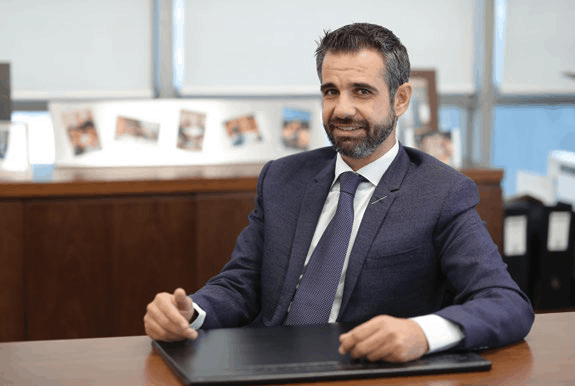
When I was appointed Minister of State for Investments and Technology (MSIT) in February 2019, I was thrilled to champion the most promising and vibrant economic sector in Lebanon. Technology is often reduced to mean “iPhone” or “app”, but the term can also refer to a rocket, a vaccine, a driverless car or a smart mattress. Technology, embedded in and propelled by the knowledge economy, has skyrocketed over the last 100 years, enabling societies to leapfrog across sectors. And leapfrogging is exactly what Lebanon needs. The country faces colossal problems: rampant poverty, the economic crisis, health, environmental, educational and infrastructural failures. Our success, our triumph, is dependent on centering and strengthening the rise of the knowledge economy in Lebanon.

What are we waiting for?

We desperately need to reinvent the Lebanese economic model: to focus on productive sectors, producing and exporting more. This collapse is a pivotal opportunity for the Lebanese, and its youth in particular, to use the knowledge economy to create a new economic reality.

The knowledge economy is a sector that is asset-light and talent and skill-centric; its benefits spanning across all other economic segments. Lebanon does not have a tremendous amount of natural resources. Our strength and primary asset is our human capital: Lebanon has a highly educated, multilingual, multicultural, and entrepreneurial talent pool, as well as a global and successful diaspora network. In 2017-2018, Lebanon was ranked 4th in quality of education in maths and sciences in the World Economic Forum Global Competitiveness Index. The knowledge economy is therefore precisely the one productive sector where we can boast our competitive, scientific advantage. With our human capital, we can and should aim to become a regional leader, as well as a thriving hub for economic prosperity.

As such, when I embarked on my ministerial journey, I set an ambitious vision and a concrete plan to execute our road to the knowledge economy.

What is the vision?

The MSIT vision is to drive the digital transformation of our economy, boost the contribution of the knowledge economy to GDP and job creation, and transform Lebanon into a regional hub for technology and innovation.

Thanks to technology, our abilities can begin to draw near our ambitions, for the first time in history. Imagine a Lebanon with clean water, nutritious food, affordable housing, personalized education, top-tier medical care, and non-polluting energy. Imagine a Lebanon with digital government, electronic transactions, transparency, efficiency and without corruption. The knowledge economy can help us meet these challenges head-on.

Translating potential into reality

This is precisely the objective of the MSIT action plan, The Roadmap Towards Digital Transformation. The plan was built as a result of consultations with major stakeholders in the private and public sectors, and crafted with support from major international institutions, in particular the World Bank. The action plan is high impact, actionable and concrete, combining short and long-term initiatives and strategic projects. Job and value creation are the first priorities.

We set the following as 2025 targets:

  • Double the contribution to GDP of the knowledge economy sectors from $1.5 billion to $3 billion
  • Grow the knowledge economy exports contribution to 25 percent of total exports
  • Grow yearly VC funding to $190 million a year
  • Grow the number of start-up ventures from 50 to 200 per year

The action plan is divided into two tracks. The first is inward-looking and focuses on improving the local tech ecosystem and creating a stimulating and competitive business environment in Lebanon. The second is outward-looking and focuses on global markets, on the reforms and policies needed to increase business and investment appeal, and how to grow cross-border investment and trade. As part of the plan, we identified seven areas of focus, the “Seven Pillars of Lebanon’s Roadmap to Digital Transformation.” These are the areas we need to tackle to unlock the full potential of the knowledge economy.

What are the seven pillars of the action plan?

1. The Business Environment: An “Ease of Doing Business Reform Plan” in 40 action points was prepared and submitted.

2. The Investment Environment: Address the funding gaps in the ecosystem, mainly at the early ideation stage and at the later scale-up stage, by creating public-private investment matching schemes and by establishing a comprehensive set of fiscal incentives to stimulate investment.

3. The Education Environment: Fill the knowledge gaps between the academic curriculum and the industry and business needs by launching a national “Digital Up-Skilling and Awareness” program.

4. Transforming Lebanon into a Regional Knowledge Economy Hub: Launch an outreach campaign, a comprehensive business reform, and incentives agenda aimed at attracting international companies and entrepreneurs to Lebanon.

5. Boosting Exports: A strategy to boost and promote services exports, complemented by reforms to increase e-commerce and digital payments.

6. Regional Development: Decentralize the tech ecosystem and develop thematic “Special Digital Zones”, for example, the Tripoli Knowledge and Innovation Center, which is ready to launch. The Knowledge Economy is a major agent for the reduction of regional inequalities and for fostering job creation and economic development across all Lebanese regions.

7. Research and Innovation: Launch a major overhaul of our research and innovation programs, and radically upgrade our legislative toolbox in order to accompany and stimulate innovation.

While we did not get the chance to implement our action plan because the government resigned in October 2019, we still managed to pass important reforms in Summer 2019 to stimulate job creation and skilled-labor hiring in the tech sector.

Our plan has the merit of providing the foundation of a detailed, structured, and comprehensive roadmap. Crucially, we centered the knowledge economy as a strategic priority for Lebanon and we set the stage for the next government or any future decision maker to hit the ground running.

MSIT was the first ministry in Lebanon dedicated to the knowledge economy. Our ambition was to convert the state ministry into a permanent ministry for the digital economy. Unfortunately, the next government dropped the mandate and the knowledge economy sector fell back through the cracks of various ministries, and so did the MSIT action plan.

But I hope this dream will come true one day. I hope that the momentum that we initiated will continue. I hope that Lebanon will build the knowledge economy needed and deserved by our citizens and our youth, and that our country will enter resolutely into the fourth industrial revolution.

Final thoughts

I cannot deny how challenging it was for me to come back to Lebanon after 31 years abroad working in banking and finance, and dive straight into the treacherous waters of the Lebanese public sector. I also cannot deny how difficult it was for me to weather the numerous political storms in the background and to try to progress against a backdrop of severe economic and financial crisis. I was appointed into a “start-up” ministry, with no allocated resources, no funding, and no existing projects, just an office and a desk.

But to have been given the opportunity to serve my country, even in such testing times, was a unique honor and my only drive. I will be eternally grateful to all those who trusted me and supported me during my short tenure. The encounters and the collaborations with so many bright Lebanese minds, successful entrepreneurs, high-spirited youth, and hard-working and determined women and men were all a true inspiration, and the reason I will always have a strong faith in the potential of our country, Lebanon.

November 2, 2020 0 comments
0 FacebookTwitterPinterestEmail
LaborOpinionSpecial Report

Five imperatives the new government will need to tackle to create jobs

by Maroun Kairouz November 2, 2020
written by Maroun Kairouz

A second wave of Covid-19 is now battering Lebanon, a country reeling from an unprecedented financial and economic crisis, and still grappling with post-port explosion realities. As a result of these compounded calamities, Lebanon’s economy is likely to end up a fifth smaller by year’s end, as the International Monetary Fund (IMF) had estimated it would shrink by 12 percent even before the blast. The unemployment rate might have already reached 40 percent according to some estimates (bizarrely, the government does not publish unemployment data). While some countries battered by the pandemic have sought to shore up their citizens with emergency public spending exceeding 10 percent of GDP, Lebanese officialdom has responded in a manner both lethargic and haphazard.

The exodus of the young and able (official emigration data is notoriously unreliable) resulting from the dire situation threatens the country’s long-term economic potential, even if growth can somehow be resurrected. Therefore, job creation and preservation should be at the apex of policymakers’ agendas.

Setting aside now-exhausted lip-service to reforms, this will not be possible without facing some hard truths. In particular, a serious government would need to tackle five imperatives head on, presenting difficult trade-offs and hard choices that do not lend themselves to easy fixes.

First, job creation requires a dynamic private sector. Even in communist China, 80 percent of new jobs are created by private companies. And the lifeblood of business is access to finance. Therefore, cleaning up the banking sector to allow it to focus on credit to finance business investment should be a priority. This will not be easy. We have reached a point where an inherent contradiction has emerged between the income of the majority of the salaried masses and the interests of depositors. The idea that public finances can be sanitized and banks’ balance sheets bolstered without one form or another of a haircut on deposits is fanciful. In this context, the mantra of “protecting depositors’ rights” is also misleading: around 53 percent of Lebanese are unbanked and 86 percent of deposits by value are in the hands of a mere 8 percent of depositors. To reignite growth, the government cannot afford to keep dedicating 35 percent of its outlays to service its debt; it is also impossible to reduce this burden without affecting its final beneficiaries, i.e. major depositors who have benefited from high interest rates in the past.

Second, the genesis of an export-oriented economy. On this, it is important to address the arguments raised by some leaders who have harangued citizens about the country’s “elevated imports bill” and who blame their consumption choices for depleting its foreign reserves. Lebanon came 117th globally in 2019 in the ranking of countries by imports to GDP. The problem is not that the country imports too much, it is rather that it exports too little. This is because of its limited ability to compete globally and regionally; it ranked 88th of 141 countries in the World Economic Forum’s 2019 Global Competitiveness Report. This is in no way a call for the government to adopt industrial policy. Rather, what is needed is to create an enabling environment where entrepreneurship can thrive. To achieve this, we need the private sector to take the lead on electricity generation to provide reliable, affordable and sustainable energy; to stop treating the telecommunications sector as the public purse’s cash cow, but rather focus on improving quality and minimizing costs; and to invest in the country’s derelict transport infrastructure (for instance, Lebanon is the standout amongst middle income countries to rely on a single airport).

Third, the current civil service system needs to be reformed to stop being a deterrent to job creation. Too many young people prefer waiting for a comfortable government job rather than toil in the private sector. Currently around 50 percent of formal employment is soaked up by the public sector, a rate higher than in some oil-exporting countries. These jobs are better paid (per hour of work), more secure and more protected than most jobs in private employment. Still, Lebanon ranks 177th in 2019 on the World Bank’s Index for Government Effectiveness. Civil service reform is urgently needed to normalize public jobs away from lifelong, cosseted employment with limited accountability.

Fourth, preparing young people with the skills they need to succeed in the workplace of the future. Lebanon has for too long rested on the laurels of its vaunted education system. Even as unemployment stubbornly persists, finding people with the needed skills remains a top concern for executives in Lebanon and the broader region. This paradox can partly be explained by a study last year that showed that Lebanon came second amongst MENA countries in the percentage of 8th grade students asked to memorize science facts for every lesson (58 percent). Education reform should focus on equipping students with the soft skills that enable them to thrive in the job market of the future, not of the past. Critical thinking, problem solving, teamwork, conflict resolution and computer programming – the likely lingua franca of the rest of this century- should replace rote-learning and conformism. This has become even more crucial, as the pandemic accelerates the digitization of the global economy. Likewise, technical education needs to be revamped by bringing in relevant companies to partner in the design of programs and curricula. For example, successful hotels and restaurants could be brought in to design and help run a hospitality/culinary program, or shipping giant CMA-CGM could design a program on logistics.

Fifth, the labor force participation of women needs to improve. At 23 percent Lebanon has a lower proportion of women in work than every country in the Gulf Cooperation Council, bar Saudi Arabia. This is due in large part to structural factors, such as the lack of publicly funded (or at least, subsidized) child and social care. It will be an uphill struggle for a bankrupt state to fix this. However, an easy place to start could be to reform labor, social security and other laws that do not treat women on equal footing. Introducing paternity leave could also help institutionalize burden-sharing at home. The country will not be able to compete globally, if half of its talents remains untapped.

Realizing Lebanon’s full potential requires responsible leadership to take on these five imperatives. The pandemic only makes this more pressing. At a time of global turmoil and where most countries are looking inwards, we need responsible, agile and transparent governance to enable a transformation of our economic model and social contract that allow self-realization for the many instead of rewards for the few. Realizing this amidst a colossal crisis will not be easy. But to paraphrase Churchill, it would be an immense mistake to let this crisis go to waste.

November 2, 2020 0 comments
0 FacebookTwitterPinterestEmail
LaborOpinionSpecial Report

Politics and the labor market

by Zafiris Tzannatos November 2, 2020
written by Zafiris Tzannatos

I first came to Lebanon in the late 1990s to lead a development organization’s mission on labor and social protection. Since then, a lot has happened: in 2000, Israel pulled back from southern Lebanon to the international borderline; in 2005, prime minister Rafik Hariri was assassinated, and many others were murdered before and after him; the year after, Israel tried to turn “Lebanon’s clock back 20 years” with the Second Lebanon War, which ended without a defined military victory; then came the 2008 global financial crisis, the IMF remarking that “Lebanon [had] mocked the doomsayers, [as its] ongoing economic resilience bolstered the banking system, with deposit inflows…growing at nearly 20 percent annually”; and from 2011 onwards, the Syrian war that brought over 1.5 million refugees into Lebanon.

Most importantly, by 2014, the last pretext of democratic governance since the end of the civil war, came to an end. The masks fell when, in addition to the political impasse resulting in not being able to elect a new president for the following two years, practically all (98 percent) of the parliamentarians who were present in the relevant vote in November that year, agreed to extend the parliament’s term without new elections. This explicitly brought Lebanon down to the level of dictators who reappoint themselves after their term has ended. The difference is that dictators have individual names, while Lebanon has religious-political sects.

The conclusions of the report I wrote on Lebanon 30 years ago still hold today. In that report, I had compared the level of wages with prices, especially the rising prices of real estate. There was no way families earning an average income could maintain their “average” (middle class) status over time, let alone afford to buy “an average” house. I also examined unemployment by education, using education as an indicator of socio-economic status. My research made clear that domestically, the better-off Lebanese did not have better prospects than the less fortunate. The alternative is well-known to all: emigration and brain drain followed by praise of the achievements of the Lebanese Diaspora.

Another characteristic of the economy back then was the structure of production, a structure still present today. The majority of establishments were small, while only a few major players dominated the field, primarily through uncompetitive practices sustained by clientelistic and political patronage (wasta). Moving from the micro to the macro, Lebanon was on course for an economic disaster for decades that few in power wanted to address.

Persistent government budget deficits and rising public debt could not have lasted forever, as a time would eventually come when the government would have to pay back what it had spent without earning. The interest rate paid on deposits cannot but reflect global market conditions in an open economy: the rates offered by Lebanese banks were dictated by what was needed to postpone a sovereign default – the bankruptcy that eventually followed – instead of what the economy could sustain, and what the international financial markets offered. Finally, the exchange rate could not have remained constant (at LBP 1,500 to $ 1) for long, as imports consistently exceeded exports by a factor of five or even more. The myth that Bank du Liban had a secret formula that could defy widely accepted economic rules is now busted.

This is all to make a simple point: the majority of employment problems originate from the perils of the economy and political governance, not from the labor market itself. This is conveniently forgotten by politicians who try to find scapegoats: blaming youth for not trying hard enough, teachers for not imparting good quality education, and companies for not training their employees adequately.

All in all, the labor market has been the victim of Lebanon’s political elite, a group driven by sectarianism, nepotism, corruption, and clientelism. This has created a private sector whose uncompetitive practices have failed to create new jobs, let alone decent employment. It has also ignored ordinary citizens’ welfare. Lebanon is perhaps the only upper middle-income country without an effective social security system for the private sector, a critical element for the labor market and prospective workers.

By October 2019, the inconceivable became inevitable. While addressing the issue of reducing public debt had long been on the table, it was never taken to heart by governments since the 1990s. Still before the 2019 fiscal crisis and the massive demonstrations that followed, Bank Audi stated in its quarterly report that “there [was] still room for a soft-landing scenario in public finance conditions rather than harmful measures with long-lasting adverse effects such as devaluation or debt restructuring.” Half a year after that report, massive devaluation has turned into reality and Lebanon has become bankrupt.

Lebanon’s development partners, including the IMF, have put forward specific proposals for the prioritization, intensity, and sequencing of policy reforms that would be required as preconditions for providing financial assistance. These conditions are not much different from what politicians have been promising to do in return for recurrent generous external support, but failed to carry out for decades. Before 2019, Lebanon had repeatedly promised to undertake more than one hundred reforms in several meetings in Paris, Rome, Brussels and all over the GCC – promises and reforms spanning public expenditure, the energy sector, water, pensions, the social safety net and the labor market. In fact, most of the current French-endorsed plan for Lebanon’s recovery has been included in past documents, including very recent statements by Prime Ministers Hassan Diab in 2020 and Saad Hariri the year before.

The impending economic prospects on the labor market are known: the debt-to-GDP ratio may pass the 350 percent mark by end 2020. Lebanon is now experiencing the first episode of hyperinflation in the Middle East North African Region (MENA) with a 50 percent monthly inflation rate recorded this summer.

Under such conditions, economic recovery, and with it job creation and poverty reduction, will take decades. The labor market creates jobs from new hires either by the public sector or the private sector. The former can be excluded for now. The latter can learn from the Greek experience. Greece has better functioning political institutions and relatively better economic and social protection indicators, and it is now where it was in the mid-1990s and it will take it another 20 or so years to get back to where it was before its 2009 crisis.

A recent study has estimated that Lebanon’s GDP may return to its 2019 level not earlier than 2043. This implies that the next generation of Lebanese would face labor market conditions that would be worse than those that existed at the end of the civil war.

Moving forward, the international experience suggests that to succeed, a rescue program like the one that is on the table for Lebanon now must have clear strategy and objectives laid out from the beginning. If adopted, such a program could minimize the effects of austerity and put the economy unto a sustainable and inclusive growth path. Still it will take decades to address the heavy social costs the program will inflict on citizens including in the form of slow employment growth and poor quality of jobs.

The implementation of such an economic program requires domestic political will that at present is lacking, as it has been for decades. Here, one is tempted to say that politically, Lebanon needs a Dayton Accord a-la Bosnia. Relevant elements of that Accord include a transparent constitutional court; an independent central bank; international oversight of what was agreed upon; an Office of High Representative charged with the task of civil implementation, and another international body that would be in charge for organizing elections. Most of these elements, suitably adjusted, can contribute to rebuilding the economy. This may prove to be easier than building a Lebanese State that will be transparent and accountable and will serve the interests of the citizens, not those of the politicians and clerics.

November 2, 2020 0 comments
0 FacebookTwitterPinterestEmail
LaborSpecial Report

LABOR IN LEBANON

by Thomas Schellen November 2, 2020
written by Thomas Schellen

Executive Magazine is honored to present our readers with a special report on the issue of Lebanon’s labor market, job creation, and the policymaking and financing solutions needed to boost the domestic job market. What emerges in these pages is a mosaic of job preservation and creation opportunities, where even the smallest saved or newly created job is worthy of support and respect, as the sum of such jobs will be instrumental in building a new model for the Lebanese economy. This report has been developed in coordination with the German Konrad Adenauer Stiftung Foundation, KAS.

As international labor economist Zafiris Tzannatos points out, the business community in Lebanon is not well positioned for competitive development, given that it is composed of many small and very few dominant players that are wasta-shielded against innovative local challengers. Besides this structural weakness, the economy ails under the fact that the job market equation in Lebanon, just before the outbreak of the 2019/20 economic woes, was as unpropitious as it had been 30 years prior: neither the educated nor the menial workforces in Lebanon enjoyed salient prospects for making a decent living and improving their socioeconomic lots in domestic environments. This meaning that the only hatch left open for upward mobility and success was, and remains, emigration and brain drain followed by praise of diaspora achievements.

Maroun Keyrouz, economist and senior staff at the World Economic Forum, admonishes that the exodus of the young and most able threatens Lebanon’s long-term economic potential, even if growth is somehow resurrected. Job creation therefore needs to be at the apex of policymakers’ agendas, a difficult task compounded by the fact that neither employment nor emigration data are compiled and published in reliable formats by the government. The country, according to Keyrouz, needs to clean up its banking sector, address the problem that it exports too little, reform its civil service system, equip its young with tomorrow’s useful skills, and improve the labor force participation of women.

The lucid exploration of the genesis, barriers, and needs for a national labor market by these analysts provides pointers on structural and policy priorities, the pillars of which can be transformed into load-bearing policies that will create a stronger labor market. To augment these big-picture perspectives, Executive invited the most prepared voices in the country to explain the roles that the knowledge industry; the agriculture and agro-industries; and the manufacturing sector, can play in short and long term job creation.

Adel Afiouni, Lebanon’s to date sole former minister of state for investments and technology, argues the compelling case for prioritizing the knowledge economy, which is asset-light and skillcentric. As Afiouni explains, his short ministerial tenure resulted in an action plan and vision for the Lebanese knowledge economy that was developed in coordination with local stakeholders and international partners. The plan’s original targets included a doubling of employment in the knowledge economy sector by 2025 along with growing this sector’s investments, number of startup enterprises, share in exports, and overall contribution to GDP.

Ziad Bekdache, manufacturer and vice-president of the Association of Lebanese Industrialists (ALI), highlights that despite all setbacks, longstanding and newly arisen challenges in this sector can be acted upon to create jobs. Under such a vision, ALI seeks to engineer a new system for manufacturing added-value products in Lebanon and distributing them around the world in cooperation with the Lebanese diaspora.

Mounir Bissat, the secretary general of the Syndicate of Lebanese Food Industrialists, tells Executive in his comment that the agro- and agro-industry sector in Lebanon should focus more on job preservation than job creation in the short term. According to Bissat, the sector to this end can, despite financial barriers to international transactions, upgrade and develop export capabilities and secure jobs through its ability to focus on import substitution. The agroindustrialist further emphasizes that the sector will not be able to overcome the current barriers and create jobs unless there is active state intervention in reviving the economic cycle in Lebanon.

The preeminence of the need to preserve Lebanese jobs in the near and intermediate future as a platform for eventual growth of private sector companies, especially small and medium sized enterprises, and the concomitant creation of employment opportunities is finally emphasized by Romen Mathieu, a private equity, corporate governance, and investment specialist who is co-founder and managing partner of the regionally active EuroMena Fund. Mathieu tells Executive in his interview how his team and international financing stakeholders are devising convertible-lending and financing solutions for endangered Lebanese SMEs.

November 2, 2020 0 comments
0 FacebookTwitterPinterestEmail
Photo Blogpoverty

LEBANON 2020: URBAN POVERTY

by Thomas Schellen & Greg Demarque November 2, 2020
written by Thomas Schellen & Greg Demarque

People who not long ago were comfortably middle-class urban dwellers, find themselves thrown into poverty this year, to the point of relying on NGO-provided food aid.

From the old to the very young, the faces of poverty may be depressed or smiling, but the underlying realities are the same.

Urban poverty has been expressing itself for decades, as seen in the photo below, showing a man who has called the streets home for years.

But today, urban poverty also includes a new wave of people: those whose homes were destroyed by the Beirut blast and who now have to live on the street, and are dumbfounded to be grateful for another 10-day supply of bare necessities.

As Beirut experienced the rapid devaluation of the Lebanese lira and suffered the August 4 blast, poverty afflicts all without differentiation by political or religious allegiance.

Shadows of poverty are looming large. We wonder whether there is still
hope they will not consume the lives of the old, the young, the downtrodden and the optimistic.

Photos by Greg Demarque.

November 2, 2020 0 comments
0 FacebookTwitterPinterestEmail
povertySpecial Report

Q&A with Philippe Lazzarini

by Thomas Schellen November 2, 2020
written by Thomas Schellen

Human catastrophes are inextricably interconnected to each other through the basic sharing of suffering and human compassion. The Palestinian
catastrophe in this sense can neither be ignored nor excised from the intensity of the Lebanese experience. To gain a perspective on the Palestinian dimension of the crisis in Lebanon, and on the magnitude of the suffering of the Palestinian population in the Near East this year, Executive sat down with Philippe Lazzarini, the commissioner-general of the United Nations Relief and Works Agency for Palestine Refugees in the Near East (UNRWA).

You have just completed your first official visit to Lebanon since you were appointed to the post of UNRWA commissioner-general. I understand that your schedule in Beirut was overwhelming.

It indeed was overwhelming because I did not come only as the new [commissioner general] but also as a former [national resident], knowing a lot of people in Beirut. With all what has happened, there was obviously a need to meet as many people as possible.

As perhaps the highest-profile practitioner of development aid with experience in Lebanon in the past six years, my first question is in this context of poverty and the need for development. Given your recent visit in this September of 2020, are we in hell, are we heading to hell, or will we be able to redeem something?

I feel that [you in Lebanon] will be the only ones able to answer this larger question. But it is true that I left Lebanon six months ago and I was shocked to see how people have changed, how their optimism has disappeared [and] how people were more in disbelief and in despair. I have not met anyone who expressed a glimpse of optimism for the near future. This is not the Lebanon that I have experienced over the last five years. Indeed, if you look at all the events that have taken place in the last year, from the financial collapse to the economic crisis and the political stalling, and after that the blast, which seems to be the outcome of a criminal negligence and criminal corruption at every level, this has been the [straw breaking] the camel’s back.

Most of the people who I met during my stay, were talking about leaving the country if they can or could, and also talking with some colleagues from embassies, it seems that today you have an important brain drain which has been accelerated. It was already the case when I was in the country because of the difficulties of graduates to find jobs in the country, but it seems that even those who were in the country and had a job, are now looking to leave Beirut, so it was not the same soul or spirit anymore. Something was broken. I was very shocked to find that I did not have any professional or private meeting that ended with the belief that things in the near future will or can improve. Despite this, I have witnessed extraordinary individual initiative of solidarity among the people. This is among the people, but what I could feel is the total absence of any expectation on what the state could deliver to the people. This has certainly contributed to the moroseness of the mood in Beirut.

Indeed, it seems that nobody is expecting anything positive in terms of either the leadership or in terms of revising the system. But still, could one say that the people here have a human capacity that might translate into something positive and surprising?

A general observation: the notion of “social contract” in Lebanon has been extremely loose over several decades, I would say, definitely since the beginning of the civil war. This has gone as far as that everything has been privatized in the country and nothing has been expected from the state in terms of services. Education has been privatized, health has been privatized, water and electricity, everything has at a given point been privatized in the country. Thus, there were very low expectations from the state in the country. If you look also at Lebanese everywhere in the world, they brilliantly succeed elsewhere. But in the context of Lebanon, they are not the same anymore. I would agree with you that the entrepreneurial spirit of the Lebanese is very well alive but the problem is that the context of Lebanon is not conducive for this to fully succeed. This is the reason why successful Lebanese are tempted to make their careers outside of the country.

Some years ago you authored a piece where you said that if this country collapses, the only model of tolerant coexistence in the Middle East would be lost. What do you see today as the outcome if Lebanon, as a state, were no longer viable?

This is a difficult geopolitical question, but as the country is now celebrating its 100th anniversary, and more than ever, 100 years [after its founding], you have a very deep communal divide which is completely paralyzing the country. This is the reason why there is a political stalemate, why it is all so difficult to form a government today. Because of the sectarian way of doing business in the country. What will the country look like if the Lebanese fail today? I think it will go through even more difficulties and more despair.

Time today is of the essence, the country is on its knees, there are almost no economic opportunities anymore, and it requires a government focusing on and prioritizing socioeconomic issues, but for that, you need to reform the system. For the time that I have been in Lebanon, in almost all my meetings, I was asking the decision makers: where is the sense of urgency? While we see month after month and year after year, the debt increasing and the country nearing the financial and economic collapse, why is there not more of a sense of urgency to reform? To reform the public sector and improve the perception of corruption as the country ranks very badly on the Corruption Perception Index, if I remember well in 137th place, at the time.

There were a number of low-hanging fruits, such as electricity reform where everybody knew exactly what needs to be undertaken and which would have saved the state billions of dollar and despite that, nothing has been undertaken. Also one would have believed that after the blast – the worst-ever blast besides an atomic blast in an urban setting – this would finally [result in change] but now we are one-and-a-half months later, and we are back to the same way of doing business which prevailed in the country [previously]. [If] with all these external shocks, reform does not happen, I do not see how the country can bounce [back] for the time being. It might have to dive deeper before it will really bounce [back].

Turning to the situation of the Palestinian population in Lebanon and the Palestinians in general, the economic shortfall in the UNRWA budget was mentioned by you in one interview during your visit. A message that has been iterated several times since earlier in 2020 by the organization’s representatives on various levels. It seems that
institutionally, you are almost in the position of a precariat
in an informal economic setting that lives from one month to the next, but despite that, you are functioning as an institution that gives aid and keeps people in their livelihoods. What is your expectation for UNRWA funding and for the impact of Covid-19 on the Palestinian economy?

Let me make a few comments before I comment on the financial situation of UNRWA. What I met in the camps [during the visit to Beirut in September 2020] was a very high level of despair, a high level of hopelessness. Basically, when we talk about the increase of poverty in Lebanon, this is amplified in the Palestinian camps. So when we hear that by World Bank estimation 50 percent of the Lebanese population is living below the poverty line, this percentage goes up to 90 percent in the Palestinian camp, and as you know, the Palestinians in Lebanon also do not have equal access to the job market, to land and property and hence have socioeconomically been discriminated. Clearly, what happened over the last year in the economic and financial collapse is complicated by the impact of Covid-19 – which by the way goes beyond the health hazard into triggering an additional level of misery. I keep saying that what we should fear the most in our days with the Covid-19 is a pandemic of abject poverty. Abject poverty has now become a reality in the camps to the extent that if you talk to people in the camp, most of the time they will tell you, “I prefer to take the risk of getting Covid-19 over taking the daily risk of not having food for my children.” This has become the reality in the camp.

As UNRWA we are providing quasi-state services to the Palestinians. Our mandate is to provide education to the Palestinian refugees, to provide access to health services, and also provide relief to the poorest among the poor as minimum social safety net. With all that happened in the country, expectations are rising that UNRWA delivers even more, especially more when it comes to social safety net. Those people just do not have income anymore – the majority of people in the camp are daily workers and they do not have the minimum income they used to have. So they turn to UNRWA, like the Lebanese challenge their governments. This is taking place at a time when UNRWA experienced a financial crisis which is not new, it started five years ago and takes place at a time when people expect UNRWA to deliver more. And, the countries supporting UNRWA are also experiencing their own financial crises. Most of the countries supporting us are entering into economic recessions, which makes the environment much more difficult to deal with.

Having said that, as you were referencing the month-to-month financial situation, this is because UNRWA has two problems. The first is a constant cash flow crisis – we are constantly on the edge of a cash crash – because of the lack of liquidities. We are an organization of about 30,000 staff between Lebanon, Syria, Jordan, West-Bank and Gaza; we are an organization that has a budget of more than 1 billion dollars because of all the services that we are providing. But in terms of cash flow, we never have more than a few weeks. This is highly unnerving and this is the reason why you might have heard many times already in the past that we are always on the edge of ceasing payment of salaries or ceasing services. This needs to be addressed and is an issue that I brought to the table with [UN] member states, telling them, “You gave us a multi-year mandate and we are highly predictable in the services we are delivering – we know already today what our budget will be next year and the year after, so you should be also more predictable in your contributions so that we can manage the cash flow better”. That is number one.

On September 14 2020, Mr. Philippe Lazzarini, accompanied by the Director of UNRWA Affairs in Lebanon, Mr. Claudio Cordone, visited the isolation center and the UNRWA clinic in El Buss camp, where he was briefed on the health services that Palestine refugees continued to receive under new measures and procedures because of the COVID-19 pandemic. © 2020 UNRWA Photo by Abeer Nouf

Number two is that we have a discrepancy between yearly contributions for our mandated activities and the resources that are made available. We have also a mismatch between the political mandate and the expectation of what we have to deliver with the resources that are made available. This is an issue that I am also trying to address with the member states, to make sure that they walk the talk if they ask us to deliver education to half a million Palestinian refugee girls and boys, and that we need the necessary resources for this. That is where we are today. I am very worried about the level of despair in the Palestinian camps and this is also why I have asked donors and member states to make sure that we continue to remain a source of predictability and stability in a highly unstable and unpredictable region.

In a discussion held a few years ago at the American University of Beirut (AUB), a comment of yours on longer term humanitarian emergencies was that ,“the more protracted the situation is, and the less jobs are… available from the market, the more human assistance becomes a social safety net of people”. Then, you remarked that to make humanitarian assistance sustainable in the longterm from short-term money, was a challenge that you did not see the answer to yet. Now, you are dealing with the same sort of challenge on a much bigger level than at the time. Were you able to make progress towards finding a formula of solving this quagmire?

My comment at the time was on the Syrian refugees in the country, where we are basically now dealing with a more protracted situation, and the assistance to the population was being provided through a limited resource, and the more protracted [the situation was], the less was made available as there were competing emergencies elsewhere in the world. The question was, if these people are not economically integrated and go back to their country of origin, who will be in charge in the longer term to provide the assistance, which is comparable to a social safety net for a vulnerable population? I don’t think we have found the answer yet today. It is always a struggle within this humanitarian-government nexus.

But if I look today at how to ensure sustainable livelihood for the refugees, that can be done by helping them access the job market. If they cannot [access a labor market], then one of the important tools at their disposal today is micro-credit. Within UNRWA we do have a micro-credit fund which I have asked to be reinforced in order to better deal with the economic impact of Covid-19… Having said that, there is still no mechanism substituting for the short-term humanitarian funding to ensure welfare and assistance in the long-term for this kind of population, especially refugee population.

Would this micro-credit fund be instituted here and be accessible from Lebanon, given the central bank’s prerogatives in managing and licensing micro-credit and micro-finance institutions (MFIs)?

We are looking at bringing back micro-credit in Lebanon, so we have indeed discussions with the central bank regulatory authority. We have already micro-credit activity in Palestine, the West-Bank, East Jerusalem, Jordan, and we had it also in Syria. It is true that Lebanon was lagging behind but we are looking today at how we can resume or initiate micro-credit also in Lebanon to make sure that Palestinian refugees also have access to this additional tool.

As some see it, poverty can be defined as a choice that society makes; but it seems not to be the right choice. In the Palestinian scenario, could the wrong choices that have entrenched poverty among Palestinian groups be turned into productive power via humanitarianism? Research into international responses to war, disaster and other humanitarian emergencies, has shown tremendous growth of the humanitarian market, highlighted a few years ago as
“humanitarian economics” by Swiss economist Gilles Carbonnier.
Do you think that this rise of humanitarian economics could offer a way forward for better management of the Palestinian issue and poverty in this group?

I was a student together with Gilles Carbonnier in university and I heard him talk about [his] book [at AUB’s Issam Fares Institute], but I have not read the book, so I know of the book but not in all detail. Is poverty the outcome of the choice of society? You do not decide to have poverty, but
depending on the nature of the society that you decide to have, the social contract you decide to have, you will have a level of poverty, this is the way he wanted to frame it. Today, the new framework that is being put in
place to address poverty is the agenda 2030 and the [social development goals], which is today the most ambitious anti-poverty agenda ever adopted by member states. The question is what kind of additional avenue these SDGs are providing and the real questions is not what are the additional avenues, but what will in the future be the funding model to ensure that we are reaching these goals – because we are talking about trillions of dollars to be invested on quasi a yearly basis. This can only be addressed if you have a combination of macroeconomic policies and financial instruments that are accessible to the most vulnerable. This must be complemented also by access to socioeconomic rights starting with education. I don’t know what Gilles had in mind at the time, [seeing that] the protracted poverty situation cannot be addressed just through the humanitarian lens, so shall we talk about humanitarian economy? There is a humanitarian industry, but is there an economy? I don’t know. This is something which could be debated. These are my thoughts in rough terms but I have not read the book precisely.

If I may cite one chapter title in Carbonnier’s book, this chapter deals with “the transformative power of humanitarian crises”. Its underlying question seems especially timely for Lebanon, given that we recently had a humanitarian crisis that can be defined as nothing other than an entirely man-made disaster, and the result of an unnatural hazard that was amplified by human stupidity and irresponsibility. In which way could, as Carbonnier is saying, humanitarian crises be “junctures that radically alter long-term economic trajectories”? Could, in other words, 2020 in context of the overall crisis in Lebanon or the global crisis impact on UNRWA, still be a pivotal point for creating a better economy?

For the time being, I do not yet see anything positive arising on the horizon. Right now we are dealing with a very difficult situation with despair and hopelessness, where the country does not seem to be in a position to offer any alternative right now because the trend is more for people towards looking to leave rather than at creating opportunities in the country. There is still no signal about a proper consensual political desire to reform the country. We are stuck for the time being. I think that the model for us, and I come back to that, is one to bridge our cash flow crisis between now and the end of the year and offer after that, a social contract to the member states and donors to have an agreed, forward-looking UNRWA, where we know in advance what services will be delivered to the Palestinian refugees
so that the Palestinian refugees can expect these services to be delivered without having to dive into the anxiety over a “yes” or “no” if these services will still be made available tomorrow or not. I think what we are trying to do here is to match the very strong political support provided to UNRWA with resources.

This region does not have efficient social safety nets. Are you the most capacious institution for health and education to be found in the Mashreq and Maghreb regions, in comparison to country-level institution of the same type? And by virtue of having functioned for 70 years in the region against all obstacles, are you a role model that other national institutions in the region could emulate?

I talk about Lebanon now because there have been many discussions about the NPTP (National Poverty Targeting Program) of the Ministry of Social Affairs in this country, and what the criterion should be to be eligible for this additional layer of a social safety net policy. Very difficult discussions have been going on, on who should be eligible, not eligible, and how should such a fund be funded. I think, indeed, that when it comes to assessing the level of vulnerabilities for people to decide on different levels to be accessible, UNRWA certainly has a lot to offer. I agree also that when it comes to social safety nets in general, this is a concept that has not been strongly developed in the region. Most of the time government responses or policies are [to provide social support] through subsidies for critical products in the daily basket.

While it most certainly can be doubted that online knowledge resources such as Wikipedia are free from agendas, distortions, and biases, I was still surprised to recently see that the online encyclopedia’s entry on UNRWA was over 20 times more verbose in the category of “criticism and controversies” than in the category of “assessment and praise”. How do you comment on this extreme discrepancy in the online perception of the work that the agency has been engaged in for seven decades?

I give you another example. If lawmakers anywhere ask a question to their government about contributions to UN agencies, there is a high likelihood that the question is on UNRWA and not any other UN agency. So the majority of questions on UN agencies will be on UNRWA and all the other agencies together will have fewer questions [asked about them] than UNRWA.

This shows that UNRWA is an organization which I would say is under political scrutiny. We are easily judged through the lens of relevancy, but not relevancy of the services that we are providing to the people, more about the fact that we are providing services to Palestinian refugees in the region. We are certainly the humanitarian agency which is most perceived through a political lens.

You thus have a lot of criticism of this nature, and after that, we should not completely underestimate the level of frustration that our beneficiaries might also have. We are providing the basics, but you know, when you live in Lebanon [as a Palestinian], and do not have access to the job market, you are discriminated [against] – where do you want to express your level of frustration?

You express it toward the organization which as a mandate to promote your rights and the rights of the Palestinian refugees. This dissatisfaction and frustration easily turns also against the organization because of the high expectation that we do deliver more. So I would say you have two types of criticisms, those coming from the detractors and also those coming from those who benefit from our assistance and would expect much more.

UNRWA’s mandate at the end of last year has been confirmed with a strong majority in the UN General Assembly until 2023. However, given that much criticism comes with an ideological angle, and that realities in the Middle East have recently been subjected to impulses of change, such as initiatives for rapprochement between Israel and some Arab countries, and new political alignments in the region and beyond, do you believe that UNRWA will still see a 75th or 80th anniversary of the organization?

Two or three comments. First, it is not a goal in itself of UNRWA to celebrate the 80th or 100th anniversary. The ultimate goal is to have a fair and lasting peace whereby Palestinian refugees can have a state that they can live in and do not rely on UNRWA anymore. That is the ultimate goal. Meanwhile, I do believe that with all the ongoing developments in the region, we more than ever need an organization like UNRWA, which continues to focus on investing into the human development of the Palestinian refugees and on promoting their socioeconomic rights in the region. I do believe that this is one of the best investments we can have when it comes to investing into future stability in the region. Will UNRWA go to the 80th anniversary?

I don’t know how things will develop in the region, but I do believe that UNRWA’s role will be critical until such a day that there is a fair and durable peace agreement, which would also benefit the Palestinian refugees.


November 2, 2020 0 comments
0 FacebookTwitterPinterestEmail
OpinionpovertySpecial Report

Winter is coming to crisis-hit Lebanon

by Carlo Gherardi November 2, 2020
written by Carlo Gherardi

For Neji*, the two-room apartment he shares with seven other men was supposed to be a refuge. Six years ago, he fled his home in Syria to escape the bombings that haunted ordinary life there. Last month, he narrowly survived the shockwave from Lebanon’s largest explosion as it tore through his neighborhood a mere kilometer away from the port, smashing windows and causing buildings around him to crumble.

“All of our windows are destroyed, door locks broken, the walls have cracked, and parts of the roof in the kitchen have collapsed,” Neji says. “We need urgent repairs ahead of the winter but with no jobs and income we can’t afford to repair all the damage. Water is leaking from both the ceiling and the walls. We don’t live in dignified conditions, but we can’t afford to move either.”

Neji was subsisting on informal work at the port. Work had already started to dry-up as the COVID-19 pandemic began to spread through Lebanon earlier in the year. The explosion has now caused a total loss of income. He does not know if he will be able to pay his rent anytime soon and wonders how long his landlord’s patience will last. It’s the story of thousands of people, and refugees in particular, in Lebanon, who, for several months, have struggled as three different crises have conspired to leave the country on edge: an unprecedented economic crisis, a pandemic, and the world’s third largest explosion.

50 percent of Lebanon in poverty

Since the August 4 explosion, it is estimated that more than 70,000 people have lost their jobs. The devastation wrought by the shock waves has put thousands of businesses at risk. Many now fear they will not have enough to eat, with the price of common goods rising as the Lebanese lira languishes at a fifth of what its value was a few months ago. Those with savings in their bank accounts cannot access them due to the banks’ restrictions.

Even before the blast, Lebanon was on its knees. A prolonged economic crisis worsened by the corona virus pandemic has resulted in a rise in poverty rates across the country. Already in April 2020, in a survey conducted by CAMEALEON, a Norwegian Refugee Council (NRC)-led research network, 96 percent of Syrian respondents from the Bekaa and North of Lebanon, reported that the COVID-19 pandemic had negatively affected their ability to find work.

Recent surveys put more than 50 percent of the population below the poverty line, with 23 percent of Lebanese facing extreme poverty. For Syrian refugees, the figure is even higher, with 83 percent living below the extreme poverty line. Poverty amongst Palestinian refugees is also expected to increase. And the sharp rise in corona virus cases across the country will only add more misery to an over stretched health system while measures to curb the spread of the virus will further negatively impact businesses and livelihoods. During NRC’s recent assessment of families’ needs in Karantina, an area near the port where NRC is responding to the aftermath of the explosion, 95 percent of responders with chronic medical conditions said they cannot continue their treatment because they can no longer afford it.

Lebanon needs long-term aid

The immediate effect of the explosion has been a shocking rise in homelessness, affecting up to 300,000 people. Thousands of homes were badly damaged, but the economic reality means that many will not be able to repair or even return to their homes. The funding for the shelter response has also not hit the ground fast enough, with only 7.5 percent of the UN flash appeal disbursed at the time of writing. As we warn, this may mean tens of thousands of people made homeless by the explosion in Beirut risk being left out in the rain and cold unless aid funding is stepped up immediately.

And to add further stress to families affected, the NRC has already documented a sharp increase in threats of evictions and actual evictions by property owners before the blast. With the economic disaster affecting everyone, both parties are facing grim prospects: tenants cannot afford the rent, and their landlords need the income.

This is not a crisis from which Lebanon will emerge anytime soon. The full consequences of the economic, health and physical devastation are yet
to become fully apparent. It is tragic that it took an explosion of such magnitude to call the world’s attention to what Lebanon has been enduring for several months now. The outpouring of sympathy has been encouraging, but it threatens to fade away before the necessary political reforms are implemented and the country begins to get a fraction of the assistance that it so desperately needs.

While welcome, the pledges of emergency assistance from the international community have scarcely even addressed the immediate needs of people in Lebanon, including its refugees and migrant worker communities. The devastation wrought by the explosion alone is estimated to reach into the billions of dollars. Beyond the repair and reconstruction that needs to take place, there are deeper crises that demand more sustained, longer-term international attention: shortages of food, electricity, jobs and homes. The country needs long-term aid that supports rebuilding livelihoods and kick-starting early recovery.

Structural changes must also not be neglected, and the people’s voices and demands for accountability need to be heard. No country has been more generous in opening its door to refugees than Lebanon. It is crucial that Syrian refugees, who have befallen yet another tragedy, continue to receive the assistance that they need, but also that vulnerable Lebanese communities and migrant workers, who share many of the same tribulations, are also supported. Without long term international assistance and much needed reforms, Lebanon may see further entrenched poverty and prolonged suffering across the country.

*Name changed to protect identity

November 2, 2020 0 comments
0 FacebookTwitterPinterestEmail
OpinionpovertySpecial Report

Why investing in refugees benefits host communities and the refugees’ country of origin

by Karolina Lindholm Billing November 2, 2020
written by Karolina Lindholm Billing

“We, the Syrian refugees in Lebanon, cannot take it anymore as the hunger is in our body, and the body of our children was ruined because of the lack of food and the quarantine. The evidence of our commitment to the general mobilization and the quarantine is that none of the refugees caught the virus. We committed and prevented the spread of the Coronavirus, but where is your commitment to us especially in this holy Ramadan month?”

Cited above is the message sent by more than one hundred Syrian refugees in Lebanon to UNHCR in mid-April 2020. It echoes the call of hundreds of thousands of other men and women living as refugees in villages and cities across Lebanon. Years of displacement with few possibilities to earn a stable income, coupled with monthly payments of rent, food, medicine and other basic expenses, has depleted any savings refugees carried with them as they fled to Lebanon. Instead, most have built up hefty debts to landlords, shop keepers, relatives and people in the community who have been kind enough to lend some money.

The conflict in Syria has imposed a heavy economic and social toll on Lebanon with decreasing transit trade through Syria between 2010 and 2018, and stalling service exports like tourism, as highlighted by the World Bank in The Fallout of War: The Regional Consequences of the Conflict in Syria. The marginal effect of the trade shock on GDP reached –2.9 percentage points in Lebanon between 2012 and 2018, while the refugee arrivals boosted GDP by 0.9 percentage points by increasing aggregate demand and labour supply.

Lebanon remains host to the largest refugee population per capita in the world, with an estimated 1.5 million Syrian refugees, around 16,500 refugees of other nationalities, and more than 200,000 Palestinian refugees, according to the Lebanon Crisis Response Plan (2017-2020). The solidarity shown by Lebanon and its people is remarkable and has been praised across the world as a contribution to the ‘global public good’ by the World Bank. The Lebanon crisis response has served as a model for the Global Compact on Refugees affirmed by the UN General Assembly in December 2016 and secured over $8 billion in funding since 2011 from the international community, according to Inter-Agency Coordination Lebanon.

Thanks to this, it was for some years possible to mitigate a sharp rise in poverty through a humanitarian safety net providing multipurpose cash and food assistance to the most extremely vulnerable families, and subsidizing health care.

But the socioeconomic impact of the economic crisis in Lebanon, COVID-19, and most recently the devastating port explosion in Beirut on August 4, 2020, has tested the existing safety net to its limits and revealed its insufficiency in the new reality.

Data collected in April and May 2019 by UNHCR, UNICEF and WFP for the 2019 Vulnerability Assessment of Syrian Refugees (VaSyR) found that
55 percent of the Syrian refugees were at that time living below the extreme poverty line (USD 2.9/ day) and 73 percent below the poverty line (USD 3.8/day).

Since then, the people in Lebanon have endured crisis upon crisis. The Lebanese pound (LBP) has lost nearly 80 percent of its value against the USD and the Consumer Price Index (CPI) has more than doubled between July 2019 and 2020, according to the Central Administration of Statistics. Moreover, Covid-19 lockdown measures have further accelerated the loss of jobs. Surveys conducted by UNHCR Lebanon between February and August 2020 with more than 22,000 refugee households show that around 65 percent have lost their livelihoods during this period and 70 percent of Syrian families have no working member.

The loss of incomes, coupled with the devaluation of the Lebanese pound and the simultaneous rise in prices has led to a dramatic rise in poverty over a short period of time, and an increase in debt. UNHCR’s surveys show that 92 percent of Syrian refugee families and 71 percent of refugee families of other nationalities have incurred new debt since March 2020, as they have been forced to borrow money to pay for basic needs like rent and food.

Today, well over 80 percent of the Syrian refugees are living below the extreme poverty line. At the same time, the funding available for humanitarian assistance reaches 31 percent of the total number of Syrian refugee families with monthly multipurpose cash and food support, and an additional 17 percent with food assistance only.

To cope with the extreme poverty, families are reducing their food consumption and spending on health care, at the same time as more and more are being evicted from their homes because of inability to pay the rent.

The situation is particularly acute for elderly refugees and those with a disability or a critical medical condition. In our surveys, this target
group reports lack of food (87 percent), shortage of medicines (65 percent)
and inability to afford health-related costs (60 percent) as their main
concerns. Poverty has also compelled many parents to take their children out of school to work in exploitative conditions. The risk is even higher this
academic school year when there is the additional challenge of managing online schooling.

These negative coping strategies will have longer- term negative effects on people’s physical and mental well-being and children’s development and possibility of future success.

A recent illustration of the desperation is the spike in refugees trying to reach Cyprus by boat to seek international protection or reunification
with family members living there, citing the sheer inability to survive in Lebanon as the main motivating reason. Since mid-July, hundreds of Syrian refugees, as well as a growing number of Lebanese have attempted to escape the hardship in this dangerous way. A few have made it, but the majority have found themselves in distress at sea and a number, including children, have lost their lives.

Reversing the rise in poverty and the erosion of resilience against a multitude of risks requires not only an expansion of existing programs that
alleviate the impact of poverty, but also new approaches. In formulating its approach and advocacy, UNHCR is guided by the Global Compact on Refugees that looks at comprehensive and whole-of-society responses to refugee situations. UNHCR also uses the 2030 Agenda for Sustainable Development, which recognizes that its goals and targets should encompass all people.

While it could appear counterintuitive, in times of shrinking resources and economic downturn, the inclusion of refugees in economic activities and
social protection not only contributes to recovery, but is also key to the realization of solutions for refugees outside Lebanon. This has been documented by various studies like Impact of Humanitarian Aid – UNDP and UNHCR (2015); The Mobility of Displaced Syrians (2019) – World Bank; and The Fallout of War (2020).

OUR RECOMMENDATIONS

  1. Include refugees in economic growth and job creation strategies to enable them to become contributing and self-sustained members of a society that needs to recover, generate new infrastructure and reinforce its productive sector. It has been amply demonstrated that economically active refugees are consumers, and more confident in their capacity to repatriate and re-establish themselves and provide for their families back home, compared to families who have been depending on aid.
  2. Include refugees in social protection frameworks and programs to enable their equal accessin policy and practice – to basic services, including social services, health care and education. The internationally defined “social protection floor” is for all human beings, regardless of their nationality or status.
  3. Expand the cash safety net for vulnerable refugees and Lebanese who cannot support themselves while the economy recovers. They cannot wait any longer. The existing cash safety net for refugees is grossly insufficient, as indicated earlier, and needs sustained humanitarian funding. It simultaneously needs to be expanded through contributions from development funding sources, because this is about chronic poverty alleviation. Furthermore, the safety net for refugees needs to be consistent with an expanded safety net to alleviate the poverty of a growing number of Lebanese.

Around 50 percent of Lebanese are estimated to now be living in poverty and the competition for resources for survival between people and communities is becoming increasingly fierce and fueling tensions. The safety net for Lebanese is at best embryonic and needs a major overhaul, now. Supporting one community in need and not another can only fuel inter-communal tensions and feelings of injustice and neglect. In order to prevent a further deterioration of services and instability in Lebanon that will take long to reverse, efforts should focus on developing a medium- term strategy to both address structural problems and mitigate the adverse effects of the crises on individuals, whoever they are. Creating conditions in which these men, women and children can live safe, secure and dignified lives and develop their human capital will benefit both Lebanon and its recovery, and the development of the refugees’ home country.


November 2, 2020 0 comments
0 FacebookTwitterPinterestEmail
Brand Voice

SAMA HOSPITALITY VENTURES Farm-to-Table at Scale

by SAMA November 1, 2020
written by SAMA

From farming to hospitality

 Sama Hospitality Ventures (SHV) started off as an idea to make commercial use of co-founders’ Ali and Omar El Mais’ late father’s land in Bekaa where the two brothers grew up. “We had to look for a higher return alternative than planting wheat or just leaving the land idle,” explains Ali who comes from an investment management background and completed his MBA at INSEAD. “Why not use the family’s farming heritage to pivot into services and hospitality, all while preserving and amplifying the region’s cultural and culinary heritage?”

The start: Sama Chtaura

The first foray into hospitality was in 2013 with the launch of Sama Chtaura, a 7,000 sqm outdoor events space that can hold up to 1,200 guests, a restaurant that can seat 300 guests, and a 1,000 sqm central production kitchen, which also serves the other SHV outlets and off-premise catering events. Pre-crisis, with the events industry thriving in Lebanon, Sama Chtaura would serve upward of 80,000 guests across weddings, catering events and restaurant customers per season.

Trial, Error and Initial Setbacks

Building on Sama Chtaura’s success, SHV went into third-party venue management and events services as a way to integrate their different services together. While those initiatives were fairly successful, they proved unsustainable due to misalignment with partners, and due to loss of focus caused by being spread too thin across too many product offerings.

Besten El Hor: Family Leisure Park

“This period of trial and error included experimenting with a number of pop-up concepts,” explains Omar who studied and worked in marketing in the US, “Eventually leading us to identify a gap in outdoor family leisure offerings in the Lebanese market.” This led to the launch of Besten El Hor in 2017, a 60,000 sqm venue built in a poplar forest with 30,000 trees (“hor” means “poplar” in Arabic, hence the name “Besten El Hor”). It offers families a venue destination where they can spend the day in nature, enjoy traditional countryside cuisine, and engage in a range of activities including adventure games, like zip lining, wall climbing, and air walks; all while taking advantage of the swimming pools, or biking through the forest discovering different farm animals. Besten El Hor also includes a separate evening outlet that offers guests the chance to relax around bonfires while enjoying finger foods and a range of games and competitions. The day venue has a daily capacity of up to 1,000 guests while the evening outlet can host up to 350 visitors. The overall project was an instant success, receiving over 60,000 visitors in its first season and exceeding ROI expectations by a wide margin. In response to this growth, SHV is now developing a 20-unit ecovillage within Besten El Hor that is set to launch in Spring 2021, as many guests expressed interest in staying overnight or spending the weekend at Besten El Hor. This is also intended to increase domestic and international tourism flows into the region. The eco-village will also seek to emulate traditional Bekaa architectural elements.

Turning the seasonality challenge into a competitive strength

 Seasonality was a key challenge to the business, as SHV generates 90 percent of its revenues in the period from May to October. This requires that the operation have the flexibility to shrink to 50 employees during low season and expand to over 200 staff during high season.

“Maintaining service quality and consistency remained a priority,” Ali explains, “So this pushed us to develop proprietary production processes and training programs, to be able to effectively ramp up staff every season, both on the food production side and on the customer service aspects.” The training programs include classroom training on soft and technical skills, real-time application under the guidance of the training man- ager, and a comprehensive test at the end of the training. The ability to train beginners in a quick and efficient manner became a key strength for the business, especially in the context of seasonal, volatile work, where SHV had to be quick at ramping staffing up and down in response to change in demand.

 Community impact

Investing in Bekaa had an inherently positive impact on the community. The majority of the ingredients SHV uses are sourced from local farmers and artisanal producers, while in terms of employment, the company hires and trains over 150 seasonal staff from the region’s schools and colleges. Throughout this process, we also identify high potential individuals to join us on a full time basis.

 Doubling down on farm to table: Sufra

The artisanal foods stations were an instant success with Besten El Hor guests, who showed a lot of excitement and enthusiasm for authentic, farm-to-table experiences. This led the team to create Sufra, a new farm-to-table concept inspired by the typical Bekaa farmer’s lunch. It was planned to launch this year but was postponed to Spring 2021 due to the current economic environment. The first prototype of Sufra will be implemented within Besten El Hor’s premises, but will be completely independent from the other outlets in the venue. Beyond proof-of-concept, the plan for Sufra is to be scaled in urban environments, as a rural escape within the city that will also include mouneh items produced in our artisanal workshop in Bekaa.

 Financing

“Investor financing is hard to find and comes with too many strings for new ventures,” Ali told Executive. “So we opted to rely on bank loans and personal equity, investing over $4.5 million across our project, a portion of which came through the Lebanese Central Bank’s subsidized loans program. And more recently, we have started receiving investor inquiries from potential partners looking to discuss JV or franchising agreements.”

Navigating the collapse

When the multiple crises hit, including the economic collapse and the Covid-19 pandemic, SHV switched into emergency mode, focusing on two priorities: 1) Cutting all unnecessary costs including bringing any outsourced services in-house and discontinuing any non-essential offerings 2) Positioning SHV to capitalize on the eventual economic recovery by continuing to invest in operations and product development. SHV is currently engaged with Hodema consulting to further streamline standard processes and training programs. The company also enlisted the help of GWR consulting to support in obtaining ISO 22000 certification for the central production kitchen. The company also opted to de-lever its capital structure to further reduce uncertainty in the business as there was no way to predict cash flows this year. In regards to Covid-19 precautions, the different outlets were able to retain decent volumes due to the outdoor nature of the venues, and stringent Covid-19 precautions were put into place.

Exploring additional growth segments

Direct-to-consumer food brands have seen big growth in recent years, a trend which was accelerated by the onset of Covid-19 and hyper-digitization. “We are exploring a number of initiatives we could launch out of our existing infrastructure,” explained Omar, “We are using our existing assets to capitalize on emerging trends.”

Growth Plans

 “As trying as the current year has been,” Ali says, “Managing to navigate this series of financial, political and pandemic shocks, further reinforced our belief in both the durability and scalability of our business model.” Moving forward, SHV’s growth efforts will concentrate on scaling the Besten El Hor and Sufra concepts while Sama Chtaura will remain a single-location project. “The company’s strategic priority for 2021 is to work with investors to expand abroad,” Omar adds, “As our focus on the outdoors is especially appealing to investors and consumers in the Covid era.” Ali concluded the conversation on a hopeful note, saying, “We still seek to expand within Lebanon when the economy recovers, as we see massive potential within our focus segments and through utilizing our existing infrastructure.

November 1, 2020 0 comments
0 FacebookTwitterPinterestEmail
OpinionpovertySpecial Report

Lebanese poverty rates swell across income groups

by Vladimir Hlasny & Khalid Abu-Ismail October 28, 2020
written by Vladimir Hlasny & Khalid Abu-Ismail

Over the past year, Lebanon has experienced an onslaught of multiple growth shocks including a banking and exchange-rate crisis, an outbreak of COVID-19, and an explosion that has claimed large swathes of Beirut’s commercial centre and a bulk of trade facilities.

These new shocks add to the longer-standing economic and financial crunch that have swelled Lebanon’s poverty rate at the upper, or moderate, national poverty line ($14/day), as well as the lower, or extreme, poverty line ($8.5/day) identified by the United Nations Development Programme and the Government of Lebanon. Since the start of this year, the moderate poverty head count is projected to have nearly doubled, and extreme poverty nearly tripled. At the same time, the mass of the middle- income and wealthy individuals, as estimated from the full distribution of incomes and wealth in Lebanon, has contracted due to the collapse of the banking system and out-migration.

This implies that the recent shocks have caused not only a humanitarian tragedy at the bottom of society, but also perilous attrition of physical, human and entrepreneurial capital higher up in the social ladder. This places hurdles in Lebanon’s course to lifting the downtrodden out of poverty and returning on a growth trajectory. Public, private and civic sectors need to coordinate to implement a comprehensive yet politically feasible policy response, and different socioeconomic groups must band together to assuage the devastation and deprivation among the least fortunate and the opportunity-trapped.

Background

Since at least the mid 2010s, the Lebanese economy has been on a downward spiral due to exhaustion of the country’s growth model, which had been relying on inflow of remittances and speculative investments. The decline was partly related to the developments in the region at large: the influx of Syrian refugees; the drying out of remittance inflows in connection with the fall of Gulf oil prices; and a decline in tourism and private investment from the Gulf Cooperation Council (GCC) countries.

Remittance inflows fell from over 20 percent of GDP pre-2010 to around 13 percent in the years since 2017. Foreign direct investment fell from over 11 percent of GDP pre-2010 to less than 5 percent since 2017. These factors have added pressure to the balance of payments leading to a deteriorating fiscal position and a sovereign debt crisis. In Spring 2020, for the first time in Lebanon’s history, the country defaulted on its debt-service obligations.

Since August 2019, the Lebanese Lira (LL) to USD market exchange rate started deviating from the official pegged rate of 1,500 LL/USD. The market exchange rate reached 2,200 in January, and briefly as high as 10,000 LL/USD in July 2020.

In October 2019, the Lebanese economy suffered more because of heightened political instability and public demonstrations, which added pressure to the pegged exchange-rate and in turn on bank dollar reserves. The demonstrations persisted into January 2020, and only temporarily subsided with the election of the new government in January, and after that, the onset of the COVID-19 lock down.

The effects of the COVID-19 pandemic started bearing down on the Lebanese economy in February, as travel and shipping from East Asia and Southern Europe became restricted. Economic lock down was imposed in March starting with public institutions, but within weeks, extended to most establishments and public spaces. National land and sea borders and airports were closed from the middle of March to the end of June (beginning of September in the case of land borders), halting the inflow of raw materials, essential goods and foreign currency. Cargo imports through the port of Beirut, before the explosion, had already contracted by half.

During the lock down, the market exchange rate rose from 2,470 LL/USD on 1 March, to 8,600 LL/USD on 30 June. The internal lock down directly affected Lebanese households’ immediate consumption and capacity for income generation, and through multiplier effects even their longer-term consumption, investment and income. Aggregate demand collapsed. Because of the currency devaluation and the restriction of imports, consumer prices shot up, by 107 percent between December and August alone. In some categories prices more than quadrupled, including for restaurants and hotels (495% rise), food (317%), clothes (325%), alcohol and tobacco (324%), and furniture (567%).

On the heels of this retrenchment came the Beirut Port explosion, leaving the preeminent trade and shipping hub, as well as the neighboring industrial, commercial and residential zones in ruins. This will not only gobble up $4-5 billion for reconstruction and humanitarian assistance, but it will dampen Lebanon’s imports, exports, and other economic activity for months to come.

Impact across income groups

Given the unprecedented events in Lebanon in the first half of 2020, and their mutually reinforcing effects, the poverty rate according to the upper or moderate poverty line is projected to have near doubled from 28 percent in 2019 to 55 percent by May 2020. Correspondingly, extreme poverty near tripled from 8 percent to 23 percent. This brings the total number of poor among the Lebanese population to an estimated 1.1 and 2.7 million for the extreme and moderate poverty lines, respectively, even before the devastation brought by the Beirut Port explosion.

These numbers suggest that some 750,000 Lebanese fell into extreme poverty – and 1.35 million into moderate poverty – in the first half of 2020, compared to the reference pre-COVID-19 growth scenario for 2020 that saw the number of the extreme poor at 370,000 and the number of the moderate poor at 1.32 million.At the same time as the ranks of the poor have swelled, middle-income social groups have contracted from over 57 percent of the population in 2019 to less than 40 percent, projected as of May 2020, as living means withered. The real challenge facing Lebanon is that these groups, which represent the bulk of the country’s human and entrepreneurial capital, may shun the uncertain economic opportunities in Lebanon under an expected protracted recovery, and may emigrate to the Gulf or beyond, should opportunity arise.

Another indication of the magnitude of the economic shock brought on by the not-legalized banking controls, the currency devaluation and the COVID-19 measures, is that the income-affluent group (individuals with more than $34/day in income) is also projected to have shrunk significantly from 15 to 5 percent of the population. Moreover, the impacts of economic shock are not restricted to income and consumption flows during 2020, but extend to the stocks of available economic resources (even before the blow that the Beirut blast dealt to the capital city’s infrastructure). Households and firms have experienced depletion, devaluation and freezing of their productive assets, which heightens their present deprivation and affects their longer-term ability to cope and spring back.

Since poorer households are more likely to hold their wealth in the devalued local currency, and may need to sell off their assets (or fail to upkeep them) to fund their consumption, wealth inequality in Lebanon may increase. For reference, Lebanon has one of the most unequal wealth distributions in the region and the world, ranking twentieth worldwide with a wealth Gini coefficient of 81.9 percent, and one of the highest concentrations of billionaires per capita.

The top 10 percent of Lebanese adults owned 70.6 percent, or $151.4 billion, of all estimated personal wealth in the country in 2019. As of mid-2020, the wealthiest 10 percent are projected to hold $90.8 billion of wealth, 40 percent down year-on-year. This is a result of the banking crisis, the associated restrictions on access to financial wealth, and the expected drop in the value of high-end land, real-estate property and natural resources. The Beirut Port explosion is expected to further diminish firms’ and individuals’ holdings of real estate and other capital, and their capacity for trading and economic activity.

The existing conditions spell havoc for Lebanon’s ability to achieve economic recovery with an adequate supply of domestic investment and decent jobs, and retain its predominantly middle-income population status.

Scope for alleviation

Despite the enormity of the economic shocks and their ripple effects, Lebanon could rebound and close its poverty gap quickly if key markets successfully kick start, if macroeconomic stability is restored, and if necessary economic governance reforms are enacted by the incoming administration. A primary policy response toward solving the country’s humanitarian crisis should involve bolstering Lebanon’s food and health security and social protection. This should be achieved by ensuring adequate access to food, medication, unemployment benefits and cash.

The establishment of a national solidarity fund should bring the country closer toward alleviating extreme and even moderate poverty. In addition to reaching out to international donors in the post- COVID-19 and post-explosion environment, Lebanon should mobilize its own substantial resources, with a fair and progressive system of shared responsibility, supported by political will and strong institutional capacity to ensure social solidarity. With shared responsibility and societal solidarity in place, especially between the wealthiest top decile and the poor, the bulk of the poverty impact can be absorbed.

Based on the distribution of wealth in Lebanon projected as of May 2020, it appears that a solidarity fund financed solely or primarily by a modest levy on the wealthiest 10 percent of nationals would go far toward eradicating poverty in the country. To close the extreme poverty gap, the required levy would be around 1 percent of the total assets held by the richest 10 percent (compared to 0.2 percent in 2019). To close the moderate poverty gap according to the national poverty line, the corresponding levy would have to be approximately 3.6 percent of the total assets held by the richest decile (1 percent in 2019).

Enacting these fiscal policies should go hand in hand with the introduction of the necessary economic governance reforms. Enhancing transparency and accountability should allow the ministries of finance, social affairs and related institutions to improve poverty targeting practices.

October 28, 2020 0 comments
0 FacebookTwitterPinterestEmail
  • 1
  • …
  • 40
  • 41
  • 42
  • 43
  • 44
  • …
  • 685

Latest Cover

About us

Since its first edition emerged on the newsstands in 1999, Executive Magazine has been dedicated to providing its readers with the most up-to-date local and regional business news. Executive is a monthly business magazine that offers readers in-depth analyses on the Lebanese world of commerce, covering all the major sectors – from banking, finance, and insurance to technology, tourism, hospitality, media, and retail.

  • Donate
  • Our Purpose
  • Contact Us

Sign up for our newsletter

[contact-form-7 id=”27812″ title=”FooterSubscription”]

  • Facebook
  • Twitter
  • Instagram
  • Linkedin
  • Youtube
Executive Magazine
  • ISSUES
    • Current Issue
    • Past issues
  • BUSINESS
  • ECONOMICS & POLICY
  • OPINION
  • SPECIAL REPORTS
  • EXECUTIVE TALKS
  • MOVEMENTS
    • Change the image
    • Cannes lions
    • Transparency & accountability
    • ECONOMIC ROADMAP
    • Say No to Corruption
    • The Lebanon media development initiative
    • LPSN Policy Asks
    • Advocating the preservation of deposits
  • JOIN US
    • Join our movement
    • Attend our events
    • Receive updates
    • Connect with us
  • DONATE