• Donate
  • Our Purpose
  • Contact Us
Executive Magazine
  • ISSUES
    • Current Issue
    • Past issues
  • BUSINESS
  • ECONOMICS & POLICY
  • OPINION
  • SPECIAL REPORTS
  • EXECUTIVE TALKS
  • MOVEMENTS
    • Change the image
    • Cannes lions
    • Transparency & accountability
    • ECONOMIC ROADMAP
    • Say No to Corruption
    • The Lebanon media development initiative
    • LPSN Policy Asks
    • Advocating the preservation of deposits
  • JOIN US
    • Join our movement
    • Attend our events
    • Receive updates
    • Connect with us
  • DONATE
Banking & Finance

Against catastrophe

by Executive Editors January 16, 2010
written by Executive Editors

Ammar Yacoub failed to see the point of insurance — why regularly spend cash on something you might never use? So when money got tight in early 2008, he needed to cut expenses and decided not to renew his family’s health insurance, due to expire on May 1. Then, 11 days before the family’s coverage ran out, Yacoub’s son, Mamoun, was diagnosed with leukemia. Fortunately, Yacoub was able to renew the family policy, and their insurance has since covered most of the $35,000 their son’s treatment has cost to date.

“Without coverage, I would have had to sell my house or take a loan,” said Yacoub. “I realize now that insurance, especially health insurance, is a necessity, not a luxury.”

Yacoub, however, is a minority in this country: most Syrians come in contact with insurance only when they buy a car and discover that it needs to be covered for third-party damage; the need to insure is simply not engrained in the Syrian psyche.

Add to that low income levels and misunderstandings surrounding insurance — ask any cabby in Damascus about the usefulness of third-party car insurance and he’ll complain that every incident has to go to court anyway — and insurance companies’ marketing departments have their work cut out for them.

Firas el-Azem, general manager of Al Aqeelah Takaful Insurance, thinks awareness will naturally follow growth of the insurance market, not the other way around.

“The best marketing you can get is word of mouth: when people see claims being paid out, they will realize the benefits,” said Azem.

And growth of the insurance market goes hand in hand with expansion of the banking sector.

“When banks start issuing more mortgages, which I think will happen in the coming years, they will demand their clients get life insurance, for example. Likewise, banks are a major reason for the growth in comprehensive car insurance: when they issue a car loan, they ask for damages to be insured,” Azem added.

Quick out of the blocks

Despite its youth and relatively low penetration, the Syrian insurance industry has been racking up double-digit growth figures since the market was opened to private companies in mid-2006. However, 2009 growth was not as spectacular as it had been over the past few years: total premiums reached $229.1 million in the first nine months of 2009, a 15 percent rise relative to the same period a year earlier. This compares to an overall growth rate of 37 percent for 2008, with the 13 companies — 12 private and one public — ending last year with a combined premium income of $275.4 million.

“The slowdown is partly due to the fact that fierce competition between companies is still driving premiums down,” said Eiad Zahraa, general manager of the Syrian Insurance Supervisory Commission (SISC). “The effects of the global financial crisis have also played a role, but to a limited degree. Insurance companies in Syria rely more on premium income than investment as a source of revenue, which means they have remained relatively protected from the global financial crisis.”

A tough year

Nevertheless, the global financial crisis has damaged such areas as the housing market, commodity prices and car sales, causing a decline in the growth of engineering, marine cargo and comprehensive car insurance; 2009 is clearly turning out to be a tougher year for local insurers.

Premium income for four companies actually shrunk when comparing the first nine months of 2009 with the same period a year earlier. Most notable of these is the National Insurance Company (NIC), which barely managed to maintain top position in the private market when its premiums fell by 42 percent, to $30.8 million over the first three quarters of 2009. The Syrian Kuwaiti Insurance Company (SKIC) was most unfortunate, with its premiums and market share dropping by more than 50 percent, to $7.7 million over the same period.

Three years after Syria’s insurance market was liberalized, the state-owned Syrian Insurance Company (SIC) remains the biggest player in the market. Although its share has shrunk considerably since the market opened up, dropping from around 61 percent at the end of 2007 to 43 percent at the end of last year, third quarter 2009 data shows the SIC is fighting back: in the first nine months of 2009, it managed to net nearly half of all premiums. Trust Syria Insurance Company (Trust) has maintained its position as the fastest growing firm: after more than quadrupling its premium income between 2007 and 2008, it added another $11.3 million to its premium base over the first three quarters of 2009 — an 80 percent increase. But like many Syrian companies, Trust’s premium income is derived mainly from the unpredictable compulsory motor insurance.

Compulsory motor cover accounted for 42 percent of all premiums in the first nine months of last year. Taken together with the comprehensive variety, motor insurance generated 63 percent of total industry premiums.

Fire was third, with 15 percent of all premiums, followed by transport at 9 percent and health at 4 percent. Health insurance is still growing rapidly at 38 percent over the first three quarters of last year, surpassed only by personal insurance, which rose by 70 percent but still has a tiny market share of just 0.29 percent.

Greater industry control

In order to remedy the lack of diversification and better regulate the industry, the Syrian government has taken a number of measures, such as standardizing rates and limiting commissions in marine cargo insurance, and organizing the compulsory motor insurance sector. In November 2007, the Ministry of Finance moved to limit insurers’ exposure to compulsory car cover, stipulating it could only make up 45 percent of all premium revenue for any single company. The decision aims to increase the financial stability of companies because motor insurance is an unpredictable industry with a risk of unlimited liabilities. After an initial grace period, the government swapped the carrot for a stick when it banned four companies — NIC, Trust, Arab Orient Insurance Company (AOIC) and SKIC — from selling compulsory motor insurance during the entire second quarter of 2009. Although this temporarily limited their sales in this department, third quarter 2009 figures show each of the companies to be well above the norm again.

Compulsory motor cover has also been an area of fierce competition. According to industry sources, insurance companies have been known to pay commissions to civil servants at the Ministry of Transportation in order to direct car owners to their firms. The practice has seen the government intervene and last August the Syrian Insurance Federation set up a pool, allocating car owners seeking insurance through the Ministry of Transportation to firms on a set rotating basis, although individuals can still choose to bypass the ministry and go to a specific company. The system has been expanded to include most of Syria’s large cities, and the rest of the country is soon to follow.

Banque Bemo Saudi Fransi has been awarded the contract to collect premiums from car owners and distribute them to individual insurers. All but one firm, Syrian Arab Insurance, will take part in the pool. In an interview with Executive, the company said their long-term strategy focuses on achieving greater diversity in their premium income, rather than short-term cash flow through compulsory insurance. Syrian Arab will continue to sell compulsory motor insurance directly through their head office.

Raising the bar

Another important development will be the opening of the Syrian Insurance Academy. Although the academy is yet to be built, Sulaiman al-Hassan, chairman of the Syrian Insurance Federation, said classes will start early 2010 in a temporary location. The insurance academy will grow into a pan-Arab institute where students from all over the Arab world will come to learn the trade.

“We’re expecting hundreds of students and we will welcome private students as well as insurance companies’ employees,” said Hassan.

Syria’s insurance industry is still taking shape. The sector is facing several challenges, among them low income levels and a lack of diversity, but with a per capita insurance rate of $13.50 in 2008 — compared to a regional average of $55 and a global average of $555 — huge opportunities remain untapped.
January 16, 2010 0 comments
0 FacebookTwitterPinterestEmail
Finance

For your information

by Executive Editors January 16, 2010
written by Executive Editors

Lebanon’s debt closes in on $50 billion

Lebanon’s official gross public debt inched closer to $50 billion, reaching $49.9 billion at the end of October 2009, according to the latest available figures from Byblos Bank. This represents a rise of 8.3 percent since the end of October 2008 and is mostly made up of interest payments on debt and over-budget spending by the government. Domestic debt, held mostly by local banks, increased by 14.8 percent over the same period to reach $28.7 billion, while externally held debt decreased 0.5 percent to register at $21.2 billion. Commercial banks continued to hold an increasing amount of the debt, accounting for 58.2 percent of the total value, followed by the central bank at 19.4 percent. Residents of Lebanon held 88.1 percent of the internal debt at the end of October 2009, according to Byblos Bank. The debt of the central bank, the National Social Security Fund, bilateral and multilateral loans, and that of Paris II and Paris III accounted for 35 percent of the total debt.

Abu Dhabi bails out Dubai

The government of Abu Dhabi stepped in with a $10 billion bond sale bail-out for Dubai on December 14, the day Nakheel — the property development arm of government-owned Dubai World — was to pay back a $3.5 billion sukuk (an Islamic bond). This Abu Dhabi bond sale was on similar terms to the previous $10 billion bond Dubai issued to the United Arab Emirates Central Bank earlier in 2009, as part of a $20 billion fund program set up in February 2009 to help struggling state-owned entities. Abu Dhabi had also granted Dubai $5 billion through a bond and sukuk fully subscribed to by two government-linked Abu Dhabi banks in November 2009. Global markets rallied after the announcement, with Dubai’s surging 10.4 percent and Abu Dhabi’s gaining 7.9 percent.

The total amount to be repaid on the sukuk came to $4.1 billion when interest was calculated. The repayment brought the total amount of Dubai World’s debt rescheduling down to some $22 billion, and is seen as the first move of what is expected to be a long process. Dubai still holds a substantial amount of debt, with estimates ranging between $80 billion and $150 billion due to a lack of transparency.

Lebanese exports and BOP continue to rise

The balance of payments (BOP) reached an all time high of $6 billion in October, the latest figures available, from $4.8 billion in September due to an increase of net foreign assets held by the central bank (up $886 million) and those of local banks and financial institutions (up $281 million). During the first 10 months of 2009 the BOP has gained a surplus of $7.04 billion. Fears that decreased foreign demand caused by the global economic downturn would impact the BOP were proved unfounded as import and export activity dropped a total of just 1 percent in the first 10 months of 2009 to reach an aggregate level of $16 billion.

Exports, which registered a year on year third quarter plunge of 25.3 percent in 2009, recovered in October, resulting in a net year-on-year loss of 3.9 percent in the first 10 months of the year.

Iraq completes second round of oil bids

Iraq has held the second round of oil bids in a move that is expected to more than quadruple the country’s output when projects from both rounds are completed, according to the Iraqi oil minister quoted in The Wall Street Journal. Of the 10 groups of fields available to be auctioned, a total of seven were snatched up by several multinational companies. Arguably the most significant bids were awarded to Royal Dutch Shell and Malaysia’s Petronas, which were jointly granted permission to develop the Majnoon field, one of the world’s largest untapped oil fields. Some other winners were the China National Petroleum Company, France’s Total, Russia’s Lukoil, Norway’s Statoil and relative newcomer to the international oil production scene, Angola’s Sonangol. If completed as-per the oil minister’s projection, the projects will put Iraq on or near par with Saudi Arabia in terms of oil production. The deals were based on a fee basis in which oil companies would get a set amount for each barrel produced from the fields. Shell’s bid guarantees the company just $1.39 per barrel for the Majnoon field. Iraq is exempt from the Organization of Petroleum Exporting Countries’ quota levels, which are loosely used to regulate supply in the global market. The latest bidding round attracted many more investors, mainly due to a “clarification” by the Iraqi government which reduced taxes for bidders retroactively. Iraq, however, still does not have an oil law that would protect the investments of foreign firms. Moreover, it is not expected to pass any legislation on the matter until after general elections in March.

Etisalat puts Lebanon in the crosshairs

The Emirates Telecommunications Company, Etisalat, has stated that it is interested in pursuing investment opportunities in the telephone services of Lebanon when the government starts to sell off state-owned assets, according to a report issued by Bank Audi, which quoted “company sources.” Etisalat is the latest in a series of telecom companies to voice their interest in Lebanon’s  telecom infrastructure. The report said that the sources expressed their intent to make Etisalat one of the 10 largest telecom companies in the world and acquire stakes to meet this end. Etisalat acquired Sri Lanka’s Trigo in October for $207 million and is expected to begin operating in India in the first quarter of 2010.

Creditors give TID room to breathe

The Investment Dar (TID), a Kuwaiti investment house, announced on December 7 that it had reached an agreement with creditors regarding the restructuring of $3.5 billion of its debt. The endorsed program, decided upon by a panel of investors, agreed to restructure the debt over the next five years.

“The proposed plan is based on a restructuring of the existing financial arrangements with scheduled amortizations over a five-year period,” said Dar in a statement.

It continued, “TID will satisfy its financial arrangements in full over the five-year period. In addition, the proposed plan would provide TID’s banks and investors with an enforceable security package.”

The process was also overseen by a supervisor from the Kuwait Central Bank who had been assigned to the case in September.

On December 10, another Kuwaiti firm, Global Investment House, announced a restructuring deal after defaulting on its $3 billion of liabilities in late 2008. Global will repay $1.72 billion of its debt over the next three years and will place $1.7 billion in investments into two closed-end funds to act as collateral on the rest of its liabilities until they can be paid.

“It has been a time of a lot of pain and a lot of criticism, but today is a day of celebration,” said Chairwoman and Managing Director Maha al-Ghunaim to British daily The Financial Times.

January 16, 2010 0 comments
0 FacebookTwitterPinterestEmail
Real estate

For your information

by Executive Editors January 16, 2010
written by Executive Editors

Kuwait’s rebuilding of Lebanon

The Kuwait Fund for the Arab Economic Development (KFAED) is planning to build the ‘Beirut Historical Museum’ in the Central District of the Lebanese capital, according to Mohammed Sadeki, a representative of KFAED, as quoted in An Nahar. The museum, valued at $30 million, will be built on a 9,000 square meter area with costs covered by a grant from the Kuwaiti government. Sadeki told the newspaper that that KFAED is currently executing 45 of the 53 projects Kuwait committed to as part of the reconstruction of Lebanon after the July 2006 war. The KFAED projects are valued at some $190 million; projects include infrastructural works, school building and renovation, as well as waste water plants. Moreover, $110 million is also granted as housing compensation as the fund aims to rebuild 24 villages in the south and 14 buildings in Beirut’s southern suburbs.

Solidere and SODIC launch new Cairo projects

Solidere International and the Egypt-based real estate developer Sixth of October Development and Investment Company (SODIC) announced the commencement of their projects in Cairo’s suburbs — Westown in the Sheikh Zayed neighborhood along the Cairo-Alexandria desert road and Eastown in the Kattameya area of New Cairo. On December 6, the launch of the first phase of the Westown development was announced. The phase includes two developments, the first of which is called ‘Forty West,’ an 830,000 square meters mixed-use facility that includes 175 high-end residential apartments, a luxury hotel, several restaurants and cafes in addition to retail shops and an entertainment center.

The second project named ‘The Polygon,’ is an 86,000 square meter business center that offers 11 office buildings, including a business hotel. Both projects are funded by investments amounting to $91.3 million for Forty West and $110 million for The Polygon. Construction of both developments should begin in March 2010 and are slated for completion by 2013. At the launching, Mounib Hammoud, the executive director of Solidere International, told Reuters that he saw good opportunities in buying land in Lebanon, Egypt, Montenegro and Saudi Arabia. “There’s a need for a million apartments in Saudi Arabia today…there are lots of plots, very interesting plots, in Riyadh and Jeddah,” he said.

Lebanon enters The World

Work is expected to begin on the Lebanon Island, part of Nakheel’s The World project located off the coast of Dubai. The island will host a $27 million resort including 76 suites, 10 water cottages, a health club, a swimming pool, restaurants and other facilities, according to Emirates Business 24/7. The developer behind the project is an Indian investor, Wakheel Ahmed. An official with the Indian architectural firm NM Salim and Associates was quoted in the daily as saying Ahmed was “deterred by the media reports about Dubai, but has the money and resources to start construction.” Construction work is also set to start on the Germany Island in the first quarter of this year, according to an announcement by the Austria and Hungary-based development company Kleindienst Group. The Germany Island is part of the group’s “heart

of Europe project,” which consists of six of The World’s islands. The project will include a part of the Netherlands Island called Amsterdam, which will host its own beach and leisure area. The heart of Europe project will also comprise of a five-star hotel called St. Petersburg, a luxury shopping arcade, and a dolphin pool on the Austria Island.  

More Israeli settlers push into the West Bank

In a report released in December 2009, the United Nation’s office for the Coordination of Humanitarian Affairs (OCHA) stated that around 44 percent of the West Bank is off-limits for Palestinian construction, as these areas are reserved for Israeli settlers and military installations. The report added that tens of thousands of Palestinians built illegally because they couldn’t obtain permits, and thus faced the risk of having their homes demolished. Throughout 2009, 180 demolitions of Palestinian-owned structures took place and 319 Palestinians were displaced as a result.

Due to the difficulty of obtaining permits, schools, clinics and infrastructure works cannot be constructed, which contributes to the decreasing standard of living in the West Bank. OCHA also demanded Israel cease demolitions and stop transferring its population into settlements. Benny Begin, a minister without a portfolio who is part of Prime Minister Benjamin Netanyahu’s Likud party, said that 10,000 new settlers will occupy parts of the West Bank within 10 months, adding that the 10-month moratorium announced in November only limited construction but did not freeze it, according to Agence France Presse.

On the other hand, the Palestine Authority’s Ministry of Local Government approved a master plan for the first Palestinian-planned city, Rawabi. The city will be developed by Bayti Real Estate Investment Company, which is jointly owned by Qatari Diar Real Estate Investment Company and the Ramallah-based Massar International. It will be located some 9 kilometers north of Ramallah and will include more than 5,000 housing units, according to a Bayti press release. The city is intended to create jobs for thousands of Palestinians and ease housing shortages by providing affordable residential units.

Saudi mega-merger

Last month, 11 large Saudi Arabian contracting companies announced their plans to merge to form a $1.07 billion entity made of companies from the oil and gas, real estate and maintenance sectors, according to Alswaq.net. The new entity will be called “The Union of Saudi Contracting Companies,” and it has already signed a contract with Ernst Young in Saudi Arabia to audit their accounts. Jassem el-Ramhi, chief executive at the new entity, said that the idea of merging came about before the financial crisis occurred, adding that the merger is slated for completion in three years, according to Alswaq. Until then each company will operate as a separate entity. Ramhi also added that the new company will offer up part of its stock on the Saudi stock exchange within three years.

Emaar shelves major merger

Emaar announced in November that it is dropping its merger plans with the three Dubai Holding entities — Sama Dubai, Dubai Properties and Tatweer. The developer behind Dubai’s tallest building, the Burj Dubai, whose opening was postponed until January, announced that the decision was based on a feasibility study conducted by economists and international experts which stated that the merger would be economically unfeasible.  The merger, announced in June, was intended to be completed in October 2009 but no official announcement came until December. If the merger had gone forward, it would have resulted in an entity with combined assets of $52.85 billion and a significant total debt of $3.7 billion. “The move shows that Emaar wants to [face] the current economic downturn on its own terms and is looking at retaining its shareholder value,” Sudhir Kumar, managing director of the property consultancy Realtor’s International told Gulf News in December 2009.

January 16, 2010 0 comments
0 FacebookTwitterPinterestEmail
EnvironmentSpecial Report

ICT for a low-carbon world: Activism, innovation, cooperation

by Karim Sabbagh & Hana Habayeb January 16, 2010
written by Karim Sabbagh & Hana Habayeb

It is hardly news at this stage that climate change presents profound challenges to the environment as well as to societies and economies around the world. However, there has been limited discussion to date about the fact that companies in the information and communications technology (ICT) industry have the potential to make significant contributions in combating climate change.

The Smart2020 report, an analysis of ICT’s effect on climate change, estimates that the industry will contribute 3 percent of global energy emissions by 2020 thanks to the increasing prevalence of technology. Although it may seem that the industry is part of the problem, it could also be a major part of the solution. ICT could enable a reduction of up to 15 percent of global emissions, or five times the footprint of the industry itself, by not just reducing their own emissions but helping other industries reduce theirs. Individual ICT companies can adopt different strategies along a continuum to address climate change.

Limiting the environmental impact of operations and products

In their initial stages of environmental activism, companies will seek to control their own carbon footprint. A “passive environmentalist” will take steps to reduce the negative impact of its operations by minimizing the use of energy and resources and initiating green practices such as recycling. A “conscious environmentalist” will take these initial steps as well, but will also actively seek to minimize the environmental impact of its products with measures such as reduced packaging and online billing. Phone manufacturer Nokia is a “highly conscious environmentalist;” it looks at the lifecycle of its products and reduces its environmental impact using substance management, energy efficiency and recycling.

Innovating for sustainability

In later stages of activism, companies look at environmentally friendly products and services as a way to drive further business. A “green enabler” will seek to improve the operations of products in the ICT sphere so that they are more environmentally sustainable.

The real sweet spot is a highly innovative company — a “green innovator” — that can reduce the environmental impact of other companies’ products. Cisco’s “Connected Urban Development” initiative is an example of one such innovation. The company is working toward solutions to improve traffic flow, boost public transportation, spur the construction of energy-efficient buildings, and initiate other ventures that can help cities manage the size of their carbon footprint.

Passive and conscious environmentalists can have an impact on, at most, the 3 percent of global carbon emissions that their own industry generates. By becoming green enablers or green innovators, companies can capture the business potential of sustainability, and at the same time chip away at the remaining 97 percent of carbon emissions.

Furthermore, companies moving up the environmental activism ladder are reaping financial benefits and staking out enviable market positions. A survey of IT professionals across multiple industries showed that more than 50 percent of companies already have or are looking to implement green IT solutions within a year. Green IT is a rapidly growing multi-billion dollar industry. This fact alone points to the business opportunities for green enablers that help other companies control the environmental impact of their internal ICT services.

Green innovators are able to target an even broader market with products tailored to multiple industries that have an impact on environmental factors other than IT, such as energy use and waste. The smart grids market alone is estimated to exceed $100 billion by 2030.

One roadblock to truly effective change is the fact that ICT companies are developing green solutions in an individualistic and fragmented manner. There is limited alignment on the need for or the path toward more environmentally sustainable business. The consequences of such individualistic approaches could be unrealized business opportunities, diminished results and the potential for continued environmental damage.

A collaborative industry approach to developing ICT solutions that promote environmental sustainability would have a number of positive effects:

  • Growing the pie

By agreeing on compatible standards and interoperability measures, the ICT industry can ensure growth in the proverbial pie for ICT services that promote environmental sustainability.

For instance, if the virtual meeting solutions of Company X do not work with the virtual meeting solution of Company Y, executives at these companies have less incentive to use this technology and will instead meet in person more frequently. For participants, the meeting is more costly; for the environment, it is more harmful; and for the virtual meeting solutions provider, it is less financially attractive. In the long term, the virtual meeting platform pie is smaller.

  • Improving consumer experience

In addition to increasing the size of the market, industry alignment and collaboration can improve the customer experience. If one company’s temperature control system integrates well with another company’s lighting control system, customers with both systems in place will have an improved experience, since they will be able to use both technologies in the same home, potentially with the same control panel. The result is a customer base that is more likely to take advantage of ICT solutions that contribute to environmental sustainability.

  • Driving effective policy

By positioning itself as the champion for environmental sustainability, the ICT industry can improve its image and effectively lobby for environmental sustainability within other industries.

Lobbying efforts could include promoting research and development funding for ICT products that promote environmental sustainability, tax breaks for environmentally conscious organizations and other incentives. For example, the Demand Response Smart Grid Coalition (DRSC) is lobbying the Obama administration in the United States for tax credits to implement technologies that reduce power consumption. Wider lobbying efforts for other ICT products should be considered.

In addition, better policymaking could result in improved business opportunities for industry. For instance, a strong lobby that manages to drive legislation for minimum building standards (e.g., smart metering or energy monitoring requirements) would ultimately be beneficial for an industry that provides such solutions. A necessary first step in this approach is for companies in the industry to form national trade associations that can effectively lobby the relevant government agencies.

There is a growing consensus among industry and activist camps on the contribution that ICT can make to environmental sustainability. This role can unlock significant business potential, but it will require that companies work together toward developing and promoting such ICT solutions. Cooperation holds tremendous potential for industry to protect the environment, for consumers to change their behavior and for technology to save the planet, or at the very least, for ICT players to cash in on the benefits.

Karim Sabbagh is a partner and global practice leader for communications, media & technology and Hana Habayeb is an associate at Booz & Company

January 16, 2010 0 comments
0 FacebookTwitterPinterestEmail
EnvironmentSpecial Report

One struggling step for mankind

by Executive Editors January 16, 2010
written by Executive Editors

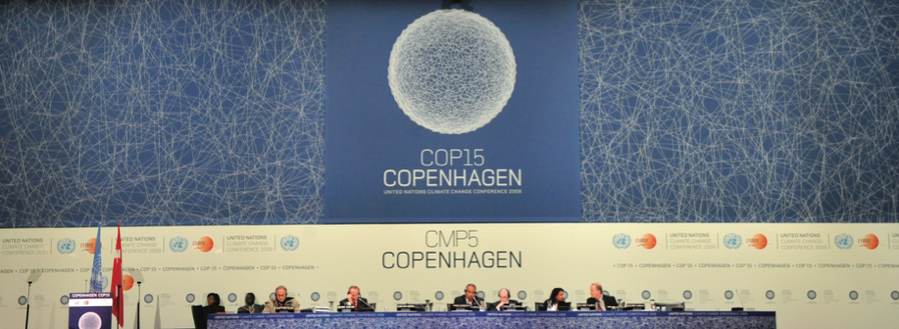
December was a month of oscillating emotions for the city of Copenhagen, Denmark, and for all those who followed the events of the fifteenth Conference of Parties (COP15) on climate change. Though hopes were high going into negotiations, in the final stages, as developed and developing countries showed increasing intransigence over key demands, even the modest achievement of a non-binding political accord seemed to hang in the balance.

Arab states were divided over their stances on a final deal in Copenhagen. Oil producing states, such as Saudi Arabia, would see major falls in revenue if countries committed to a significant reduction in their use of fossil fuels.

The group Arab Environment Watch quoted Mohammad al-Sabban, the chief Saudi negotiator on climate change issues, as saying that “such a development could squeeze trillions from the kingdom’s future oil revenues.” Saudi Arabia has stalled negotiating on fuel emission caps in the past, according to the non-governmental organization IndyAct, and said that they would not participate in a climate change deal if their lost profits were not compensated.

However, the region is also among the most vulnerable to the future effects of climate change in terms of risks to water scarcity and land loss due to rising sea levels. This fact has prompted some countries, like Egypt, to push for far stronger measures than have been seen in the past.

High hopes, low expectations

After the failure of the 1990’s United Nations Framework Convention on Climate Change and a lack of commitment to the 1997 Kyoto Accord, the world looked to Copenhagen with a mixture of skepticism and desperation — skepticism that, after two and a half decades of squabbling, world leaders could make a meaningful and abiding commitment, and desperation that the last best chance to curb climate change might pass unrealized.

Seeking to head off potential failure, world leaders, meanwhile, were downplaying the significance of the event.

“Going into Copenhagen there was a concerted effort on the part of many governments, especially those in developed countries, to drop expectations,” said Uygar Ozesmi, executive director of Greenpeace Mediterranean, who attended the conference. “Parties were pushing for a politically binding, rather than legally binding agreement.”

A politically binding agreement would operate similarly to the Framework Convention as a declared commitment to a set of principles, and would carry many of the same problems in terms of monitoring accountability, he added.

Developing nations, unified in a bloc known as the Group of 77 (G-77) and headed by China, advocate for a legally binding convention that would commit developed nations to deep cuts in emissions by 2020. For their part, developing nations would commit to significantly slowing their emissions with the help of a large financial and technological aid program supplied by wealthier nations.

Yet even from the outset, it seemed apparent that a legally binding document was still out of reach. A few days before the Summit opened on December 7, Egypt’s Ministry of Environment issued a document predicting that Copenhagen would fail to set meaningful targets, according to Egypt News. The report added that an all out failure was preferable to producing an accord that lacked the power to hold nations accountable for specific emissions reductions. 

“The best we can expect is a political declaration. We’re very disappointed,” said the Maldives Environment Minister Mohamed Aslam, speaking before the summit.

Developed nations, and the United States in particular, have advocated market-based mechanisms — giving industries a financial incentive to lower emissions, and using the profits to combat climate change in other ways — such as a carbon tax or “Cap and Trade” as an alternative to strict legal commitments.

These two groups found themselves in increasingly isolated camps in the weeks leading up to Copenhagen. The main issues dividing them, in terms of actual commitments under an agreed-upon protocol, were a demand from developing nations for funding, and a demand from developed nations for greater transparency and increased international oversight of emissions reduction programs.

Earlier this year, African nations requested between $400 billion and $500 billion in aid annually to be provisioned to developing nations in order to combat the effects of climate change and improve infrastructure. Some months ago, the European Union stated that it would be willing to contribute to a fund of around $150 billion. By the time of the Copenhagen Summit, developing countries had lowered their demand to $140 billion. 

“$140 billion is not such a big number when you consider what it is intended for,” said Ozesmi. “After all, the world spent trillions of dollars to rescue banks and financial institutions during the financial crisis. Considering we are talking about the rescue of the planet, the necessity is really incomparable.”

“Climate change has a financial dimension as well,” he added. “The economist Nicolas Stern, who is well respected internationally, has predicted that climate change could lead to a decrease of as much as 25 percent in global GDP. That’s not a financial crisis – that’s a meltdown.”

On December 17, US Secretary of State Hillary Clinton announced that the US would be willing to contribute to a $100 billion per year aid package. She warned, however, that the contribution would only come if concessions were made from developing nations — and China in particular — to increase transparency of their emissions-cutting programs and the aid expenditures. China had argued that increased oversight of its programs would stand in violation of its sovereignty.

“Climate change could lead to a decrease of as much as 25 percent in global GDP”

The public voice, raised in protest

While leaders remained in deadlock, activists from around the world converged on Copenhagen, numbering in the hundreds of thousands during the final days of the summit. In demonstrations that spilled into several highly publicized altercations with Danish security forces, advocates voiced dissatisfaction with the summit’s lack of progress and what they saw as a lack of substance in debated targets.

Most demonstrations were peaceful, and took the form of mass marches and protests. When he spoke to Executive, Ozesmi was engaged in the eleventh day of a hunger fast, in solidarity with 10,000 others across the world, to protest what he saw as a failure on the part of world leaders.

“Even though I am an environmentalist, and have worked to advocate combating climate change, I still felt I had to do something more,” he said. “By fasting, we remind our leaders of the impacts that climate change will have on world hunger. Currently 300,000 people a year die of hunger due to famine, and by 2030, because of climate change, that number will rise to 500,000.”

“Reaching a consensus in Copenhagen is a matter of morality, of ethics,” he added. “Failing to do so turns a blind eye on the future and robs us of our dignity.”

Last ditch effort

By the final day of negotiations, tensions were running high in all camps. Two weeks had passed with next to no progress made towards a consensus. Clinton’s offer had opened a crack in the deadlock, but the conditions of that offer — that developing nations accept monitoring and an exchange of information — were unmet.

That morning, US President Barak Obama arrived in Copenhagen to deliver America’s final offer. Expectations for Obama were high — many saw his arrival as the last possibility to push through a meaningful compromise.

Speaking from Copenhagen on Friday morning, just hours after Obama’s arrival, Edgard Chehab, manager of the United Nations Development Program in Lebanon’s Energy and Efficiency unit told

Executive that the US president “had not come to leave in failure.”

Yet Obama was on rocky ground, both abroad and at home. America’s commitment to combating climate change was called into question by the previous Bush administration’s outright denial, in Kyoto, of evidence linking climate change to human action, and the international community has retained a degree of incredulity despite the new president in the White House.

Domestically, Senate republicans have threatened to veto any form of climate change spending.

In the first hour of his arrival he met with high-level leaders from 20 nations in a closed-door session of negotiations. Speaking shortly after the session, President Obama’s tone contained a note of frustration, indicating that progress was still stalled.

“At this point, the question is whether we will move forward together, or split apart; whether we prefer posturing to action,” he said.

China, meanwhile, stressed that it would continue to work towards emissions cuts of 40 to 45 percent by 2020, but said it would do so voluntarily, and not because it was constrained to do so by an international agreement.

“We have not attached any condition to the target or linked it to the target of any other country” said Chinese Prime Minister Wen Jiabao. “We are fully committed to meeting or even exceeding the target.”

Arab states, represented by the Committee of Arab Ministers of the Environment, took a similar stance.

“Their position was joint and straightforward,” said Chehab. “Arab states are not major contributors to greenhouse gas emissions, and aren’t responsible to the same degree as, say, the US or China. Still, many are prepared to do what it takes to reduce their emissions.”

“The Saudi Arabian delegation, for instance, said here in Copenhagen that they are putting billions into research and development with the goal of producing half of their energy through renewable resources within the next 10 years,” he added. This is despite Saudi Arabia’s long history of stalling or rejecting international commitments on climate change.

“Arab states are not major contributors to greenhouse gas emissions…still, many are prepared to do what it takes”

Mixed success

What might be described as a murky breakthrough came in the final hours of negotiations. A draft finally agreed upon by China, the US and the majority of other states contained no surprises, but embraced a number of important clauses and compromises, including a monitoring mechanism to oversee emissions cutting programs and a commitment to the $100 billion in annual aid by 2020. Even so, the document, called the Copenhagen Accord, falls far short of the binding treaty many hoped for in the weeks and months leading up to the summit.

Advocates and some world leaders expressed disappointment with the draft, which they said lacks the teeth to sufficiently combat the effects of climate change.

Others hailed the final draft as the “first best step” in what will certainly be an ongoing struggle to combat climate change. Copenhagen is by no means the end of the road. The next talks are scheduled to convene in Mexico in a year’s time.

January 16, 2010 0 comments
0 FacebookTwitterPinterestEmail
EnvironmentSpecial Report

Predictions to make you sweat

by Executive Editors January 16, 2010
written by Executive Editors

As world leaders assemble in Copenhagen to tackle the gradually encroaching threat of climate change, Lebanon itself stands at the crossroads of two very different futures. In one, appropriate and timely action is taken to reduce human contribution to the phenomenon; global warming abates, or at least slows; weather patterns stabilize; and what minimal changes occur to regional geography and weather patterns are met with carefully-planned mitigation measures and stable infrastructure. This is the best case scenario.

The risks of inaction

Now consider the worst: internal division and transnational rivalry stall meaningful action in Copenhagen and beyond. As the earth’s population booms, the desire for short-term profits outweighs concern for long-term consequences, and the energy industry expands its operations to meet public demand with ever-increasing use of oil and coal. As climate change escalates towards a point of no return, Lebanon’s abundant yearly rainfall occurs with greater intensity, washing away topsoil and draining into the sea before the earth has time to absorb it. Rising sea levels encroach on coastal cities and salinate groundwater reserves, while inland, aquifers dry up from overuse. Hurricane winds, the product of drastically oscillating temperatures, whip up dust storms in fields where crops once grew, now turned into desert. And from the Gulf, a region even more susceptible to the impacts of climate change, a steady press of displaced humanity comes crowding at Lebanon’s doorstep.

These two visions represent extreme ends of the spectrum of possibilities. Most experts project a future that is somewhere between the two, witnessing effects that are serious, though perhaps not catastrophic, and in which Lebanon must take concerted steps to meet an increase in temperature and reduction in water supplies.

Moderating consumption

The threat of climate change has not been lost on the Lebanese government, said Antoine Ghorayeb, head of the Awareness Department at the Ministry of Environment.

“We are aware that climate change will require both mitigation and adaptation measures on the part of the government, particularly with regards to the agricultural sector, which will be most impacted,” he said. “To this end the Ministry of Environment has designated a National Authority on Climate Change, to study the causes and consequences of the phenomenon and recommend necessary measures.”

The focal point of the authority will be the recommendations and targets of the Kyoto Accord, to which Lebanon is party, he said.

Though Lebanon is only responsible for a tiny fraction of global greenhouse gas emissions, that small percentage is due to the country’s relatively small size, and not a serious nationwide commitment to reducing dependence on fossil fuels. Currently the country produces 97 percent of its electricity by burning petroleum, according to a report published by engineer Chafik Abisaid in cooperation with the Lebanese Center for Energy Efficiency and Planning. Add to this the country’s robust transportation sector, another major consumer of fuel, and Lebanon appears a long way from meeting the Kyoto Accord’s target of reducing emissions by 5.2 percent by 2012.

If anything, demand for energy — and with it, fuel consumption and greenhouse gas emissions — are set to rise. Julien Feghali, president of Schneider Electric, wrote in an email message that “the demand for energy in the region will double by 2020; in Lebanon an average of 5 percent growth per year in electricity demand… The installed capacity in Lebanon is of 2.3 gigawatts; there will be a need for one additional gigawatt.”

If serious changes are not made to the way energy is produced in the country, it would mean the energy sector would have to augment fuel consumption by roughly a third.

Feghali pointed out that while a shift to renewable energy is one of Kyoto’s objectives, it may not be the immediate answer to Lebanon’s own fuel consumption issue. Instead, he argues for an economization of energy and higher efficiency standards for the way energy is used.

“Today, renewable [energy sources] remain less cost-efficient and more difficult to use than oil, gas, and coal,” he wrote. “This means that figuring out how to use less energy is important to our quality of life. Conservation and efficiency are key to meeting the energy needs of our world today and in the future.”

“Conservation and efficiency are key to meeting the world’s energy needs today and in the future”

When it rains, it pours

When it comes to developing solutions to reducing greenhouse gas emissions, time may not be a luxury the world, and the Middle East in particular, can afford. The United Nations’ Intergovernmental Panel on Climate Change (IPCC) estimates that average temperatures in the Middle East will increase 2 degrees Celsius by 2050, and that regional water supplies could see a reduction by as much as 20 percent.

These figures differ for Lebanon, but reports tend to project a mean temperature increase of between 0.9 and 1.8 degrees Celsius. One study, co-authored by Mutasem el-Fadel, associate professor of civil and environmental engineering at the American University of Beirut, projects that the ratio of renewable water (primarily collected rainfall) to per-capita consumption will decrease by around 18 percent, due both to an increase in population and a decrease in trappable precipitation.

This will put additional strain on Lebanon’s population, and the rural agricultural sectors in particular. The problem is less with a reduction in rainfall as with a narrower timeframe in which the rainfall occurs, said Edgar Chehab, energy and environment program manager of the United Nations Development Program  (UNDP) in Lebanon.

“Rain flow is becoming increasingly problematic as a result of climate change. While Lebanon’s rains have always occurred primarily during the winter months, now they are arriving with greater intensity during short amounts of time,” he said. “This means that the earth has less time to absorb and retain the rains, which flow directly into the sea.”

Testifying to Chehab’s statement, Lebanon’s precipitation levels as of December 21 were 462 milimeters, amost double the usual monthly average for December of 256 milimeters, according to the Nicholas Chahine Meteorology Center in Beirut. 

A 2004 report by Fadi Karam, head of the Department of Irrigation and Agro-Meteorology at the Lebanese Agricultural Research Institute, pointed out that climate factors interact with other human actions to worsen the situation.

“Reduced vegetation cover, due to deforestation, overgrazing and low rainfall, as well as poor surface management of cultivated lands have led to reduced infiltration rate” — that is, the amount of rainfall retained by the soil — “increased runoff and soil erosion, and a decline in groundwater recharge,” the report read. “The extent to which the deterioration in hydrology is reversible with improved land management…is now becoming a critical issue…[with effects on] agricultural activities, which are extremely sensitive to the large year-to-year climate fluctuations that are observed.”

Water runoff can be controlled through relatively simple means, said Chehab, as long as those means are implemented under a coordinated strategy. One such strategy would be to improve the country’s irrigation systems, which divert rain water to crops and away from densely inhabited areas where flooding poses a threat to property damage.

Excess rainwater could also be diverted to water traps — pits lined with imperforated material — there to be stored for later use. Such measures will be critical to managing the increased intensity of rainfall which experts predict will accompany climate change.

However, critics say little has been done to improve or repair the country’s water management infrastructure, much of which was destroyed during the 2006 war with Israel. When flash flooding caused thousands of dollars in damages to property in the Northern Batroun region this September, Member of Parliament Antoine Zahra criticized officials at the time for a lack of preparation, warning “the merciless winter will soon come and we should be prepared so as not to drown in similar problems.”

Lebanon’s precipitation levels as of December 21 were almost double the normal monthly average

Unseen repercussions

While some effects of climate change — such as increasingly extreme weather patterns — can already be witnessed on land, the impact of global warming on Lebanon’s coastal waters could be even more profound, and is probably much less understood, said Garabed Kazanjian, oceans campaigner of the Lebanon branch of the international non-profit organization Greenpeace.

“While most of our predictions are speculative, we do know that the Mediterranean basin is an extremely delicate ecosystem because it has been isolated — both from temperature fluctuations and non-native species — for a long time,” he said. Climate change could disrupt that balance dramatically, as water temperatures and salinity rise, he said. These factors would disrupt the deep seabed life that makes its home on the Lebanese coast, and could affect migration patterns of fish species that have historically come to the Levantine basin to spawn. In addition, aquatic life would face previously unseen competition from alien species once held at bay by the Mediterranean’s colder water temperatures. 

Lebanon’s future in terms of climate change, and that of the region as a whole, remains murky. What seems certain is that the coming years will see the consequences of our past, and that these consequences will have to be met with careful planning and mediation. The severity of those consequences may well hinge on world leaders  establishing — and abiding by — a new approach to energy consumption following last month’s Copenhagen summit. Curbing climate change will be a global undertaking, and Lebanon, though a minor player, has to commit to do its part.

Much of the country’s water management infrastructure was destroyed during the 2006 war with israel

January 16, 2010 0 comments
0 FacebookTwitterPinterestEmail
Banking & Finance

For your information

by Executive Editors January 16, 2010
written by Executive Editors

Lebanon’s banks weak but safe, says Fitch

According to Fitch Ratings, Lebanon’s banks have a paradoxically low level of strength and low level of vulnerability. In their newest ratings release, Fitch has given Lebanese banks a banking system indicator rating of “D” indicating “low strength.” Egypt, Tunisia, Morocco, Benin and Nigeria also carry the same rating, which is intended to assess the quality of a country’s banking sector. In the emerging markets category, 75 percent of banking systems were given a rating of “C” or “D”, while 25 percent received an “E” rating, according to Fitch. Conversely, on Fitch’s Macro-Prudential Indicator, Lebanese banks received a rating of “1,” the best possible, indicating a “low level of potential vulnerability.” Benin, Egypt and Tunisia were also given this rating. Thirteen of the 86 countries assessed were, like Lebanon, rated with “low strength,” but also a “low level of potential vulnerability.” These countries include Benin, China, Dominican Republic, Ecuador, Egypt, El Salvador, Hungary, Indonesia, the Philippines, Sri Lanka and Tunisia. 

Low interest loans to continue in Lebanon

The interest rate subsidies granted by the central bank to 60 percent of lending sectors in July and September of 2009 have been extended until June 2011. The original circulars lowered the reserve requirements, which Lebanese banks were previously required to keep at the central bank at zero percent interest, allowing banks to lend in Lebanese lira at more attractive rates. The loans subsequently offered brought lira lending rates down from above 9 percent to around 5 percent. The extension will allow banks to maintain these rates on loans processed until June 2011. These interest rate subsidies covered mostly personal loans for cars, homes and education and are an addition to the interest rate subsidies put in effect in 1997, which benefit the industrial, tourism, agriculture and technology sectors of the economy. At end-June 2009, the 1997 interest rate subsidies had resulted in $2.55 billion in new 2009 lending.

UAE standardizing lending practices to stem loan defaults

With non-performing loans and loan defaults surging in the United Arab Emirates, Gulf officials are administering a survey which may lead to a uniform personal loan application and a centralized database to assess the risk of personal loans. “Once the survey is completed, results will be presented to the board of the central bank for approval,” said Obaid Humaid al-Tayer, minister of state for financial affairs in a statement. Personal loans in the UAE have seen massive growth in recent years from $39.75 billion in 2007 to $115.43 billion in 2008, according to a Federal National Council (FNC) report. Loan defaults, however, have also increased from 3,149 cases in 1998 to 5,710 cases in 2006. The same report said that approximately 10,000 people are currently in court or jail in the country because of loan defaults. A new draft law has also been approved by the FNC requiring credit checks for any new personal loans in the UAE, the lack of which is largely blamed for the prevalence of defaults.

US fines Credit Suisse for sanctions violations

On December 16, United States authorities fined Credit Suisse $536 million in penalties for violating US economic sanctions regarding financial activity in Iran and several other sanctioned countries. Investigators told media that the Swiss bank continued transactions after the bank decided to terminate its business in Iran in 2005. A Credit Suisse representative office however stayed open in Tehran until 2006. Investigators have also discovered that the bank altered more than 7,000 transfers, totaling approximately $700 million, from Iran into the US in order to disguise their origin, otherwise known as “stripping.” Furthermore, Credit Suisse is believed to have been teaching Iranian banks how to “strip” transfers, resulting in more than $1 billion in funds flowing into New York banks. A US Treasury department statement said that the bank appears to also have been illegally operating in Sudan, Libya, Myanmar, Cuba, and with the former Liberian regime of Charles Taylor. The case involves five different US authorities, including the Manhattan District Attorney’s Office, the US Justice Department and the Federal Reserve. The settlement is expected to be split between these authorities, with $268 million to be divided between New York City and state, the largest settlement ever secured by the Manhattan District Attorney’s office. Nine other banks are believed to be under investigation for similar sanctions violations, while Lloyd’s Banking Group has already reached a $350 million settlement for similar charges.

Small victory for Lebanese women

A Lebanese mother became the first woman to open a bank account for her children on December 17, when she opened accounts for each of her two sons at the Bank of Beirut and the Arab Countries (BBAC). “I’ve been trying to open a bank account for my two sons for 10 years now, but I was continuously told that only my husband could sign the papers,” said Barbara Batlouni, the Lebanese-American director of the non-governmental organization Amideast, to the Associated Press. Batlouni’s victory came after the Association of Banks in Lebanon changed rules that discriminated against woman on December 9, after receiving pressure from the Institute of Progressive Women and other like-minded groups.

“I’m glad Lebanon is improving its laws,” said Batlouni’s son Samer. The boys’ mother also received a $1,000 check from BBAC in honor of her “fight against discrimination,” said BBAC general Manager Ghassan Assaf. Despite this positive step, Batlouni said, “Lebanese women excel in all fields, and they do not have their basic rights.” Lebanese women remain unable to pass on citizenship to their children or spouses.

Morocco receives loan to spread the wealth

In an effort to help Morocco’s 34 million people open bank accounts and take advantage of financial services, the African Development Bank has granted a $162 million loan to a program with the goal of giving Moroccans greater access to the financial sector, announced the bank on December 11. The loan will also help Morocco to create the regulatory framework needed for futures trading. The bank said the loan is intended to improve capital markets by strengthening governance of the country’s capital markets and insurance sector. Part of the loan will also be used to improve the country’s National Electricity Board Program in order to prevent technical failures and diminish the frequency of power outages.

January 16, 2010 0 comments
0 FacebookTwitterPinterestEmail
Feature

Stand and deliver: The state should answer to the people

by Rany Kassab, Zeina Loutfi & Ramsay G. Najjar January 16, 2010
written by Rany Kassab, Zeina Loutfi & Ramsay G. Najjar

After more than five months of a political stalemate and relentless bickering between opposing politicians, the first government headed by Prime Minister Saad Hariri was sworn in last December, receiving a record-breaking vote of confidence from parliamentarians and signaling, one would hope, the beginning of a new phase for Lebanon.

But the Lebanese have become increasingly cynical vis-à-vis any notion that a change in names will actually lead to a change in governance. They have grown skeptical that a new government would actually present a policy statement reflecting political, social, economic and cultural dimensions.

Even when governments did go as far as to establish a “viable” and “realistic” policy statement, they seldom went the extra mile in actually implementing its clauses, creating somewhat of a schizophrenia between rhetoric and reality on the ground.

Discussing the cabinet’s policy statement in our “consensual democracy” has become a formality and an end in itself. The cabinet’s policy statement, the core of a democratic government’s agenda and its raison d’être, has been all but drained of its substance and essence, becoming simply a hollow package and a distant fleeting memory of a pledge for a better future.

Accountability, thus, is what has been missing in our part of the world. It is the root of democracy, and only by raising the level of our political maturity in demanding accountability from our elected officials can we move to a state of near perfect balance, in which citizens have both rights and responsibilities.

According to the American author Michael Armstrong, “The ancient Romans had a tradition: whenever one of their engineers constructed an arch, as the capstone was hoisted into place, the engineer assumed accountability for his work in the most profound way possible: he stood under the arch.”

Granted, this might be taking things to the extreme, but extreme measures might be the only cure left to our ailing democracy if we are to move from a tradition of electing officials based on family ties, personal interests or sectarian allegiances, to one of electing officials based on their competence, track record and capacity to “walk the talk.”

Accountability is certainly not a new concept. It has been around ever since the days of Socrates and Plato in ancient Greece. It was also one of the key offshoots of the French Revolution which, in 1794, established accountability of the government through the establishment of the national archives and the citizen’s right of access to government documents. Accountability is also a key pillar of the corporate world, whereby executives and company board members are primarily liable and accountable to their shareholders, but also to their stakeholders, and where companies are answerable to their customers and are penalized in case their products and services are perceived as not offering their “promised” value.

Therefore, what we need to do in our part of the world is to try to change mentalities and entrench the concept of accountability. Communication plays a central role in that.

Achieving the desired level of political and social “awakening” requires constant efforts to educate the general public on the intricacies of true citizenship, with what it requires in terms of rights and responsibilities, being accountable and holding elected officials accountable. Academics have a role to play on that level by pushing for the infusion of curricula in schools and universities centered on civic responsibility.

Members of the civil society, meanwhile, can positively influence public opinion (through media campaigns, publications, rallies, press conferences, meetings, viral online communication, etc.) while serving as watchdogs, sanctioning the government in case it goes off-track and fails to abide by its promises.

The media, as the fourth estate, has a paramount role and duty to exercise as well, in both educating the general public and disseminating the right messages on the need for a new social contract, but first and foremost in acting as guardian of the public interest and as “auditor” of the activities of the government. In a country that still prides itself as being a beacon of free press in the region, Lebanese media has an even greater responsibility to “keep the government in check”, ensuring that it implements the policies based on which it had gained the confidence of the people’s representatives.

While it has yet to live up to people’s expectations, the new Hariri government set a precedent in Lebanese history, in establishing a “National Priorities” agenda encompassing a series of concrete time-bound steps to be taken as part of the government’s short, medium, and long-term plans to tackle issues affecting Lebanese the most in their everyday life.

These priorities, owned by the people, should delineate the government’s course of action and its focus going forward. Our role, now, is to hold the government accountable on its ability to implement the “National Priorities” agenda. Only when we have exercized our legitimate rights a citizens can we as Lebanese truly start to claim that our democracy is safe and sound.

Rany Kassab, Zeina Loutfi & Ramsay G. Najjar S2C

January 16, 2010 0 comments
0 FacebookTwitterPinterestEmail
Finance

That sinking feeling

by Emma Cosgrove January 3, 2010
written by Emma Cosgrove

After Abu Dhabi pledged $10 billion to help Dubai World pay off its $4.1 billion sukuk (an Islamic bond) commitments, global markets revived and the Gulf seemed to breathe a sigh of relief. But much of the damage to Emirati banks has already been done, with ratings slipping by the week and — market fluctuations aside — for foreign banks the worst may be yet to come.

The $10 billion covers the $4.1 billion in principal plus interest that was due on December 14, along with further interest payments due until April 30, with some funds still left over for working capital.

But Dubai World creditors still cannot be sure that they will get what is owed to them when their turn comes. Those banks without exposure to Dubai World were quick to spread this news and those with anything more than marginal exposure seem content to hide their heads in the desert sand.

Although small disclosures of exposure have been trickling into local media, especially in Asian markets, major creditors appear to be in a holding pattern while the restructuring details are determined.

Now that Nakheel’s first bond has been paid, all the banks can do is to “see if the other bonds default or whether they will be addressed in an anticipatory manner,” said Raj Madha, director of equity research at the investment bank EFG–Hermes.

In the meantime, a thorough look at Dubai World’s creditors can show who is counting most on these decisions and who, therefore, will most likely play the largest role behind the locked-door meetings between Dubai World, Dubai’s ruling class and roughly 100 creditors, that will follow in the coming weeks and months. 

Debts at home…

In its December 14 statement, the government of Dubai expressed concern for local creditors, saying it was mainly focused on repaying local trade creditors and ensuring the security of the United Arab Emirates’ banks. While Emirati banks are expected to be highly exposed, disclosure remains extremely limited. So far the only banks reporting exposure are Abu Dhabi Commercial Bank, at $1.9 billion, First Gulf Bank with at least $1.36 billion in exposure and National Bank of Abu Dhabi with $345 million.

Many Dubai and Abu Dhabi banks saw ratings drop in the weeks following the original announcement of the requested debt standstill, despite the liquidity facility offered by the UAE Central Bank until March.

Fitch Ratings was the first to the plate, slashing the ratings of Dubai Bank, Tamweel PJSC and Bahrain’s TAIB Bank on November 27 2009, giving Dubai Bank and TAIB Bank outlooks of “negative” and placing Tamweel on ratings watch for further decline. Standard and Poor’s came next, downgrading Emirates NBD, Dubai Islamic Bank and Mashreq Bank on December 3. Moody’s also downgraded the same three banks on December 12.

On December 16, Fitch Ratings announced that Commercial Bank of Dubai, Emirates NBD, Mashreq Bank, HSBC Middle East and Dubai Bank would remain on ratings watch negative “allowing for more information to arise and for the agency to review all of the rated banks’ audited financial statements.” The company’s statement said this review period would last for two to three months.

Robert Thursfield, director of financial institutions for Fitch Ratings, said they were not receiving full disclosure from the banks in question.

“It is part of the equation. Some banks have given us the information and some haven’t, but it’s also just giving more time for things to develop generally,” he said.

Even before the Dubai World announcement demolished markets and sent bankers rushing to tabulate their possible losses, Emirates NBD, one of the banks to see its ratings cut of late, had delayed a bond sale scheduled for early 2010 in anticipation of a rally in bond rates arriving as Dubai’s economy recovered from the credit crisis — this rally is no longer expected.

Mashreq, the largest privately owned bank in the UAE, was downgraded to “non-investment grade,” better known as “junk status.” Mashreq also disclosed that it is owed a total of $560 million by Saad Group and A.H. Algosaibi & Bros, the two Saudi family conglomerates embroiled in lawsuits over fraud allegations.

Exposure disclosure

Abu Dhabi Commercial Bank, which is reported to have one of the highest exposures worldwide, is on ratings watch as of December 15, according to Moody’s, along with the bank’s finance subsidiary. Commercial Bank of Dubai and Dubai Bank are also on Moody’s watch list.

But the news is not all bad. After the initial payment of Nakheel’s December 14 sukuk, Goldman Sachs raised investment ratings on National Bank of Abu Dhabi and First Gulf Bank to “buy.”

“Dubai is deleveraging and ironing out the excesses it has accumulated over the years, effectively shifting the UAE’s growth axis more toward Abu Dhabi,” said William Mejia, executive director at Goldman Sachs, in a December 17 press release.

Around the rest of the Gulf, exposure appears to be relatively low, with Kuwaiti institutions reporting $120 million of exposure, Qatar Islamic Bank reporting just $14.84 million and Oman’s banks totaling $77 million in exposure to Dubai World. Bahrain’s Central Bank governor has said that Bahraini banks have $281 million in exposure, though individual banks have released no figures.

 Lent from afar

Though British banks have the second highest exposure next to the UAE, they are not expected to see similar ratings cuts.

“Fitch does not expect any United Kingdom banking group’s exposure to these companies to be, in

itself, of sufficient size to affect its ratings,” said the ratings agency just days after the Dubai World near default announcement.

But foreign exposure is significant, in the sense that European and some Asian banks may have more to recover than their share prices.

Still, Dubai’s leaders have been reacting strongly to the international media frenzy.

“It has made a bigger splash in the world media than Lehman Brothers did going down, and yet its debt is the equivalent to that of a single European Bank. And we have oil, they don’t,” said Sheikh Maktoum Hasher Maktoum Juma al-Maktoum, chief executive officer of Al Fajer Group, at the Arabian Business Conference in December.

In some part, this is true. Many of the banks, which early in the news cycle were expected to have high exposure, have come out with statements to the contrary — though, of course, we can only take them at their word.

French banks were expected to be hit hard upon the announcement, but exposure in France appears to be relatively low. Natixis reported $50 million in exposure. BNP Paribas, Calyon, Dexia and Societe General have all reported reasonable, limited or low exposure without releasing figures. Deutsche Bank, another European heavy hitter, was also expected to have high exposure but has since stated it is free and clear.

The requested standstill has not only floored investor confidence in the financial health of Dubai, but also in the country’s ruler and the assumed guarantees behind a government-owned conglomerate such as Dubai World.

“We would argue that the situation in Dubai is somewhat unique in that the guarantees that may have been perceived to exist in the case of Dubai World were neither explicit nor sovereign,” said Deutsche Bank in a November 26 report. “The market may have assumed Dubai’s government backed the companies it owned, even though there were no explicit guarantees and Dubai had no material revenue sources of its own.”

Beside seeing a drop in investment and bond demand, banks acting as bookrunners for Dubai bond sales may run for the hills as well. HSBC, ING, Lloyds, Mashreq, Royal Bank of Scotland, Sumitomo Mitsui, Calyon and Tokyo Mitsubishi have all been employed as facilitators of Dubai World’s $5.5 billion in syndicated loans, which is part of the $26 billion in debt set to be restructured, according to Bloomberg. Bookrunners usually hold onto 10 to 20 percent of a bond and syndicate the rest to various lenders.

High noon

Dubai World officials are set for a showdown with nearly 100 creditors. Standard Chartered, HSBC, Lloyds, Royal Bank of Scotland, and local lenders Emirates NBD and Abu Dhabi Commercial Bank make up the steering committee on the creditor side, and the banks have hired Swiss auditing firm KPMG to audit proposals from Dubai World.  Aidan Birkett of Deloitte & Touche, another Swiss auditor, will act as the chief restructuring officer for Dubai World, while investment banks Moelis & Co. and Rothschild will serve as additional advisors.

Though many possible scenarios are being thrown around, the sole consensus is that this process will take time.

January 3, 2010 0 comments
0 FacebookTwitterPinterestEmail
Finance

A sting in the tail

by Emma Cosgrove January 3, 2010
written by Emma Cosgrove


In early December, Finance Minister Raya Hassan announced that Lebanon had successfully issued $500 million in Eurobonds in an effort to refinance the country’s staggering public debt.

Before the sale, Najib Semaan, assistant general manager of Bank of Beirut, the bank chosen as the bookrunner, told Bloomberg that this issuance would help to “ascertain the confidence of investors in the Lebanese financial system because the government extended the maturity period to 2024 within the current market rates.”

Investors responded with enthusiasm, with both tranches on offer being significantly oversubscribed.

The Lebanese finance minister called the results of the sale “outstanding,” and local press have echoed that sentiment, celebrating the record low rates secured by the Lebanese government.

The November issuance offered two categories of bonds: one with a maturity of five years and the other with a maturity of 15 years. The five-year category, representing half of the $500 million issue, carried a coupon of 5.875 percent and the 15-year carried a coupon of 7 percent, both rates the lowest in Lebanon’s history of Eurobond sales.

Eurobonds of late have become the preferred method of sovereign debt restructuring in the region, with the Middle East representing 25 to 30 percent of worldwide flow, up from 5 to 10 percent just a few years ago, according to Commerzbank emerging markets debt strategist Luis Costa. But a debate is starting to form regarding whether this tool is a useful and practical way for countries like Lebanon to manage their debt, or a long-term drain on the already shaky economies they often support.

In March 2009, Lebanon swapped out $2.3 billion in debt for papers with longer maturities in the first Eurobond sale of the year. The feat was presented as prudent by the Central Bank Governor Riad Salameh and local financial experts, who emphasized the importance of the sinking debt-to-gross domestic product ratio over actual debt reduction.

Lebanon has $17.7 billion in Eurobonds outstanding with a weighted maturity of 4.76 years and a weighted interest of 7.36 percent, according to Byblos Bank, as of August 2009.

In the decade between 1994 and 2004, Lebanon issued $21 billion in Eurobonds.

Lebanon is not the only developing country taking advantage of market demand for sovereign bonds. Costa said that emerging markets issued $190 billion in bonds from January through December 9 of 2009. Though in the coming year, oversupply is possible, he added.

Ratings? What ratings?

The recently issued Eurobonds  carried a rating of “B-” from credit rating agencies Fitch Ratings and Standard & Poor’s, who describe governments given this rating as “more vulnerable to adverse business, financial and economic conditions but currently [having] the capacity to meet financial commitments.” Sovereign Eurobonds from Argentina, Grenada, Pakistan and Bolivia all carry the “B-” rating.

But since the near default of Dubai World, and the global financial crisis being, arguably, exacerbated by credit ratings unrepresentative of the actual health of global financial institutions, ratings have lost their “end all be all” status. This phenomenon is causing some analysts to suggest that bond buyers may base their decisions on which sovereigns they trust, rather than which receive higher ratings.

“People are starting to differentiate between countries. They can be very different, even when they have the same ratings,” Gintaras Shlizhyus, fixed income strategist at Raiffeisen Zentralbank in Vienna said to The Peninsula newspaper in Qatar.

This means that countries like Lebanon will find themselves in the good favor of buyers should they wish to issue more bonds.

The other side of the coin

But this is not a reassuring phenomenon to some, who see continuing Eurobond issues as opening the door to more risk, for which Lebanon may not be prepared. One of these possible perils is the currency gamble taken by issuing long-term bonds in US dollars.

“Eurobonds must be serviced in the foreign denominated currency which might strengthen substantially. That will in effect increase the burden when it is expressed in the domestic currency,” said Ghassan Karam, a professor of economics at Pace University in New York in an interview with Executive.

If the dollar rallies, as it is expected to do, the low rates Finance Minister Hassan boasted about will appreciate by the time they are due, increasing the servicing on Lebanon’s debt which, for the first nine months of 2009 alone, amounted to $2.91 billion. Karam also pointed out that the going rate for five-year Eurobonds is just 2.03 percent, far below Lebanon’s issue at 5.875 percent.

In the case of the recent issue, demand for Lebanese bonds was also 27 percent foreign, another risk according to Karam.

The foreign interest is touted as a return of foreign confidence in the financial security of Lebanon: “There is an unprecedented demand on bonds by foreign companies which reached 43 percent for those with a 15-year maturity, and this reflects a great trust by these companies in the Lebanese economic and financial situation,” said Hassan. 

But Karam said that expanding Lebanon’s indebtedness further outside its borders is another hazard to the financial stability of the state. 


“Whenever the percentage of the national debt of any country that is held by non-residents grows, then that debt becomes a greater burden on the issuer if for nothing else but the resulting drain on its own domestic resources that would be required each year in order to service the foreign held proportion of the debt,” said Karam in an article posted on his blog.

“Yes, it is a sign of confidence when foreigners are willing to hold another country’s debt but by doing so, the issuer is in essence contributing to an increase in its vulnerability,” the post added.

Lebanon’s external debt reached $21.3 billion at the end of August, with market Eurobonds accounting for about 67 percent of the total, according to Byblos Bank.

 Based on statements from Hassan and indications from Salameh at the central bank, more bond issues are still to come.

 Hassan said in her statements to the press, “We are in a better position to solve the public debt issue today and might need to issue more bonds for that purpose in the future.”

This strategy of replacing maturing debt with new papers is, according to Karam, the wrong road and not cause for congratulations. 

“I truly believe that the writing on the wall is very clear and we can disregard it at our own peril,” he warned. “Business as usual must be avoided at all costs; fiscal restraint must be introduced, grants sought, debt moratorium requested and debt restructuring must be considered, including the possibility of a partial default as a last resort.”


January 3, 2010 0 comments
0 FacebookTwitterPinterestEmail
  • 1
  • …
  • 434
  • 435
  • 436
  • 437
  • 438
  • …
  • 696

Latest Cover

About us

Since its first edition emerged on the newsstands in 1999, Executive Magazine has been dedicated to providing its readers with the most up-to-date local and regional business news. Executive is a monthly business magazine that offers readers in-depth analyses on the Lebanese world of commerce, covering all the major sectors – from banking, finance, and insurance to technology, tourism, hospitality, media, and retail.

  • Donate
  • Our Purpose
  • Contact Us

Sign up for our newsletter

    • Facebook
    • Twitter
    • Instagram
    • Linkedin
    • Youtube
    Executive Magazine
    • ISSUES
      • Current Issue
      • Past issues
    • BUSINESS
    • ECONOMICS & POLICY
    • OPINION
    • SPECIAL REPORTS
    • EXECUTIVE TALKS
    • MOVEMENTS
      • Change the image
      • Cannes lions
      • Transparency & accountability
      • ECONOMIC ROADMAP
      • Say No to Corruption
      • The Lebanon media development initiative
      • LPSN Policy Asks
      • Advocating the preservation of deposits
    • JOIN US
      • Join our movement
      • Attend our events
      • Receive updates
      • Connect with us
    • DONATE