• Donate
  • Our Purpose
  • Contact Us
Executive Magazine
  • ISSUES
    • Current Issue
    • Past issues
  • BUSINESS
  • ECONOMICS & POLICY
  • OPINION
  • SPECIAL REPORTS
  • EXECUTIVE TALKS
  • MOVEMENTS
    • Change the image
    • Cannes lions
    • Transparency & accountability
    • ECONOMIC ROADMAP
    • Say No to Corruption
    • The Lebanon media development initiative
    • LPSN Policy Asks
    • Advocating the preservation of deposits
  • JOIN US
    • Join our movement
    • Attend our events
    • Receive updates
    • Connect with us
  • DONATE
Solidere was responsible for the development of Downtown Beirut
Real Estate

Solidere appoints new manager of operations

by Thomas Schellen April 22, 2014
written by Thomas Schellen

Solidere, the company responsible for the development and reconstruction of the Beirut Central District, has appointed Jamal Itani to be general manager of operations in what the company’s representatives called an expansion of management capabilities. He was appointed by a management decision, not by the board of directors.

Solidere representatives, speaking with Executive on condition of anonymity, said Itani’s responsibilities will relate to technical and operational concerns and would not change the general management in any way.

Itani’s appointment was reported in Lebanese Arabic daily Al-Akhbar in early April before the decision was made official, leading to a wave of market rumors on the implications for the company.

In response to speculation that Itani’s appointment might signal changes at a general management level, the representatives argued that the title of general manager of operations was in line with the company’s designation of job titles and added that the company had similarly appointed a French national to the position of general manager for development several years ago.

In most countries it is either a standard requirement or common practice of listed companies to announce new appointees to upper management and disclose names of department heads and senior management echelons in statements or in their annual reports. In Lebanon, listed banks and many unlisted ones generally follow this practice. However, Solidere’s 2012 Annual Report did not provide information on management roles beyond affirming that the general management of the company is carried out by Company Chairman Nasser Chammaa and General Manager Mounir Douaidy.

Jamal Itani was president of Lebanon’s Council for Development and Reconstruction (CDR) between 2002 and 2004. In Spoils of Truce, a 2012 book published by Cornell University Press on the rebuilding of Lebanon between 1989 and 2005, Dutch academic Reinoud Leenders described Itani as a political appointee and confidant of slain former Prime Minister Rafik Hariri.

The Solidere representatives, who are very knowledgeable about the company, said that they had no detailed information on Itani’s work experience other than he had worked with the CDR and was subsequently active in Saudi Arabia. No information was provided in regard to the qualifications and requirements for the position of general manager for operations on either the company website or by the representatives.

In response to a question about why the company did not issue a notice of the appointment to shareholders or inform the public to avert rumors, the representatives responded that this was not part of the company’s culture and emphasized that Solidere treated such decisions as “internal.”

April 22, 2014 1 comment
0 FacebookTwitterPinterestEmail
Could online real estate take off in Lebanon?
Real Estate

Properties a click away

by Tiziana Cauli April 22, 2014
written by Tiziana Cauli

Lebanon’s real estate market is not the most transparent for property buyers. But expats and foreigners looking to buy or rent assets in the country can turn to the internet to at least get an initial idea of what to expect and where to buy.

Although almost all of Lebanon’s competitive real estate agents accept the importance of the internet — at least to attract potential clients — many are still reluctant to share details of the properties they market online. Despite this, some attempts have been made to launch comprehensive online portals, giving viewers the opportunity to see what different sellers are marketing in the country.

Last July, Dubai-based online real estate portal propertyfinder.ae acquired Lebanese counterpart realestate.com.lb as part of a plan aimed at extending the firm’s activities across the Middle East.  “We enable users in Lebanon and abroad to see what properties are on the market,” explains the company’s director of international business development Ainsley Duncombe. The website does not facilitate sales directly, but acts as an intermediary between sellers (including brokers and developers) and property seekers.

“We have over 60 brokers and developers registered on the portal in total,” Duncombe tells Executive, without specifying how many such partnerships the company currently maintains in Lebanon versus the United Arab Emirates, where it was launched in 2007.

Duncombe’s mission is to manage propertyfinder’s expansion after the company established offices or country portals in Egypt, Qatar, Bahrain and Lebanon last year. Although Lebanon may not be the strongest among these markets, Duncombe says that it features some peculiarities which make it interesting to real estate market operators.

“Each market is very different,” Duncombe says. “But different markets give different opportunities. In Lebanon, for example, developers are now looking to build small apartments, which are in high demand. In other countries apartments remain big.”

Data gathered by propertyfinder.com.lb show that the highest demand is for 3-bedroom units, and that the most sought after locations are in and around Beirut. This is led by Ashrafieh, followed by the Mount Lebanon villages of Mansourieh and Bsalim and then Ras Beirut and Hamra in West Beirut.

Most visitors to propertyfinder.com.lb — 28 percent of searches — are looking to buy. 11.1 percent of searches are for rentals, and 28 percent are not specified. The propertyfinder.com.lb group offers fee-based posting to agents as well as general advertising on all its country portals, but refused to disclose its fees and rates for posting units or advertising on the website. For property seekers, browsing is free.

Total leads on propertyfinder.com.lb were up 57 percent in February this year compared with the last quarter of 2013, the company says, without revealing the number of leads in the first two months of 2014. Page views were up 65 percent in the first two months of 2014 — reaching 210,000 — whilst the number of listings grew by 85 percent. Time spent per user is double in the first quarter of 2014 when compared with the fourth quarter of 2013, which was the portal’s first quarter of operations under the propertyfinder brand.

Although Duncombe could not provide an exact percentage of users searching Lebanon’s properties from abroad, he says the figure was high.

“We have many expats who love their country,” Duncombe says. “They want to be able to see what is available and buy properties there. The internet helps in this sense and we are one spot for that.”

The website, which gives users the opportunity to contact sellers via email or phone, in February saw around 5,000 click-throughs on buttons for email and phone contact information that are displayed with all posted properties, and around 75,000 since the start of its operations in Lebanon.

Duncombe declined to say whether new partnerships with agents and brokers had been established since the launch of propertyfinder.com.lb and nor did he say whether they were planning to enlarge their local business through new hires. He says, however, that the team of realestate.com.lb had remained the same. “They had a good management and we saw significant benefits in acquiring them [rather than starting a new company] coming from their business model as well as from the relationships they had.”

Banks onboard

By purchasing its Lebanese subsidiary, propertyfinder also acquired the former website’s partnership with Bank Audi, which powers an online mortgage calculator for all Lebanese properties displayed on the website.
Audi, as well as several other Lebanese commercial banks, have adopted online mortgage calculators as a way to attract clients.

According to Audi’s head of retail banking in Lebanon, Grace Eid, online mortgage calculators are proving extremely effective in attracting loan subscribers.

“Many leads are generated from these calculators, be it through the bank’s website or the partners’ website,” she tells Executive. “Since borrowers can perform simulations anywhere and at any time of day, results show that they are increasingly using these calculators while continuing to visit the bank’s branches.”

According to Eid, internet services in the housing loan sector are increasingly requested and are likely to develop further in the coming years. Audi also has a partnership with Lebanese online banking portal bnooki.com, where loan searchers can compare the mortgages offered by different banks.

Other online real estate websites in Lebanon limit visitors’ action to the property search and do not offer any possibility to calculate loans online. Despite that, the number of websites listing properties for sale and rent in Beirut and in the rest of the country has increased over the past few years.

Agents of old

Most of them are the websites of agencies that have physical offices and operate on the field, such as Ashrafieh-based MetreKarre. Others are online real estate magazines and businesses which also offer their visitors an online research tool to look up properties in order to attract readers and clients. Other websites, such as properties-lb.com, let sellers list their own assets online for free.

In the case of MetreKarre, which has been operating in the luxury property market for the past five years, the online real estate portal serves as a way to promote the actual agency based in Ashrafieh, says agent Zeina El-Jouhary. “People find us online and we have so far had a very good traffic.”

The agency, which covers Beirut districts of Achrafieh, Gemmayze and Downtown, also lists properties outside Lebanon, in Paris and Cyprus. Many of its clients are also based abroad or are foreigners. “Most of them are foreign buyers, journalists or UN people, who work or will have to come to work in Lebanon and want to buy a house here,” Jouhary explains. “Some of them search our website and make the first contact when they are still abroad; others do it once they are already in Lebanon.”

Although many real estate agents are providing their websites with free online search tools, some of them prefer to limit this possibility to paying users. When he started his property agency and management business in Achrafieh ten years ago, Christian Baz waited for one year before he launched a website. “I wanted to be sure of what people wanted,” he explains.

In 2005, the founder of Baz Real Estate decided to put his entire database online and make it available to viewers, but, he says, rival agents in Beirut soon started taking information from his website and marketing the assets to their own clients. He then decided to make access to the database available only to registered users, who now pay $12 for a six-month subscription and $36 for one year. “It is not much but it made me as much as $1,000 in just one year, and other agents stopped taking information from me.”

Baz says that most of the money he makes from registration to his website is absorbed by the initial $10,000 fee he had to pay for the software, and the $500 he spends yearly on maintenance.  According to Baz, Lebanon is too small for an online real estate platform to work. “I would never upload my database in one of them,” he says. “These people want to make money with real estate as they sit in their office but real estate is a business that happens on the street and I don’t want anyone to earn money on my back.”

Baz thinks that websites are still mainly a complimentary tool for real estate agents in Lebanon. “Brokers here use the web for marketing purposes mainly and it’s fair enough: we are real estate agents not website developers and we should focus on what we do best.”

April 22, 2014 0 comments
0 FacebookTwitterPinterestEmail
Joseph Jabra is President of the Lebanese American University
BusinessLebanese Healthcare

Training the next generation of doctors

by Maya Sioufi April 22, 2014
written by Maya Sioufi

The Lebanese American University (LAU) has had considerable medical ambitions for some time. From acquiring the Rizk Hospital five years ago and transforming it into the University Medical Center — Rizk Hospital (UMC-RH), to setting up a state of the art medical school in Byblos, LAU is not resting on its laurels. It has big plans ahead. Executive sat with LAU’s president Joseph Jabbra to discuss the university’s accomplishments so far with regards to medicine and its strategy going forward.


Five years on from the acquisition of the Rizk Hospital, what are the LAU’s main accomplishments with regards to this purchase?

They are on two accounts. First, our graduates from the school of medicine now have a place to go to for their internships. Secondly, our mission is to serve society and we do that in a variety of ways: education and healthcare delivery. We have been renovating the hospital and expanding it.

In a 2012 interview with Executive, you revealed that LAU acquired the hospital for $47.5 million and was planning to put up another $47.5 million to meet expansion plans after it completes a restructuring of the facilities. Where do the restructuring plans stand now?

So far we have invested $43 million and we will still be pouring in more for renovation. We renovated the centers of endoscopy, radiology and dermatology, and added three floors for patient care. All patients are accommodated in new facilities. We have long term plans to add another building to the hospital and hired [architectural and engineering consulting company] Khatib & Alami to advise us on how to make sure the hospital responds to the needs of the community.

What main areas of the hospital will you be focusing on going forward?

There are four areas: expanding the operating theatres by updating and adding new ones. We are going to have between 10 and 11 in total [up from five today]. We need to renovate the intensive care and emergency rooms and we will add bed capacity. Our ultimate goal is to have between 200 and 250 beds up from about 100 today.

What budget is set for this expansion plan?

$40 million for the next three to four years.

The hospital serves as the primary teaching hospital for LAU’s schools of medicine, nursing and pharmacy. How many students are attending these schools?

We intend for the school to be small as we believe in quality. We started by taking 25 students with 23 graduating in July of last year, the inaugural class. In the past few years, we have been adding between 39 and 40 students. Ultimately, we would like to take in 50 to 60 students per year and have a total capacity of 300 to 350 students.

What percentage of the students comes from Lebanon? And do you aim to attract students from the region?

The overwhelming majority of the students are from Lebanon. We always look at the region but our primary responsibility is to Lebanese students. When we satisfy that quota, we move on, but any student anywhere in the world can apply for a place at the School of Medicine.

The 12,500 square meter medical school was projected to cost $18 million and be the most advanced technologically in the country. What was the final cost?

Around $40 million. It is one of the best-equipped schools of medicine in the region. The labs and equipment are second to none.

In 2007, Partners Harvard Medical International (PHMI) began a 10‑year collaboration with LAU and assisted in the opening of the new medical school in October 2009. Tell us about this collaboration.

Our faculty is trained at Harvard Medical School. The interim dean at our medical school for two years, Dr. N. Lynn Eckhert, was one of the most influential members of Partners at Harvard. [She is PHMI’s Director of Academic Programs]. PHMI also gives us advice on the curriculum, with the hospital [UMC-RH] and helps us with the placing of students [at hospitals in the US]. One of our students is currently undertaking his specialization at Johns Hopkins Hospital.

Are you able to successfully place students in US hospitals?
In the US, there is more and more resistance to admitting international students in terms of internships and what have you, but we have enough support. The Lebanese doctors based in the US help us place students and help with conferences [in Lebanon] that are of tremendous value to our students. We are connected not only with Harvard [Medical School] but with the medical school at the University of Illinois in Chicago and we are in the process of establishing linkages with Iowa for the exchange of students, faculty and expertise. We [also] established a relationship with Houston Methodist Hospital in Texas.

Have you had any visiting professors?

We are looking for that. We have not had any faculty member who came here to spend a year or so; they come to give a lecture or advise. We are now recruiting a psychiatrist, Dr. Elias Abou Jaoude from Stanford University, to join us as a faculty member. We are trying to recruit Dr. Ramzi Younis, chief of pediatric otolaryngology [conditions involving the ear, nose, and throat for children] from the University of Miami.

LAU offers the only Doctor of Pharmacy program outside the United States to be accredited by the Accreditation Council of Pharmacy Education. With AUB not providing this program, what is the demand like for this degree?

It is a cut-throat competition in terms of getting in. At the undergraduate level, there are about 400 to 500 students. For the doctor of pharmacy, last year we took 30 students — up from 25 the prior year. To complete their degrees, students have to go to the US in order to do a clinical rotation. We have agreements with US institutes such as the Methodist hospital to complete these rotations.

At the opening ceremony of the medical school a few years ago, you stated that the school was also established to fill the void created by not having proper indigenous disease research in the region.  What advancement in terms of research has the school accomplished so far?

One of most important things we have achieved regards genetics. Professor Pierre Zalloua who was appointed dean of graduate studies and research [in October of last year] has been conducting the research in this area. His work was very well publicized throughout the world. We are also conducting research on obesity and a variety of other topics. In our region, research in medicine is not as prominent as in the US. Some people say its due to lack of funding, others say research is not something that doctors would do readily as they are focused on their specialization and helping patients.

What, in your opinion, is behind the lack of research in the region?

Funding is one reason. It is not easy to get funding for research especially in Lebanon. Secondly, to have research you need to have the right culture for it. People must consider research as one of their top priorities. Many doctors are focusing on research now and if you compare Lebanese doctors in Lebanon to the ones in the US and Canada, they are doing a lot more because of the cultural environment. We are trying to strengthen that environment.

As president of LAU, what is your ultimate goal with regards to the School of Medicine?

My goal is to make sure we graduate a new breed of doctors focused on patients and relatives and to deliver excellence in terms of healthcare. There is nothing wrong with people making money, but in this profession, like in several other professions, to focus entirely on money is not right. Doctors should have an opportunity to make a good living, but I am against having money as the main focus.

April 22, 2014 0 comments
0 FacebookTwitterPinterestEmail
Finance

Arab stocks rebound after dip

by Thomas Schellen April 21, 2014
written by Thomas Schellen

As regional stock markets wound their way through first-quarter earnings announcements, Gulf markets tended to dip in the early part of week 16 and index gains were reserved for the second half of the week in five of the seven stock exchanges of the Gulf Cooperation Council.

The Gulf

Index performance for week 16

The Saudi, Qatari, Bahraini and both exchanges in the United Arab Emirates followed this pattern but with the distinction that both Emirati bourses ended the week with net drops while the QE Index was the Gulf’s significant gainer – on Thursday temporarily rising to a new post 2005 high.

The Muscat Securities Market’s MSM 30 moved steadier than these five indices and achieved its 0.5 percent weekly net gain in tiny increments. The Kuwaiti market on the other hand dropped 0.9 percent on Thursday and tied with the Dubai Financial Market (DFM) for the week’s biggest percentage loss, at 1.6 percent each.

While the DFM Index had its strongest single-day drop in a month on Monday and another bad day on Wednesday, the Abu Dhabi Exchange (ADX) experienced an equal 1.7 percent fall over the first three days of the week. However, the ADX recovered most of this loss on Wednesday and Thursday, as the market was boosted by news from state-owned investment fund Mubadala. The fund, which holds local and overseas stocks, reported a full-year 2013 net profit of $395 million, three times of what it made in 2012.

In other news from the GCC markets, companies listed on Saudi Arabia’s Tadawul reported mixed first-quarter results. Saudi banks Samba, Riyad, Saudi British, and Saudi Fransi disclosed year-on-year net profit growth between 7.1 percent and 25 percent but the kingdom’s top publicly traded bank, Al Rajhi, reported a 16.9 percent lower profit which according to Reuters came in significantly below analyst predictions.

Banking and property stock were the usual high-profile actors on GCC exchanges. Emaar Properties, which broke the 10-dirham ($2.7) mark in early April, in week 16 eased off a bit from its highest reading since the burst of the UAE property bubble in 2008. Aldar Properties, the majority state-owned developer that dominates the real estate segment on ADX, started the week above 4 dirhams per share for the first time in four years. The company made an unspecific announcement on April 6 about plans to list a subsidiary. In Saudi Arabia, the stock price of developer Dar Al-Arkan strengthened in week 16 after seeing share price losses in the first half of April. The stock especially moved higher as the company announced 4.3 percent higher net profit (y-o-y) for the first quarter.

Other factors to influence the markets were rumors of mergers in the Saudi insurance sector and in the Qatari financial sector along with analysts’ musings on which individual companies on the Dubai, Abu Dhabi, and Doha exchanges will be included in the MSCI emerging market indices as of June and also what demand benefits the expected increase in weighing of Kuwaiti stocks in the MSCI frontier market index might generate.

North Africa and the Levant

Property and financial stocks along with political reconfirmation of military strongman Abdel-Fattah El-Sisi as likely easy winner in the end-of-May presidential elections in Egypt led the Egyptian Exchange to regain territory in a 2.6 percent weekly gain of the EGX 30 index that made the index the region’s best performer in week 16 and brought index levels back up above 8,000 points. According to sources cited in Al Ahram online, the market was pushed higher by financial firms Pioneers Holding and EFG Hermes and by developer Talaat Moustafa Group.

The Tunindex continued a slide that started on April 10 and ended the week 1.2 percent down, making the Tunisian Stock Exchange the period’s worst performer in North Africa and the Levant. Casablanca’s MASI fell by 0.5 percent and the ASE Index of the Jordanian bourse moved sideways with small daily variations and minor volumes.

The trading week on the Beirut Stock Exchange, reduced to four days because of Easter observances, was truncated mainly in terms of investor attention as the country focused on the charm offensives of contenders for the presidency. Solidere, the sole property stock on the BSE, is not yet ready to announce any figures for 2013 as General Manager Mounir Douaidy told Executive in an interview on April 16 (full interview to be published in Executive’s May issue). While Douaidy said that that company’s 2013 results should be better than the sharp drop in profits seen in 2012, he alluded to hopes for a political upswing, pointing out positive political developments as major upward influences in the stock’s past.

April 21, 2014 0 comments
0 FacebookTwitterPinterestEmail
Leaders

Words finally on paper

by Executive Editors April 18, 2014
written by Executive Editors

If five men in a car had only moments to escape a tornado approaching in the rear view mirror, the last thing you would expect them to do would be argue over directions. Yet this is effectively what the Lebanese government has done.

Faced with the realistic possibility of the country returning to civil war as weekly bombs rocked Beirut and other parts of the country, the new ministers spent weeks bickering. This was not a debate over who gets to sit in the front seat — that was the previous eleven months’ work — but instead over what nickname to give the car. Hezbollah and chums favored ‘The Resistance Racer’ while Hariri and company pushed for ‘Ignition Independence.’

As the dispute over how to refer to Hezbollah’s military might continued, the Kataeb party threatened to walk out. Even by Lebanese standards it was a foolhardy bluff; no serious observer expected a party with three percent of parliamentary seats to leave a government in which they have roughly 12 percent of the ministries.

 After all the bluster, the cumulative effect, as so often with Lebanon’s political classes, was a last-minute fudge. In many ways, the compromise government’s cabinet policy statement (see page XX) seemed designed to say nothing and everything at the same time.

 On the contested issue of the “resistance” to Israel and Hezbollah’s military role in it, the Cabinet committed to focusing on the country’s “national sovereignty” while simultaneously affirming the right of Lebanese citizens to “resist the Israeli occupation.” On the economy it pledged to engage in “dialogue” with employers and unions over wage disputes, but offered no position on the more fundamental issue of the proposed public sector wage hike. And on oil and gas it committed to paying particular attention to two decrees needed to move stalled bids forward, but was careful to avoid saying the government would actually pass them.

There were the usual oddities — the commitment to “redouble efforts” to find Imam Musa al-Sadr despite his disappearance in Libya occurring over 35 years ago. And there were subtle linguistic tricks — referring to Syrians in the country as “displaced” people rather than refugees. While no common usage of displaced refers to people outside their own borders, it necessitates fewer rights than the more evocative term. Many were deeply cynical about the statement. This government’s mandate only officially lasts until the selection of a new president, due to take place at the end of May. Seeing as they spent a quarter of their mandated time arguing over how to say what they will do, the chances of them doing it are low.

It is clear that Lebanon will needs a strong government ready to carry out meaningful reforms but this one is not it. Yet pure cynicism is perhaps not justified and certainly not helpful.

The Cabinet has rightly identified its top two priorities — the deteriorating security situation and preparing the way for presidential elections.

On the former, there have been small positive signs, though relief at a decrease in the number of car bombs in Beirut has been tempered by an uptick in violence in the northern city of Tripoli. On the latter, the race to succeed President Michel Sleiman is warming up, with the runners and riders starting to jostle for position. The levers in the Grand Serail turn notoriously slowly, so the selection of a replacement by the May 25 deadline would be an achievement. A smooth transition in that pivotal role will help the country avoid further strife, while a more conciliatory and cohesive political atmosphere will also be looked on favorably the next time the country goes to international donors for much-needed support.

Prime Minister Tammam Salam is fully aware of the limits of his own powers. Yet with a clear focus on these two limited goals he could yet prove himself a success.

April 18, 2014 0 comments
0 FacebookTwitterPinterestEmail
Editorial

Neither Geagea nor Aoun can heal Lebanon

by Yasser Akkaoui April 18, 2014
written by Yasser Akkaoui

In modern economies, governments should have two fundamental priorities. The first is to decrease unemployment and the second is to develop the country’s human resources in order for citizens to become more efficient and valuable, thus contributing to growth.

One of the prerequisites of this is a healthy population, well-served by their healthcare system. Clearly, the Lebanese are being failed.

As our special report shows, the healthcare system in this country was broken long before the Syrian refugees arrived. Those that can afford it opt out, leaving the majority to get their treatment from overworked and underpaid doctors in decaying hospitals. With insufficient government support, these hospitals are trapped in a vicious circle of debt and worsening services. Now that the system has been overloaded with the additional pressure of one million refugees from Syria, there is a real threat that some of these failing institutions may go under.

Healthcare is far from unique. Sadly, so many of the country’s institutions are on the brink with the problems associated with decades of mismanagement now exacerbated by the refugee crisis. It is more important than ever to change course.

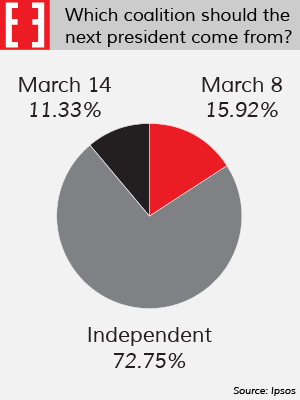
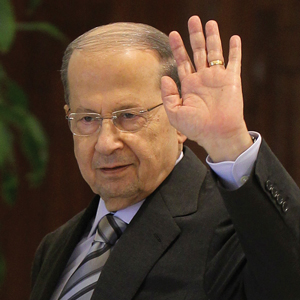
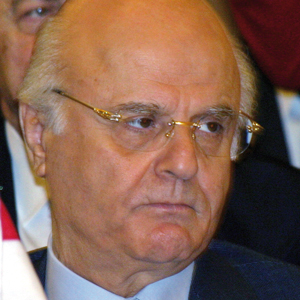
This leads to the choice of our next president, to take place next month. One cannot fail to notice the schizophrenic nature of our citizens when it comes to this decision. Many people who are desperate for an independent candidate are equally keen to see either Free Patriotic Movement leader Michel Aoun or Lebanese Forces chief Samir Geagea as the next president. The fundamental contradiction between a desire for change and support for these most stagnant statesmen seems not to register.

Both men are believed to be interested in taking on the top job, with Geagea declaring himself a “natural” candidate. Yet perhaps if we could look beyond the political jostling at the wider picture, we will see they are equally unsuitable.

Neither of these warlords-cum-statesmen have any history in economics nor do they have a proven track record of improving lives for the majority. Both have been integral players in the deterioration of our country into a deeply divided and factionalized society.

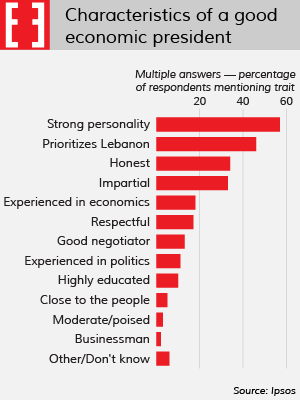
If we take the two fundamental goals of the state, it is clearer than ever that what is needed is an independent, strong leader who understands how to grow our economy. Let’s look beyond the political candidates to find someone who can be a common denominator for economic prosperity for all.

Then perhaps we can nurse the nation back to health.

April 18, 2014 4 comments
0 FacebookTwitterPinterestEmail
Hackathon crowd
Business

Lessons from the Valley

by Livia Murray April 17, 2014
written by Livia Murray

In January, co-founders Louay Kadri and Walid Singer of Lebanese online crowd ticketing platform Presella went to Silicon Valley as the first batch of startups that took part in the Progress In Technology Middle East (PITME)’s month-long acceleration program. The PITME program organizes a jam-packed schedule for entrepreneurs to meet with mentors in Silicon Valley and receive training in diverse areas of their business. The co-founders of Presella got a free ride to the acceleration program as the second place winners of the Startup Demo at ArabNet Riyadh 2013. Having been immersed in the Valley’s vibrant tech culture and notoriously fast-paced atmosphere, they got a taste of life in the mother of   all startup ecosystems. Here are three things they loved that they would like to see happen in Lebanon:


1.Speed networking: “Everyone in Silicon Valley is a connector,” says Kadri. The pair attended many events where everyone was constantly introducing themselves to each other. The introductions are very short and simple: who they are, what they do, exchanging contacts and then on to the next person. The beauty of this type of networking is that even if there are no direct benefits to meeting someone, they will often talk to a potential resource later on and refer them to you. “I think this is how things get done so fast,” adds Kadri.

2.Constant pitching: Kadri and Singer recall going to a “party” with a game of twister in one room and a pitching event in another. Making pitching an informal, regular part of life  for startup founders keeps everybody on their toes and gives them more opportunities to refine their idea. Though Presella was generally  well received, according to the pair, they also received a lot of constructive criticism from judges on the panels that helped them refine  their upcoming business plans.Presella's Louay Kadri and Walid Singer

 3.Hackathons: Everywhere. The pair found that in Silicon Valley, hackathons were constantly under way. Hackathons are events  where coders (and sometimes non-coders) get together in small teams generally for the purpose of developing new software.  Hackathons have a reputation of generating highly innovative results in a short amount of time. “Here, we’re not pushing this enough,”  says Kadri.


 Louay Kadri and Walid Singer of Presella looking pleased to be in Silicon Valley

April 17, 2014 1 comment
0 FacebookTwitterPinterestEmail
Lebanese HealthcareSociety

Listen to the experts

by Tiziana Cauli April 17, 2014
written by Tiziana Cauli

One in four people in Lebanon suffer from at least one mental health issue in their lifetime. This figure was among the findings of the latest comprehensive scientific study, by doctors Elie Karam et al, published in 2006 by the scientific journal Lancet. It places mental disorders among the most common health problems in Lebanon.

“We now have a waiting list,” says Dr. Ziad Nahas, head of the psychiatry department at the American University of Beirut Medical Center (AUBMC). “We have made headway into breaking down the stigma, but there is still a long way to go.”

Stigma, and a lack of awareness around mental health issues, keeps sufferers away from specialists, which often results in improper treatment and medication misuse.

“The problem in Lebanon is that a lot of patients seeking treatment for mental health issues do it in primary healthcare structures,” says Nahas. “They may see a general practitioner, a neurologist or even a brain surgeon, as long as it is not a psychiatrist.” Not getting therapy for mental disturbances of psychological and psychiatric origin often leads to an unneeded consumption of mental health drugs. “Patients who visit a psychiatrist would get treatments which are not addictive, like psychotherapy for example, before even thinking of medication,” Nahas says.

Risks of addiction

Based on medical research published in 2000 by scientific journal Acta Psychiatrica Scandinavica, the consumption of benzodiazepine, an addictive anxiolytic drug, had already reached the levels of major western Europe cities, where access to specialized medical structures and prescriptions is easier and insurance coverage wider. This may be because physicians, rather than psychiatrists, account for most prescriptions of mental health drugs, while a large percentage of consumers of such drugs simply rely on their pharmacists’ or friends’ advice.

The most consumed category of mental health drugs is still antidepressants, with a number of international producers bringing foreign brands to Lebanon via local manufacturers or distributors, and only a small number of Lebanese players in the market. Fluoxetine, branded in the US as Prozac and commercialized by Eli Lilly, is the most expensive of its kind in Lebanon; the price of a 20 mg Prozac capsule is $1.75. The cheapest fluoxetine sold in Lebanon is produced by Jordanian Pharmaceutical Manufacturing and sold at 65 cents per 20 mg tablet.

In the case of sertraline, another antidepressant drug, Lebanon’s Mediphar’s Sertine is the cheapest product, at 40 cents per 50 mg pill. Despite the convenience in price when purchasing local or generic products, Lebanese drug consumers have a preference for western manufacturers. “Lebanese people tend to prefer brand names,” Nahas says, “even when it comes to medication.” Unsurprisingly, Lebanon is a net importer of pharmaceutical products, with the total value of imports reaching $970 million in 2012, a 12.9 percent increase compared with 2010 according to data from the Investment Development Authority of Lebanon. Only ten percent of pharmaceutical drugs sold in the country are manufactured locally whilst the remaining 90 percent is imported, mainly from France, the UK, Germany and Switzerland. In this context, mental health drugs represent a difficult market for local manufacturers to break in to. The lack of insurance coverage for most pharmaceutical treatments and prescriptions has not helped the sector develop properly. Some Lebanese producers, though, are prepared to take a bet.

Domestic production

Local drug manufacturer Arwan, which opened its plant in Jadra, Mount Lebanon last year, has decided to enter the market of psycholeptics. Its antipsychotic drug Zyrwan, which was launched four months ago, targets the one percent share of Lebanese population affected by schizophrenia, and the one percent who will suffer from a bipolar disorder at one stage of their life, based on figures from the World Health Organization.
According to the International Monetary Fund, around 2 million units of psycholeptics are sold in Lebanon every year, for a total $15 million. This compares with 1.5 million boxes of antidepressants for a total $24 million.

Roua Hamandi, Arwan’s product manager for the psychiatric, cardiovascular and anesthesia line, says that facing competition from established foreign brands has not been easy, as many buyers and doctors tend not to trust local products. “This is the case for all pharmaceutical sectors in Lebanon. But we are meeting the international standards and changing doctors’ perceptions. We are focused on gaining the doctors’ trust.”
Hamandi says that it is still too early to have detailed figures on sales, as the product has only been on the market for just over three months, but that they have had good feedback so far.

The loxapine psychotic drug produced by Arwan will be exported to the Gulf and the whole MENA region, where the company is registered. “There is a deficiency of certain products in the Arab market, and a difficulty in the supply. It is a big market with a small number of products,” Hamandi adds. “We can sell directly to hospitals but our direct clients are the doctors who prescribe medications and send patients to pharmacies.”

The issue of insurance

Yet due to Lebanon’s health insurance system, getting a prescription for psychiatric treatments from a specialist in the sector may not come cheap for patients. The lack of insurance coverage is still preventing many people from seeking proper help.

“Only a small portion of affected people seek treatment,” says AUBMC’s Nahas. “They can stay with their illness for years before they come on board and spend a long time struggling with issues that could have been solved earlier before they became more serious.”

Few insurance companies in Lebanon cover psychiatric care while public health funds mostly cover inpatient care and minimal outpatient rates, roughly $17 per psychiatric session, which on average costs $100. When it comes to prescriptions, most insurance companies refuse to cover those signed by psychiatrists. “If I prescribe a blood test, some insurances would refuse to cover it,” Nahas says. “This contributes to patients going to non-specialists.”

The insurance administrator GlobeMed offers hospitalization cover for a maximum of 30 days per year, and for psychotic disorders only, excluding other mental health issues. It doesn’t cover any prescriptions for mental health treatment.

Even the AUB only fully covers staff and students affected by mental health issues for a maximum of three days of hospitalization, or two clinic visits, exclusively for diagnostic purposes. The cost of an added maximum of 13 days of hospitalization or 10 visits per year for those needing psychiatric care is shared between the insurance plan and the patient, who pays 10 percent of the hospital bill and 20 percent of the cost of visits. Farah Yehia, who works at AUBMC’s Psychiatry Department, says they’ve tried to start a dialogue with insurance companies and public health funds to convince them to extend their mental health coverage. This, Yehia says, could be a profitable strategy.

“By covering mental illnesses they are saving costs elsewhere. Cancer patients who are treated for depression, for instance, are hospitalized less often.” Yehia also works with Embrace, a fund co-launched by Nahas which helps cover treatment for patients who cannot afford it. “Mental illness and poverty are usually associated,” Yehia explains. “But treatment is mainly self-founded, which means that poor people are at the same time the most affected and the least able to afford treatment.”

Her team achieved a small victory in their struggle for the extension of insurance coverage last November, when public health funds agreed to cover damage resulting from suicide attempts. “This was scored,” she says with a smile, “but we are trying to keep the discussion going.”

“This speaks a lot about the stigma but also about awareness,” says Nahas. “If you have a chest pain that propagates to your left arm you would immediately think of a heart attack and get help. But most people wouldn’t know the symptoms of a panic attack. Similarly, somatization of psychological symptoms may make you see other doctors before you even consider stress.”  In March this year, the public health ministry launched a mental health program aimed at improving and extending mental health treatment in public hospitals and clinics. “This is a very important initiative as a lot of primary health clinics have been trying to integrate mental health treatment.”

But, he argues, training physicians and other medical staff in mental healthcare is necessary before any progress can be made.

April 17, 2014 0 comments
0 FacebookTwitterPinterestEmail
Real Estate

Dubai’s housing market – avoiding another bubble

by Nicole Purin April 17, 2014
written by Nicole Purin

The Dubai property market has experienced a rollercoaster ride in the last six years. After growth skyrocketed in 2006, Dubai became the envy of the world as the likes of David Beckham and Hollywood stars invested heavily in high-end luxury projects with prices comparable to New York and London. The housing market reached its peak in 2008 and then crashed by roughly half in 2009 as the international community watched in disbelief. The market’s crash came hand in hand with the global financial crisis, but in comparison to other cities’ real estate markets, Dubai was more severely affected — many commentators argued that it would never recover.

The market is now experiencing a resurgence — the gradual recovery started in 2011 and has continued unwaveringly. Property prices are rising strongly and the overall economic outlook of the UAE is fairly robust. According to Jones Lang LaSalle (JLL), international property consultants, residential property prices increased by an estimated 24 percent for villas and 38 percent for apartments in 2013. Rents have also increased by roughly 20 percent for apartments and 17 percent for villas.

Some commentators fear that the market is experiencing a new bubble that will inevitably burst and that the rapid recovery is the product of extreme speculation and over optimism in market fundamentals. On the contrary, it is the view of this author that the market’s recovery has been driven by non-speculative factors. The pillars of the recovery are (i) the implementation of pro-investor regulations; (ii) sociopolitical developments in the Middle East and economic growth in the UAE; and (iii) the Expo 2020.

Factors of market collapse

The significant increases in property prices in the Dubai market back in 2008 were the result of highly speculative activities that caused it to become extremely leveraged. The term “property flipping” became synonymous with buyers who only put down a minimum deposit with no real intention to pay for the property when payments became due for the remaining amounts. Arguably, the lack of regulation was the main contributor to the collapse of the real estate market. The extent of the collapse became apparent in 2009 as rents decreased by 44 percent from the 2008 peak, and as sales prices fell by roughly 50 percent, indicated by JJL and the Dubai Land Department (DLD), the emirate’s real estate registry.

In spite of the above, the steady recovery of the market began in 2011 and continued in 2012 as sales prices and rents increased around 24 percent and 12 percent respectively, according to JJL. In 2013 the extent of the recovery became more prominent as prices of villas and apartments and rents continued to increase progressively. This is clearly a very significant development for Dubai, especially as critics were reluctant to accept the market’s recovery.

Improved Regulations

Arguably, the lack of regulation and transparency was one of the main reasons behind the 2008 burst, as the lack of legislative controls failed to protect investors and there was limited recourse to developers. The DLD has acted swiftly and legislative measures were introduced as follows: the Investor Protection Law is designed to protect real estate investors from violations of terms and conditions by developers and delays in completion — investors can terminate the contract and have their money refunded. This provides greater certainty and forces developers to maintain their obligations.

The Code of Corporate Governance for Developers requires disclosure from developers to investors regarding information about their properties, including alternatives in case of delays. This law defines the responsibilities of developers and has ensured that investors are sufficiently protected. The effect of this is that it provides greater transparency, making investors more inclined to invest.

New laws are expected to be drafted in the next two years in order to maintain property values and regulate Dubai’s real estate market. Since 2008, the regulators have understood the requirement to reduce property flipping, the desirability of greater investor protection and the importance of developers’ governance. In addition, the Central Bank of the UAE has capped mortgage loan-to-value ratios to regulate the market and limit highly speculative behavior. The caps, as published by the Central Bank of the UAE, stipulate loan limits of 75% for expatriates and 80% for Emiratis.

In relation to the rental market, there have been a lot of concerns with regard to rental increases. Going forward, permissible rent increases for both residential and commercial properties in Dubai will be set according to the current market rental price for that property. This is in accordance with a new Dubai Rental Index which can be obtained from the Real Estate Regulatory Agency (RERA). This is reassuring as it sets parameters for landlords and caps on rentals. The relevant provisions are contained in Decree No. 43 of December 8, 2013. It lays out the rental value increases that a landlord can demand when renewing both residential and commercial leases, including those leases in private development zones and free zones. The provisions of the decree have been summarized concisely by Gateley, a leading UK law firm. To give a few examples, (i) rentals cannot be increased if the original tenancy rental value is currently less than 10 percent lower than the average standard rent payable in that area; (ii) rent may be increased by 5 percent of the original tenancy rental value if the current rental value is between 11 and 20 percent below the standard rate; (iii) it may be increased by 10 percent of the original tenancy rental value if the current rental value is between 21 percent and 30 percent below the standard rate; (iv) it may be increased by 15 percent of the original tenancy rental value if the current rental value is between 31 and 40 percent below the standard rate, and finally (v) it may be increased by 20 percent of the original tenancy rental value if the current rental value is more than 40 percent below the standard rate.

Demographics and the Expo

The Arab Spring and Dubai’s economic growth have contributed to Dubai’s population growth, as it is considered a safe and affluent location. The population increased to 2.1 million in 2012 from 2 million in 2011, and is expected to rise even more as evidenced by the Dubai Statistics Centre. The instability in the Middle East has benefited Dubai and it is unlikely to be subdued any time soon. This has given a boost to the real estate market as foreigners have invested significantly in properties. Dubai’s win of Expo 2020 has also been a very positive factor for Dubai’s growth. It is likely to create 300,000 jobs as well as increase housing demand. It is also estimated that Dubai will be visited by 25 million tourists as a result of the Expo and that the job market will flourish. The effects of the Expo can already be seen as property prices increase even further.

Dubai appears to have learned its lesson from 2008. The current resurgence seems to be the product of solid pillars matched by stable market requirements. Specifically, the legislative changes implemented so far have provided greater transparency as well as opportunities for investors. The new rental legislation will hopefully provide greater certainty and the present landscape appears to be very different from the 2008 bubble cycle. It is important that the Dubai government and central bank continue their active roles in ensuring that high-level speculation is avoided. In addition, over supply of projects need to be carefully monitored. Overall, the future of the Dubai’s property market appears bright, provided these fundamentals are maintained.
*The views expressed are those of the author in her own personal capacity.

April 17, 2014 1 comment
0 FacebookTwitterPinterestEmail
BusinessInsurance 2014

Motor insurance sector faces roadblocks

by Livia Murray April 16, 2014
written by Livia Murray

One would have expected insurance companies to jump for joy when the parliament passed the 2012 Traffic Law, extending the current third party liability (TPL) for bodily injury to also cover material damage. This would undoubtedly give insurance companies the chance to increase their market in compulsory motor insurance. At Q4 2013, turnover for motor was $338.7 million with compulsory insurance making up just $56 million, equivalent to16.5 percent, according to ACAL (Association des Compagnies d’Assurances au Liban)’s quarterly report. Total premiums for motor insurance made up the third largest market share in 2013 at 23.9 percent. The new law would increase the market share of compulsory motor insurance, but would also add an unknown amount of risk.

But compulsory motor insurance for TPL covering material damage, while enacted in law, has not been extended to practice. The implementation of the Traffic Law awaits a series of decrees from the Ministry of Economy and Trade for specifics in execution.

This sluggishness is caused by a cautionary approach that the relevant bodies have adopted in putting this law into effect, after a clumsy implementation of the first compulsory law for motor insurance in 2003 that covered TPL for bodily injury. The latter was plagued by many woes such as cash underwriting, which was met with few checks from the weak control of the Insurance Control Commission (ICC) and ultimately saw insurance companies unable to pay claims and going bankrupt. Cases of fraud and evasion that surfaced during implementation of the first law have also caused wariness among stakeholders in the execution of the second.

“We need to take our time to study how to introduce it,” says Walid Genadry, head of the ICC under the Ministry of Economy and Trade. “You can introduce it today, but we will have real problems.”
The debacle of implementing compulsory insurance for  this kind of TPL has led the National Bureau for the Compulsory Insurance (NBCI), the body in charge of suggesting the policy’s pricing, coverage and conditions to the ministry, to tread gingerly in implementing the second, seeking the World Bank’s advice over the best practices in the sector. Lack of sectorial data further compounds the slow implementation of policies.

Unethical players

The implementation of the 2003 law saw many actors engaging in inappropriate behaviors to the detriment of both the insured and the industry. Cash flow underwriting became a way for insurance companies to attract a larger share of the market to generate investment capital by pricing premiums lower than the legal rate set by the NBCI. In many cases the price at which they sold premiums did not generate enough returns, and their inability to pay claims quickly, or at all, gave the industry a bad reputation. Many companies went under or lost their licenses due to cash underwriting. American Underwriting Group (AUG), for example, was writing this kind of business and went bankrupt from bodily injuries claims leaving some of their clients with nothing, laments Fateh Bekdache, vice Chairman and General Manager of AROPE Insurance and head of the NBCI.

The Insurance Control Commission (ICC) did not then, and still does not have, enough power to properly enforce compliance. “We still don’t have an insurance law that lets the [ICC] intervene quickly and effectively for stopping such behavior,” says Genadry. According to Bekdache, the law prescribes two extremes in types of penalties, but is missing many intermediate penalties which are the most important to deter disobedient behavior.

To deal with the issue of cash underwriting, the ICC proposed that reserves should be taken from each company based on their loss ratios, the difference between a company’s premium income and claims settled. In the event that they don’t have enough money to pay their claims, companies could use the fund, preventing them from non-payment of the claims. This could also increase the ICC’s control over insurance companies, forcing companies to increase their premiums in the event that they don’t have enough money to contribute to the fund.

Fraud is another serious concern for industry supervisors. Though there were substantial cases of fraud under the compulsory TPL for bodily injury law, it was investigated by the NBCI, and according to Bekdache has improved since the beginning of implementation of the 2003 law. “You can tell from the volume of vignettes that are sold every year.”  They were able to implement some control over falsifying papers, where some brokers were falsifying vignettes,” he says. The situation improved after the NBCI made it mandatory to get policies and vignettes directly from them.

According to Jamil Harb, secretary general of ACAL, fraud is even more common in the compulsory motor insurance industry for TPL in material damage. He cites the case of Jordan in which compulsory insurance in this sector was badly applied, resulting in many companies facing bankruptcies linked to fraud where companies were paying claims that didn’t exist. Fraud is a serious concern for insurance companies, particularly those that deal in compulsory insurance. “We are always worried about fraud,” says Naji Sultanem, general manager at Victoire Insurance Company. “When there is something obligatory, people most of the time think that because I paid it, I want to do something with it.”

Evasion could also put a weight on the industry. Bekdache estimates that 20-30 percent of cars are not insured for bodily injury, with a total of 1.3 million cars in Lebanon covered. When an uninsured car gets into an accident with an insured car, this places the burden on a single insurance company.

Steering away from compulsory

Despite some improvements since 2003, the experience of insurance companies with compulsory motor insurance for bodily injury has made some of these companies move away from this remit. Victoire’s Sultanem complains that the lack of consensus on the price of an indemnity to pay for someone who has lost their life to a car accident is a burden on the insurance company. He says that claims are often decided by lawyers and can range from as low as $5,000 to as high as $200,000.

The high cost of some claims, is what led Victoire to steer away from the compulsory motor business altogether. “In the past 15 months we have modified our strategy in the bodily injury,” he says. “Our target was to lower our bodily injury impact on the company.” Victoire is a small insurance company with a large share of its business in compulsory motor insurance. According to the ICC’s Insurance Sector Annual Report for 2012, Victoire had the third largest share of compulsory motor insurance with $3.4 million in gross written premiums. In addition to their $2.5 million in gross written premiums in non-compulsory motor insurance, motor insurance makes up almost half of the total $11 million for their non-life insurance premiums.

Premium Pricing

Setting a price for the new premium, a responsibility of the NBCI, is hindered by lack of sectoral data on profits and claims for each segment of motor insurance. While a central database was called for as early as 2003 that would collect data on the sector and historical claims on a car, it has not seen the light of day. Besides an NBCI initiative to bring insurance companies together to share data, the NBCI is still setting premium prices mostly in the dark. The NBCI is moving to collect sectoral data to help price the product. “This is one of the main points that we are trying to clarify now, in order to see what is the actual impact of TPL on the market. Based on that, you can define the price,” says Harb.

Currently, premiums for bodily injury are priced by tranche, depending on the type of vehicle, rather than on the risks calculated for each driver. The premium is made up of the technical premium and an additional percent that covers the broker’s commission, together ranging from $50 to $100. Like the premium for bodily injury, the premium for material damage is to be a flat fee.

Pricing the new premiums will be a challenge. There is some data available in the market regarding motor claims, but it is for total claims rather than product-specific claims. ACAL’s last Quarterly Report for 2013 pegs claims at $188.6 million year to date. However this data does not distinguish compulsory from other types of motor insurance. It lumps together compulsory, TPL for material damage, full motor coverage including self-inflicted damage, as well as total loss — products ranging widely in both premium prices and amount of claims.

What is known is only that material damage will likely involve more claims, based on the higher frequency of accidents that incur material damage in contrast with accidents incurring bodily injuries. “Insurers witness a 25 percent accident rate. If you take 1.3 million cars you are talking about over 300,000 accidents per year,” says Genadry. At Arope Insurance, Bekdache claims that they get 110-120 new claims every day in material damage, whereas accidents claims with bodily injury only surface once or twice per week. According to Harb, the claims ratio between compulsory and non-compulsory claims is one to 50.

Not all insurance companies, however, see the benefit in collecting data. “It’s expensive, you have to have a full-time job for someone just to input data,” says Victoire’s Sultanem. To effectively move insurance companies to compile the relevant data, the ICC would likely have to make this mandatory by law.

April 16, 2014 0 comments
0 FacebookTwitterPinterestEmail
  • 1
  • …
  • 202
  • 203
  • 204
  • 205
  • 206
  • …
  • 685

Latest Cover

About us

Since its first edition emerged on the newsstands in 1999, Executive Magazine has been dedicated to providing its readers with the most up-to-date local and regional business news. Executive is a monthly business magazine that offers readers in-depth analyses on the Lebanese world of commerce, covering all the major sectors – from banking, finance, and insurance to technology, tourism, hospitality, media, and retail.

  • Donate
  • Our Purpose
  • Contact Us

Sign up for our newsletter

[contact-form-7 id=”27812″ title=”FooterSubscription”]

  • Facebook
  • Twitter
  • Instagram
  • Linkedin
  • Youtube
Executive Magazine
  • ISSUES
    • Current Issue
    • Past issues
  • BUSINESS
  • ECONOMICS & POLICY
  • OPINION
  • SPECIAL REPORTS
  • EXECUTIVE TALKS
  • MOVEMENTS
    • Change the image
    • Cannes lions
    • Transparency & accountability
    • ECONOMIC ROADMAP
    • Say No to Corruption
    • The Lebanon media development initiative
    • LPSN Policy Asks
    • Advocating the preservation of deposits
  • JOIN US
    • Join our movement
    • Attend our events
    • Receive updates
    • Connect with us
  • DONATE