• Donate
  • Our Purpose
  • Contact Us
Executive Magazine
  • ISSUES
    • Current Issue
    • Past issues
  • BUSINESS
  • ECONOMICS & POLICY
  • OPINION
  • SPECIAL REPORTS
  • EXECUTIVE TALKS
  • MOVEMENTS
    • Change the image
    • Cannes lions
    • Transparency & accountability
    • ECONOMIC ROADMAP
    • Say No to Corruption
    • The Lebanon media development initiative
    • LPSN Policy Asks
    • Advocating the preservation of deposits
  • JOIN US
    • Join our movement
    • Attend our events
    • Receive updates
    • Connect with us
  • DONATE
Banking & Finance

Regional equity markets

by Executive Editors December 16, 2022
written by Executive Editors

Beirut SE  (One month)

Current year high: 1,200.49    Current year low: 705.56

During the buildup towards end of year revelry, excitement in Lebanon was largely reserved for street life and hospitality businesses. The Dubai World shock had an impact on the Beirut Stock Exchange but only by a dent of 2.5%, minor when compared with Gulf markets. Overall, the BSE was in tune with developing market trends in the Nov 18 to Dec 17 review period and the MSCI Lebanon index closed at 1,106.70 points on Dec 17, 3% lower from the start of the period. Trading volumes on the BSE contracted in December and the index moved sideways with a minimal downward bias in the second and third weeks of the month as investors were not seen to make major moves. Stocks of Lebanon’s major banks ended the review period in positive territory. The two share classes of real estate company Solidere closed near $24.50 on Dec 17, down about 5% from Nov 18 but up more than 45% when compared with the start of 2009.

Amman SE  (One month)

Current year high: 2,569.53    Current year low: 2,968.77

The general index of the Amman Stock Exchange closed at 2,598.23 points on December 17, representing a gain of merely half a percent from Nov 18. Sector indices showed insurance and industrial ending the review period better than the general index; the insurance sub-index climbed from Dec 8 and closed the Dec 17 session more than 9 percentage points above the general index. The industrial index had a low point on Dec 1 but closed the Dec 17 session 3.3% higher over the start of the review period. In the banking sector, the Dubai World experience stirred up concerns which affected Arab Bank with a 6.4% share price drop on Dec 2 but reassurances over the bank’s limited exposure to Dubai’s financing problems helped the ASE’s market cap leader. Arab Bank ended the review period 0.4% lower. Market volatility on the ASE was moderate at 13%.

Abu Dhabi SM  (One month)

Current year high: 3,239.74    Current year low: 2,136.64

The Abu Dhabi Securities Exchange had no place to hide and initially nowhere to go but down after the Dubai World bombshell. From Nov 25 to Dec 9, the ADX general index lost 15% before restoration of some optimism lifted the index to a close of 2,774.27 points on Dec 17, moderating the drop to 5.95% when compared with Nov 18. The insurance index was the only ADX sub-index to barely budge during the entire period and even achieve a modest gain. All other sectors were dragged lower; real estate and construction suffered the most and ended the period 11.3% and 17% down. Losers, representing all sectors, outnumbered gainers by a wide margin. Volatility exceeded 56%. National Bank of Fujairah was the best-performing stock, up 19.6% while Arkan Building Materials dropped the most, down 27.5%.

Dubai FM  (One month)

Current year high: 2,373.37    Current year low: 1,433.14

The graph of the Dubai Financial Market’s general index for the Nov 18 to Dec 17 period looks like a gorge from the fantasy movie Van Helsing, with a cut so steep and deep that V-shaped is an inadequate descriptor. The operative number for the period is 75% volatility and despite massive rebounds of key stocks after Dec 9, only a handful of listed companies actually passed through the horrific period without exuding unnecessary pain. By Dec 17, the sector index losses had moderated to the mid teens and the DFM index closed 12.48% down when compared with Nov 18. Dec 17 sickbay of stocks more than 15% lower than a month earlier included Arabtec Holding and Emirates NBD. Emaar Properties was a case study in partial share price recovery under direct impact of Dubai World while Air Arabia was an example for a scrip with intense trade volumes and volatility outside of the properties and developers loop.  

Kuwait SE  (One month)

Current year high: 8,438.80    Current year low: 6,391.50

The Kuwait Stock Exchange’s benchmark general index had one of its better phases for 2009 in the 30-day period from November 18, closing the period at 7104.30 on Dec 17 with a gain that was half a percentage point shy of 6%. The food, investments, and services sub-indices were the visible outperformers when compared with the general index while the industrial index, which showed the strongest dip south of all sectors in early December, regained its footing to close the period with a black zero. Volatility was notable but not excessive, at 16.8%. The vast majority of stocks ended the period higher. Among them, market cap leader Zain appreciated 15.2% to escape from a seasonal low but logistics firm Agility, which has been under pressure since early November, moved lower by 16% in the review period. August 2009-listed Thuraya Real Estate dropped 25.6% and financial services company National International Holding dived 30.5%.

Saudi Arabia SE  (One month)

Current year high: 6,568.47    Current year low: 4,130.01

Market inactivity on the Saudi Stock Exchange due to the religious observances of Eid al-Adha in the first part of the review period was followed by downward pressures in early December. These pressures, however, appeared to abate somewhat as the TASI’s close at 6,153.85 points on Dec 17 was 2.61% down when compared with Nov 18. Sector indices for the most part did not stray far from the general trend and all sectors ended the period in negative territory, with the spillover from the Dubai market named as broad impact factor. The two sectors that underperformed the market were hotels and tourism as well as insurance. The latter dropped sharply between Dec 6 and 13 in a slide that was not so much seen as linked to the Dubai World financing problem as it was attributed to a combination of profit taking and response to local insurers’ exposure to costs from the Nov 25 flood in Jeddah that caused extensive damages to properties.

Muscat SM  (One month)

Current year high: 6,762.94    Current year low: 4,223.63

In an overall downward sloping trajectory, the Muscat Securities Market’s response to the Dubai World panic occurred as a drop of about 330 points and immediate recovery of 320 points between Dec 7 and 14. Outside of this interruption, the trend was a 2.27% drop over 17 trading days between Nov 18 and Dec 20, when the MSM index closed at 6,243.49 points. Volatility was clocked at 22.9%, according to Zawya. The banking sector index underperformed the other sectors both during the intra-month trough and for the whole review period, closing 6.5% lower on Dec 20 when compared with Nov 18. In individual stocks, poultry was on the side of seasonal lows while confectionary seemed inspired, at least on paper as Sohar Poultry Company was reported by Zawya to be the period’s worst loser (minus 77%) and Oman Sweets Company, the strongest gainer (plus 120%). Both stocks appear to be very rarely traded. 

Bahrain SE  (One month)

Current year high: 1,851.30    Current year low: 1,413.81

The Bahrain Stock Exchange, somewhat predictably as it was the GCC exchange with the weakest index performance in 2009, showed less profit taking and panic symptoms than its neighbors during the review period and closed at 1,447.57 points on Dec 15, a third of a percent up when compared with Nov 18. Banking shares were the clear losers, down 6.1%, whereas the investment sector advanced 7.3% and was the best performer on the BSE in the short review period, something of a market irony given that this sector was the biggest loser on the Bahraini exchange for the year to date. At the bottom of performance charts for the review period, Gulf Finance House gave up 16.2%, other share price losers were Al Salam Bank, Nass Corporation, Ahli United Bank, and National Bank of Bahrain, losing from 10.3% to 6.1%.Al Baraka Banking Group topped the gainers for the period with a 64.7% climb, recovery-style after price weakening in October and November.  

Doha SM  (One month)

Current year high: 7,624.45    Current year low: 4,230.19

The Qatar Exchange experienced blunt force impact of the Dubai World crisis directly after the Eid al-Adha holidays. The general index, which took an 8.3% hit on Dec 1, recouped losses by Dec 7 but then saw further fluctuations to close the review period with a marginal gain of 0.6%. All sector indices stayed range bound with the general index but a slide at the end of the review period relegated the insurance sector to the role of underperformer and only sector to close Dec 16 in negative territory when compared with Nov 17. Insurance similarly was the weakest sector on the DSM for the year-to-date period, recording a 10.7% drop from the start of January. Volatility reached almost 40% in the review period and losing stocks outnumbered gainers but the net gains and losses were less pronounced than on neighboring bourses. Ezdan Real Estate was the top gainer at 8.6% while the biggest losses were recorded by Qatar General Insurance and Reinsurance.

Tunis SE  (One month)

Current year high: 4,244.46    Current year low: 2,887.25

The Tunisian Stock Exchange dipped lower in early December but otherwise appeared unperturbed by the worries that shook investors in the Gulf region. Closing at 4,215.37 points on Dec 16, the Tunindex added 2.7% from its close on Nov 18 and this gain took the market’s increase beyond 46% from the start of 2009. Market heavyweights Poulina Group Holding and Banque de Tunisie edged up by 2% and 4%, respectively, in the review period. Cement manufacturer Ciments de Bizerte, a recent market entrant, dropped 9.9% at the low end of the performance charts. Best gainer for the period was SIAME, a manufacturer of electrical gear. Its share price advanced 71.5%.  

Casablanca SE  (One month)

Current year high: 12,224.21  Current year low: 9,405.86

The Casablanca Stock Exchange stumbled visibly in the first week of December. The general index dropped 330 points between Nov 19 and Dec 4, dipping below the 10,000 points line for the first time since late January. The market, however, rebounded from this seasonal low by presumed Dubai contagion and closed at 10,386.67 points on Dec 17, representing a marginal gain of 0.5% from the start of the review period. Measured against the start of 2009, the Moroccan exchange is down 5%. Market cap leader Maroc Telecom recorded a minimal share price drop in the review period (down 0.2%) whereas largest bank and second strongest scrip, Attijariwafa Bank, lost 5.6%. The number three and four by market cap, lender Banque Marocaine du Commerce Exterieur and real estate firm CGI, contrasted this by being among the top gainers, advancing 18% and 13.6%, respectively.

Egypt CASE (One month)

Current year high: 7,249.55    Current year low: 3,389.31

The Egyptian Stock Exchange’s EGX 30 index added 3.3% in the 30-day review period and closed at 6,477.86 points on Dec 17. The impact of the Dubai World crisis on the EGX was sharp and cut a 500-point gash into the index graph between Nov 25 and Dec 3, resulting in 45% volatility in the review period. However, the Egyptian exchange diverged from most other regional markets by gaining in both the review period and for the year-to-date, where the Egyptian bourse’s gain exceeded 40% and was second only to the Tunisian exchange. This confirmed in the final weeks of 2009 that the EGX was the region’s only large stock market to perform better than the MSCI world index‘s 30% year-to-date gain although shooting up not quite as high as the Emerging Markets Index with its 72% rise to Dec 15. Notable gainers on the EGX in the review period were telecoms scrip Mobinil, up 25.2%, and Orascom Construction Industries, up 17.1%. 
December 16, 2022 0 comments
0 FacebookTwitterPinterestEmail
Special Report

Food Infrastructure and Innovation

by Thomas Schellen & Nicolas Rouhanna December 8, 2022
written by Thomas Schellen & Nicolas Rouhanna

Access to finance is a major barrier to the development of infrastructure for the agriculture sector. Much needed Investment in general and agro-specific hard infrastructure along with soft infrastructure is vital for the sector to flourish.

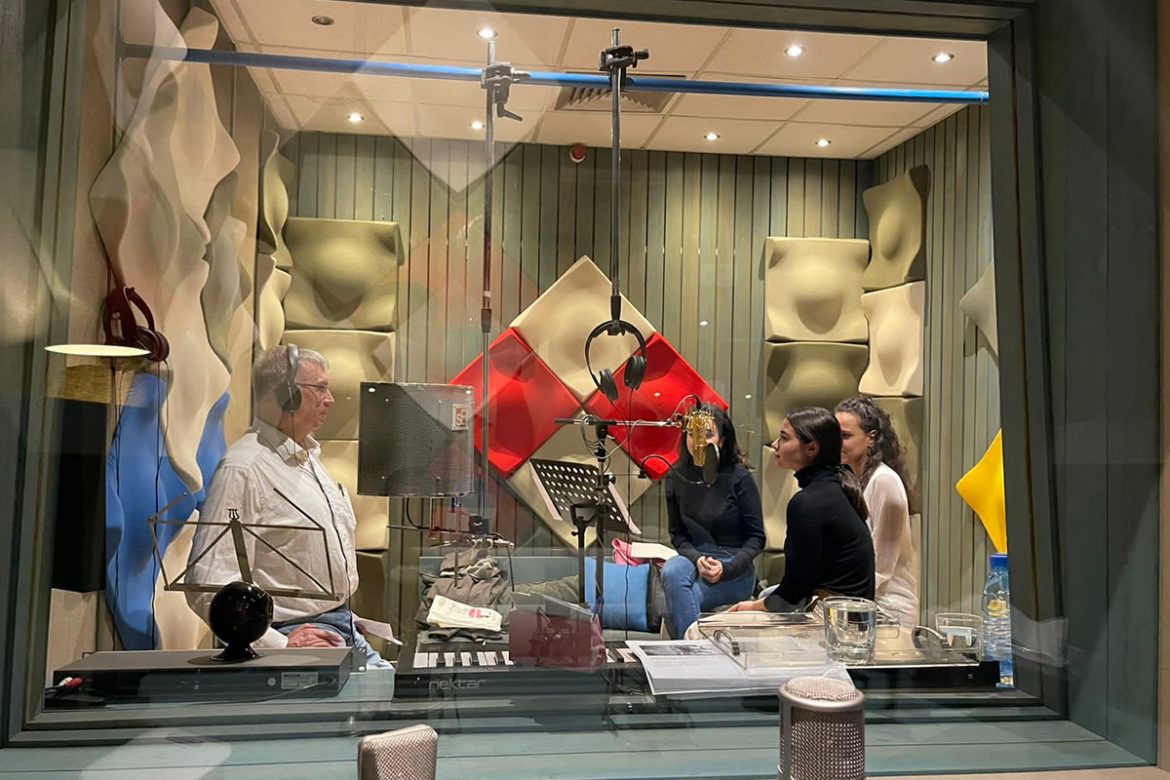
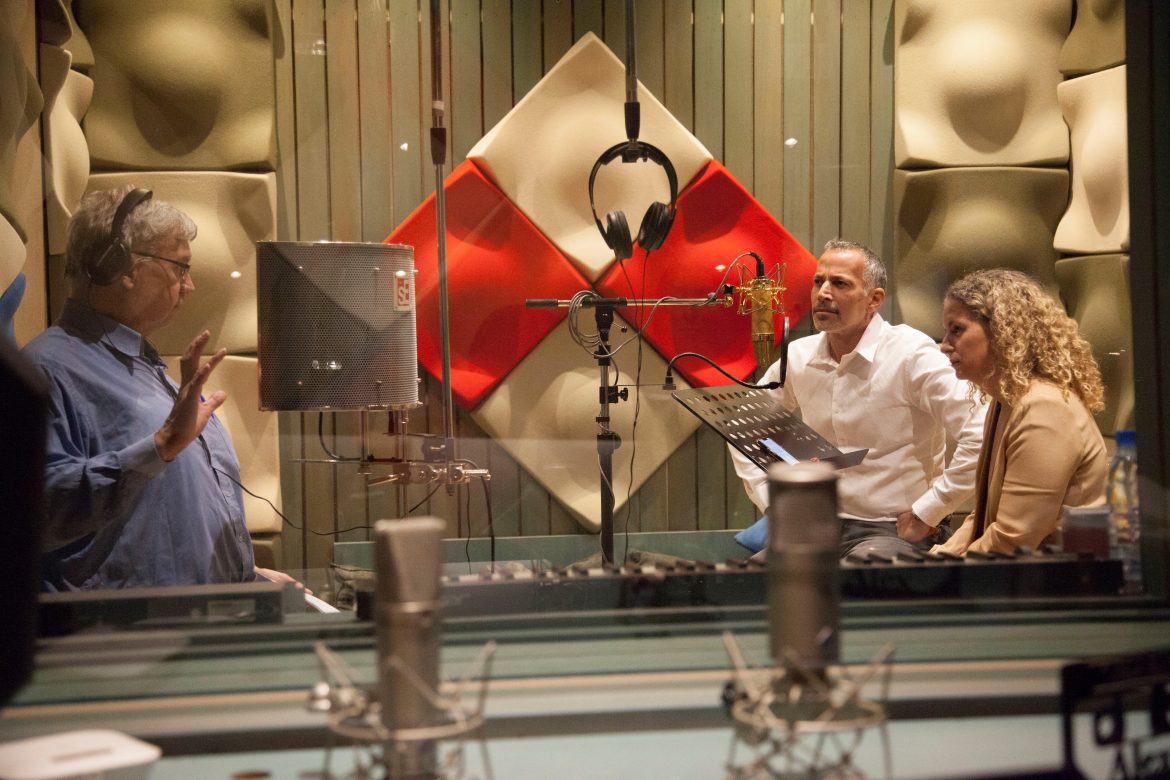
Executive talks to Mrs. Michelle Mouracade the fund advisor at Alfanar and Mr. Nicolas Rouhana the Chairman & CEO of IM capital about the state of Lebanon’s food sector, and how this crucial part of soft infrastructure can be restored to full power. 

The podcast is sponsored by the Dutch Ministry of Foreign Affairs.

December 8, 2022 0 comments
0 FacebookTwitterPinterestEmail
Special Report

Agricultural entrepreneurship

by Thomas Schellen, Angie Meskawi & Lara ElKhoury December 7, 2022
written by Thomas Schellen, Angie Meskawi & Lara ElKhoury

The importance of women-led startups is a no-brainer for entrepreneurial growth in every sector.

Executive talks to Mrs. Lara ElKhoury a Program manager at Berytech, Mrs. Angie Meskawi the founder of cheeserie and Mrs. Sarah Joseph the founder of Olive bio about the barriers and wins of female founders in prominent agricultural niches, and the contribution of agro-entrepreneurial startups to the economy.

December 7, 2022 0 comments
0 FacebookTwitterPinterestEmail
EventsExecutive newsExecutive Roundtables

Roundtable on agro-industry and agro-entrepreneurship

by Executive Editors December 6, 2022
written by Executive Editors

A discussion with experts from the agro-industry and agro-entrepreneurship fields organized by Executive Magazine and in partnership with Konrad-Adenauer-Stiftung. The roundtable explored development and acceleration start-up ventures, and heard the experiences of entreprenuers working in the sector.

December 6, 2022 0 comments
0 FacebookTwitterPinterestEmail
EventsExecutive newsExecutive Roundtables

Roundtable on food sector

by Executive Editors December 5, 2022
written by Executive Editors

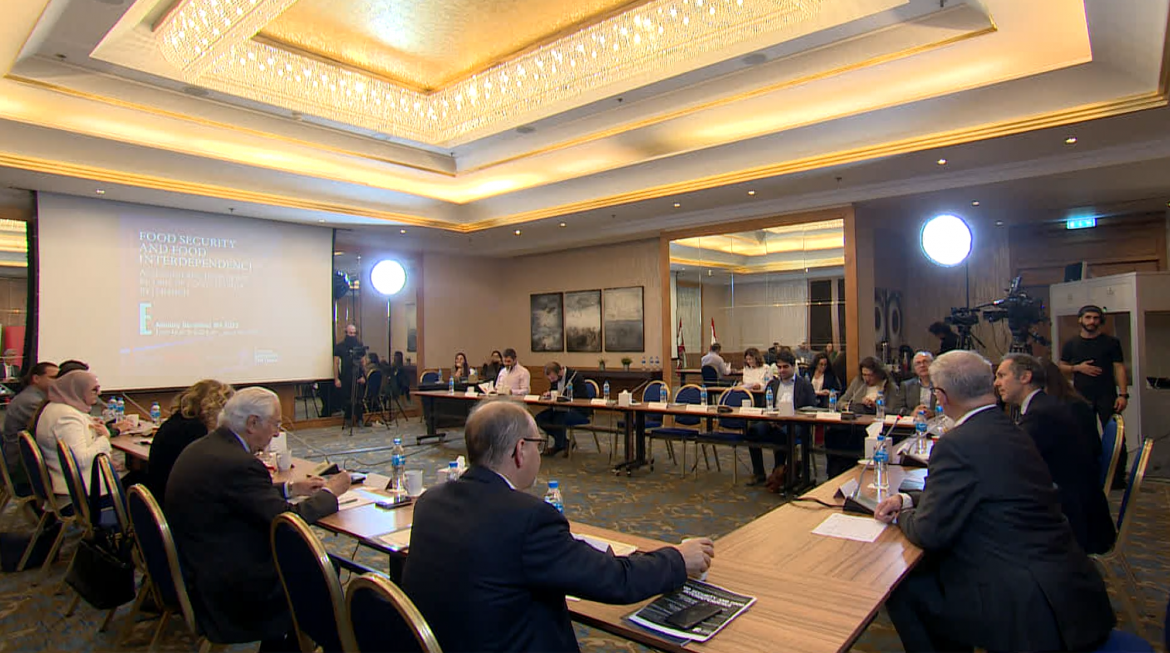
A discussion with experts from the food sector organized by Executive Magazine and in partnership with Konrad-Adenauer-Stiftung. The roundtable focused on the current state of food security in Lebanon and what improvements can be made concerning the country’s path to profitable food interdependence through agricultural and agro-industrial exports.

December 5, 2022 0 comments
0 FacebookTwitterPinterestEmail
Last Word

Cholera spread: a symptom of structural failures

by Department of Health Promotion & Community Health December 2, 2022
written by Department of Health Promotion & Community Health

Lebanon has been cholera-free since 1993. On October 6, 2022, that changed when the Ministry of Public Health reported two laboratory-confirmed cholera cases in the country’s northern region. Since then, the numbers of cases and deaths have increased at an alarming rate. The current situation according to the Lebanese Ministry of Public Health website on November 21 shows 20 cumulative deaths and 4,008 suspected and confirmed cases, 25 percent of which are among individuals 4 years of age and below. Cholera outbreaks are also reported in other countries in the region, including Syria and Iraq. Cholera is an acute rapidly dehydrating diarrheal infection caused by the ingestion of food or water contaminated with the bacterium Vibrio cholerae. It is strongly connected to inadequate sanitation.

Lebanon’s response to the outbreak so far has included launching the government’s emergency appeal requesting support from the international community to procure vaccines, medicines, and water test kits. The World Health Organization (WHO) secured 600,000 doses of cholera vaccine from the International Coordination Group to vaccinate all refugees and host communities aged 1 year and above. On a local level, residents received information through various media outlets on how to wash hands and mixed messages about how much chlorine to add to their water tanks. 

Unfortunately, this response has been far from addressing the root causes of the epidemic. Without addressing the underlying causes of the spread of cholera – old and dilapidated water and sanitation systems, and water privatization – behavioral interventions will have limited, if any impact in stopping the epidemic. By focusing on individual-level solutions, people and communities with limited resources are made responsible for managing and controlling the outbreak, instead of state institutions and international organizations. Overcrowding, and unsanitary living conditions in jails have long been root determinants of different types of infectious outbreaks globally since the 1800s, as have refugee camps and informal settlements. 

Decades of dirty water

For years, researchers have been raising the alarm about the poor water quality in Lebanon, especially in refugee settlements and impoverished areas. The country lacks a national wastewater strategy, leaving it up to local municipalities with limited resources and know-how. At the same time, rivers and lakes have been dumping grounds for industries for years. In 2021, UNICEF cautioned based on a focused study that the water situation in Lebanon is on the brink of collapse. Despite the large number of studies and consultations commissioned to resolve the water pollution in rivers, lakes and water bodies in Lebanon, very little has been achieved.

In the context of an economic crisis, political deadlock, and dwindling humanitarian funding, it is not surprising that access to clean water and sanitary services has deteriorated for a considerable portion of the population. The public sector water provides about three million people with water but considering the energy crisis, a large number of the population and one million refugees rely on alternative sources like water trucks, or private sources. This has created a fertile ground for waterborne diarrheal diseases to emerge, given that a major source of contamination is microbiological. This includes cholera. Cholera epidemics are signs of structural deficiencies; historically, cholera is an outcome of failed systems and services, which is a violation of the human right to safe water and sanitary conditions.

 To mitigate cholera, we do not need innovation. Instead, we need to learn from history – that the sanitation movement was critical to improving public health – and to go back to basics. No human being, whether citizen or refugee, should be deprived of the right to clean water and a healthy environment. Promoting individual hygiene behavior change – the only public health action undertaken by the state at this point while it waited for adequate number of vaccines to arrive – will only narrowly contribute to limiting the spread of transmission. Unless the government and high-level decision-makers actively work towards urgent waste water management, upgrading the public water supplies in Lebanon, the cholera outbreak will not be contained.

However, there is nothing so far in the government discourse which is showing any commitment to work on the systemic failings. We call on the government, municipalities, and United Nations’ agencies to direct urgent resources to water treatment plants and utilize the expertise already available in academic institutions to provide environmentally sound solutions, and prevent future outbreaks of other types of waterborne diseases. Improved water supply interventions alongside a focused cholera vaccination program are proven to be more likely to yield favorable public health outcomes than just a vaccination program alone.

December 2, 2022 0 comments
0 FacebookTwitterPinterestEmail
Real estate

For your information

by Executive Editors December 2, 2022
written by Executive Editors

Ashrafieh reaching higher

A study recently conducted by Al Iktisad Wal Aamal magazine on real estate projects in the Achrafieh area of Beirut showed that there are currently 91 projects under construction, of which 88 are residential buildings. These add up to 1,366 floors, and 1,988 apartments with an overall area of 804,452 square meters. The selling value of the projects amounted to more than $2.8 billion, said the study, with numbers being supplied by developers of the projects.  Some 47 percent of the developments are located in the areas of Sioufi, Hotel Dieu, Sodeco, and Nasrah. More than 25 percent are located in Sassine, Mar Mtr, and Fern el Hayek, while 16.5 percent are in Al Rmel, Modawar, Jeitawi, and Karm el Zaytoun. The remaining 11 percent are located in St. Nicolas, Al Saifi, Tabaris, and Sursock. Only six projects have been completed and handed over while most of the others are to be completed in 2010 and 2011. Apartments of less than 250 square meters constitute 46.1 percent of the total, while those between 250 and 350 square meters constituted 33 percent. The remainder is divided into apartments between 351 and 450 square meters (11 percent) and over 450 square meters (9.9 percent). As for the prices, information supplied by owners and developers said that prices range between $1,800 and $9,000 per square meter. Apartments priced at less than $2,000 per square meter constituted only 3.7 percent of the total, while 42 percent of apartments were priced between $2,000 and $2,999 per square meter. Some 24 percent of units were priced between $3,000 and $3,999 per square meter, 23 percent between $4,000 and $4,999 and the rest over $5,000 per square meter (5 percent).  As of January, 1,224 of the 1,988 apartments were sold (62 percent) with an approximate value of $1.6 billion.

Ashrafieh reaching higher

A study recently conducted by Al Iktisad Wal Aamal magazine on real estate projects in the Achrafieh area of Beirut showed that there are currently 91 projects under construction, of which 88 are residential buildings. These add up to 1,366 floors, and 1,988 apartments with an overall area of 804,452 square meters. The selling value of the projects amounted to more than $2.8 billion, said the study, with numbers being supplied by developers of the projects.  Some 47 percent of the developments are located in the areas of Sioufi, Hotel Dieu, Sodeco, and Nasrah. More than 25 percent are located in Sassine, Mar Mtr, and Fern el Hayek, while 16.5 percent are in Al Rmel, Modawar, Jeitawi, and Karm el Zaytoun. The remaining 11 percent are located in St. Nicolas, Al Saifi, Tabaris, and Sursock. Only six projects have been completed and handed over while most of the others are to be completed in 2010 and 2011. Apartments of less than 250 square meters constitute 46.1 percent of the total, while those between 250 and 350 square meters constituted 33 percent. The remainder is divided into apartments between 351 and 450 square meters (11 percent) and over 450 square meters (9.9 percent). As for the prices, information supplied by owners and developers said that prices range between $1,800 and $9,000 per square meter. Apartments priced at less than $2,000 per square meter constituted only 3.7 percent of the total, while 42 percent of apartments were priced between $2,000 and $2,999 per square meter. Some 24 percent of units were priced between $3,000 and $3,999 per square meter, 23 percent between $4,000 and $4,999 and the rest over $5,000 per square meter (5 percent).  As of January, 1,224 of the 1,988 apartments were sold (62 percent) with an approximate value of $1.6 billion.

Syria’s star island

The Lebanese real estate developer Noor International Holding announced at the beginning of March that is has proposed a plan to the Syrian authorities to build a $10 billion real estate development, according to Zawya Dow Jones. The Arab Stars Islands projects will consist of two star-shaped artificial islands covering some 907,000 square meters off Syria’s Mediterranean coast. Once the license is given, the project will be completed in four years, Mohammed Saleh, the chairman of Noor International told Dow Jones. The islands will include commercial, residential, tourist and recreational complexes. Noor International proposed plans to build a Cedar Island on the Lebanese coast but so far has failed to obtain the license required to start the project.

Quality clampdown after collapse kills workers

Following the collapse of a seven-story building in Amman in the first week of March, Jordan’s Prime Minister Samir Rifai called for intensifying inspections of new construction sites to ensure safety and engineering standards are met, according to the Jordan Times. The building collapse killed five workers and injured seven. The Jordan Engineers Association (JEA) also said last month that most of the new buildings constructed in Jordan, excluding the capital, do not comply with the National Building Code. “Due to poor enforcement of the regulations by authorities and the widespread influence of favoritism, licenses are issued after the construction is complete, which is a clear violation of the rules,” Mahmoud Subhi, head of JEA’s technical affairs and engineering supervision committee told the Jordan Times. He said most buildings would not withstand possible earthquakes and stressed that municipalities should not give permits before the JEA’s approval of blueprints. He also added that even buildings constructed under The Ministry of Public Works and Housing’s “Decent Housing for Decent Living” initiative are not compliant with the building code.

US firm targets distressed assets in Gulf

The United States-based investment firm Blumberg Capital Partners announced last month the launch of a $1 billion property fund targeting distressed properties in the Gulf, the US and Brazil, according to Arabian Business. The Chief Executive Officer and founder of the company Philip Blumberg announced that a third of the fund — which has already attracted interest from local sovereign wealth funds — will be invested in the Gulf. “We’re seeing very significant interest from the Gulf region in particular. The commitments, both soft and hard, are in excess of $100 million,” the CEO announced. The firm made plans to meet with fund managers and developers in Abu Dhabi in order to discuss possible investment, while also aiming to invest in a mixed-used development in Oman, said the publication. “We’re pretty convinced there are opportunities here in the Gulf. [But] Dubai, I think hasn’t sorted itself out yet,” said the CEO. “Certainly on the residential side, there is a huge legal grey area. As an investor, it concerns me. I would clarify the legal situation importantly now, knowing that investors are the fuel, not the developers.”

Gulf sees slump in real-estate values

According to the regional real estate tracker MEED projects, the value of ongoing and announced real estate projects in the Gulf Cooperation Council has decreased by 13.7 percent year-on-year as of February 2010. The United Arab Emirates witnessed the greatest decline of 26.2 percent, with the value of projects on hold amounting to $468 billion. The second greatest decline was in Kuwait, followed by Oman, and Qatar, while only Bahrain and Saudi Arabia witnessed an increase in the value of ongoing and announced projects, by 0.2 and 3.9 percent, respectively. Despite Saudi Arabia’s increase in total project value, $53 billion worth of developments are currently on hold.

Burj holds up Armani opening

The opening of the Armani Hotel in Dubai’s Burj Khalifa, the world’s tallest building, was delayed by more than one month being rescheduled from March 18 to April 22, reported The National.

“We needed additional time to make sure everything was 100 percent perfect,” a source close to the company told the newspaper. Moreover, up until the third week of March, the observation deck at the Burj Khalifa’s 124th floor, which was closed for maintenance on February 7, was still inaccessible to visitors. The National said that no opening date for the deck has been set yet.

December 2, 2022 0 comments
0 FacebookTwitterPinterestEmail
Food EntrepreneurshipSpecial Report

Agri-food industry and academia

by Rodrigue El Balaa December 2, 2022
written by Rodrigue El Balaa

They say Women are from Venus and Men are from Mars, but they can still manage to settle on a common ground, and carry a fruitful relationship which might last for years. Industry and academia have long been considered as living on two different planets and speaking two different languages, but what if they succeeded in setting a common language? How would they both benefit? And most importantly, how to get there?

Recently, one international beverage company with business in Lebanon decided to explore the possibility of valorizing its by-products by using them as a component for animal feed, as part of its circular economy initiative to decrease its waste disposal cost. A collaborative thesis was agreed upon, and research work started on identifying potential buyers and the nutritional input of these by-products. It went very well and the student was able to successfully defend the thesis. However, when a complementary collaboration was discussed which included production optimization, the collaboration could not move any further since there was a need for access to the production process, and the delicate data it included. Yet such information could not be divulged, so it was impossible to publish any peer reviewed papers; the university lost interest and the collaboration ceased at an early stage. Both parties had their points, the industry needed to protect its production process which is integral to its success, while the university needed to publish papers to preserve its ranking.

This is just one example of many collaborative initiatives which either were short-lived or failed to launch. Limited access to data, as illustrated in the above case, is only one of various difficulties between the collaboration, which include:

• Timing; universities have their own academic year cycle and research projects are identified usually in September at the beginning of the fall semester, but a company cannot wait if it needs quick answers for technical challenges.

• Intellectual property; for any innovated process, the technology or product is debatable between the industry and the academic institution, and sometimes the researchers themselves, which warrants a serious legal support and collaboration framework.

• Research pace; usually researchers have solidly established protocols and have the ability to accumulate knowledge over years, meaning they have a relatively slow but steady pace. For industry, solutions usually need to be developed quickly and need to be adapted even faster to market variations. 

• Objectives; which can be can be contradictory for academia research to industry priorities. So while researchers could be concentrating their efforts on subjects like social responsibility, the greenhouse gas effect, and animal welfare, many companies may prioritize production cost reduction, market access, product quality, etcetera.  

Time to collaborate?

Nevertheless, collaboration between universities and industry through technology or science parks started in developed countries, in 1951 with the Stanford Research Park which emerged later as part of the Silicon Valley and in 1972, Europe’s first technology parks were created with the University of Nice Sophia Antipolis in France, and Cambridge University in England. The concept has thrived since then and has become one of the major strengths of modern economies. Can it be applied it to the Lebanese agro-economic ecosystem? And is now the right time to reflect on such a collaboration?

At the end of 2019, the dramatic downward spiral of the Lebanese economic system started, with the agri-food model the fastest to fall apart, although many argue that there was no agro-food model to start with since it was based largely on import input. Access to finance became a nightmare, cultivated land decreased, food processor companies went out of business, and consumers saw their purchasing power disappear in a terrifying pace as many became largely dependent on monthly food basket support from local NGOs.

Universities were also hit hard and fast. In a record time, the value of student tuition evaporated as the Lebanese pound plummeted against the dollar, the same went for the professors’ wages, and thus a “brain drain” was triggered. For many, there was nothing to do but to reminisce on the “paradise lost”; but for others, it was the birth of a new era, where anything was possible. But first, it is important to reanalyze the effects of the multidimensional cataclysm and most importantly focus on what can be built now which was impossible before.

The disruption brought by the crisis led agri-food stakeholders to rethink their strategies, and they have since discovered that monetary depreciation could be an actual incentive to produce more price competitive products through accessing foreign markets. But price is not the only parameter to be considered, international markets need specific thresholds of quality, hygiene, packaging, and transportation conditions to be respected. In addition, investing in Research and Development departments within Lebanese agri-food small-to-medium enterprises proved impossible, so the only way to improve products to enter international markets was through access to already available facilities for specific product development. This could not have come at a better time for universities which lacked the needed funds to carry out research activities, with an added bonus to pivot research activities into more practical use with greater emphasis on development. Moreover, the large pool of experts that can be provided by universities offers an immense advantage for industries that seek solutions to their challenges without the need to hire experts on a full-time basis. 

The need to collaborate between academia and industry is clear and the benefits for both parties are numerous, especially within the current crisis context. But how is it possible to initiate this collaboration and what is the needed physical and administrative infrastructure?

The first element for the success of the said collaboration is the human element and the need for actual “translators” who can play the role of mediators between academic institutions and industrial companies. These entities would base their interventions on qualified personnel from both sides who can understand the challenges and the expectations of each and provide a mediation to come up with the best collaboration framework. These “translators” would also work on adapting the mindset of both parties to more collaborative approach while at the same time preserving each party’s interests.

There is also a great need in university technology transfer offices who provide support to researcher and student in transforming their research findings into viable products or business models, and to protect them through proper intellectual property frameworks where the university, the researchers and the industry have all their part of the patents ownerships.

Initiating collaboration between academic institutions and industrial companies needs a physical framework where they can meet, exchange ideas and expertise to eventually adopt different collaboration models. This initiative is part of the Agri-Food Innovation Days organized by Berytech, a local entrepreneurial support system. Over three days, universities and industries met and exchanged ideas, challenges and solutions. This year, six grants were offered by QOOT, the Lebanese Agri-Food cluster, for final year projects in universities to provide answers to challenges faced by different members.

This collaboration could evolve to establish technology parks within university premises, which would also offer a common space for research on technological solutions to agri-food companies, as well as offering both researchers and students direct contact with companies. Through this platform agri-food companies would also have access to universities’ incubators where start-ups are being created and provide vital input, but also create investment opportunities, and perhaps eventually work with them as sub-contractors or developers.

[inlinetweet prefix=”” tweeter=”” suffix=””]The world is full of success stories where industry and academia collaborated and the opportunities currently offered by the Lebanese context are immense. [/inlinetweet]The country needs to work its way up to Agriculture 5.0 where artificial intelligence, IoT and machine learning are used in a multidisciplinary approach. This set of diverse human know-how and equipment is available in universities, and the objectives for their application are determined by industry. To my knowledge, this is a perfect combination for a long-lasting collaboration between two entities which may speak two different languages but share a common future.  

December 2, 2022 0 comments
0 FacebookTwitterPinterestEmail
AnalysisFood InfrastructureSpecial Report

Lebanon: are the hunger games behind us?

by Sarah Hourany December 2, 2022
written by Sarah Hourany

Food insecurity is at the forefront of global threats and its prevalence is intensifying. An estimated 54.5 million people are severely food-insecure in the Eastern Mediterranean region as a result of the impact of the Covid-19 pandemic, according to the World Food Programme. In Lebanon, a combination of economic, political, health and social factors are deterring the country’s ability to combat hunger risks. While the financial downturn has had an exorbitant impact on the daily lives of citizens and business, the country’s existing agriculture infrastructure was already calling out for greater attention, with too much dependence on foreign aid, organizations, and United Nations (UN) agencies. The situation has become even more challenging for a country hosting approximately 1.5 million Palestinian and Syrian refugees, adding further pressure to fragile socio-economic conditions. 

The UN’s Food and Agriculture Organization (FAO) points out that food security encompasses four components: availability, meaning the supply of food in an area; access, including the physical and economic ability of people to obtain food; utilization, in the sense of proper consumption of food; and stability, which refers to the sustainability of food production and supply. But where does Lebanon really stand? 

Agriculture: a strategic sector neglected for decades

The great famine of Mount Lebanon between 1915 and 1918 pushed policy makers at that time to add the predominantly agricultural areas of Akkar, the Bekaa Valley, and South Lebanon, over to Mount Lebanon to ensure that the latter is not susceptible to hunger again. 

For agricultural engineer Hanna Mikhael, successive governments from 1992 onwards failed to address agriculture in the same context as other productive sectors, he tells Executive. “With the limited budget allocated for the Ministry of Agriculture, the sector has been adopting a “begging” policy, counting on the non-sustainable financial support of the UN’s Food and Agriculture Organization, World Bank and non-governmental organizations (NGOs) rather than on a long-term national strategy,” Mikhael says, who also co-founded Izraa, a Facebook page providing agricultural and technical advice to 139,000 members.

The losses incurred in 2020 when Lebanon’s grain silos at Beirut’s port were pulverized by a deadly blast, and the outbreak of war in Ukraine, exerted additional pressure on the country’s wheat reserves. Mikhael advocates for the decentralization of grain silos to mitigate such risks. He also requests from municipalities and religious authorities to offer the vast areas of unutilized land that they possess to increase grain production.  

Agricultural economist Souhad Abou Zaki considers that increasing the local production of wheat and pulses is possible; if targeted, well-communicated, and timely subsidies are provided to give financial incentives to farmers to produce them, she tells Executive. While this would improve the local food safety status, it will not by itself ensure food sufficiency. [inlinetweet prefix=”” tweeter=”” suffix=””]According to Mikhael, the decades-long absence of an efficiently implemented agricultural strategy has exacerbated the sector’s fall amidst the crisis[/inlinetweet]: “Ironically, the Ministry of Agriculture’s NAS [National Agriculture Strategy] for 2020-2025 is a replication of the previous two strategies of which almost no achievements were recorded.” 

First and foremost, the failed energy sector has been severely harming agro-industry. Long before the crisis, the sector suffered from recurrent electricity outages, and this has worsened in the last two years. “In terms of fuel, the global increase in prices combined with the rapid devaluation of the local currency and removal of subsidies led to a sharp surge from $2.64-3 per liter (at a rate of $1,507/LL1,000) in the late 1990s, to around $20-22 per liter at the exchange rate on the parallel market. This sharp increase added additional pressures on farmers and increased the cost of transportation of agricultural and food products,” Abou Zaki says. [inlinetweet prefix=”” tweeter=”” suffix=””]The irregular supply of energy places the sector at risk, given that power is a key input in all stages of agriculture, from production (equipment, machinery, water pumping), to grading, storage, packaging, transportation, and selling.   [/inlinetweet]

The state of water supply and networks, which are essential for irrigation, are not much better. “The vast majority of small-scale farmers use traditional irrigation systems which leads to inefficiencies and waste,” Abou Zaki says, before adding that water pollution and contamination emanating from inadequate water pipes and sewage draining have significantly affected soil properties and quality. “Not only production losses are probable, but the productivity, quality, and safety of the locally consumed products are at risk,” she says. 

Road facilities play a significant role in the improvement of agricultural production, but with the lack of proper maintenance, costs and losses certainly increase. Abou Zaki considers that the post-harvest infrastructure, practices, and management are weak and way below international standards. For instance, wholesale markets are not organized or monitored, which generates large amounts of food waste. “Adequate agricultural storage facilities are either limited or very costly to rent. A significant number of small-scale farmers and agricultural cooperatives rely on assistance from local or international NGOs to invest in infrastructure (greenhouses, machines walls, irrigation) given their inability to secure funds from their own limited profits, nonetheless this support may not be always sufficient or suitable,” she adds.  

The deteriorating situation of farmers, the sector’s human capital, should not go unnoticed either.  “Feed materials, grains, pesticides, fertilizers, and other agricultural inputs are purchased in US dollars while the farmers are selling in local currency, making them vulnerable to the constant currency fluctuations. To make matters worse, farmers are rarely compensated when their harvests are lost due to bad weather conditions,” Mikhael says. This requires the establishment of emergency funds for farmers and agribusinesses in the event of crop, livestock, or even physical infrastructure losses due to climate change or natural disasters, as per Abou Zaki.  Besides, the rental prices of lands have surged. “Rethinking land-related laws such as ownership, land transfer, inheritance, and registration to resolve conflicts over land ownership and incentivize investment in the land and agricultural infrastructure is a major recommendation,” Abou Zaki says. These worsening conditions will not push farmers out of the sector, as most of them are occupationally immobile. But it will impact agricultural production and negatively affect the country’s food security position, according to Mikhael.  

The industry sector: private initiatives ensure production viability  

With the devaluation of the Lebanese pound, the Ministry of Industry’s budget has become negligible and is barely covering the institution’s operating costs, the advisor to the caretaker Industry Minister, Adib Dib tells Executive. The sector is therefore counting on foreign aid, but this is either getting reduced or suspended due to the political impasse across government. A solar energy project with the United States Agency for International Development (USAID) has not materialized and another industrial cities’ project with the UN Industrial Development Organization has been halted, he says.  Besides, the road conditions have been deteriorating, with Zahle’s industrial city being a striking example of such decaying infrastructure. While the Ministry of Public Works and Transport is responsible for highways, internal roads are the municipalities’ responsibilities. But again, the accumulated revenues of the latter have lost 90 percent of their value, as per Dib. “The ministry is exerting enormous efforts to improve the infrastructure state of Lebanese factories, but it doesn’t possess a magic wand,” Dib says, before elaborating that despite protectionist policies adopted to improve local production, external local and regional conditions are creating challenges. 

Nicolas Abou Faysal, President of the Association of Bekaa Industrialists, shares a more positive outlook for the industrial sector. “The rate of LL1,500 to the dollar era was an illusion and therefore our GDP was overestimated. Today, the incurred costs are real, but our production is real too,” Abou Faysal tells Executive. He expects the balance of trade deficit to gradually shrink over the next five years and says that there are no major food security risks in Lebanon. The sector is currently booming with over 15 new factories built in the last two years in Zahle, providing high-quality products which are replacing imported ones. On the infrastructure level, Abou Faysal explains that the industrialists adapted to the changing conditions by resorting to solar systems to ensure a consistent source of energy and by installing or enhancing their water purification systems. The decaying road conditions, for Abou Faysal, are not new and therefore do not constitute a factor harming production. Yet, the pan-Arab highway project signed in 2003 and not yet finalized could give a boost to local production. 

To minimize corruption, especially on the customs level, Abou Faysal proposes strengthening the roles of economic attaches at Lebanese embassies abroad, by giving them the authority to verify and approve shipments being exported to Lebanon. This will reduce the risk of fraudulent customs declarations and protect local producers. The establishment of a special economic zone in Zahle, conducive to investments, is also vital to increase the number of local food production companies, Abou Faysal says. A similar plan for Tripoli was approved in 2008. The plan was finalized and the funds were secured in 2018, but the government failed to approve its development, as per a statement by Hassan Dennaoui, acting chair and general manager of the Tripoli Special Economic Zone.  

Overall, and across the agricultural and industrial sectors, private initiatives and donors’ support have kept production ongoing. The latest Ease of Doing Business Index issued by the World Bank ranked Lebanon 143rd out of 190 countries, reflecting a rather weak position on many levels, including infrastructure, which can hinder much-needed investments. If no strategies are put in place, Lebanon’s competitiveness will be further weakened, at a time when the global economy’s future is looking mixed to say the least. 

December 2, 2022 0 comments
0 FacebookTwitterPinterestEmail
CommentFood InfrastructureSpecial Report

Can Lebanon compensate?

by Sami Nader December 2, 2022
written by Sami Nader

In light of Lebanon’s context and current difficulties, food security should focus on the ongoing availability, affordability, and accessibility of nutritious food products that satisfy the dietary needs of every Lebanese. Furthermore, the Lebanese agrifood industry must be developed to promote competitive exports, value-added activities, employment opportunities, and the expansion of Lebanon’s total food system in order to attain self-sufficiency.

Lebanon lacks quality products, modern agricultural practices, proper safety standards, traceability and a reliable certification system, limiting its agricultural potential on the national level, as well as its export potential and its integration into global value chains. Lebanon can be considered self-sufficient when it comes to fruits, vegetables, and wine; however, the country remains highly import dependent, importing more than 80 percent of its food needs. This pattern of behavior causes the country to be highly susceptible to shocks. Agricultural inputs (such as irrigation equipment, seeds, pesticides and fertilizers) are primarily imported, and have all witnessed price hikes,  making it more difficult for small-scale farmers to obtain these inputs, and forcing the majority to replace them with agricultural inputs of lesser quality, possibly leading to poorer yields and lower revenue, as per findings from Scaling-up Agri-Food Innovations, a project implemented by USAID to reduce the agricultural sector’s import dependency.

Animal feed is also imported, and is essential for the dairy and poultry industries. According to the World Bank, 1.7 million Lebanese are estimated to have fallen under the poverty line, with 841,000 of those under the food poverty line, as noted during the period between 2019 to 2021. However, food insecurity is more prominent in some regions than others, with the North governorate reporting the highest percentage of 27 percent compared to the Mount Lebanon governorate with 16 percent, as per the United Nations’s OCHR 2021 Emergency Response Plan for Lebanon.

A clear strategy is overdue

Achieving full self-sufficiency seems overly ambitious; however, this does not mean that Lebanon’s local agri-food sector cannot contribute to food security. First and foremost, Lebanon requires a clear strategy for its agri-food sector, one that identifies the most resilient sub-sectors and the most vulnerable sub-sectors; the most prominent challenges for every sub-sector; the most prominent challenges for agricultural water supply and availability; and the most prominent challenges limiting export of agri-food products; paving the way for complementary legislation and projects to improve overall agricultural standards, and provide farmers with the ability to improve their services for both the national and international markets. Generally, the agri-food business possesses two critical functions:

1. Promoting and maintaining food security;

2. Creating jobs and revenue within the industry.

However, the precariousness of Lebanon’s socioeconomic climate, the limited access to finance, and the undependable nature of public institutions have impaired the agri-food business’ ability to fulfill these functions. Developing an agricultural strategy necessitates a thorough examination of the interconnections between the agricultural system and the resources that support it (land, energy, water). Decisions across various resource systems are frequently made with insufficient coordination. [inlinetweet prefix=”” tweeter=”” suffix=””]The strategy must also capitalize on Lebanon’s highly skilled labor pool[/inlinetweet], as well as incorporate modern technologies and automated systems into farming operations. Foreign market demands and criteria must be evaluated in order to develop high-quality foods for these markets. Accordingly, new agricultural policies should be designed to ensure export stability, demand development for local goods and the subsequent introduction of new commodities at the local and international level.

In the short-term, food consumption patterns and food security metrics should be studied to identify important indicators such as domestic production quantities and values, domestic consumption quantities, and exports and imports for each item related to the agri-food industry. Based on these figures, strategic local production sectors, which are most likely those where Lebanon is already self-sufficient such as fruits, vegetables, and bulgur wheat, should be prioritized. Moreover, incentivizing farmers to substitute traditional crops for imported produce that is essential for food security (e.g. chickpeas, barley); or substituting crops which operate at a loss with crops containing higher input to the human diet (legumes as sources of proteins and cereals or potato as source of starch), can help limit import dependency. 

December 2, 2022 0 comments
0 FacebookTwitterPinterestEmail
  • 1
  • …
  • 18
  • 19
  • 20
  • 21
  • 22
  • …
  • 689

Latest Cover

About us

Since its first edition emerged on the newsstands in 1999, Executive Magazine has been dedicated to providing its readers with the most up-to-date local and regional business news. Executive is a monthly business magazine that offers readers in-depth analyses on the Lebanese world of commerce, covering all the major sectors – from banking, finance, and insurance to technology, tourism, hospitality, media, and retail.

  • Donate
  • Our Purpose
  • Contact Us

Sign up for our newsletter

    • Facebook
    • Twitter
    • Instagram
    • Linkedin
    • Youtube
    Executive Magazine
    • ISSUES
      • Current Issue
      • Past issues
    • BUSINESS
    • ECONOMICS & POLICY
    • OPINION
    • SPECIAL REPORTS
    • EXECUTIVE TALKS
    • MOVEMENTS
      • Change the image
      • Cannes lions
      • Transparency & accountability
      • ECONOMIC ROADMAP
      • Say No to Corruption
      • The Lebanon media development initiative
      • LPSN Policy Asks
      • Advocating the preservation of deposits
    • JOIN US
      • Join our movement
      • Attend our events
      • Receive updates
      • Connect with us
    • DONATE