
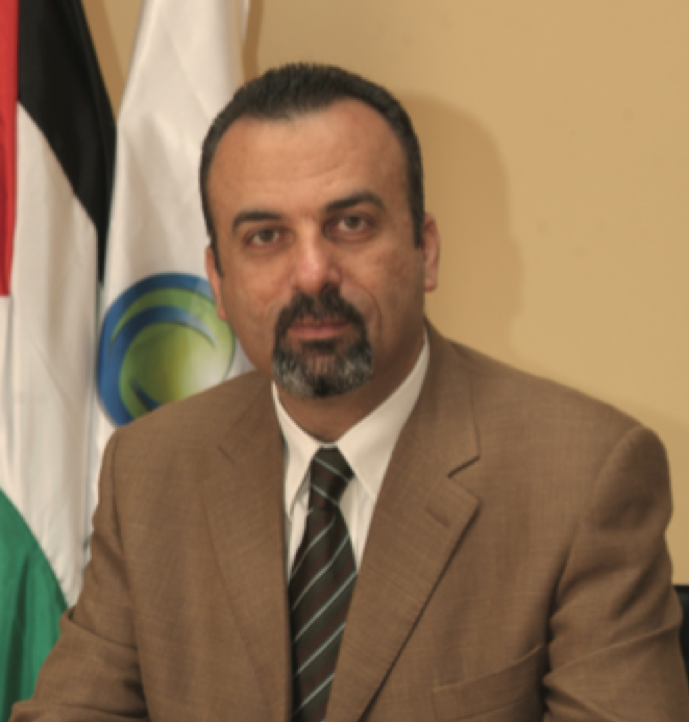
Abdul Malik al-Jaber was the first chairman of the YAL Palestine Country Office when it was founded in 2006, a position he held until 2008. Today he is on YAL’s board of directors. Al-Jaber, who is also the chairman of the board of the Paltel Group, spoke to Executive about the challenges of running an entrepreneurial agency for young people in the Occupied Palestinian Territories.
E How did the YAL – Palestine Chapter start, and when?
Young Arab Leaders – Palestine Chapter was established in July 2006. The members decided to form this branch so that Palestine can become one of the major pillars of this initiative and play the role expected from it by Palestinian and Arab young leaders of the future.
Further, I felt that Palestine needed to be more connected with the Arab world and YAL was the ideal platform. We worked with the YAL leadership in Dubai to place the Palestine Chapter on the map in a fast track approach to ensure that the evolution YAL was witnessing would also touch upon the members in Palestine.
We put forward an ambitious plan and created a well-rounded chapter with different membership disciplines and forged ahead with a lot of commitments and activities toward the grander YAL objectives. Our quick pace and innovative ideas from our members helped remove some of the perception issues some people had about Palestine. I am pleased to say that we managed to integrate fully and often lead with some initiatives for the benefit of the whole YAL community.
I was elected by the Chapter members from 2006 to 2009 as the chairman and I very much enjoyed those pioneering days.
E You mention “perception issues” that some people have about Palestine. What do you mean?
The image of Palestine that all of you are familiar with is one of war, destruction, emergency relief and a people in distress. This reality has been brought upon us due to a long and relentless occupation. Our people have endured under this stress, winning Arab and global sympathy, but the image and reality of Palestine is rich with more substance and even more achievements than one expects.
Palestinians have been able to record many successes in education, telecommunications, capital markets and social entrepreneurship. Unfortunately such milestones are not frequently reported in the media, so the “other side of Palestine” is unfairly unknown.
We at the YAL – Palestine Chapter have pledged to create unity among our members and harness their individual successes and track records into the collective image of a different and true “reality” of Palestine; the reality of hope, of building, of investments and of creativity towards nation building.
E What are some of the particular challenges that ambitious youth in Palestine face?
According to a study conducted on behalf of the United Nations Development Program (UNDP) at the start of this year, more than 80 percent of youth in the West Bank and Gaza Strip have stated that they felt depressed and about 60 percent have stated that they felt insecure. These figures are alarming, but they are not unsurprising. Unemployment rates for youth range from 35 percent in the West Bank to 51 percent in the Gaza Strip, which represents not only a huge amount of lost talent, but also reemphasizes our need to work even harder in harnessing our youth by reaching out to them, and offering them job opportunities and the right training for such positions.
In addition to unemployment and loss of direction, youth in Palestine are finding it increasingly difficult to have access to higher education, mostly due to financial hardship. The college drop-out rate is high and as a chapter we have dedicated our resources to help resolve this issue by creating the Palestine Education Fund, which is a loan and scholarship structure for young people, financed and managed by the private sector.
As leaders in the YAL community, we have to assist Palestinian youth by directing their positive energies into productive results where our programs offer not only opportunity to those who apply, but also a chance to learn and enhance their experiences, background and knowledge in their fields of interest.
E In addition to the education fund, can you describe one or two other initiatives that YAL Palestine is undertaking as part of its operations?
In January 2009, YAL launched the “Bring Gaza Back” campaign. This was undertaken in close cooperation with our chapter and the United Nations Relief and Works Agency (UNRWA), in order to raise money for local youth in the aftermath of the war in Gaza. Since its launch, the campaign has gained speed and YAL has secured encouraging support from a number of individuals and partners. Media companies have been instrumental in helping us create, air and publish our media campaign at no cost, thus making their contributions extremely valuable.
The YAL head office team will soon start the allocation of the funds with UNRWA, to begin the psycho-social rehabilitation of the children and the youth of Gaza.
Another important program is the Palestine International Award for Excellence and Creativity, launched in 2007. This annual event and award is intended to encourage Palestinians to adopt excellence and creativity in their professional and private lives, in order to face the challenges of our modern days and the perils affecting our region and our homeland. The award is aimed at transforming despair into hope, in order to restore the belief in “good deeds,” and show that accomplishment and ambition in Palestinian society do not remain unnoticed, but instead are rewarded and, above all, appreciated by their peers and society.
The award is pioneered by Sabih al-Masri, a leading businessman and philanthropist whose vision and fortitude has reinstated hope among many Palestinians both in his homeland and in the distant diaspora. We are hopeful that through this initiative, the philosophy of the award will become a fact of life in our part of the world and will become a source of inspiration for both institutions and individuals to commit to excellence, good governance, and role modeling in their daily work, life and undertakings.
We believe that this award is a celebration of life, hope and good will, contravening the perception of a Palestine of despair, death and destruction.
E Are there any specific successes that you can point to?
We have sponsored roughly 20 Palestinian students in the various YAL fellowships and programs. Through the Palestine International Award for Excellence and Creativity, we have created a link between Palestine and the greater Arab world, by recognizing Arab leaders in their home countries. The Palestine Chapter was also able to pioneer the relationship between Latin America and the YAL community, through creating a bridge between YAL Dubai and Latin Americans of Palestinian origin.
We have also proactively participated in laying the process for good governance in the chapter and regional elections which took place last year.
