• Donate
  • Our Purpose
  • Contact Us
Executive Magazine
  • ISSUES
    • Current Issue
    • Past issues
  • BUSINESS
  • ECONOMICS & POLICY
  • OPINION
  • SPECIAL REPORTS
  • EXECUTIVE TALKS
  • MOVEMENTS
    • Change the image
    • Cannes lions
    • Transparency & accountability
    • ECONOMIC ROADMAP
    • Say No to Corruption
    • The Lebanon media development initiative
    • LPSN Policy Asks
    • Advocating the preservation of deposits
  • JOIN US
    • Join our movement
    • Attend our events
    • Receive updates
    • Connect with us
  • DONATE
Banking & Finance

For your information

by Executive Editors August 17, 2011
written by Executive Editors

Lebanon’s newest bank receives  BDL approval

Banque du Liban (BDL), Lebanon’s central bank, granted its final approval for the establishment of the country’s newest specialized private bank, Cedrus Invest Bank, after the new enterprise fully covered its $44 million paid-up capital. During Cedrus’s general assembly held in June, Ghassan Ayyash, BDL’s former vice governor, was elected as chairman of the Board Of Directors (BOD), while Fadi Assali and Raed Khoury were appointed general managers of the bank. Other BOD members include Georges Atik, Ghazi Youssef, Ibrahim al-Jammaz and Elias Abou Farhat. Following BDL’s approval, Cedrus Invest Bank’s management issued a statement in which it explained that launching the bank at a time of domestic and regional political and economic distress was a vote of confidence from the bank’s investors and shareholders. The latter include around 30 Lebanese residents and expatriates, as well as investors from the Gulf Cooperation Council  countries. Lebanon’s newest bank aims at creating an office for high net-worth individuals and families alongside its other business lines, which include wealth management, capital markets, asset management and private equity. Cedrus Invest Bank will soon raise its paid-up capital to $50 million due to high demand for its shares, the statement added. The bank aims at expanding beyond the Lebanese market in the foreseeable future and will tap into the Levant region, with a focus on Syria and Iraq, as well as into the Gulf.

Lebanon performs well on The Banker’s list

Nine Lebanese banks ranked amongst the top thousand commercial banks in the world, seven of which improved their rankings since 2010, according to a recent survey by magazine The Banker. Taking into account only the core of a bank’s strength — the shareholders’ equity that is readily available to cover actual or potential losses — the survey ranked the banks based on their 2010 end of year tier one capital as per criteria set by the Bank for International Settlements. Bank of Beirut made the biggest leap among Lebanese institutions, rising by 120 places to reach 663rd while recording a 45.3 percent yearly increase in its tier one capital. Byblos Bank followed, ranking at 448th, jumping 58 places from its standing a year earlier and posting an 8.83 percent rise in its tier one capital-to-assets ratio. Recently acquired Lebanese Canadian Bank ranked 912th, a notable jump of 57 spots from the previous year. Meanwhile, both Bank Audi and BankMed saw their positions fall, dropping by 29 and 21 notches to the 355th and 659th spots, respectively. The aggregate tier one capital of the nine Lebanese banks totaled $8.67 billion by the end of 2010, a 15 percent yearly increase, compared to a 10 percent increase in the top thousand banks’ tier one capital, while their profits-to-tier one capital ratio reached 19.9 percent in 2010, also more than the 13 percent ratio for the top thousand banks.

Premiums land high in MENA rankings

Lebanon ranks first in the Middle East and North Africa (MENA) region and 52nd globally in terms of insurance penetration, or total insurance premiums as a share of gross domestic product (GDP), according to global reinsurer Swiss Re’s latest “World Insurance in 2010” report. Compared to 3.1 percent in 2009, Lebanon’s insurance penetration stood at 2.8 percent of GDP in 2010, above the MENA average of 1.3 percent for the same year, but still below the world average of 6.9 percent. Cover premiums in Lebanon totaled $1.1 billion last year, accounting for 0.02 percent, 0.17 percent and 3.2 percent of global, emerging markets and Middle East and Central Asia premiums, respectively. In terms of nominal premiums, Lebanon dropped two spots on the year before to 66th among 147 global markets, and slipped one place, to sixth, in the Arab world. Also included in Swiss Re’s report were estimations of the average amount spent per capita on insurance premiums, or insurance density, which placed the United Arab Emirates first in the MENA region, at $1,248, followed by Qatar at $619, Bahrain at $527, Oman at $261 and Lebanon at $253.

Cypriot banks’ deposit and debt ratings downgraded

A day after it had downgraded Cyprus’ long-term debt rating from A2 to Baa1, just two notches above junk, international ratings agency Moody slashed the deposit and debt ratings of the two main Cypriot banks, Marfin Popular Bank (MPB) and Bank of Cyprus (BoC), from Baa3/Prime-3 and Baa2/Prime-2, to Ba2/Not Prime and Ba1/Not Prime, respectively. Moody’s said the island’s high level of exposure to Greek Government Bonds (GGB) was the primary reason behind its ratings announcement, as it considered all rated Cypriot banks likely to take part in the Greek debt exchange.  MPB and BoC exposure to GGB is $4.9 billion and $3.5 billion, respectively, according to the European Banking Authority, constituting 95 percent and 55 percent of their tier one capitals, respectively.

Lebanon still a draw for FDI

Among 18 Arab countries, Lebanon was the fourth major foreign direct investment (FDI) recipient in nominal terms and posted the fifth highest FDI growth rate for the year 2010, according to figures released by the Arab Investment and Export and Guarantee Corporation (AIEGC) last month. Lebanon attracted $4.96 billion of FDI in 2010, a 3.2 percent rise from $4.8 billion a year earlier, making it one of five Arab countries to have witnessed an increase in FDI last year, in contrast with a 23.4 percent yearly decrease in aggregate FDI to Arab economies in 2010. Lebanon ranked highest in the Arab world in terms of FDI inflows as a percentage of gross domestic product (GDP), which stood at 12 percent, followed by Jordan at 6.2 percent, Sudan at 5.4 percent and Qatar at 5.1 percent in 2010. Lebanon’s FDI inflows accounted for 7.7 percent and 8.7 percent of total inflows to Arab countries and to West Asia, respectively, and for 0.44 percent of global FDI in 2010, which increased by 0.7 percent for the same year.

Foreign currency flight from Syria exaggerated

Many an eyebrow was raised at the end of June when The Economist cited that an estimated $20 billion had left Syria since protests began to sweep the country in March. “There is obviously capital flight, but it is impossible that $20 billion left the country,” said Jihad Yazigi, editor of the economic newsletter Syria Report. With the World Bank pegging Syria’s overall economy as worth $52 billion at the end of 2010, and total deposits in private and state banks close to $30 billion, such capital outflows would have disemboweled the country’s finances. “The $20 billion figure is ridiculous, as the deposits of private banks are $11 billion and the deposit base of the whole banking system is $29.8 billion,” Freddie Baz, chief financial officer at Bank Audi, told Executive. “Estimates range between a 15 percent to an 18 percent drop in the deposit base of private banks, so there has been a decline of around $2 billion.” Lebanon’s Bank Audi, which operates Bank Audi Syria, is the second largest private bank in Syria with some 18 branches. However, in an effort to contain foreign currency deposit flight and alleviate pressure on the Syrian pound, the Central Bank of Syria (CBS) issued in early July a set of rules to implement new measures it had announced in May to control foreign currency purchase and withdrawal transactions. The measures include authorizing Syrians to open savings accounts in US dollars and Euros up and equivalent to $120,000, granted the amount is blocked for a minimum of six months, while also allowing foreign currency purchases of up to $60,000 for accounts with a minimum six-month maturity, with the maturity extended by one month for every additional $10,000 purchased. CBS governor, Adib Malayeh, said they had closed about 30 foreign exchange bureaus suspected of conducting illegal operations, with reports of the Syrian pound having been traded at between 10 and 15 percent lower than its official exchange rate. Malayeh said the Syrian pound was still rock solid despite the political unrest, with bank deposits up 4 percent for the second quarter of 2011 relative to the first.

Lebanese banks receive a Moody downgrade

Lebanon’s top four alpha banks, Bank Audi, BLOM Bank, Bank of Beirut and Byblos Bank saw their standalone Bank Financial Strength Ratings (BFSR) and Global-Local Currency (GLC) deposit ratings downgraded by Moody’s Investors Service. On July 19, Moody’s cut all four banks’ BFSRs and GLC deposit ratings to D- and Ba3, respectively, from a previous stable rating. It also reduced Byblos Bank’s B1 subordinated debt to negative. The international ratings agency mentioned the slowdown in the Lebanese economy and political tension, along with instability in neighboring Syria, as factors for increased domestic credit risk and weakened asset quality and profitability for rated banks. Both Bank Audi and BLOM Bank’s extensive operations in Syria suggest a great deal of material exposures to the country, which Moody’s estimated ranged from 70 to 125 percent of the banks’ tier one capital at the end of 2010. Moody’s ratings announcements also raised concerns over the four banks’ exposure to sovereign risk due to their low-rated Lebanese government securities portfolios, which equal several times their tier one capital levels and reflects the banks’ continuous funding of Lebanese public debt. By contrast, Moody’s said the banks’ long-term foreign currency deposit ratings remained unchanged, as those deposits are capped by Lebanon’s B1 ceiling. Lebanese bankers downplayed public concerns in response to the ratings announcement, asserting that Lebanon’s financial institutions have enough liquidity to overcome what is a temporary situation.
August 17, 2011 0 comments
0 FacebookTwitterPinterestEmail
Feature

Portraits of freedom

by Executive Editors August 17, 2011
written by Executive Editors

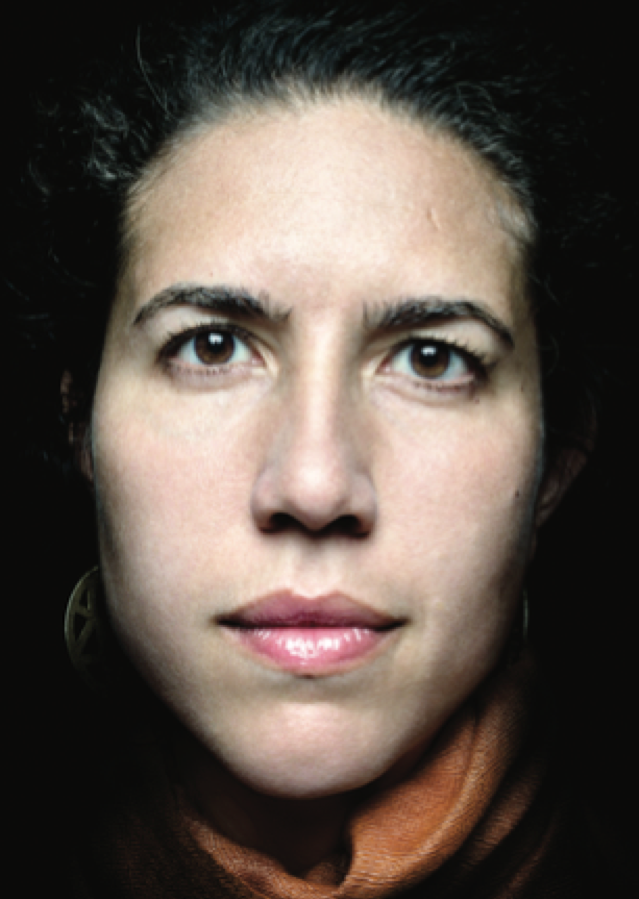
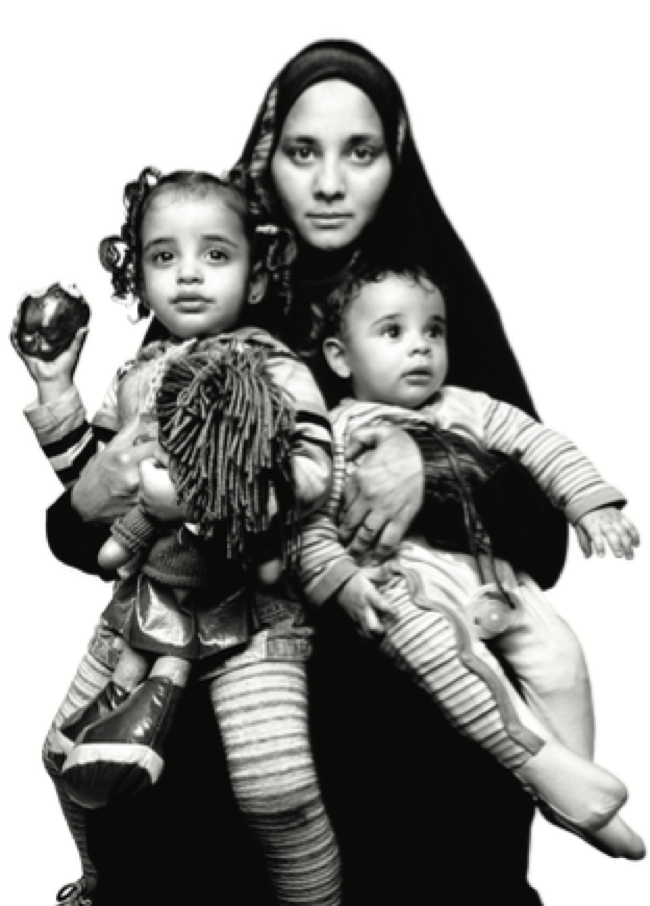
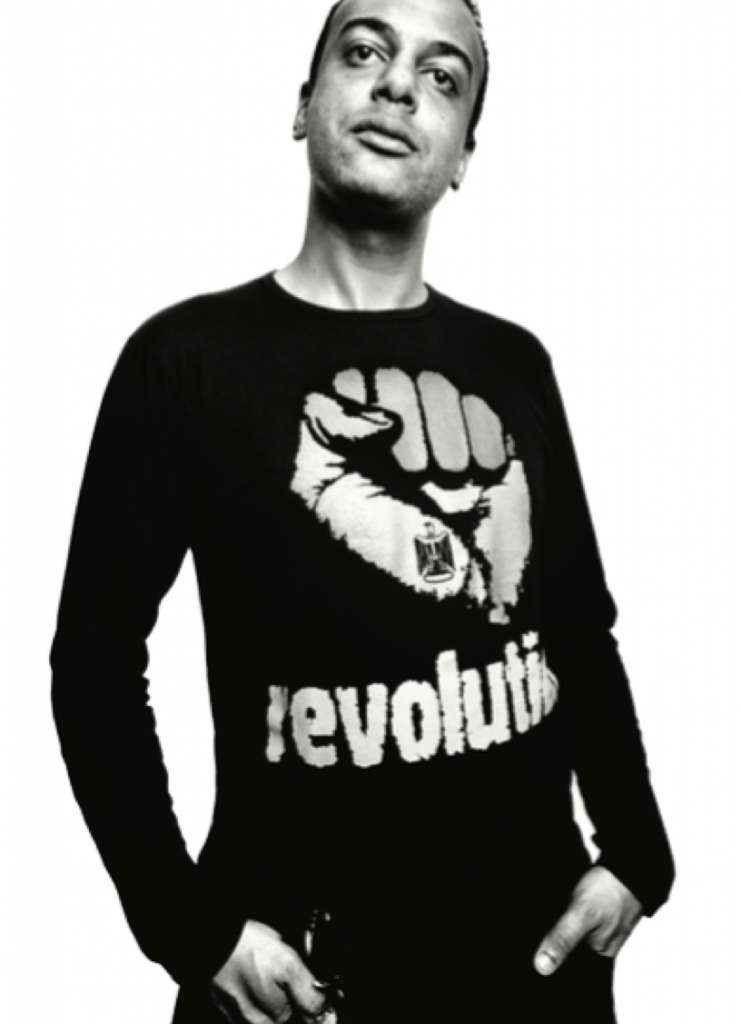
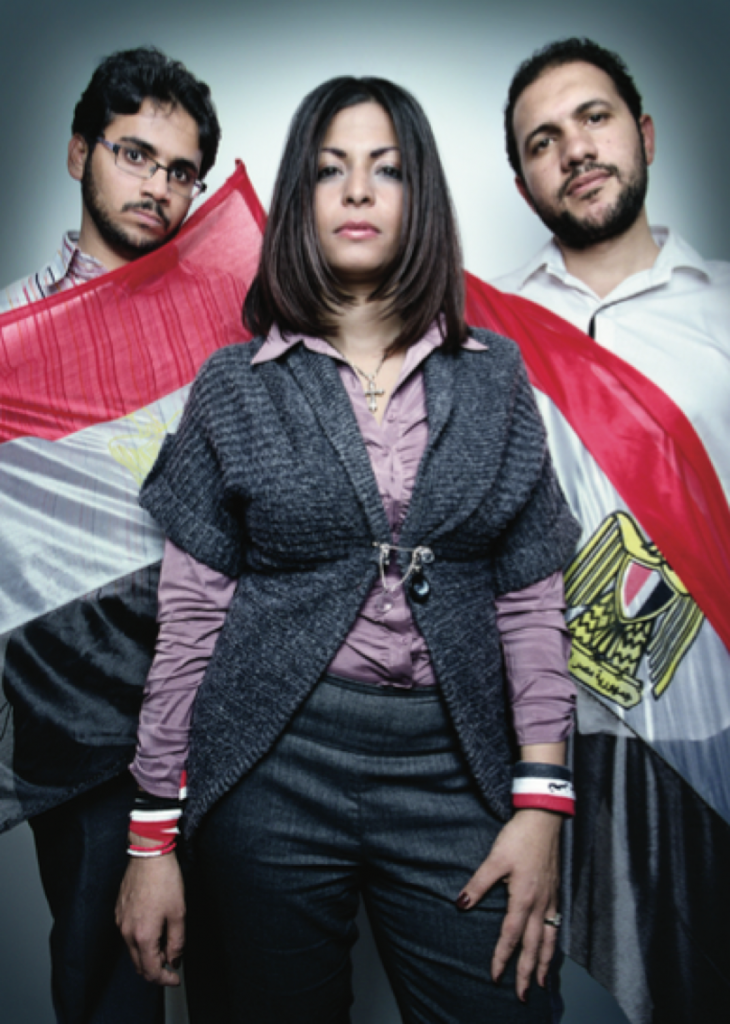
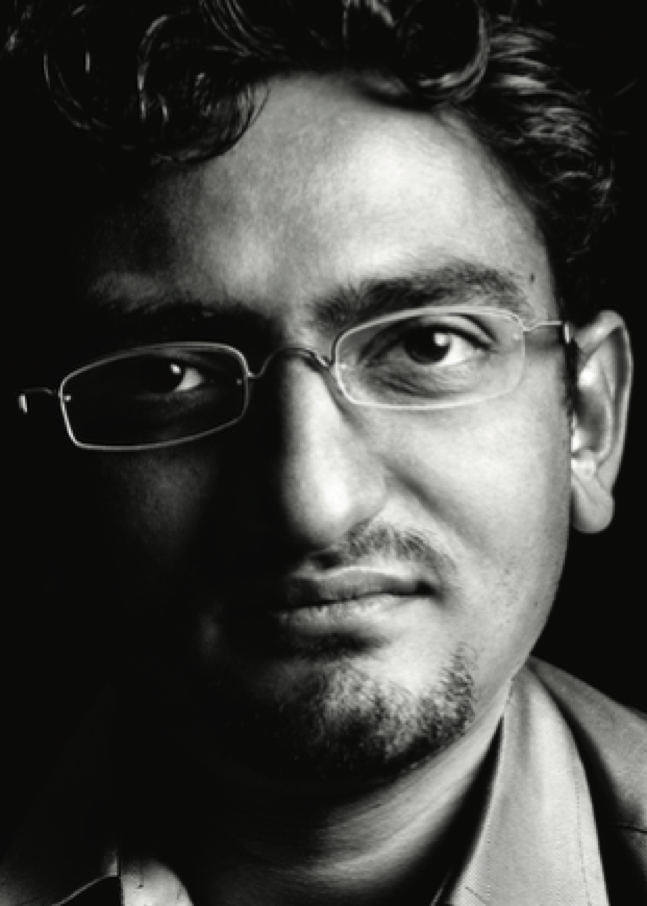
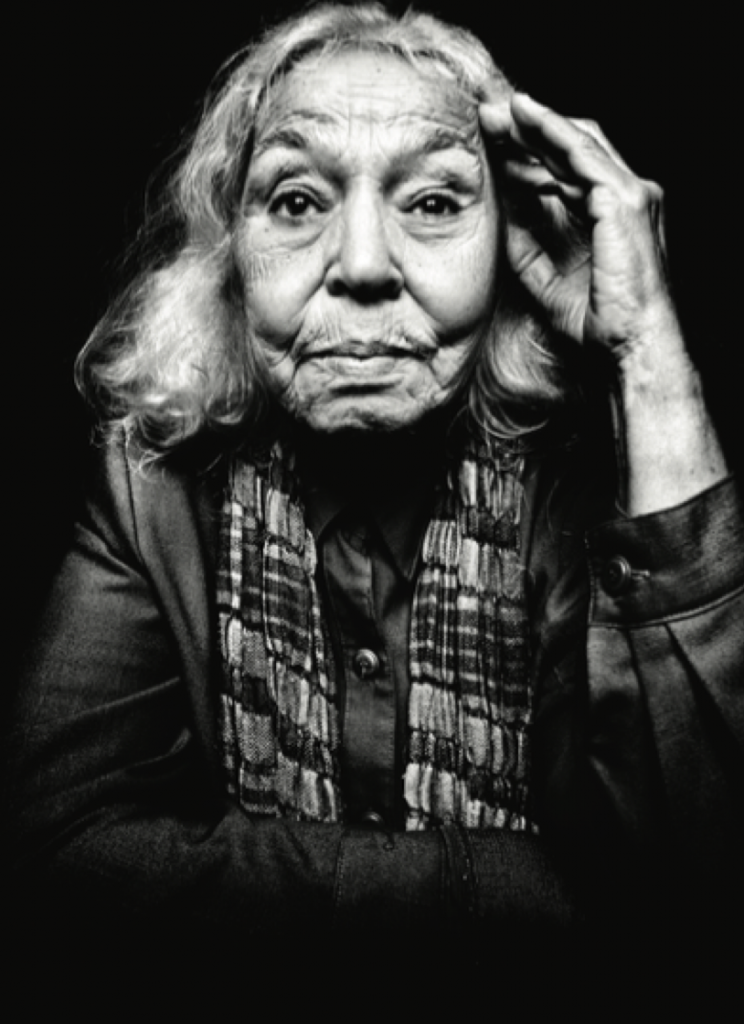
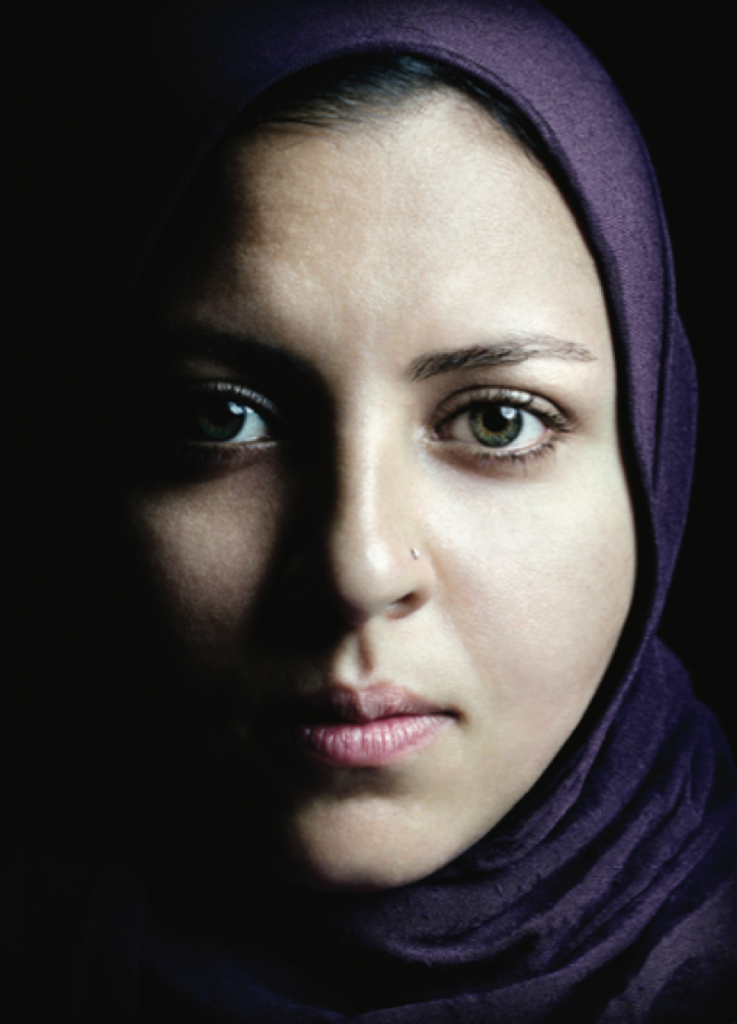
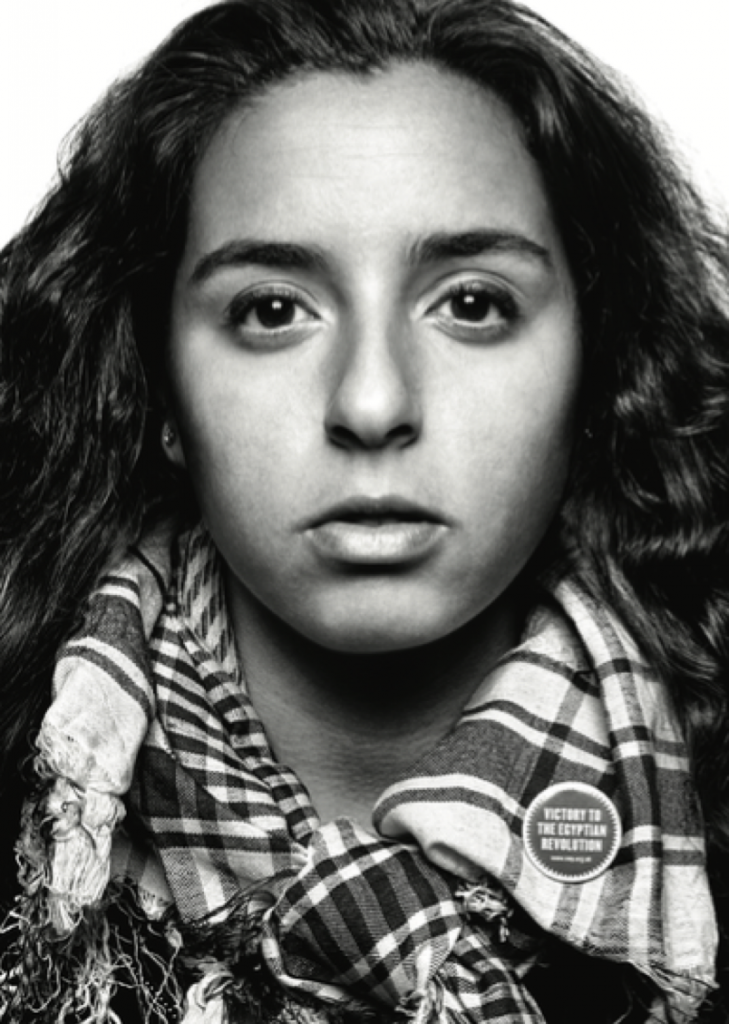
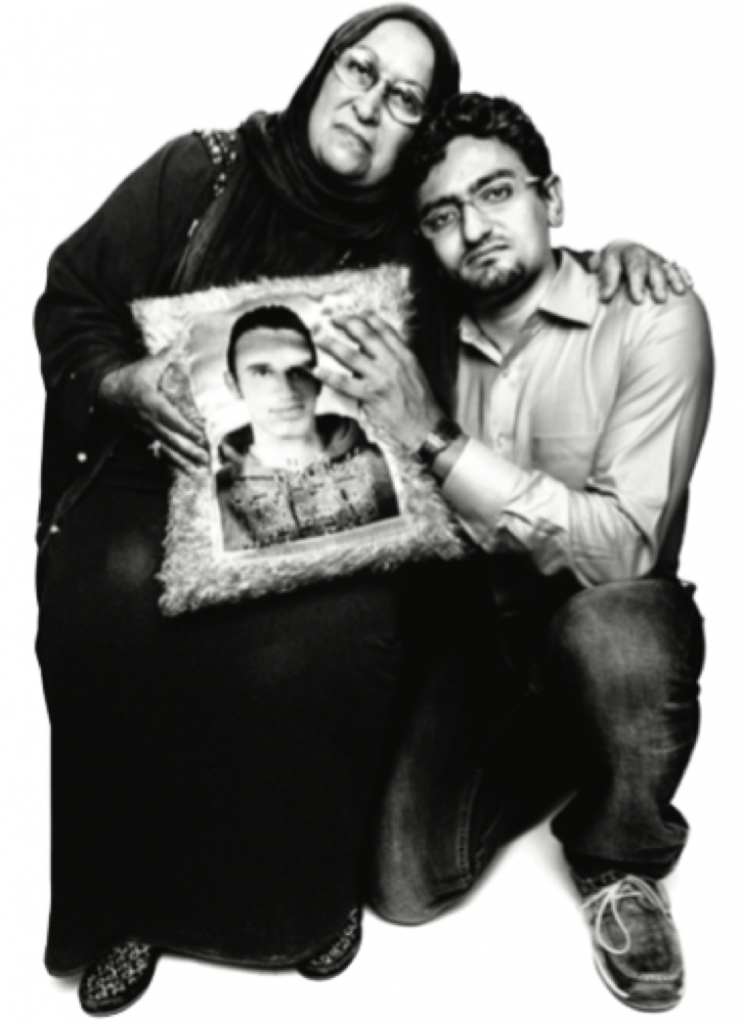
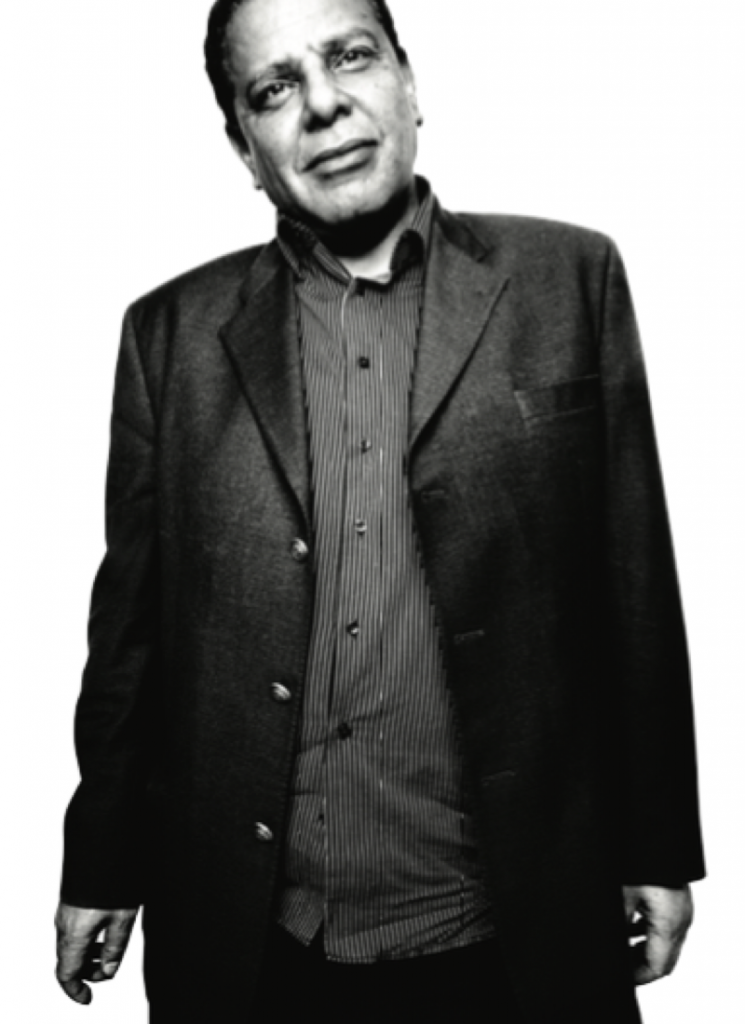
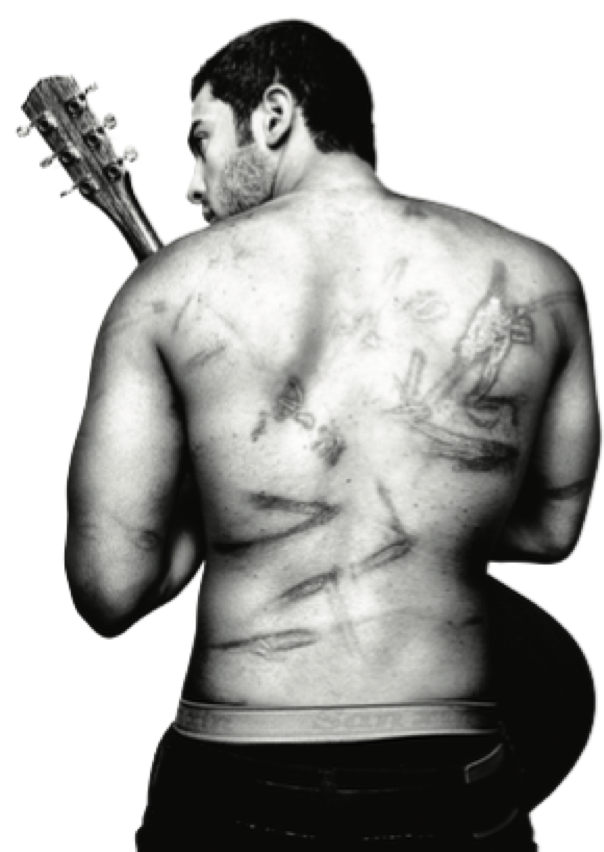
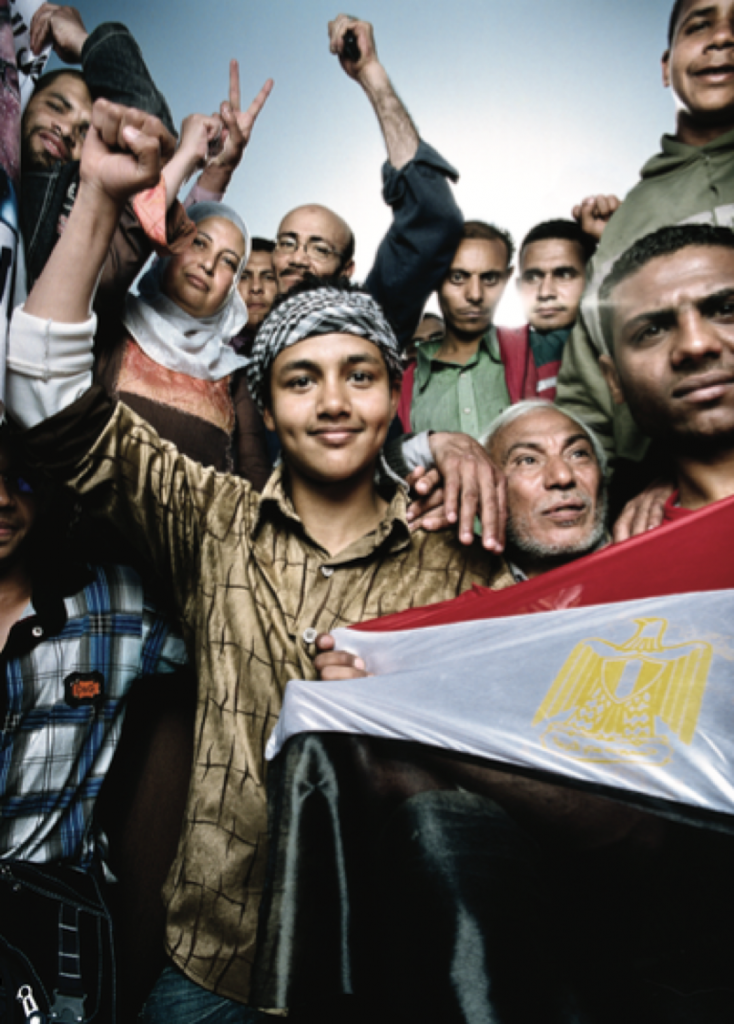
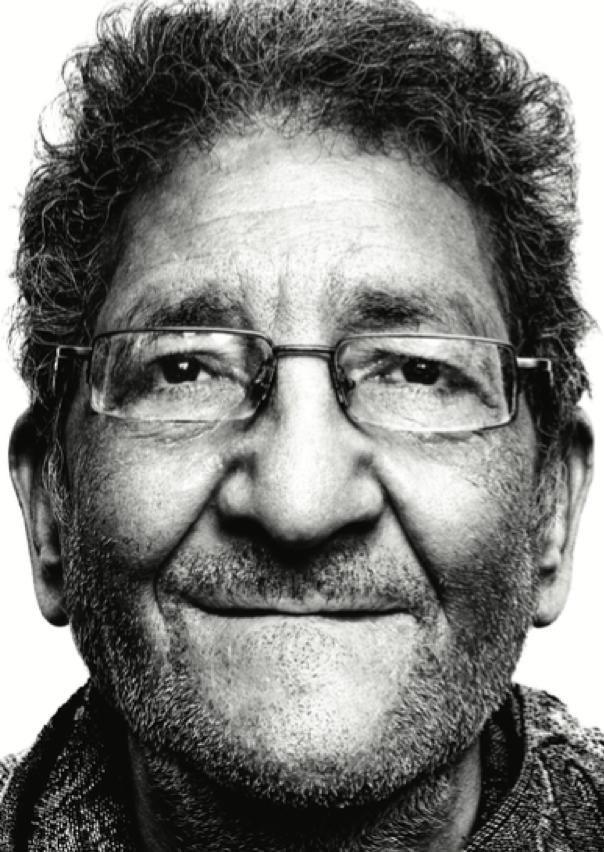
Images from Cairo’s Tahrir Square have become iconic symbols of the struggle against oppression and have helped inspire the fight for human rights across the Middle East and beyond; But many goals of the Egyptian Revolution are yet to be fulfilled. Repressive laws remain in place, the military continues to detain its critics and prosecute them in military courts and the torturers of the old regime have gone unpunished, prompting thousands to return to the streets to demand greater reforms. For a look at some of the Egyptians who helped begin the process of change in their country, Executive presents in the following pages portraits of men and women from all walks of life who joined the movement to end Hosni Mubarak’s 30 years of repressive rule. All photos taken by Platon in April 2011, commissioned by Human Rights Watch.

1) April 1, 2011: Egyptians return to Tahrir Square in Cairo for a rally to “save the revolution” and protect their right to demonstrate.

2) Ahmed Seif al-Islam, 60, is a veteran Egyptian lawyer, activist and former political prisoner and founder of the Hisham Mubarak Law Centre, which since 2008 has been the leading Egyptian NGO providing legal assistance to protesters.

3) Heba Morayef, the Cairo-based researcher for Human Rights Watch, covering Egypt. In the middle of the demonstrations and violence during the Tahrir protests, Morayef visited hospitals and morgues to document the civilian death toll from government attacks and sniper fire. 

4) Sama Lotfy, 2, Neama el-Sayed, 26, Yassin Lotfy, six months, the children and widow of a protester killed by Egyptian security forces during the Tahrir Square demonstrations.

5) Hossam Bahgat, 31, is the director of the Egyptian Initiative for Personal Rights, which he founded in 2002. He has long played a prominent role in exposing human rights violations in Egypt, including the government’s failure to prosecute sectarian violence against Coptic Christians.

6) Muslim-Christian unity youth organizers, from left to right: Moaz Abdel Kareem, 28, from the youth wing of the Muslim Brotherhood and a participant in the Tahrir Square protests. Sally Moore, 33, psychiatrist, feminist and Coptic Christian youth leader. Mohammed Abbas, 26, a member of the Muslim Brotherhood’s youth movement and a leader in Tahrir Square who worked with secular counterparts and the April 6 movement in planning protests. Mohammad Abbas and Sally Moore drafted a “birth certificate of a free Egypt” shortly after Mubarak’s resignation.

7) Wael Ghonim, 30, the Google regional marketing executive who administered the “We are all Khaled Said” Facebook page after the young Alexandria man’s brutal killing by police. Ghonim’s passionate appearance on Egyptian television after being detained for 12 days by the security police helped energize the protest movement.

8) Nawal el-Saadawi, 80, an Egyptian writer, veteran women’s rights advocate, psychiatrist and author of more than 40 fiction and non-fiction books, many of which address the persecution of Arab women. Saadawi’s decades-long struggle for women’s rights and against female genital mutilation helped pave the way for the adoption of a historic 2008 law that banned the practice in Egypt.

9) Sondos Shabayek, 25, a writer for independent Egyptian newspapers and magazines and a “citizen journalist” who participated in and tweeted the story of the Tahrir Square protests.

10) Sarrah Abdel Rahman, 23, a social medi activist who reported from Tahrir Square with her popular “sarrahsworld” YouTube commentaries.

11) Laila Said, the mother of 28-year-old Khaled Said, with influential Egyptian activist Wael Ghonim. Speaking out about the torture and murder of her son by Egyptian police in June 2010, Laila became known as the “Mother of Egypt” and as an emblem of the consequences of endemic police torture and impunity.

12) Alaa al-Aswany, an Egyptian writer born in 1957 and author of acclaimed novel The Yacoubian Building. He was a founding member of the political opposition movement Kefaya (“Enough”).

13) Ramy Essam, 23, a charismatic singer, guitarist and songwriter who  became famous during the Tahrir Square protests as “The Singer of the Square”, was detained and tortured by the Egyptian military after  President Hosni Mubarak fell.

August 17, 2011 0 comments
0 FacebookTwitterPinterestEmail
Editorial

One pillar is not stability

by Yasser Akkaoui August 17, 2011
written by Yasser Akkaoui

If Riad Salameh were no longer driving the bus that is Lebanon’s economy, many of us would feel differently about being on it. Faith in the lira, confidence in the sanctity of our savings and a belief, if fragile, that Lebanon can withstand internal and external economic shocks are thanks to him. But as we breathe a sigh of relief at his re-appointment to a fourth term as governor of the Banque du Liban (BDL), Lebanon’s central bank, we must also look at the precedent being set: It is true that through times of siege from without and sabotage from within he has kept us from tumbling off the road to prosperity… But nothing gold can stay.

It is no coincidence that the banks have kept Lebanon’s economy (relatively) on course during Salameh’s tenure. In fact it is no less than obvious; a well-tended garden makes for better flowers. If other ministries took their cue from the BDL, they too might discover the wondrous results diligence, conservatism and foresight can produce.

 Manufacturing, industry, agriculture — long neglected by the state as unviable oddities in Lebanon’s gross domestic product — are precisely the sectors in need of investment to help broaden the foundation upon which our prosperity is based.

As it takes many pillars to support a temple, the government must give the Lebanese a reason to believe that this varied and vibrant country can have a varied and vibrant economy.  

August 17, 2011 0 comments
0 FacebookTwitterPinterestEmail
Economics & Policy

Q&A with Vrej Sabounjian, New Minster

by Executive Staff August 14, 2011
written by Executive Staff

Vrej Sabounjian, Lebanon’s new Minster of Industry discusses his strategies for the sector

August 14, 2011 0 comments
0 FacebookTwitterPinterestEmail
Economics & Policy

Lebanese industry – Rising from the flames

by Executive Staff August 11, 2011
written by Executive Staff

Executive Magazine assesses the state of Lebanon’s industrial sector five years after it was devastated by Israeli bombardments in the 2006 war

August 11, 2011 0 comments
0 FacebookTwitterPinterestEmail
Comment

Paying for the revolution

by Paul Cochrane August 3, 2011
written by Paul Cochrane

“Freedom ain’t free” is a commonly used idiom in the United States. Somewhat jingoistic and trite it may be — certainly when used to justify a militaristic US foreign policy — there is still much truth to the expression.

The uprisings in the Arab world this year have certainly not come gratis. Many have paid the ultimate price — death — and the economic losses have been staggering. In post-revolutionary countries, economics has become a major focal point and it was arguably lop-sided economic development as much as political repression that sparked the uprisings in the first place, from Tunisia to Egypt and Bahrain, to Yemen and Syria.  One of the economic factors that contributed to the uprisings and is a cause of much inequality throughout the developing world is capital flight, and while governments may have, to varying degrees, limited ability to stop legitimate investors from pulling up stakes,an area of enforcement where regional authorities have been lax is in stymieing the illicit flow of capital out of their countries. Between 2000 and 2008, according to Global Financial Integrity (GFI) research published this year, illegal capital outflows from the Middle East and North Africa (MENA) grew 24.3 percent, far ahead of any other region on earth.

Illicit capital flight refers to funds derived from corruption, money laundering, commercial tax avoidance and trade mispricing, where deals are made for transactions to end up in offshore havens to avoid being taxed. As a result, cash that could have stayed in the country of origin ends up elsewhere, leaving less capital to finance development.  From 1970 to 2008, some $70.5 billion flowed out of Egypt, $25 billion out of Morocco and $25.7 billion out of Algeria. In Egypt, GFI estimates an average of $2.54 billion flowed out of the country each year through illicit trade mis-pricing alone. Tack on corruption and crime, and the figure is a whopping $6.36 billion a year that was not available to the Egyptian financial system and economy. Notably, as Egypt’s gross domestic product spiked and the economy grew in the late 2000s, illicit outflows increased by leaps and bounds, meaning real economic growth was essentially two steps forward, one step back. In 2006, illicit outflows reached $13 billion, $13.6 billion in 2007, and as the global financial crisis hit in 2008, $7.4 billion. Ousted President Hosni Mubarak and his family siphoned off billions from the Egyptian economy, but Egyptian financial elites also helped to hobble the country’s development through illicit outflows. 

Addressing illicit capital flight is a concern for which revolutionaries should fight if the people are to improve their economic future. The problem right now, however, is that with the instability in the MENA, legitimate investors are also pulling their capital out of the region at worrying rates. Jordanian Finance Minister Mohammad Abu Hammour recently said at a meeting of the Union of Arab Bankers that capital flight in the Arab world is estimated at some $500 million a week. Unless such outflows are curbed, the capital needed to invest in post-revolutionary countries will be wanting.

Desperate for cash, these countries will either have to be beholden to donors, or to the conditionalities imposed by global financial institutions such as the World Bank and International Monetary Fund to stay afloat. In Egypt, with the government’s hard currency reserves reportedly plunging from $36 billion in February to $25 billion in May, some analysts warned that the country could be as bankrupt as Greece by the end of the year.

How to tackle this is tricky. Capital is transferred at the click of a button. Some $1 trillion in illicit inflows enters the Western financial system every year — with an estimated 20 percent to the US — and billions go to offshore havens. Tough withdrawal measures by post-revolution countries may help, but this is both heavy-handed and against the principles offree trade. With an estimated 65 percent of illicit outflows in the form of commercial tax avoidance, ensuring greater transparency by companies and elites in paying tax is a more feasible solution.

In tallying the expense of what it has taken for the MENA region to reach this turning point in history, what must not be overlooked is that those who have a responsibility to help cover the costs should be made to do just that.  After all, democracy must be paid for.

PAUL COCHRANE is the Middle East correspondent for International News Services

August 3, 2011 0 comments
0 FacebookTwitterPinterestEmail
Comment

Tempest broils across the Gulf

by Gareth Smith August 3, 2011
written by Gareth Smith

Saudi Arabia overtook Israel as Washington’s largest purchaser of arms in 2009 and their demand shows little sign of abating. Riyadh-Tehran relations are at their worst since the Saudis were funding Saddam Hussein’s legions to mow down Iranian infantry in the 1980s.

The more recent escalation in tensions can be traced back to the election of Mahmoud Ahmadinejad in 2005, which tilted Tehran away from the pragmatic foreign policy of presidents Akbar Hashemi Rafsanjani and Mohammad Khatami. President Ahmadinejad’s notion of an assertive Iran, and his trenchant criticism of Israel and the United States, struck an unsettling chord around much of the Islamic world and his invocations of the 12th Imam projected an evangelical Shia’ism which the Saudis detested.

But even if Iran’s supreme leader, Ayatollah Ali Khamenei, continues in his efforts to restrict the president it is unlikely there will be any kind of rapprochement with Riyadh any time soon. The leader’s disquiet with Ahmadinejad derives more from his management of government and choice of advisors than from his role in foreign policy.

Saudi-Iranian tensions were further strained by the 2003 US-led invasion of Iraq, which replaced a Sunni-led regime with one whose leaders are Shia and allies of Tehran. Iraq’s drift into communal strife further enflamed Saudi’s sectarian sensibilities.

For years, pragmatic heads prevailed. Following the 2005 assassination of Rafik Hariri and even Hezbollah’s military assertion of power over Beirut in 2008, mediation efforts led by Qatar and Turkey were met with a shared sense in Riyadh and Tehran that escalating violence in Lebanon was in neither’s interests.

But a stalemate in international talks over Iran’s nuclear program fueled Saudi belligerence. By April 2008, according to US diplomatic cables released by Wikileaks, the Saudi ambassador in Washington relayed a plea from King Abdullah that America “cut off the head of the snake”, and last summer The Times newspaper in London reported the Saudis had practiced standing down their air defenses in a test-run for giving Israeli war planes a clear path to Iran’s nuclear facilities. And then came the Arab Spring, whose fires of revolt reached Bahrain, prompting Saudi intervention in February to defend a Sunni monarchy from a Shia majority.

In Syria at least the Saudis see favorable currents in the maelstrom of reform. Change in Damascus could upset relations with Tehran, severing its main logistical link to Hezbollah. Suddenly, there is the prospect of a Sunni-led Syria to counterbalance the Shia dominion in Baghdad.

Prince Turki al-Faisal, the former Saudi intelligence chief and ambassador, revealed in June a clear, if deniable, outline of the ruling family’s thinking when he said Iran was “very vulnerable in the oil sector”, while “more could be done to squeeze the current government”, as a reduction in oil revenues would cripple Tehran’s finances. He  also spoke of Saudi Arabia developing nuclear weapons should Iran do so.

To Saudi chagrin, Iraq has sided with Iran at the Organization of Petroleum Exporting Countries, resisting Riyadh’s efforts to agree to higher quotas to lower prices. Riyadh has also reportedly discussed with Washington increasing its crude supplies to China as a way to lure Beijing into reducing its investment in Iran’s energy sector. It is a high risk strategy and may enflame the situation with no tangible benefit.

Despite increased sanctions the International Monetary Fund reported economic growth in Iran at 3.5 percent in 2009/10 (up from an earlier estimate of 0.1 percent). Further, according to the British Petroleum “Statistical Review of World Energy”, Iran increased production of oil and natural gas in 2010 by 0.9 percent and 5.6 percent, respectively, despite sanctions targeting investment in Iranian energy.

Iran remains resilient and has seen some improvements in its relations with Pakistan and Afghanistan, where US influence is waning. In June Iran’s military commanders declared themselves pleased with the tests of new, medium-range missiles — and the growing Saudi weapons arsenal will no doub tincite Tehran to further reenforce its armament program.

Gareth Smyth has reported from around the Middle East for almost two decades and was formerly the Financial Times correspondent in Tehran

August 3, 2011 0 comments
0 FacebookTwitterPinterestEmail
Comment

Israel’s eroding democracy

by Peter Speetjens August 3, 2011
written by Peter Speetjens

One of the inherent ironies of a proper democracy is that a parliamentary majority can vote to temper or even topple the tenets upon which a country’s democratic qualities are founded. In that sense, no one can disagree that Israel is a true democracy.

On July 11, the Knesset passed a Boycott Law, which penalizes any Israeli citizen who dares call for or endorse an economic, cultural or academic boycott of the country as a whole or “areas under its control.” Approved by a 47-to-38 vote, the law allows companies and institutions targeted by such a call or endorsement to seek damages. It furthermore stipulates that an individual or company calling for a boycott will no longer be eligible to bid in government tenders. It remains to be seen if the law will stand when applied in court, as it has been protested as a violation of Israel’s constitutional right of free speech. It seems the law will face such a legal test sooner rather than later, as Aryeh Eldad of the National Union party has already filed a complaint against Dror Morag and other members of the left-leaning Meretz party, after they called for the labeling of products made in Israeli settlements.

The law has come under intense scrutiny in Israel and abroad, including in the United States. The New York Times slammed the law as “not befitting a democracy.” Even the Anti-Defamation League, one of the pillars of the Israeli Lobby, which has always proudly opposed any calls for a boycott of Israel, defined the law as “an unnecessary impingement of Israelis’ basic democratic right to freedom of speech.”

Ironically, the US itself in 1977 passed legislation in response to the Arab Boycott of Israel, which prohibits American taxpayers from taking action in support of an unsanctioned foreign boycott against a friendly state. When in recent years a potential boycott of Israel was discussed at American university campuses, pro-Israel elements keenly reminded people of the existence of the little known “Office of Anti-boycott Compliance” within the Department of Commerce.

Meanwhile, Israel’s ruling coalition of right-wing nationalist and religious parties happily ignored the wave of criticism and perceived the passing of the law as a green light to revive an older and equally controversial initiative: The launch of a parliamentary inquiry into the foreign funding of Israeli human rights organizations. Pushed by Foreign Minister Avigdor Lieberman and Likud Member of Parliament (MP) Danny Danon, it aims to tackle Israeli organizations that, according to them, work against the interests of the country.

Initiatives such as these illustrate not only Israel’s increasing schism with its own democratic principles, but also a shift away from the prospect of a negotiated peace with the Palestinians and Arab states. On the right there is the growing number of Jewish fundamentalists who, with a metaphorical Torah in one hand and an Uzi in the other, claim that the West Bank is an integral part of Israel, as God once upon a very long time ago gave Judea and Samaria to the Jews. On the left there are the secular, liberal segments of Israeli society, willing to comply with international law and cede the occupied territories in exchange for a peace deal, but they have largely been cowed into obscurity over the last decade or so as the right and far right have seized the initiative, dominated Israeli politics and set the social agenda, and this momentum shows no signs of slowing.

In an interview with Robert Fisk, the late Yeshayahu Leibowitz (1903-1994), one of Israel’s greatest 20th century thinkers, sketched a doom scenario for the country if the occupation of the West Bank were allowed to continue. “Two consequences are unavoidable,” he said. “Internally, the state of Israel will become a full-fledged fascist state with concentration camps not only for Arabs but even for Jews like me. Externally, we will have a war till the finish against the Arabs, with the sympathy of the entire world on the Arab side. This catastrophe can be avoided only by partition.”  At that time, his words were hardly taken seriously. Yet today, seeing the actions of the religious right and extremist hotheads such as Lieberman, one must wonder if we are not peering over the precipice of a very slippery slope.

PETER SPEETJENS is a Beirut-based journalist

August 3, 2011 0 comments
0 FacebookTwitterPinterestEmail
Finance

Funding the summer’s frivolities

by Vanessa Khalil August 3, 2011
written by Vanessa Khalil

Eager to turn the page on money laundering scandals and rumors that hounded the industry at the beginning of 2011, Lebanese banks have gone on a summer retail advertising binge. From the refurbished and repackaged classic loans to the downright quirky new ones, Lebanon’s summer banking products are certainly putting on display the country’s on-credit conspicuous consumption.

Loan innovation

In 2004, Byblos Bank made the first move away from classic retail loans [housing, car and personal loans] when it introduced both wedding and travel loans. “The big wedding trend took off in 2000, and people started spending more on event planners, large venues, caterers and such. They were in need of huge budgets,” says Georgina Eid Dinar, head of group consumer loans at Byblos Bank. The bank’s $15,000 wedding loan ceiling far from covers lavish ceremonies, but Dinar says accompanying benefits, such as zero percent file and insurance fees outside the monthly installments, a three-month grace period and a slightly discounted interest rate — around 1 percent less than the regular personal loan — add value to an otherwise common personal loan.

Ronald Zirka, head of marketing and retail divisions at Banque Libano-Francaise (BLF), says the bank’s wedding package is the newest addition to an extensive retail product line, part of BLF’s somewhat recent strategy to divest from corporate banking and go into more consumer lending. “In 2009, we decided we wanted to dig into retail because we wanted to diversify the risk. We wanted equilibrium between corporate, small-to-medium enterprises and consumer loans,” he says. BLF’s wedding package offers a preferential interest rate of 9.99 percent on the wedding loan, compared to 13 percent for the usual personal loan, with the installments spread over a range of 18 to 24 months. Zirka says the package offers instant cash collateral to the bank. “We usually advise the customer to place the wedding list against the loan. That way no money will be spent nor lost. And if they do that they can go up to five years [for the reimbursement period], because we will have secured our guarantee.”

For Dinar, plush honeymoons that followed big weddings called for having a travel loan on the side. “At the time [2004], trip organizers and travel agencies started arranging for cruises and small trips. We went through the travel agencies and came up with packages for the [travel loan],” she says. There are currently seven banks that offer a travel loan in Lebanon, most of which allow for some sort of grace period and generally restrict the repayment time frame to a year. The rationale behind these terms and conditions, according to BLF’s Zirka, is that customers who take out a travel loan will usually want to settle it over a period of nine to twelvemonths, but need some breathing time first.

“It will be two to three weeks of vacation, and when they come back they will have spent a considerable sum of money. All in all, that is around a month and a half of no productivity. So we gave them a two-month grace period,” he says. Interest rates on these loans, however, are either generally the same as those on classic personal loans or cleverly embedded in extra charges. “The travel loan is at a zero percent interest rate and it is a true zero percent,” says Byblos’ Dinar, adding that customers are only charged a file fee, which adds up to 5 percent of the total loan amount.

With the exception of a one-year repayment period, Bank of Beirut’s “Safar” [travel] loan is no different from the bank’s personal loan, ranging between $500 and $15,000, and offering around a 7 percent interest rate on the total amount. 

Outside impetus

Mira Raham, head of sales and marketing units at Credit Bank, says the push for travel loans was initiated some 15 years ago by travel agencies and cruise organizers to facilitate deals with their own customers. “The travel agency cannot install to the customer because after all, it’s not a bank,” she says.

BLF’s Zirka agrees that targeted retail products have helped bring suppliers and banks closer together to service both sides’ clients, which particularly benefited home appliance and electronics retailers. It was back in1999 that Bank Audi launched the first ever personal computer (PC) loan in Lebanon. Soon after, others followed. “We implemented our consumer/PC loans about three years ago. We have the lion’s share in this market,” says George Aouad, head of the retail banking division at Bank of Beirut. While the bank’s consumer/PC loan doesn’t diverge a great deal from their personal loan in settlement terms, Aouad says the interest rate on such a loan can fluctuate depending on the risk associated with certain appliance and high-tech retailers and distributors. “When I have the personal guarantee of the retailer the rate could be lower. That’s why we apply sometimes between 5.5 and 6 percent[interest rate]. But it’s usually 7 percent,” he says.

Credit Bank’s Raham says that it is the bank’s own clients that have paved the way for loans such as those for furniture and home appliances. “Many of our clients own galleries, furniture and home appliance stores. So we capitalize on that and try to cross-sell the banks’ products with those of our client-suppliers,” she says. BLF is slated to add an appliance loan to its current retail portfolio, but had previously introduced an iPad loan for a limited time in the summer of 2010, and plans to repeat this for theiPad2 soon. “We went into the iPad loan because it was a partnership with L’Orient Le Jour. The customer got a two-year print and iPad application subscription to L’Orient Le Jour along with the tablet itself,” says Zirka.

Home sweet home

But while travel, wedding and appliance loans could well be considered marketing ploys and gadgetized versions of the personal loan, it is summer housing loans, particularly those that target Lebanese expatriates, that largely prop up the season’s lending activity. “Housing loans are most demanded in summer because the expats come to Lebanon during that time, apply [for loans] and do their paperwork,” says Dinar, adding that Byblos Bank’s expat housing loan offers vary from the regular housing loan in services and conditions rather than in payment terms. “There is no difference in amounts, or down payments. The focus is the service [of availability] because some banks do not lend to non-residents,” she says.

But Zirka says that expatriates bring in higher incomes as well as more risk, both of which should be taken into account when lending to this particular segment. BLF’s expat housing loan requires a minimum 25 percent down payment of the house’s total value, compared to 15 percent asked of residents. “Expats make and spend much more money [than residents], especially during summer time. Every time they come to Lebanon they spend most of the money they put aside,” he says. “That’s why we finance a little bit less in terms of percentage out of the loan amount requested. The down payment is a bit greater than the one requested of residents,” says Aouad. 

What’s in a name?

When asked about the need for banking products that can be easily replaced by the classic personal loan, Byblos’ Dinar says it is the way these targeted loans are packaged as on-the-shelf products that attracts a bigger customer base. “At the end, whether the interest is 12 or 7 percent, customers are only interested in how much they have to pay at the end of each month,” she says. But Zirka says that loans such as those for home appliances and electronics are necessary to facilitate consumers’ on-the-spot big purchases. “It saves the hassle for a customer who, let’s say, wants to purchase from Khoury Home. It makes the purchase a one-stage transaction instead of two,” he explains.   

But some banks have taken niche marketing to extremes, introducing products that are borderline gimmicks. Both Bank of Beirut and the Arab Countries (BBAC) and Credit Bank offer a jewelry loan, with Credit Bank’s “Bijou” loan imposing a 20 to 62-years-old age bracket for beneficiaries who can borrow up to $10,000, and settle the amount over a maximum of two years. “It’s mainly young ladies or men who would like to offer [jewelry to] their wives; usually the young generation,” says Credit Bank’s Raham, who admits that the “Bijou” loan falls under the bank’s marketing, rather than product strategy.

“[Summer loans] all fall under the umbrella of a personal loan. You can make up an infinite list of products, but it goes to the same place [on the balance sheet]. It’s good marketing though, to address certain segments for a specific purpose,” says Bank of Beirut’s Aouad. But Zirka is cautious about bombarding clients with too many products. “First National Bank has a plastic surgery loan and a fertility loan. It’s a normal consumer loan but repackaged. It’s not wrong what they’re doing. We want to offer targeted products but still respect the banking image,” he says.

On managing credit risk that comes with tailoring loans on which people can easily default — Banque du Liban’s Centrale des Risques, the entity that assesses loan applicants’ eligibility, only requires such a process for personal loans above $5,000 — Zirka says that some of the targeted products offer relief for the banks. “What we are concerned about normally when we give out a personal loan is: Is the customer using the money for gambling? As an example. But someone who is getting married has priorities,” he says in reference to BLF’s wedding package. 

For Aouad, adding some preventive conditions and terms to these products is key. Bank of Beirut’s taxi car loan, which Aouad says is a best seller during summer time, finances either taxi cars’ red license plates, which can cost $18,000 to $20,000, or the new and used cars themselves.

“Taxi cars are most prone to accidents so we included total loss insurance. The interest rate was also put in a logical way [around 5percent on new cars and 6.5 percent on used ones, compared to 3.9 percent and 4percent for the regular car loan], because we know that the car will depreciate very quickly,” explains Aouad.

Still, banks find comfort in setting low ceilings for these targeted loans. “We could adopt a no-limit policy with loans, but this is not good neither for them [the customers] nor us,” says Byblos’ Dinar. Aouad says customers could drown in debt if they take on more than what they can handle. “But it’s only risky if the bank’s lending policy is loose,” says Credit Bank’s Raham.


August 3, 2011 0 comments
0 FacebookTwitterPinterestEmail
Comment

The generals’s last stand

by Sean Cox August 3, 2011
written by Sean Cox

The rift between Turkey’s Justice and Development Party (AKP) and the Turkish military reached a critical breaking point with the resignation of the military’s top command staff. The resignations of four of the country’s five top generals is perhaps the most poignant protest in Turkey’s history, with those stepping down including the chief of staff and the leading commanders of the Army, Navy and Air Force.

For years, journalists and analysts have been concerned that the rising power of the AKP was a sign of increasing Islamic bent within a staunchly secular NATO ally. Throughout the history of the Turkish Republic, the military has been widely regarded as the defender of both secular and democratic civilian leadership, and in its history the military has unseated governments that pushed the bounds of their electoral mandates — whether secular or Islamist.

However, since a coup in 1980 established a military regime and rewrote the Turkish constitution, popular resentment against the military/secular establishment has intensified, with a significant portion of the more religious Muslim population feeling disenfranchised. The terms ‘secular’ and ‘democracy’ have often been espoused as synonymous in Turkey, leaving little room for Islamist currents in the political process.

This looked set to change in 1996, when the leader of Turkey’s Welfare Party (RP), Necmettin Erbakan, was elected prime minister. However, this Islamist foray into the upper echelons of Turkish politics was short lived, when less than a year later Erbakan stepped down at the behest of the military establishment.

Since coming to power in 2002 the AKP has wielded its strong electoral mandate to address this historical inability of the Muslim majority to gain, and maintain, representation at a national level; in no small part by steadily weakening the power of the military and its independence from civilian leadership.

Armed with loose terrorism legislation that enables the imprisonment of accused parties for 10 years without trial, and aided by the popular memories of military oppression the AKP has managed to steadily curtail the power of the military establishment.

Indeed, it is the pervasive public perception of the military’s involvement in extrajudicial torture and killing — whether against leftists, the militant Kurdistan Workers’ Party (PKK), or the Turkish far right— that has overrode a rational investigation of charges against military personnel. The so-called ‘Ergenekon Case’ has attempted to pin many of the county’s best-known scandals and terrorist activities on a clandestine kemalist ultra-nationalist group, with purported links to the military. Spanning the past decade the Ergenekon case has provided the legal basis for the imprisonment of nearly 200 military personnel — none of whom have yet been convicted (though they remain either in jail or under house arrest).

While the military must take responsibility for past transgressions, the Ergenekon Case is widely regarded as a farce. As Gareth Jenkins, of the Central Asia-Caucus Studies Institute’s Silk Road Studies Program, said in 2009: “The fear is that [the case] represents a major step not— as its proponents maintain — towards the consolidation of pluralistic democracy in Turkey, but towards an authoritarian one-party state.”

On Friday, July 29, the highest-ranking members of the chain of command attempted to make a final stand against this effort.

A meeting that morning between Chief of Staff Isik Kosaner, Prime Minister Recep Tayyip Erdogan and President Abdullah Gul preceded the indictments by a Turkish court of 22 military generals and officers. In response to the charges the chief of staff and the commanding officers of every arm of the military, except the Jandarma (the gendarmerie), announced their retirement.

In the scramble following the resignations, the PM promoted General Necdet Ozel from Jandarma general commander to the position of land forces commander, just hours before appointing him chief of staff. This enabled Ozel to co-chair the meeting the following Monday of the Supreme Military Council (YAS). Over the course of the four-day meeting, it was expected that YAS would decide on the promotions of Turkey’s next commanding officer class, with the PM having the final say in the highest appointments.

For the first time in Turkish history, a civilian and Islamist government has the opportunity to change the military’s essential role in the country — first established by Kemal Ataturk with the modern Turkish state nearly a century ago.

Further resignations are yet expected.

SEAN COX is an Istanbul-based researcher and political analyst


August 3, 2011 0 comments
0 FacebookTwitterPinterestEmail
  • 1
  • …
  • 367
  • 368
  • 369
  • 370
  • 371
  • …
  • 696

Latest Cover

About us

Since its first edition emerged on the newsstands in 1999, Executive Magazine has been dedicated to providing its readers with the most up-to-date local and regional business news. Executive is a monthly business magazine that offers readers in-depth analyses on the Lebanese world of commerce, covering all the major sectors – from banking, finance, and insurance to technology, tourism, hospitality, media, and retail.

  • Donate
  • Our Purpose
  • Contact Us

Sign up for our newsletter

    • Facebook
    • Twitter
    • Instagram
    • Linkedin
    • Youtube
    Executive Magazine
    • ISSUES
      • Current Issue
      • Past issues
    • BUSINESS
    • ECONOMICS & POLICY
    • OPINION
    • SPECIAL REPORTS
    • EXECUTIVE TALKS
    • MOVEMENTS
      • Change the image
      • Cannes lions
      • Transparency & accountability
      • ECONOMIC ROADMAP
      • Say No to Corruption
      • The Lebanon media development initiative
      • LPSN Policy Asks
      • Advocating the preservation of deposits
    • JOIN US
      • Join our movement
      • Attend our events
      • Receive updates
      • Connect with us
    • DONATE