• Donate
  • Our Purpose
  • Contact Us
Executive Magazine
  • ISSUES
    • Current Issue
    • Past issues
  • BUSINESS
  • ECONOMICS & POLICY
  • OPINION
  • SPECIAL REPORTS
  • EXECUTIVE TALKS
  • MOVEMENTS
    • Change the image
    • Cannes lions
    • Transparency & accountability
    • ECONOMIC ROADMAP
    • Say No to Corruption
    • The Lebanon media development initiative
    • LPSN Policy Asks
    • Advocating the preservation of deposits
  • JOIN US
    • Join our movement
    • Attend our events
    • Receive updates
    • Connect with us
  • DONATE
Executive Insights

IPTV could be good enough to pay for

by Hadi Raad August 1, 2009
written by Hadi Raad

Telecom and media companies used to operate in their own silos, with clear divisions between what each offered to consumers. Media players produced or managed content; telecom companies provided telephone and broadband services. With increasing competitive pressures, as well as technology-driven industry convergence, players on each side are moving into each other’s space. Media companies have moved into content and voice delivery; for example, Comcast, a cable TV media player in the US, currently offers Internet and phone services. Likewise, telecom operators have responded to declining fixed voice revenues and saturating broadband markets by stepping into multimedia services.

One promising such move by telecom operators is their venture into Internet protocol TV (IPTV) — a digital television service delivered over a broadband connection with a dedicated IP address. IPTV’s greatest value proposition to customers is its offering of premium content, in addition to greater control over that content. IPTV allows customers to personalize their TV experience with features such as time shifting, in which viewers can record programming to watch it later or pause, rewind, or fast-forward during a movie, and rich and user-friendly electronic program guides that allow them to navigate programming more easily. Operators also offer access to tens of thousands of video-on-demand titles that can be watched at any time. Aside from television services, IPTV applications include TV gaming, music, text, commerce and user-generated content. For example, viewers could have one-touch access through their remote control to real-time local weather, traffic updates, stock market fluctuations and horoscopes on their TV screens, without interrupting the program they are watching.

Verizon’s IPTV service offers a good example of IPTV’s features. It has a library of 14,000 video titles and its TV program guide provides viewers with integrated on-screen control of several applications. Customers can find and manage a vast array of digital content, including television programming, movies, Internet video, games, music and photos. This allows a customer, for example, to watch a movie about an action hero, play a video game about the same character, and buy retail items associated with the character, all on the same home system.

All of these features have contributed to IPTV’s popularity with subscribers, whose numbers are slated to reach approximately 40 million worldwide in 2012. This represents approximately 11 percent of broadband subscribers.

IPTV’s Prospects in MENA
In the Middle East and North Africa, the existing television landscape presents both a challenge and an opportunity. It is dominated by free-to-air (FTA) satellite service and illegal distribution. On one hand, these free options could make it difficult to convince consumers to pay for TV; on the other hand, these services offer consumers no real interactivity. Video on demand and pay-per-view, especially, could be popular in the region and convince consumers that IPTV is worth the money.

Cable TV, which offers many of the same services as IPTV, has limited network reach in the region with penetration of only around 5 percent. By contrast, the number of broadband connections is expected to multiply, with household penetration forecasted to increase from 9.4 percent in 2008 to around 30 percent in 2012, driven by telecom incumbents’ asymmetric digital subscriber lines (ADSL) and fiber optic networks. A large broadband subscriber base will position the MENA region to leverage the advantages IPTV offers. A few telecom operators have recently launched basic IPTV ventures, and more are in the pipeline. Yet IPTV household penetration at the beginning of 2008 was still low in the region — just 0.2 percent, representing approximately only 2 percent of broadband connections.

However, IPTV may not be the right choice for all operators. Ventures are expensive and complex and, as noted, IPTV requires consumers to pay higher monthly bills than they are used to. Most homes receive television services from FTA satellites or through illegal distribution; these represent as much as 90 percent of TV subscribers in some MENA countries. Moreover, many FTA channels are able to transcend national boundaries, since MENA countries share a common language and culture; as such, there has been huge growth in their number, which reached around 500 channels in 2008. According to a recent survey, a majority of viewers are satisfied with FTA offerings.

Operators that decide to launch or expand IPTV ventures will face several additional challenges. First, although broadband penetration in the region is slated for growth, it is still low, except in Bahrain and the United Arab Emirates. Speeds are also slow, with insufficient bandwidth to support streaming television service.

Second, IPTV providers will need to offer premium content to attract subscribers. There’s little regional premium content production in MENA, so shows must be produced elsewhere — a considerable investment.

Another consideration is competition. Television over the Internet can offer non-linear services similar to IPTV’s, such as time shifting and video on demand. These competitors not only steal market share from IPTV operators, they do it using the operators’ own resources. By transmitting content using the operators’ broadband data connections, they are taking operators’ bandwidth while generating revenues for themselves.

Getting IPTV right in the MENA region
Telecom operators that decide IPTV is right for them must consider the following factors critical to successful rollout. For those that don’t have the ability to meet these criteria, IPTV is probably not a viable option.

  • Hybrid solution: Operators should position IPTV as a complement to the FTA offering rather than a substitute. A hybrid IPTV-satellite set-top box could provide the dual benefits of IPTV services with FTA programming.
  • Features: Innovative interactive services will have significant appeal and should be a key part of any IPTV offering. Digital video recorders, time shifting, video-on-demand and pay-per-view could be popular. Operators should constantly define, prioritize and introduce innovative interactivity features.
  • Content: Successful IPTV entry requires operators to secure exclusive or premium content that can differentiate them from their competition. Premium content acquisition is expensive, but the investment is justified, so long as content is carefully chosen with the audience’s needs in mind so that they will be willing to pay for it, and if the operator has sufficient scale and a large enough customer base to secure a viable return. Operators need to carefully define their role along the content delivery value chain and establish the right partnerships accordingly.
  • Operational and infrastructure readiness: IPTV imposes new requirements in customer care and field and video operations, which must be appropriately handled via in-sourcing, outsourcing, or “managed services” models. It is paramount that operators ensure they have the necessary access and core network resources in place for a high-quality customer experience.

Conclusion
IPTV presents a unique opportunity for MENA telecom operators. With little competition from cable on the supply side, careful positioning will boost IPTV significantly. On the demand side, consumers are likely to be receptive to IPTV and its benefits. To be successful, operators need to provide consumers with attractive content and significant control over it. They must make sufficient investments in premium content and infrastructure, and ensure they deliver a consistently high quality service. In a region where viewers are used to hundreds of free channels, only a compelling package will persuade consumers to start paying for IPTV.

Hadi Raad is a senior associate and Mahmoud Makki is an associate at Booz & Company

The authors of Executive Insights have been invited by this magazine to offer their professional opinions and analysis to you, the reader. Executive Magazine does not endorse the analysis of Insight authors, nor should the Insights be interpreted as reflecting the views or opinions of Executive or its editorial staff.

August 1, 2009 0 comments
0 FacebookTwitterPinterestEmail
Executive Insights

Beyond cost reduction

by Rami Nazer August 1, 2009
written by Rami Nazer

An economic crisis is too good an opportunity to waste. It is an ideal time to step off the treadmill and ponder improving your business, your core offering and your cost structure. This year could very well be the year when financially sound and forward-looking organizations actually make their fortunes.

Over the past 12 months, market conditions have been eventful for some and extremely difficult for many. Firms have been taking steps — preventive and remedial — to cope with the recession and emerge stronger. Their responses have been varied, as there is no universal or one-size-fits-all solution. Nonetheless, businesses must ensure that steps taken are both appropriate for their business models and sustainable in the long run.

Most sectors of the economy are vulnerable to the effects of the downturn, but our global research indicates that risks are even greater for sectors like banking and capital markets, real estate, biotechnology, asset management, telecoms, utilities, manufacturing, consumer products, automotive and media and entertainment.

To effectively address the economic downturn, enterprises must also remain adequately responsive to the expected upturn in growth and demand after the recession ends. They need to clearly understand the macroeconomic causes and the microeconomic means to manage profitability during these times while also planning to profit during the revival.

Opportunities in adversity
Ernst & Young’s recent report on corporate priorities titled ‘Opportunities in Adversity’ revealed that insightful enterprises focus on how to effectively reduce costs by acting on decisions that must be sustainable in the long term. This means reducing costs without compromising revenue streams, and reducing operational costs without burdening the business with heavy implementation costs. However, the central message of the study is that cost reduction has become essential, with more than 85 percent of over 300 top level executives polled citing it as a key issue for their business. Overwhelmingly, they have focused on four major areas: number of employees, information technology, employee benefits and real estate.

But is cost reduction the only initiative that corporations need to undertake? Is employee reduction the most effective in reducing costs? A pool of institutional knowledge is beginning to indicate the fallibility of most cost-reduction initiatives: that these are not sustainable in the long term.

While the first response to a more difficult market is to seek to improve efficiency by reducing costs, slowing recruitment and reducing inventory, the risk of reduced effectiveness is real. Cost cutting is frequently a short term solution.  The challenge is to ensure that the organization is robust enough to face new market conditions without weakening its business mission and to take advantage of opportunities that will undoubtedly emerge later.

Amongst cost reduction initiatives, two measures stand out from all others: business process improvement was cited by 77 percent of those surveyed, and supplier cost reduction was cited by 60 percent of respondents. At 47 percent, employee reduction came in after info-tech optimization (49 percent).

Managers need to understand the psychology of cost and treat sustainability as the key focus at the very outset, ingraining cost optimization behaviors in the organization while attempting to ‘take the pain of change’ out of the process.

While businesses evolve mechanisms to withstand an economic downturn, educative examples of what is really happening in businesses are already available, for example a global investment bank reengineered its product control and identified savings initiatives of $8 million, compared to an earlier target estimate of $5 million. A pharmaceutical manufacturing company strengthened an existing cost reduction program, conducted a ‘health-check’ and identified cost savings of between $45 million to $73 million per year from a total cost basis of $410 million. A global telephone company also implemented a new global purchasing organization to reduce annual costs by 22 percent on average.

Based on research and interviews with our clients, we have developed the ‘stress pendulum’ which focuses specifically on the issue of cash. The primary driver of management action is the amount of cash that the company has and is generating. If you are burning cash during a credit crisis, your priorities are clear. If you are generating cash through operations, the opportunities are many. In any case, the need for management action is paramount.

Rami Nazer, Partner, Ernst & Young Middle East

The authors of Executive Insights have been invited by this magazine to offer their professional opinions and analysis to you, the reader. Executive Magazine does not endorse the analysis of Insight authors, nor should the Insights be interpreted as reflecting the views or opinions of Executive or its editorial staff.

August 1, 2009 0 comments
0 FacebookTwitterPinterestEmail
Executive Insights

The Lebanese banks‘ 2008 report card

by Marwan Salem August 1, 2009
written by Marwan Salem

In July, I authored a report for FFA Private Bank titled “The Lebanese banking sector 2008,” which examined the Lebanese banks’ fundamentals, performance, financial strength and the challenges the sector faces going forward.

The report pinpoints that the Lebanese banking sector has steadily grown over the years relative to the size of the domestic economy, having amassed assets in excess of 327 percent of Lebanon’s gross domestic product amidst ongoing deposit inflows. The increase was driven by several comparative advantages, including a banking secrecy law, a skilled workforce, a relatively stable currency and high yields on local and foreign currency compared to peer countries. The strict regulatory framework and conservative policies set by the central bank that shielded Lebanese banks from exposure to toxic assets and structured products also helped considerably.

Over the past decade, the Lebanese banking landscape has changed significantly, moving from a highly competitive and fragmented environment to an asset consolidation environment. The period also witnessed the expansion of Lebanese banks on the regional scene.

Banks’ balance sheets suggest that Lebanese banks are “deposit-rich banks,” as they are funded mainly through customer deposits, which accounted for about 83 percent of total liabilities and shareholders’ equity during 2008. But the asset allocation also reflects the large exposure to sovereign debt, with more than 50 percent of the assets made up of government and central bank paper, mirroring the fact that the Lebanese banking sector is acting as the backbone of the economy, providing funding for its sovereign debt by accumulating customer deposits.

The report noted that the Lebanese banking sector has demonstrated remarkable growth over the years despite the persistent political instability and the global financial crisis that surged in 2008, proving its resilience to external turmoil. Initially, customer deposits were bolstered by the inflow of wealth following the civil war and by the ample petrodollar liquidity in the region that flowed into the sector in the aftermath of the September 11, 2001 events in the United States.

More recently, deposit growth was triggered by the Lebanese banking sector emerging as a safe haven for depositors in light of the prudent policies set by the central bank and the attractive interest rates on deposits compared to regional peers. In 2008, the sector added $10.5 billion in deposits, implying a 15.6 percent year-on-year growth rate. The dollarization rate dropped from 77.3 percent in December 2007 to 69.6 percent in December 2008, highlighting the renewed confidence in the Lebanese currency and the economy as a whole. Supported by solid economic activity and steadied by a stable political situation, loans growth recovered in the last two years and lending grew at a compound annual growth rate of 17.3 percent between fiscal year 2007 and fiscal year 2008, compared to a rate of 0.63 percent between 2000 and 2006.

The Lebanese banking sector has reported regular growth in profits across a seven-year track. In recent years, profitability was favored by an increasing contribution of regional entities to the sector’s income, a recovery in lending activity and improving cost-to-income ratio. As a result of a further diversification of the Lebanese banks’ business lines, non-interest income has witnessed significant growth in the past few years, but remains underdeveloped relative to the net interest income, which accounts for 69 percent of the sector’s total income.

Thus, the performance of Lebanese banks is closely linked to the interest spread between the cost of funding and yields on uses of funds. Prospects for sustained profitability will depend on the maintenance of growth in earnings within the context of international interest rate contraction. The banking sector will also need to attract additional deposits from operations abroad as regional economies slow.

But the FFA report also states that the Lebanese banking sector is growing without any detriment to its financial position and asset quality. Banks’ asset quality improved during the political and security difficulties of the last few years; loan portfolios also showed strong growth. The Lebanese banks also enjoy very high liquidity levels, while banks around the globe suffered from the severe liquidity crisis. But most importantly, Lebanese commercial banks are solidly capitalized, as witnessed by their capital adequacy ratio standing at 11.23 percent, significantly above the 8 percent required by the Basel II committee.

The immediate risks facing the Lebanese banking sector remain limited given its ability to counterbalance the adverse effect of the global financial crisis. The positive factors include ongoing deposit inflows, increasing oil prices and the political and security improvements following the parliamentary elections in June.

But the FFA report notes that Lebanese banks are faced with two key risks. First, their high exposure to the sovereign debt in light of the fragile political environment. The second risk is the highly uncertain political and security environment in which they operate. According to the report, the immunity of the Lebanese banking sector is correlated to the consolidation of the recent domestic achievements; they include the economic growth recovery and the decline in government debt ratios.

Marwan Salem is head of research & advisory at FFA Private Bank

The authors of Executive Insights have been invited by this magazine to offer their professional opinions and analysis to you, the reader. Executive Magazine does not endorse the analysis of Insight authors, nor should the Insights be interpreted as reflecting the views or opinions of Executive or its editorial staff.

August 1, 2009 0 comments
0 FacebookTwitterPinterestEmail
Executive Insights

Market matrimony

by Dima Itani & Ramsay G. Najjar August 1, 2009
written by Dima Itani & Ramsay G. Najjar

The wedding season has arrived this summer, which means not only fireworks, flowers, beautiful designer gowns, tuxedos and people spending half their salaries on wedding lists, but also pairs of souls bound for life, for better or for worse, for richer or for poorer, in sickness and in health.

For better or for worse is not always easy. Marriages that last a lifetime need an extra dose of planning, a sprinkle of good faith and a pinch of foresight. Just like human beings, corporate organizations make vows to their stakeholders and decide to engage in a long term union, expecting the beautiful and glowing life “à deux,” only to realize it takes more than love to make a marriage successful.

When people are engaged they are eager to show their finest and most admirable qualities and behavior. They are enthusiastic to confirm to their soul mate that they have all the outstanding qualities and the most favorable persona. They are both excited to discover their shared values and beliefs. In fact, they are building their image as the best future husband and wife. They are striving to capture the other person’s heart in a way that ensures they could never think of marrying someone else.

This period of courtship is similar to when a company first enters into a new venture, whether establishing itself on the market or launching new products and services. During this crucial period, the company’s main objective is to build a particular brand image that would ultimately attract its targeted stakeholders. These can include employees, customers, suppliers, investors and the general public. Employees, for example, will only join a company if they can identify themselves with its image. This brand image is the most important asset for the company as it establishes its personality and differentiates it from the competition. A meticulous branding strategy driven by the company’s aspired image should therefore be developed at the first stage of a new venture, serving as the basis of future relationships with different stakeholders.

‘Getting to know each other’ soon leads to popping the question and a marriage proposal to the woman, or more commonly today, the man of one’s dreams. Similarly, a company backed with a meticulous brand image “proposes” to its stakeholders by asking them to invest, be employed, become clients or join the company. For this “engagement” to take place, the man and woman, or in another case, the company and its stakeholders, should share the same values. This is absolutely crucial before plunging into marriage or partnership. Values are what make up the core of a person or an organization. These are the beliefs, principles and standards which they abide by in each and every aspect of life or business.

Having established a set of values and gotten engaged, it is now time to talk about marriage. A couple should at this stage discuss and plan their future together. Two independent human beings are about to take a step forward and make vows to be together for the rest of their lives. These two people in love should now project a vision of their life together. Just like that, a company plans a union with its stakeholders. At this stage, a couple should discuss the potential of raising a family together. Similarly, a company should project how it will stand in the next five years or so, clearly defining its vision and objectives, and then communicating these to its stakeholders. All actions and initiatives that follow should be aligned in order to ensure that the mission is being applied and the vision reached.

When the big day comes, two people become bound for life. After the rosy pre-wedding period and the beautiful reception, real life, with all its ups and downs, begins. No matter how strong love is, a marriage cannot survive or succeed without transparency, a vertebra in the backbone of marriage which keeps a couple together. It is essential to remain transparent about all emotional issues, financial matters and future plans, whether communicating with one’s partner or stakeholders. A company, like a husband or wife, must provide timely and accurate information to its stakeholders and communicate as frequently as possible through two-way communication mechanisms. Open communication is the key to avoiding potential negative attacks and ascertains the company’s credibility.

Another vertebra is consistency in image and substance. One day of “I Love You’s” followed by another day of the cold shoulder makes a marriage rocky. A couple should maintain a level of consistency in the way they deal with and react to each other. Following the same logic, a company committed to its stakeholders should abide by a high level of consistency and avoid any kind of schizophrenia in its image and business conduct. As such, the company should adopt a clear communication strategy which ensures alignment and consistency across all messages.

However, consistency does not necessarily suggest routine and predictable behavior. Communication between a husband and his wife can be translated into various gestures of appreciation. Some of these gestures can cost a foot, arm and a leg while others can be extremely easy on the pocket. One husband can express his love to his wife by buying expensive jewelry; another can opt for the low-cost option and leave small post-its all over the house or write cute notes on the bathroom mirror.

There are innumerable channels that can convey a person’s or a company’s message to a specific audience. These channels can range in price, but the key is to achieve cost efficiency by using the best channel for the particular message. For example, instead of launching an expensive advertising campaign, a company might only need targeted ongoing initiatives like viral videos, round-table meetings, editorials and articles. Diversification in communication helps avoid routine and preserves the impact of a communication message.

On the other hand, no matter how diversified the communication between a couple, all marriages are exposed to crises. These crises can emerge when many small issues remain unresolved and the smallest argument, regardless of its importance, becomes the straw that breaks a camel’s back. A person can avoid these crises by solving all issues before they accumulate and by knowing what irritates their spouse.

Crises in the corporate world can emerge in the same way as in marriage, and can also be avoided by the same crisis management logic. Just like in marriages, crises that are not resolved in the corporate world can lead to a “divorce” and can have damaging repercussions on the company’s image, reputation and financial equity. Establishing an effective crisis management mechanism, just like going through marriage guidance counseling, can address and mitigate crises through effective communication messages and initiatives. Moreover, these crises can be avoided altogether through preemptive measures that primordially consist of a solid communication strategy that can provide a company’s image with a shield of immunity against any potential negativity. Additionally, in the unforeseen and much unwanted event of a “divorce,” a good communication strategy would spare the two parties deep or irrevocable injury, whereby they decide to separate but still remain on good terms.

As psychologist Michael Cavanagh once said, communication in a love relationship is like an intravenous feeding tube that is attached to each partner. The relationship flourishes when nutrients flow through the tube; it turns toxic when poison is fed through it, and becomes anemic when little or nothing flows through it. Similarly, the amorous relationship between a corporate organization and its stakeholders requires just the right amount of “nutritious” communication in order for it to thrive happily ever after.

Dima Itani & Ramsay G. Najjar
S2C

The authors of Executive Insights have been invited by this magazine to offer their professional opinions and analysis to you, the reader. Executive Magazine does not endorse the analysis of Insight authors, nor should the Insights be interpreted as reflecting the views or opinions of Executive or its editorial staff.

August 1, 2009 0 comments
0 FacebookTwitterPinterestEmail
Executive Insights

How to lead the ‘King of Pop’

by Tommy Weir August 1, 2009
written by Tommy Weir

This past month, as the world mourned Michael Jackson’s untimely death, we remembered the great times he gave us over the years and the impact he had on us. Jacko, King of Pop, MJ — no matter what name you call him by, Michael will be a part of our memories and his music will continue to brighten our days when we hear it. We will cherish our memories of trying to moonwalk; of mimicking him by wearing a single glove or white socks; or of attempting to imitate the Thriller dance. Michael helped to shape generations all around the world.

As I watched the news and relived younger days through the music videos, or short-films as Michael called them, a question popped into my mind: “What can we learn about leadership from Michael Jackson?”

We can look through the lyrics of his songs to see if any give us leadership insights, which they do. But there is a much more important lesson we can learn from the King of Pop.

The first lesson can be found by asking, “How would you have gone about managing Michael Jackson?” How well do you think you would have done? To determine this, let’s consider the facts about Michael Jackson. As you read them try to not to reminisce, rather think about what you would have done and how you would have reacted if you were leading him.

The facts

• By the 1980s he had become infinitely more popular than his brotherly group, The Jackson 5.

• Michael holds the record for the most Grammys won in one year: he won eight in 1984.

• He popularized the “moonwalk” and created a dance movement.

• He has sold hundreds of million albums worldwide.

• He dated Brooke Shields and married Lisa Marie Presley.

• He was the first solo artist to generate four top ten hits on the Billboard charts off of one album, “Off the Wall.”

• He was the first artist to generate seven top 10 hits (US) on one album, “Thriller.”

• He was the only artist in history to generate five “#1 hits” (US) from one album, “Bad.”

• “Thriller” is the best-selling album of all time: in excess of 100 million copies sold worldwide.

• “Dangerous” is Michael’s second best-selling album of all time, with more than 30 million copies sold worldwide.

• “Bad” is Michael’s third most successful album, with 30 million copies sold worldwide.

To summarize, MJ was a musical prodigy who was born to be a solo success. At a young age, his singing and dancing talents were amazingly mature and he soon became the dominant figure of an entire industry, entertaining audiences for nearly his whole life. He was one of a kind, a real superstar.

The reactions

So, what would you do if you had to manage Michael Jackson? After working with over 700 chief executive officers in the Middle East (2,000 worldwide), let me share an insight into what most leaders would do.

Most leaders would
• Try to make him normal: Leaders habitually fail when it comes to making a superstar.

• Get jealous: Leaders do not like to share the stage nor do they do well with followers who are more popular than they are.

• Try to make him a team player: Leaders focus on group performance rather than maximizing solo success, which in the case of Michael was inevitable.

• Avoid controversy: Leaders do not like controversy or bizarre behavior, which makes him a consistent target for scandal-making and criticism. Jackson frequently drew controversy.

When it comes to managing a superstar like Michael Jackson, most leaders think it would be awesome, but in reality they would try to change the superstar, get jealous, not trust him, try to make him normal and ultimately try to get rid of or destroy him.

What leaders should do?

When someone has unmatched talent like Michael, a leader needs to discover how to use it for the whole organization to win. This means they cannot fall into the trap of jealousy. The leader has to accept the eccentric behavior, as this craziness is what allows the superstar to do things that others don’t even dream of (the source of their stardom). It also means that the leader will most likely be overshadowed and, if not, will need to step out of the spotlight. But in the end, there will be success.

By not managing a “Michael Jackson” type properly, a leader will lose record sales and maybe even screw up the biggest-selling album of all time, “Thriller.” Remember, people who are destined for greatness will make it with or without you.

So are you ready to manage Michael Jackson?

Tommy Weir is managing director of leadership solutions at Kenexa
 

August 1, 2009 0 comments
0 FacebookTwitterPinterestEmail
GCC

Cityscape in Jeddah

by Executive Staff July 31, 2009
written by Executive Staff

Saudi Arabia, the largest and the fastest growing real estate market in the Middle East, hosted the kingdom’s first ever “Cityscape Saudi Arabia” at the Jeddah Center for Forums and Events between the June 14 and 16. Although the event came amidst the most severe global recession in recent years, Cityscape was a success. More than 100 companies and organizations exhibited and there were an estimated 5,000 visitors.

“I didn’t expect such a big success in June,” said Ahmad Al Hatti, chairman of Cayan Investment and Development, the main developer of Jeddah’s $600 million Lamar Towers.

Exhibitors believe that the show was more a business-to-business event rather than a business-to-consumer event. The event allowed company representatives to meet with their existing contacts and establish new business partnerships. For example, Yasser Abu Ateek, general manager at Dar Al Tamleek, said one indication of the nature of the event was that there were no products for sale.

“There are no products, and when there are no products there is no retail,” he said.

Abu Ateek said he expected Cityscape to be bigger, but he still found it to be well organized and a big success considering it was the event’s first showing in the kingdom.

The Gulf’s powerhouse

The real estate market in Saudi Arabia is still growing fast, and continues to be ‘the Gulf’s Powerhouse,’ as stated in a 2008 report by global real estate services firm Jones Lang Lasalle. This growth is fueled by the increase in its population and the massive investments by government. According to a construction report released by market research firm Proleads, the number of real estate projects in the kingdom is 812 and are valued at $543 billion. A total of 460 projects valued at $289 billion are under construction, 30 projects are canceled (1 percent), 23 are on hold (3 percent), and the rest are in the design or planning process.

“In Saudi Arabia there is a slight slowdown in the real estate activity, but there are not fluctuations, at least not to the extent we are seeing in the United Arab Emirates,” said Al Hatti.

The real estate industry is expected to grow by around 6.7 percent over the next five years, according to a Saudi Chamber of Commerce 2008 report. Its share of gross domestic product is also expected to grow as the country continues to diversify its economy away from oil related activities — which account for some 35 to 40 percent of GDP.

Large developers absent

Despite the steady growth in Saudi’s real estate market, the global recession could be felt at Cityscape. Although more than 100 developers exhibited, some big names in the Saudi market were absent from the scene. Dar Al Arkan did not exhibit, neither did Arriyad Development company, Jabal Omar Development nor other important developers.

John Harris, head of KSA Jones Lang Lasalle, said that this first Cityscape was a trial for the Saudi market, and the developers were testing the waters to see if they should participate next year.

“Cityscape is relatively new [in Saudi Arabia] so there is a wait-and-see approach from the big players who were absent this year. They want to see and observe what could be achieved from Cityscape to decide if they are going to be in next year or not,” Harris said.

Amro Nahas, acting chief executive officer of Al Oula International, said starting slow is normal.

“I didn’t find any big names at Cityscape, but even in Dubai, it wasn’t better when they started,” Nahas said. “Yet people showed much interest for the first time and the footfall was quite respectable.”

Top 10 Saudi civil projects under construction or in design

Source: Proleads

Cityscape Awards

On June 14, Cityscape Saudi Arabia Real Estate awards were held and five prizes awarded to the most innovative and sustainable projects.

“Across all the awards..all we wanted [was] to recognize projects that had innovative and sustainable design, functionality with efficiency and we wanted to reward designs that showed cultural as well as environmental sustainability,” said Deep Marwaha, exhibition director at Cityscape Saudi Arabia, according to the exhibitor’s press release.

Emaar the Economic City seized two of these awards, the first being “Best Future Waterfront Development” for its project Waterfront Village at Baylasun. The second award for “Best Future Residential Development” was for the Hawadi project.

“Best Built Commercial / Retail Development” was awarded to Alandalus Property Company and Mohammed Ahabib Real Estate Company for their Al-Andalus Mall project.

The fourth award was for “Best future commercial / retail development” and was won by RA-YEK Real Estate for their project Al Ajlan Tower. The fifth and last award was for “Best Urban Design and Master Planning,” given to the developer Davis Brody Bond Aedas for the project The New Jeddah Master Plan.

Affordable housing needed

The issues Saudi real estate stakeholders stressed the most at Cityscape were the need for affordable housing and the new mortgage law in the kingdom. The Saudi population is expected to increase 32 percent and reach 33 million in the next 10 years, according to the Department of Economy. With no attention given by developers to the middle income segment — which constitutes the biggest chunk of the market — the housing shortage is increasing significantly.

According to the Saudi Arabia Investment Fund (SAIF), the housing sector accounts for more than 75 percent of the real estate activity in the kingdom, and 2.5 million housing units have to be delivered by 2020 to meet the demand. In value, SAIF says that $20 billion will be needed yearly to bridge the shortage gap.

“Saudi Arabia needs to consider the right balance between the development of high-end, medium and low-end,” said from Al Oula’s Nahas. “Municipalities have to play a role in planning and providing the right information for developers. Definitely the residential mid-market needs special attention.”

Currently, real estate developers are offering properties too expensive for the middle income segment. On the other hand, the low-income  market does not have that problem because it can benefit from government support through the Real Estate Development Fund, the King Abdullah Housing Program and other means.

“The government has to find a solution [for the middle income segment]” said Abu Ateek.

The awaited mortgage law

The lack of affordable housing is not the only reason Saudis cannot buy a home. The shortage is also caused by the absence of a mortgage law, which makes long-term loans very hard to obtain. Until now, buyers had to either pay cash for their homes or take personal short-term loans to be able to pay. Sky high property prices and the lack of a mortgage law helps contribute to the fact that 60 percent of Saudis still do not own a house, according to the National Society of Human Rights in Saudi Arabia.

The country expects to implement a mortgage law by the end of the year, much to the delight of developers, banks, buyers and real estate agents.

 “With the regulations, banks will be more comfortable in securing and guaranteeing financing for buyers,” said Al Hatti from Cayan Investment and Development.

The mortgage law is not the only initiative that the government has undertaken to protect the kingdom from the effect of the crisis. An Escrow law was also issued in February this year which prohibits the sale of off-plan properties without approval from the Real Estate Commission.

“The Escrow 2009 plan is not applied yet but it will guarantee for all parties, customers, financiers, developers and others a lot of work and that real estate will play a bigger role in the kingdom’s GDP,” Abou Ateek said.

“The good steps will pay back…and hopefully in the next six months we will see the fruits of all efforts made,” said Nahas.

Despite the crisis spreading its effect on the regional real estate market, Cityscape remains one of the most important property shows where real estate players gather and interact. And even though Cityscape in Saudi Arabia was not as vital as it possibly could have been, it is considered a good start, given the conditions.

“Taking the crisis into consideration, it was a fair turnout and a respectable success,” said Nahas.

Al Hatti added that “It feels like the end of the crisis and it is a positive feeling.”

July 31, 2009 0 comments
0 FacebookTwitterPinterestEmail
Levant

Stitching the economy

by Peter Grimsditch July 31, 2009
written by Peter Grimsditch

Last month Turkish Prime Minister Recep Tayyip Erdogan announced economic stimulus measures designed to put the nation back to work and the economy on the path to recovery. Tax cuts, exemption from social security payments, relocation expenses and subsidies for intern on-the-job training were part of what Erdogan described as turning a “crisis into an opportunity.” On paper, the plan looks sound.

For investment purposes the country has been carved into four zones, from the least developed east to the most developed north-west. As an incentive for new investors to  set up shop in eastern Turkey, start-up businesses will see corporate tax rates cut from 20 percent to 2 percent, social security contributions exempted for seven years, and a subsidy of 5 percentage points on the interest rate for Turkish lira loans for business start-ups, to a maximum of TL500,000 ($325,000). Smaller versions of the same formula will apply to the other three regions.

Sweetening the pie

The textile industry, a chunk of which has been exported to Egypt, is among several areas singled out for special treatment. Any company owner willing to transfer their operations, lock, stock and barrel from either of the two richer zones to either of the two poorer zones will have the corporate tax rate slashed from 20 percent to 5 percent, all relocation expenses paid and be exempted from social security payments for five years.

There are, inevitably, some conditions. The move has to be made before the end of next year and the company has to employ at least 50 people. The name of Erdogan’s game here is to spread the productive economy more evenly around the country. With the state subsidies and lower salaries paid in eastern Turkey, overhead operating costs would be cheaper for those who take the plunge. What they also face in parts of the region is a transport infrastructure in need of a vast overhaul and a local labor pool drawn from the least educated slice of the Turkish population. In any case, no one has explained how creating jobs in one area by making people redundant in another can be counted as a net gain.

Indeed, the unemployment rate has reached a worrisome 15 percent. For that reason, the prime minister included in his announcement an employment package that will pay 200,000 people $9.70 a day to join on-the-job training program, while providing jobs for another 120,000 others in school and health center maintenance, tree planting, erosion control and caring for parks.

“The government is determined to turn around the economy whatever the costs,” Erdogan said.

Perhaps mindful of continuing talks with the International Monetary Fund on a new standby agreement and differences between the two sides on tax and spending policies, he added that none of the measures would involve the “slightest concession to fiscal discipline.”

The IMF appears unconvinced. Later in June, director of the IMF’s European Department, Marek Belka, said Turkey may need to cut its spending levels to achieve financial sustainability. Speaking in Washington, Belka was quoted by the Reuters news agency, saying, “No matter if there is an IMF program or no program, the Turks themselves have to make the necessary adjustments, fiscal cuts if necessary or longer-term reforms both on the expenditure and tax side, so that we can both agree that the fiscal situation is under control in the longer term.” The last agreement expired in May 2008.

Hope makes for happy markets

Belka’s remarks came the day after IMF First Deputy Managing Director John Lipsky held talks with Turkish authorities in Ankara. The agenda was ostensibly preparations for the annual meetings of the World Bank and IMF governors to be held in Turkey in October. Although there were no substantive talks on a new loan agreement, both the Istanbul Stock Exchange and the currency improved simply on the possibility of a deal.

The current talk in Ankara — that an agreement could be signed by August — is reminiscent of the political gossip put out every month since last October. This alternates with suggestions that the Turkish economy is sound enough to survive without an IMF loan anyway. Certainly, the Turkish government appears in no mood to don an IMF straitjacket and abandon its current policies.

Peter Grimsditch is Executive’s correspondent in Istanbul

July 31, 2009 0 comments
0 FacebookTwitterPinterestEmail
Levant

Water from a desert well

by Executive Staff July 31, 2009
written by Executive Staff

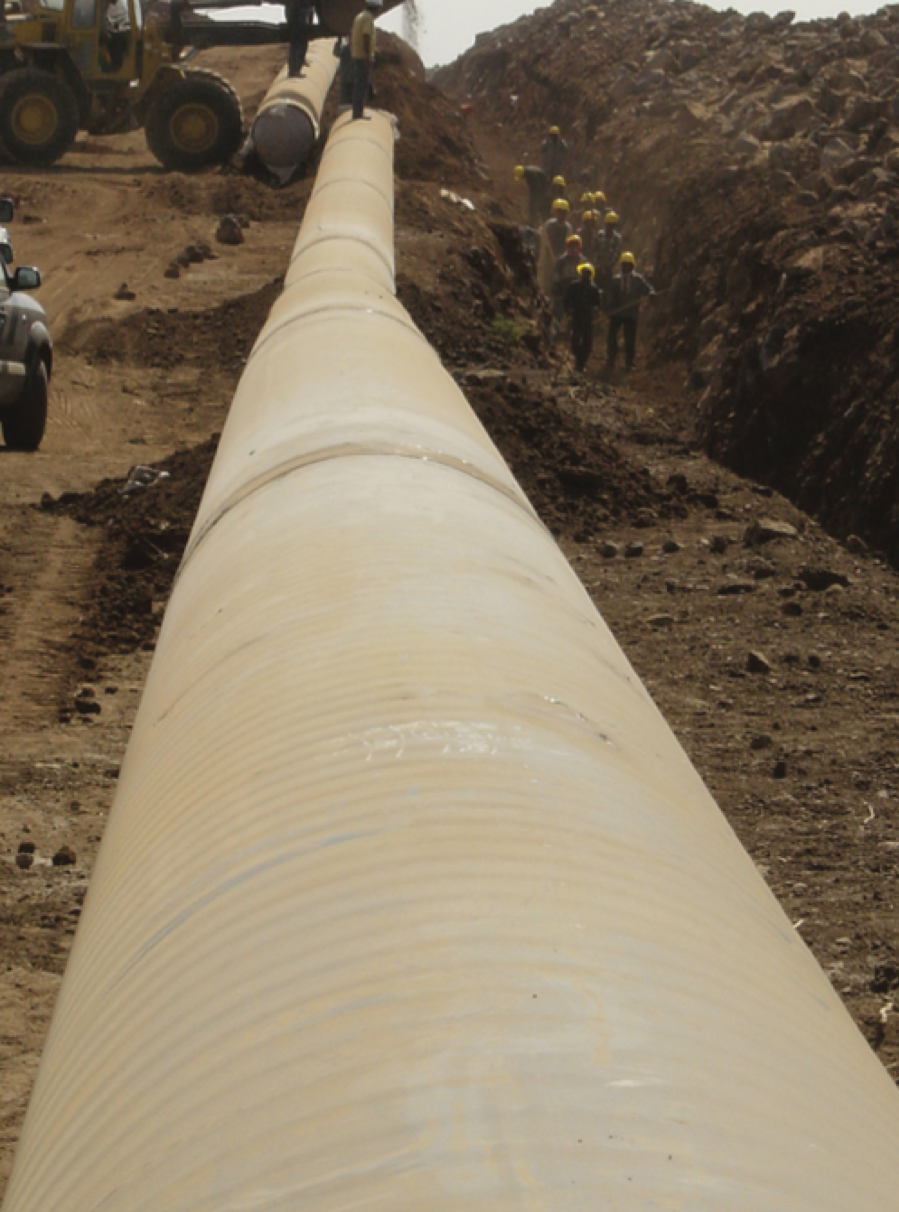
Jordan is to construct a $1 billion pipeline to transport drinking water from the Disi valley in southern Jordan to thirsty Amman in the north. Most experts welcome the project, yet wonder what will happen to agriculture in Disi, which has depleted its aquifer by almost one third. And, even if agriculture is halted, will there be enough water to make the costly pipeline worthwhile?

First initiated in the late 1990s, the Disi Water Conveyance Project (DWCP) aims to supply Amman with 110 million cubic meters (MCM) of water annually. The project was long regarded as too costly, yet the Jordanian government in 2007 contracted Turkish construction firm GAMA to implement it. Construction will commence in early July 2009 and is due to be completed by 2013.

“The project costs close to $1 billion,” said DWCP manager Othman al-Kurdi at the Ministry of Water and Irrigation in Amman. “It includes drilling some 55 additional wells in the Disi area and the construction of a 325 kilometer long pipeline to Amman, as well as two pumping stations and water reservoirs near Amman.”

The project is funded by low interest loans from Europe and the United States, and some $300 million from the Jordan treasury. Upon completion of the DWCP infrastructure, GAMA is entitled to exploit the system by collecting water tax revenues for some 21 years, after which the government will take over.

“I can say with a high level of confidence that Disi will supply us with 110 MCM of water annually for some 50 years,” said Al-Kurdi. “If all circumstances work in our favor, it may even supply us with water for an additional 10 to 15 years.”

Asked what will happen to the use of Disi water for agriculture, he replied sharply: “No politics. I told you before: no politics. All I can say is that our priority is drinking water.”

Disi’s aquifer

On the main road through Disi, the significance of water in the desert valley becomes clear.  While land on one side of the road is blessed with melons, grapes, olive trees and cypresses, the other side is a barren sandy plain that seems to have fallen straight off the moon.

The striking difference between the two sides of the road is due to irrigation. In the 1960s, a fresh water aquifer with a depth of up to 1,000 meters was found in Disi. The  mixed layer of sand and water measures some 360 square kilometers and stretches well into Saudi Arabia. Since the 1980s, both Jordan and its bigger neighbor have increasingly used the water for agriculture.

“I’ve been growing olives, grapes and potatoes for about 30 years,” said Abu Mohamed, a wrinkled 50-something-year-old with hands the size of spades. “Our products are first sent to Amman and then to markets in Jordan and abroad, mainly Europe and Iraq.”

Not all agriculture is in the hands of local Bedouins. All along the road, signs indicate the presence of the “Rum Agricultural Company.” According to Abu Mohamed, Rum and other firms are owned by people from Amman and Aqaba. “They mainly grow fruits like apples and apricots further inside the valley,” he said.

Deeper inside the valley one also finds the hilltop palace owned by the ruler of Dubai, Sheikh Mohamed bin Rashid al Maktoum, and his wife Princess Haya of Jordan. To liven up the view from the palace, Maktoum created an artificial lake in the valley below, which every winter attracts flocks of migratory birds. The Dubai billionaire has left his mark on Disi in more than one way, as he revived the ancient tradition of camel racing. Every Friday, animals, jockeys and spectators gather on a dirt track outside Disi village.

Next to the race track, surrounded by a layer of red mud, one of the valley’s 55 wells is under repair.

“There is a lot of sand in the water, which harms the pumping installation,” one worker explained, adding that he had heard about the upcoming pipeline to Amman. “We’ve seen the pipes along the road, but so far we have not been told anything.”

One of some 55 water pumping stations scattered around the Disi valley

In 1946, every Jordanian had access to some 3,600 cubic meters of drinking water per year. Today that amount has dropped to 160

More people with less to drink

Water is a scarce commodity in Jordan and, consequently, a highly political one. Not only is Jordan one of the world’s poorest countries in terms of water resources, it also has one of the world’s highest population growth rates. What’s more, throughout its history, the kingdom has had to absorb wave after wave of refugees. While in 1946 every Jordanian had access to some 3,600 cubic meters of water per year, today the water per capita ratio has decreased to a meager 160 cubic meters per year.

Due to the presence of illegal wells, exact figures are hard to come by. It is estimated however, that current demand is some 1,350 MCM per year, while annual water supply amounts to but 1,000 MCM per year. An estimated half of Jordan’s supply stems from groundwater extraction, which takes place at twice the rate of what is regarded as ecologically sustainable. At least 65 percent of Jordan’s water goes to agriculture, while the remainder is used for drinking water, industry and tourism.

“Disi water is good quality water from a non-renewable source and therefore should be used as wisely as possible,” said Elias Salameh, professor of hydrogeology and hydrochemistry at the University of Jordan, who has long been a vocal critic of agricultural practices in Disi and welcomes the pipeline to Amman.

“The wisest way is to first use it as drinking water and then collect and treat the wastewater to reuse it for agriculture and industry. Of every 100 MCM some 80 MCM can be used again.”

A quarter century drained away

According to Salameh, the past 25 years have been extremely wasteful. The Disi aquifer contains an estimated 7 billion cubic meters (BCM), up to a third of which has so far been used for agriculture. The problem with growing crops in Disi, where summer temperatures may soar well above 40 degrees, is that the evaporation rate in southern Jordan is twice as high as in north Jordan. In addition, most agricultural products are exported, which means Jordan is virtually exporting water. 

Currently, some 80 MCM of Disi water a year is used for agriculture, while some 16 MCM is used as drinking water in the rapidly growing city of Aqaba. The government has pledged to get rid of agriculture in Disi, yet that may be easier said than done. Certainly the local Bedouins will not want to give up their new-found agricultural wealth, for Disi does not exactly offer a wide range of alternative sources of income.

According to Salameh however, most agricultural production in Disi is in the hands of four agricultural firms owned by a group of very influential Jordanians, among them one of the richest businessmen in the kingdom and a former prime minister.

“Their agricultural licenses have a validity of 25 years and are set to expire in 2010 or 2011,” Salameh said. “Let’s see if the government will keep its promise.”

If it can keep its promise, Salameh said, the Disi project will help to temporarily fill the gap between water demand and supply, and relieve the immense pressure on Jordan’s northern aquifers, which all suffer from over-extraction. However, seeing that Jordan’s current population of some 6 million is set to double by 2025, the Disi pipeline is no long-term solution.

According to Salameh, there is only one long-term solution for Jordan: the Red Dead Canal. “A desalination plant combined with a canal from the Red to the Dead Sea is the only way to save the Dead Sea, and provide Jordan with drinking water.”

Mainly due to the overexploitation of the Jordan River by both Israel and Jordan, the Dead Sea evaporates quicker than it is replenished. As a consequence, the Dead Sea’s water line is receding by an average of one meter per year.

Although Salameh welcomes the construction of the pipeline, given that agriculture in the desert is halted, he still wonders if Jordan’s water and money could not have been spent in an even wiser way.

“I am no urban planner, but sometimes I ask myself: instead of bringing water to the people, why not bring the people to the water?” he said. “With the money spent on the pipeline, we could build a city and industrial zone near Disi and Aqaba, which would relieve the immense urban pressure on Amman.”

With Jordan’s population of 6 million set to double by 2025, the Disi pipeline is no long term solution

July 31, 2009 0 comments
0 FacebookTwitterPinterestEmail
Levant

Resurrecting the rail

by Executive Staff July 31, 2009
written by Executive Staff

It is a quirk of history that the Middle East was better interconnected 50 years ago than it is now. Train tracks laid down during the Ottoman era made that possible, with direct lines running from Istanbul to Medina in the South, and to Baghdad in the East.

Syria is now re-starting these train lines as part of a bid to become the transport hub of the region, connecting the Mediterranean with the Arabian Gulf and the Red Sea.

On May 30, following decades of inaction, a cargo train carrying 800 tons of steel left the Syrian port of Tartous on a 36-hour trip to Baghdad, running 894 kilometers through Syria and a further 429 km in Iraq. This route has now been supplemented by passenger train services to Mosul, and cargo transited from the Syrian ports of Lattakia and Tartous to the Iraqi Gulf port of Umm Qasr, via Iraq’s rail network.

“Syria has been talking more with the Turks, the Iranians and the Iraqis to develop this network,” said Nabil Sukkar, managing director of the Syrian Consulting Bureau for Development and Investment. “Syria is trying to see itself as a hub for the region, so it is working now towards developing a road and railway network, plus there is gas passing through Syria and up to Europe,” he added.

With bilateral trade surging between Syria and Iraq — estimated at $800 million annually — and more than 1 million Iraqi refugees living in Syria, the link is expected to bolster ties between the two neighbors.

Syrian Minister of Economy and Trade, Amer Hosni Lutfi, recently said on a trip to Baghdad that he hopes that bilateral trade will triple in coming years to make Iraq as important a trading partner as China or Turkey. Each countries’ trade with Syria amounts to $2 billion annually.

The railway has a competitive cost advantage over road transportation for the same route. According to the Syrian Railway Organization (SRO), transport costs for one ton of freight from Tartous to Baghdad are $37, compared to $69-$83 by road.

The SRO has been gradually upgrading Syria’s aging fleet of Eastern European-made trains, while signing cross-border agreements with neighboring countries for passenger trains and cargo. Cargo links to Turkey, and on to Eastern Europe, have increased, with the SRO saying some five million tons of goods are to be transported annually on the route from Aleppo to the Turkish city of Gaziantep.

In 2002, the Tehran-Damascus line was restarted, and twice weekly service primarily transports Iranian and Syrian tourists (the trip takes about 50 hours). Trade between Iran and Syria was estimated at $340 million and joint economic activities at $1.5 billion in 2008, according to the Iranian Chamber of Commerce.

Regional railways

“There is more and more talk among Arab countries that trains are the best way to link countries together,” said the Syrian Consulting Bureau’s Sukkar. “This came up at the Kuwait Economic Summit in January, with one recommendation to develop the road and railroad network among Arab countries; the lack of this has been a main deterrent to an effective, unified Arab economic scheme.”

Iraq is planning billions of dollars in upgrades and to expand its domestic rail network from 1,995 km to as much as 4,988 km.

Iran is also planning to double the size of its 8,300 km rail network, making the country a transit route for cargo heading to Pakistan and Central Asian countries.

Jordan plans to launch a $6.4 billion rail network, with a 564 km line from the Red Sea port of Aqaba to the Syrian border, where it would then connect to the Syrian network and transit on to Turkey and Europe. An East-West railway is also planned, slated to run 482 kilometers from the northwestern Jordanian city of Irbid to the Iraqi border, with a potential additional line to the Saudi Arabian border.

Saudi Arabia meanwhile is investing billions of dollars to expand its network, including the $6 billion high-speed line between Mecca and Medina via Jeddah.

July 31, 2009 0 comments
0 FacebookTwitterPinterestEmail
Levant

Realpolitik in the pipeline

by Executive Staff July 31, 2009
written by Executive Staff

Egypt and Syria need gas to meet burgeoning domestic consumption and to increase their hard currency reserves. Jordan and Lebanon need it to fuel their electricity plants.

Europe also needs more gas, and from new sources. Reliance on Russia for 40 percent of Europe’s natural gas left thousands in the cold early this year when Moscow stopped the flow of gas westwards, after a spat with Ukraine over gas prices.

Both regions are now hedging on two pipeline projects that center around the Eastern Mediterranean, what is being dubbed the “Southern Corridor,” to meet demand.

The lynch pin of this “new Silk Road” is Turkey, the conduit for gas to flow through pipelines from Central Asia and the Middle East to Europe. The $10.6 billion Nabucco pipeline is the centerpiece, drawing gas from the Caspian region — Azerbaijan, Turkmenistan and Kazakhstan — as well as Georgia and Iraq. From the point where it plugs into Turkey’s pipeline network, the Nabucco pipeline will run 3,300 kilometers to a distribution hub in Baumgarten, Austria, potentially delivering up to 31 billion cubic meters (BCM) of natural gas a year to Europe.

Tying into the Nabucco project is the Euro-Arab Mashreq gas pipeline (EAM). Once completed, the 1,200 km pipeline will transport Egyptian gas through Jordan and Syria to Turkey. Lebanon will also tap into the network, having signed an agreement with Egypt for 600 million cubic meters (MCM) per year, while Iraq will be pivotal in keeping supplies of gas flowing into the network whenever a pipeline comes online.

That, at least, is the plan. Currently, the EAM pipeline is just beyond Homs in western Syria, awaiting a new tender to complete the final leg to Turkey, while Nabucco’s future remains uncertain. As always with such grandiose plans that span borders, jurisdictions and the interests of multiple energy players, the pipelines’ futures are hinged on political relations, finances and, crucially, gas supplies.

“Neither the Mashreq pipeline or the Nabucco pipeline are in a position to be realized, and neither has received enough financial backing,” said Graham Coop, general counsel at the Energy Charter Secretariat in Brussels.

The path of the Euro-Arab Mashreq gas pipeline

Source: Euro-Arab Mashreq Gas Co-operation Centre

Pipe dreams

Plans to develop the Southern Corridor began in 2002, after talks between Austrian energy company OMV, Turkey’s BOTAS, Hungary’s MOL and Romania’s TRANSGAZ. After the initial meeting, board members spent a night at the opera listening to Verdi’s Nabucco.

While the opera provided the name for the project, the signatories must be hoping that the pipeline won’t reflect the opera’s tragic plot, which recounts the plight and subsequent expulsion of the Jews under King Nebuchadnezzar. Yet the Nabucco project has faced numerous obstacles from the onset, with costs doubling and countries using the proposed pipeline for political leverage.

Last year, Georgia’s ill-advised move into Ossetia brought on the wrath of Russia. But with Georgia to be linked into Nabucco, the conflict provoked concerns over regional security risks and further shook the already fragile financial confidence in the project. The United States also threw a wrench in the works when it pressured the European Union to focus on Central Asia as a gas supplier for Nabucco rather than Iran due to the US-Iran standoff over Tehran’s nuclear aspirations.

Then this January, the country where half the pipeline is located, Turkey, said it may withdraw from the project if the country’s EU accession remains blocked. Coming at the same time as the Kiev-Moscow spat and the EU desperate to wean itself off Russian gas, Prime Minister Recep Erdogan’s comments did not go down well in Brussels.

Such incidents did, however, spark renewed interest in the project after a year of deadlock, and by the end of January the European Investment Bank and the European Bank for Reconstruction and Development said they were prepared to bankroll the pipeline. By May, Turkey caved in, dropping its demands for a “transit tax” and 15 percent of the gas at discount prices at a summit in Prague. The final agreement between the EU, six gas companies and Turkey is expected to be signed in early July.

But while the agreement is expected to finally see pipes being laid, question marks still hang over the project. Gas rich Turkmenistan — which exports 68 BCM of gas per year — attended the Prague summit but declined to comment, seemingly to play the Russians against the Europeans. Meanwhile, Azerbaijan has stated that it does not have enough gas to be the sole provider for Nabucco, while Russia has offered to buy all Azeri gas at market prices — an offer apparently still on the table.

Iran wants to build a ‘Persian pipeline’ to connect to Nabucco, but the EU has not figured Iran into its plans. Even if Tehran did get the green light from the EU, Iran lacks the infrastructure to export gas, last year importing 6.1 BCM from Turkmenistan.

Further adding to Nabucco being a literal ‘pipe dream’ is Moscow’s attempts to dominate all supply routes to the west by pressuring Central Asian states to side with the Kremlin. Additionally, there is a joint project between Russia’s Gazprom and Italy’s Eni, inked in 2007, to develop a rival pipeline to Nabucco. Called South Stream, gas would be piped from Russia via Bulgaria to Italy and Austria.

Adding insult to injury, Gazprom in May urged the EU to embrace South Stream and warned that if Europe does not want Russian gas, Gazprom will turn to the energy hungry Asian markets instead. Bulgaria however has backed both pipelines, saying the projects are necessary to meet European demand. And while the Europeans  seem wary of Russia, some analysts think such concerns are unjustified, with imports of Russian gas having halved from the 80 percent they were in 1980s.

Syria’s estimated gas supply and demand

Source: EAMGCC

The success of the E.A.M pipeline hinges on Egypt being able to ramp up gas output to meet demand

Is there enough gas?

It is not just Europe that is keen to see Nabucco get underway. The finalization of the Nabucco pipeline would have added value for the Levant. With Nabucco in place, gas from the Euro Arab Mashreq pipeline could feed into the Nabucco network, and vice versa. “The link up would have added value for both projects,” said Coop.

The EAM is not dependent on Nabucco to start pumping into Turkey, as once the final stage is complete, the pipeline will connect to the current Turkish grid. But down the line as demand spikes and the supply gap widens, the Levant will need more gas.

“Nabucco is not a must have, at least initially,” said Richard Kupisz, team leader of the Euro-Arab Mashreq Gas Co-operation Centre (EAMGCC) in Damascus.

For Syria and Jordan, being linked to Nabucco would have added value sooner rather than later.

The importance of the extra gas flowing into Turkey, and from there south, is that Egypt may be unable to provide adequate supplies of gas to the Levant through the EAM pipeline.

“There is enough gas [for Egypt] to meet current commitments, but for the major projects, these need to be underpinned by further discoveries,” said Craig McMahon, a North Africa analyst at energy consultants Wood Mackenzie.

Nabucco could also be a lifeline for Syria if there are potential spats with Amman or Cairo, either of which could easily stop the flow of gas. After all, Jordan and Syria have had their falling outs, at one point leaving the completion of a tiny 200 meters section of the pipeline in limbo until an unrelated political issue was resolved.

Furthermore, Jordan’s demand is spiking, and there is the very real possibility that by the time the EAM pipeline reaches Syria there will be insufficient supplies to meet the country’s needs. At present, Egypt exports 2.5 million cubic meters per day (MCM/D) through the EAM, with 2 million MCM/D to Jordan and 0.5 MCM/D to Syria.

“Officially this should be increased to 6 MCM/D and afterwards to 9 MCM/D, but nobody knows [if this will happen],” said Kupisz.

While Syria produces 21 to 22 MCM/D of gas, some 4 to 5 MCM/D is used for gas injection into fields or as burn off, leaving around 16 MCM/D for electricity generation and industrial use. At present this is sufficient, but with power plants to come online in the next few years and electricity demand growing by 10 percent per year, Syria will need to offset the supply gap (see chart). Syria could therefore easily consume more than it receives from Egypt.

“Syria can consume 3 MCM/D, but Egypt is not exporting more,” said Ziad Ayoub Arbahe, an energy consultant in Damascus.

For Turkey and Europe to access gas from EAM, the Egyptian gas Syria uses would have to be topped up with Syrian gas.

“For the pipeline to be viable, Syria would need to export 3 MCM/D to Turkey,” added Arbahe.

The success of the EAM hinges on Egypt being able to ramp up gas output to meet rising domestic demand, other export commitments, and provide to the EAM. It is currently a matter of what Cairo considers more of a priority: using energy as a political tool within the Levant, or exporting liquefied natural gas (LNG) to Europe according to seasonal demand and for higher prices.

“For Egypt the pipeline is one option, but could equally expand LNG infrastructure, so there are a number of competing actors,” said McMahon.

Cost preferential agreements have been signed between Egypt and Jordan, Syria and Israel. But with Cairo keen to access hard currency, such markets might not be always economically preferential. Adding to this is the geological complexity and depth of Egypt’s gas fields, which seriously raise extraction costs.

“If Egypt has the potential to sell gas through LNG and at international gas prices, why not do it?” said McMahon.

Jordan’s gas network structure

Source: IPA Energy Economics

Untapped supplies

While the success of the EAM is in doubt, certain developments could secure gas volumes, namely ramped up production from Egypt’s gas fields, and if the countries involved become full members of the Energy Charter Secretariat. The Energy Charter administers the treaty ratified by all 27 EU states, Russia, Central Asian states and Turkey. The charter treaty promotes four main areas: trade on World Trade Organization principles, freedom of transit, energy efficiency and investment protection. If countries violate the treaty, sanctions can be imposed. Asked what it would mean if current observers Jordan and Egypt signed up as full members of the Euro-Arab Mashreq pipline, Coop said: “it would certainly add security to the project and for the EU.”

While some analysts question Egypt’s ability to extract enough gas, McMahon is upbeat.

“There is every reason to be optimistic, although we need further exploration success and to see those wells drilled,” he said. “But it is hard to imagine increases from Egypt in the shorter term.”

All may not be lost, however, if Egypt is neither legally required to pump gas via the pipeline nor able to meet demand. Syria could come to the rescue, with an estimated 40 percent of the country not drilled or prospected for gas.

“Potentially we could find huge reserves,” said Arbahe.

The only other options are to transport gas from Qatar and Iraq, or Iran via the Nabucco network.

“If a pipeline comes from Iraq or Qatar, there would be a principle pipeline, and a viable network,” said Arbahe. “But for Iran to join the network, [they] would need to solve political problems and technical issues first.”

Iraq is considered the most viable option, with the Akss field in the west of the country only 50 kilometers from the Syrian network.

“They have spare capacity, and the Akss region is not a big market, so it is logical to go to Syria,” said Kupisz. “A contract has been done for 1.5 MCM/D to be processed in Syria and exported or used here, but it is under a new licensing round in Iraq.”

Longer term, the pipeline could also connect central Iraq to the Euro-Arab Mashreq pipeline, potentially able to provide 30 MCM/D over time.

“International oil companies are looking at it, and attracting great interest, although Iraq’s infrastructure is not developed,” said Naeem Danhash, project director of the EAMG CC. “But the medium to long term prospects for Syria to become a gas hub are excellent.”

Whether Syria and Turkey will attain the coveted positions of regional gas hubs is still up in the air, given the questionable viability of either the Euro-Arab Mashreq pipeline or Nabucco.

McMahon, however, has his own thoughts: “The Iraqi supply could ultimately be the answer.”

“The medium to long term prospects for Syria to become a gas hub are excellent”

July 31, 2009 0 comments
0 FacebookTwitterPinterestEmail
  • 1
  • …
  • 458
  • 459
  • 460
  • 461
  • 462
  • …
  • 697

Latest Cover

About us

Since its first edition emerged on the newsstands in 1999, Executive Magazine has been dedicated to providing its readers with the most up-to-date local and regional business news. Executive is a monthly business magazine that offers readers in-depth analyses on the Lebanese world of commerce, covering all the major sectors – from banking, finance, and insurance to technology, tourism, hospitality, media, and retail.

  • Donate
  • Our Purpose
  • Contact Us

Sign up for our newsletter

    • Facebook
    • Twitter
    • Instagram
    • Linkedin
    • Youtube
    Executive Magazine
    • ISSUES
      • Current Issue
      • Past issues
    • BUSINESS
    • ECONOMICS & POLICY
    • OPINION
    • SPECIAL REPORTS
    • EXECUTIVE TALKS
    • MOVEMENTS
      • Change the image
      • Cannes lions
      • Transparency & accountability
      • ECONOMIC ROADMAP
      • Say No to Corruption
      • The Lebanon media development initiative
      • LPSN Policy Asks
      • Advocating the preservation of deposits
    • JOIN US
      • Join our movement
      • Attend our events
      • Receive updates
      • Connect with us
    • DONATE