• Donate
  • Our Purpose
  • Contact Us
Executive Magazine
  • ISSUES
    • Current Issue
    • Past issues
  • BUSINESS
  • ECONOMICS & POLICY
  • OPINION
  • SPECIAL REPORTS
  • EXECUTIVE TALKS
  • MOVEMENTS
    • Change the image
    • Cannes lions
    • Transparency & accountability
    • ECONOMIC ROADMAP
    • Say No to Corruption
    • The Lebanon media development initiative
    • LPSN Policy Asks
    • Advocating the preservation of deposits
  • JOIN US
    • Join our movement
    • Attend our events
    • Receive updates
    • Connect with us
  • DONATE
Comment

The crude Iranian crux

by Claude Salhani September 13, 2008
written by Claude Salhani

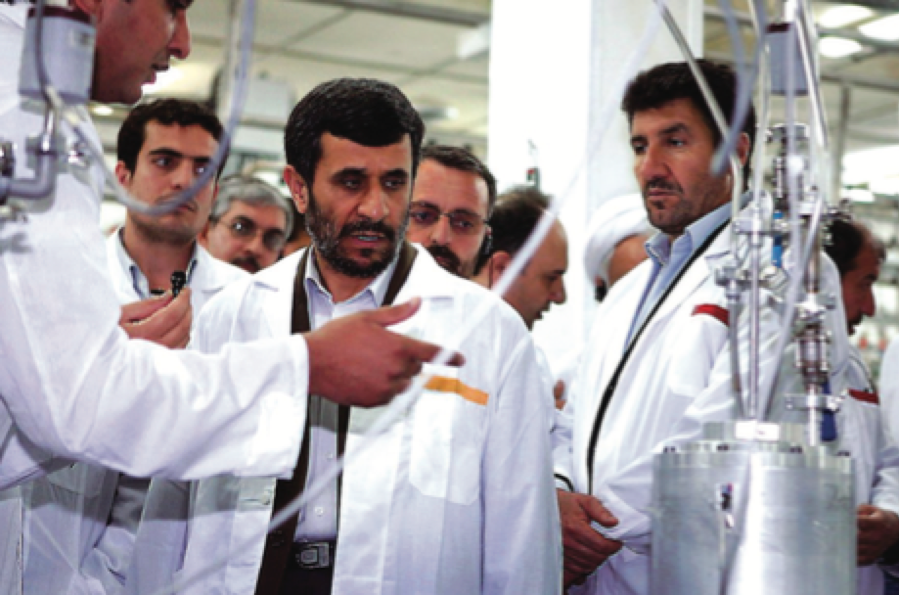
Would a naval blockade by the United States, France and Britain on the Islamic Republic of Iran succeed in forcing the mullahs in Tehran to abandon their nuclear dream and turn the population against the ruling theocracy, and maybe with a little bit of luck and a discreet nudge from the West, help bring about regime change in the country? That is what the Bush administration is betting on. It would be Bush’s final hurrah before leaving the White House in about five months. Five months during which the oil markets — and Iran — will remain jittery.

Or instead, would an intervention by the Western powers have the opposite effect by uniting the population against the “foreign invaders,” giving the mullahs and their maverick President Mahmoud Ahmadinejad unexpected support they might otherwise never dream to win?

Indeed, as one observer pointed out, sanctions could have a positive effect with the government mandating that domestically produced cars migrate towards compressed natural gas.

Iran ranks fifth on the list of the world’s top producers of crude oil and second in the Middle East, pumping 4.15 million barrels a day (behind Saudi Arabia, the world’s top producer, at 11 million barrels a day). But Iran’s problem, dating back to the days of the shah, is that it never invested enough in developing its refining capacity, electing instead to ship its crude oil to other countries, principally India, and then re-importing the refined product.

If it made sense at the time, that decision is now coming back to haunt the Iranians because it is that very dependence on importing oil that renders Iran so vulnerable to potential foreign naval interventions and blockades.

In the event that US and allied fleets elect to impose a military blockade on the Islamic republic, it would cripple the country’s economy, though perhaps not entirely to the degree the foreign powers might expect. There are several reasons for that.

First, as mentioned above, the knee-jerk reaction from the Iranian people to foreign interference in their internal affairs might well be the catalyst which ends up uniting Iranians around the country’s leadership, thus producing the reverse effect that Washington, London and Paris (and Jerusalem) wish for.

Thus such a move would re-enforce the mullahs’ position and raise the level of anti-Americanism in the region. This would not be good news for US troops currently serving in Iraq, and one must not forget Iran’s proxy militia in Lebanon, Hizbullah, which could be directed to launch hostilities against Israel from southern Lebanon.

Second, no blockade could really be effective against Iran given its advantageous geographic position. The only possible scenario under which US/EU sanctions and a blockade could truly affect Iran would be if it was total: meaning that not only the shoreline along the Persian Gulf would need to be monitored, but the thousands of miles of border separating Iran from its neighbors through some of the planet’s most inhospitable terrain.

Additionally, sanctions against Iran would never work as long as Iran keeps its umbilical cord linking it to its century-old trading partner, Dubai. Imposing a trade ban on the UAE and policing the 250 miles of coastal waters between Iran and the United Arab Emirates, including all the coves the region’s dhows can sneak in and out of undetected by larger Western gunboats, will be close to impossible.

Also, given the fact that the UAE is a close US ally, it would be unthinkable to impose a ban on the Emirates.

Furthermore, an international military force would have to police — and prevent — contraband trade from finding its way across the 550-mile Iraq-Iran border. We have seen the inability of Iraqi, US and coalition forces in preventing anti-US jihadists from entering Iraq across the Syrian border since the US invasion. Why should things be any different on Iraq’s eastern border?

That same international police force would also be tasked with controlling the 560 miles of border between Iran and Armenia, Azerbaijan and Turkey and across the 500-mile border between Iran and Turkmenistan. Add to the list another 275 miles shoreline of the Caspian Sea; and the 400-mile border Iran shares with Afghanistan and another 400 miles or so shared with Pakistan. That represents close to 3,000 miles of land borders and 900 miles of shoreline.

So, would diplomacy stand a better chance? It has been tried, argue those hawks in favor of an aggressive response, and without result. In the meantime, no doubt Iran’s leadership is keeping eyes out on two fateful dates, probably marked in large red circles on their calendars: November 4, the day the United States votes for a new president, and January 20, the day the new president moves into the White House. If Iran’s leadership manages to deter any intervention until then, they win this match in the great Middle East chess game.

How these developments affect the markets remains to be seen.

Claude Salhani is editor of the Middle East Times and a political analyst in Washington, DC.

September 13, 2008 0 comments
0 FacebookTwitterPinterestEmail
Comment

Syria’s tourist playground

by Paul Cochrane September 13, 2008
written by Paul Cochrane

Unlike the heady summer of 2006, this year’s season is hardly a memorable one. It was back to business as usual, and as the summer winds down and tourists pack their bags to head home, the tourism sectors of Lebanon and Syria are no doubt pleased there actually was a summer season.

That Lebanon needed a calm summer far more than Syria is a given, particularly following the July War and the ensuing 18-month political debacle. But Syria has also benefited from greater stability in Lebanon, especially when it comes to attracting tourists from the West who have a tendency to lump the Levantine countries together and avoid the region if there is a crisis.

Both countries were therefore lucky that the May clashes and the resulting Doha Agreement happened when they did, giving ample time for tourists to plan a summer visit.

The big difference between Lebanon and Syria’s tourism sectors, however, is that Syria is beating Lebanon hands down when it comes to attracting visitors.

Earlier this year Syria made the sound decision to advertise in the Gulf — bar Saudi Arabia — and the county is resultantly chock-a-block with khaliji tourists, reflected in the joke circulating around Damascus that if you want to get a taxi outside any of the major hotels you have to wear a white dishdasha or otherwise you’ll never get a ride.

The other noticeable difference is that Syria is getting tour groups by the busload, sweating their way around Damascus’ old city and the country’s numerous historical sites. Indeed, sitting in the lounge area of a hammam after a rigorous scrub one sultry August afternoon, I was taken aback by a dozen South American tourists that swarmed in and started snapping away at everything in sight. My fellow hammam clientele also seemed a little bewildered, with a chap opposite me rolling his eyes. But as soon as all the ajnabi tourists left, he then thrust a camera in the hands of a hammam attendant to take a photo of himself bedecked in towels, and then asked me to join him. Ahmed, as he introduced himself, was from Libya and marveled at what Syria had to offer, regaling me with his trip around the country.

Lebanon on the other hand doesn’t seem to be doing much to attract tourists other than appealing to expatriate Lebanese to come home for the summer. True enough, expat Lebanese spend a bundle when they are over here, as a trip any night of the week to Sky Bar and downtown shows, but Lebanese returnees with foreign passports aren’t exactly tourists, particularly as most stay with friends or family. And while Gulf Arabs are back on the streets of Beirut, the tour groups are conspicuously absent. It is quite clear Lebanon needs to develop a tourism plan and start marketing the country globally.

After all, if tiny Dubai with just shopping malls and flashy hotels can attract 6.4 million tourists a year, then Lebanon can surely boost figures from an estimated 1.5 million, especially if a modicum of stability prevails.

Lebanon has much to offer, and has a clear advantage over Syria when it comes to quality accommodation, restaurants and services. That isn’t to say that Syria does not have the latter, but the country is desperately short of hotel rooms, reflected in a supply gap of 2 million nights per year in the four to five-star range.

But while Lebanon has few plans to boost tourism numbers, Syria aims to turn the country into a prime tourism destination, with 377 investment projects underway worth some $3.3 billion and international chains clamoring to get in. Damascus has also offered three huge locations for tourism development that are expected to attract up to $15 billion in investment.

How successful Syria’s tourism developments have been so far is reflected in the stats, with tourism numbers surging from 2 million in 2004 to some 4.6 million last year, spending $2.8 billion and accounting for 14.5% of the country’s GDP. Of the tourist numbers, 73% were Arabs, a figure that has increased 15% since 2005, and some 500,000 were from Iran, predominantly coming on pilgrimage. As Faisal Najair, director of Damascus’ Tourism Department was quoted as saying: “We hope to make Syria a resort for all Arab and Gulf tourists.”

With such developments underway, Syria could soon surpass — if it hasn’t already — Lebanon as the preferred destination in the Levant for higher-end tourism and even tourism of the more dubious kind. According to reports, the number of super nightclubs in Damascus has soared in the last three years from 15 to 40.

It’s time Lebanon, for once, took a leaf from Syria’s book if it wants to remain the region’s playground, as well as give the economy a much need boost.

PAUL COCHRANE is a freelance journalist based in Beirut.

September 13, 2008 0 comments
0 FacebookTwitterPinterestEmail
Comment

Democracy’s fuel

by Riad Al-Khouri September 13, 2008
written by Riad Al-Khouri

The century-old concept of ‘economic quasi-rent’ is a return to factors of production in inelastic supply — or in layman’s terms income going to producers of relatively scarce commodities getting a lot of income for little extra effort. The outstanding examples of this in modern times are celebrities and oil-producers. The latter in particular have been having a great run over the past few years (the former have always done well). As the price of oil remains high, despite recent corrections, the Arab Gulf states are making even more unearned income. In other words, for a very small effort, they get a large return.

Aside from limited examples of diversified commerce, and some other services including tourism in a few places like Dubai, the Gulf countries can be described as “rentier states.” In the 1980s, writing on the notion of a “rentier state,” Giacomo Luciani implied that democratization in the Middle East was not viable. So long as states have sufficient income they may have little reason to reform, and into the 1990s and the beginning of the 21st century, his theory seemed to describe the facts.

The need to raise revenue is a basic reason why the state has an interest in the prosperity and economic well-being of its people. Without such an interest, it is possible that “rentier states” could display little tendency to evolve democratic institutions.

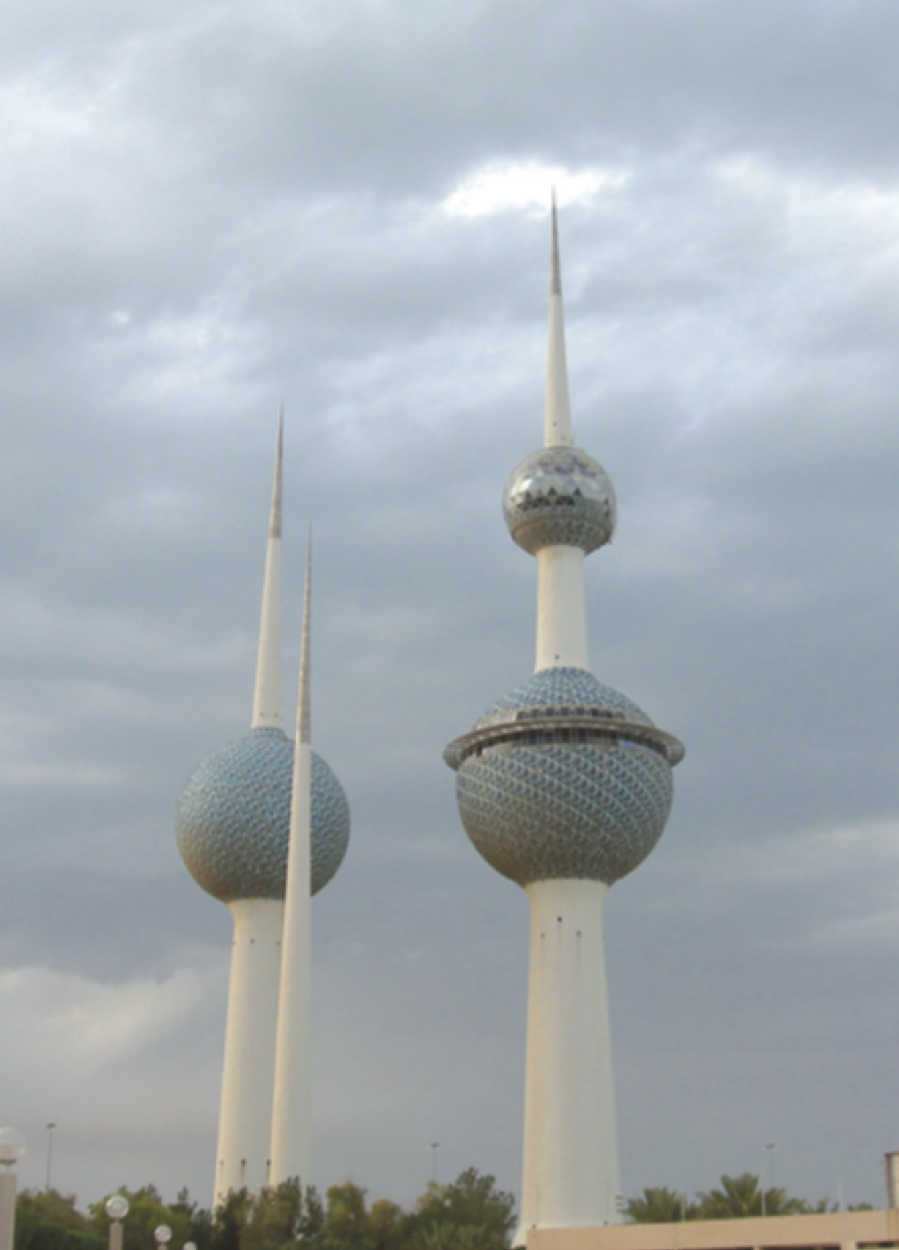
One factor that impedes democracy in the Middle East and North Africa, especially in oil-producing countries, is the lack of government dependence on citizen support, the state instead relying on oil revenues, of which there are plenty. However, Kuwait’s example over the last few years shows that this relationship of no-taxation/no-representation may not be immutable. Politics and the public space in Kuwait are becoming broader. The potential for a democratizing Kuwait is greater now that the price of oil has gone up, contrary to the theory’s prediction. Rentierism may thus not be the enemy of democracy.

Democracy in Kuwait is still a long way from what prevails in Western Europe or North America, but the emirate is far from being just a petro-state with nothing happening except oil gushing out of the ground and money being pumped into state and private coffers. The country is undergoing open debate about state institutions. Parliament requests ministerial testimony about possible corruption, prompting government interference in the legislature. Islamists have influence, and promise laws against the secular character of the state.

What is happening in Kuwait is partly a direct result of the modernization of politics that could become a formula for a limited form of rentier state democracy. While Kuwait is a typical rentier state where petroleum accounts for over 90% of exports and government income, its politics differ from those of typical rentier states, and parliamentary elections produce a collection of disparate political actors with different interests increasingly independent of the ruling family. In turn, the emir prefers to interfere more as a caretaker than a tyrant, and to allow for a modicum of open democratic politics according to constitutional rules.

Although these Kuwaiti experiences of representation leave much to be desired, despite all these limitations democratic development may be possible in the rentier state because of competing economic and social elites who benefit from the state’s drives for modernization. Future pressure may gradually produce better representation and participation.

As the price of oil soared from under $30 a barrel in most of 2003 to well over $100 during the last few months, the past half-decade has proven to be very good for oil-exporting states. With world demand for energy strong and its price rising, government coffers in the Arab Gulf countries have during that time benefited in a spectacular way. Kuwait is a case in point, as official revenues during the past fiscal year almost trebled from their 2003/4 level, mostly thanks to oil.

The bad news is that these numbers viewed in isolation suggest that Kuwait remains a classic rentier state, unwilling or unable to democratize or otherwise change for the better. If anything, the emirate should be wallowing deeper in rentierism as state dependence on oil rises. Yet the politics of the country may belie this. 

The idea of rentierism is clearly valuable, and it is also being applied to non-energy economies and sectors. For example, talking about Jordan as a quasi-rentier state, or analyzing the case of tourism in Egypt in terms of rentierism, as various writers have done recently, is instructive. However, as the last five years have shown, as far as the GCC states are concerned, the old equation of oil wealth with anti-democratic rentierism may need to be refined.

Riad al Khouri, co-founder and principal of KryosAdvisors, is Senior Fellow of the William Davidson Institute at the University of Michigan, Ann Arbor

September 13, 2008 0 comments
0 FacebookTwitterPinterestEmail
Banking & Finance

BLOMINVEST‘s review of Lebanese banks

by Stephane Abichaker, Nicole-Clémence Khoury & Nicolas Photiades September 4, 2008
written by Stephane Abichaker, Nicole-Clémence Khoury & Nicolas Photiades

In June 2008 BLOMINVEST published a review of Lebanese banks as part of its Global Equity Research Report series. The following is a summary of that report.

The Lebanese banking sector has always been at the core of the domestic economy with Lebanese banks playing a major role in the financial recovery of the country and carrying almost all of the latter’s financial intermediation activity.

• Lebanon enjoys high banking penetration rates with a deposits/GDP ratio standing at 2.82x in 2007e compared to 1.15x for the emerging markets. This is mainly due to the continuous inflow of funds from Lebanese expatriates which is driven by two important factors: the support of the international community as proven by the latest Paris III conference, and the strong track record of no default.
• The degree of fragmentation of the banking sector has been decreasing along with a fall in the number of active banks. Currently, 66 banking licenses are active out of which two thirds are Lebanese and 77% are commercial.
• This landscape results from foreign divestments, liquidity surpluses in the GCC countries, local diversification of business lines with an increasing focus on private, investment, and Islamic banking activities, and finally the BDL policy of supporting M&A activity between banks to avoid liquidation costs and to improve the efficiency of the sector as a whole. For instance, since 1997 around 30 banks were acquired or merged with the acquisition of BLC by Fransabank, with July 2007 being the most recent consolidation transaction.
• The 11 largest banks account for nearly 80% of the total sector’s deposits with BLOM and AUDI, the two largest banks, showing clear signs of pulling off the rest of the group due to higher assets, profits and greater geographical diversification.
• Despite immature local capital markets, the Lebanese banks were amongst the first banks in the Arab world to access the international capital markets by issuing GDRs, preferred shares and Eurobonds, reflecting comfortable financing flexibility.
• The major Lebanese banks have been seeking not only local but also international expansion in order to enhance their profitability, diversify their earnings’ sources and assets, increase their product range, and in time of crisis allow the channeling of funds to safer zones. Geographical expansion is also seen as essential for risk diversification.
• Traditionally, Lebanese banks have been mainly family-owned but the need in the last 15 years to raise capital via both the local and the international capital markets has diluted families’ stakes, albeit without affecting significantly their managerial control.
• The main driver of the Lebanese banks’ profits is interest income that arises mainly from inter- bank deposits, allocation of funds into mainly Lebanese sovereign bonds and treasury bills, and customers’ loans. Profitability indicators have been improving in the last few years, although the still limited diversification of income is causing return on assets and return on equity ratios to still lag regional peers. However, regional expansion is expected to promote earnings’ diversification by increasing non-interest income, and reducing the reliance on domestic income in the near future.
• Despite the cost burden that arises from the banks’ expansion strategy, Lebanese banks have managed to control their operating expenses, with BLOM leading in terms of operating and management efficiency.
• Amid the political and economic turmoil following the assassination of PM Rafic Hariri and the July 2006 War, customer deposits, the main source of Lebanese banks’ funding, grew significantly — over the past six years reaching $72 billion as at year-end 2007.
• Lebanese banks remain exposed to the Lebanese sovereign risk as around 25% of the banks’ balance sheet is accounted for by lowly rated government bonds and treasury bills denominated in both USD and LBP (Lebanon is rated B3 by Moody’s and B-1 by S&P). The high risk weighting on these government securities (as a consequence of Basel II regulations) is somehow mitigated by the high yields carried by these government securities and by the strong track record of the government in repaying principal and servicing debt. Moreover, the Central Bank has continuously enjoyed implicit support from GCC governments in maintaining high foreign currency reserve levels, and hence keeping the local currency stable.
• Loans account for a relatively low percentage (22% at end 2007) of the banks’ consolidated balance sheet. This is due to the lack of quality borrowers and to the limited ability of corporates to adequately service debt. However, NPL coverage by loan loss reserves is improving across the sector, with the smaller banks appearing to be in greater difficulty on that front than their larger peers.
• Capital adequacy of banks has improved significantly over the years with consolidated equity for the sector accounting for 7.6% of total assets as at year- end 2007. The larger banks in particular have a solid track record in capital raising within the international capital markets and have had a strong organic capital growth over the last decade due to solid profitability.

Stéphane Abichaker, Nicole-Clémence Khoury, Nicolas Photiades work at the equity & fixed income research unit of BLOMINVEST Bank.

September 4, 2008 0 comments
0 FacebookTwitterPinterestEmail
Banking & Finance

Construction – Cement syndicate

by Executive Staff September 3, 2008
written by Executive Staff

What could prompt the cooperative efforts of a Lebanese bank to engage a French building materials company and 15 additional regional and international financial institutions from all over the globe and seal a $380 million deal? Apparently, cement is the glue behind one of largest private financing syndicates for industrial projects in the Levant.

“The current construction boom in the Middle East which has increased the consumption of cement, combined with an acute shortage in the region, has driven cement prices to unprecedented levels. Our region, and Syria in particular, has a shortage of about 4 million tons per year,” explained Ramzi Saliba, General Manager of Bank Audi’s corporate banking division. The Syrian cement deficit comes alongside an ongoing housing crisis and lack of raw materials, a result of decades of nationalization and the centralized economic policies under the ruling Baath Party.
For decades cement production remained a state monopoly in Syria. However, recent circumstances have prompted the Syrian government to open the sector to private investors, and to compensate by introducing a limited liberalized economy. “Contrary to common belief, Syria has modernized and liberalized its laws considerably in the last few years,” Saliba confirmed. “That, coupled with the explosion in construction has made cement a very attractive sector for Bank Audi, now and for years to come.”
Bank Audi, coordinator and leader of the syndication, is among the first banks to set up in Syria after the government allowed private banks five years ago. “Private banking in Syria is still in its infancy stages, and it is a natural place for Lebanese banks to take hold of opportunities, more so than any other country. We know the market well, we know the people well, many large Syrian names and corporations have been the clients of Lebanese banks for 40 years, so we know the business very well,” Saliba said.
As far as Bank Audi’s interest in putting together a bridge loan in Syria, Saliba outlined that, “This deal was in line with the regional expansion strategy of Bank Audi, helped by several factors. The main reason was the shying away of larger international financial institutions on large deal because of the economic crunch that’s taking place in the US and Europe. That gave us a really great chance.”
Capitalizing on the window of opportunity, Bank Audi pursued Egypt’s Orascom Construction Industries. Saliba detailed the progress of the operation: “We had started discussions with Orascom Construction, OCI, and in the interim, Lafarge bought OCI’s cement business. We asked them to carry on with the discussions, and they saw how far into the deal we’d gotten, so they continued working with us; it worked out.”
Global leaders in building materials, French cement maker Lafarge boosted its market position to No. 1 in the region after acquiring the cement business of Egypt’s Orascom Construction Industries at the close of 2007. Having secured the deal with Bank Audi for its subsidiary, Syrian Cement Company, Lafarge Group will now continue its expansion in the Middle East with the setup of a greenfield cement plant near Aleppo.
The new plant is scheduled to begin production in 2010, and will have the capacity to generate 2.9 million tons per annum. This should help put Syria on its way to meeting its cement demands, which are expected to grow drastically from 7 million tons per year today to around 18 million tons in the next three years due to the surge in real estate, construction, and tourism development.
The considerable size of the bridge loan, which stands be replaced after 18 months by a longer-term loan, and more importantly the union of so many diverse investors serve as clear indication of Bank Audi’s notable regional role. “It’s the first such transaction done by a Lebanese bank, in terms of region or even international financing opportunities,” Saliba said. “It’s the first, and certainly not the last for Audi, and I hope for other Lebanese banks who may be contemplating an effective regional role.”

September 3, 2008 0 comments
0 FacebookTwitterPinterestEmail
Banking & Finance

Private equity – An absence of exits

by Executive Staff September 3, 2008
written by Executive Staff

On any given day, a scour of Middle East business news reveals that private equity in the region is ‘hot’, owing to favorable conditions at the macroeconomic level or data on fundraising and investment, which seem to be getting bigger. Watchers of the asset class meticulously track which funds are looking for which companies and which opportunities and sectors are attracting the most private equity. The asset class’ behemoths and large-sized deals in infrastructure and other industries dominate headlines. On the surface, the coverage of the asset class looks healthy.

However, the component of private equity which is less covered than capital raised and investments is the arm of the asset class which offers the best indicator of performance, the exit. Without appropriate exit data, it has been difficult to see what trend is following the explosive growth in the other sub-data available on private equity, beckoning the question: whither to the exits in Middle Eastern private equity?
A dearth of evidence continues to pervade estimates, but some figures have indicated that only 5-10% of private equity deals in the Middle East and North Africa (MENA) region have been exited. With private equity comprising 45% of aggregate investment in the United Arab Emirates (UAE) and 35% in Saudi Arabia, the relation between money invested and return on investment can indicate several things that a purely deal-side analysis cannot, including the asset class’ performance, potential pitfalls, and lagged performance to see if larger funds are or are not commensurate with larger internal rates of return (IRRs), the derivate used in calculating the success of funds, with ranges at 15-20% on the lower end and up to 100% in more lucrative examples. Because of some poor performance in regional bourses, private equity houses seem to be holding investments for a bit longer, waiting for appropriate exit options. With funds raised, investments complete and deals outstanding, limited partners (LPs) are going to starting demanding a return on their investment within the appropriate bounds of the fund timelines.

M&A doesn’t count
Distinct merger and acquisition (M&A) activity lies on a separate sheet from pure private equity. In M&A, a buyer bids and acquires firms to enlarge businesses both horizontal and vertically. In the case of horizontal M&A, a firm might be a competitor, but vertically, the acquired firm is a complementary entity. In the instance of a horizontal M&A transaction, a hotel chain might acquire a competitor to enlarge business or grow operations in new markets, be they different countries or a higher or lower-end of the business. In a vertical M&A transaction, the hotel chain might purchase a food services group to bring more of the hotel’s daily operations in-house. The M&A as a distinct transaction differs from the bread and butter type of private equity transaction where firms are first acquired and later exited rather than incorporated as part of a firm’s main business lines.
What then do the longer partnerships between private equity players and firms indicate? There are several speculative guesses, including the disparity in vision which could entangle maneuvering by management, making a firm reluctant to realize an exit. Another possibility is the poor exit environment, while still another is the possibility that private equity funds backed by institutional investors such as sovereign wealth funds (SWFs) are bound to the wishes of these LPs and blurring the pure business thought of profit and yielding to the ‘what’s best’ scenario for firms under management.

Trade sales
Some private equity exits have come in the form of the trade sale. This type of exit is viable for the region’s numerous family-owned firms, who would like to retain control after beefing-up the best practices instilled by a private equity firm. In June, 2008 the Foursan Group exited the Abdali District in Jordan to new investors via a trade sale, while Abraaj Capital exited both EFG-Hermes and the Maktoob Group via this route in 2007. Additionally, Injazat Capital exited its stake in Atos Origin Middle East, through a trade sale exit for the GCC-based technology firm.

Secondaries
The secondary market has given a new dimension to the private equity business. It is heralded as a way to unload a firm to another private equity player and will doubtlessly be used while more traditional exits like the initial public offering (IPO) route remain weak. The largest secondary transaction was Citadel Capital’s exit of Egyptian Fertilizers Company in June 2007 and while others have not been reported as secondary sales, the private equity to private equity nature of an investment is one way of gauging the exit type.

Strategic sales
The strategic sale of a firm to a related firm covering the same or similar industries is another possibility for MENA firms and might be the destination of most unreported or disguised exits. In June, the Foursan Group exited Arab Orient Insurance Co., a Jordanian insurance provider, to Fairfax Holdings, an insurance group looking to beef up the scope of its services.
Fairfax Holdings is a Western firm that acquired Arab Orient Insurance Co. for one possible reason: to expand Fairfax Holdings reach into a new market in the MENA region. With an ever growing population consuming ever more goods, firms servicing large markets with great potential will attract the likes of more Western firms looking to establish an arm in the region.

IPOs
The most traditional of exit options for private equity firms — the IPO — has not be used by firms reticent to face the valuation of a firm in the open market. According to Private Equity International’s survey, 33% believe that valuation and control are the greatest threats to the growth and development of the private equity industry in the Middle East while 25% believe it is non-initial public offering exits. In 2007, securities markets in the MENA region mimicked the situation globally and reported fewer groups in 2007 than year to 2006, when the turmoil on capital markets began. Although Q1 2008 performance remained poor, the situation as a whole for 2008 remains positive. For instance, the Saudi Arabian stock exchange has grown from a low in July 2007 to remain up over 25%. Regional bourses have followed similar trends.
However, a less sanguine conclusion is drawn vis- à-vis regional inflation rates, which can deteriorate investments and the value of companies choosing to list restructured operations now. In an approximated situation where capital market indices are achieving 20% annual growth in capitalization figures, double digit inflation can prick the balloon of optimism.

Large time horizons
With private equity firms tabling the immediate or traditional exit, the business is taking on longer time horizons for investments. The asset class’ main driver in the MENA region is currently infrastructure, which, by the nature of the industry, involves longer holding periods between investment and exit.
Initially evoked to describe pipes, roads, and ports, the term ‘infrastructure’ has come to include a myriad of sub-industries, including downstream industries and suppliers as well as networks involved in social infrastructure, namely the hospitals and schools being built to care for the populations of new cities and the growth dynamics associated with large Arab families.
Tertiary educational institutions, from new universities to research centers, are additionally accommodating the jobs to be demanded when the under-18-year-olds turn of age. For 51% of those surveyed by Private Equity International, infrastructure will attract the most investment interest in the next twelve months, followed by energy in a distant second at 20%. The two industries involve longer time horizons owing to the scale of deals as well as the timeline to realize results.
Private equity fits into the equation by its ability to recapitalize the infrastructure industry. Statistics have accounted for infrastructure projects comprising over 60% of new funds raised by regional private equity firms. New funds are sprouting up to bolster the demand. Al Khayyat, Rasmala, and RHT recently acquired a 13% stake of Taaleem, an educational specialist, which increased Al Khayyat’s stake in the firm to 25%. Taaleem is not the only education firm seeking or gaining capital to finance growth plans. Online educational resources, private educational institutions, books, and universities have all benefited from seeking out private equity growth capital, especially as many are battling for regional supremacy, moving beyond conquering just Riyadh and Jeddah to include operations in Abu Dhabi, Kuwait City, and Manama.
With longer holding periods and new industries in which private equity players are investing, the asset class has taken on a flavor distinct to the region. Two reasons come in play to understand this dynamic. The first includes the aforementioned style of partnership in the region, with LPs consisting of SWFs in addition to individual fund backers. Sovereign wealth does not expect the same returns on investment and deals can be political to an extent in that GCC SWFs partner with MENA-centric private equity houses to strengthen the business climate in the region. An additional factor less thought of is the need for strong financial services houses. Because private equity is the quintessentially efficient type of investment, the savoir faire of industry experts is useful in structuring the longer-term outlook of firms involved in infrastructure or energy.

September 3, 2008 0 comments
0 FacebookTwitterPinterestEmail
Comment

Network cooperation between telecom competitors

by Bahjat el-Darwiche & Louay Abou Chanab September 3, 2008
written by Bahjat el-Darwiche & Louay Abou Chanab

Most recently, two fierce Italian telecom competitors with pending legal and regulatory claims resolved their differences and decided to share infrastructure. They are now jointly planning the rollout of their Next Generation Networks and they adopted a cooperation model open to all interested operators. This shift is a direct result of the need to focus on commercial offering and the drive to commoditize telecom networks.

This trend is growing in both developed and developing markets. In the Middle East and North Africa (MENA) region today, telecom networks are almost in every corner around us, yet the number of telecom operators is set to grow further. Policy makers and regulators understand the positive impact a balanced number of operators can have on competition and consequently on the economy as a whole. This raises a number of questions to answer: are investors still interested to fund more networks? Will those networks be profitable? And are there still enough available locations to deploy those networks without congestion risks?
Developed markets and recently developing markets have reached the conclusion that sharing telecom infrastructure can yield positive outcomes if managed properly. It mainly helps achieve the following:

1. Rationalized investments
It is not a hidden secret that building telecom networks is a costly activity. “Investment studies conducted during the early 3G hype in Europe put the average investment per 3G subscriber at around $500,” noted Bahjat El-Darwiche, a principal in the communication and technology practice with Booz & Company. “Sharing the cost to the 3G infrastructure buildup can generate savings of up to 40%,” he added. Sharing infrastructure can save critical investments thus significantly improving the profitability of the concerned operators

2. Develop new revenues
For incumbent operators in markets under liberalization, offering network components to competitors can generate new sources of revenues that would offset any potential losses from retail competition. “Sharing infrastructure can exceed 15% of an incumbent operator’s total revenues,” said Louay Abou Chanab, a senior associate in the communication and technology practice with Booz & Company.

3. Release capital
Competing operators, incumbents or new entrants are looking to diversify their revenue base and hence invest in different ventures locally or abroad. Sharing infrastructure allows all market players to release badly needed capital to invest in strategic ventures. In the case of India, $4 billion can be saved by 2010 if at least two operators share the needed 240,000 towers to improve coverage. The Indian government is even subsidizing towers should three or more operators decide to share it.

4. Improve competition
Infrastructure sharing has a dual impact on competition. On the one side it decreases entry barriers for new operators. Interested players will find it more appealing to enter that specific market given the ease with which they can start offering commercial services. From another perspective, operators now have less pressure to deploy networks and hence can shift their focus to innovation and better customer service. Both factors positively impact competition to the benefit of end-users.

5. Optimize use of scarce resources
Policy makers and regulators struggle with allocating frequencies to new entrants; municipalities also struggle with rights of way to allow the deployment of fixed networks. “Infrastructure sharing can alleviate some of the pressure we now have on allocating scarce resources to multiple operators,” said El-Darwiche. This optimization also serves to reduce the negative impact telecom networks may have on the environment.
A wide variety of infrastructure sharing forms can be leveraged by operators, policy makers and regulators. Sharing can focus on passive or active components of the network. For clarity, passive components are those that do not carry any electronic signals and can include mobile towers, ducts and even electric supply; active components on the other hand carry electronic signals and can include leased lines, switches and antennas.
In recent times, many innovative network sharing solutions have been implemented on both fixed and mobile sides. Stokab for instance, owned by the city of Stockholm, is building and operating a fiber-optic network in the city of Stockholm that is open to all service providers on equal terms. Stokab started in 1994 and now has coverage in over 27 municipalities in Sweden and is selling access to over 60 operators including the incumbent.
On the mobile side, a good example is one where Orange and Vodafone both agreed to share their respective networks in the UK and Spain. While each operator will still manage his own traffic independently, the UK sharing agreement will reduce capital and operating costs by up to 30% and in Spain it will reduce number of sites by around 40%.
Yet, the success of infrastructure sharing highly depends on key success factors. At a minimum, regulators should consider publishing certain safeguards as is the case in Jordan and Nigeria. Both countries have detailed certain behavior on the use of capacity, namely that it should be used on a first come first served basis and that any unused capacity should be returned.
Regulators should also consider pricing regulations for certain forms of infrastructure sharing like unbundling or site sharing; ideally, prices should be cost-based. What regulators should also aim to achieve is proper enforcement of the policy. It is foreseen that disputes will arise when sharing infrastructure. Regulators need to be ready to introduce regulatory compliance measures or intervene to resolve disputes.
In summary, it is important to seize the opportunity presenting itself today in the MENA region. While we have some successful examples, like in the case of Morocco where unbundling grew the broadband market by over 19% within six months, we need to maintain the momentum going forward. An incentive-based regulatory regime might significantly contribute to developing regional telecom markets and, in turn, the overall economy while rationalizing investments.

Bahjat El-Darwiche is a principal and LOUAY ABOU CHANAB is a senior associate in the communication and technology practice at Booz & Company


September 3, 2008 0 comments
0 FacebookTwitterPinterestEmail
Banking & Finance

The fallacy of projections

by Imad Ghandour September 3, 2008
written by Imad Ghandour

In September 2006, the IMF in its Global Economic Output report projected that the US will be “the engine of global economic growth despite some uncertainty in the housing sector.” In its July 2008 report, less than two years later, the IMF revised downward (again) its projections for US economic growth to 1.3% (from 3.2% and 2.2% in the previous two semi-annual reports). The world’s most sophisticated economic forecaster failed to project the size and impact of one of the most serious financial crises in our modern history on the most monitored economy, although that event was on the radar screen for two years.

Recently I spent a few hours with a colleague of mine trying to “fit” the actual financial results of a company we had invested in into the model we had built for that company prior to that investment. The bottom-line projections were close to the actual results, yet we couldn’t put the right parameters in the model that will get us even close to reality.
It was an intellectual exercise, but at the end I had to pause and think: if a model cannot predict the past, how on earth were we confident that it could predict the future?
Make no mistake, this is a universal problem and is not a result of any individual incompetency.
Thousands of financial analysts pour their energy into predicting the “fair” value of stocks and other financial assets. They calculate with pinpoint accuracy the price of the stock after going through the mundane task of calculating things like future revenues, overheads, profits, discount rates, betas, comps, etc. Yet, with all the sophisticated modeling, I have rarely seen a numerical analysis explaining or predicting the “actual” market price of a stock. Furthermore, research has shown that actual prices do not necessarily gravitate towards “fair” prices, as the theory behind all this analysis suggests. In other words, the thousands of “fair” value models published by investment banks invariably fail to predict the present (or the past) and are unlikely to predict the future.
Yet we rely on projections to give us confidence in our decision. No investment is done in the modern financial world without a model. No model is without future projections. We project profits in 2015 to be $56,405,383.34, yet the only fact we can be sure of is that they will not be this number. We base our decisions on such numbers, and we focus our attention on things like the IRR as the analytical summary of thousands of assumptions and projections. We may reject an investment because the model calculated an IRR of 29%, while we all know that the same model with a little bit of subjective tweaking and twisting may give a magical boost to the IRR to, say, 39%.
Prior to inventing Lotus 123 and its successor MS Excel (and before I was born), investors relied on qualitative assessment and simple calculation to make their investment decisions. Did they take wrong decisions? Does a 1000 line model give an edge over such “unsophisticated” investors?
In his inspiring bestseller The Black Swan, Naseem Taleb skillfully argues that we simply cannot predict the future because “significant yet improbable events” (he called them “black swan events”) are the ones that will shape the future of individuals, countries, companies, and economies. We simply cannot predict or time or imagine such events, and we definitely cannot project their impact (hence the IMF miscalculation).
Projections are useful to the extent they are used as an analytical tool for possible future options. They may bring illusionary confidence, but reality will surely be different, especially in private equity investments that span several years. Embracing this fact as we price, negotiate, structure, and manage any investment is the key to sustained successful investment.

Imad Ghandour is the chairman of Information & Statistics Committee—Gulf Venture Capital Association

September 3, 2008 0 comments
0 FacebookTwitterPinterestEmail
Capitalist Culture

Rule of law – Deferred judgement

by Michael Young September 3, 2008
written by Michael Young

It was an enlightening coincidence that the former leader of the Bosnian Serbs, Radovan Karadzic, was arrested and sent to The Hague shortly before Russia dispatched its army into Georgia. Where the first event suggested some kind of imposed benchmark of international justice and behavior was possible, the second made it clear we shouldn’t go too far in our expectations.

The Georgian conflict has long been a complicated one, and Russia is no guiltier than other countries, such as the United States, in respecting international law only when it favors its interests. But in the hours after its invasion of Georgia, it was telling that Russia sought to cobble together a legal case accusing the Georgians of war crimes in South Ossetia — rather rank hypocrisy given that Russia’s army targeted civilian areas in Georgia, but Moscow apparently felt the need to offer a legal cover for its actions before the international community. Effectively the Russians twisted themselves into a pretzel to make it seem that they adhered to international legal and human rights norms.
So while the world may be a long way away from an effective and comprehensive system of international justice, Karadzic’s arrest, however, showed that once institutions are actually set up to affirm the rule of law, to circumvent these and their implications can be difficult.
The Hariri tribunal, which is currently being established in The Hague as well, is a case in point. Much has been written of late suggesting that the tribunal is dead, that its prosecutor has no case, that the system of international justice has been shown to be weak in the face of the political interests of individual states. That may well be true in some regards. The former United Nations investigator, Serge Brammertz, who just so happens to be Karadzic’s prosecutor today, clearly did not progress in his investigation as rapidly as he could have, earning him the biting criticism of his predecessor, the German judge Detlev Mehlis.
However, the pessimism may also have to be qualified. The international community and the UN may behave in the most cumbersome ways, but once they go to the trouble of setting up something like the Hariri tribunal, they usually have to give it some meat and meaning, or risk considerable embarrassment and antagonism. That’s why the Hariri tribunal — despite all the doubts surrounding it and the need to lower expectations in terms of who will be directly accused — is nonetheless likely to function and create far more waves than anyone expects. Once the tribunal opens up one sensitive door, it will likely be very difficult to control what comes afterward, and what other doors are opened.
In many respects that is a lesson about the possibilities of international justice, one pillar of a capitalist culture that seeks the amelioration of human freedom in the context of open minds and open markets. Justice doesn’t usually end up working because states or politicians want to improve the world (even if that motive can exist for a time), but because states sooner or later have a selfish interest in accepting justice.
That was certainly why Karadzic was handed over to the tribunal responsible for the former Yugoslavia. With Serbia looking to enter Europe, and the fact that the continued freedom of Karadzic and his collaborator Ratko Mladic presented a major obstacle to this, the Serbia government apparently weighed the costs and benefits of allowing the two men to be protected by certain power centers in Serbia. The conclusion was that protection wasn’t worth it, at least in Karadzic’s case.
That situation does not exist in Lebanon, or at least not yet. If anything, some might argue, the Syrian- Lebanese rapprochement effected in August may make any future blame directed against Damascus by the tribunal problematic for Lebanese interests, since relations between Lebanon and Syria might suffer. In other words Lebanon may have no advantage in seeing the Hariri tribunal go through. Perhaps, or perhaps the precise opposite may be true: If Syria was involved in Hariri’s elimination, as many believe, than what kind of interest can Lebanon have in pursuing a relationship with a regime that murdered a former prime minister? And if Syria is innocent, then it has nothing to fear from the tribunal.
Whichever answer ends up being the correct one, the superficial assumption that “justice always prevails” should be discarded. The point of international justice is not that it is invariably satisfied, but that its burdensome imperatives, even when imperfectly applied, often end up shaping states’ foreign behavior. And that opens up spaces forcing states to sometimes go along with an international consensus, even if they don’t care to do so. There is no certainty here, no guarantees, not even a chance to predict that norms of justice will gradually spread over time to encompass most states. Only the ability to say that some norms of justice are more likely to be applied today than previously.
It’s not much perhaps, but it’s no little thing either.

Michael Young

September 3, 2008 0 comments
0 FacebookTwitterPinterestEmail
Comment

The burden of luxury and the joy of taxes

by Zafiris Tzannatos September 3, 2008
written by Zafiris Tzannatos

The July 2008 issue of this magazine was dedicated to “Luxury Economics,” focusing on the “Middle East’s appetite for surprising, exotic and authentic experiences.” A separate article in the same issue did not fail to note the move in the UAE to introduce a value added tax. Does luxury increase “happiness”? And does taxation decrease it? Paradoxically, the answer to both is “no” according to some new views. In a nutshell, luxury, once tried, becomes necessity and taxes can reduce materialism — a common theme in many religions — and help citizens preserve a healthy work/life balance. Let us examine each assertion in turn.
Historically, economists have related well-being to the level of incomes while development theories typically stress economic growth as the ultimate objective. The Gulf Cooperation Council (GGC) economies score well on both counts. The recent hike in the international price of oil has been associated with high government revenues and a corresponding fast rate of economic growth. And citizens have not only enjoyed traditionally high levels of incomes but, under popular pressure, recently managed to get unprecedented salary increases for reasons unrelated to their work effort and productivity.
However, it has been found that once wealth reaches a subsistence level, its effectiveness as a generator of well-being is greatly diminished — as if a “hedonic treadmill” were in operation: you keep moving just to stay in the same place. In other words, aspirations increase along with income and, after basic needs are met, relative rather than absolute levels of income influence well-being (“happiness”). If this is to be accepted, distributing the oil revenues across the population in some uncritical or untargeted way may have only a temporary effect on “happiness.”
The emerging theory of “happiness economics” aims to understand what determines the well-being of people. The theory has consequences for understanding happiness both as an individual as well as a societal goal. “Happiness economists” aim to change the way governments view well-being and how to allocate resources. And a new concept has been developed, the GNH (Gross National Happiness) that is broader than the conventional GNP (Gross National Product) or GDP (Gross Domestic Product).
If income alone is a poor approximation for happiness, what should economists take into consideration? The four pillars of GNH are the promotion of equitable and sustainable socio-economic development, preservation and promotion of cultural values, conservation of the natural environment, and establishment of good governance. What should one then look out for?
First, social comparisons. Happiness is derived from relative income as well as from absolute income. If everyone gains purchasing power, some may still turn out unhappier, if their position compared to others becomes relatively worse — as the case is with recent universal handouts given by the GCC governments. This effect does not necessarily turn economic growth into a zero sum game entirely, but it can diminish the way people perceive the benefits of their own hard work.
Second, adaptation. As people get used to higher income levels, their idea of a sufficient income grows with their income. In this case, if people fail to anticipate that effect, they will feel they work more than is good for their happiness.
Third, changing tastes. Individual preferences are not constant. They are increasingly mutable, shifting constantly according to the latest fashion, adapting cultural norms and what neighbors do. In turn, the perceived values of one’s accumulated possessions are subject to depreciation, ultimately having a negative effect on happiness.
All these considerations make sense. Humans adapt, often rapidly, to their current situation. They become habituated to the good or the bad. They are sensitive to the status they have relative to what they perceive others enjoy. More generally, despite the fact that external forces are constantly changing one’s life goals, happiness for most people is a relatively constant state. Regardless of how good things get, people report about the same level of happiness over time.
This has led some economists to argue that taxes can serve another purpose besides paying for public services (usually for public goods) and redistributing income (usually to the poorer citizens). This additional purpose of taxes is to counteract the cognitive bias that causes people to work more than is good for their happiness. That is, taxes could help citizens preserve a healthy work/life balance.
In short, money does not add much to happiness: Lottery winners are an example as, within a year, they are said to return to their former happiness level. And those handicapped in, say, a motor vehicle accident, usually return to former happiness levels, despite their loss of function. Some studies have suggested that a sense of “higher calling” or “purpose” can add to someone’s happiness. If so, perhaps the development of a national vision and the introduction of taxes in the GCC countries may cause the citizens to look outside themselves and become happier — even though they may consume fewer luxury goods.

Professor Zafiris Tzannatos is Advisor to the World Bank and former chair of the Economics Department at the American University of Beirut. The views expressed are his own and do not necessarily represent those of the World Bank.

September 3, 2008 0 comments
0 FacebookTwitterPinterestEmail
  • 1
  • …
  • 512
  • 513
  • 514
  • 515
  • 516
  • …
  • 688

Latest Cover

About us

Since its first edition emerged on the newsstands in 1999, Executive Magazine has been dedicated to providing its readers with the most up-to-date local and regional business news. Executive is a monthly business magazine that offers readers in-depth analyses on the Lebanese world of commerce, covering all the major sectors – from banking, finance, and insurance to technology, tourism, hospitality, media, and retail.

  • Donate
  • Our Purpose
  • Contact Us

Sign up for our newsletter

    • Facebook
    • Twitter
    • Instagram
    • Linkedin
    • Youtube
    Executive Magazine
    • ISSUES
      • Current Issue
      • Past issues
    • BUSINESS
    • ECONOMICS & POLICY
    • OPINION
    • SPECIAL REPORTS
    • EXECUTIVE TALKS
    • MOVEMENTS
      • Change the image
      • Cannes lions
      • Transparency & accountability
      • ECONOMIC ROADMAP
      • Say No to Corruption
      • The Lebanon media development initiative
      • LPSN Policy Asks
      • Advocating the preservation of deposits
    • JOIN US
      • Join our movement
      • Attend our events
      • Receive updates
      • Connect with us
    • DONATE