• Donate
  • Our Purpose
  • Contact Us
Executive Magazine
  • ISSUES
    • Current Issue
    • Past issues
  • BUSINESS
  • ECONOMICS & POLICY
  • OPINION
  • SPECIAL REPORTS
  • EXECUTIVE TALKS
  • MOVEMENTS
    • Change the image
    • Cannes lions
    • Transparency & accountability
    • ECONOMIC ROADMAP
    • Say No to Corruption
    • The Lebanon media development initiative
    • LPSN Policy Asks
    • Advocating the preservation of deposits
  • JOIN US
    • Join our movement
    • Attend our events
    • Receive updates
    • Connect with us
  • DONATE
Comment

Uncrossing wires

by Roudi Baroudi May 21, 2015
written by Roudi Baroudi

Lebanon’s electricity sector faces severe difficulties on multiple levels, making it an unsustainable burden on the economy in general and the state budget in particular. Problems extend across all stages of the business process, from production to distribution, even billing and collection, despite the latter having been franchised out to private companies.

Promising proposals — including some very comprehensive ones — to address these issues have been drawn up by and for successive ministers of energy and water, including the latest policy plan approved by the Council of Ministers in June 2010.

[pullquote]These plans can work, but only when the required political decisions are taken to revive this vital sector[/pullquote]

These plans can work, but only when the required political decisions are taken to revive this vital sector by insulating it against personal and private interests, be they direct or indirect. Only in this way can we honor both the spirit and the letter of legislation already passed by Parliament by getting on with the implementation stage.

Several matters require urgent attention, including financial and administrative difficulties that have held up construction of a planned 435-MW generating station at Deir Ammar and a similar facility at Zahrani, the combined output of which would provide the country with at least a bare minimum of its power needs. Specifically, the Council for Reconstruction and Development should be tasked with securing the necessary funds from supporting institutions so that implementation can start immediately.

The politics of electricity

The national interest demands that this be done as quickly and as cleanly as possible, because the last thing Lebanon needs is a dispute with a contractor that leads to court proceedings and/or arbitration that could take years to unfold. It is clear that franchising measures adopted by the Ministry of Energy and Water are tainted with a lot of gaps.

Easing Lebanon’s chronic power shortages also calls for urgent action to expedite the delivery and installation of new generating units at the Jiyyeh and Zouk plants. Timing is everything in such cases, because every day of delay increases the financial drain and other burdens on all consumers, from households and schools to companies and government offices. This directly undermines the productivity and competitiveness of the national economy, restricting GDP growth and soaking up resources.

Even more importantly, preventing future crises and enabling long overdue reforms demands that oversight be exercised by a duly constituted Electricity Regulatory Authority. Such a body has been created by legislation but successive governments have failed to appoint its five member leadership commission, as called for under Law No. 462 of 2002, preventing the authority from exercising its powers. There is an urgent need to appoint the Electricity Regulatory Authority, as more than 14 years have passed since the issuance of the law calling for its formation, without any legal or legitimate reason being provided for this delay.

The failure to fully implement Law 462 has prompted the legislature to pass Law 288, which alters Article 7 of Law 462 by adding the following paragraph: “Temporarily, for a period of two years, and until the appointment of members of the Authority and giving them their tasks, the production permissions and licenses will be granted by a decision of the Council of Ministers upon a proposal of the Ministers of Energy and Water, and Finance.”

The establishment and empowerment of structures similar to the Electricity Regulatory Authority has been crucial to developing and implementing advanced energy and consumer-protection strategies in jurisdictions around the world — including Europe and our own Euro-Med region — so it remains a mystery why some parties insist on denying this proven setup to Lebanon and the Lebanese.
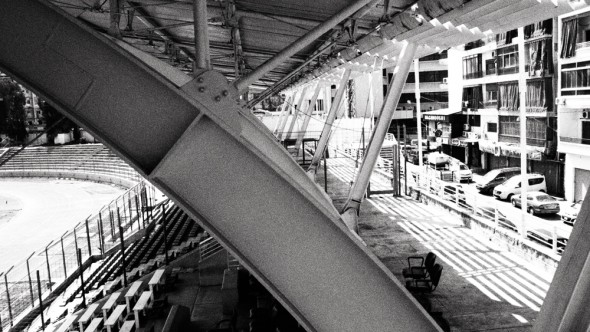
And as though all that were not sufficient to bring development of the sector to a standstill, a new board of directors has not been assigned for Électricité du Liban (EDL), the country’s state owned power company, since 2005. This has sharply curtailed or even eliminated follow up on the completion of major projects designed to help meet minimum requirements, and committed Lebanon to huge amounts of money.

Then there is the matter of the fuel required for the generating stations at Zahrani and Deir Ammar. Based on the advice of Électricité de France (EDF) and under the terms of the national energy strategy developed in 1992–1993, both facilities were designed and built to operate primarily on natural gas rather than diesel oil. This would impart several benefits, including lower production costs, less environmental impact and longer service lives for generating units.
Once again, however, political bickering and clashes of personality have prevented full implementation of the plan, in this case by failing to secure the necessary gas supplies. As a result, both plants have been run almost exclusively on oil derivatives, obviating some of their design advantages and burdening the treasury with massive bills for fuel that is dearer, dirtier and less efficient.   

An agreement was signed in 2009 to finally link Deir Ammar with the Arab Gas Pipeline, built to carry Egyptian gas to customers in Israel, Jordan, Lebanon and Syria, but the deal was never fully implemented. And in light of mounting instability in the region since 2011, it is highly unlikely that Lebanon will see any benefit from this for the foreseeable future: Egypt has been unable to meet its existing supply obligations for the past three years, and badly needed repairs and maintenance cannot be carried out on Syrian sections of the pipeline through which any Lebanese imports would have to traverse.
Regasification, regulation

Since operation of the electricity plants in Zaharani and Bedawi that relied on natural gas has become impossible without the presence of gas pipelines, and the natural gas liquefaction near the production facilities has become indispensable and irreplaceable, it is imperative for the Lebanese state to start buying, renting or establishing a floating station(s) for liquified natural gas storage, and for its regasification — necessary for the two power plants in Zahrani and Deir Ammar. A floating storage regasification unit (FSRU) would need to be established in each, even if that required the expansion of the port, or the establishment of breakwaters to protect the station from marine factors.

The procurement of the two FSRU stations would allow enormous savings on the price of fuel, significantly reducing the need for public financial support for EDL. It also would substantially reduce the utility’s debt ratio; a crucial requirement because the potential impact of government and EDL measures to improve bill collection remains limited. This would lead to the reduction of financial transfers to the EDL mitigating the debt to GDP ratio, particularly since the capability of the government and EDL to collect bills and prevent electricity theft or attacks to the grid remains limited, reducing the ability to rein in the deficit.
[pullquote]It is advisable that oversight be exercised jointly by the Parliament and the Council of Ministers[/pullquote]

Initially at least, both floating stations should be rented or leased, provided that the awarded contractor or promoter has both the requisite international experience and a demonstrated ability to supply the natural gas in addition to the stations simultaneously. This would translate into substantial cost savings for the control and supervision of the facilities. Any such agreement also should follow the “key in hand” method, which would leave the financing of construction to the contractor, reducing the risk to the state and allowing it to start paying only when it has taken delivery of fully operational facilities. And since we know in advance the amount of fuel required by the power plants, the contract should stipulate the dates, quantities and costs of gas deliveries. This formula has been tried and tested in several jurisdictions, including Dubai, Jordan and Kuwait, and there is no reason why it would not work in Lebanon.

Until steps are taken to regularize the electricity sector by implementing existing legislation, and until the almost year long vacancy in Lebanon’s presidency is filled, it is advisable that oversight be exercised jointly by the Parliament and the Council of Ministers.

No individual, though, no matter how influential, can make this happen without securing the trust and cooperation of others. Some features of the Lebanese political landscape are difficult to agree on, but this one is not. National pride, political responsibility and basic common sense dictate that we act quickly to end the mismanagement of this problem. Only then can we start eliminating all forms of waste, alleviating the losses of the state and meeting the needs of power hungry homes and businesses.

May 21, 2015 0 comments
0 FacebookTwitterPinterestEmail
Business

Familiar faces

by Nabila Rahhal & Greg Demarque May 20, 2015
written by Nabila Rahhal & Greg Demarque

A street is more than just well known physical landmarks. It is more than buildings and favorite outlets. A street is also made up of familiar faces: people you say hello to or nod to on a daily basis. Such faces become part of the urban fabric and in turn, they come to know the street in a different way than analysts or academics do.

Executive sat down with a selection of these familiar faces to learn more about their stories and what they see as Hamra Street’s best moments.


Abou Farouk

Hamra-face-1

Profession: owner of a coffee stand on Wardieh Street, Hamra
Years in Hamra: 50
Abou Farouk recounts how as young men in the 1970s, he and his friends could not afford the prices of Hamra Street’s sidewalk cafes, yet they enjoyed just walking on the bustling streets, taking in the diverse crowds and enjoying the lights. “Hamra was a street that never slept, it was always busy!”


Hind Khoury

Hamra-face-2

Profession: operator and chef of Ramona pastry shop on Sidani Street
Years in Hamra: 50
Khoury talks with pride about how the most elegant and refined people on Hamra Street would buy her croissants, cakes and desserts, which were still relatively new to the area. “I feel sad for what Hamra is today. It used to be such a chic street with the best cinemas and cafes,” she says.


George Mujaeiss

Hamra-face-3
Profession: owner of Malek El Batata
Years in Hamra: 46
Mujaeiss is most proud to have called Rafik Hariri a customer of his.  “After [Hariri] was featured in a newspaper photo eating at my venue, customers would pour in asking to be photographed in the same spot,” he recounts.


Henry Loussian

Hamra-face-4
Profession: jewelry designer and owner of Henry’s Handmade
Years in Hamra: 18
Loussian laments the changes in Hamra over the past 10 years, saying that it has become much more commercial with chain restaurants, argeeleh cafes and bars replacing the “cultural aspect of Hamra” such as bookshops, theater life and more authentic coffee shops.


Missak Kayaian

Hamra-face-5
Profession: key cutter
Years in Hamra: 40
Kayaian recalls how, in the 1960s, he and his friends used to dress up elegantly in a neck or bow tie to visit the cinemas on Hamra Street, where they used to pay half a lira to watch the show. He also remembers how they would go ice skating in the basement of the Commodore Hotel, which had the first ice skating rink in Hamra.


Haidar Makki

Hamra-face-6

Profession: tailor and retailer
Years in Hamra: 35
Makki laments the changes in architecture in Hamra Street, recalling how it was full of trees, well designed buildings and villas that were four stories high at most. “Today it is full of empty towers,” he says.


Mahmoud Abu El Hasan

Hamra-face-7

Profession: owner of a newspaper stand facing Costa Coffee
Years in Hamra: 25
Hasan recounts how Arab film stars frequented Hamra Street for its nightlife and how one time, Adel Emam, one of Egypt’s most famous actors, bought a newspaper from his stand. “My customers today are all above 60 years old. The young generation does not know the pleasure of reading a newspaper, they prefer their gadgets,” he says.


Correction: An earlier version of this article erroneously identified Haidar Makki as Hassan Makki. Apologies.

May 20, 2015 2 comments
0 FacebookTwitterPinterestEmail
Comment

Surviving a slow market

by Karim Makarem May 19, 2015
written by Karim Makarem

Without a radical improvement in the political and security climates, Lebanon’s real estate market is unlikely to pick up. The market thus continues to stagnate as the economic, political and security situations continue to deteriorate. The picture may look gloomy, but it is not desperate. Demand may have slowed but it exists, with professional developers still launching new projects and prospecting for new plots of land. The rental market, meanwhile, is still active, particularly during the summer months just before schools resume.

Stringent market conditions, however, do have repercussions for market players on both the supply and demand sides of the equation. Surviving a slow market requires tight maneuvering and a keen understanding of market dynamics, in particular what buyers are looking for. What apartment size do they want? Do they want a maid’s room? Do they want a family/TV room? Do they want two or three bedrooms? What budgets do they have available?

[pullquote]Developing new projects in the current climate is risky[/pullquote]

Development mistakes

Developing new projects in the current climate is risky. In difficult markets, no mistakes are allowed, whether in terms of budgeting, development or marketing. Developers must offer apartments of the right sizes, with the right layouts and amenities to remain within buyers’ available budgets, and, as always, in the appropriate location.

Developers must understand that maximizing the use of internal spaces is crucial, as is minimizing common and service areas — such as staircases, hallways and lobbies, elevator and service shafts — because buyers pay the same price for these as they do for internal carpet areas. Under current market conditions, for instance, buyers refuse to buy an apartment in which common areas account for more than 20 percent of the internal sellable area. Buildings with such a “loss” of space find it difficult to convince buyers to pay the same price for areas from which they do not benefit directly. Developers must also decide on which amenities to include in the project to keep common charges reasonable — pools, gardens, gyms and playground spaces have a maintenance cost that may become too burdensome on future tenants.

Projects are typically delivered at least three to four years from the date developers acquire the land and start work on architectural drawings. Developers must therefore cater to existing market conditions — through pre-sales and sales made at the launching of the project — but also have an understanding of market trends to address the needs of future demand, which involves those buying at a later stage in the construction process or at completion. Current trends go in favor of smaller apartments costing between $500,000 and $1 million. However, buyers want layouts that maximize the usage of space — fitting in a maid’s room or offering en suite bedrooms in an apartment as small as 125 square meters.

Lucrative investments

A stagnant market is an ideal playground for investors. Prices are at or very near their lowest values and are stable, giving prospective buyers solid bargaining clout. The main consideration for potential buyers is to acquire property at its fair market value. The property must also have income generation potential.

Land is traditionally a sure long term investment. If acquired at the right price, land in neighborhoods in Beirut that are in high demand can be sold at a profit in a relatively short period of time. However, profit margins have shrunk recently, as land prices have also stabilized. In the boom years between 2005 and 2008, land prices were skyrocketing, in tandem with a growth in demand for finished apartments. Today, the evolution in land prices follows a slower curve that reflects a stagnating market.

Investors have a range of property choices that will be easy to place on the rental market as income generating investments, such as small apartments in neighborhoods in high demand, including Mar Mikhael, Sassine in Ashrafieh and Hamra.

[pullquote]There are thousands of good quality properties on the market and competition is tough[/pullquote]

Proper presentation

There are thousands of good quality properties (apartments, offices and shops) on the market and competition is tough. To increase the chances of finding a buyer or tenant for their properties, owners must differentiate their property from the rest of the market.

Most importantly, the property must be listed at its fair market value. The value of apartments and offices must be competitive vis-à-vis the rest of the market, while the value of shops must be in line with the potential returns that the unit can generate for its future operator.

Properties must also be well presented to attract the attention of prospective buyers: it must be clean and tidy to give a positive first impression.

Happy buyers

Stressed markets are a plus for potential buyers. Prices are standing still, giving buyers plenty of time to look around, compare products and prices, and bargain mercilessly. They should be careful not to hesitate too long, however, as the smallest improvement in the political situation of the country may bring about another bout of price increases.

May 19, 2015 1 comment
0 FacebookTwitterPinterestEmail
Banking 2015Comment

2014: Deep analysis

by Dany Baz May 18, 2015
written by Dany Baz

Any analysis of Lebanese banking performance in terms of activity has to be read in conjunction with the operating environment in the region and the recent expansion of Lebanese banks in regional markets. Real GDP growth, as estimated by the IMF, stood at 2.4 percent for the MENA region in 2014, while Lebanon registered 2.0 percent with an outlook of 2.5 percent for 2015.

At the banking level, preliminary domestic figures for the MENA region have reported an acceptable 8 percent annual growth in major aggregates in 2014. Lebanon compares well, particularly with regard to the performance of oil producing countries — albeit with growth below the Arab MENA average. Lebanon’s banking sector ranks sixth by assets, fifth by deposits — an achievement considering its low public sector deposits compared to other countries — and seventh by loans among 15 surveyed countries of the Arab MENA region.

In Lebanon, amidst continuing regional tensions and lingering domestic uncertainties, the banking sector has registered positive growth, more or less in line with previous years. For the purpose of this study, we will analyze the performance of the ‘alpha group’ of 14 banks with deposits exceeding $2 billion, which represent about 87 percent of the sector.

Screen shot 2015-05-18 at 11.17.36 AM

Growth in assets and deposits

Total assets of alpha banks grew by 10.4 percent in 2014, moving from $176.3 billion at the end of December 2013 to $194.6 billion at the end of December 2014. Activity growth was driven by both domestic and foreign activity, though the latter proved to be more vigorous over the past year. Domestically, assets of alpha banks witnessed an 8.8 percent growth in 2014, while their foreign activity grew by 16.9 percent over the year.

Customer deposits remain the main driver of activity growth. They accounted for 82.7 percent of total activity and grew by 9.4 percent in 2014. In particular, foreign deposits grew considerably, increasing by 22.4 percent between December 2013 and December 2014, while domestic deposits grew by 6.8 percent over the same period. Out of the latter, Lebanese lira (LBP) deposits grew by 7.6 percent and foreign exchange (FX) deposits grew by 6.4 percent, slightly shrinking deposit dollarization of domestic activity. Similarly, LBP loans grew by 14.1 percent while FX loans rose by 5.5 percent, contracting domestic loan dollarization to its lowest level in decades. Foreign entities engaged in significant lending, which reported a growth of 21.9 percent in 2014, in line with foreign activity growth at large. The past years actually saw active lending activity on behalf of alpha banks with the loan portfolio reporting an $18 billion increase since 2011, half of it domestic, of which around 62 percent was in foreign currencies.

It is also worth mentioning that the share of foreign entities of alpha banks has noticeably increased over the past few years, reporting a rise in foreign entities assets to total assets from 18.2 percent in 2010 to 20.3 percent in 2014, while that of foreign entities deposits to total deposits increased from 15.8 percent to 18.7 percent and that of foreign entities loans to total loans surged from 24.9 percent to 31.7 percent.

Screen shot 2015-05-18 at 11.17.14 AM

Liquidity, asset quality and capitalization

Alpha banks remain highly liquid by all standards. Net primary liquidity as a percentage of total deposits increased to 33.01 percent in 2014, further broken down into 18.95 percent in LBP and 38.85 percent in foreign currencies. The mirror image of banks’ liquidity is the loans to deposits ratio which also increased in 2014 to report 37.51 percent overall, 22.43 percent in LBP and 43.77 percent in foreign currencies.

The growth in lending activity over the past years, partly supported by significant stimulus packages from Banque du Liban, Lebanon’s central bank, has not been to the detriment of asset quality despite adverse operating conditions both domestically and in many regional markets. Within the context of a lower growth in gross doubtful loans (7.6 percent) than that of total gross loans (11.4 percent), the ratio of gross doubtful loans as a percentage of total gross loans shrank from 5.94 percent in December 2013 to 5.73 percent in December 2014. When adding substandard loans, the ratio drops from 6.75 percent to 6.43 percent over the same period. Furthermore, with loan loss reserves equivalent to 76 percent of doubtful loans, the ratio of net doubtful loans to gross loans stabilized at 1.38 percent over the past year, while its ratio relative to equity registered 5.13 percent at the end of December 2014. It is worth noting here that alpha banks have substantially increased their collective provisions over the past three years, raising them by almost $200 million to reach $637 million in December 2014.

2014 witnessed significant growth in capitalization as well. Alpha banks’ shareholders’ equity grew by 12.3 percent, moving from $15.3 billion at the end of December 2013 to $17.2 billion one year later. As such, the equity to assets ratio rose from 8.67 percent in December 2013 to 8.82 percent in December 2014.

Screen shot 2015-05-18 at 11.17.50 AM

Profitability

After a relative standstill — and within a tough operating environment characterized by sluggish domestic economic conditions with their ensuing pressures on fee income generation, coupled with a low interest rate context that kept pressure on interest margins and spreads — the profitability of alpha banks reported a 9.1 percent growth in 2014 (2.1 percent for domestic net profits), reaching $1.9 billion, of which 83 percent was domestic. The profit generation came within the context of a 12.2 percent growth in net interest income and a 13.7 percent increase in net fee and commission income, leading to a 10.3 percent growth in total operating income. Coupled with a rise of 9.9 percent in operating expenses, it resulted in a 10.7 percent growth in operating profit.

With respect to the growth in net fee and commission income that evidences improved immunity against tightening margins and spreads in a low interest rate environment, off balance sheet activity has witnessed a contraction of 2.1 percent in total openings of letters of credit in 2014, while fiduciary accounts and assets under management have increased by 14.2 percent, reaching $24.2 billion at year end 2014. Furthermore, we note that the ratio of non-interest income to total income has again regressed to 33.1 percent in 2014, while the ratio of net fee and commission income to non-interest income has further increased to 49.1 percent.

As for the increase in operating expenses, alpha banks have been active on the network expansion front, opening 67 new branches in 2014, half of them domestically. Furthermore, they recruited an additional 1,654 employees, 60 percent of which are in Lebanon. Nevertheless, the measure of cost efficiency represented by the ratio of operating expenses to total assets was stabilized by alpha banks at 1.44 percent over the past 3 years, while cost to income was maintained at circa 50 percent in 2014.

The various components of return ratios show that despite continuous pressures on interest margins and spreads — and after the downward slide witnessed in 2013 — alpha banks stabilized their interest margin at 2.0 percent and their spread at 1.92 percent in 2014. The stagnation in asset utilization (2.87 percent) and net operating margin (35.19 percent) drove a slight contraction in return ratios with return on average assets hovering at 1.01 percent and return on average equity tightening to 11.55 percent (12.90 percent for the return on average common equity).

The return ratios of alpha banks detailed above are almost equal to the latest ratios reported for the sector and a comparative global analysis shows that both return on average assets and return on average equity of Lebanese banks are underperforming relative to global benchmarks.

Screen shot 2015-05-18 at 11.26.28 AM
May 18, 2015 0 comments
0 FacebookTwitterPinterestEmail
Comment

Fashion retailing in Hamra

by Laurence Leigh May 18, 2015
written by Laurence Leigh

The plethora of signs advertising ‘up to 70%’ discounts illustrates the sorry state of most clothing stores in Hamra. Gone are the rich tourists from the Gulf, Saudi Arabia and Egypt with a desire to stock up on the latest fashions in the area’s crowded streets and alleyways. With the number of foreign visitors very low and well to do Lebanese worried more than ever about the country’s political instability, conflicts in the region and their own uncertain future prospects, high spending customers have all but disappeared. As the owner of one independent men’s outfitter, which opened before the Civil War, said, “Since the January clashes between Hezbollah and Israel, business is the worst I have ever seen.” In different circumstances, the decline in the value of the euro and the recent removal of import tariffs on clothes sourced in the EU might have helped. In the current situation, however, these factors have made little difference. It is perhaps only the benefit that many independent retailers receive from having rent controls on their stores or from having purchased their space outright when real estate prices were much lower than now that keeps them from going out of business altogether.

‘Fast fashion’ stores, such as Vero Moda and Jack and Jones, have not escaped the downturn either, even if their well known store brands have helped them compete successfully against the independent vendors who buy clothing with labels that are generally lesser known. Tight inventory control through using sophisticated supply chain management has also enabled them to avoid frequent discounting. Keeping up with the latest fashion trends also helps. Floral prints and an eclectic look inspired by the iconic Memphis furniture designs from Italy are also on show. Denim that has been carefully distressed and artfully decorated with tears and worn out patches to achieve the latest punk look is on display everywhere. Indeed, it seems that now no young woman, or young man for that matter, is to be seen wearing any jeans that look — perish the thought — new!

Catering local

Like the best of the independent retailers, clothing chains are also trying to keep customers coming back, through excellent customer service and responsiveness to their individual tastes. Nevertheless, the performance of the big groups’ Hamra stores is generally poor compared to their outlets elsewhere in Beirut. Whereas six years ago these shops had sales which were among the best in Lebanon, it is likely that groups with multiple outlets in the area will close some stores to consolidate their business. As one branch manager explained, limited and expensive parking along with general traffic congestion — made even worse by continuing construction work, including the massive expansion of AUB Medical Center — have caused many customers in cars to shun the area. Many of these people now prefer going to malls with ample parking such as Beirut Souks, ABC Mall in Ashrafieh, City Mall and Beirut City Center which, despite its name, is located in Hazmieh. The opening of the ABC Verdun shopping mall, which is currently under construction, will only exacerbate the retreat of motorized shoppers from the area.

As a result, activity in Hamra increasingly revolves around the local student population from LAU and AUB, which has fueled its active bar and restaurant scene. Catering to this group has also fostered a small but growing creative atmosphere with small atelier outlets springing up which offer unusual funky clothing and accessory designs aimed at their young customers. However, while these stores cater to an interesting niche market for original ‘boho chic’ and even pure kitsch, their contribution to the overall performance of fashion retail in the area is currently relatively small. Expensive, luxury lines in accessories such as jewelry and handbags, as well as iconic clothing labels such as Armani, Dior and Celine, are only to be found downtown, where the up-market Aishti department store is also located.

Looking forward, there is little sign that much change will take place in current trends. Even if lots of wealthy tourists from the Middle East and elsewhere return to Beirut, the concentration of designer boutiques and high priced jewelry stores in downtown shopping areas closer to luxury hotels, such as the Four Seasons and Phoenicia, is likely to continue. By contrast, Hamra is likely to be the playground of less well heeled students and young people cruising its bars and eateries. Successful retailers will only survive by offering affordable styles that will appeal to their different and fast changing tastes in what is going to be a more diverse, creative and interesting market place. Indeed, the thought that Hamra is set to become the ‘rive gauche’ of Beirut is not entirely fanciful.

May 18, 2015 0 comments
0 FacebookTwitterPinterestEmail
Leaders

The Hamra model

by Executive Editors May 15, 2015
written by Executive Editors

The honking car horns, the heavy traffic, the sidewalks bustling with pedestrians, the wide variety of tightly packed shops and eateries, the mix of accents and languages which can be heard around you … No, this is not some dynamic foreign metropolis. It is Beirut’s Hamra, and many other areas in Lebanon have a thing or two to learn from its inclusive urban approach.

Historically, and specifically in the 1950s and 1960s, Hamra was a haven for persecuted intellectuals from throughout the region who found a welcoming environment in its cafes and its residents. This is due in part to the presence of the American University of Beirut, but perhaps more importantly to the fact that Christians and Muslims have coexisted for generations as landowners and residents in the neighborhood (see “Something for everyone“).

Today, Hamra continues to welcome non Lebanese and is one of the few neighborhoods in Beirut where you are likely to hear the Syrian and Iraqi dialects of Arabic almost as much as you hear the Lebanese one. Migrant workers from the Philippines also frequent Hamra on Sundays, after attending services at Saint Francis Church.

In a similar manner to cosmopolitan areas like New York or Rome, these communities have established their own businesses in Hamra such as the Iraqi or Syrian restaurants in the side street facing Barbar or the Filipino mini market and eatery near Saint Francis Church. Syrian and Iraqi artists have also found in Hamra a place to sell their artwork.

[pullquote]Hamra has shown what can happen to an area when its residents stop fearing ‘foreigners’[/pullquote]

These communities have also energized the venues on Hamra, with many restaurants citing high volume and retail outlets saying that it is the Iraqis — and the Syrians to a lesser degree — which have kept their businesses afloat (see “Shopping in Hamra“) at a time of dwindling purchasing power among Lebanese locals. By doing what it has done naturally for years — welcoming all nationalities — Hamra has managed to become one of perhaps two truly bustling, economically active areas of the city (the other being Dora–Burj Hammoud).

Of course, this comes with its own set of challenges. Hamra has had to deal with an increase in street beggars, which caused many locals to stay away. In addition, and similar to other areas of Beirut, Hamra has also had to deal with the issues of high traffic congestion, overall neglect of its infrastructure and generally less footfall from tourists compared to boom years such as 2010.

Yet Hamra has not taken these frustrations out on the non Lebanese in its community. Instead, it has given them the opportunity to create and contribute to its economic life for the general betterment of the neighborhood. Hamra, with its raw energy, grittiness and liveliness, has shown what can happen to an area when its residents stop fearing ‘foreigners’ and simply allow them to be. Others could learn from their model.

May 15, 2015 0 comments
0 FacebookTwitterPinterestEmail
Business

Shopping in Hamra

by Nabila Rahhal May 14, 2015
written by Nabila Rahhal

“Hamra Street is the closest street to what the Burj area (what is now referred to as downtown Beirut) was back in the 1950s, meaning it is working class to a certain extent, has a bit of everything and is a place where people of all income levels mix together,” says Saadi Hamady, owner of Poly Project Inc. which operates Bricks on Makdessi Street, describing Hamra Street in an earlier interview with Executive.

Hamady’s statement can be quantified through a casual walk down Hamra’s main street where approximately 130 commercial shops, excluding food and beverage (F&B) outlets, are packed side by side. In total, there are about 800 retail outlets on Hamra Street and its immediate vicinity, according to last year’s count by the Hamra Traders Association, in which they included everything from travel agents to money exchange shops, F&B outlets aside.

In these outlets one can find everything from lingerie to abayas, Italian leather shoes and bags to knock off designer items, and from international mid market fashion brands aimed at teens and young adults to locally designed clothes catering to older women. Beyond the realm of fashion, Hamra retailers also boast items related to culture, such as books, paintings and artisanal products.

Executive took to the streets of Hamra to find out whether these varied retail venues have achieved any substantial sales for their owners.

Hamra’s early days

While Beirut’s downtown area was historically the commercial heart of the city, Hamra Street began its own commercial growth in the early 1960s when real estate development gained momentum in the area. What was previously a calm street with a few villas and land used for agriculture (it is said that Hamra, Arabic for red, got its name from its distinctive red soil) was becoming a cosmopolitan destination with theaters, sidewalk cafes, a few retail stores and modern residential buildings of the time.

Many of the retailers on Hamra Street say they originally had their outlets in downtown but moved here after the destruction of Beirut’s downtown area with the eruption of the Civil War, when the various militias took over the area, ransacking and burning the businesses there (downtown was directly adjacent to what became known as the Green Line, separating East and West Beirut during the years of the war). “When our outlet in Burj burnt down, we looked for an area to relocate to and decided that Hamra, which was at its peak in 1975, was the best choice,” says Mohammed Nsouli, owner of Veni Vici, a women’s apparel store towards the western end of Hamra Street.

[pullquote]“We used to sell more in 1975, and for comparatively better prices than we do now”[/pullquote]

Despite the onset of the Civil War, retailers interviewed for this article insist that business in Hamra in the 1970s was very strong. “We used to sell more in 1975, and for comparatively better prices than we do now,” says Zouhair Itani, head of the Hamra Traders Association and owner of Dallas Stores off Hamra Street which sells mainly international brand jeans, giving the example of how he used to sell imported jeans for LBP 60 when the average monthly salary was about LBP 1,000 at the time.

After the war

The intensification of the Civil War took its toll on Lebanese retailers, but with its conclusion in the early 1990s, Hamra slowly began to regain its shopping clientele. Traders interviewed for this article generally agree that the mid 1990s and most of the 2000s were good years for them in terms of sales and footfall in Hamra, especially after the rehabilitation of the main street in 2004 when the sidewalks were widened for easier pedestrian access and the asphalt on the street was replaced with the more attractive cobblestones.

“There was a lot of dynamism and work in the country, specifically in our [retail] sector during that period,” says Ghassan Tabbara, owner of Baby Doll, an apparel store targeted at young women on Hamra Street. He explains that there were a lot of tourists in Hamra during those years and they came to rely on them as their main clients.

In fact Khalil Mardini, owner of Flora, a lingerie store facing Costa Café, says he transformed the snack shop which his family had operated on Hamra Street since 1976 to its current positioning as a retail store in 2005 because “the food business was declining in Hamra back then and it was becoming more known as a commercial area with some coffee shops,” he recalls.

The present scenario

Today, Hamra, in addition to its other functions, is a shopping area for mainly the low to mid income bracket, with many prices starting from $5 for a t-shirt to $200 for a two piece suit depending on the store, according to the retailers interviewed for this article.

Similar to other retailers catering to the mid income market, Hamra’s traders are complaining of the dwindling purchasing power among their Lebanese customers which has affected their business, especially in the last five years. “Today, retail business in Hamra is slow despite the constant pedestrian activity we see on the street. The Lebanese have a weak purchasing power as the average income is low compared to market prices,” says Itani.

[pullquote]“The market is getting worse every year”[/pullquote]

Replacing gulf money

A parallel reason Hamra’s traders give for generally decreasing sales is the dropping number of tourists from the Gulf. “The market is getting worse every year due to the regional turmoil, which is preventing tourists from the Gulf from visiting Lebanon as much as before. We used to rely on them, especially during the summer, which is the traditional touristic season in Lebanon,” says Kamel Saad, owner of Omega, a jewelry and watch store toward the middle of Hamra Street.

However, some retailers on Hamra Street say the Iraqi and Syrian nationals who frequent their neighborhood compensate to a certain extent for the decline in tourists from the Gulf. According to statistics by Global Blue’s Insights into Tourist Spending report for the first quarter of 2015, Iraqis accounted for the largest percentage of tourists who reclaimed taxes after shopping in Lebanon (with Iraqi tax claims comprising 30 percent of the total number).

“We are relying mainly on the Iraqis who usually come for medical treatment in the nearby hospitals and for tourism on the side. We used to get a lot of Syrian customers, especially when they used to come for shopping trips over long weekends, but their numbers have declined over the past year,” says Mardini.

Big Sale, a large discount store in the heart of Hamra, says their main clients are “foreigners,” mainly Arab visitors from Egypt, Syria and Iraq who buy gifts for their families back home. They insist that the number of these clients has not decreased and attribute their high sales so far this year to their presence in the country for leisure, medical or professional purposes.

Another group of foreigners which some discount stores on Hamra Street say help keep their businesses afloat are the migrant community workers, especially from the Philippines, who attend mass on Sundays in the Saint Francis Capuchin Church located at the beginning of Hamra Street and then visit these stores for some shopping.

“Although the weekend is usually slow for us in Hamra, the Filipino community makes up for that in the few hours after church on Sunday that they have to shop. We sometimes make up to a hundred sales in that period,” says a sales manager at Akil Bros Stores.

The murky future

Itani says that Hamra is in a generally better situation than somewhat similar retail areas such as Mar Elias or Furn El Chebbak, simply because its geographical location lends itself to more footfall, being surrounded by universities, banks and hospitals.

Yet, he believes more could be done to support the area and make it a more attractive location for tourists. “Security aside, a tourist will not put up with Lebanon’s infrastructure, with the heavy traffic in the city, no electricity and water, and why should they?” he asks.

The Hamra Traders Association is promoting Hamra through street wide events and through lobbying for better infrastructure but until more is done at the governmental level, many of Hamra’s independent retailers are merely hanging on.

[pullquote]“We are on the old rent; otherwise, we would have packed our bags and left”[/pullquote]

Today they are able to survive because most of them are on the pre-1992 rental agreement which means their rent is affordable to them. If the new rental law is passed, some retailers interviewed don’t see a future for themselves on the street anymore. “We are on the old rent; otherwise, we would have packed our bags and left. If the new law is passed, the owners have to pay us a big khelew [sum paid to the tenant to end a contract] which we would use to exit the retail industry,” concludes Tabbara.

May 14, 2015 0 comments
0 FacebookTwitterPinterestEmail
Economics & Policy

No money mo’ problems

by Jeremy Arbid May 14, 2015
written by Jeremy Arbid

Less than 50 percent of the funding needed to help Syrian refugees in 2015 was pledged at the third Kuwait donor conference in late March. The concern is that the dismal response to the pledge drive will further erode the basic life services refugees receive, while need continues to increase as humanitarian aid dwindles. Lebanon, already struggling under the weight of its refugee crisis, risks further economic decline and security instability.

The government could only bury its head in the sand for so long — the downward trend in available aid has forced Lebanon to shift its approach. Where once the government took a backseat in responding to its refugee crisis, it now is taking the lead with support from the United Nations via the Lebanese Crisis Response Plan (LCRP), first introduced in December 2014.

Those fleeing the brutal war in neighboring Syria have boosted the population of Lebanon, according to LCRP estimates, to nearly 5.9 million, and over half (3.3 million) are in need of humanitarian aid or economic recovery support. The international aid response has not kept pace with the increasing number of those in need — the nearly 1.5 million Syrian refugees both registered and not, 313,000 Palestinian refugees, as well as 1.5 million vulnerable Lebanese. The refugee crisis has also strained the country’s economic and security stability, and the government, via the LCRP, has finally recognized this crisis as a reality.

[pullquote]“Lebanon today is facing an existential threat”[/pullquote]

“Lebanon today is facing an existential threat — it is no longer a refugee crisis, it is a Lebanese one with everyone affected — both the Syrians and Lebanese are affected,” says Hala Helou, an advisor to the Ministry of Social Affairs — the government agency coordinating the LCRP. It is, she says, a comprehensive integrated plan that does not differentiate between the humanitarian and developmental needs for Lebanon.

“Everybody sees this as a protracted situation and nobody is expecting [it to end soon],” Helou says, adding that the expectation is that funding for the refugee crisis, at some point in the not too distant future, will dry up. “We as a government would be left with 1.5 million Syrians in addition to 4 million Lebanese and 400,000 Palestinians with no support whatsoever and we would have to rely on our own resources that are already very weak to tend to these people — supporting our services right now would be the best solution for the future,” she says.

Where’s the money?

Beyond addressing the humanitarian needs of the vulnerable population, Helou says the LCRP will maintain services to prevent further destabilization in the country. The number of poor in Lebanon, she says, has risen dramatically since 2011, by nearly two thirds, while unemployment has doubled. “In these four years, poverty has increased drastically in the country creating certain instances of extremism — whether with the Lebanese or with Syrians — and for us the only way we can protect our youth is to provide for them in a certain way which is not humanitarian assistance — not giving them food or shelter — rather it is by creating jobs and helping them become productive and have some income.” The plan, she acknowledges, is not a long term solution, but rather one to maintain some sort of security and stability.

In 2013, according to the UN-OCHA’s donation tracking website, 72 percent of Lebanon’s total requests received funding, totaling $1.2 billion; the region-wide appeal that year was also one of largest responses in UN history. Last year — Helou says Lebanon was the second funding priority following Syria after the Kuwait donor conference — requests for the country rose to $1.5 billion but only 61 percent of the requests were funded. This year, the total appeal to address the region wide refugee crisis reached $8.4 billion — with Lebanon requesting $2.1 billion — but the pledging result of $3.8 billion at the Kuwait conference, held in late March, suggests less than 50 percent of the region’s request might be funded. Lebanon’s received funding through mid April has reached just over $300 million, 15 percent of the need, and promises at the Kuwait conference, Helou says, must turn into commitments, the distribution of which is not yet decided or at least not yet publicly available.

Daniel Gorevan, Syria crisis policy lead for Oxfam International, a humanitarian organization addressing refugee needs in Lebanon and the region, also acknowledges that funding is not increasing at the same level that need is increasing. “The scale of humanitarian need is rising at a much greater pace with more displaced — hundreds of thousands upon millions of refugees. The main problem is that funding increases are not keeping pace with the rapid increases of people that are in need of assistance,” in Lebanon and neighboring countries he says.

[pullquote]“It is everybody’s responsibility and nobody’s”[/pullquote]

Oxfam published its 2015 fair share report showing the level of funding each country makes available to the humanitarian response in contrast to their gross national products (GNP), while also noting the number of Syrian refugees countries resettle. Gorevan says the reasons behind publishing the fair share report is to develop an accountability mechanism for UN appeals. “It is everybody’s responsibility and nobody’s, so the reason we breakdown the ability of countries to pay based upon their GNP was we could be more specific about who is contributing and who is failing,” he says.

According to that fair share report, in 2014 three of the world’s wealthiest countries, as a measure of their GNP, contributed at or above 90 percent of what is their country’s fair share to the Syrian refugee appeal — the United States contributed $1.7 billion (97 percent of its fair share), Germany contributed $425 million (111 percent), and the United Kingdom $432 million (166 percent) — to the region wide Syrian refugee appeal. But not every wealthy country paid its fair share — Russia contributed only $46 million (7 percent of its fair share), Japan $149 million (29 percent) and France $154 million (57 percent). However, the fair share report doesn’t consider donor priorities across humanitarian appeals, only pledges to the Syrian one.

Aiding the host community

Gorevan also points out that Oxfam’s fair share report emphasizes the view that the international community’s funding of the UN appeals — for life saving assistance — is the bare minimum of what they can do. “We are also calling for bilateral and multilateral donors to [recognize] the broader challenges countries are facing in hosting so many refugees. In Lebanon [the presence of] over 1 million refugees obviously places a huge strain on health services and water infrastructure, schools and all the other services in the country. We’re asking for these economic aid packages to benefit both refugees and host communities in the services they provide and the jobs that they create.”

That, says the ministry’s Helou, is the shift in addressing refugee needs that the LCRP represents: it is a decision by the government to articulate how to maintain services to refugees rather than the mixed and overlapping priorities of the UN and NGOs. The preferred option for donors, she says, has been to fund the UN and NGOs directly based on their own priorities, which are not always the Lebanese government’s. Helou notes that the government, through the LCRP, is “agreeing with the donors and the UN that there needs to be a shift where, even if the funding is going directly to the UN without any role for the government, [funding must] be in line with the priorities of the government.” She specifies that the $2.14 billion plan targets the most vulnerable Syrian refugees and poorest Lebanese to provide food, shelter and other basic material needs while, at the same time, the plan invests in institutions and organizations that strengthen delivery of services to support Lebanon’s stabilization. The LCRP, Helou explains, also includes longer term projects to be undertaken by different ministries and the Council for Development and Reconstruction that would help develop infrastructure and calls on more investment for Lebanon and its economy. This is to, for example, “create more job opportunities for Lebanese youth while allowing Syrians to benefit from certain jobs where the law allows them to work,” she adds. Helou goes on to explain that the Lebanese government needs to “think long term because this is a protracted situation and the Syrians might be staying in Lebanon — [we need to be able] to maintain living conditions for the refugees [and] take care of the Lebanese too,” she concludes.

[pullquote]For Lebanon the indicated decline in funding will, predictably, be disastrous for the country and refugees specifically[/pullquote]

The trend in funding the region’s refugee appeals appear to be on the decline. Other crises like last year’s Ebola outbreak or the more recent conflict in Yemen, say both Helou and Gorevan, have increased demand on donors’ aid budgets while the scale of the Syrian refugee crisis continues to increase. “When Ukraine happened most of the European money was rechanneled,” Helou says.

For Lebanon the indicated decline in funding will, predictably, be disastrous for the country and refugees specifically. Gorevan says Lebanon will see a deepening of the dynamics witnessed last year: “Less assistance for less refugees, smaller rations and more targeting. The practical implications of that — which we’re already hearing — is confusion as to why this is happening, and increased desperation of the refugees.”

May 14, 2015 0 comments
0 FacebookTwitterPinterestEmail
Leaders

Better together

by Executive Editors May 13, 2015
written by Executive Editors

The world is slowly waking up. A new industry is here: fintech. While banks have traditionally been the guardians of financial transactions, in the last decade and a half, nontraditional players have begun to pose a threat to their business, putting pressure on banks to evolve. From Paypal and Google Wallet to Facebook’s recent announcement that it would start a free payment service, the technologically savvy alternatives to banks that are popping up are starting to eat at the traditional giants’ bottom lines.

To mitigate the risk of being overtaken by these young companies, large global banks are starting to make investments in more technological tools to help them compete. And they are serious about it. Global investment in financial technology — “fintech” — companies has tripled from $4.05 billion in 2013 to $12.2 billion in 2014, according to a 2015 report by consulting giant Accenture.

While some banks in Lebanon are more attuned to these trends and are starting to make investments into technology companies with financial gear, overall the sector is slow on the uptake. But there is a major problem for tech savvy banks: the dearth of local fintech partners. The most forward thinking banks tell Executive that the tech startup ecosystem is not as mature in Lebanon as it is in other countries such as Turkey.

This is a missed opportunity for our budding local tech startup ecosystem. It is time for both the banks and entrepreneurs to start realizing the potential of new financial technology, and the business they could create out of it. On the banks’ side, investing in fintech products is a huge opportunity to distinguish themselves from the sea of other banks, as well as from competitors such as the big international payment businesses.

On the entrepreneurs’ side, banks could be major, stable clients. It is time for small enterprises to wake up and realize this potential. Banking is one of the most important sectors in Lebanon, with clear scalability implications. Building tools for banks means building tools for reliable clients that have cash to burn on technology budgets.

This is particularly important since recent government (at least in talk), central bank and private initiatives have made it clear that stakeholders want to grow Lebanon’s tech startup sector. And sizeable amounts have been thrown towards encouraging entrepreneurship, either directly or through investments. The central bank in particular has been pushing money into the ‘knowledge economy’ through various means. But for such initiatives to succeed, investment must be in the types of businesses that stand a chance.

While Lebanon does have a budding and diverse startup ecosystem, many of these startups are focusing on overcrowded business-to-customer models. While these initiatives are commendable, the saturated Lebanese market — and the rest of the Middle East and world — may not need another copycat app.

Instead, it is perhaps better for Lebanese entrepreneurs — or some of them — to concentrate their time and resources on building businesses that are more needed and that have concrete, reliable clients: the banks. For the sake of both individual company survival and the growth of a tech sector, the answer lies in the banks. Deliver the fintech.

But this is not a one way street. Banks should also realize the potential of technology startups that create inventive and innovative products and services to satisfy the ever changing younger generations of customers. And the fact that many banks in Lebanon are still blind to this is a huge problem — for them. Banks in Lebanon need to start taking the advent of new technologies and competitors seriously. And that means start investing now for the future.

May 13, 2015 0 comments
0 FacebookTwitterPinterestEmail
Economics & Policy

Holy waters

by Jeremy Arbid May 12, 2015
written by Jeremy Arbid

The Beirut Port is thriving, the Port Authority’s director Hassan Kraytem, tells Executive from his panoramic office overlooking the shipyard. Its success — the port transferred nearly $55 million of its profits to the treasury in 2014 according to data from the Finance Ministry — is largely due to its growth into a transshipment hub and an increase in container traffic. But a plan to expand the port to increase this capacity has resulted in labor strikes and political controversy.

Whereas today the fourth basin can only handle ships carrying general cargo — commodities such as grain and flour, cars and other goods that are not easily containerized — the plan is to fill the basin and create a multipurpose terminal to handle both general cargo and containers. Filling the port’s fourth basin is the point of contention. Truck drivers shuttling goods from the port to destinations in Lebanon and beyond had called for work on the expansion project to stop, arguing that jobs would be lost, with Bkirki — the seat of the Maronite Catholic Patriarchate — and the Lebanese Forces, Kataeb, Free Patriotic Movement (FPM) and Marada Movement supporting their cause. It is yet unclear why the Church has gotten involved. Minister of Education Elias Bou Saab, a FPM party official, told The Daily Star in February that in the absence of a president the Church was the best representative of Christians. Local media reports suggested the Council of Ministers would meet in late April to debate the issue but as of yet no compromise has been reached. The Church did not respond to a request for comment.

The Port Authority, meanwhile, argues that the expansion is, in Kraytem’s words, “purely economical — a project that is in the interest of the port and of Lebanon as a whole.” Until the two sides sort out their differences, the expansion is on hold with ongoing discussions that could result in alterations to the original plan.

Reaching capacity

A colorful mix of containers sit stacked on top of one another in Beirut port’s container terminal. Completed in 2000, operation of the terminal commenced only a few years later under subcontracted management by the Beirut Container Terminal Consortium (BCTC). The original capacity of the terminal allowed processing of up to the equivalent of 745,000 twenty foot containers (TEU) per year. Capacity quickly peaked according to statistics available on the BCTC website and by 2010 the terminal was bustling, handling nearly 1,000,000 TEU annually.

[pullquote]“If we don’t implement that expansion we believe that in 2018 the port will reach saturation for general cargo and containers”[/pullquote]

Thus began a first phase in expanding the terminal’s capacity to process up to 1,200,000 TEUs per year and for quicker turn around in servicing ships. Today, Kraytem says the container terminal is again quickly approaching capacity levels — BCTC says TEUs last year totaled 1,211,033 — and in only a few years will create a bottleneck in the unloading and loading of containers onto vessels, thereby slowing shipment times and placing the port’s competitiveness vis-à-vis regional ports in jeopardy. For this reason, Kraytem says expansion is necessary. “If we don’t implement that expansion we believe that in 2018 the port will reach saturation for general cargo and containers.”

The project will build a new quay that can accommodate the largest vessels that come to the Beirut Port, Kraytem explains, with the area behind the new quay to be filled, creating a backyard for storing and stacking all of the cargo and containers. “In a couple of years’ time, these people’s livelihood that they’re trying to defend will be affected — the port will be saturated and cargo will start either moving to other ports or getting more expensive for the Lebanese consumer.”

A new multipurpose terminal, Kraytem says, will be on a similar work schedule as the container terminal — 24 hours per day, seven days per week, 365 days per year — managed by BCTC, where work is carried out round the clock by their employees. The port has its own employees and the truckers are independent contractors. Jordan Srour, an expert in port operations management at the Lebanese American University, says Lebanese labor law is much more flexible than that of, for example, the United States, where the International Longshore and Warehouse Union would not allow the extent of the hours that workers in Lebanon accommodate. Yet the quay in question services ships for only eight hours a day; it is not clear to Executive whether the truckers’ union plays a role in limiting working hours on this quay, and the union did not respond to Executive’s requests for comment.

Feeling congested

The port is now linked directly to 60 destinations — mostly in Europe, Africa and Asia — and traders have a wide array of possibilities to export to or import from. It is market forces, says Srour, that make the container a very appealing method of shipping, “It’s absolutely just economic dynamics — what people want to purchase and what people want to import and export.”

Global port connectivity has been a boon for Lebanese traders, says Kraytem, because companies like Mediterranean Shipping Company or CMA CGM Group with their large vessels compete to take volumes to and from Beirut, so the consumers are benefiting from that competition. “Should that stop,” Kraytem adds, “you will see an increase in cost for shipping to and from Beirut. We will have [less] variety in the choice of lines and destinations, and much longer transit periods.”

[pullquote]“We always have to keep some buffer, [but] we don’t have a place to put one single container, at the current moment”[/pullquote]

The Beirut port is handling its current cargo and containers — Kraytem estimates TEU capacity to be 1.4 million — but excess capacity is now only enough to satisfy short fluctuations in increases to volume. A March decision by the Ministry of Finance’s Customs Department to inspect all cargo and every single container has pushed congestion at the port to its limit. “We always have to keep some buffer, [but] we don’t have a place to put one single container at the current moment,” Kraytem points out. Keeping a buffer for containers as temporary storage space at the port is crucial, he says, enabling the container terminal to continue unloading and loading ships quickly.

The growth of general cargo — i.e. non-containerized goods — at Beirut Port has remained steady, rising only slightly from 1.8 million tons in 2005 to around 2 million today. However, growth in container volume, Kraytem says, has risen dramatically in the same period, “We have gone from [processing] daily 324, on average per day in 2005, to almost 800 containers per day. 800 going out and 800 containers coming back empty.” Were expansion at the port to happen, that growth would continue, with profits transferred annually to the treasury also expected to rise, Kraytem concludes.

The main issue at hand for Kraytem is that growth in global shipping has been in container transport because of its efficiency, and Beirut Port needs to keep up. In ports throughout the world, containers have become the standard, easily transferred from ship to truck to rail. Because of this standardization containers are the most attractive way to send goods and products — for example, flat screen televisions, jewelry or clothing — generating customs revenue for the government. General cargo, meanwhile, typically involves goods that are subsidized by the government and are therefore less attractive in terms of the revenue generated.

The World Trade Organization forecasts the global goods trade will grow by 3.3 percent this year and 4 percent in 2016. Intra-Mediterranean container volume trade is expected to rise from 14.9 million to 15.6 million in 2015 and 17.1 million TEUs by 2017, according to the Dutch consulting firm Dynamar.

Container volume growth roughly mirrors gross domestic product growth; McKinsey & Company, a global consulting firm, in a 2011 report observed that in Germany and France an “average annual GDP growth of 1 percent was associated with average container port growth of 3 percent.” The report also notes that port growth is dependent on its connections to the hinterland — the Beirut port’s bottlenecked trucking traffic at the entrance has no immediate solution so a valid question raised is how efficiently and quickly an increased volume of containers that port expansion represents could enter and exit the port.

Port expansion, Kraytem concludes, would benefit Lebanon — traders will continue to satisfy the demands of their customers and increased container capacity might encourage greater competition among shipping companies to use Beirut as their preferred transshipment hub, thus driving down shipping costs for importers and exports. The profitability that containers represent also means greater revenue transfers to the government. But the social implications on labor at the port, whether a loss in jobs is likely or not or how livelihoods might be affected, is an ongoing issue that might become clearer once negotiations for the expansion conclude.

May 12, 2015 0 comments
0 FacebookTwitterPinterestEmail
  • 1
  • …
  • 158
  • 159
  • 160
  • 161
  • 162
  • …
  • 696

Latest Cover

About us

Since its first edition emerged on the newsstands in 1999, Executive Magazine has been dedicated to providing its readers with the most up-to-date local and regional business news. Executive is a monthly business magazine that offers readers in-depth analyses on the Lebanese world of commerce, covering all the major sectors – from banking, finance, and insurance to technology, tourism, hospitality, media, and retail.

  • Donate
  • Our Purpose
  • Contact Us

Sign up for our newsletter

    • Facebook
    • Twitter
    • Instagram
    • Linkedin
    • Youtube
    Executive Magazine
    • ISSUES
      • Current Issue
      • Past issues
    • BUSINESS
    • ECONOMICS & POLICY
    • OPINION
    • SPECIAL REPORTS
    • EXECUTIVE TALKS
    • MOVEMENTS
      • Change the image
      • Cannes lions
      • Transparency & accountability
      • ECONOMIC ROADMAP
      • Say No to Corruption
      • The Lebanon media development initiative
      • LPSN Policy Asks
      • Advocating the preservation of deposits
    • JOIN US
      • Join our movement
      • Attend our events
      • Receive updates
      • Connect with us
    • DONATE