• Donate
  • Our Purpose
  • Contact Us
Executive Magazine
  • ISSUES
    • Current Issue
    • Past issues
  • BUSINESS
  • ECONOMICS & POLICY
  • OPINION
  • SPECIAL REPORTS
  • EXECUTIVE TALKS
  • MOVEMENTS
    • Change the image
    • Cannes lions
    • Transparency & accountability
    • ECONOMIC ROADMAP
    • Say No to Corruption
    • The Lebanon media development initiative
    • LPSN Policy Asks
    • Advocating the preservation of deposits
  • JOIN US
    • Join our movement
    • Attend our events
    • Receive updates
    • Connect with us
  • DONATE
Brand Voice

Fate, not misfortune

by Nour El Kurdi December 31, 2020
written by Nour El Kurdi

Over two decades of experience

The Investment Development Authority of Lebanon (IDAL) was established in 1994 with an economic vision to attract mega investments to the country. It targets foreign and local investors and provides them with services on three main levels: investment promotion, export promotion and startup support. IDAL grants incentives and provides facilitations to eight priority sectors that represent promising opportunities in terms of investment, and have an impact on socio-economic growth. These are agriculture, agro-industry, industry in general, media, technology, IT, telecommunication and tourism. IDAL is currently offering its services to more than 80 investors, and aims to reach double the number during the term of the new board of directors.

Executive talked to Dr. Mazen Soueid, chairman and general manager of IDAL, who shares about the initiatives of the new board, and the different programs and agendas that support large and small businesses, despite the difficult times that Lebanon is facing.

IDAL’s new board

IDAL’s new board of directors was appointed on October 10, 2019, which created a major strategic shift after 14 years of having the same board. “We instituted this board at a time that Lebanon is witnessing unprecedented changes and events, and we are working on rebuilding the institution,” reveals the chairman.

The new board is composed of young members, with expertise in the Lebanese private sector. It is composed of Dr. Mazen Soueid (Chairman and general manager), Alaa Hamieh (Vice President), Simon Souhaid (Vice President), Me. Rana Dabliz, William Charo, Mohamad Al Mohtar, and Me. Rabih Maalouli. The board members are well known in the business, economy, real estate, entrepreneurship and law fields. “I was appointed chairman after long experience in both international and local policy making, and I came to IDAL with big ambitions,” said Soueid. 

Despite all the events that hit Lebanon, Soueid has high hopes in Lebanese investments. “I learned to look at crisis as a great opportunity,” affirms Soueid, “The period of feeling down is behind us. We started to adapt and we are preparing many interesting ideas.” He also points to the necessity of preventing citizens from losing faith in the country and providing them with motivation. “I understand my friends who packed and left, but I do not agree with them,” Soueid said. “The country is not a hotel and I have to fight to make it a better place.”

Encouraging investment

IDAL supports investors on different levels in the pre-investment, financing and licensing stages with various services. It offers a package that comprises fiscal, financial and non-financial incentives. The institution helps in getting investments exemptions from corporate income tax, reduction on land registration fees, the issuance of administrative permits and licenses as well as granting employees work permits. The service also provides information and data on different investment opportunities, in addition to legal and tax advice. IDAL ensures follow-up with investors after starting their operations for an opportunity to grow.

IDAL started building an initiative last December called The Business Matchmaking Platform. Soueid describes its role as “the bread and butter of what the investment promotion authority should do.” He explains further, saying, “I wanted to channel large depositors, big investors and expatriates who can no longer access credits from the banks, into an investment opportunity. We invited many small, large businesses and SMEs at all levels to open their capital for investment in this very challenging time.”

Through this platform, IDAL offers finalizing the due diligence and the high-level presentation for those wishing to invest or those wishing to increase/open their capital. However, the launch of the platform on the national level was postponed due to the Covid-19 crisis that was followed by the Beirut 4 port explosion.

IDAL affirms that many investors reached out to the institution early in the crisis, wishing to manufacture -in Lebanon- the imported products that are disappearing from supermarkets. So, the institution was able to support them in finding lands and zones with tax incentives.

“Investors come to IDAL to validate their investment idea because we have the market know-how, but they are not doing it initially to be incentivized or to get tax credits,” explains Soueid, “They are doing it because they believe that a crisis is an opportunity and these are the people that we enjoy working with.”

Exportation Agenda

As per law No.360 (16-08-2001), IDAL is entrusted in helping Lebanese producers identify new markets. It has three programs that work on promoting the exportation of products and services. It helps investors in branding, developing their business strategy and identifying the markets to which they can export, specifically in the fields of industry and agriculture. In addition to this, the authority funds the participation of investors in international fairs or events, and connects them with foreign distributors through B2B meetings, especially in the gulf countries.

“I went within three months of my appointment as a Chairman to KSA, UAE, Bahrain, Kuwait and Jordan, where I met with the heads of chambers, and discussed the importance of Lebanese products in their markets during this crisis,” confirms Soueid, “We identify in every country the added value and the comparative advantage of Lebanese products depending on the interest.” He added that many activities were postponed due to the hit of Covid-19, yet he aims to relaunch the initiative of connecting the Lebanese exporters directly to distributors in the gulf, once the Covid-19 vaccine is projected to be availalbe in Spring 2021.

IDAL’S Chairman explains that the Lebanese private sector has been introverted for a long time, in the sense that there is high domestic consumption with minimal exportation. In this context, he says, “The company that cannot export cannot survive, because Lebanese purchasing power is significantly poorer than it was a year and a half ago. And thus, domestic companies cannot increase their sales, but the cost is increasing due to the rise in price of raw material.” He also mentions that, “In order to export, investors need to become more productive, more competitive and more efficient.”

Startup support

Supporting startups is very important at IDAL. “Part of my vision for IDAL is to focus on startups, the knowledge economy and the media sector, which will create the advantage of making Lebanon an outsourcing hub; especially that investors will be working from Lebanon and get paid abroad: the money they will be making will be spent here,” affirms Soueid.

“We have established the Business Support Unit (BSU), that is responsible for providing free services for people who have ideas, existing business plans or projects in the sectors we target,” explains Soueid, “We help them run their business and provide them free legal, audit and tax advice. We also assist them in finding angel funds, accelerators or incubators in some cases through our chain of networks that we work with very closely.”

Soueid views IDAL in a different perspective from other institutions. He explains the recognition of institutions, saying, “What is special about IDAL is that although it is a public institution, yet it works little with the public sector. It is an unusual public company that works with the private sector.”

Exclusive announcement, setting the example for public-private partnerships

Chairman and general manager Soueid, revealed exclusively to Executive, the new initiative that IDAL will be launching in 2021. “We are going to launch a Private Sector Development Agenda,” announced Soueid. “It is overreaching and ambitious, and it will be the best example for public private partnership. It will include how a government agency can work with the private sector in a transparent way to help it achieve its objectives,” explains Soueid.

IDAL’s chairman believes that it is the time to make the Lebanese private sector strong and easy to invest in, since it brings growth to the Lebanese economy. “We will work with the existing companies and businesses, to help them reform and reorient their operations towards export,” he mentions, “Once the situation in Lebanon changes, by getting the IMF program, reforming the banks and the political clouds are gone, we will be able to attract many investments because the private sector will be ready.”

IDAL is considered a crossroad between the private and public sectors, and is always open to collaborating with and between both sectors. The new board established a workshop to reform the institution’s decrees – that were not updated for a very long time – and many ministers were invited to IDAL’s premises to discuss future collaborations and projects. “We have to work all together as public institutions and ministries regardless of politics in order to provide the best service to the ultimate consumer which is the Lebanese citizen,” says Soueid.

To step back to the macro level, Soueid views that it is crucial for the new government to be able to attract fresh funds to Lebanon because this will be the only way to sustain Lebanese purchasing power. “Without injecting fresh dollars into the economy, we will see the parallel rate depreciating, the purchasing power eroding and Lebanon will be digging deeper into the crisis,” said Soueid.

Promise for youth and fresh graduates

IDAL offers the opportunity for all university students and fresh graduates to have internships on its premises. It makes sure to provide them with professional training and to link them with the network of investors that the institution works with. “IDAL is open to youth and fresh graduates at all levels, and is ready to provide guidance for startups ideas,” the chairman explains, “We will help them on the macrolevel to work for a better Lebanon and advocate the right policies.”

Projections for the new year

Soueid concluded by sharing his thoughts on the new year projects that will start coming to light in the first three months of 2021, saying, “If we can achieve excellent outcomes that shine in collaboration with the private sector, then I will say that I came to IDAL for a reason. In the most difficult time, it was fate and not misfortune.”

“As a chairman and as a board, we are working to make IDAL in 2021, an exemplary public institution through our private sector agenda, to establish a hub of excellence that will remain after the tsunami recedes,” Soueid emphasizes.

December 31, 2020 0 comments
0 FacebookTwitterPinterestEmail
Brand Voice

Banking on crisis

by Walid Saliby December 31, 2020
written by Walid Saliby

As Winston Churchill worked to form the United Nations after WWII, he said, “Never let a good crisis go to waste”. This has been Antoine Assi’s motto and business model, Managing Partner of ESTIA Real Estate Group.

Assi predicted the crisis in Lebanon three years before it happened. At the time, a similar hurricane of crises was afflicting Greece. Assi decided to capitalize on the Greek crisis, and expanded his real estate business, where he eventually benefited from the sharp drop in real estate prices. Assi sold over 2,000 apartments, developed over 20 hotels, and manages over 500 million euros in property.

In this interview, Executive sits down with Assi, to get a better sense of his experiences and successes as a dominating figure amongst the Lebanese diaspora.

Can you tell us about ESTIA as a company and what kinds of services it offers?

ESTIA is a real estate development company that develops residential and touristic projects. We focus on residential development specifically in Athens and Portugal. We offer residential apartments ranging from 50 sqm lofts in the center of Athens up to 400 sqm apartments in the south and other luxurious areas along the Greek riviera. The budget of the properties we offer ranges from 180,000 euros to 3 million euros per apartment, we also offer villa development ranging from 2 to 5 million euros.

Estia manages everything in-house, from architects, lawyers, property managers to rental management. We provide a full 360-degree service for our clients and investors.

Estia Capital, a division of Estia group manages 3rd party investors and gives them the opportunity to invest in any of our ongoing residential developments or hotels.

We were reluctant to venture into commercial real estate development. We believe that when you have a crisis like COVID-19 the commercial tenants are the first ones to leave. Thus, we prefer, as a group, to have exposure on residential or touristic projects than to have exposure on commercial tenants.

ESTIA started in Athens in residential rentals during the crisis. It started buying apartments, renovating, and renting them as short term (Airbnb etc..), medium- and long-term rentals, because the yield was at that time very high, around 16 -17%.

The team grew from a two-person operation to a 200-employee operation in less than 4 years.

 Where are ESTIA properties located? How do these locations attract investors?

Most of our properties are in Athens which is a strategic location that generates high rent. Wherever we decide to develop a residential building, the number one requirement is to be in a strategic location, so that the client or investor who is buying the property can generate a decent profit of 7 to 10% annually.

We also have properties in Portugal. It is always interesting for us to choose locations that give us long-term opportunities. We don’t just want to sell our apartments; we want to retain the   management of the property to generate the maximum income to our clients.

Our rental division in Athens is managing over 2,000 apartments. These locations are prime locations that get high yields and will always have a demand for rent.

The clients can decide to rent the apartment for short-term use, and use it themselves in the summers, for example; or, they can rent it for a longer contract when they don’t need it.

The apartment serves as a three-dimension investment: firstly, for their own use, secondly for getting a Golden Visa and becoming permanent residents of Europe, and thirdly, making yearly rents and [passive] income.                

What experience does ESTIA have in Airbnb hotels?

I will tell you a small story. When I came to Athens, I was staying in the Hilton hotel. I saw that during the worst year in the history of Greece – when there were riots, political and security problems – the Hilton was running on full staff and offering food every day. So, I said to myself, “I want to establish a hotel that doesn’t offer food nor has a staff problem”.

My dream was to launch one hotel that runs on one employee. This way when there is a crisis, investors will be safe from pouring money back into the project because of the high cost of the hotel. Thus, I started something close to an Airbnb hotel, where the whole building is running like a hotel but with one employee. And this is done through our application and center management.

We provide our clients with a delivery menu and all our Airbnb hotels are strategically located. The clients love to go down and have breakfast in the different nearby restaurants. The unit at our hotels ranges from 25 to 200 sqm. Our 3-bedroom unit is around 80 sqm that can cater to eight people for just 150 euros a night, where the 16 sqm couple room at Hilton stands for 280 euros/night.

This advantage raised our ratings to 9.5 in comparison to 8.3 rating for Hilton hotel. So now the families prefer our concept.

Our Airbnb concept is very competitive, and its real estate value is high because it is a custom-made project. Our interiors are well designed, and we make sure that every unit is a signature apartment.

In terms of luxury, they are even higher than the ones in the market with more amenities such as furnished kitchen, high end gym, laundry area, bags storage etc. while being three times cheaper than a typical hotel. In October 2020, the worst time of the year, we had 85% occupancy, while most hotels had 20%. Our experience in Airbnb hotels started in 2016 and now we have over 20 under development. 

Do you have any advice for people seeking to invest in real estate?

In the past thirty years, we have seen that real estate has been the safest investment and the most secure. I would advise anyone to invest in any real estate property that generates income. The real estate investment can turn into a burden if it does not generate income.

What people do not know is that there is a holding cost. For example, if you are buying land, your holding cost for it is the interest of your money that you are not receiving. When you are buying an apartment that is not rentable you have municipality taxes and common charges and utility to pay that will be a burden on you. So, when you buy a real estate property you need to see the location, the quality, and how rentable it is, because at the end of the day, you need to account for one month of every year of rental going towards the payment of these costs, which are the municipality taxes, utility, and common expenses.

So, if you buy in places that cannot be rented, the real estate will turn into a burden. Besides, I always advise people to buy early from the developer when he is launching his project because they can get a 10% to 20% discount.

What types of investment opportunities does ESTIA offer for potential or seasoned real estate investors?

We offer opportunities in the typical residential business, where people can either invest with us to buy the lands and develop them, or they can buy apartments from us and we can rent them so they can make a good profit. And they can also invest in our upcoming hotels where they can make a very good return by owning shares.   

What types of architecture and interior design does ESTIA provide to its diverse clients?

First, it is important to highlight that we have a team of thirty engineers, interior designers, and a furnishing department. We give the clients the option to do everything with us in terms of interior design. We have a department that offers interior design since most of our clients live abroad.

As part of our services, we handle the full furnishing of their apartments, we deliver the apartment ready to move in.

For the architecture, we are working with a panel of top architects in Athens to provide multiple architectural projects for every taste. We are delivering different styles from modern architecture to the renovation of heritage buildings.    

What kind of residency does “owning a property” in Greece provide the owner?  How can ESTIA help in this regard?

ESTIA has provided until now over 1,000 residencies in Greece alone. Every country has different laws regarding residency, but what is common between all these residencies is that they give you access to all Europe.

When you become a resident of Greece you become a resident of Europe. It is a permanent residency (PR). So as long as you buy an apartment for 250,000 euros, and maintain it, your residency remains for life. Every five years you would have to renew the PR and simply show that you still own the apartment.

What people don’t know, and what they are discovering now, is that when they become residents of Greece, they don’t have to pay taxes. In comparison to the Schengen Visa, the PR is more stable since all the Schengen Visas were cancelled or recalled when the crisis started in Greece, but the PRs were still active. When you have a PR, it is easier to submit a work permit application to the ministry of interior.

What is important to highlight in this regard is that most people think that a Schengen acts like a PR, which is not true. They must understand that when they have the Schengen for 5 or 10 years, they cannot stay in Europe more than 50% of their visa period, which means 182 days per year.                      

Any last words of advice for the Lebanese looking for a way out of the crises?

I believe that the economy in Lebanon collapsed and what the Lebanese are witnessing is the tip of the iceberg.

The state in Greece is protecting the Lebanese expatriates. In the COVID-19 crisis, the Greek banks called us suggesting to extend the payment of our loans and to reduce the interests. However, I heard that some Lebanese banks increased the interests from 8 to 27% during the crisis.

Soon, the Lebanese will be banned from entering several countries. So, every Lebanese should have a Permanent Residency and an income generating property in Greece or Portugal to safe keep their families in terms of crisis.

December 31, 2020 0 comments
1 FacebookTwitterPinterestEmail
Beirut Port explosionCovid-19HealthcareHealthcare in LebanonSpecial Report

Health care services intact but compromised

by Thomas Schellen December 31, 2020
written by Thomas Schellen

In Lebanon, as in virtually all other countries around the globe, health has in 2020 been catapulted to the top spot of social concern after the onset of the Covid-19 pandemic. To assess the correlation between the pandemic, national governance, the economic and liquidity crises, and the overall state of public health in Lebanon, Executive sat down with Dr. Walid Ammar, the director of the doctorate and research program in public health at St Joseph University and previously, up to the middle of this year, the director general of the Ministry of Public Health (MoPH). 

How would you assess the resilience of the Lebanese healthcare system overall, when considering all of this year’s stresses, especially the Covid-19 pandemic?

Previously [in a 2018 interview] we discussed the elements of resilience in the Lebanese Healthcare system and the characteristics related to having a system of collaborative governance. Having a diversified system with multiple partners meant that when some [healthcare providers] were facing difficulties, the system could rely on the others, because [these partners] are working in a network with good collaborative governance. In principle, all the elements of the system [exist today] but I think we have a problem of governance at the ministry of health. 

Additionally we have the financial crisis and the Covid-19 pandemic. But I would say that we have always operated in a context of crises. We were running different programs, such as accreditation and auditing hospitals, despite [living through] war time. We were conducting immunization campaigns in war times. What we are facing now is exceptionally difficult, but that is no excuse for us having this relatively bad performance in fighting Covid-19, compared to the first three or four months of the pandemic when we had an excellent performance. The situation also does not explain the very mediocre results in a recent immunization campaign [against polio, measles, mumps and rubella] in which we had on average 30 percent coverage. We did never have such low coverage; even during wars we were conducting campaigns then when we were not happy when we had 80 percent coverage because we wanted to exceed 90 percent coverage. Now it is 30 percent. This is of course a combination of many factors but I would say governance at the ministry is the problem.

Everybody is talking about the stresses on hospitals and healthcare professionals because of the coronavirus. How is the situation with regard to treatments and coverage of non-Covid-19 diseases such as heart and diabetes and other chronic diseases in 2020?

Covid-19 has undoubtedly affected all the other services for other diseases. For a certain period this was done on purpose [in order] to have enough beds for Covid-19. So elective surgery and [procedures for treating] chronic conditions were postponed. We don’t yet feel the implications of this on the population. I can say, however, that considering the economic crisis, patients for now have [held back] from demanding sophisticated treatments. Before, when a prosthesis was needed, people required the most sophisticated ones. Now we are not hearing people claiming this kind of service. I think that people’s expectations, perhaps for the first time in the history of Lebanon, have really been lowered and are going down.

Is the increased cost and difficulty of obtaining imported medicines and equipment a factor in patients abstaining from requesting the most sophisticated treatments?

I would say it is rather related to the mental situation and to the fact that people are depressed. Before we were using very expensive technologies, something which was disproportionate to our resources. People were requesting this. I think now there is a climate of depression and people are not enthusiastic anymore. They are losing hope.

In this context, how do you expect the healthcare system to perform in 2021 and going forward? Do you think that this depressed mode will persist? And how do you see potential treatments for Covid-19 impacting the Lebanese healthcare system?

Everybody expects hard times in the healthcare sector. However, I believe that the governance issue is very important because the governance style of the health sector has changed lately. The system of networking [in collaborative governance] is not really functioning as well as before. Some programs have been disrupted for no reason. They were stopped and the staff is demotivated. There is a real problem of leadership.

Is this demotivation and disruption of governance happening also at the level of hospitals, or is it mainly at the level of the government or ministry?

Anything that is related to providing services is there, but anything that is related to quality is not there anymore… Anything that is related to the information system and collecting data and indicators is also dysfunctional. The infrastructure is affected mainly because of the problem of governance.

So if we talk in terms of total number of hospital beds or primary care centers, what are the trends?

Quantitatively, everything is still there. As you know, three major hospitals were affected by the [August 4] blast but they are starting to operate [again]. This was an incident. But the overall primary healthcare system and hospital system is still entirely functioning. The number of services decreased because of Covid-19 and for obvious [other] reasons but this is not where the problem lies. They will still be able to provide services. However, the quality will be significantly affected.

The syndicate of physicians recently referred to several hundred doctors and nurses migrating away from Lebanon in the last months. Considering that universities have been and still are producing new medical graduates every year and that our ratio of physicians per 100,000 inhabitants is rather high, how severe do you see the impact of doctors’ leaving the country?

I don’t think it would affect the system because we always had [an] oversupply of physicians. In terms of medical practitioners and specialists, I don’t think we will be having a problem. This is not the case with nurses – [as] we have always had a problem with shortage of nurses, so this is not recent. However, if you ask the president of the order of nurses, she will tell you that we have too many nurses who are still in the country and who are unemployed . The migration is an issue but it is not the main problem for the time being.

One question regarding the local manufacture of pharmaceuticals. You have been concerned over many years at the Ministry of Public Health with the issues of local production, pricing of medications, and things such as the lists of registered pharmaceuticals and substitution drugs and generic drugs. Do you think it’s plausible to substitute imported medications with locally manufactured ones, and to what extent?

I think we have a good capacity to manufacture good drugs in this country. This is a time when local production should be boosted. Of course the raw material is imported from outside but this represents only 30 percent of the production cost. This is not negligible but [local drugs] can still be more competitive and [the manufacturers] have a good capacity to produce them. 

It was indeed my assumption that there is a capacity to substitute many imported drugs for heart disease or diabetes and minor ailments with locally produced ones, even if this means using imported ingredients and production under foreign license. While there were many reports of people stocking up on medications for chronic conditions, however, I did not read or hear any media or industry comments on how much capacity we have to substitute such imported medicines with Lebanese-produced ones.  

This has to do with the mentality of people and their trust in local manufacturing. For example, a few weeks ago we had a big problem that Panadol is not available in pharmacies. We have similar locally manufactured drugs. Drugs of similar quality and half the price exist but people made a scandal that Panadol is not available. We have Paracetamol and all drug manufacturers in Lebanon are producing these kinds of drugs. This has to do with the mentality of people. 

“We have a good capacity to manufacture good drugs in this country. This is a time when local production should be boosted.”

December 31, 2020 0 comments
0 FacebookTwitterPinterestEmail
Economic potentialEntrepreneurshipHealthcareSpecial Report

Organic care and true beauty niches

by Thomas Schellen December 31, 2020
written by Thomas Schellen

The global cosmetic and personal care market is growing, the upward swing especially boosting companies that produce organic and sustainable products. The specificity of new manufacturing trends and the evolution in marketing funnels, such as the rise of micro social media influencers, is shifting the research-intensive health-related sector towards viability of small enterprises, niche producers, and customized lifestyle products. 

Due to the Covid-19 pandemic, the overall social appreciation of proper personal care is increasingly on peoples’ minds. This begs the question for all countries that do not have the benefit of being homes of vaccine makers or personal care giants: how can our countries benefit from the changes in the marketplace, and improve the local production of personal care products? 

As with pharmaceuticals, this supply question is made much more urgent in Lebanon by the demise of the national currency’s artificial stability. In 2018, the Investment and Development Authority of Lebanon (IDAL) opined that there were four notable market opportunities in the healthcare sector, notably advocating the growing market for natural cosmetics. “Demand for natural and organic products is growing exponentially driven by increased awareness of health and wellness. Lebanon’s cosmetics industry ranks amongst the top 5 Lebanese exports indicating its strong position and its potential to grow to address regional and global demand.” 

This global demand is not to be scoffed at from the positions of small and medium suppliers in small countries. In its annual report for 2019, Cosmetics Europe, a lobbying and advocacy voice for the industry, expresses the expectation that “improvement in deliveries and technological progress will help online sales of cosmetics to grow significantly. Ecommerce represents an opportunity for small and large companies to expand their sales and client base.” 

hygiene and care market booms

According to Cosmetics Europe data, the European cosmetics and personal care market is the world’s largest at 79.8 billion euros in retail sales. “Including direct, indirect and induced economic activity, the industry supports over 2 million jobs. In 2019, over 206,800 people were employed directly, and a further 1.65 million indirectly in the cosmetics value chain,” says the organization. Modern cosmetics is not about torturing yourself with applications of potentially toxic substances for the sake of making a fake impression. “The vast majority of Europe’s 500 million consumers use cosmetic and personal care products every day to protect their health, enhance their well-being and boost their self-esteem.”

A 2019 global cosmetics market report by retail data research company Edited, similarly described the beauty industry as an economic landscape where direct-to-consumer (D2C) selling is increasingly sophisticated, due to positioning of products by pricing and highly-informed digitally native customers. Additionally, according to Edited, there is a great consumer desire for transparency in beauty products, as mind sets are changing to favor non-harmful, sustainably produced and cruelty-free tested products, and demand trends are shifting towards plastic-free recyclable packaging and economic transparency. 

“The beauty industry is seeing a greater regulatory crackdown against increased ‘greenwashing’ across the sector”, the report says and cites with initiatives such as the US Personal Care Products Safety Act to substantiate its prediction that the future “will force large beauty brands to rethink their approach to natural cosmetic formulations’’.

Credit Covid-19 for the exponential rise in hygiene and care awareness: a paradigm shift that is likely to translate into significant opportunities for companies in that market, whether established or start-ups. Moreover, in the Lebanese economic context, it is a valid question to inquire about the national capacity for production of care products, just as it paramount under the national economic emergency to substitute as much as possible imported brand medicines with far more affordable products of similar quality and local manufacture.

Prolific bees 

are swarming regionally

In Lebanon, the production and exportation of organic care products appears, at least in one case, to be thriving. Beesline, a Lebanese, family-run, apitherapy-based enterprise, initially had a slow-growing market presence in Lebanon. With time, their market presence evolved, and in combination with moderate exports for well over a decade, it eventually reached a stage where the company was invited to join the Endeavor network of companies in Spring 2014. 

Reported to have about approximately $7.5 million in annual sales in 2013 and a workforce of 180, company revenue took off. “In the past five years, Beesline focused its strategy across the region and accelerated growth in core markets. The company more than doubled its size in revenues in the past four years,” Hassan Rifai, marketing manager and second-generation member of the company’s founding family, tells Executive. According to him, the headcount is still 180 employees but the solid double-digit year-on-year revenue growth of more than 20 percent has propelled the enterprise into a new dimension of economic performance.

And this performance has not waned in 2020. “Like all Lebanese, we are used to challenges and work harder when they come. Despite all the challenges that we have faced, 2020 is still on a similar path of growth as in the past years,” he enthuses. 

Factors that cannot but be noted as drivers of this growth according to Rifai are the company’s allocation of about 5 percent in annual turnover to research & development, alongside intellectual property protection of its formulas; the consistent focus on exports, and the multi-tiered reliance on channels to market that entail traditional collaboration with distribution and wholesale intermediaries, as well as a focus on e-commerce through an proprietary platform plus third-party platforms.   

In terms of selling and marketing, the main marketing channel is digital, but online communication and selling channels are augmented with selling channels through pharmacies, and for some product lines, through hypermarkets and some beauty shops. 

“Quick use products, which are off the shelf and low-cost such as face masks, go to beauty shops and hypermarkets. Flavored lip balms go there too. More health focused products remain in pharmacies, but everything can be found on the online platform. Since we started our own e-commerce platform, we have been keen on growing it quite aggressively, and our platform generates more [turnover] than any other platform in itself,” Rifai explains.

What, on the other hand, is not a factor for the company’s success is the ability to rely on domestic raw materials. “We have to rely on imported raw materials up to 90 and sometimes 95 percent,” Rifai tells Executive without elaborating on the role of locally produced beeswax in the product range of Beesline. With the majority of raw material cost related to dollarized imports, he says, “Our cost actually increased quite a lot, yet we picked a pricing strategy where we tried to stand as much as possible on the side of the Lebanese consumer, by limiting the transfer of inflation to them.” 

Consequently, the company looks at a red zero in the home market for 2020 and its strategic projection for next year is similar. In this mix of seeking to acquire market share in Lebanon by sacrificing short-term profits and maintaining price levels in regional export markets, it is notable that the share of the Lebanese market in overall business according to Rifai amounts to only about 8 percent, whereas revenue and growth come from Gulf markets such as Saudi Arabia and the United Arab Emirates and ongoing expansions of sales in large regional markets such as Egypt, but also include forays into European and farther-flung markets in the United States and Oceania. “We started selling in some of these markets as of 2020 and are planning to push further from 2021 onwards,” Rifai says. 

Rifai explains that customer concerns have been shifting to organic product certification, compliance with environmental sustainability practices and fair governance standards. 

“The challenge or issue here is not about the origin of manufacturing but on the value proposition. We have pushed our value proposition towards sustainability and commitment to the environment,” Rifai concludes.   

Startups on the organic case         

One would expect the global market opportunity for producing and marketing organic cosmetics to naturally reverberate with some diverse minds in the Lebanese startup talent pool. One example of such a startup is Lagom Organics, an organic skincare company, whose founders Jennifer and Samer Abouarab spent serious time on research and development. They found themselves compelled to jump straight into exports because of the near total demise of the domestic market at the time of their venture’s launch in late 2019.  

Similarly, Salma Loves Beauty is a natural beauty startup with a range of olive-oil based soaps that has expanded into liquid soaps, potions, shampoos and sanitizers. Founder Rosemary Romanos had been working on and running the startup already for many months when the crisis first hit and she felt an immediate impact on the business. Nonetheless, in a decision to pursue her startup dream even as the tidal waves of depressed economic mindsets were washing over the Lebanese market, Romanos incorporated her venture in August of this year. 

Thirdly, the start-up Potion Kitchen has been included in the 2020 batch of ventures at the SMART ESA demo day in December. Founder Rafa Hojeij, who first came to the market purporting messages of plant-based skincare and clean beauty in 2018, is seeking to raise $65,000 in funds for expansion of production capacities and marketing in 2021. Her startup’s initial export orientation is directed at West Africa, where the Hojeij family of south Lebanese origin has extensive market knowledge. Potion Kitchen’s next target markets after that will be located in the Gulf region, Hojeij tells Executive.   

Among these young enterprises, Lagom Organics is based in Zghorta, North Lebanon. Co-founder and commercial head Samer Abouarab says that Lagom Organics is endeavoring to pioneer the regional market niche for skincare under an originally Scandinavian lifestyle concept of lagom and position the brand as the region’s first in the “indie organic skincare segment”. Lagom is a concept that refers to the perfect balance: not-too-much, not-too-little. The company is thinking to expand its market to Europe, South Korea, and the Pacific Northwest in the US. 

In the reality of doing daily business from Lebanon, Lagom Organics has discovered that local ingredients did not satisfy the quality requirements for the company’s luxury formulas of essential oils and “wild harvested” raw materials. While including up to 20 ingredients in the company’s two existing products (two more are in late-stage development and others under preparation), Samer Abouarab says he cannot locally source even one ingredient. Even as the company’s products when sold abroad are not heavily exposed to the Lebanese currency exchange rate problem, he concedes that the importation problem is one of the main issues faced by the startup. 

sustainable practices

Farmers and growers still lack knowledge in essential oil production and high quality products, and certified ingredients are not available from Lebanon, Abouarab tells Executive: “There is no local production. I have been in touch with several local farmers and growers because we use a lot of essential oils, but local production is still very low in quality and quantity.”   

These barriers notwithstanding, Abouarab is committed to producing the Lagom Organics product range in north Lebanon, noting the labor cost advantage and high work ethics of the company’s small production workforce of local women. Besides requiring certified imported ingredients and relying on special glass containers made from imported, novel and expensive, photonic glass, the company is artisanal in nature and committed to local production in Lebanon. Abouarab explains, “We don’t use machinery and our batches are very small, we produce like 1,000 pieces at a time whenever someone requests our product, manufacturing immediately and shipping to them,” he says. 

Salma Loves Beauty founder Romanos confesses, just as the other two maker startups, that she is highly insistent on the sustainable and environmental characteristics of her brand’s organic skincare products. She tells Executive that she joined up with a manufacturing partner who is a chemist and formulator that wants only to produce natural care products. She is marketing these products on the basis of a shared commitment to “never manufacture something that is toxic to the environment or the consumer.” She does not want to divulge performance numbers of the business, which has a monthly capacity of producing 4,000 soap bars, but tells Executive that her startup is already achieving turnover of below half a million dollars.

Lebanese start-ups adapt and step up

Economically, the venture handled its 2020 market experience with a strategy to distribute cost increases by first reducing the company’s profit margin and next seek reduction of supply costs. Passing cost on to consumers is only the final option when mandated by the need to have a healthy business with a healthy margin. “We took a cut in our margin. Because we have been [operating] before and after the [start of] the crisis, I have personally seen the changes in my margin and the first decision that I took was that I reduced my margin before I passed this cost on to the customer,” Romanos says. 

Romanos, who earned her first chops as an entrepreneur in Lebanon with an alternative energy startup in 2017, says that up to 80 percent of her cost base is tied to foreign currencies. She explains that she obtains all raw materials and inputs from Lebanese companies, but adds that many of these local suppliers in turn rely to varying degrees on imported materials such as plastics and packaging. Her products’ ingredients include olive oil, honey, jasmine, lavender, and laurel oil. 

“I personally made a switch to natural products when I was 21. I wanted to be more conscious about the things that I consume and it made a big difference with my skin and hair. The first product that I switched to was deodorant because I wanted something that was free of aluminum and preservatives. This was because I believe that anything that you put on your skin goes inside of your body,” she says. 

Two factors that the three startups and the established care player Beesline have in common are firstly that all of them are relying on native e-commerce platforms – in cases of Beesline and Salma Loves Beauty in conjunction with traditional distribution – and secondly that none of them has seen any state incentive, tax break, ministerial initiative or public sector support of their own company development in the cosmetics sector.

“The beauty industry is seeing a greater regulatory crackdown against increased ‘greenwashing’ across the sector.”

One factor that the three startups, and the established care player Beesline, have in common is that all of them rely on native e-commerce platforms. 

December 31, 2020 0 comments
0 FacebookTwitterPinterestEmail
EntrepreneurshipFinancing healthcareHealthcarePharmaSpecial Report

Drug money

by Thomas Schellen December 31, 2020
written by Thomas Schellen

What a difference in perception a year makes – especially this year of 2020, and especially in all matters concerning health, directly or indirectly. Let’s assume – very reasonably – that you were cleaning your hands a few times a day at about this time in late 2019. Were you to have been engaging in any lengthy hand washing and extensive sanitary exercise back then, it might have led an observer to suspect that you suffered from OCD – obsessive compulsive disorder. In 2020, the same diligent hand-washing and frequent use of hand sanitizers would likely be regarded by the same observer as best practice and responsible behavior.

Further altered behavior patterns in relation to health have emerged over the past months, such as increased acceptance of telehealth in developed economies; hesitancy of people afflicted by various chronic or age-related conditions to commit to elective surgery; and highly restrictive visitation rules by hospitals and old-age nursing facilities. 

This year’s behavior shifts have found their clearest early economic expressions in financial markets and specifically in stock values. Whether it is the biotech index of NASDAQ that is booming at the cutting edge of medical innovations or something as mundane as the share price of Malaysia’s Top Glove, the world’s largest manufacturer of latex gloves that has seen its profits soar even as it relies heavily on migrant labor. 

Even for both the economic strategist and the prudent investor who does not gamble on the flashiest and risk-prone outliers of the 2020 financial markets that are under the reign of the pandemic’s heightened awareness and fear, keeping a careful eye on hot pharmaceutical and personal care manufacturers is a no brainer. Although this year many investors and advisors were noted for adopting the strategy to – in Bank of America’s term – “sell the vaccine” and divest from volatile assets, the overall healthcare sector and non-cyclical consumer goods such as soaps and other personal care products have fortified their auras of being composed of defensive stocks. 

Within the conventional wisdom of global equities markets, this means that stocks in the healthcare and non-cyclical consumer care segments, from makers of pain relief drugs and medicines for chronic conditions to manufacturers of hygiene products and cosmetics, are values to hold onto in times of economic and/or political instability. Thus, healthcare and specialized or adjacent industries – such as biotech and organic cosmetics – promise wider and more intriguing opportunities than the top horses in the mad coronavirus vaccine race that are on the mind of every last stock market gambler who is chasing after high-risk biotech propositions such as Moderna Inc.

On a curious side note, news of vaccine developments are gobbled up and acted upon not only by fortune hunters but also by criminal-cyber-attackers or state-backed hacking organizations – over the last few months those very opposite interest groups have both been targeting biotech propositions such as Gilead Industries (earlier this year when the biotech firm’s Remdesivir drug was touted as potential Covid-19 treatment and, more recently, vaccine makers such as Astra-Zeneca and BioNtech. 

Such observations of global financial trends in health and beauty care have ramifications for daring and risk-loving investors even when looking to identify opportunities in Lebanese manufacturing niches – despite the lamentable absence of relevant stock market information on health sector companies. Moreover, anyone with an economic sense should assume that understanding the value proposition of local pharmaceutical and personal care productions in this country matters a great deal at this very moment. 

This is not just for the reason that securing the supply of medical drugs for domestic consumption is one of the country’s core needs and that the importation of pharmaceuticals translates into a huge drain on funds – according to Ghassan Hasbani, the former deputy prime minister and minister of health, an avoidable drain of some $500 million this year – under the current exchange rate subsidization policy. The value proposition of Lebanese capacity-building in the wider health sector is seriously under-acknowledged, if one looks closer at the national potentials and untapped opportunities in manufacture and exports.

“The healthcare industry in Lebanon, at least before the crisis, was quite advanced. It is one of the industries that can play a major role. [There also is] big potential for skincare and organic [products and exports] because of quality of manufacturing in Lebanon, quality of talent in pharma industry, and [the] relatively cost-effective R&D in the country,” Hasbani says.

The astounding value proposition of domestic generic drugs

In terms of pharmaceutical drugs alone, local quality manufacturing capacity exists to cover the majority of domestic needs in both volume and value. “The total value of the [pharmaceuticals] market is about $1.7 billion and of that total we are importing around $1.3 billion of brand and generic medicines, [whereas] around $350 million [worth] are locally manufactured,” Hasbani tells Executive. According to him, the output of Lebanese pharmaceuticals manufacturing companies has in recent years increased from satisfying about 7 percent of total market value to 19 percent, and 76 percent in terms of volume – the disparity between volume and value being so large because the generics made in Lebanon, while of high quality, are far cheaper than the imports.

Hasbani adds that under a recent plan of the Lebanese Forces (LF) political party that he is a member of, the share of domestically manufactured medical drugs of the total market should more than double. “Now they are almost at 20 percent [of the market’s value]. The objective is to take them up to more than 50 percent,” he says. 

As one practical step to curb potential abuse of the old subsidy system and reign in the danger of perverse incentives – which the international pharma industry has long been reputed to offer in various forms – by which physicians may be tempted to prefer imported drugs in their prescriptions, the LF plan for addressing the problem of unsustainable pharmaceutical drug imports entails a suspension of doctors’ authority to tick a “non-substitution” box when prescribing medicines.

In a stepwise approach to dealing with the wider supply and finance problems of the Lebanese pharmaceuticals market under the economic crisis, the vision promoted by Hasbani is to first switch from the current exchange rate subsidy, under which about 85 percent of pharma imports are subsidized with about $1 billion per year, to a subsidy process that is based on achieving the lowest possible subsidy cost while securing quality. 

This would mean to prefer subsidizing imports of raw materials and, if not locally available, generics from reference countries. At the same time, the plan calls for allowing subsidies of imported brand drugs if no substitution is feasible at near or equal quality, while also lifting subsidies from certain over-the-counter drugs. “In this way we would have reduced the currency subsidy of imported medicines from the $1 billion that it is today to just under $500 million,” the former health minister explains.

In the longer run, however, the  solution to the medical supplies problem – which according to Hasbani would address a humanitarian emergency, and thus, is not something that would be contingent on political reform agreements with the international financial community and multilateral institutions – could entail the creation of digital wallets for Lebanese families. 

These wallets could serve as the 21st century version of social safety cards and be funded by $2 billion [of foreign aid] annually as means of disbursement of healthcare and other essential needs subsidies to 55 percent of the Lebanese households to the tune of nearly $300 dollars per household. “This method could avoid the use of reserves to subsidize imports. It would be more targeted and be using international aid to create a social safety net for vulnerable families,” Hasbani enthuses. 

As a positive side effect, such a solution would require the implementation of something that Lebanon’s economic policy stakeholders have vainly been waiting for since the end of the Civil War: a general census.

Barriers to such a solution of course exist by both anecdotal evidence and long standing patterns in the Lebanese system of fragmented self-interests. The interest of drug importers, for example, is substantial and well documented through lobbying of public influencers and decision makers. Interests more powerfully expressed, to this day, than the interests of the – not yet five years old – Syndicate of Pharmaceutical Manufacturers in Lebanon (SPIL). From a dysfunctional landline phone number on the syndicate’s website to total absence of relevant industry data on the site, and office staff that appear to deal with media inquiries by the “don’t call us, we will call you” method of communication destruction, the SPIL syndicate and the 11 individual companies comprising it, have by all evidence yet to mature beyond generic PR messages and “news” that al wazir visited this or that new manufacturing facility and “expressed his pride of the Lebanese pharmaceutical industry”.    

This year’s behavior shifts have been most clearly expressed by changed in the financial markets.

The total value of the pharmaceuticals market in Lebanon is about $1.7 billion, of that total, Lebanon imports $1.3 billion worth of medicine.

THE GLOBAL PHARMA MARKET

According to data published by the International Federation of Pharmaceutical Manufacturers and Associations, (IFPMA), the global pharma industry employs well over 5 million people (5.07 million in 2014), about 70 percent of whom are located in Asia, including Western Asia. The global pharmaceuticals market amounted to $997 billion in 2014, representing a cumulative 8-year increase of approximately 53 percent when compared with 2006 according to the same source. 

The industry’s gross value added in the same year reached nearly $453 billion worldwide, of which $154 billion were generated in Asia. On the other hand, the market concentrations of pharmaceutical consumption were located in the developed countries of the United States and Europe. In 2016, of the estimated $1.1 trillion global pharmaceutical market, $613.5 billion, or ca 56 percent, were achieved in these developed countries, with overall upward expectations for pharma sales based on the combination of ageing populations in developed economies and market expansion in over 20 so-called “pharmerging countries” from China and India to Brazil, Mexico, Turkey and Saudi Arabia.  

December 31, 2020 0 comments
0 FacebookTwitterPinterestEmail
Beirut Port explosionCovid-19HealthcareSpecial Report

Health care infrastructure under pressure

by Nabil Makari December 31, 2020
written by Nabil Makari

Long seen as the health care centre of the Middle East due to its developed
hospital infrastructure and presence of heavily qualified medical personnel,
Lebanon may well lose this title soon, due to a series of unfavorable factors, including the economic crisis, the August 4 Beirut port explosion, and the Covid-19 pandemic. Despite the efforts of its health care personnel to provide adequate medical care and the current support of the Central Bank of Lebanon by providing dollar subsidies to importers at a fixed rate of 1,500 LBP to the dollar, Lebanon’s health care infrastructure is currently in the midst of its worst crisis in modern history with no clear end in sight.
The convergence of stresses on the health care system has revealed the lack
of up-to-date infrastructure; lack of medical personnel due to high emigration rates among doctors; and difficulties in obtaining medical supplies due to the devaluation of the Lebanese currency and reduced imports. Dr Charaf Abou Charaf, president of the Lebanese Order of Physicians, recently estimated that the total number of doctors who have chosen to leave Lebanon between July and September to be more than 400, which represents roughly 3 percent of the total number of Lebanese doctors. Nevertheless, at a level of three doctors per thousand of population according to Ministry of Public Health statistics for 2019, Lebanon is still in the upper tier in levels of doctors per population, close to France and higher than the United Kingdom according to thestreet.com, a financial news website. In addition, the August 4 Beirut explosion resulted in heavy damages to hospitals in Beirut, and for the moment reconstruction is stagnant.
Impact of the devaluation and BDL Circular According to Dr. Jamil Borgi, a cardio-thoracic surgeon at the American University of Beirut’s Medical Hospital (AUBMC), medicinal supplies have become more expensive due to the devaluation of the Lebanese pound, despite the fact that the Central bank subsidies 85 percent of the prices. This leaves the other 15 percent of payment subject to currency fluctuations and the difficulties of finding cash dollars (as per the BDL scheme, suppliers of medical equipment must provide the BDL with 85 percent of the dollar price in LBP at the official rate of 1500 LBP per dollar, and the rest in cash dollars).
Prices of insurance premiums and medical equipment are going up, and the latter are not always covered, according to Dr. Jamil Borgi, which is putting added pressure on hospitals and Lebanese citizens, both insured and uninsured. This has highlighted the need to restructure the health care
infrastructure in Lebanon in order to be able to cope with the economic crisis, the impact of Covid-19 and the destruction of the infrastructure in the Beirut blast.
Due to the difficulties in obtaining cash dollars, there is a shortage of
medicinal supplies. Given that the current BDL subsidies are temporary, and with no political solution to the economic turmoil, hospitals are worried that supply costs may skyrocket, due to the possibility of having to buy medical supplies at real market prices, with a currency rate which has fluctuated in the last two months between LBP 6,000 and LBP 8,800.
According to Dr. Alexandre Nehme, Chief Medical Officer at the Saint
Georges Hospital University Medical Center (SGHUMC), the impact of the
devaluation of the currency on the availability of medical supplies might be heavily affected due to the recent BDL Circular 573, which established that medical suppliers, in order to obtain dollars from the Central Bank at the official rate of 1,500 LBP to the dollar, must provide the Lebanese pounds needed for the conversion in cash. Otherwise, the importers would not be able to obtain dollars to pay their suppliers. According to him, this would add pressure on Lebanese hospitals as they are mostly paid in credit cards and SWIFT, and therefore if their suppliers were to insist on being paid in cash, hospitals would have difficulties obtaining it due to the current capital controls at Lebanese Banks.
Lebanon’s economic crisis casts a long shadow The impact of the economic crisis on medical personnel has been two-fold: the crisis has forced many hospitals to fire part of their medical personnel in an effort to cut costs,with AUBMC having laid off between 800 and 850 of its staff members on July 17th, 2020, and many have left the country in search of more secure opportunities abroad. The lack of personnel was actively felt during the aftermath of the August 4 explosion. “Our challenge is to keep our
working force; it is bleeding”, says Dr. Alexandre Nehme, highlighting the
need for hospitals to maintain an effective medical workforce.
In addition, the BDL circular 573 has come under heavy fire from prominent hospitals due to the difficulty in obtaining cash money to finance the purchase of medical supplies. Six university hospitals (the AUBMC, the Lebanese American University Medical Centre – Rizk Hospital, the Saint Georges University Hospital, the Hôpital Notre-Dame des Secours, the Hotel-Dieu University Hospital, and the Mount Lebanon Hospital) have issued a joint statement lamenting the current situation and apologizing for not being able to provide medical services in this current situation.
Indeed, the Medical Equipment & Devices Importers’ Syndicate requested on October 20th of hospitals that they pay 85 percent of their purchase bills in LBP cash, which the above-mentioned hospitals deem impossible. For them, requesting cash payment from their patients is near impossible, and will result in an inability to provide their patients with the required care, especially as the current limits on withdrawal make it very hard for many to spare the required sums.
Dr. Firass Abiad, chairman and director general of the Rafic Hariri medical
hospital, has highlighted to Executive Magazine that “it is all about
preparation”, adding that the hospital has instigated a staff development
program which has allowed them to generate enough nurses and personnel thanks to incentives. As a result the proportion of personnel that has left is lower than other hospitals. Unlike many other hospitals, Rafic Hariri has hired staff and trained them.

Dr. Abiad, says that, “We are facing three or four storms that are coming
together as a perfect storm,” referring to the financial crisis, the Corona
pandemic, and the staffing and equipment challenges in Lebanon.
Covid-19’s impact on Health Care In seven weeks, from October 26 to December 17, the number of infections rose from 72,186 to 153,049 and the number of deaths from 579 to 1248, according to Worldometer. Intensive Care Units (ICUs) have had to be expanded since the beginning of the pandemic and ICUs have reached a critical occupancy rate of 85 percent according to a November 7 World Health organization report. The AUBMC has created a Covid-19 Unit, but have currently reached maximum capacity due to the rapid expansion of the pandemic. At Saint Georges Hospital, many changes had to be put in place after the August 4 explosion. Before the blast different departments at the hospital were dealing with Covid-19, with half the emergency and half the intensive care units (and around 25 additional rooms) dedicated to Covid care. After the blast, St Georges’ damages were such that changes had to be made to cope with the increase in Covid-19 cases in spite of heavily damaged infrastructure. The changes included obtaining 14 hospital beds from the Lebanese-Canadian Hospital, establishing a walk-in for PCR tests and a drive through for the same. Damages at the hospital were estimated at $40 million, noting that by the end of October the hospital obtained only $10 million.
The hospital amongst the most affected since the beginning of the Covid-19
pandemic has been the Rafic Hariri Hospital. According to its Chairman, Dr.
Firass Abiad, the Rafic Hariri hospital has expanded its ICU unit quickly, from four beds before the pandemic to 22 in a matter of two weeks since the beginning of the pandemic. “We bought a lot of time for the country”, he says, due to the alleged rapidity and professionalism of the hospital staff in handling the Covid-19 patients. Nevertheless, as the number of patients goes up, so does the need of beds, especially as Covid-19 can be transmitted by air when an infected person coughs, sneezes or breathes heavily in close contact according to the World Health Organisation and therefore the medical staff must be extra careful with regards to contact with patients.
Overall, Rafic Hariri Hospital reached 28 beds for Covid-19, an ICU with five beds dedicated to children, and is working on nine more beds to become the largest Covid-19 ICU in Lebanon. According to the latest World Health Organization report dated November 7, hospitals in the Beirut governorate, for example, have reached 100 percent occupancy rate.
This will only get worse should the situation stagnate without the help of
former and international donors to establish hospitals and ICU units.
According to Dr. Ghassan Skaff, head of the neurological surgery department at AUBMC’s department of Surgery, in an Elsiyasa.com article dated November 1,should Lebanon not enlist the help of international donors, the country might reach a milestone of one million Covid-19 infections and around 10,000 deaths due to corona from here to June 2021.

In conclusion, Lebanon might have to relinquish its reputation as the health
care center of the Middle East. With medical personnel leaving, an expected hike in the price of medical equipment, and difficulties in obtaining the much- needed financing for importing the latter, which would result in the hospital sector lagging behind, Lebanon might very well end up with a stagnating medical sector, leaving no room for envy from its neighbors.

Between July and September, 400 doctors have been estimated to leave Lebanon.
Covid beds in Beirut governorate hospitals have reached 100 percent occupancy.

December 31, 2020 0 comments
0 FacebookTwitterPinterestEmail
Banking & FinanceBeirut Port explosionEntrepreneurshipFinancing healthcareHealthcareSpecial Report

Alternative medicine spikes

by Thomas Schellen December 31, 2020
written by Thomas Schellen

Alternative medicine has been sitting in the shadow of traditional, Western
medicine for some time in Lebanon: alternative medicine. Though it is not
controversial, alternative medicine is still seen as a complement to traditional medicine. Long a fixture of the Lebanese traditional scene, with stories, and for some, memories of elder Lebanese concocting herbal remedies and using plants as alternative ways to treat disease, alternative medicine is not novel in Lebanon.
Nevertheless, the alternative medicine scene in Lebanon has mostly grown in later years due to the emergence of traditional or “Asian” forms of medicine, adding to the more traditional Lebanese remedies that were once more common. Results from a Lebanese national survey published by the Hindawi Publishing Corporation from 2015 reported that out of the respondent, almost 30% reported using Complementary and Alternative medicine in the past 12 months, defined as biologically based practices including substances found in nature, such as herbs, dietary supplements,
multivitamin, and mineral supplements.
In light of the difficulties faced by the health care sector in Lebanon, and the possible shortage of medicine due to Lebanon’s health care sector becoming more cash-dependant, it is worth considering the possibility that more will turn to alternative medicine to heal.
Broadly defined, alternative medicine is any practice that aims to achieve the healing process of traditional medicine but lies outside of medical science, and also aims to tackle emotional and psychosomatic (diseases involving mind and body) healing. It is often seen as fringe by medical specialists or considered unfounded.
One of the many kinds of alternative medicine is traditional medicine, such as Chinese or Indian traditional medicine, which relies on plants and other practices, which were developed before the advent of modern medicine.
Alternative medicine, though practiced by millions, has faced various criticism by the scientific community. According to Marcia Angell, a leading American physician and author, “there cannot be two kinds of medicine – conventional and alternative”, as she argues, the effectiveness of alternative medicine has not been proven by scientific methods, i.e. observation, hypothesis, and testing.
Yoga Asana (Physical Postures) The first of these alternative methods, and one of the most popular worldwide, is yoga. It is estimated that 36.7 million Americans were practicing yoga in 2016, according to a 2017 survey by Yoga Journal and Yoga Alliance. Between 2012 and 2016, the number of Americans practicing yoga grew by 50%.

Yoga, not being part of traditional medicine, is not regulated by the Lebanese Ministry of Health, therefore limiting available data on centres and practitioners.
It is evident, however, that the current economic crisis has reduced class
attendance, due in part to financial limitations, but also, due to Covid-19 measures, which have caused centres to reduce capacity up to 40%, if not more.
Executive sat down with Sarah Jawad*, a New York certified yoga teacher, who taught yoga post port explosion. “Classes were a combination of group therapy, where people were given the space they needed to talk about what they had experienced,” she says, “While the other half, was teaching the yoga sequence of the day.”
Hala Okeili, founder of Beirut-based Sarvam Yoga, confirms the transformational power of the practice. “It’s you and the outer world,” she says, “It’s what you do and how you are with others”.
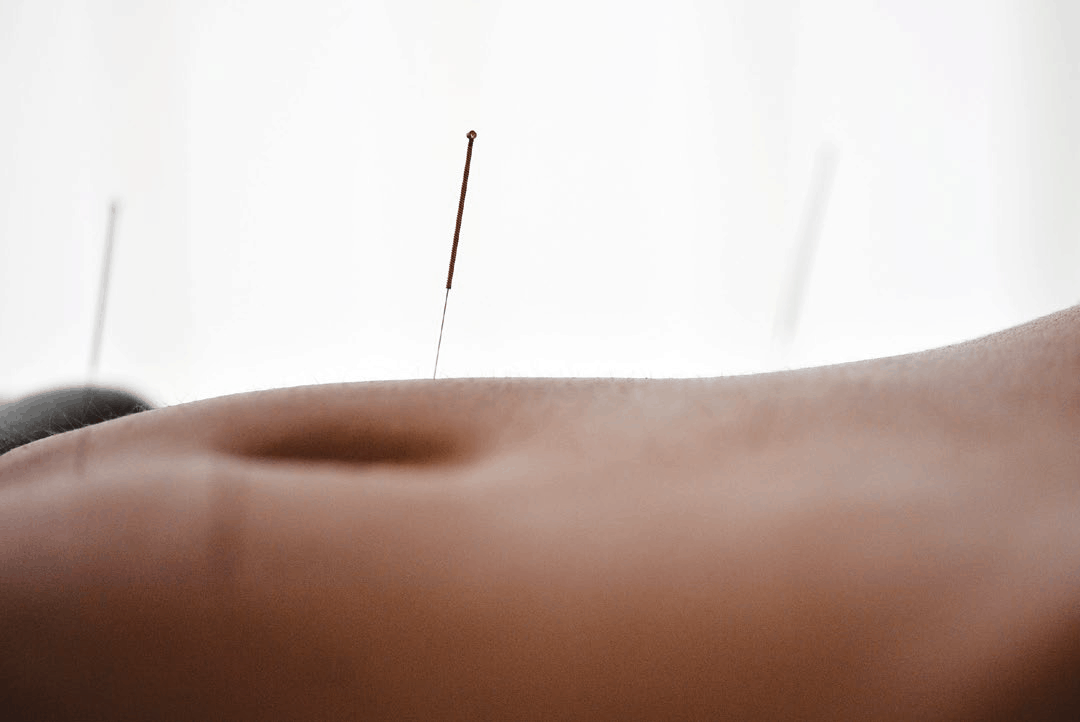
Acupuncture: Chinese Medicine in Lebanon Acupuncture is a part of traditional, Chinese medicine, and is estimated to be over 800 years older than traditional western medicine. Since it is not part of the western
canon of medicine, it is considered by many to be alternative medicine.
Acupuncture works by inserting a fine needle into the body, targeting meridians, or vital energy pathways associated with certain organs, in order to balance the energies in that organ as a way of healing, or curing, disease.
There is currently no recognized syndicate for practitioners of traditional Chinese medicine in Lebanon, despite the effort of practitioners such as Dr. Edmond Ibrahim, a Lebanese acupuncturist, for more than 20 years. Practitioners have no permits as medical practitioners, though Dr. Ibrahim, having studied Chinese medicine in China, has had his degree officially recognized in Lebanon by medical authorities.
University Saint Joseph has been offering one year “Diplomas Universitaires”, though those are afforded to doctors (whereas in China, a minimum of five years is required to be a certified practitioner of Chinese medicine). No law in Lebanon forbids its practice as a specialization, but its practitioners are not recognized as doctors. Therefore, such services are not reimbursed by private and/or public insurances as medical services, however effective the treatment may be.
In Lebanon’s current context, one might think that such services would be more restricted due to the current financial situation, but according to Dr. Ibrahim, this is not the case: since the beginning of the October revolution, the number of his patients has increased. “People care about the results,” he said. “And we did not change the prices of the sessions,” offered at his clinic, which has remained at USD 50 dollars (billed at 4000 LBP per USD).
The impact of Covid-19 has been heavy on the medical profession as a whole and acupuncture is no exception. Professionals have had to decrease the number of intakes and waiting rooms are organized to avoid patients mingling for fear of contamination. Could acupuncture and other parts of traditional Chinese medicine become a substitute to more traditional western medicine in Lebanon?
Dr. Ibrahim states that Chinese medicine will become cheaper compared to
western medicine as it only requires needles, requiring less medical supplies, therefore buffering the devaluation of the Lebanese lira.
Healing Healing is defined simply in the same way as medicine, but with the idea that the body has a capacity to heal itself, and can be defined as the direct interaction between a healer and a patient in order to alleviate suffering. Healing encompasses a wide variety of practices, including meditation, acupuncture, massage, energy healing and others, all in accordance to patients’ specific needs.

According to Ramzig Azazian, a practitioner of healing with a clinic in Burj
Hammoud, who has an Indian and Chinese background in the subject, healing is not a complete process but rather a complimentary one to accelerate healing. “Because of the acceleration of our lives, people are looking for faster and faster methods of healing”, said Azazian.
Like other practitioners of alternative medicine in Lebanon, they are not regulated: practitioners have to travel abroad to learn their credentials. Azazian on the other hand is a licensed physiotherapist, but Lebanon does not regulate the practice of spiritual healing in itself. Healers do not receive payments via insurance, nor are their services covered by insurance.On the other hand, said professionals do not face the same hurdle in other countries such as the US, as acupuncture and other forms of traditional medicine are covered by insurance providers.
Will healing gain from a probable spike in the price of medicine? Covid-19 has had a heavy impact on healing services. The prices of treatment have fallen, according to Azazian, while the number of patients has grown despite harsh financial conditions, which affects patients’ ability to seek treatment. “People are more stressed,” said Azazian, “so the number of patients has increased and the incomes have been reduced.”
Homeopathy Homeopathy is a holistic form of medicine based on the principle that the body can cure itself, in which ailments are treated by minute doses of natural substances which will trigger the body’s natural system of healing. Those natural substances, if taken in larger amounts, would otherwise produce in healthy persons symptoms similar to those of the disease being treated.

According to a report by Zion Market research in 2018, the global homeopathy products market was valued at approximately $5.39 billion in 2017 and was expected to generate revenue of around $15.98 billion by the end of 2024, at an annual growth rate of 16.8 percent.
An initial session includes going through the patient’s history, checking for
traumas, medical history, and even how the patient sleeps, to prescribe the most effective treatment. Critics attribute the successes of homeopathic treatment to the “placebo effect”.
Homeopaths are traditionally doctors and there can be no certification as such without a three-year specialization in medical school in western countries such as France. These doctors have studied the classic curriculum to become doctors and have completed this extra specialization. The University Saint Joseph used to offer this option, with courses offered as of 2010, but recently had to close it down due to financing limits in light of the current economic crisis. Homeopaths are not recognized as such by the Lebanese Board of Medicine and the Ministry of Health, however, they are recognized for their other accolades, such as generalists or pediatricians (homeopaths are usually either in Lebanon). Homeopathic medicines
are also not covered by insurance.
Most homeopathic medicines are imported and therefore not largely available in Lebanon. In light of the cash crisis, treatments for chronic diseases may become less and less sought after, as prices will most likely spike. On the other hand, the treatment for acute diseases is very short term and inexpensive, especially as there are pharmacies in Lebanon that fabricate homeopathic medicine, whose prices would not be affected.
In conclusion, though the treatment for chronic diseases might be affected, the treatment for acute disease will probably remain unchanged.
*Name was edited to protect privacy.

In light of the health sector’s difficulties and shortages of medicine, more Lebanese may turn to alternative medicine.
The global homeopathy products market was valued at $5.39 billion in 2017 and was expected to generate revenue of around $15.98 billion by the end of 2024, at an annual growth rate of 16.8 percent.

December 31, 2020 0 comments
1 FacebookTwitterPinterestEmail
EntrepreneurshipFintechSpecial Report

Pandemic creates surge for MENA fintech development

by Mirna Sleiman December 31, 2020
written by Mirna Sleiman

The number of Fintech startups have surged in the last 10 years: tech ventures which are positioned to serve and disrupt financial markets and the associated knowledge industries in the Middle East and North Africa (MENA) region. As of November 2020, the region has around 425 Fintechs as per the Fintech Galaxy Marketplace. 

Among ten different verticals grouped under the umbrella term “Fintech”, almost two thirds are found in three verticals: ventures in the “Payment, Transfers and Remittances” vertical take the lead with over 140 startups, followed by “Lending and Crowdfunding” and “Wealth and Finance Management” with 67 and 64 respectively. 

A look at distribution of Fintechs per country shows the United Arab Emirates leading with 154, followed by Saudi Arabia (86) and Egypt (67). Bahrain, currently in fourth place with 40 startups by our count at Fintech Galaxy (noting that these numbers vary between different reports and methodologies), is pressing ahead with Fintech infrastructure initiatives such as the new Central Bank of Bahrain (CBB) digital lab FinHub 973. Launched in October 2020, the platform aims to stimulate open innovation and connect financial institutions in Bahrain to fintech startups from across the globe by offering an API environment, a global Fintech marketplace and digitized regulatory sandbox. Lebanon, by our research, is the home country of 28 Fintech startups in Q4 2020. 

 The surge in MENA Fintech startups began about seven years ago when 29 new startups were recorded in 2014. Although the 2020 cohort of MENA’s new Fintechs – comprised of 21 in total – sharply dropped from 80 in 2018, primarily due to the uncertainties around the COVID-19 pandemic. However, new opportunities are now rising for Fintech players given the heightened need for digital banking services and increased customer sophistication.

I do not see a drop in passion for creating financial disruption in this region. And where there is passion, there are investors.  It’s estimated that the Fintechs in the region will raise $2 billion in venture capital (VC) funding by 2022 — and the sector only found footing in MENA three years ago. 

MENA fintech ecosystem trends

We have seen a paradigm shift in recent years as policy makers across MENA markets take steps to diversify their economies with a focus on making them less dependent on government spending and fossil fuels and more driven by innovation and sustainability. The financial sector, which has long been ripe for disruption, stands to play a key role in this shift, with demographics and financial inclusion being fundamental drivers. According to the World Bank, two-thirds of the adult population in the Arab world don’t have a bank account, and SME lending is well below the global average.  Indeed, fostering healthy Fintech ecosystems is seen as a leading pillar of economic diversification across member states of the Gulf Cooperation Council.

Fintech regulatory regimes started emerging in the region in 2017.  The Middle East has since become a hotbed of regulatory development, with several jurisdictions competing to establish themselves as the leading Fintech hub. 

 Fintechs were initially associated with payment and lending solutions and a vast majority of MENA Fintechs are concentrated in the digital payments, transfers and remittance sub-sectors.  But as the ecosystem develops, we see startups increasingly incorporate more advanced technologies like blockchain, machine learning, AI and big data into their services.  These newer technologies allow Fintechs to mitigate risk and offer a more personalized approach to customers.  

And Open Banking adoption in the region is just kicking off; this regulatory framework accelerates collaboration between traditional banks and Fintechs and has significant potential to transform MENA’s financial landscape.

 COVID-19 has served as a catalyst for digital transformation across a range of sectors, and this is particularly true for financial services and Fintech in the GCC. But it is worth noting that while the pandemic has served as a catalyst, this was a revolution that was already taking place. Between 2017 and 2019, the value of global Fintech transactions increased at a rate of over 18% each year, reaching over $20 billion in 2019.

MENA fintech regulations  

A changing regulatory landscape is the main catalyst for fintech growth in the MENA region. Almost all the countries in the Gulf region are trying to diversify their economies, moving towards knowledge-based economies where research and development, and innovation, are main drivers of growth.

Over the past few years, we have seen substantial efforts to design more diverse, competitive, and innovative economies. Government driven initiatives in several Arab countries have been taken to set up tech incubators, accelerator programs and regulatory sandboxes to support the growth of Fintechs. The central banks/ financial governing bodies in the UAE, Bahrain, Egypt, Oman, Lebanon, Jordan and Saudi Arabia have introduced Fintech related regulations and licensing frameworks in a variety of areas such as crowd funding and digital payment services.  We’re also seeing regulators launching initiatives around digital currencies and cryptocurrency. 

Even though all countries in the region have a commonality in objectives, the approach towards regulatory initiatives and enforcement varies. In some countries, the central banks have taken it upon themselves to do it while in others, economic free zones and different regulatory authorities have played the main role.

The governments across the region are also setting up sandboxes, meaning controlled environments of somewhat relaxed regulations to make it easy for Fintechs to test their services. Some governments and regulatory bodies in the region have also teamed up with different regional and international players to launch Fintech accelerators and incubators. 

Both established players and entrepreneurs are seizing opportunities and filling market gaps across a multitude of sub-sectors. 

As governments continue to implement favorable incentives and regulatory initiatives, opportunities will continue to develop, giving the region’s Fintech industry the potential to elevate overall welfare of participating countries. We are also seeing government action and investment in this space (eg. Saudi, Bahrain, Egypt, UAE) intent on creating job opportunities, as well as greater financial independence. Investment varies greatly across MENA, but I think we’ll start to see this trend expand across the region as there still are many pain-points along the journeys of Fintech startups.

Mirna Sleiman is the founder and chief executive of UAE based communication and integration platform Fintech Galaxy. 

December 31, 2020 0 comments
0 FacebookTwitterPinterestEmail
BusinessEntrepreneurshipSpecial Report

Gaming in Lebanon seriously hit

by Nabil Makari December 31, 2020
written by Nabil Makari

Despite the Central Bank’s (BDL) circular 331, which allows venture capital firms and banks to finance startups with less risks by guaranteeing investments up to 75 percent, Lebanese tech firms are casualties of the country’s economic woes. Between capital controls that restrict payment capacities abroad; the exile of talent fleeing Lebanon; and the sorry state of the electrical and internet infrastructures, Lebanon’s application, or “app”, creating firms are facing harsh difficulties. 

Existing gaming developers in Lebanon have targeted a worldwide audience, with the bulk of their downloads in North America and in Arab countries with developed gaming culture like Jordan, Egypt, Saudi Arabia and the Emirates, according to Lebnan Nader, CEO and co-founder of Game Cooks.

MENA gaming app developers have created popular content, with apps such as Tarneeb Masters (4.5 rating on Google Play Store with over 10,000 reviews), Domino Hit, Conqueror of the Realms and others. In 2020, gaming startup Yayy’s games, a Beirut-Based gaming publisher and developer that has developed games such as Conqueror of The Realm, Domino Hit and Mess It Up, have had over 100,000 monthly active users. The gaming industry, once seen as promising in Lebanon, has seen the recent shutdown of Arab Arcade, an initiative that had launched to support the development of gaming apps in Lebanon.

 From a business-model perspective, the gaming industry is divided into two primary segments: one, developers who create the gaming application, and two, publishers who promote the application on various outlets. Due to the current economic crisis, developers in Lebanon are facing a set of difficulties that are not only related to the crises of 2020, but also to Lebanon’s infrastructure as a whole.

For instance, GameCooks managed to establish an office in San Francisco in two days, online. “It took us 30 days to create a company in Lebanon,’’ reminisces Nader, lamenting the state of the regulatory framework.

Ziad Talge, founder and CEO of Yayy, is clear on the difficulties that app developers face due to high electricity costs and unreliable internet. 

Ironically, the Covid-19 pandemic did provide a small boost for the gaming industry, with many people working from home and in need of distraction. As a result, according to Talge, gaming applications have been heavily downloaded ever since the start of the pandemic. According to Gamesindustry.biz, the first three months of this year marked the largest quarter for mobile game downloads ever, with more than 13 billion installs across the App Store and Google Play. 

“We saw a huge boost in entertainment business, streaming, gaming etc.” says Hussein Hajo, Chief Operating Officer at YallaPlay, a Beirut-based gaming developer that has developed games such as Tarneed Masters. According to him, the boost in gaming applications downloaded, including his main application, Tarneeb Masters, is equal or slightly less than the growth in downloading of work applications developed worldwide as a whole. 

In some cases, the covid pandemic actually hurt game developers’ business. Game Cooks, for example, has developed a niche in virtual reality (VR), which unlike other games, requires going to a virtual reality arcade to wear a VR mask – unless you have your own equipment. GameCooks’ games are linked to arcades around the world, and they obtain a percentage fee on every game played that is developed by their company. As a result of the Covid-19 pandemic, virtual reality arcades worldwide have been hit hard and many forced to shut down, slashing GameCooks’ profits.

Capital control strikes again

Capital control laws have made it difficult for venture capital firms to invest in developers due to the economic insecurity of Lebanon. Additionally, funding would primarily be used for international payments, payments that are no longer possible. This spending would typically cover marketing, software services, and staff and talents abroad, according to Hussein. “This affected us in executing our plans,” Hussein says, “Especially in marketing as you have to spend real dollars abroad”.  

The Lebanese regulatory framework is also not seen as VC-friendly. “We live in the ice age with regards to regulation,” says Hussein. “We start paying taxes on our first day.” Gaming developers need time to register profits, and the lack of adequate subsidies does not encourage the development of applications in Lebanon.

To add, the internet in Lebanon is among the slowest in the Middle East. According to Speedtest, Lebanon ranks 159th out of 177 countries for internet broadband speeds. “We need a stable internet connection,” says Hussein, “We try to overcome that issue with our house algorithms and coding, but it is definitely an issue”. The work-from-home model also means that there is less bandwidth available for gaming per household.

While access to funding had been encouraged by BDL Circular 331 in 2013, the circular did not address shortcomings outside of the purview of the Central Bank such as the regulatory framework, the legal structures, and the ease of doing business. According to Doingbusiness.org, Lebanon’s worldwide rank is 143 with regards to how easy it is to do business, with 15 days to start a business and the average number of procedures needed at 22. Also, Circular 331 facilitated funding via banks, which are cautious by nature and less willing to take risks than venture capitalists, for example.

 A once-promising venture built on Lebanese talents is facing threats. With the impossibility to pay for servers, publishers, or talent, while obtaining little to no funding, the gaming industry in Lebanon might possibly be contemplating its twilight.

  • “We saw a huge boost in the entertainment business, streaming, gaming, etc.”
  • Lebanon ranks 159th out of 177 countries for internet broadband speeds; a major hurdle for internet-dependent sectors.
December 31, 2020 0 comments
0 FacebookTwitterPinterestEmail
BusinessEntrepreneurshipSpecial Report

Startups actually

by Thomas Schellen December 31, 2020
written by Thomas Schellen

Success is a perfect measure of life. Yet this perfect measure is never in itself perfect. Money, knowledge, passion, experience of gain, learning from failure… All can be successes and each can be a tremendous hurt that changes life’s trajectory. It depends on our objectives and circumstances.

Success of entrepreneurial startups and young tech enterprises in the 2020 setting of abysmal politics and their economic havoc, can be as wide as learning from failure and keeping the Lebanese entrepreneurial spirit despite everything, to a new idea that has become viable exactly because of the major changes 2020 has presented.

The yeas has been a pivot-point worldwide, changing the conditions that shape digital and tech entrepreneurship. E-commerce and gaming are teeming with market potential, boosted by new limitations of physical mobility that have seamlessly translated into increased digital mobility, shopping, and social interaction. 

The changes reverberated into retail – as brick and mortar vendors were rattled by the realization that they need full digital presence to compete. This may well have sparked a sudden demand for digital services and construction of e-commerce shopping platforms that qualifies as demand shock. 

Such a shock will quite predictably have upward distorting effects on formation of tech startups with aspirations to tackle this market for building and managing the digital real estate that is now under development – but it nonetheless is a boon for tech ventures, which already have experience in this realm and a hope and opportunity for new startups in a tech entrepreneurship ecosystem such as the Lebanese one.  

Change drivers on the meta level of financial markets globally are continued disruption of traditional banking and credit; the emerging acceptance of digital currencies by central banks (at least in conceptual terms and as far as they themselves can create those central bank digital currencies, or CBDCs); consumer acceptance of cash-free and card-less smartphone payment solutions (exemplified in the huge demand to buy into China’s Ant Financial / Alipay original initial IPO proposition of a $34 billion flotation that was halted in November); and last but not least the diversification of the regional fintech startup scene and rise of Middle Eastern fintechs (see comment by Mirna Sleiman). 

In medicine, apps in telemedicine are thriving worldwide, far beyond the spike of Covid tracking; and in education, the digital transformation of the classroom has also been flying high internationally.  From early in the lockdown days, investor and user interest alike has naturally zoomed in on communication and connectivity providers. All in all, it seems that the year 2020 could go down in history as the year when digital living acquired its virtual wings.  

Challenges and advantages of covid induced global changes

Set against the background of global economic uncertainty and local economic misery, the Lebanese environment for tech entrepreneurship is first of all that what it always was – a small ecosystem, equipped with a laboratory-sized native market and enticing regional opportunities, but nowhere near able to emulate the market mass that startups would find themselves surrounded by in Europe, the United States, or the Far East. 

However, players in this ecosystem can latch onto the global opportunities of this entirely atypical period in the global economy and thus transcend not only the traditional restraints of the small local market (as has been every successful startup’s vision since the conception of the entrepreneurship ecosystem in the early 2010s), but also the heavy chains of the country’s confounded economic crises that are ongoing and must be expected to last for years. 

The mounting risks for entrepreneurs are impossible to ignore. Fintech startups in particular, while needed and in principle better positioned than ever in the distressed Lebanese context of finance and banking, seem to not only – like everyone in the entrepreneurial landscape – have to fight the exchange rate and local ecosystem’s funding problems, but moreover still face uphill mentality battles and regulatory cliffs of restrictive public thinking when they even want to incorporate advisory services. 

This all means that global and regional markets are today the saving hope for the entrepreneurs of Lebanon. To cite one example from the cluster of new export-oriented ventures in the organic cosmetics realm, the past few months of Covid-related challenges appear to have actually enlarged market opportunities in the Gulf. 

As Neelam Keswani, co-founder and managing director of Dubai-based online fashion and beauty online store Glambizle.com, tells Executive, she saw her customers shift from purchases of appearance-enhancing makeup to spending their money on organic cosmetics such as hair, nail, and skin care products from indie and clean beauty brands. 

Her 2015 e-commerce startup, which experienced the typical trajectory of fast initial monthly growth followed by a plateau phase after three years, saw a serious growth spurt in 2020 – because customers focused on pampering themselves with organic cosmetics.  “In 2019 we took a flight up and 2020 was exuberant. People had a lot more time for developing a skin care and clean beauty routine,” Keswani says, attributing her venture’s exceeding of sales targets by double-digit percentages all throughout this year to the changes of lifestyles that were triggered by the corona virus crisis. 

Hard-earned business success

 Also Ayman Demachkieh, chief commercial officer of digital agency Webneoo in Lebanon (a maturing startup, see profile below) tells us that the company witnessed its results and its turnover go up by double-digit percentages over the course of the past 12 months. “Focusing on our e-commerce projects and not digital projects in general, there has been an increase of at least 15 to 20 percent comparing 2020 to last year. Covid-19 played in my opinion a huge role in raising awareness with every business owner of the importance of their digital presence,” he tells Executive. 

The  2020 cohort of new Lebanese startup successes is certainly not large in number (it never really has been and is even smaller than average this year) but large in entrepreneurial spirit nonetheless. Among them, Executive’s entrepreneurship radar picked up hopeful pings from two enterprises that are engaged with the ecosystem – Potion Kitchen just graduated from the SMART ESA accelerator and Cloud Sale recently signed on with the Nucleus Ventures startup support – and two standalone startup enterprises that this year have not directly been involved with the ecosystem, Webneoo and The Good Thymes.

For this snapshot at the end of the year, we bring you these four examples of entrepreneurial spirit that succeed against depression, capitalize on local products, monetize new solutions and regional opportunities, or are embarking with unbridled determination on finding the new opportunities hidden in crises.  

  • The cohort of new start-up successes in not large in number, but large in entrepreneurial spirit nonetheless.

THE GOOD THYMES

THE GOOD THYMES

Year of incorporation: 2018

Activity brief: Production, marketing, local sales and direct e-commerce sales of own niche brand products based on thyme and sumac, two spices native to Lebanon. Supply chain entails local sumac and thyme, plus importation of ingredients such as fruits and nuts used in proprietary product mixes.

Current markets: Lebanon, limited US presence, Kuwait and Dubai 

Founder(s): Fady Aziz

Team size: 7

Economic targets and markets of expansion:  

US, Saudi Arabia, Qatar, and European markets

Business model: B2C with some B2B

Funding stage: Bootstrapping

Current funding target: Not applicable

The Good Thymes is the 2017 brainchild of entrepreneur and designer Fady Aziz. The 2018-incorporated company has carved out a niche with its stylish products, which enabled it to have a year that begun hard, but then turned to be “not very good, but good,” as Aziz tells Executive. Exports are happening, to Kuwait, the United Arab Emirates and the heavily Lebanon-affine state of Michigan in the United States. 

Export incomes are allowing the firm to currently operate under a strategy of selling at or occasionally below cost in the Lebanese market. 

Locally, the company relies on select presence at 80 points of sales, third-party online retail platforms and seasonal stands to enhance its brand awareness. 

Fortuitously, Thymes was e-commerce ready with its own platform when the crisis hit and sales via this channel in the past quarter reached an estimated 30 percent of total sales.  

“It was in small quantities but we started exporting our products; this helps us to have balance from a financial perspective,” says Aziz. 

The existing narrow but logical export niche in the US state of Michigan is by the company’s strategy slated for expansion into the wider American market. Regional targets are Saudi Arabia and Qatar.  

POTION KITCHEN

Year of incorporation: 2018

Activity brief: Research and development, production and marketing of natural skin care and slow products in clean beauty niche. Patents for formulas are under preparation. Supply chain is composed of own production of essential oils and hydrosols, in addition to imported materials.

Current markets: Lebanon via e-commerce and resellers, expanding sales through proprietary e-commerce platform

Founder(s): Rafa Hojeij 

Team size: 4

Economic targets and markets of expansion: 

Near-term growth through exporting to West African markets beginning with Ivory Coast and Senegal

Business model: B2C

Funding stage: Looking for angel investors

Current funding sought: $65,000 to develop exports 

Establishing Potion Kitchen was Rafa Hojeij’s life-long dream. “Since I was a child I used to draw up skin care products, design labels and formulate them in our kitchen.” 

Raja has been changing her lifestyle to be as natural and healthy as possible. “I switched to a vegetarian [diet] and started to slow down my habits of consumerism,” she explains. This need to slow down and be more mindful fed her brand, leading Hojeij to create a slow beauty brand that cares about the environment and is opposed to mass production and consumerism. 

The strategy of Potion Kitchen is to be a clean beauty indie brand that is affordable to the middle class consumer in Lebanon and export markets, beginning with West Africa, where Hojeij can rely on family networks. 

“I wanted to create something affordable for people who are aware and have consciousness about their health, but don’t have such options available to them amongst imported brands that are very high in price.” 

The venture sources some of its essential oils and hydrosols by extracting them under own supervision in her home village but imports other ingredients. 

Sales channels are functioning well and include re=sellers as well as a proprietary e-commerce platform that became operational at the end of 2019. 

Having been accelerated at Smart ESA as part of the 2020 startup cohort, Potion Kitchen is looking for an angel investor.

CLOUD SALE

Year of incorporation: 2018

Activity brief: Online wholesale platform and e-commerce enabler. Digital services include four pillars: content development, branding, digital marketing strategy, and technology. 

Current markets: Pilot operation in Lebanon

Founder(s): Mohamad and Hani el-Hoss 

Team size: Two founders plus three part-timers 

Economic targets and expansion markets: Francophone and anglophone countries in Europe

Business model: B2B

Funding stage: Obtained seed funding 

Current funding target: To be determined

Cloud Sale graduated from the acceleration program of Flat6 Labs in Beirut, and pitched for investments at the second Flat6 demo day in fall of 2018. Commencing operations in January of 2019, the marketplace according to founder Mohamad El-Hoss, achieved turnover of more than $260,000 over the course of the year – up to the month of October. 

With heavy concentration of its hospitality sector client base in the trendy Gemmayzeh district of Beirut, the startup encountered a first wave of difficulties when the combination of social protests in the thawra and the mounting inability to set prices for imported supplies due to the sudden fluctuations in the exchange rate impaired the rising business. 

In response, the startup pivoted away from its B2B marketplace business model to a B2C model in the hospitality sector. Financing and operations were already becoming increasingly challenging throughout the first half of 2020. The ultimate blow came with the physical destruction of most restaurants and pubs in Gemmayzeh on August 4. 

The startup decided to reinvent itself from running marketplaces with a hospitality sector focus, to become an e-commerce enabler. Cloud sale enrolled in the Nucleus Ventures program, obtaining perspectives of seed funding and potential matching funds via the Nucleus network and its Lebanon Enterprise and Employment Programme (LEEP) partner program from the UK. 

Cloud Sale has just designed its manifesto of the digital services that it is going to offer. The new main target market is Europe rather than the GCC, which according to Hoss are crowded with competitors from the Indian subcontinent and the Far East. “We will position ourselves for the European market,” Hoss tells Executive.  

Webneoo

Year of incorporation: 2012

Activity brief: Software company, provision of e-commerce advisory and platform building

Current markets: Clients in Europe and Lebanon 

Founder(s): Michel Achkar and Nour Fakhoury 

Team size: 8

Economic targets and expansion markets: Be a global player in facilitating communication between digital services providers and their clients 

Business model: B2B

Funding stage: Bootstrapping 

Current funding target: To be determined

Webneoo is the most mature tech venture in our list of interesting startups at the end of 2020. The company has achieved business growth in terms of turnover and results this year and used the virus factor to its favor, chief commercial officer Ayman Demachkieh tells Executive. The coming years in his view will see continued growth in the demand for building of e-commerce platforms, advisory on digital strategy, and provision of digital management of social media. 

“All businesses that have physical shops and cannot sell online discovered that they have inventory that they could not move under the crisis. They realized the importance of having digital presence and online market action,” explains Demachkieh who says he joined Webneoo because he found it to be a digital agency that combines a startup culture with a highly professional way of doing things. 

He was not authorized to disclose revenue or profit information but volunteered to say that “the company is doing well, especially this year.” 

Having launched a new line in 2019 that is in the domain of digital applications, the company is strategizing for further expansion and ultimately global presence by offering “a custom designed application to make communication and work easier between any digital agency and their client. We actually target international clients, the whole world. However, we are currently focusing on building our portfolio in the GCC,” Demachkieh adds. 

 Webneoo is not currently engaged with fundraising but is contemplating to launch a new round of equity seeking in the second or third quarter of 2021.

December 31, 2020 0 comments
1 FacebookTwitterPinterestEmail
  • 1
  • …
  • 38
  • 39
  • 40
  • 41
  • 42
  • …
  • 689

Latest Cover

About us

Since its first edition emerged on the newsstands in 1999, Executive Magazine has been dedicated to providing its readers with the most up-to-date local and regional business news. Executive is a monthly business magazine that offers readers in-depth analyses on the Lebanese world of commerce, covering all the major sectors – from banking, finance, and insurance to technology, tourism, hospitality, media, and retail.

  • Donate
  • Our Purpose
  • Contact Us

Sign up for our newsletter

    • Facebook
    • Twitter
    • Instagram
    • Linkedin
    • Youtube
    Executive Magazine
    • ISSUES
      • Current Issue
      • Past issues
    • BUSINESS
    • ECONOMICS & POLICY
    • OPINION
    • SPECIAL REPORTS
    • EXECUTIVE TALKS
    • MOVEMENTS
      • Change the image
      • Cannes lions
      • Transparency & accountability
      • ECONOMIC ROADMAP
      • Say No to Corruption
      • The Lebanon media development initiative
      • LPSN Policy Asks
      • Advocating the preservation of deposits
    • JOIN US
      • Join our movement
      • Attend our events
      • Receive updates
      • Connect with us
    • DONATE